Whether a Basset Hound Can Be Taught to Leave It
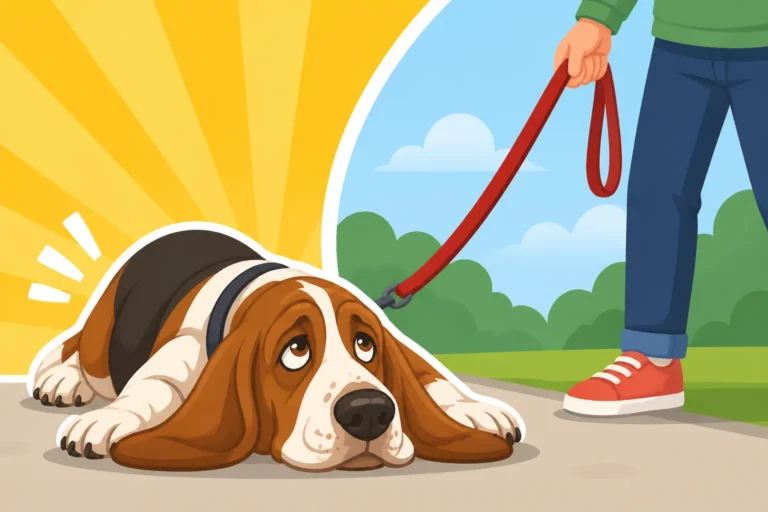
It’s a tale as old as time for Basset Hound owners: you’re out on a walk, enjoying the fresh air, when suddenly your beloved hound’s nose hits a scent trail. Before you can even blink, they’ve transformed from a leisurely companion into a determined, low-riding scent-detection machine, completely oblivious to your existence, let alone your pleas to "leave it!" That moment of dread, watching them zero in on something questionable – or downright dangerous – is a universal frustration. This guide is all about equipping you with the tools and understanding to teach your Basset Hound that vital "Leave It" command, ensuring their safety and your peace of mind.
Understanding the Basset Hound's Obsession with Scent
Before we can even think about teaching a Basset Hound to leave something, we first need to appreciate why they are so incredibly drawn to it in the first place. These aren't just dogs with a good nose; they are scent-driven specialists, bred for centuries to follow a trail with unwavering focus. Their entire anatomy, from those long, velvety ears that sweep scent upwards, to the loose skin around their neck and muzzle that traps scent molecules, is designed for one purpose: to hunt by scent.
When a Basset Hound's nose locks onto an interesting smell – be it a discarded half-eaten sandwich, a dead squirrel, or something far more nefarious on the sidewalk – it's like a switch flips in their brain. Their world narrows to that scent. Every instinct, every fiber of their being, screams "Follow!" This isn't stubbornness in the human sense; it's the very essence of their breed purpose kicking in. Asking them to simply ignore it is like asking a fish to ignore water. It requires a profound re-direction of their deepest drives, and that means our training needs to be equally profound and consistent.
Think about it from their perspective: they’ve just discovered a treasure map written in odors, and you’re asking them to throw it away before they even find the X. It’s a huge ask, which is why a gentle, patient, and highly rewarding approach is absolutely essential. We’re not trying to break their spirit or their incredible nose; we're trying to teach them that your instructions are even more rewarding than whatever fleeting wonder their nose has found. This foundational understanding is key to unlocking successful "Leave It" training.
The Foundation of "Leave It" Training for Your Basset Hound
Teaching "Leave It" effectively is a gradual process, building from low-distraction environments to real-world scenarios. It’s less about a quick fix and more about consistent, positive reinforcement that genuinely convinces your Basset Hound that listening to you is always the better option.
Starting with Low-Value Items Indoors
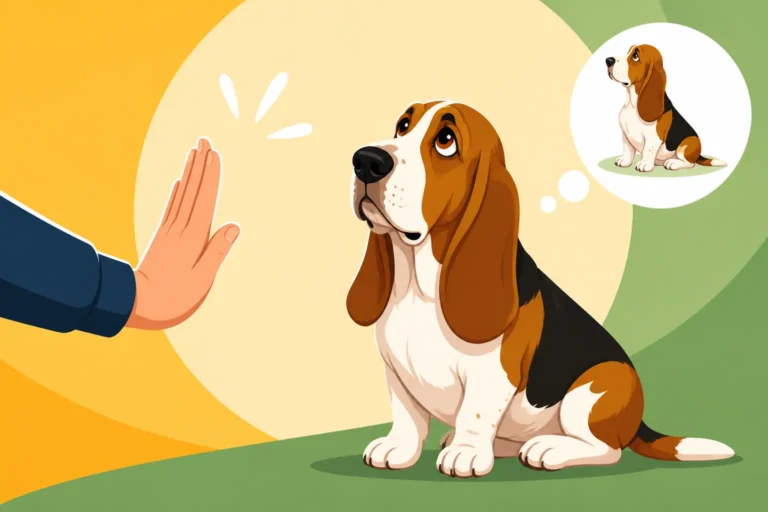
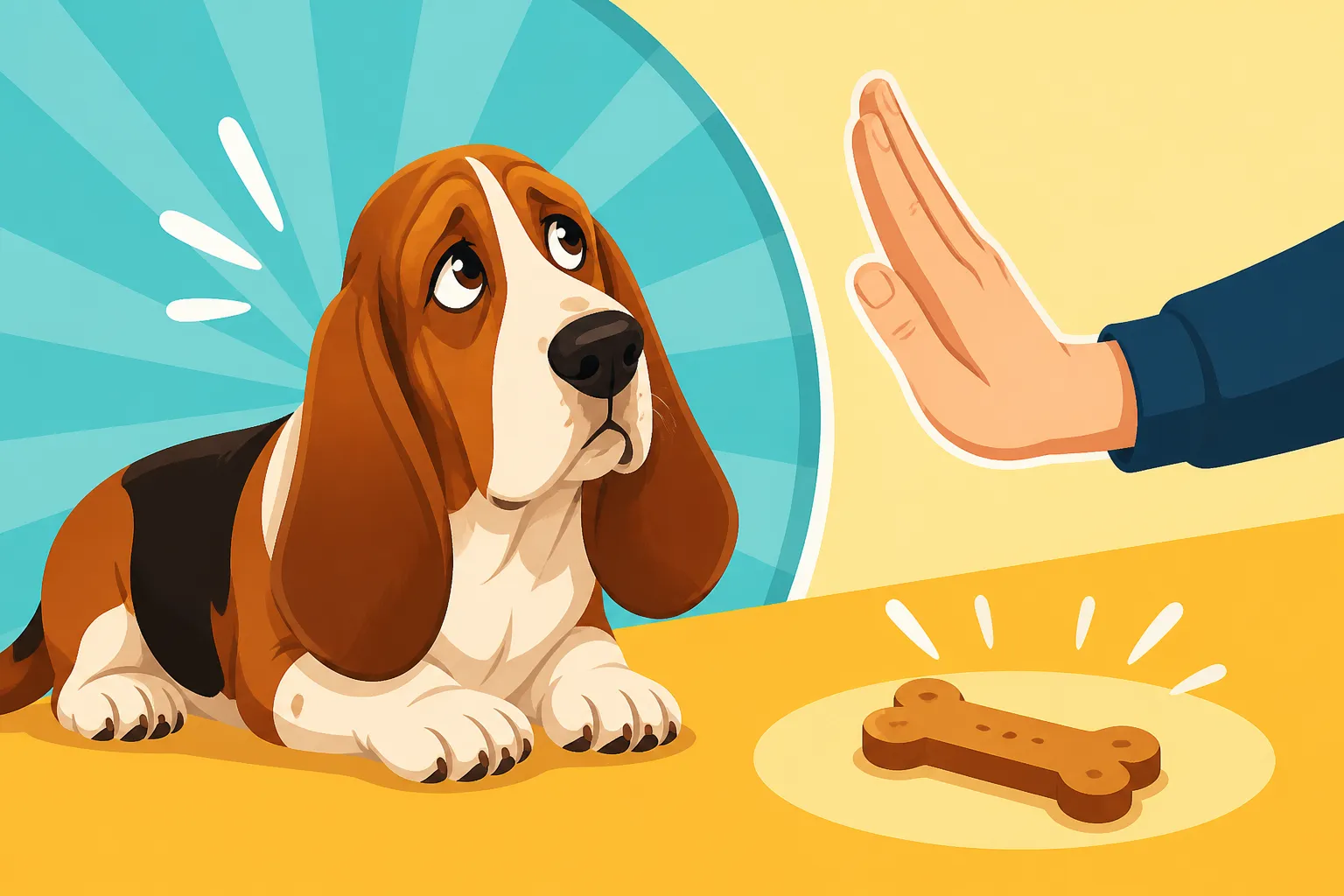
The journey to a reliable "Leave It" begins in a controlled, calm environment – your home, free from the overwhelming scents of the outdoors. Start with items that are not super exciting to your Basset Hound. A plain kibble piece or a boring toy works perfectly. Hold it in your closed fist, letting your Basset Hound sniff and try to get it. The moment they back away, even slightly, or look at you, immediately say "Yes!" or "Good!" and reward them with a different, high-value treat from your other hand. The key here is that they don't get the item they were trying to "leave." This teaches them that disengaging from the "leave it" item gets them something even better from you. Repeat this many, many times, slowly increasing the duration they have to ignore your fist.
Once they're consistently leaving your closed fist, move to placing the low-value item on the floor. Start with your hand covering it. When they show interest, say "Leave It." If they move away or look at you, immediately reward with a high-value treat from your hand away from the item, and then pick up the item. Gradually, lift your hand away from the item for longer periods, always being ready to cover it if they try to grab it. This phase requires immense patience, especially with a Basset Hound who views everything as a potential snack. If they manage to snatch it, it means you moved too fast. Just reset, try again, and make it easier next time. Remember, the goal is success, not frustration.
Gradually Increasing Distraction and Value
Once your Basset Hound is a pro at leaving low-value items indoors, it's time to up the ante. Start introducing slightly more appealing items – maybe a favorite toy they enjoy but aren't obsessed with, or a slightly tastier treat. Keep training sessions short and positive, ending on a high note. As they succeed, gradually increase the value of the "leave it" item. This could be a piece of cheese, a toy that squeaks, or even another person holding the item.
The crucial next step is to introduce distractions around the "leave it" item, without increasing the item's value too much yet. This could mean having family members walk by, dropping a spoon, or playing a quiet sound in the background. The ultimate goal is to move this training outdoors, but only once they are consistently performing "Leave It" with high-value items and distractions indoors. You might find a great resource like BAXTER & Bella's online training program helpful here, as they often provide structured steps for gradually increasing difficulty in real-world settings. When you do go outside, start in a very low-distraction area, like your own quiet yard, before moving to places with more stimuli. Your Basset Hound's incredible nose means that what seems like a low distraction to you can be a sensory overload for them.
Incorporating the Leash and Real-World Scenarios
When you finally take "Leave It" outdoors, the leash becomes your best friend. A good, sturdy leash and a comfortable harness are essential, giving you the ability to guide your Basset Hound away from tempting smells without resorting to harsh jerks. Start your outdoor training in a quiet park or your own backyard where distractions are minimal. Walk past a dropped piece of kibble, for example. As your Basset Hound heads for it, say "Leave It" in a clear, calm voice. If they pull, give a gentle, consistent pressure on the leash to redirect them, and the moment they look at you or move away from the item, reward heavily with a treat. Many owners find that a longer lead, sometimes available on Amazon, gives them more control while still allowing the dog some sniffing freedom in a safe space.
It’s inevitable that your Basset Hound will occasionally ignore you, especially when a truly captivating scent crosses their path. This is where consistency and patience truly shine. Don't get discouraged. Instead of getting angry, simply reset. Guide them away, then try again with an easier "leave it" challenge. The goal isn't perfection every single time, but building a strong enough foundation that they choose to listen more often than not. Remember, for a Basset Hound, the natural world is a symphony of smells, and you're asking them to selectively mute certain notes. It's a big ask, but one that is absolutely achievable with dedication. For more on their natural inclinations, you might want to read Why a Basset Hound Stops Hearing You When It Smells Something.
Common Challenges and Troubleshooting "Leave It" with a Basset Hound
Even with the best intentions, training a Basset Hound to reliably "Leave It" can feel like an uphill battle. Their inherent drive and unique physiology present specific hurdles that require understanding and tailored strategies.
The Power of the Basset Hound Nose vs. Your Voice
The biggest challenge, hands down, is the Basset Hound's unparalleled sense of smell. To them, a scent trail isn't just a smell; it's a story, a mystery, an imperative. Your voice, no matter how much you love them, simply can't compete with the allure of a really good scent on the ground. This is why positive reinforcement is so critical. You need to make you and your treats more interesting and rewarding than whatever they've found.
One common mistake is trying to correct too late. If your Basset Hound is already halfway to devouring a questionable item, a sharp "Leave It!" is often useless. You need to anticipate. Watch your dog's body language. That sudden freeze, the nose dropping lower, the tail perhaps stiffening slightly – those are your cues to intervene before they become fully committed to the scent. Use your "Leave It" command, coupled with a gentle redirection with the leash, and immediately reward any flicker of attention they give you. Think of it as a competition: your high-value treat (cubed chicken, hot dogs, cheese) against that interesting something on the ground. For more on what truly motivates them, check out What Actually Motivates a Basset Hound.
Dealing with Stubbornness and Selective Hearing
Many Basset Hound owners describe their dogs as stubborn, but often, it's more about their independent nature and single-minded focus. When they "tune you out" to follow a scent, it's not personal; it's instinct. Repeatedly yelling "Leave It!" without effective follow-through or reward will quickly make the command meaningless.
If you find your Basset Hound consistently ignoring you, it's usually a sign that you've progressed too quickly. Go back to an easier step in the training, where they can consistently succeed. Short, frequent training sessions are far more effective than long, frustrating ones. Also, ensure your rewards are truly high-value. What might be motivating for a Labrador might be merely acceptable for a Basset. Experiment to find their absolute favorite treats. If they're particularly unmotivated by food, consider using a favorite squeaky toy as a reward, if they're willing to engage with it after leaving an item. Don't be afraid to take a step back and reinforce the basics. They might be slow learners in some aspects, but they are capable. Whether a Basset Hound Learns Slowly can offer more insights into their learning style.
When to Seek Professional Help
There are times when despite your best efforts, you might feel like you're hitting a wall. If your Basset Hound is showing signs of extreme resource guarding with items they find, or if their refusal to leave dangerous items is putting them at significant risk, it might be time to bring in a professional. A certified professional dog trainer can assess your Basset Hound's individual temperament and provide tailored strategies. They can observe your interactions and pinpoint where communication might be breaking down, offering fresh perspectives and hands-on guidance.
Sometimes, all it takes is a few sessions with an expert to get you back on track. They can introduce new techniques, like using a "long line" for outdoor training, which gives your Basset Hound more freedom to explore safely while still allowing you control. Don't view seeking help as a failure; it's an investment in your Basset Hound's safety and your shared enjoyment of life together. It ensures that critical commands like "Leave It" become ingrained, protecting your hound from potential dangers.
Here’s a quick overview of common training scenarios and how to approach them:
| Scenario | Difficulty Level | Common Basset Hound Response | Effective Training Approach |
|---|---|---|---|
| Kibble on a clean floor, indoors | Easy | Mild interest, might investigate | "Leave It" + immediate high-value treat for looking away. Repeat often. |
| Favorite toy in plain sight | Medium | Intense focus, might try to grab | "Leave It" + hand barrier if needed. Reward engagement with you, not the toy. |
| Interesting smell on sidewalk | Hard | Nose-down, full tunnel vision | Anticipate, use leash pressure, "Leave It" + super high-value treat when attention shifts. |
| Dangerous item (e.g., chicken bone) | Critical | Immediate lunge, strong pull | Prevention is key. Strict leash control. "Leave It" + emergency high-value reward. Avoid area. |
Making "Leave It" a Lifelong Habit
Teaching "Leave It" is not a one-and-done lesson; it's an ongoing practice that needs to be reinforced throughout your Basset Hound's life. Think of it as a muscle that needs regular exercise to stay strong, especially given their innate drive to sniff everything.
Consistent Reinforcement in Daily Life
The more you integrate "Leave It" into your everyday routines, the stronger it will become. This means practicing it not just during dedicated training sessions, but whenever opportunities arise. For instance, if you drop a piece of food in the kitchen, use it as a chance to say "Leave It" before they get to it, then reward them for complying. If you see something questionable on your walk from a distance, preemptively say "Leave It" and reward them before they even fixate on it.
Vary your rewards to keep them engaged. While high-value treats are often king for Basset Hounds, sometimes a favorite squeaky toy or a quick game of tug can also serve as a powerful reinforcer. The key is to make your interaction and your rewards consistently more appealing than whatever tempting morsel or scent they might encounter. Remember, their noses are always on duty, and what they find fascinating today might be different tomorrow. Ongoing practice ensures that "Leave It" remains a priority in their busy, scent-filled world.
Preventing Reversion and Overcoming Setbacks
It’s completely normal for a Basset Hound to have a "senior moment" or two and regress on their "Leave It" command. Don't take it personally. A lapse doesn't mean the training failed; it just means it needs a little tune-up. If you notice them becoming less responsive, re-evaluate. Are you making it too difficult? Are your rewards high-value enough? Have you been practicing consistently?
Go back to basics, even if it feels tedious. Revisit those low-distraction environments indoors, working your way up again. This periodic review helps solidify the command. Also, consider the environment. If you're walking in an area known for dropped food or tempting garbage, be extra vigilant and prepared to intervene before they even get a chance to sniff. It’s far easier to prevent them from locking onto something than it is to pull them away once their nose has taken over. Being proactive and understanding their powerful instincts, as discussed in Whether a Basset Hound Follows Its Nose Into Traffic, will help you prevent many sticky situations.
Enrichment Activities That Support "Leave It"
Instead of fighting their natural instincts, lean into them! Providing appropriate scent-based enrichment activities can actually strengthen your bond and make them more receptive to your commands, including "Leave It." Scent work games, like hiding treats around the house or using snuffle mats, allow them to use their incredible noses in a structured, controlled way. This fulfills their innate desire to track and explore scents, often making them more tired and satisfied.
When their powerful noses are engaged in a positive, constructive way, they might be less inclined to seek out every random smell on the street. Consider activities like 'nose work' classes, where they learn to identify specific scents, or using puzzle toys that require them to problem-solve with their noses. These activities are mentally stimulating and can help channel their energy. A satisfied Basset Hound, whose innate desires are met, is often a more compliant Basset Hound. For more ideas on how to engage their incredible sense of smell, explore articles like Giving a Basset Hound's Nose Something to Do. This balance of fulfilling their natural drives while setting clear boundaries through commands like "Leave It" is the sweet spot for a happy, well-adjusted Basset Hound.
Disclaimer
This article is for general informational purposes only and does not constitute professional advice. Laws, prices and regulations vary by location and change over time. Consult a qualified professional for guidance on your specific situation.