Whether a Basset Hound Raids the Trash
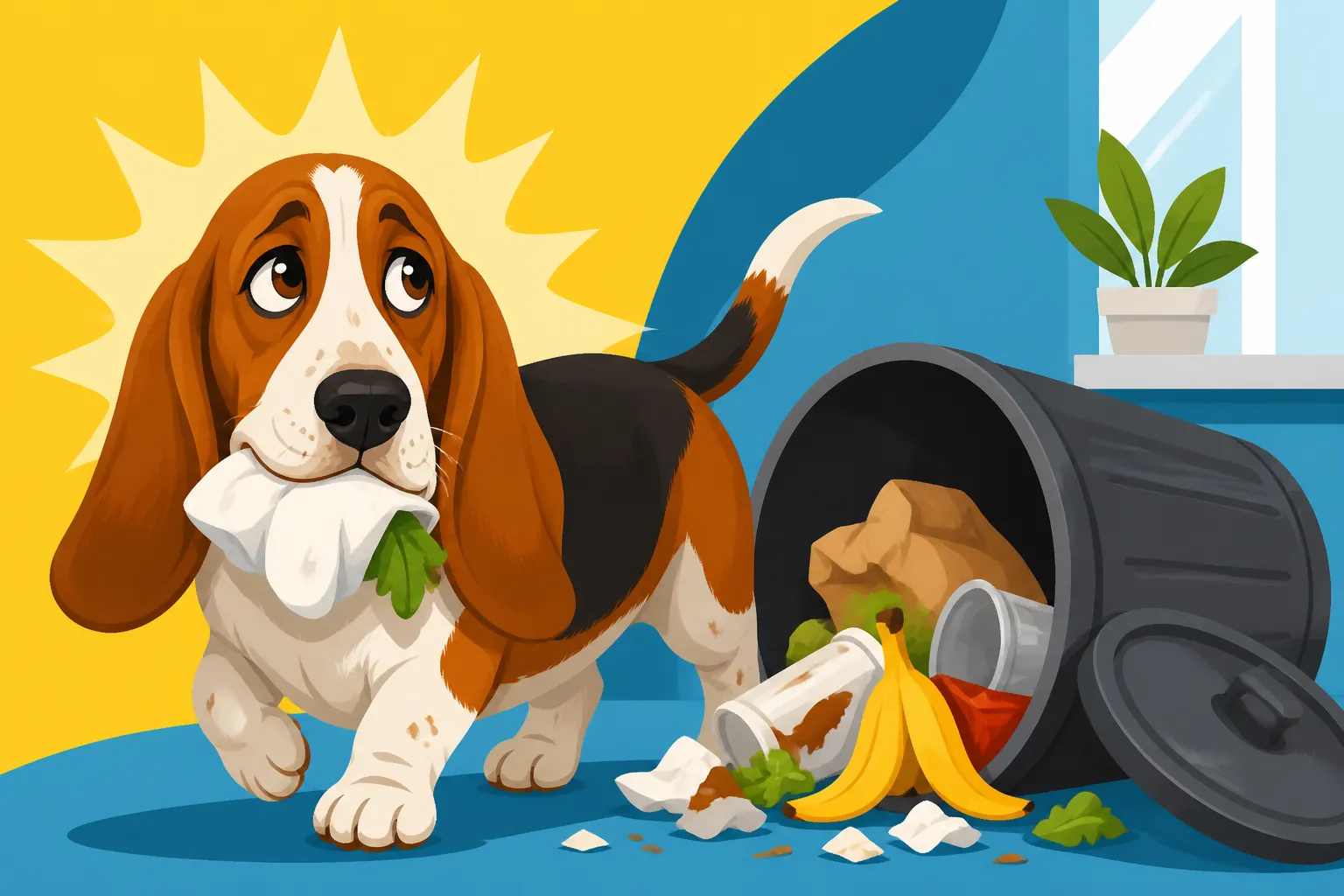
Ah, the classic Basset Hound trash raid! It's a scenario many of us Basset parents know all too well: you leave the house for just a little while, only to return to a kitchen floor adorned with coffee grounds, discarded food wrappers, and what appears to be half a chicken carcass. It’s frustrating, messy, and can even be dangerous for our beloved hounds. This comprehensive guide is here to help you understand why your Basset sees your garbage as a treasure chest and, more importantly, how to put a stop to this stinky habit for good.
Understanding the Basset Hound's Motivation to Trash Dive
It’s easy to get angry when you find your trash strewn across the floor, but it’s crucial to remember that your Basset isn't doing it out of spite. They're acting on deeply ingrained instincts and their incredible sensory abilities. Understanding these motivations is the first step toward effective prevention.
The Irresistible Scent Trail
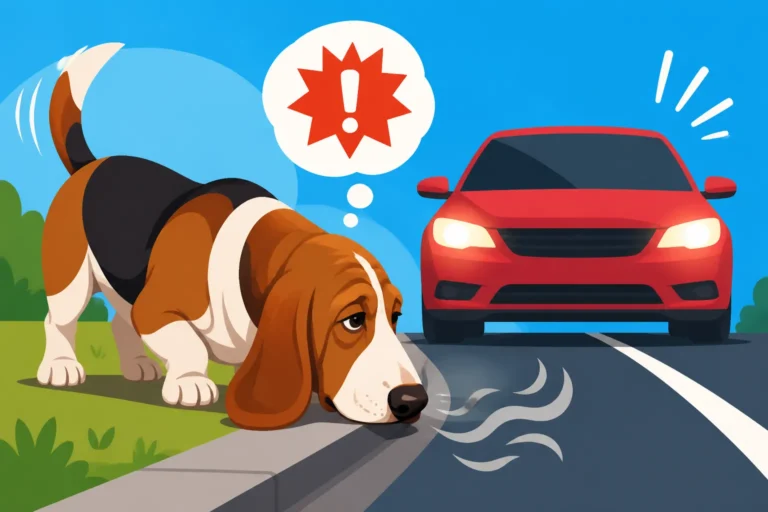
Let's face it: our trash cans are a smorgasbord of fascinating aromas for a Basset Hound. Their noses are legendary, often considered second only to a Bloodhound's in terms of olfactory prowess. The Nose That Puts a Basset Hound Second to a Bloodhound isn't just a fun fact; it's a superpower that can lead them straight into mischief. To a Basset, those discarded chicken bones, stale bread, or even just the lingering smell of last night's dinner on a paper plate, are like an open invitation to investigate.
Imagine walking into a room filled with your favorite foods, all perfectly ripe and calling your name. That's what a trash can smells like to your Basset. Their long ears, often thought to help sweep scents towards their nose, only enhance this experience. Whether a Basset Hound's Ears Stir Scent Toward Its Nose is a common theory, and while the exact science is debated, there's no denying that everything about a Basset is designed for scent detection.
This powerful sense of smell makes the trash an exciting puzzle to solve. They’re not just looking for food; they’re exploring a world of information through their nose. The stronger and more varied the smells, the more compelled they are to dig in and discover what hidden treasures lie beneath the surface. It's a fundamental part of their being, making it a very difficult habit to break without understanding its roots.
The Opportunistic Hunter
Before they were our couch-potato companions, Basset Hounds were bred as hunting dogs, trailing small game for hours. This lineage instilled in them a natural drive to forage and scavenge. They are, by nature, opportunistic eaters. If there's something remotely edible (or even just interesting) available, they'll seize the chance. This instinct doesn't disappear just because they live in a cozy home; it simply redirects towards new "prey"—like your kitchen waste.
Think about it from their perspective: you, the human, often bring home delicious things, eat them, and then dispose of the remains in a convenient container. To a Basset, this looks suspiciously like caching food or leaving leftovers. Their minds are wired to take advantage of any accessible food source, and if that source happens to be a flimsy plastic bag in an open bin, it's fair game. They aren't trying to be naughty; they're simply being Bassets.
This opportunistic nature is why merely telling them "no" often isn't enough. The reward of a potential snack, however small, often outweighs the perceived punishment or your displeasure. They're driven by an instinct to find and consume, and a trash can filled with discarded food is the ultimate jackpot for a dog with their heritage.
Boredom and Lack of Stimulation
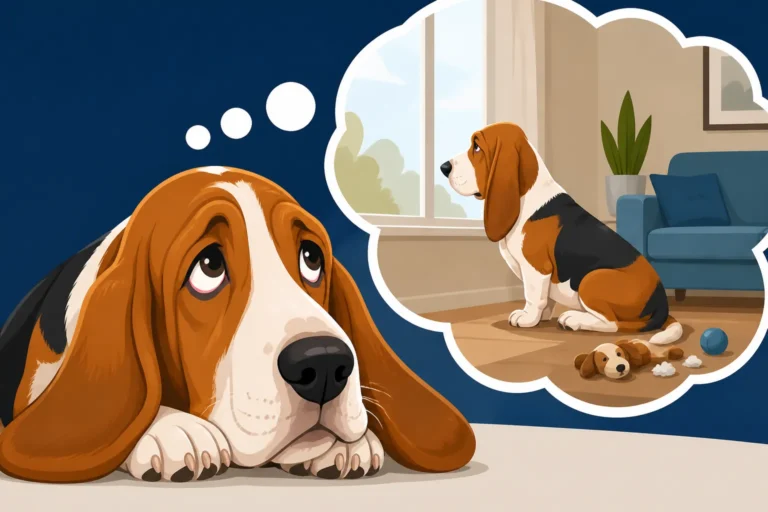
Sometimes, trash raiding isn't just about food or scent; it's a symptom of boredom. Basset Hounds, despite their laid-back appearance, are intelligent dogs that need mental and physical stimulation. If they're not getting enough exercise, playtime, or engaging activities, they will find ways to entertain themselves. And what's more entertaining than unraveling a mysterious, smelly package like your garbage?
A Basset Hound left alone for long periods without adequate mental enrichment might turn to destructive behaviors, and trash diving is a prime example. Whether a Basset Hound Destroys Anything When Bored often stems from this lack of engagement. They might start by sniffing, then nudging, and before you know it, the entire contents of the bin are scattered across the floor, providing hours of self-directed entertainment. It's a sensory experience: the smells, the textures, the act of tearing and exploring.
Ensuring your Basset has enough to do is vital. This includes regular walks (even if they sometimes refuse to move further, as discussed in The Basset Hound That Will Not Walk Any Further), interactive toys, chew items, and opportunities for scent work. A tired, mentally stimulated Basset is far less likely to seek out trouble in the trash bin than one brimming with pent-up energy and curiosity.
Practical Strategies to Prevent Trash Raiding
Now that we understand the "why," let's talk about the "how." Preventing your Basset from raiding the trash often comes down to a combination of making the trash inaccessible and redirecting their natural instincts.
Fortifying Your Trash Cans
The most effective way to stop trash raiding is to remove the opportunity entirely. This means investing in Basset-proof trash cans. Forget the flimsy pedal bins or open wastebaskets; your Basset will see those as a personal challenge. You need something secure, something they cannot open, knock over, or get their snout into.
Look for trash cans with secure locking lids or heavy-duty designs that are difficult to tip over. Some excellent options include those with foot pedals and a strong latching mechanism, or even kitchen bins that are specifically designed to be pet-proof. You might start by browsing options on Amazon, where you can find various styles and security features, including motion-sensor lids that only open for humans, or bins with internal mechanisms that make it impossible for paws or noses to lift the lid. A sturdy, weighted base is also a huge plus, as a determined Basset can often use its weight and broad chest to nudge lighter bins. Consider a model made of durable metal, rather than easily chewed plastic, if your Basset is particularly persistent.
If a new trash can isn't immediately feasible, temporary measures can include placing the bin inside a pantry or a cabinet with a latch, or even using child-proof locks to secure cabinet doors where trash is kept. The key is to create an impenetrable barrier between your Basset and the enticing smells within.
Managing Access and Supervision
Beyond securing the trash can itself, managing your Basset's access to the kitchen or areas where trash might be present is crucial, especially when unsupervised. This means creating clear boundaries and being consistent.
When you're not home, or even when you're simply occupied and can't keep a watchful eye, consider confining your Basset to a specific, safe area where trash isn't an issue. This could be a secure part of the house, a dog-proofed room, or a comfortable crate. How Long a Basset Hound Can Be Left Alone safely often depends on their training and how well the environment is set up. Using baby gates can be incredibly effective for restricting access to certain rooms. Remember, Bassets are low-riders, but they can still be surprisingly adept at squeezing through small gaps or knocking over flimsy barriers, so ensure any gate is secure and tall enough to discourage jumping (which, admittedly, isn't usually a Basset's forte!).
Supervision is also key during meal prep or when entertaining, as small scraps might fall onto the floor, making the trash even more tempting. Promptly clean up any dropped food and be vigilant about closing the trash can lid immediately after use. The less opportunity your Basset has to practice the behavior, the less likely it is to become a deeply ingrained habit.
Enriching Their Environment
A mentally stimulated Basset is a happy Basset, and a happy Basset is less likely to resort to raiding the trash out of sheer boredom. Providing plenty of appropriate enrichment can channel their natural instincts in positive ways.
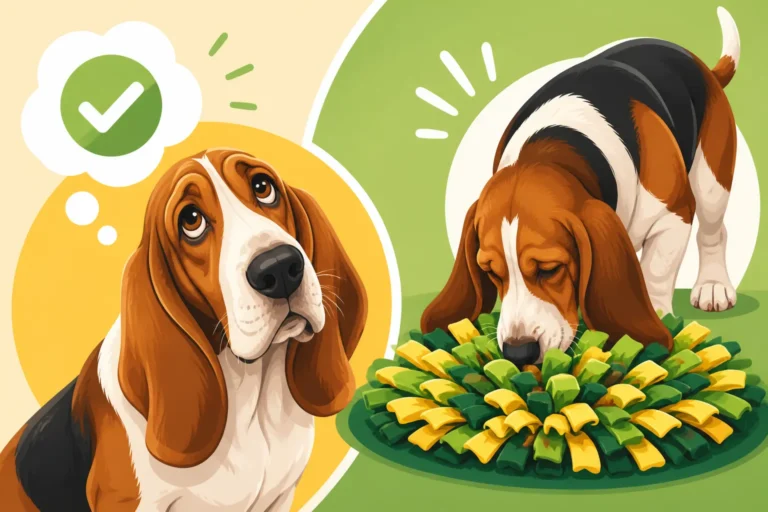
Focus on activities that engage their incredible sense of smell. Snuffle mats, puzzle feeders, and hiding treats around the house (scent work!) can be fantastic outlets. This allows them to use their nose for good, fulfilling their natural desire to forage and problem-solve. Giving a Basset Hound's Nose Something to Do is not just a treat, it's a necessity for this breed. These activities can keep them occupied for significant periods, diverting their attention from the tempting trash bin.
Ensure they get sufficient physical exercise as well. While Basset Hounds aren't marathon runners, regular, moderate walks are important. This doesn't mean forcing them to jog with you, as discussed in Whether a Basset Hound Should Jog With You, but a leisurely sniff-filled stroll can do wonders. A Basset who has had a good walk and a session of mental enrichment will be more inclined to nap peacefully than to seek out trouble. Rotate toys, offer sturdy chew bones, and consider interactive toys that dispense treats slowly to keep them engaged when you can't actively play.
Addressing the Behavior Through Training and Management
While prevention is primary, training plays a crucial role in managing your Basset's behavior and giving them the tools to make better choices when faced with temptation.
Teaching "Leave It" and "Drop It"
These two commands are absolute lifesavers for any dog owner, but especially for those with scent-driven breeds like Bassets. "Leave It" teaches your dog to ignore something tempting, while "Drop It" teaches them to release something they already have in their mouth.
Start teaching "Leave It" in a low-distraction environment. Hold a treat in your closed fist. When your Basset tries to sniff, lick, or paw at it, say "Leave It." The moment they look away, even for a second, open your hand and reward them with a different, even more appealing treat from your other hand. This teaches them that ignoring the first item leads to a better reward. Gradually increase the difficulty, moving to an open hand, then placing the treat on the floor, and eventually, practicing with tempting items like discarded food scraps (never anything dangerous!) near the trash can. Resources like BAXTER & Bella offer comprehensive online puppy and dog training programs that can be invaluable for teaching commands like "Leave It" and "Drop It," which are critical here.
"Drop It" can be taught by offering your Basset a low-value toy. As they hold it, present a high-value treat right to their nose. As they open their mouth to take the treat, say "Drop It." Once they drop the toy to take the treat, praise them and then give them back the toy, or offer another fun item. Consistent practice of both these commands will empower you to intervene effectively when your Basset shows interest in the trash, or if they manage to get something out.
Consistency and Positive Reinforcement
Basset Hounds respond best to positive reinforcement and a consistent approach. Yelling, scolding, or punishing them after the fact is generally ineffective and can even damage your bond. They won't connect your anger to an act they committed minutes or hours ago; they'll just learn to be wary of you when you're upset.
Everyone in the household needs to be on the same page regarding trash management and training commands. If one person uses a secure bin and another leaves an open one, your Basset will quickly learn who the "easy target" is. Consistency means always securing the trash, always redirecting unwanted behavior, and always rewarding desired behavior. When your Basset walks past the trash can without a glance, or chooses their puzzle toy over sniffing around the kitchen, offer praise and a small, healthy treat.
Positive reinforcement makes training a fun game for your Basset, increasing their willingness to cooperate. They are smart, even if sometimes they choose not to obey, as explored in Whether a Basset Hound Chooses Not to Obey. By making good choices rewarding and undesirable choices impossible or unrewarding, you reshape their habits without creating fear or anxiety.
Dealing with a Successful Trash Raid
It's going to happen. Despite your best efforts, your Basset might get into the trash. The key is how you react in that moment.
If you catch them in the act, a sharp, firm "No!" or "Leave It!" might interrupt them. Immediately direct them away from the trash and to an appropriate activity, like a chew toy or a short training session. If they comply, reward them generously. However, if you come home to a mess that's already been made, simply clean it up without scolding your dog. As mentioned, they won't understand why you're angry after the fact. Focus your energy on reinforcing your preventative measures and continuing your training.
Crucially, always consider what they might have eaten. Some items in the trash can be extremely dangerous, such as cooked bones (which can splinter), corn cobs, fruit pits, raw meat, spoiled food, or toxic substances. Foods That Are Dangerous to a Basset Hound is a list every Basset owner should know. If you suspect your Basset has ingested something harmful, contact your vet immediately. Don't wait to see if symptoms develop.
| Trash Can Type | Security Features | Pros | Cons |
|---|---|---|---|
| Open Bin/Pedal Bin | None or simple pedal | Easy access for humans, often stylish | Zero security against Bassets, easily tipped, readily accessible |
| Latch-Lock Bin | Manual latch, often on a pedal lid | Good basic security, Basset cannot easily open | Can still be tipped by determined Bassets; latch must be consistently engaged |
| Motion-Sensor Bin | Automatic lid, sometimes with manual override | Hands-free operation, less human interaction with lid | Bassets can learn to trigger sensors; battery-dependent; not tip-proof |
| Heavy/Weighted Bin | Solid, heavy construction | Very difficult to tip over | Lids may still be unsecure; can be expensive; heavy to move for cleaning |
| Cabinet Enclosed | Trash can inside a cabinet with child-proof latch | Excellent physical barrier; completely out of sight and smell | Requires cabinet space; can be inconvenient for frequent use; cabinet must be securely latched |
When to Seek Professional Help (and if it's a Bigger Problem)
Most of the time, trash raiding can be managed with consistent management and training. However, there are instances when it might indicate a larger issue or require professional intervention.
Persistent Behavior and Escalating Issues
If, despite all your efforts—secure trash cans, consistent training, plenty of enrichment—your Basset continues to be obsessed with the trash, or if the behavior escalates (e.g., they're now actively trying to break into secure bins, showing anxiety around the trash, or becoming possessive of it), it might be time to bring in a professional.
A certified professional dog trainer or a veterinary behaviorist can help identify underlying causes for persistent trash raiding. Sometimes, it can be linked to anxiety, resource guarding, or even an undiagnosed medical issue that's causing increased hunger or unusual behaviors. For instance, some medical conditions can make a dog feel constantly hungry, leading them to seek out any food source. A professional can assess your specific situation, observe your Basset's behavior in context, and develop a tailored plan that addresses the root cause, rather than just the symptom. They can also offer personalized guidance on commands like "Leave It" and help refine your training techniques.
Health Concerns from Trash Consumption
Beyond the mess, the biggest concern with trash raiding is the potential harm to your Basset's health. Ingesting certain items from the trash can lead to serious medical emergencies, some of which require immediate veterinary attention and costly procedures. What a Basset Hound's Emergency Surgeries Cost can be a harsh reality for owners whose dogs have ingested dangerous items.
Items like cooked bones, particularly chicken or pork bones, can splinter and cause internal perforations or obstructions. Corn cobs are notorious for causing intestinal blockages, requiring emergency surgery. Food wrappers, plastics, aluminum foil, and even small batteries can be toxic or cause internal damage. Spoiled food can lead to severe gastrointestinal upset, pancreatitis, or even bacterial infections. Onions, garlic, chocolate, grapes, and xylitol (a common artificial sweetener) are all common household items found in trash that are highly toxic to dogs. If your Basset gets into the trash, always monitor them closely for signs of distress, vomiting, diarrhea, lethargy, or abdominal pain.
Preventing trash access isn't just about maintaining a clean home; it's a critical part of keeping your Basset Hound safe and healthy. The peace of mind that comes from knowing your dog isn't at risk of a trash-related emergency is truly priceless. By understanding their motivations and implementing robust preventative and training strategies, you can transform your trash-loving Basset into a well-behaved companion who respects the boundaries of the bin.
Disclaimer
This article is for general informational purposes only and does not constitute professional advice. Laws, prices and regulations vary by location and change over time. Consult a qualified professional for guidance on your specific situation.