Whether a Basset Hound Snaps When Sore
It’s a truly jarring and upsetting experience when your usually laid-back, floppy-eared Basset Hound suddenly nips or growls at you, especially if it feels unprovoked. We often think of Basset Hounds as incredibly sweet-natured, almost comically docile dogs, so when one of these gentle giants shows an unexpected snap, it can leave you reeling and wondering what went wrong. The truth is, a sudden change in behavior, particularly an uncharacteristic display of aggression like snapping, is very often a direct cry for help stemming from pain or discomfort. This guide will walk you through understanding why a sore Basset Hound might lash out, how to recognize those subtle distress signals, and what steps you can take to help your beloved companion.
Why a Basset Hound Might Snap When Sore
It's easy to misunderstand a Basset Hound's reaction to pain. Their default setting is often "mellow," which can lead owners to believe they're immune to irritation or sudden changes in temperament. However, a dog in pain, no matter how good-natured, can react defensively, and a Basset Hound is no exception. That unexpected snap isn't defiance; it's a desperate communication when other, subtler cues have been missed or exhausted.
Pain as a Communication Signal
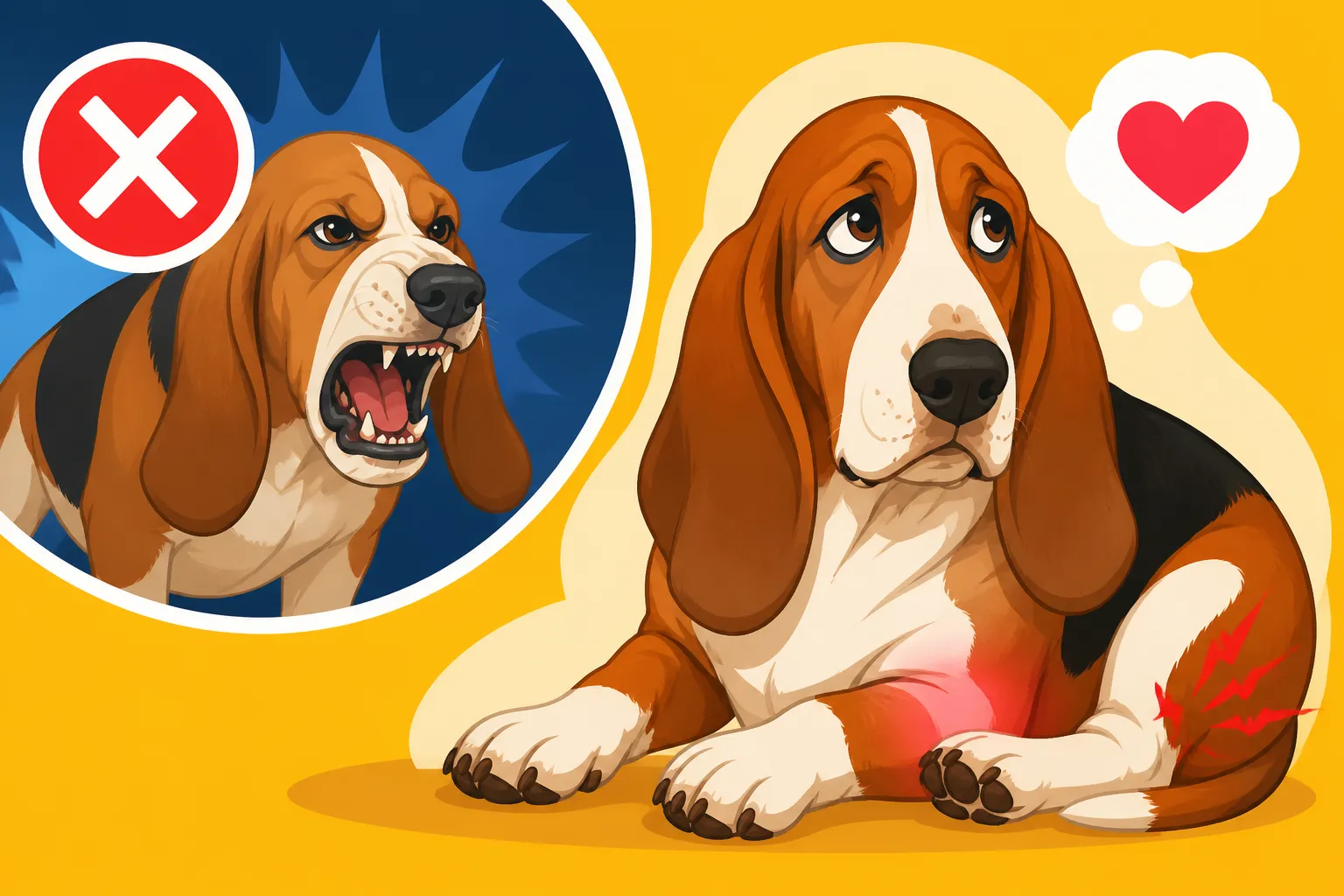
Dogs, by instinct, often try to hide their pain. In the wild, showing weakness makes them vulnerable. Our domestic dogs carry some of this instinct, which means they might not limp dramatically or cry out loudly when they're hurting. Instead, their pain manifests in behavioral shifts. When a typically affectionate Basset suddenly flinches, recoils, or even snaps when touched in a particular spot, it's their way of saying, "Stop! That hurts!" They can't tell us in words, so they use the tools they have. This can be especially true if the pain is chronic, leading to a lowered tolerance for even accidental bumps or handling that wouldn't normally bother them.
Think about it from their perspective: they might be trying to shift their weight, find a comfortable position, or simply exist without exacerbating an ache, and then suddenly, a hand comes down on that sore spot, or they're asked to move in a way that causes a sharp twinge. Their immediate, involuntary reaction might be to protect themselves. This isn't aggression for aggression's sake; it’s a self-preservation response, a final boundary set when their discomfort becomes too much to bear silently.
Basset Hound Stoicism and Anatomy
Basset Hounds are known for their calm demeanor, which can sometimes work against them when it comes to pain recognition. They aren't generally a hyperactive breed that might overtly show lameness or discomfort through frantic behavior. Their stoicism can mask significant issues, making it harder for owners to spot the problem until it reaches a critical point. Compounding this, their unique anatomy – their long backs, heavy bone structure, and those wonderfully floppy ears – makes them prone to certain conditions that can be incredibly painful.
Conditions like Intervertebral Disc Disease in a Basset Hound (IVDD), severe arthritis in their elbows or hips (Elbow Dysplasia in a Basset Hound), or even persistent, raging The Ear Infections That Never Really Leave a Basset Hound can cause immense, localized pain. A Basset Hound with a slipped disc might snap if you try to lift them incorrectly or touch their back. One with an agonizing ear infection might react violently if you attempt to clean it or even gently stroke their head. Their low-slung bodies mean they're also prone to conditions that affect their joints and spine more acutely, and the pain from these can become debilitating, leading to a short fuse.
Recognizing the Subtle Signs of Pain in a Basset Hound
Since Basset Hounds are so adept at masking discomfort, you really need to become a detective of their everyday habits. The signs aren't always a dramatic yelp or a pronounced limp. Often, they're small, almost imperceptible shifts in their routine or personality that, when observed together, paint a clear picture of underlying pain.
Changes in Behavior and Routine
One of the most telling signs your Basset Hound is sore might be a deviation from their normal, predictable behaviors. Maybe they used to greet you at the door with a full-body wag, but now they stay put, only wagging their tail slightly. Or perhaps they've stopped jumping onto the sofa, even if they used to do it effortlessly, opting instead to lie on the floor. This could be a sign that they are experiencing The Old Basset Hound That Cannot Get Off the Floor. It could also manifest as a reluctance to go for walks, or a sudden disinterest in playing fetch with their favorite squeaky toy.
Consider their sleep patterns, too. Are they restless, shifting frequently, unable to find a comfortable position? Or are they sleeping more than usual, using rest as a coping mechanism for pain? A Basset who typically enjoys being petted might suddenly pull away when you reach for a specific area, or they might lick a particular spot on their body excessively. They might even become more withdrawn, seeking solitude rather than company, or conversely, becoming clingier than usual, seeking reassurance. These subtle shifts are often the first whispers of pain, and it’s vital to pay attention before those whispers turn into a frustrated growl.
Physical Indicators and Posture
Beyond behavior, physical cues can reveal a Basset Hound's discomfort. A Basset in pain might adopt an unusual posture. For example, a dog with abdominal pain might hunch its back, or one with neck pain might hold its head lower than usual. You might notice a stiffness when they first stand up after resting, or a subtle limp that only appears after prolonged activity. Their gait might change, becoming more hesitant or shorter-strided, especially on slippery surfaces.
Take a closer look at their eyes; sometimes, pain can cause them to squint or appear duller. Their breathing might be shallower or more rapid, even at rest. Don't forget their magnificent ears – if one ear is held differently, or they are constantly shaking their head, it's a huge clue for discomfort in that ear. Check for panting when they haven't been exercising, or trembling, which can be signs of intense pain. Gently run your hands over their body – slowly and carefully – feeling for any heat, swelling, or tensing of muscles. A sharp reaction to a light touch in a specific area is a blaring siren for pain.
Here's a quick comparison of subtle versus overt signs of pain:
| Subtle Signs of Pain | Overt (Later Stage) Signs of Pain |
|---|---|
| Reluctance to jump or use stairs | Yelping or crying out |
| Changes in greeting behavior (less enthusiastic) | Lashing out, growling, snapping |
| Restlessness during sleep or sleeping more | Constant limping or inability to bear weight |
| Licking a specific body part repeatedly | Excessive panting or trembling at rest |
| Mild stiffness when rising | Hunching or severely abnormal posture |
| Reduced appetite or picking at food | Loss of appetite, refusal to eat or drink |
| Reluctance to be petted in certain areas | Aggressive reactions to any touch, even gentle |
| Changes in grooming habits (less or excessive) | Significant swelling or heat in a joint |
How to Safely Approach and Manage a Sore Basset Hound
When you suspect your Basset Hound is sore, your immediate priority is to prevent further pain and get them professional help. Approaching a dog in pain requires caution, patience, and a calm demeanor to avoid escalating their fear or discomfort, which could lead to another defensive snap.
Immediate Steps and Veterinary Consultation
If your Basset Hound has snapped or shown significant signs of pain, the first and most critical step is to contact your veterinarian. Do not try to diagnose or treat the problem yourself. Your vet can perform a thorough examination, which might include X-rays, blood tests, or other diagnostics to pinpoint the source of the pain. Be prepared to describe all the subtle changes you've observed, even those that seemed insignificant at the time. This detailed information can be invaluable for an accurate diagnosis.
Before you even touch your dog, speak to them in a soft, reassuring voice. Move slowly and avoid sudden movements. If you need to examine them or help them move, try to support their weight or lift them in a way that minimizes strain on their potentially sore areas. For instance, if you suspect back pain, avoid lifting them by their chest or under their armpits; instead, try to create a "sling" with a towel under their belly and support their chest, distributing their weight evenly. A calm, quiet environment is crucial. This is not the time for boisterous children or other pets to be around. Your vet might prescribe pain medication to help manage their discomfort while a diagnosis is being sought or treatment administered.
Creating a Safe and Comfortable Environment
Once you've seen the vet and have a plan, your home environment plays a huge role in your Basset Hound's recovery and comfort. Think about ways to minimize movements that cause pain. If jumping on furniture is an issue, consider getting a sturdy ramp or steps. There are many options available on platforms like Amazon that can make accessing their favorite napping spots easier without strain. If they have The Back Trouble a Basset Hound Is Built Into, avoiding jumps is paramount.
Ensure they have an orthopedic dog bed that provides ample support for their joints and spine. These beds cushion pressure points and can make a world of difference for a dog with arthritis or other musculoskeletal issues. Place their food and water bowls in an easily accessible location, perhaps in a low-rimmed bowl if their neck is bothering them, or a slightly raised one if bending down is difficult. Consider non-slip rugs on hard floors to prevent slips and falls, which can exacerbate existing pain. Keeping their nails trimmed short is also crucial, as long nails can change their foot posture and create discomfort. Looking After a Basset Hound's Feet and Nails is an important part of their overall comfort.
Preventative Measures and Long-Term Pain Management
Understanding that a Basset Hound might snap when sore highlights the importance of proactive care. Prevention and early intervention are key to minimizing pain and maintaining their gentle temperament throughout their lives.
Regular Vet Check-ups and Health Screening
Consistent veterinary care is absolutely foundational for any Basset Hound owner. Regular check-ups allow your vet to monitor your dog's overall health, catch potential issues early, and discuss age-appropriate preventative measures. For a breed prone to specific health challenges, these check-ups are even more vital. Discuss The Health Tests a Basset Hound Breeder Should Run with your vet, and ensure you're keeping up with any recommended screenings, such as for glaucoma or elbow dysplasia.
Your vet can also help you develop a long-term pain management strategy, especially as your Basset Hound ages. This might include joint supplements, anti-inflammatory medications, or even physical therapy if needed. Early detection of conditions like Arthritis in a Basset Hound at Seven can make a significant difference in managing discomfort and improving their quality of life. Don't wait until your Basset is visibly limping or showing signs of aggression to seek help; be proactive about their health.
Gentle Handling and Cooperative Care Training
Teaching your Basset Hound to tolerate handling, especially in potentially sensitive areas like their ears or feet, is a lifelong gift you can give them. Start when they are puppies, gently touching their ears, paws, and mouth, always pairing it with positive reinforcement like treats and praise. This builds a foundation of trust and makes routine care, like Teaching a Basset Hound to Have Its Ears Handled or nail trims, much less stressful for both of you.
For dogs that are already showing signs of soreness, or who are generally wary of being handled, consider looking into cooperative care training techniques. Resources like those offered by BAXTER & Bella can provide online guidance and support for teaching your dog to willingly participate in their own care. This isn't about forcing them but empowering them to "opt-in" to procedures, which greatly reduces stress and the likelihood of a defensive reaction. For example, teaching them a "chin rest" cue can make examining their face or administering eye drops much easier, as they learn to hold still voluntarily. When a Basset Hound trusts you to handle them gently, even when they're feeling sensitive, the chances of a pain-induced snap decrease dramatically. It's about respecting their boundaries and building a positive association with touch.
Weight Management and Appropriate Exercise
What Extra Weight Does to a Basset Hound cannot be overstated. Excess weight puts immense strain on their joints and spine, exacerbating conditions like arthritis and IVDD. Maintaining a healthy weight is one of the most effective preventative measures you can take against pain and mobility issues. Talk to your vet about the ideal weight for your Basset Hound and stick to a consistent feeding plan. Keeping a Basset Hound at Its Correct Weight can literally add years of comfortable life to your companion.
While Basset Hounds aren't marathon runners, they still need regular, moderate exercise. Short, consistent walks on soft surfaces are usually ideal. Avoid high-impact activities, excessive jumping, or long runs that could strain their unique skeletal structure. Consider activities like Whether a Basset Hound Takes to Scent Work which engages their incredible nose and mind without putting undue stress on their body. This mental stimulation can also keep them happy and reduce boredom-related behaviors. Always monitor them during exercise for any signs of fatigue or discomfort, and know when to call it a day. A happy, healthy Basset Hound is less likely to be a sore one, and therefore, less likely to snap.
Disclaimer
This article is for general informational purposes only and does not constitute professional advice. Laws, prices and regulations vary by location and change over time. Consult a qualified professional for guidance on your specific situation.