Whether a Basset Hound Learns Slowly
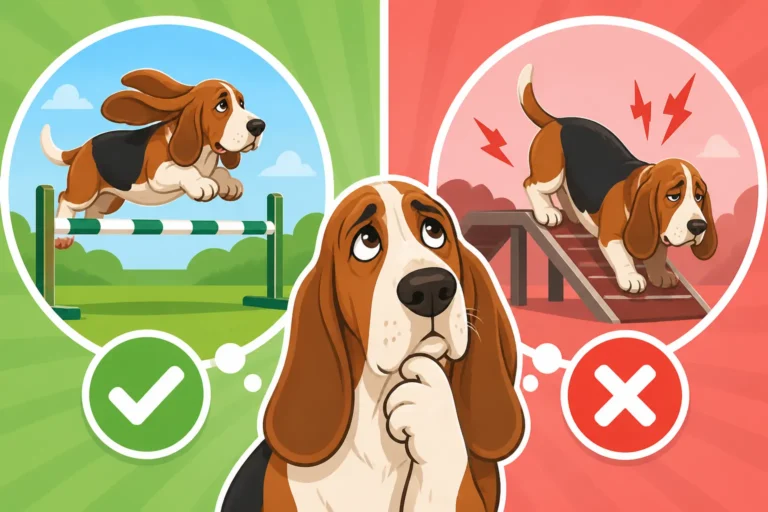
It's a common, often frustrating, experience for Basset Hound owners: you're trying to teach your beloved floppy-eared companion a new trick or a basic command, and it feels like you're talking to a brick wall. This struggle often leads to the exasperated question, "Is my Basset Hound just slow to learn, or are they being stubborn?" The truth is, it's rarely about a lack of intelligence and almost always about their incredibly unique and highly selective brain. This guide will explore why Basset Hounds seem to learn at their own pace, and how you can work with their innate instincts to achieve training success.
Understanding the Basset Hound's Unique "Learning Style"
Before we label our Basset Hounds as "slow," it's vital to understand the intricate workings of their minds. They aren't wired like a Border Collie or a Poodle, bred for quick obedience and eager-to-please attitudes. Bassets come from a different lineage, one where independence and an unparalleled nose were the ultimate assets.
It's Not Stupidity, It's Selectivity
Many people mistake a Basset Hound's perceived slowness for a lack of intelligence, and that's just not fair to these wonderful dogs. They are incredibly smart, but their intelligence is applied differently. A Basset's brain is primarily focused on processing scent information, making them expert problem-solvers when it comes to following a trail. Their focus is internal and driven by instinct, not necessarily by external human commands if those commands don't align with their immediate interests.
Imagine trying to concentrate on a complicated math problem when there's an irresistible aroma wafting from the kitchen – a Basset Hound lives this experience almost constantly. Their minds are constantly analyzing scents, building a detailed map of their world through their nose. This highly developed sensory input system often takes precedence over human speech, especially if there isn't a compelling reason for them to shift their attention. It’s not that they can't learn; it's that they have to choose to learn what you're teaching over what their nose is telling them.
The Power of the Nose: A Distraction Dynamo
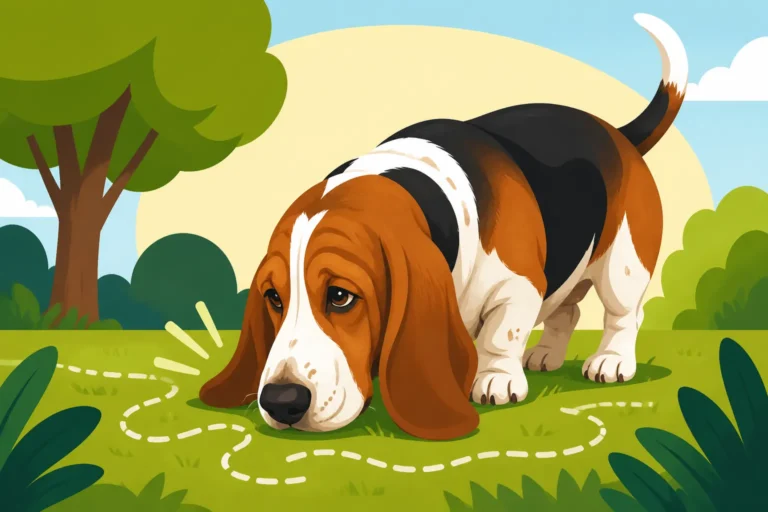
The Basset Hound's most famous attribute, its incredible sense of smell, is both its superpower and its biggest training challenge. Their long, pendulous ears and wrinkled skin are actually designed to scoop up and trap scent particles, funneling them directly to their super-sensitive noses. This means their world is rich with olfactory information, an endless buffet of smells that can easily overshadow a spoken command.
When a Basset Hound's nose hits a fascinating scent, it's like a switch flips. The outside world, including your voice, can momentarily cease to exist for them. They go into a deep focus, driven by the primal urge to follow that trail. This isn't disobedience; it's instinct in action. Trying to pull them away from a hot scent is often futile, leading owners to believe their dog is stubborn or not listening. In reality, they are listening intently, but to a different conversation entirely – the one their nose is having with the environment. You'll truly understand the depth of this when you try to give them a command while they're engrossed in a particularly interesting patch of grass. Why a Basset Hound Stops Hearing You When It Smells Something delves into this more.
The "What's in it for me?" Mentality
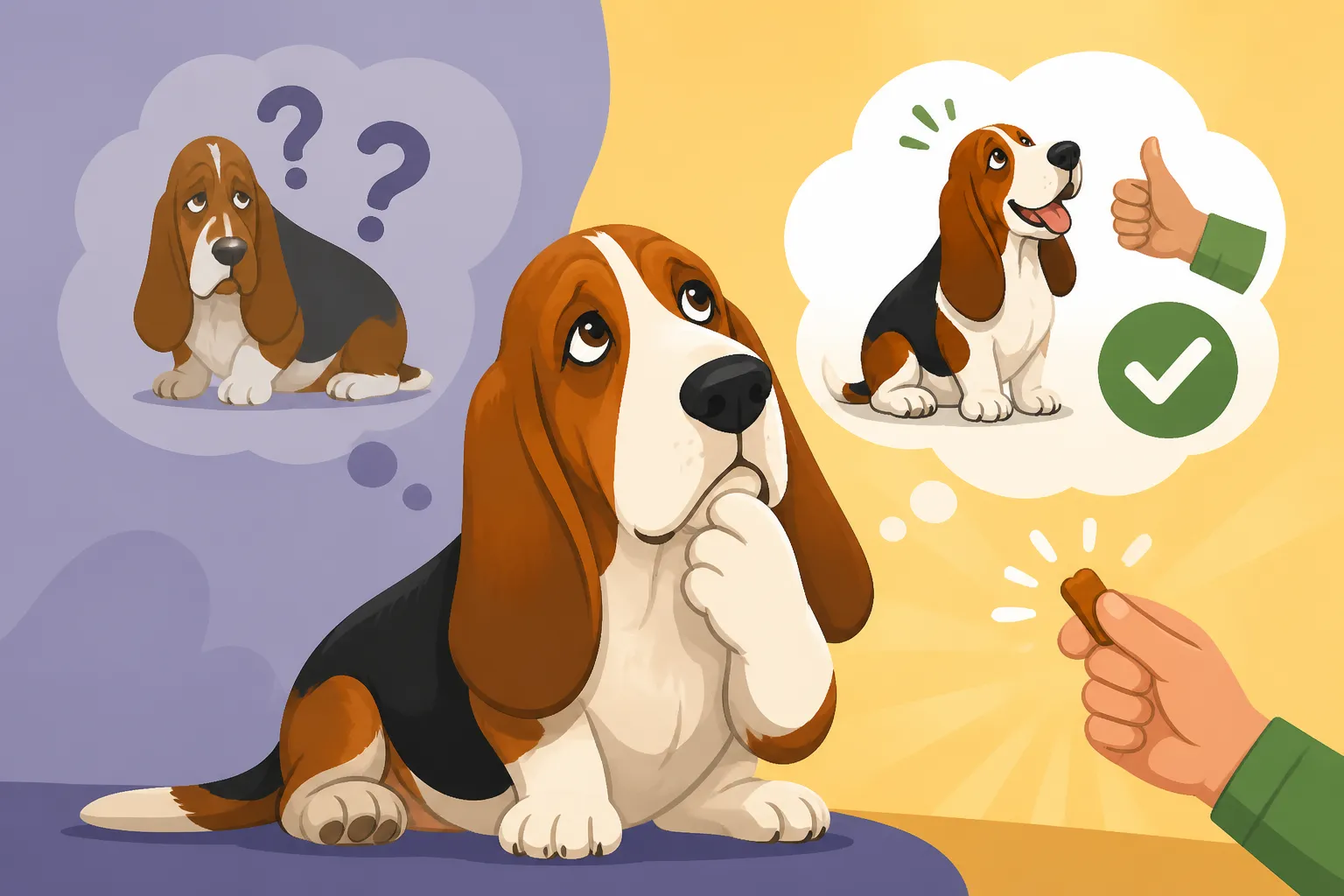
Basset Hounds are often described as having an independent streak, and it's absolutely true. Unlike some breeds that live to please their human companions, Bassets tend to operate on a "what's in it for me?" basis. They are not inherently driven by praise alone, or even by a desire for your approval in the same way a retriever might be. For a Basset Hound, there needs to be a clear, tangible reward for them to engage in a task.
This isn't to say they don't love you or appreciate your affection – they absolutely do! But when it comes to training, you're competing with millions of years of selective breeding for a specific purpose: tracking. If your reward isn't exciting enough to break their concentration on a smell or motivate them to move, they simply won't bother. This means you, as the trainer, need to be more creative and compelling than the squirrel across the street or the fascinating patch of earth underfoot. Understanding What Actually Motivates a Basset Hound is crucial for effective training.
Common Training Frustrations and Why They Happen
Many Basset Hound owners encounter similar obstacles during training, and it’s important to recognize that these aren’t signs of a "bad" dog, but rather manifestations of their breed-specific traits. Knowing the "why" behind the frustration can help you approach these challenges with more patience and effective strategies.
The Elusive Recall: When Scent Overrides Sound
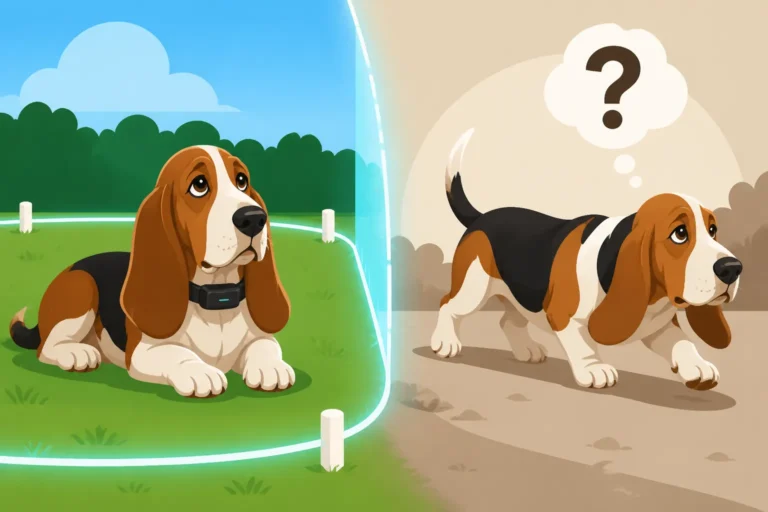
One of the most common and potentially dangerous training frustrations for Basset Hound owners is the unreliable recall. You might spend countless hours practicing "come" in the backyard, only for your Basset to bolt after a scent once off-leash in an open, unfenced area. This isn't malicious disobedience; it's their powerful hunting instinct kicking in.
When a Basset Hound picks up a captivating scent, it's an incredibly strong biological imperative to follow it. Their entire being is geared towards tracking, and in that moment, your calls often become nothing more than background noise. They are literally bred to ignore distractions and focus single-mindedly on a trail. The consequence is that many Basset Hounds simply cannot be trusted off-leash in unsecured environments, no matter how much training they've had. This is why The Recall a Basset Hound Will Never Reliably Give You is a stark reality for many owners. It’s not a failure on your part, but a testament to the breed's deep-rooted instincts.
House Training Hurdles: Consistency is Key
While not all Basset Hounds struggle with house training, many owners report that it can take a bit longer and require more vigilance than with some other breeds. There are a few reasons for this. Firstly, their independent nature means they may not always alert you with urgency when they need to go out; they might just wander off and relieve themselves. Secondly, their incredible nose can sometimes lead them to "miss" previously soiled spots indoors, especially if not thoroughly cleaned with enzymatic cleaners, making house training a longer battle against residual odors.
The key to house training a Basset Hound is unwavering consistency and positive reinforcement. Establishing a strict schedule for potty breaks, especially after waking up, eating, and playing, is paramount. Crate training can be incredibly effective, as dogs are naturally clean creatures and are reluctant to soil their sleeping area. When accidents happen, and they will, avoid punishment. Instead, clean thoroughly and recommit to your schedule. Patience truly is a virtue here, and understanding How Long a Basset Hound Puppy Takes to House Train can help set realistic expectations.
Leash Walking Woes: A Nose-Driven Journey
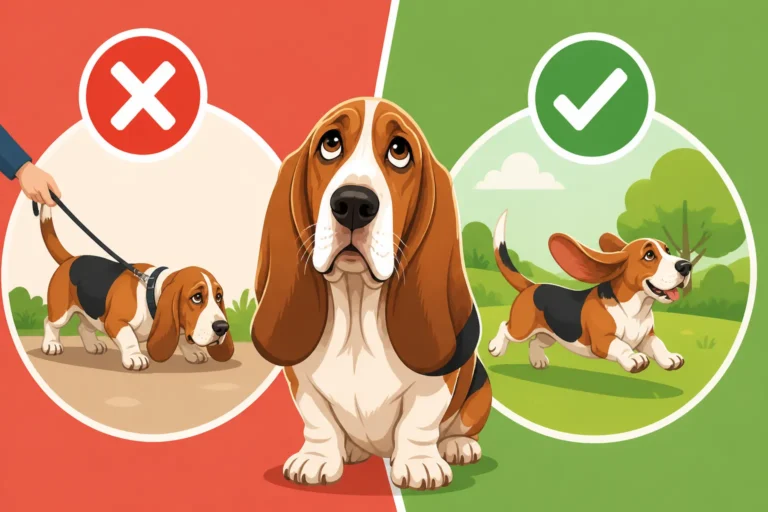
Taking a Basset Hound for a walk often feels less like a leisurely stroll and more like being dragged on a grand scent tour. Their nose is glued to the ground, and every interesting smell becomes a reason to stop, investigate, and pull. This strong pulling can be challenging for owners, especially given the Basset's substantial weight and low center of gravity.
Their low stature, combined with their powerful build, makes them surprisingly strong on the leash. Whether a Basset Hound Pulls Hard for Its Size is a question many owners ponder, and the answer is usually a resounding yes! They are not trying to be difficult; they are simply following their most compelling instinct. Without proper training and equipment, walks can quickly become exhausting and unpleasant for both dog and owner. The goal isn't necessarily to eliminate all sniffing (that would be unfair to their breed), but to teach them polite leash manners and to walk with you, rather than ahead of you on a relentless scent quest.
Strategies for Effective Basset Hound Training
Given their unique attributes, training a Basset Hound requires a slightly different approach than you might use for other breeds. It’s all about understanding their motivations, working with their instincts, and making training a rewarding experience for them.
Harnessing High-Value Motivation
Forget dry biscuits and generic praise; when training a Basset Hound, you need to bring out the big guns in terms of rewards. High-value treats are your best friend. Think small pieces of cooked chicken, cheese, hot dogs, or liver. These aren't just snacks; they're powerful motivators that can temporarily compete with the allure of a captivating scent. The higher the value of the treat, the more likely your Basset will be to pay attention and perform the desired action.
Beyond food, discovering what truly excites your Basset Hound is key. Is it a favorite squeaky toy? A quick game of tug? Sometimes, a brief, enthusiastic play session can be an incredibly effective reward. The trick is to make the reward immediate and truly irresistible. This ensures that your Basset associates performing the command with something profoundly positive, creating a strong learning connection. Remember, they are always asking, "What's in it for me?", so make the answer utterly worth their while.
Short, Sweet, and Frequent Sessions
Basset Hounds aren't known for their long attention spans, especially when competing with the olfactory wonders of the world. Trying to hold a long, drawn-out training session will quickly lead to boredom, frustration, and a Basset who's decided to check out. The most effective approach is to keep training sessions short, sweet, and frequent.
Aim for sessions lasting no more than 5-10 minutes, several times a day. This keeps their interest piqued and prevents them from becoming overwhelmed or losing focus. End each session on a positive note, even if it's just practicing a command they already know well, like "sit." This builds confidence and makes them more enthusiastic for the next session. Consistency over duration is the mantra here. A few minutes of focused training multiple times a day will yield far better results than one long, unproductive session. If you're wondering What a Basset Hound Learns in a Week, it's often small, consistent steps rather than big leaps.
Environmental Management and Proofing
Training isn't just about teaching commands; it's also about setting your Basset Hound up for success by managing their environment. This is especially true for a breed so driven by scent. Start training in a low-distraction environment, like your quiet living room, where their nose won't be constantly pulling them away.
Once they're reliably performing a command indoors, gradually introduce more distractions. This process, known as "proofing," helps your Basset learn to generalize commands to different environments. Start with mild distractions, like a family member walking by, then move to a quiet backyard, and eventually to public spaces. However, it's important to be realistic. For many Bassets, certain environments (like an open field with rabbit trails) will always be too distracting for reliable off-leash work. Consider controlled environments like securely fenced dog parks or large, safe, enclosed areas for practicing recall. For safety in less secure areas, a long line, easily found on Amazon, can be an excellent tool, offering freedom while maintaining control.
Tools and Resources to Aid Your Basset Hound's Education
Successfully training a Basset Hound often involves more than just treats and patience; having the right tools and knowing where to find reliable information can make a world of difference.
The Right Gear for Success
When it comes to walking a Basset Hound, choosing the right harness is paramount. Given their strength and their tendency to pull, a standard collar isn't always the best choice for control and can put undue pressure on their neck. A front-clip harness is often highly recommended. This type of harness clips at the dog's chest, which redirects their pulling energy to the side, discouraging them from forging ahead. Brands like Blue-9 Balance Harness or Easy Walk Harness, often available on Amazon, are popular choices that can make walks much more manageable. Which Harness Suits a Basset Hound offers more detailed advice.
For puppies, a good quality crate is indispensable for house training and creating a safe, den-like space. Chew-proof toys are also a must, as Bassets can be enthusiastic chewers, especially during puppyhood. Puzzle toys or treat-dispensing toys can provide mental stimulation, keeping their busy minds engaged and helping to prevent boredom, which can sometimes manifest as destructive behavior.
Professional Guidance and Online Programs
Sometimes, despite your best efforts, you might feel like you're not making progress. This is where professional help can be invaluable. A certified professional dog trainer, especially one with experience with scent hounds or "stubborn" breeds, can offer personalized strategies and techniques tailored to your Basset Hound's specific personality and challenges. They can help you understand your dog's motivations and teach you how to communicate effectively.
If in-person classes aren't feasible, online training programs can be a fantastic resource. Platforms like BAXTER & Bella offer comprehensive online courses that guide you through everything from puppy basics to more advanced behaviors. These programs often provide video tutorials, live Q&A sessions, and a community of support, allowing you to train at your own pace from the comfort of your home. They can be particularly useful for owners navigating the unique challenges of a Basset, offering structured lessons that emphasize positive reinforcement and understanding breed traits.
Incorporating Brain Games and Scent Work
To truly engage a Basset Hound, you need to appeal to their primary sense: smell. Incorporating scent work and brain games into their daily routine is not just fun; it's a powerful training tool that taps into their natural instincts and tires them out mentally. This can be more effective than physical exercise alone for a dog whose mind is always on the ground.
Snuffle mats, for example, are soft mats with fabric strips where you can hide treats, encouraging your Basset to use their nose to "hunt" for their meal. Puzzle feeders require them to manipulate objects to release food, providing mental challenge. More structured scent work, like teaching them to find hidden objects (sometimes called "nose work" or "k9 nose work"), is incredibly rewarding for a Basset Hound. This kind of activity satisfies their innate drive, builds confidence, and can dramatically improve their focus and responsiveness. It's an excellent way to bond and provide enrichment, and you'll often find that a mentally tired Basset is a more cooperative Basset. Whether Nose Work Tires a Basset Hound Out is a concept worth exploring for their overall well-being.
Realistic Expectations and Long-Term Commitment
Owning and training a Basset Hound is a journey, not a destination. It requires a long-term commitment to understanding, patience, and adapting your methods to suit their unique personality and instincts. Setting realistic expectations from the start will save you a lot of frustration and help you build a stronger bond with your companion.
Celebrating Small Victories and Patience
It's easy to get discouraged when your Basset Hound seems to take three steps back for every step forward in training. However, it's crucial to remember that progress with a Basset is often incremental. Don't compare your Basset's learning curve to that of other breeds or even other Bassets. Celebrate every small victory: a perfectly executed "sit," coming when called in a low-distraction environment, or even just walking politely on the leash for a few blocks.
Patience is perhaps the most important virtue when training a Basset Hound. They rarely learn at lightning speed, but they do learn. What might take another breed a few repetitions could take a Basset dozens, or even hundreds, spread over weeks. Avoid becoming angry or frustrated, as this will only sour their association with training and make them less willing to engage. Approach each session with a calm, positive attitude, and remember that consistent, gentle guidance will always win out in the end. Whether a Basset Hound Learns Slowly is often a matter of perception and patience.
The Lifelong Learner: Maintaining Skills
Training is not something you "finish" with a Basset Hound; it's an ongoing process that continues throughout their life. Just like humans, dogs can forget commands if they aren't regularly practiced. This is especially true for Bassets, whose primary instincts can easily override learned behaviors if not reinforced. Regular, short refreshers are essential to keep their skills sharp.
As they age, Basset Hounds may slow down physically, but their minds remain active. Continuing to engage them in mental games, short training sessions, and scent work will keep them happy and engaged. Even a five-minute review of basic commands during mealtime or before a walk can make a difference in maintaining their responsiveness. This lifelong engagement strengthens your bond and helps prevent undesirable habits from creeping back in.
Understanding Breed-Specific Limitations
While positive reinforcement and consistent training can achieve remarkable results, it's also important to understand and accept the inherent limitations of the Basset Hound breed. As mentioned, the expectation of a perfectly reliable off-leash recall in an uncontrolled environment is often unrealistic. It’s not a failure of training, but an acknowledgment of their powerful hunting instincts.
Instead of fighting against their nature, learn to work with it. Embrace their love for sniffing and incorporate it into their routine through scent games or allowing "sniffari" walks where they can explore with their nose on a long line. Accept that walks might be slower and more meandering than with a high-energy breed. A Basset Hound's charm lies in its unique personality and quirky traits. When you temper your expectations with a deep understanding of what makes a Basset a Basset, you unlock a more joyful and less frustrating partnership. The First Year With a Basset Hound Puppy often sets the tone for these realities, preparing owners for the long haul.
| Training Aspect | Common Basset Hound Trait | Effective Strategy | Key Takeaway |
|---|---|---|---|
| Pace of Learning | Appears slow, highly selective focus | Short, frequent sessions; high-value rewards | Not unintelligent, just independent |
| Recall | Scent-driven, prone to follow nose | Never off-leash in unsecured areas; long lines, practice in safe zones | Instinct overrides command |
| Motivation | "What's in it for me?" attitude | Irresistible treats, favorite toys, enthusiastic praise | Compete with environmental distractions |
| Attention Span | Easily distracted by scents, short focus | Keep sessions brief (5-10 min); end on a positive note | Quality over quantity |
| Leash Walking | Strong puller, nose to the ground | Front-clip harness, consistent loose-leash training | Work with their nose, not against it |
| House Training | Can take longer, may not alert urgently | Strict schedule, crate training, enzymatic cleaners | Consistency is paramount |
| Mental Stimulation | Needs outlets for powerful nose | Scent games, puzzle toys, nose work | Mentally tired = well-behaved |
Disclaimer
This article is for general informational purposes only and does not constitute professional advice. Laws, prices and regulations vary by location and change over time. Consult a qualified professional for guidance on your specific situation.