Whether a Basset Hound Gets Cushing’s
Cushing disease in Basset Hounds explains cortisol overproduction, genetic susceptibility, diagnosis methods, and treatment options.
Know what to watch for.
Breed-specific conditions, screening and DNA tests, what surgery actually costs, and the daily habits that stretch a healthy lifespan.
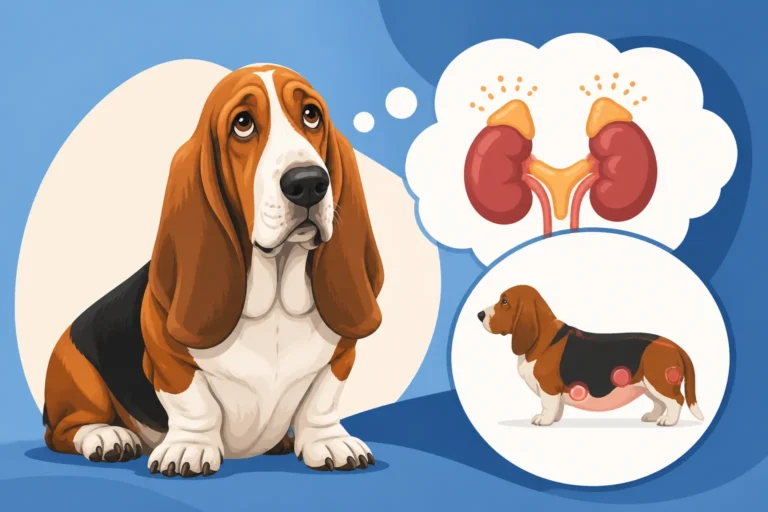
Cushing disease in Basset Hounds explains cortisol overproduction, genetic susceptibility, diagnosis methods, and treatment options.
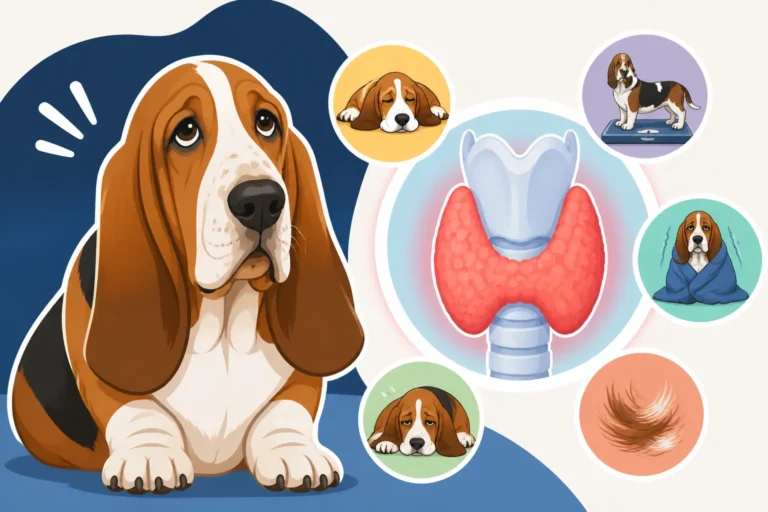
Hypothyroidism symptoms in Basset Hounds include weight gain, fatigue, excessive shedding, hair loss, and dry, flaky skin.
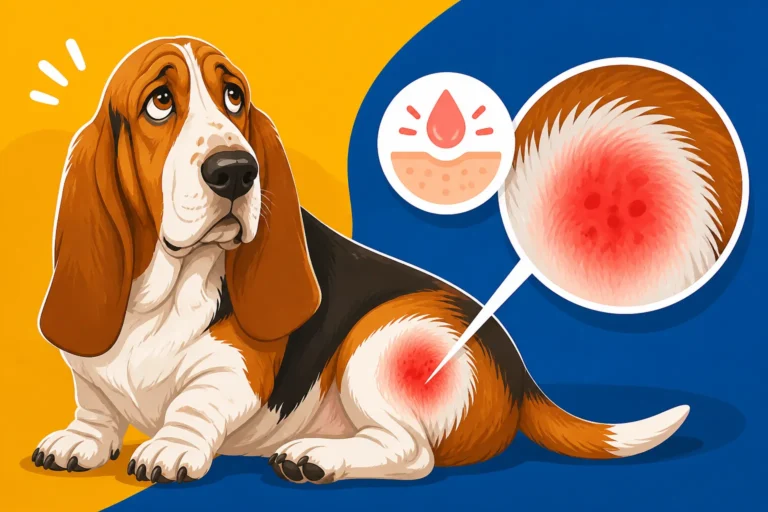
Hot spots on Basset Hounds are painful, oozing skin lesions caused by bacteria multiplying rapidly in trapped moisture under folds and ears.

Basset Hound food reactions include skin irritation and digestive issues, distinguishing between true allergies and simple food intolerances.

Basset Hound paw licking stems from allergies, hidden injuries, or yeast and bacterial infections requiring careful inspection.
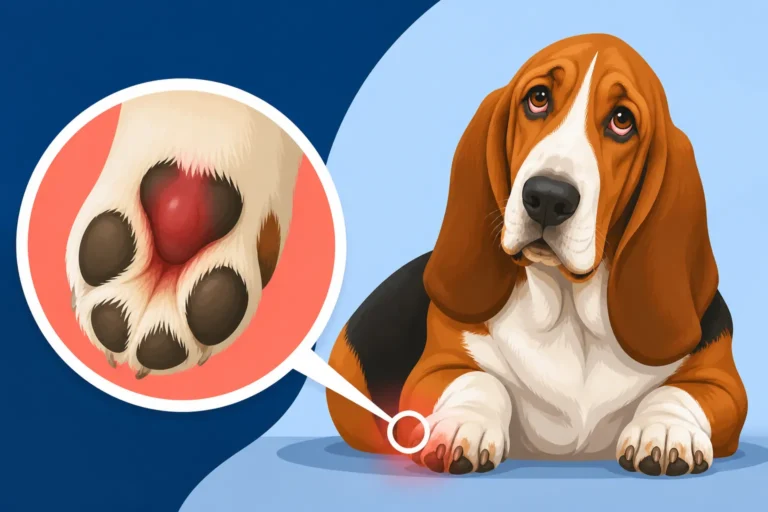
Interdigital cysts in Basset Hounds are inflammatory nodules explained by breed anatomy, foreign bodies, and paw pressure.
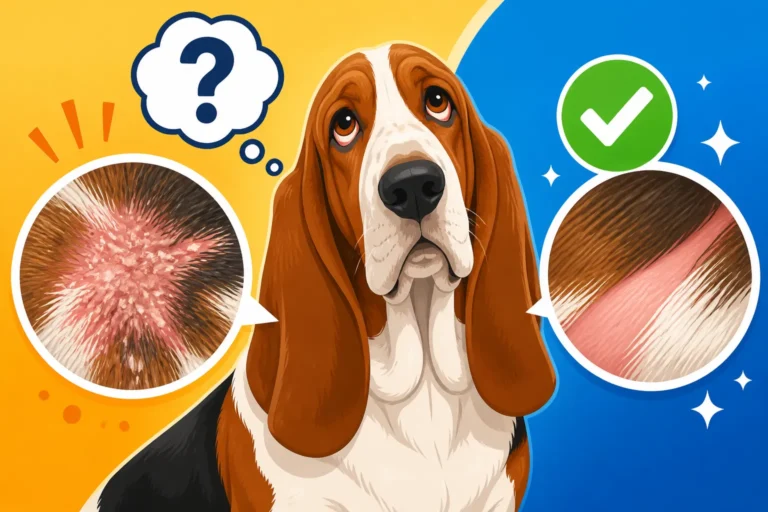
Basset Hound seborrhea causes flaky skin and oily odors due to genetic predispositions, requiring careful identification and treatment.
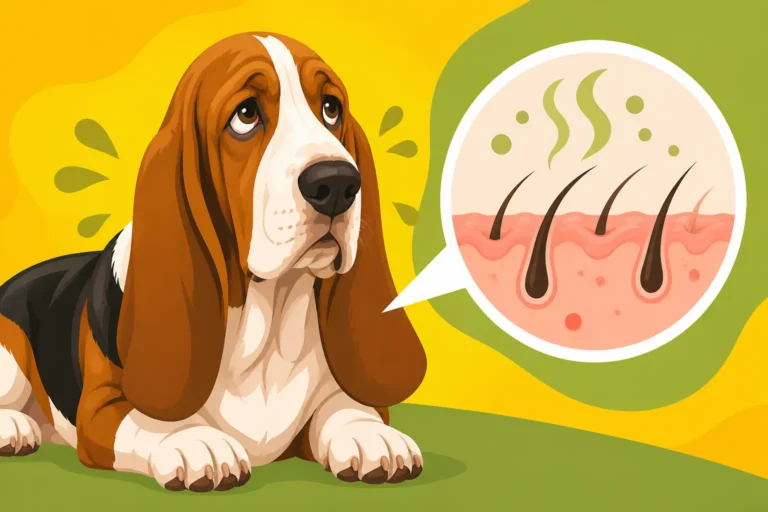
Basset Hound skin odor stems from deep wrinkles and oily coats that trap moisture, bacteria, and yeast causing infections.
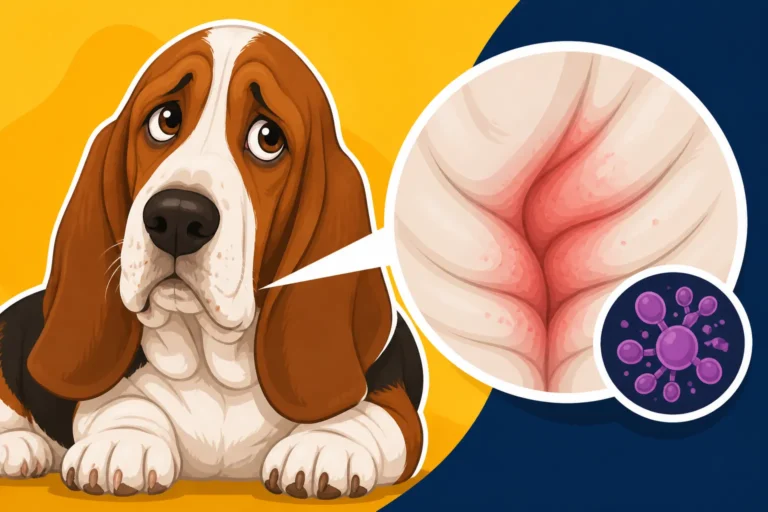
Basset Hound skin folds trap moisture and warmth, creating ideal breeding conditions for painful yeast and bacterial infections.
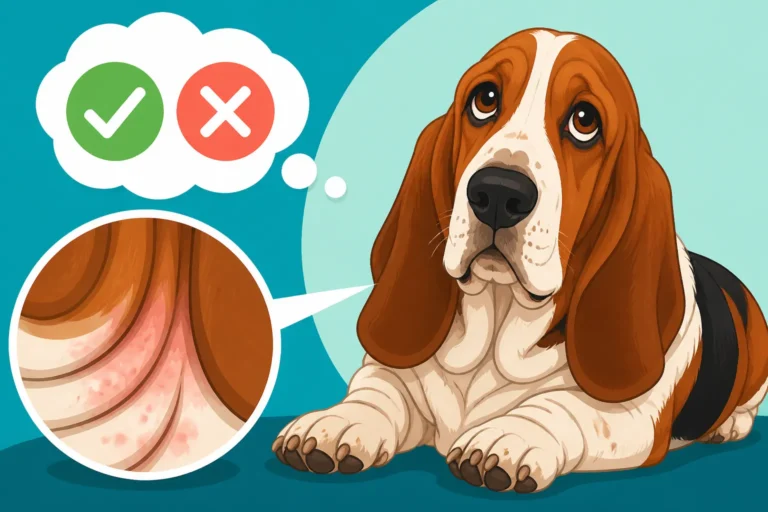
Basset Hound skin folds trap moisture and debris, requiring regular cleaning to prevent painful infections and unpleasant odors.