Whether a Basset Hound Gets Interdigital Cysts
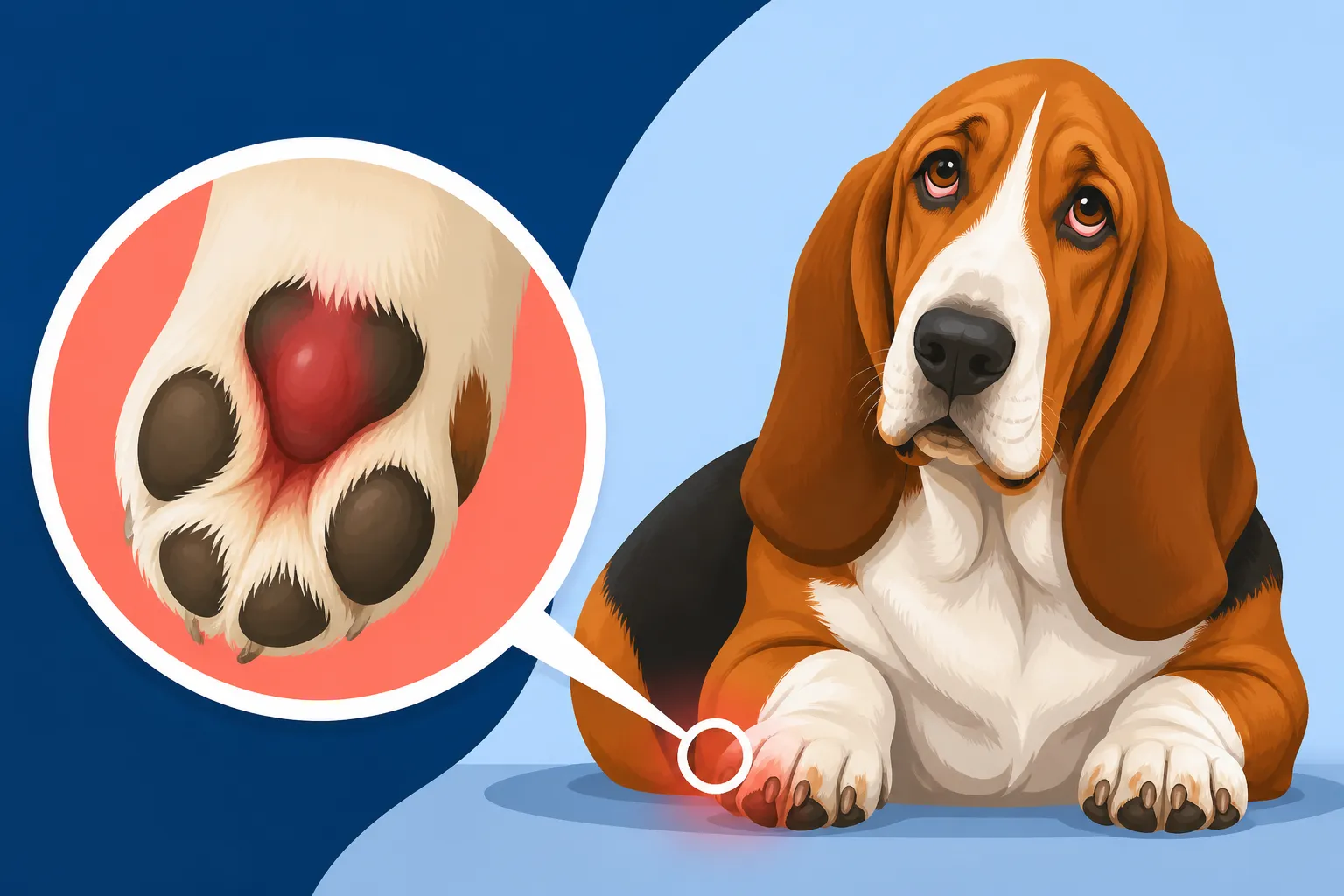
There's nothing quite as heart-wrenching as watching your beloved Basset Hound incessantly lick, chew, or limp on a paw, only to discover a painful, inflamed lump between their toes. These mysterious bumps, often referred to as interdigital cysts, can cause immense discomfort and turn joyful walks into a dreaded chore. This comprehensive guide will demystify interdigital cysts, exploring what they truly are, why our unique Basset Hounds are particularly susceptible, and, most importantly, how to effectively recognize, treat, and prevent them, offering practical steps and peace of mind for you and your furry companion.
Understanding Interdigital Cysts in Basset Hounds
When your Basset Hound develops a bump between their toes, it's natural to immediately think "cyst," picturing a simple fluid-filled sac. However, the reality of interdigital cysts, especially in breeds like ours, is often a bit more complex and, frankly, frustrating. These aren't always true cysts in the strictest medical sense; they are more accurately described as inflammatory nodules or granulomas, and understanding this distinction is the first step toward effective management.
What Exactly Is an Interdigital Cyst?
An interdigital cyst, or pododermatitis, is essentially a localized inflammatory lesion that appears between a dog's toes. While the term "cyst" suggests a fluid-filled sac, these lumps are often solid and can arise from a foreign body reaction, a ruptured hair follicle, or a deep bacterial infection. Imagine a tiny piece of coarse hair, or even a microscopic fragment of debris, getting lodged under the skin and causing the body to react with an inflammatory response, building a protective (but painful) lump around it. For Basset Hounds, with their short, stiff hair and unique paw structure, this scenario is all too common.
These uncomfortable nodules typically manifest as firm, red, and swollen areas. They can be incredibly painful to the touch, and you might notice your Basset Hound constantly licking its paws, often leading to secondary infections that worsen the situation. The affected area might also ooze, bleed, or even rupture, leaving an open sore that is highly susceptible to further bacterial or yeast complications. The heavy body and relatively splayed, flat feet of a Basset Hound mean their paws bear a lot of weight and friction, making the interdigital spaces particularly vulnerable to these inflammatory reactions.
The location is key here: "interdigital" specifically refers to the spaces between the toes. This confined, often moist, and hairy area provides an ideal breeding ground for bacteria and yeast, which can either initiate the problem or become opportunistic invaders once the skin's barrier is compromised. The chronic irritation from ingrown hairs, combined with the Basset's tendency to carry extra weight, puts significant pressure on these delicate areas, making them prime candidates for developing these persistent and painful lesions.
Genetics and conformation also play a significant role in why Basset Hounds are so susceptible. Their short, coarse hair, coupled with loose skin and deep folds between their toes, creates an environment where hair fragments can easily get pushed inward or where moisture and debris become trapped. This breed-specific anatomy, while giving them their charming appearance, unfortunately also predisposes them to a host of dermatological challenges, including these troublesome paw lesions.
Common Misconceptions About These Paw Lumps
It’s easy to jump to conclusions when you see a lump on your dog, but it's important to clear up some common misunderstandings about interdigital cysts. Firstly, as mentioned, they aren't always true cysts. While some might indeed be fluid-filled, many are solid masses of inflammatory tissue, also known as furuncles or granulomas. This distinction matters because the treatment approach can vary greatly depending on the precise nature of the lump. What might look like a simple benign cyst could, in fact, be a deep-seated infection or a reaction to an embedded foreign object, requiring more intensive care than a superficial cyst.
Another common misconception is that these lumps are simply "hot spots" – those red, irritated patches of skin that dogs often create by excessive licking. While a Basset Hound's persistent licking of an interdigital cyst can certainly lead to a secondary hot spot, the underlying issue is different. Hot spots are typically superficial skin infections, whereas an interdigital cyst often involves deeper structures like hair follicles or even extends into subcutaneous tissue. Treating just the hot spot without addressing the root cause of the cyst will only provide temporary relief, and the problem will almost certainly return.
Furthermore, it’s crucial not to self-diagnose these lumps. While your instincts as a pet parent are valuable, only a veterinarian can accurately diagnose an interdigital cyst and rule out other, potentially more serious conditions. A lump between the toes could also be a benign tumor, a malignant growth, or even a deeply embedded foreign body like a thorn or a foxtail, which can migrate and cause significant internal damage. Your vet will likely perform a thorough physical examination, possibly a cytology (examining cells from the lump under a microscope), or even a biopsy or X-rays to get a definitive diagnosis and ensure the most appropriate course of action for your Basset Hound's unique situation.
Recognizing the Signs and Symptoms
Catching interdigital cysts early can make a world of difference in your Basset Hound's comfort and the ease of treatment. Our Basset Hounds are often stoic, but their behaviors can be loud indicators of pain or discomfort, especially when it comes to their paws. Paying close attention to subtle changes can help you intervene before a minor irritation escalates into a severe problem.
Early Warning Signs to Watch For
One of the most immediate and common signs you'll notice is an increase in your Basset Hound's paw licking or chewing. This isn't just casual grooming; it often becomes an obsessive behavior, focused specifically on the areas between their toes. If you find your dog constantly licking its paws, especially after a walk or during periods of rest, it's a clear signal that something is bothering them. This persistent oral attention can further irritate the skin, creating a vicious cycle of inflammation and self-trauma.
Another tell-tale sign is any change in their gait or mobility. Your normally enthusiastic Basset Hound might start limping, favoring one paw, or showing a general reluctance to walk as far or as quickly as usual. This is a direct response to the pain or discomfort they are experiencing when putting weight on the affected paw. You might notice them shifting their weight, taking shorter steps, or even holding a paw up intermittently while standing. These subtle lameness cues shouldn't be ignored, as they indicate that the problem is significant enough to impact their movement.
Visually, early stages of interdigital cysts can present as localized redness and swelling between the toes. When you inspect your Basset Hound's paws, gently spreading their toes, you might see the skin looking inflamed, pinker or redder than usual, and slightly puffy. This initial inflammation is the body's response to irritation or infection. It's often accompanied by tenderness, so your Basset might pull their paw away or whimper if you touch the affected area.
As the condition progresses, you'll start to notice more distinct, visible lumps or nodules. These can range in size from a small pea to a large marble and are typically firm to the touch. They might be nestled deep within the interdigital webbing or protrude noticeably. Regular, gentle paw inspections are essential to catch these bumps when they are still small, as they can quickly grow in size and tenderness, making your Basset Hound's life much more uncomfortable.
Advanced Symptoms and Complications
If left unaddressed, interdigital cysts can develop into more severe and debilitating conditions. One of the most distressing advanced symptoms is the appearance of open sores, accompanied by discharge or bleeding. A cyst that has ruptured, either from trauma or excessive licking, leaves an open wound that is highly susceptible to secondary bacterial and yeast infections. This can lead to persistent oozing of pus, blood, or serous fluid, which will mat the fur and cause further skin irritation.
With secondary infections often comes a foul odor emanating from the paw. This isn't just typical "dog paw smell"; it's a distinct, often unpleasant scent that indicates bacterial or yeast overgrowth. This symptom is very similar to how a recurring ear infection can lead to an odor, as discussed in "Whether a Basset Hound's Ear Smells Sweet or Sour." The moist, warm environment between the toes, especially with an open lesion, is a perfect incubator for these microorganisms, leading to a noticeable and persistent smell.
Severe pain and reluctance to bear weight become increasingly pronounced in advanced cases. Your Basset Hound might actively avoid putting weight on the affected paw, holding it up almost constantly. They might struggle to stand up from a lying position, especially if multiple paws are affected, echoing the challenges seen in "The Old Basset Hound That Cannot Get Off the Floor". Any attempt to touch the paw might elicit a strong pain response, making examination and treatment difficult without sedation. This level of discomfort severely impacts their quality of life, preventing them from enjoying walks, playtime, or even comfortable rest.
In extremely severe cases, particularly if the infection becomes systemic, your Basset Hound might exhibit general lethargy, loss of appetite, or other signs of illness. While rare for isolated cysts, a widespread or deeply entrenched infection can make your dog feel generally unwell. This progression underscores why early detection and prompt veterinary intervention are absolutely critical to prevent unnecessary suffering and more complicated, costly treatments down the line.
Delving Into the Causes and Contributing Factors
Understanding why Basset Hounds get interdigital cysts is key to both treating them effectively and preventing recurrence. It’s not just bad luck; there are specific anatomical, genetic, and environmental factors that conspire against our low-slung, lovable companions.
Breed Predisposition and Genetics
The Basset Hound's unique anatomy, while undeniably charming, unfortunately makes them particularly prone to interdigital cysts. Their short, coarse hair on the paws is a major culprit. Unlike breeds with softer fur, these stiff hairs can easily break off or get pushed back into the hair follicle, acting like tiny splinters. This leads to a foreign body reaction, triggering the body's immune system to form an inflammatory nodule around the embedded hair fragment. It’s a classic case of ingrown hairs gone wild, exacerbated by the constant pressure and friction their paws endure.
Adding to this challenge are the deep skin folds and loose skin between their toes. Similar to the extensive folds on their faces or neck, which can lead to "The Skin Under a Basset Hound's Folds" becoming irritated, these interdigital folds create an ideal environment for moisture, dirt, and debris to get trapped. This moist, warm, and often poorly ventilated space is a haven for bacteria and yeast, which can quickly multiply and lead to infection, either as the primary cause of the cyst or as a secondary complication. The very structure that makes a Basset Hound unique also makes these areas vulnerable.
Furthermore, the Basset Hound's heavy body structure and relatively splayed feet mean their paws bear a significant amount of weight and pressure. This constant mechanical stress on the interdigital spaces can lead to micro-traumas and friction, making the hair follicles more susceptible to damage and ingrowth. Some veterinarians also believe there may be a genetic predisposition in certain lines, suggesting that a tendency for skin sensitivities or particular hair follicle structures could be inherited, making some Bassets more prone to these frustrating paw problems.
Environmental and Lifestyle Triggers
Beyond genetics, a variety of environmental and lifestyle factors can trigger or exacerbate interdigital cysts in Basset Hounds. Allergies are a huge player here. Just as "Whether a Basset Hound Gets Allergies" can manifest with itchy skin all over the body, many Bassets experience allergic reactions that primarily affect their paws. Environmental allergens like pollen, dust mites, or certain grasses can cause intense itchiness, leading your Basset to lick and chew their paws excessively. This constant self-trauma breaks down the skin barrier, allowing bacteria and hair fragments to penetrate, thus initiating the formation of cysts.
Moisture and poor hygiene also act as significant triggers. Basset Hounds, with their low-slung bodies and massive ears, often end up with wet feet after walking through damp grass, rain, or even just after a bath. Just as "Whether a Basset Hound's Ears Trap Water" can lead to ear infections, persistent dampness between the toes creates a warm, humid environment perfect for bacterial and yeast overgrowth. If paws aren't thoroughly dried after exposure to moisture, the skin can become macerated and weakened, making it easier for ingrown hairs or infections to take hold.
Trauma and embedded foreign bodies are another common cause. Walking on rough terrain, through thorny bushes, or over sharp gravel can lead to cuts, scrapes, or embedded splinters and thorns. Even tiny pieces of grit or plant material can work their way into the delicate skin between the toes. The body's immune response to these foreign invaders can directly result in the formation of an inflammatory nodule. Regular inspection after walks is crucial to remove any potential irritants before they become deeply embedded.
Finally, obesity or simply being overweight significantly contributes to the problem. We all know how much our Bassets love to eat, and it's easy for them to pack on the pounds. However, as "What Extra Weight Does to a Basset Hound" clearly illustrates, excess weight puts additional strain and pressure on their joints and, critically, their paws. This increased pressure on the interdigital spaces leads to more friction and micro-trauma, making them more susceptible to developing cysts. Maintaining a healthy weight is not just good for their overall health but specifically crucial for preventing paw problems.
Effective Treatment and Management Strategies
Once an interdigital cyst has developed, it’s not something you can typically resolve with a quick home remedy. Professional veterinary intervention is almost always necessary to provide relief and prevent recurrence. The approach often involves a combination of medical treatments, careful home care, and, in some stubborn cases, surgical intervention.
Veterinary Diagnosis and Initial Treatment
The absolute first step when you suspect an interdigital cyst is a visit to your veterinarian. Don't delay this appointment. Your vet will conduct a thorough physical examination of your Basset Hound's paws, gently palpating the affected areas. They might take samples for cytology, which involves examining cells from the lump under a microscope to identify the presence of bacteria, yeast, inflammatory cells, or even neoplastic (cancerous) cells. In some cases, a biopsy might be needed, or X-rays to rule out deeper issues like bone involvement or firmly embedded foreign bodies that are not visible externally. This diagnostic process is vital to differentiate cysts from other serious conditions and tailor the correct treatment plan.
Initial medical treatment typically involves a combination of oral antibiotics, anti-inflammatory medications, and topical therapies. Because these cysts often involve deep-seated bacterial infections, a long course of antibiotics, sometimes for several weeks or even months, is common. Your vet might prescribe anti-inflammatory drugs to reduce pain and swelling, making your Basset Hound more comfortable. Topical treatments, such as medicated paw soaks (e.g., Epsom salts, dilute chlorhexidine solution) or antiseptic ointments, are also frequently recommended. These help clean the area, reduce bacterial load, and promote healing from the outside in. Consistency with these treatments, as prescribed by your vet, is paramount for success.
Pain management is also a critical aspect of initial treatment. Interdigital cysts can be incredibly painful, making your Basset Hound reluctant to walk or even allow you to touch their paws. Your vet may prescribe pain relief medication to help your dog feel more comfortable during the healing process. This not only improves their quality of life but also makes it easier for you to administer topical treatments and inspect their paws regularly. Ensure you follow all dosage instructions carefully to manage pain effectively without adverse effects.
Surgical Interventions and Advanced Therapies
For chronic, recurring, or particularly large interdigital cysts that don't respond to conservative medical management, surgical intervention might become necessary. Your veterinarian may recommend excision, where the entire cyst and any surrounding affected tissue are surgically removed. This is often the most definitive way to eliminate persistent cysts, especially if they are caused by deeply embedded foreign bodies or severely damaged hair follicles that continue to cause irritation. Surgery can seem daunting, but for some Basset Hounds, it offers the best chance at long-term relief.
It's important to be prepared for the potential costs associated with surgical procedures. Just as "What a Total Ear Canal Ablation Costs on a Basset Hound" can be a significant financial undertaking, paw surgery for chronic cysts can also add up, especially if follow-up care or rehabilitation is required. The good news is that for many Basset Hound owners, having a robust pet insurance plan can make a huge difference in managing these unexpected veterinary expenses. Many reputable providers, such as Healthy Paws, offer coverage for accidents and illnesses, including conditions that may require surgery, easing the financial burden during stressful times.
Beyond traditional surgery, other advanced therapies might be explored for specific cases. Laser therapy, which uses light to reduce inflammation and promote healing, can be beneficial for some chronic lesions, offering a less invasive option. Cryosurgery, which involves freezing the affected tissue, is another technique that might be considered. For cases where an underlying immune-mediated condition is suspected as a contributor, your vet might discuss immunomodulators or immunosuppressive medications to help regulate the immune response and prevent further cyst formation.
The decision for advanced treatments or surgery is always made in consultation with your veterinarian, weighing the benefits against the risks and the overall health of your Basset Hound. They will guide you through the options, explaining what each entails and what the recovery process might look like. Remember, continuous communication with your vet is key to ensuring your Basset Hound receives the most appropriate and effective care for their interdigital cysts.
Long-Term Home Care and Monitoring
Even after initial treatment, managing interdigital cysts is often a long-term commitment. Regular paw checks should become a daily ritual in your household, especially after walks or outdoor adventures. Make it a habit to gently spread your Basset Hound's toes and inspect the interdigital spaces for any signs of redness, swelling, new lumps, or persistent licking. Catching a recurrence or new irritation early can prevent it from escalating into a full-blown painful cyst, saving your dog discomfort and you potential vet bills.
Maintaining meticulous paw hygiene is absolutely crucial. After every walk, particularly if your Basset has been in wet grass, mud, or on rough terrain, gently clean their paws with warm water and a mild, vet-approved antiseptic solution or wipe. The most important step, however, is thorough drying. Use a soft towel to meticulously dry the spaces between their toes, ensuring no moisture is left behind. This prevents the warm, damp environment that bacteria and yeast thrive in.
Consider protective booties for walks, especially if your Basset Hound is prone to recurring cysts or if you're walking on challenging surfaces. These can act as a physical barrier, preventing foreign bodies from embedding and reducing exposure to allergens and moisture. While getting a Basset to tolerate booties can be a challenge, it's a worthwhile endeavor for their paw health. Ensure the booties fit well to avoid rubbing or further irritation.
Managing any underlying conditions is equally vital for long-term success. If allergies are a trigger, work with your vet to implement an allergy management plan, which might include hypoallergenic diets, allergy medications, or environmental controls. If obesity is a contributing factor, dedicating yourself to "Keeping a Basset Hound at Its Correct Weight" will significantly reduce the pressure on their paws and minimize friction. This holistic approach addresses the root causes, not just the symptoms, of interdigital cysts.
Finally, don't underestimate the financial aspect of managing a chronic condition like interdigital cysts. Recurring vet visits, long courses of medication, and potentially even multiple surgeries can quickly add up. This is where the peace of mind offered by pet insurance truly shines. Providers like Healthy Paws are well-regarded for covering a wide range of conditions, and having their support can ensure you never have to make difficult decisions based solely on cost when your Basset Hound needs ongoing care for their paws.
Prevention and Proactive Paw Health
The old adage "an ounce of prevention is worth a pound of cure" couldn't be more true when it comes to interdigital cysts in Basset Hounds. By establishing a proactive routine and addressing potential triggers, you can significantly reduce the likelihood of your beloved companion suffering from these painful paw problems.
Daily Paw Hygiene Routine
A consistent daily paw hygiene routine is your first line of defense against interdigital cysts. After every walk, especially if your Basset Hound has been on grassy, muddy, or dusty terrain, take a few minutes to clean their paws thoroughly. Use warm water and a gentle, dog-specific soap or a vet-approved antiseptic wipe. Pay particular attention to the deep crevices between their toes, as this is where debris, allergens, and moisture love to hide. This simple act removes potential irritants and prevents them from becoming embedded or fostering bacterial growth.
Following cleaning, meticulous drying is paramount. Leaving moisture trapped between the toes creates a damp, warm environment that is an open invitation for bacterial and yeast infections, which can either initiate a cyst or complicate an existing one. Use a soft, absorbent towel and gently but firmly dry each interdigital space. You might even consider using a low-heat hairdryer on a cool setting for a few seconds to ensure complete dryness, especially for Basset Hounds with very dense fur between their toes.
Regular nail trims are also an often-overlooked but crucial component of paw health. As "How Often a Basset Hound's Nails Need Cutting" details, overly long nails can alter your Basset Hound's gait, putting abnormal pressure and friction on the paw pads and interdigital spaces. This can contribute to inflammation and micro-trauma, making them more susceptible to cysts. Keeping nails trimmed short, to just above the quick, ensures proper paw alignment and reduces undue stress on their feet.
Addressing Environmental and Dietary Factors
Proactive management extends beyond just cleaning their paws; it involves understanding and mitigating environmental and dietary triggers. If your Basset Hound has been diagnosed with allergies, working closely with your vet to identify the specific allergens (whether environmental or food-related) is crucial. This might involve allergy testing, special diets, or ongoing medication. Hypoallergenic food options or supplements designed to support skin barrier health can make a significant difference in reducing the overall inflammatory load on their body, including their paws.
Consider the surfaces your Basset Hound walks on. While they love to sniff every blade of grass, try to avoid excessively rocky, thorny, or consistently muddy areas, especially if they are prone to paw issues. Opt for softer paths, well-maintained sidewalks, or grassy areas free of sharp debris when possible. During certain seasons, like when foxtails are prevalent, or in areas with harsh road salts, protective booties can be an invaluable tool to shield their paws from direct contact with irritants.
Weight management is another critical factor. We’ve already touched on "Getting Weight Off a Basset Hound That Will Not Exercise," and it bears repeating: maintaining a healthy weight for your Basset Hound significantly reduces the mechanical stress and friction on their interdigital spaces. This, in turn, lessens the likelihood of ingrown hairs and inflammation that can lead to cysts. A balanced diet and appropriate exercise, tailored to your Basset's energy level and joint health, are fundamental to their overall well-being and paw health.
When to Consult Your Vet for Prevention
Don't wait until a full-blown, painful cyst appears to consult your veterinarian. If you notice persistent paw licking, even without a visible lump, or any unexplained redness or tenderness between the toes, it's time to make an appointment. Early intervention is absolutely key to preventing a minor irritation from escalating into a chronic and difficult-to-treat problem. Your vet can perform a thorough examination, identify the subtle early signs of inflammation, and recommend specific preventative measures tailored to your Basset Hound.
Regular wellness check-ups are also an opportune time to discuss your Basset Hound's paw health. These routine visits allow your vet to spot any underlying issues or predispositions before they become acute problems. They can also provide guidance on specific paw washes, dietary supplements for skin and coat health, or specialized paw protection products that might benefit your individual dog. Think of it as a proactive partnership in keeping your Basset Hound healthy from nose to tail, and especially their precious paws.
For Basset Hounds with a history of interdigital cysts, it’s worth having a detailed discussion with your vet about long-term preventative strategies. This might include a standing prescription for a medicated paw wash to use regularly, or a plan for managing seasonal allergies more aggressively. Navigating the potential costs of chronic or recurring conditions like this is where pet insurance can be a game-changer. While insurance like Healthy Paws typically covers accidents and illnesses, the peace of mind knowing you can afford diagnostic tests and treatments for recurring conditions is invaluable. This proactive financial planning ensures you can always provide the best possible care, preventing future discomfort for your furry family member.
| Symptom | Description | Common Related Paw Issues (Beyond Interdigital Cysts) |
|---|---|---|
| Persistent Licking | Excessive, compulsive licking or chewing of paws | Allergies, anxiety, pain from injury, foreign body |
| Redness / Swelling | Inflammation, warmth, and puffiness between toes | Insect bite/sting, infection, chemical irritation |
| Limping / Favoring | Reluctance to bear weight, lifting a paw | Sprain, strain, broken nail, arthritis |
| Lumps / Nodules | Firm, raised masses between or on the paw pads | Tumors (benign/malignant), foreign body granuloma |
| Discharge / Odor | Oozing pus, blood, or unpleasant smell from paw | Bacterial/yeast infection, ruptured abscess, trauma |
| Changes in Skin/Coat | Dryness, flakiness, hair loss, oily skin on paws | Fungal infections, nutritional deficiencies, hypothyroidism |
Disclaimer
The information provided in this guide is for general informational purposes only and does not constitute veterinary advice. Always consult with a qualified veterinarian for any health concerns or before making any decisions about your Basset Hound's medical care.