Whether a Basset Hound Gets Seborrhea
It’s incredibly disheartening when your beloved Basset Hound is constantly scratching, developing flaky patches, or emitting an odor that no amount of bathing seems to fix. Many owners find themselves in this frustrating cycle, often battling a persistent skin condition known as seborrhea. This isn't just about cosmetic appeal; it’s a genuine source of discomfort and potential health complications for your floppy-eared friend. This comprehensive guide will walk you through what seborrhea is, how to identify its tell-tale signs, and, most importantly, provide actionable strategies for managing and treating it to bring your Basset much-needed relief.
Understanding Seborrhea in Basset Hounds
Seborrhea is less a single disease and more of a complex skin disorder that manifests as abnormal flaking, scaling, and excessive oil production. For a Basset Hound, whose skin already presents unique challenges with its abundant folds, loose skin, and often oily nature, seborrhea can be a particularly common and exasperating issue. It disrupts the skin's natural balance and barrier function, making it vulnerable to secondary problems.
The Different Faces of Seborrhea: Sicca vs. Oleosa
When we talk about seborrhea, it's really a broad term that encompasses two primary types, which can sometimes overlap in presentation, making diagnosis tricky without a vet. It’s important to understand these distinctions because they often dictate the most effective treatment approach for your Basset’s particular skin woes.
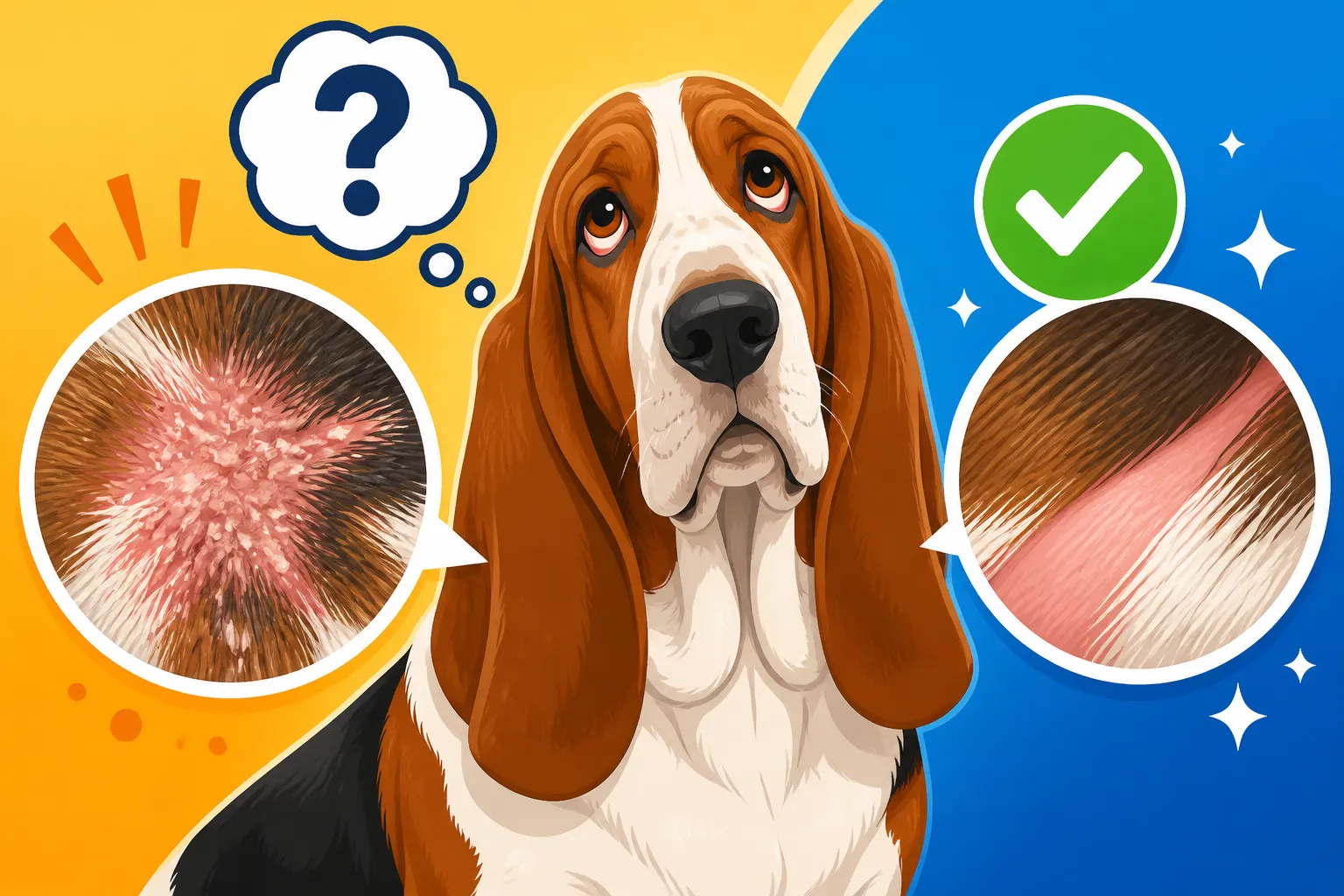
First, there's seborrhea sicca, often referred to as "dry seborrhea." If you notice your Basset Hound constantly shedding a fine, powdery, white, or silvery dandruff, especially on their back and flanks, this is likely sicca. Their coat might appear dull, and the skin underneath can feel dry, tight, and even cracked in severe cases. While not as overtly "dirty" as its oily counterpart, seborrhea sicca can still cause significant itching and irritation because the skin's natural protective barrier is compromised. Imagine your own skin feeling perpetually dry and itchy, even after moisturizing – that’s often what your poor Basset is experiencing.
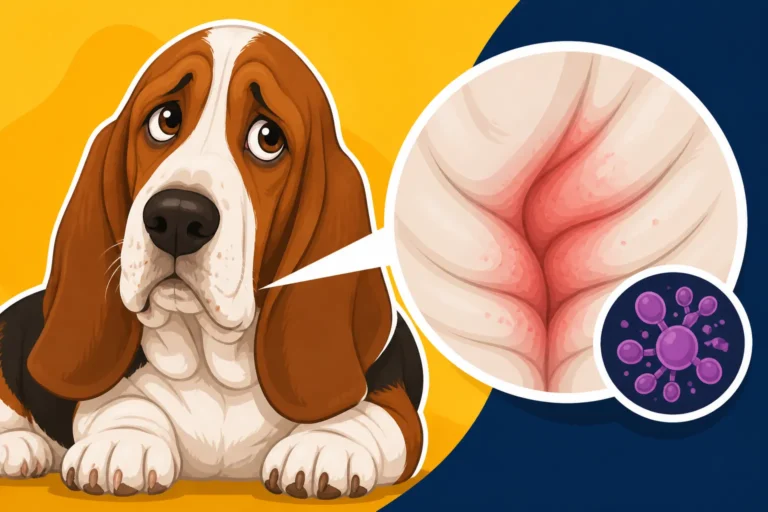
On the flip side, we have seborrhea oleosa, or "oily seborrhea." This is often the more recognizable and problematic form for Basset owners. If your dog's coat feels greasy or waxy to the touch, and you can see yellowish-brown scales or crusts, particularly in their skin folds, armpits, and groin, then oleosa is the likely culprit. This excessive oil production can lead to a sticky, matted coat and a distinctly unpleasant, often rancid odor. This smell is frequently described as resembling stale corn chips, and it can permeate bedding, furniture, and even linger in the air. The oily environment is a perfect breeding ground for yeast and bacteria, which rapidly proliferate and contribute to the strong, musty smell. Many Basset Hounds experience a combination, with areas of both dryness and greasiness, adding another layer of complexity to their care.
The Genetic Predisposition in Basset Hounds
It’s a hard truth, but sometimes our Bassets are simply genetically predisposed to certain health conditions, and seborrhea falls into this category. While any dog breed can develop seborrhea, Basset Hounds, along with a few other breeds like Cocker Spaniels and West Highland White Terriers, are known to have a higher incidence of primary seborrhea. This means the condition isn't caused by an external factor or an underlying disease, but rather by an inherited defect in how their skin cells mature and shed, or how their sebaceous glands produce oil.
For a Basset with primary seborrhea, their skin cells might multiply too quickly, leading to a buildup of dead cells, or their oil glands might be overactive. This isn't something they "catch" or that you can prevent entirely through perfect grooming. It's woven into their genetic fabric. Understanding this predisposition is crucial for Basset owners because it shifts the focus from "curing" the problem to effectively "managing" a lifelong condition. It emphasizes the need for consistent, proactive care and a close partnership with your veterinarian to keep your Basset as comfortable as possible. This hereditary component is one of the many unique aspects of the breed's health profile, just like their susceptibility to conditions such as The Crooked Front a Basset Hound Is Built On or The Glaucoma a Basset Hound Inherits.
Uncovering Underlying Causes of Secondary Seborrhea
While some Basset Hounds suffer from primary seborrhea, a significant number of cases are secondary, meaning the skin issues are a symptom of another, often hidden, underlying problem. Think of seborrhea as a warning signal, telling you something else is amiss with your Basset's health. Ignoring this signal could mean a delay in diagnosing a more serious condition.
Common underlying causes for secondary seborrhea in Basset Hounds include a range of issues. Allergies, whether environmental (like pollen or dust mites) or food-related, are frequent culprits. A Basset with chronic allergies might constantly scratch, lick, and rub, damaging their skin barrier and leading to inflammation and seborrhea. Parasitic infestations, such as mites (like Demodex or Sarcoptes) or fleas, can also trigger intense itching and skin reactions that manifest as seborrhea. Hormonal imbalances are another significant factor; for example, Whether a Basset Hound Gets Hypothyroidism is a common endocrine disorder in the breed that can lead to dry, flaky skin and a dull coat, mimicking or worsening seborrhea sicca. Even nutritional deficiencies, though less common with quality commercial diets, can play a role. If your Basset Hound develops seborrhea suddenly or if treatments aren't working, your vet will definitely want to perform a thorough diagnostic workup to identify and address the root cause. Treating the underlying issue, such as putting your Basset on appropriate medication for hypothyroidism or a specific diet for food allergies, can often lead to a dramatic improvement, or even resolution, of the seborrhea itself.
Recognizing the Signs and Symptoms of Seborrhea in Your Basset Hound
As a Basset Hound owner, you’re always attuned to the quirks and needs of your dog. When it comes to seborrhea, the signs are often overt and hard to miss, signaling that your furry friend is in distress. Being able to recognize these symptoms early can help you get prompt veterinary care and prevent the condition from worsening.
The Characteristic Greasy or Flaky Coat
One of the most obvious indicators of seborrhea is a noticeable and persistent change in your Basset Hound's coat and skin. If you find yourself constantly wiping down surfaces because your Basset leaves a greasy residue, or if their fur feels perpetually oily to the touch, you’re likely seeing the effects of seborrhea oleosa. This oiliness isn't just superficial; it can lead to a sticky, clumpy coat, and in severe cases, the fur can become matted and stiff. You might also observe thick, yellowish or brownish waxy scales adhering directly to the skin, particularly in areas where skin folds are prominent.
Conversely, for seborrhea sicca, the visual cue is relentless flaking. It's more than just a bit of winter dry skin; it’s a widespread, persistent shower of white or silvery flakes that stick to their coat and end up all over your home. Their fur might appear dull, brittle, and lifeless. Regardless of whether your Basset is battling greasy buildup or a snowstorm of flakes, the compromised skin barrier often leads to intense itching, prompting excessive scratching, licking, and rubbing. This repetitive behavior only exacerbates the problem, causing further skin irritation and breaking the hair shafts. This is why keeping an eye on changes in The Short Basset Hound Coat That Still Sheds Everywhere is so important, as abnormal shedding or texture can be a red flag.
Unpleasant Odor and Skin Irritation
Let's face it, Basset Hounds have a distinct scent, affectionately known as "houndy." However, a Basset Hound with seborrhea often develops an odor that is far beyond this natural scent – it’s often pungent, musty, and genuinely unpleasant. This pervasive smell isn't just from dirt; it's a direct result of the overgrowth of yeast (like Malassezia) and bacteria that thrive in the abnormal, often oily, skin environment created by seborrhea. These microorganisms feast on the excess oils and dead skin cells, producing metabolic byproducts that create that characteristic foul smell, often likened to stale corn chips or a dirty locker room.
Beyond the odor, the underlying skin is profoundly irritated. You might notice widespread redness, inflammation, and sensitivity, especially in warm, moist areas like the armpits, groin, and between the toes. Your Basset will likely scratch, lick, and chew obsessively at these areas, leading to further skin damage, hair loss, and thickened, leathery patches of skin (known as lichenification). Over time, the skin can also become hyperpigmented, turning a darker, almost blackish color due to chronic inflammation. This constant battle with itch and irritation takes a toll on your Basset's comfort and can even affect their mood and energy levels. It’s a vicious cycle that requires intervention.
Secondary Infections and Complications
One of the most concerning and frustrating aspects of seborrhea in Basset Hounds is its tendency to pave the way for secondary infections. The skin, already compromised by the defective keratinization and abnormal oil production, loses its natural protective barrier. This makes it an open invitation for opportunistic bacteria and yeast to take hold and proliferate.
Bacterial skin infections, or pyoderma, are incredibly common. You might notice small red bumps (papules), pus-filled lesions (pustules), crusts, or scabs on your Basset's skin. Yeast infections, particularly caused by Malassezia pachydermatis, are also frequent companions to seborrhea. These infections cause even more intense itching, contribute significantly to the foul odor, and can lead to a greasy, discolored discharge. For Bassets, whose skin is already prone to issues due to their unique anatomy, these secondary infections are particularly problematic. Skin Fold Infections on a Basset Hound are a common complication, as the warm, moist environment within their numerous skin folds provides an ideal breeding ground for these pathogens. If not addressed promptly, these infections can spread, causing deeper skin issues, systemic illness, and significant discomfort for your dog. They often require specific antibiotic or antifungal treatments on top of the seborrhea management, adding complexity and cost to their care.
Strategies for Managing and Treating Seborrhea in Basset Hounds
Successfully managing seborrhea in a Basset Hound requires a dedicated, consistent, and often multi-pronged approach. There's rarely a magic bullet, but with patience and a close partnership with your veterinarian, you can significantly improve your Basset's comfort and skin health. The goal is to control the symptoms, eliminate underlying causes, and prevent future flare-ups.
Veterinary Diagnosis and Tailored Treatment Plans
The absolute first and most crucial step if you suspect your Basset Hound has seborrhea is to consult your veterinarian. Self-diagnosis and treatment can often delay proper care and worsen the condition. Your vet will perform a thorough physical examination, meticulously inspecting your Basset's skin, coat, and those characteristic folds. They'll also take a detailed history of symptoms, diet, and any previous treatments.
To pinpoint the exact nature of the problem, your vet may recommend several diagnostic tests. These can include skin scrapings to check for mites, cytology to identify yeast or bacterial overgrowth, fungal cultures, and blood tests to rule out systemic diseases like Whether a Basset Hound Gets Hypothyroidism or to screen for allergies. Once a clear picture emerges, your vet will devise a tailored treatment plan. This might involve oral medications like antibiotics or antifungals for secondary infections, anti-inflammatory drugs to reduce itching and swelling, or even specific treatments for underlying conditions such as thyroid medication or allergy management. Remember, effectively treating seborrhea means addressing both the outward skin symptoms and any underlying health issues contributing to the problem. It's a personalized journey; what works for one Basset may not be the solution for another.
Topical Therapies and Grooming Routines
Topical treatments are an indispensable part of managing seborrhea in Basset Hounds, often forming the cornerstone of the daily or weekly routine. These include a variety of specialized shampoos, conditioners, and medicated wipes, all chosen based on the type of seborrhea your Basset is experiencing.
For seborrhea oleosa, shampoos often contain degreasing agents like selenium sulfide, benzoyl peroxide, or sulfur and salicylic acid combinations. These ingredients help to break down excess oils, exfoliate dead skin cells, and possess antimicrobial properties to combat yeast and bacteria. For seborrhea sicca, the focus shifts to moisturizing and rehydrating agents, often with similar exfoliating ingredients but coupled with ceramides or essential fatty acids to help repair the skin barrier. Your vet will instruct you on the frequency of bathing, which initially might be as often as two to three times a week. It’s vital to follow the instructions precisely, including allowing the shampoo to remain on the skin for the recommended "contact time" (often 5-10 minutes) before rinsing thoroughly. This contact time allows the active ingredients to work their magic. Between baths, medicated wipes or sprays can be a godsend, especially for keeping those deep skin folds clean and dry. This consistent grooming, while demanding, significantly alleviates discomfort and reduces the severity of flare-ups, transforming The Twice Weekly Ear Ritual a Basset Hound Owner Signs Up For into a full-body care regimen.
Dietary Management and Supplements
What you feed your Basset Hound can have a profound impact on the health of their skin and coat, making dietary management a crucial component in battling seborrhea, especially when underlying allergies or nutritional deficiencies are at play. The right nutrition can help strengthen the skin barrier and reduce inflammation from the inside out.
Your veterinarian might recommend a change to a prescription diet specifically formulated for skin sensitivities or allergies. These diets often feature novel protein sources (like venison, duck, or fish) or hydrolyzed proteins, which are broken down to a size that the immune system is less likely to react to. They are typically enriched with a balanced ratio of Omega-3 and Omega-6 fatty acids, which are critical for maintaining healthy skin and a shiny coat. Supplements containing high levels of Omega-3s, such as fish oil, can be incredibly beneficial due to their powerful anti-inflammatory properties. These fatty acids help to soothe irritated skin, reduce itching, and improve the overall integrity of the skin barrier. Always consult your vet before introducing any new supplements, as they can recommend specific dosages and brands that are safe and effective for your Basset. Sticking to the recommended diet and avoiding unauthorized treats or table scraps is essential for success, as even small deviations can trigger allergic reactions and worsen skin symptoms. Good nutrition can be a powerful tool in supporting your Basset’s fight against seborrhea.
Living with a Basset Hound Prone to Seborrhea
Living with a Basset Hound that battles chronic seborrhea is a long-term commitment. It requires ongoing vigilance, adjustments to daily routines, and an understanding that while there might not be a cure for primary seborrhea, effective management can ensure your Basset enjoys a comfortable and happy life.
Adapting Their Home Environment
Creating an optimal home environment is more than just comfort; it's a vital part of managing your Basset Hound's seborrhea. For those suffering from environmental allergies that trigger or worsen their skin condition, minimizing allergens in the home is key. This means regular vacuuming (especially with a HEPA filter), frequent washing of bedding, and perhaps using air purifiers. Consider anti-allergen covers for dog beds.
Given that seborrhea can lead to a strong, lingering odor, ensuring good ventilation in your home can help keep the air fresh. Humidity levels also play a role; extremely dry indoor air can exacerbate seborrhea sicca, making a humidifier a useful addition, especially in colder months. Conversely, overly humid environments can encourage the growth of yeast and bacteria, worsening seborrhea oleosa and leading to problems like Whether a Basset Hound Gets Yeast Between Its Folds. Making sure your Basset’s favorite resting spots are clean and dry is also crucial. For instance, if they often nap near a drafty window, ensuring their bed is thick and provides good insulation can protect their skin from further irritation. Small thoughtful changes can collectively make a significant difference to their comfort.
Long-Term Care and Prevention Strategies
Since primary seborrhea is a chronic, often lifelong condition, the focus shifts to consistent, proactive long-term care to prevent flare-ups and maintain your Basset's skin health. This means adhering strictly to the maintenance schedule prescribed by your vet, even when your Basset's skin appears to be completely clear. Discontinuing medicated baths or topical treatments prematurely is a common mistake that often leads to a quick relapse.
Regular and thorough grooming remains paramount. This includes consistent bathing with prescribed shampoos, diligent Cleaning the Folds a Basset Hound's Face Is Made Of and other body folds with medicated wipes, and checking their ears for signs of infection, as ear issues are often related to broader skin problems. Beyond topical care, closely monitoring your Basset for any subtle changes—new scratching, redness, unusual smells, or changes in coat texture—is crucial. Early detection of a nascent flare-up or secondary infection allows for swift intervention, preventing it from escalating into a severe and painful problem. Regular check-ups with your vet, even when your Basset seems well, are essential for monitoring the condition and making any necessary adjustments to their long-term management plan. This ongoing commitment is a testament to your love for your Basset, ensuring they can lead a life with minimal discomfort.
Financial Considerations and Insurance
Let's be realistic: managing a chronic condition like seborrhea in a Basset Hound can become quite costly over time. The expenses can quickly add up, from specialized medicated shampoos and prescription medications to frequent veterinary visits, diagnostic tests, and potentially ongoing treatments for underlying conditions like allergies or hypothyroidism. If a secondary infection takes hold, the costs for antibiotics or antifungals, cultures, and follow-up examinations can become substantial. Understanding What a Basset Hound Costs a Year to Keep is important, and a chronic health issue like seborrhea will definitely impact that budget.
This is where pet insurance can be an invaluable resource. Companies like Healthy Paws offer various plans that can help alleviate the financial burden of chronic illnesses. While most policies have waiting periods and exclusions for pre-existing conditions, having a plan from Healthy Paws in place before your Basset develops symptoms can provide immense peace of mind and ensure you can afford the best care without undue financial stress. Regular consultations, preventative care products, and even specialized diets contribute to the ongoing expense, so budgeting for these recurring costs is a necessity. Don't let the potential costs deter you from pursuing optimal care for your Basset; proactive planning, including exploring options with providers like Healthy Paws, is key to their long-term well-being. Ultimately, investing in their health is an investment in your shared happiness, and for comprehensive coverage for your Basset's unique health needs, considering Insuring a Basset Hound Against Eyes, Ears and Backs is a very smart move, as skin problems are often entwined with those specific vulnerabilities.
Here's a quick comparison of the two main types of seborrhea:
| Feature | Seborrhea Sicca (Dry) | Seborrhea Oleosa (Oily) |
|---|---|---|
| Appearance | Dry, flaky, white/silvery scales; dull, brittle coat | Greasy, waxy, yellowish-brown scales; oily, clumpy coat |
| Texture | Dry, sometimes tight and scaly skin | Greasy, sticky, often thick and leathery skin |
| Odor | Mild or absent; may have a faint "doggy" smell | Strong, rancid, musty smell (often described as "corn chips") |
| Common Areas | Back, flanks, top of head, outer ear flaps | Folds (face, neck, body), armpits, groin, ears, belly |
| Associated Issues | Dryness, moderate itching, hair loss, brittle fur | Intense itching, inflammation, yeast/bacterial infections |
| Treatment Focus | Moisturizing, gentle exfoliation, skin hydration | Degreasing, antimicrobial shampoos, exfoliation, antiseptics |
Disclaimer
The information provided in this guide is intended for general knowledge and informational purposes only, and does not constitute medical advice. Always consult with a qualified veterinarian for any health concerns or before making any decisions about your Basset Hound's medical care.