Whether a Basset Hound Smells Because of Its Skin
It's a question many Basset Hound owners, or those considering bringing one into their lives, often ponder with a wrinkle of their own nose: "Does my Basset Hound smell because of its skin?" You're not imagining things, and it's a perfectly valid concern. While every dog has a natural scent, Basset Hounds can indeed develop a more pronounced odor, and their unique skin structure often plays a significant role. This guide is here to shed light on why your beloved Basset might be a bit on the fragrant side and, more importantly, what you can do about it.
Understanding the Basset Hound's Unique Skin and Coat
Basset Hounds are iconic for their distinct appearance – those long, droopy ears, sorrowful eyes, and that unmistakable loose, wrinkled skin. While these features are part of their charm, they also present specific challenges when it comes to skin health and, consequently, odor.
The Loose Skin and Deep Folds
Let's be honest, those luxurious folds of skin are adorable, but they’re also prime real estate for moisture, dirt, and microscopic organisms. Think about it: a Basset's face has deep wrinkles around the muzzle and eyes, their neck boasts a generous dewlap, and their body can have loose skin that creates folds in the armpits, groin, and even along their back.
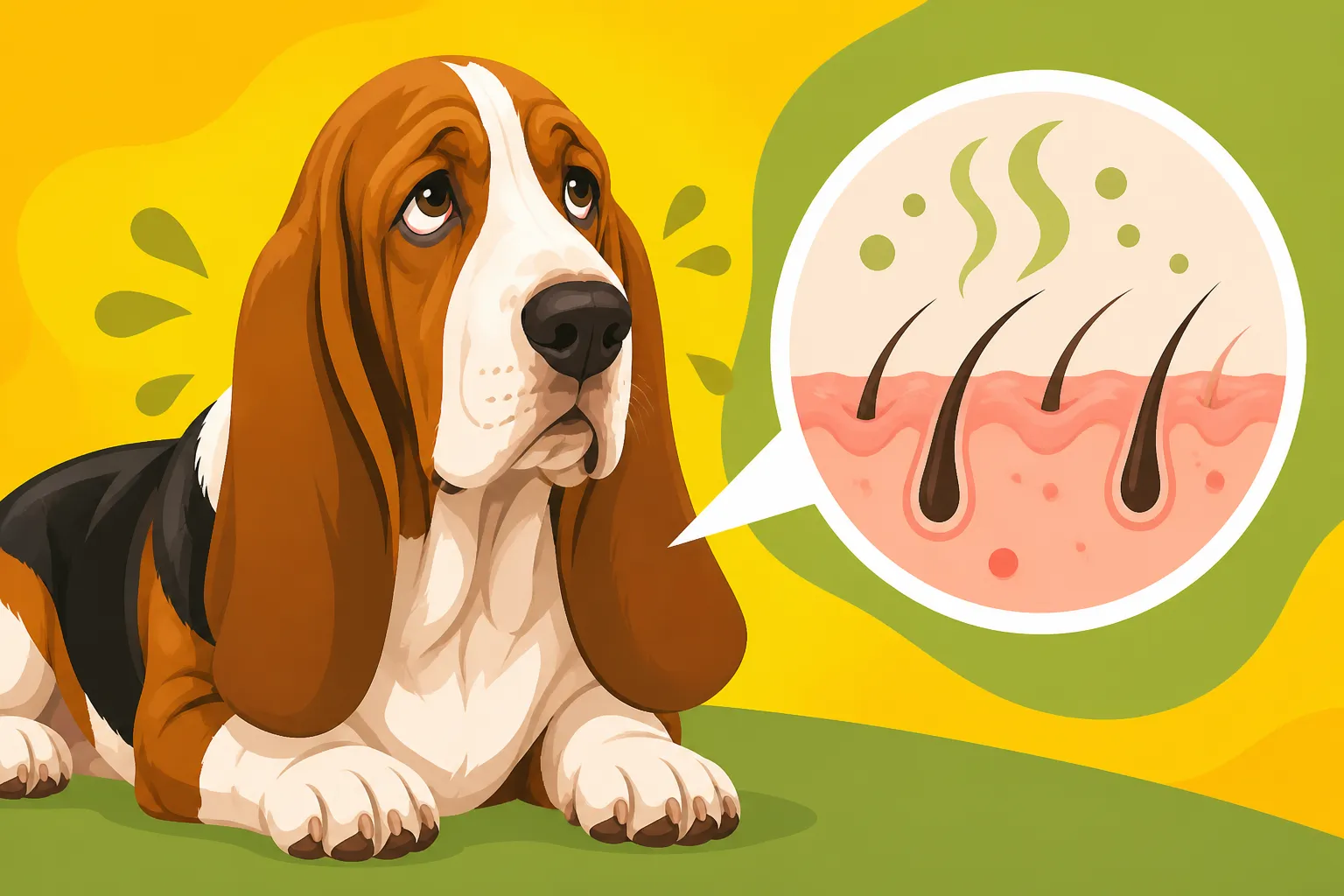
These areas are naturally warm, dark, and often moist, creating the perfect anaerobic environment for bacteria and yeast to thrive. When these microbes multiply unchecked, they produce metabolic byproducts that lead to that distinct, often unpleasant, smell. It's like a tiny, humid microclimate forming in every wrinkle, trapping anything that falls into it and allowing it to fester. Without proper, regular care, these folds can become a persistent source of odor, even if the rest of your home is spotless.
The Oily Coat and "Hound Scent"
Beyond the folds, Basset Hounds also possess a short, dense, and somewhat oily coat. This oiliness isn't necessarily a bad thing; it's a natural protective layer, working to repel water and protect their skin from the elements. This was a fantastic trait back when Bassets were primarily working hounds, tracking game through all sorts of weather.
However, this natural oil, produced by their sebaceous glands, contributes to what many describe as a classic "hound scent." This isn't usually an offensive smell in itself, but it can be more noticeable than in other breeds. When this natural oil mixes with environmental dirt, shed hair, and the normal flora on their skin, it can intensify, leading to a general "doggy" smell that clings to furniture and fabrics. If the sebaceous glands become overactive, or if the oils aren't regularly removed through bathing, this scent can become much stronger and less pleasant.
Common Skin Conditions That Lead to Odor
While a natural hound scent is one thing, a truly bad smell often signals an underlying skin issue. Basset Hounds, unfortunately, are predisposed to several conditions that can turn their adorable wrinkles into odorous trouble spots.
Skin Fold Dermatitis Pyoderma
This is probably one of the most common culprits behind a Basset Hound's potent aroma. Also known as intertrigo, skin fold dermatitis occurs when bacteria and/or yeast overgrow in those warm, moist, and often irritated skin folds. The constant friction, lack of air circulation, and trapped moisture create an ideal breeding ground.
You might notice redness, inflammation, hair loss, and sometimes a greasy or crusty discharge within the folds. The smell itself can range from yeasty and sweet to putrid and sour, depending on the type of infection. These infections aren't just smelly; they can be incredibly itchy and painful for your Basset. Areas commonly affected include the facial folds, especially around the muzzle and eyes, the dewlap, and even the vulvar folds in females. Without intervention, these infections can become chronic and very difficult to manage. You can learn more about specific Skin Fold Infections on a Basset Hound to help identify the signs.
Allergies and Their Impact on Skin
Just like people, Basset Hounds can suffer from allergies, and these often manifest as skin problems, which can then lead to a foul odor. Environmental allergies (atopy) to things like pollen, dust mites, or molds, and food allergies to certain proteins are common.
When a Basset Hound has allergies, their skin becomes itchy, leading to excessive scratching, licking, and chewing. This self-trauma breaks down the skin barrier, creating microscopic abrasions that are easily infected by bacteria and yeast. The resulting secondary skin infections (pyoderma or yeast infections) are what often cause the strong, unpleasant smell. Furthermore, chronic inflammation itself can change the skin's natural balance, leading to increased oil production or a compromised barrier that allows odors to escape more readily. It's a vicious cycle where allergies lead to itching, itching leads to infection, and infection leads to odor. Understanding Whether a Basset Hound Gets Allergies is key to tackling this root cause.
Seborrhea and Oily Skin
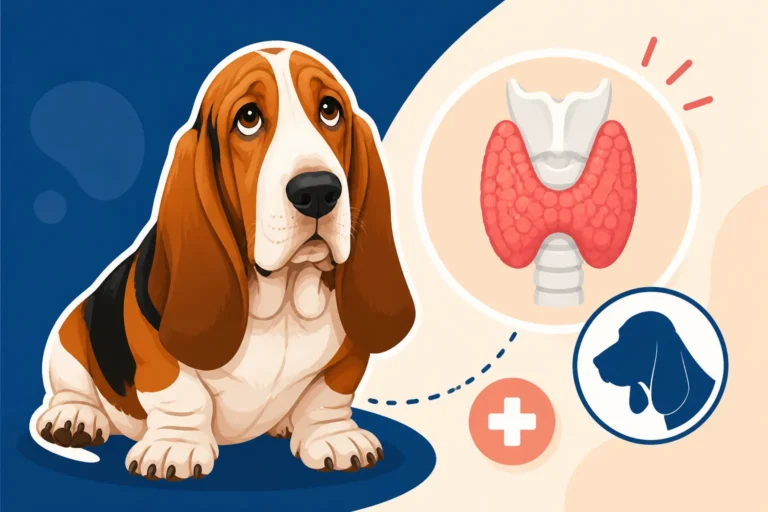
Seborrhea is a skin disorder that affects the sebaceous glands, leading to abnormal production of sebum (skin oils). In Basset Hounds, the most common form is seborrhea oleosa, characterized by excessively oily and greasy skin and coat. This condition can be primary (inherited) or secondary to other issues like allergies, hypothyroidism, or parasites.
Dogs with seborrhea often have greasy flakes (dandruff) or scales on their skin, and their coat can feel oily to the touch. The accumulation of these oils and dead skin cells creates a distinct, rancid, or musty odor. This smell is often very pervasive and can be challenging to manage, even with frequent bathing. The excessive oil provides a rich food source for yeast and bacteria, making secondary infections and their associated odors even more likely. If you suspect your Basset might be suffering from this, it's worth investigating Whether a Basset Hound Gets Seborrhea.
Ear Infections
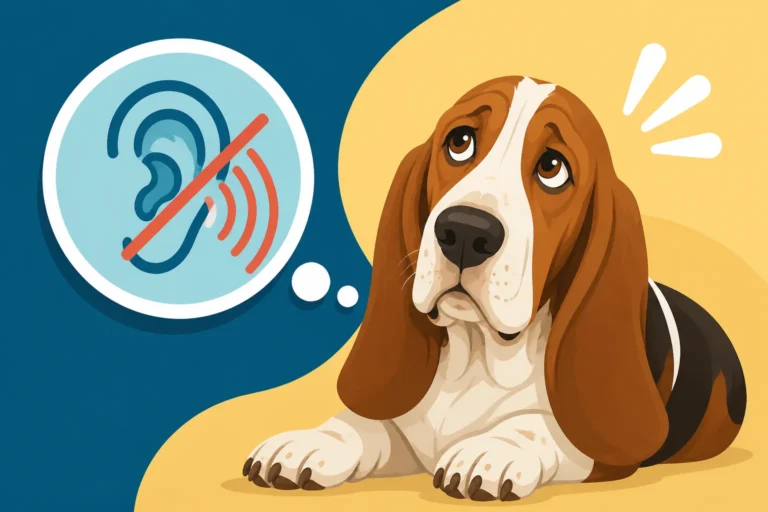
While not directly a "skin" issue across the entire body, Basset Hounds' ears are an extension of their skin, and severe or chronic ear infections can contribute significantly to a dog's overall smell. Their long, heavy, pendulous ears trap heat and moisture, creating an ideal environment for bacteria and yeast to flourish in the ear canal.
An infected ear can produce a strong, foul odor that is easily detectable, especially if you lift their ear flap. The smell can be yeasty and sweet (often indicative of a yeast infection) or cheesy and foul (more typical of a bacterial infection). If your Basset is shaking its head, scratching at its ears, or seems painful when you touch them, an ear infection is a strong possibility and a likely source of any unpleasant aroma. These infections can be notoriously persistent, making it important to understand The Ear Infections That Never Really Leave a Basset Hound and recognizing Whether a Basset Hound's Ear Smells Sweet or Sour.
Practical Strategies for Managing Basset Hound Skin Odor
The good news is that with diligence and the right approach, you can significantly reduce or even eliminate unpleasant odors emanating from your Basset Hound. It often comes down to a consistent routine and addressing any underlying health issues.
Regular Cleaning and Grooming
This is perhaps the most crucial step in managing a Basset Hound's skin and coat odor. Regular bathing and meticulous cleaning of their folds are non-negotiable.
- Bathing Routine: Aim to bathe your Basset Hound every 1-3 weeks, depending on their individual needs and the severity of any odor issues. For those with seborrhea or chronic skin fold infections, more frequent bathing with a veterinarian-prescribed medicated shampoo might be necessary. When choosing a shampoo, look for one specifically formulated for dogs, ideally one that is moisturizing or designed for sensitive skin. Some owners find that a degreasing shampoo followed by a moisturizing one works best for oily coats. Always rinse thoroughly to avoid leaving any residue, which can irritate the skin and contribute to odor. You'll want to know How Often a Basset Hound Should Be Bathed to get this right.
- Fold Cleaning: This needs to be a daily or every-other-day ritual, especially for deep facial folds, the dewlap, and any other body folds. Use a soft cloth or cotton ball dampened with a gentle, pet-safe skin wipe or a dilute solution of chlorhexidine (as recommended by your vet). Gently wipe inside each fold, removing any moisture, debris, or discharge. After cleaning, ensure the folds are completely dry. Leaving them damp can actually worsen the problem. Pay close attention to Cleaning a Basset Hound's Face Wrinkles specifically.
- Drying: After baths or fold cleaning, ensure your Basset is thoroughly dry, especially within all those wonderful wrinkles. A towel dry is usually sufficient, but for thicker coats or deeper folds, a low-heat blow dryer can be helpful. Trapped moisture is the enemy!
Dietary Considerations
What goes into your Basset Hound can significantly impact the health of their skin and coat. A high-quality diet provides the necessary nutrients for a strong skin barrier and healthy oil production.
- Balanced Nutrition: Ensure your Basset is eating a complete and balanced dog food appropriate for their age and activity level. Avoid foods with excessive fillers or artificial ingredients that might contribute to sensitivities.
- Omega Fatty Acids: Supplementing with Omega-3 and Omega-6 fatty acids can do wonders for skin and coat health. These essential fatty acids help reduce inflammation, strengthen the skin barrier, and promote a healthy, less oily coat. Fish oil supplements (like salmon oil or krill oil) are excellent sources. Discuss dosage with your vet, as too much can cause digestive upset.
- Addressing Food Allergies: If you suspect food allergies are contributing to your Basset's skin issues and odor, a veterinary-supervised elimination diet is crucial. This involves feeding a novel protein or hydrolyzed protein diet for several weeks to see if symptoms improve. Common allergens often include chicken, beef, dairy, wheat, and soy. Finding out Whether a Basset Hound Has a Sensitive Stomach is a good first step in exploring dietary changes.
Environmental Management
Your home environment also plays a role in managing your Basset Hound's scent.
- Clean Bedding: Regularly wash your Basset's bedding, blankets, and any soft toys they frequent. Odor-causing bacteria and oils can build up on these items and transfer back to your dog, contributing to a persistent smell.
- Air Circulation: Ensure good air circulation in the areas your Basset spends most of its time. This can help reduce humidity and prevent musty odors from settling.
- Humidity Control: In very humid climates, consider using a dehumidifier, especially in rooms where your Basset sleeps. Lowering ambient humidity can reduce the likelihood of skin fold infections.
When to Seek Veterinary Help for Your Smelly Basset
While regular grooming and a good diet can go a long way, some odors are simply too persistent or severe to manage without professional help. Knowing when to call your vet is crucial for your Basset's health and comfort.
Recognizing Red Flags
Don't hesitate to contact your veterinarian if you notice any of the following signs in conjunction with a persistent or worsening odor:
- Intensified, Foul Odor: A smell that is truly putrid, cheesy, rancid, or yeasty, and doesn't improve with regular bathing and cleaning.
- Skin Redness or Inflammation: Patches of red, inflamed, or irritated skin, especially within folds, between toes, or on the belly.
- Excessive Itching, Licking, or Chewing: If your Basset is constantly scratching, licking its paws, or rubbing against furniture, it indicates significant discomfort.
- Hair Loss or Greasy Coat: Patchy hair loss, a dull coat, or a coat that feels excessively greasy even after a bath.
- Discharge or Crusting: Pus, clear discharge, or crusty lesions on the skin or within folds.
- Pain or Sensitivity: If your Basset flinches or cries out when certain areas are touched, or generally seems uncomfortable.
- Behavioral Changes: Lethargy, loss of appetite, or reluctance to play can all be signs of discomfort from a skin condition.
These symptoms suggest that a superficial infection or irritation has progressed, or that an underlying condition requires medical attention. Remember that while What a Basset Hound's Skin Fold Infection Costs to Treat can be a concern, early intervention is always more effective and often less expensive in the long run.
Diagnostic and Treatment Options
When you visit your vet, they will likely start with a thorough physical examination and discuss your Basset's history and symptoms. Depending on their findings, they may recommend several diagnostic tests:
- Skin Scrapes and Cytology: These simple, non-invasive tests involve taking samples from the affected skin to look for mites, bacteria, or yeast under a microscope. This helps identify the specific organisms causing the infection and guides treatment.
- Fungal Culture: If a fungal infection like ringworm is suspected, a culture may be performed.
- Allergy Testing: If allergies are suspected, your vet might recommend blood tests or intradermal skin testing to identify specific allergens, or guide you through an elimination diet.
- Biopsy: In rare cases of unusual or persistent skin lesions, a skin biopsy might be taken for histopathological examination.
- Blood Work: To rule out systemic issues like hypothyroidism, which can contribute to skin problems and odor, blood tests may be performed.
Treatment will depend on the diagnosis but often includes:
- Medicated Shampoos and Wipes: Specifically formulated antibacterial, antifungal, or degreasing shampoos (e.g., those containing chlorhexidine, miconazole, or benzoyl peroxide) are frequently prescribed. Medicated wipes are excellent for daily maintenance of folds.
- Antibiotics or Antifungals: For bacterial or yeast infections, oral or topical antibiotics and/or antifungal medications may be necessary.
- Anti-inflammatory Medications: Steroids (oral or topical) may be used to reduce itching and inflammation in severe allergy cases.
- Allergy Management: This can involve antihistamines, allergen-specific immunotherapy (allergy shots), or newer medications designed to target allergic itching, like Apoquel or Cytopoint.
- Dietary Changes: As discussed, a prescription diet may be recommended for food allergies or to support skin health.
Dealing with chronic skin issues and persistent odor can be an ongoing journey for Basset Hound owners. It takes commitment, but the reward is a happier, healthier, and much more pleasant-smelling companion. It's also worth remembering that vet visits and treatments can add up, so having a good pet insurance policy, such as one from Healthy Paws, can provide significant peace of mind when tackling recurring or complex health challenges like these. Keeping up with What Basset Hounds Are Most Often Treated For and considering Insuring a Basset Hound Against Eyes, Ears and Backs is a proactive approach to their wellbeing.
Disclaimer
The information provided in this article is for general informational purposes only and is not intended as a substitute for professional veterinary advice. Always consult with a qualified veterinarian regarding any health concerns or before making any decisions about your Basset Hound's medical care.