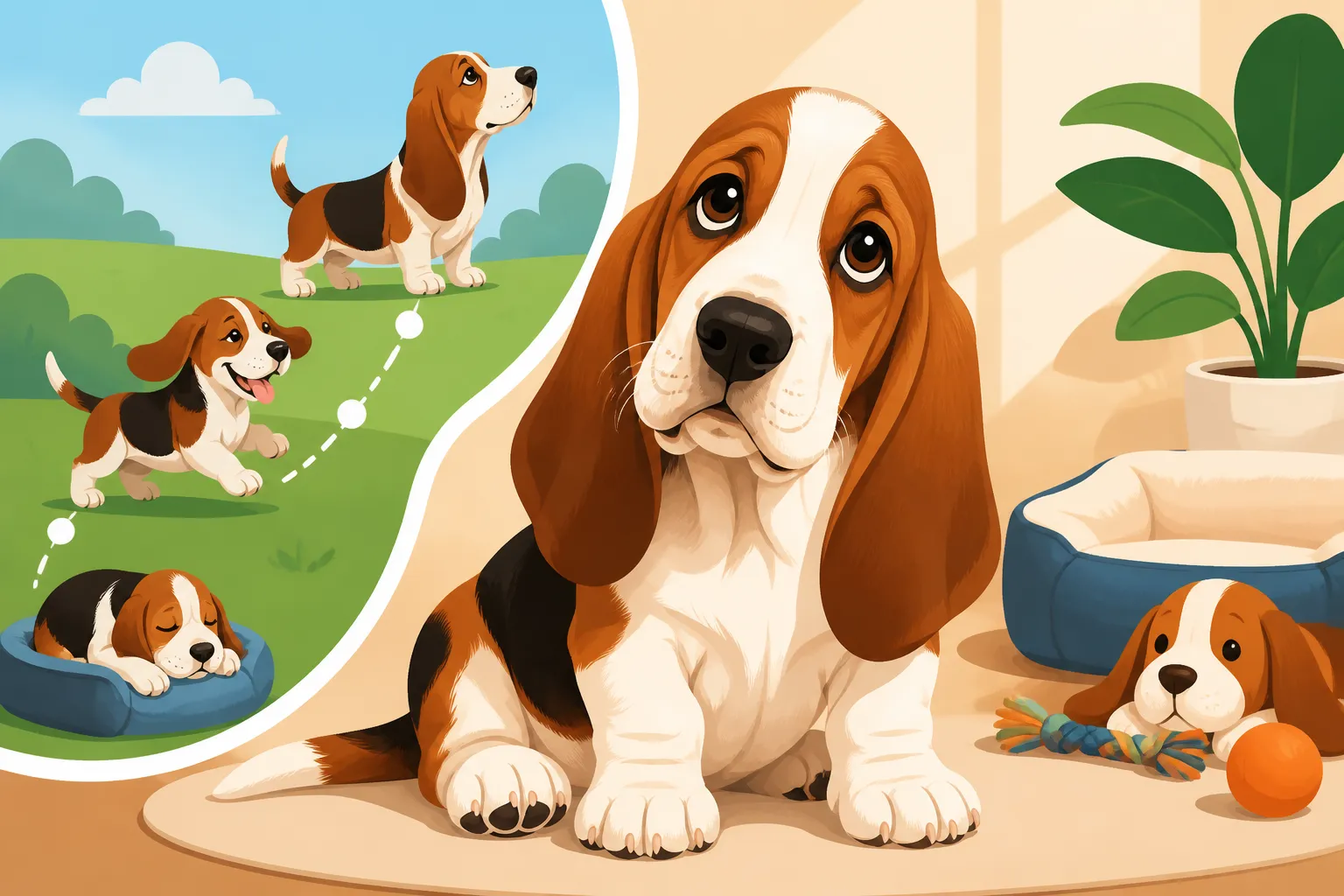
The First Year With a Basset Hound Puppy
Bringing a Basset Hound puppy home is a whirlwind of emotions – sheer joy, overwhelming cuteness, and, let's be honest, a healthy dose of "what have I gotten myself into?!" From those adorable floppy ears to the soulful eyes, they steal your heart in an instant. But underneath that charming exterior is a creature with specific needs, a deeply ingrained sense of smell, and a burgeoning personality that will test your patience and expand your capacity for love. This comprehensive guide is here to walk you through that incredible, often messy, and utterly rewarding first year, helping you navigate everything from house training mishaps to the legendary Basset "stubbornness" with grace and a good sense of humor.
The First Few Weeks: Settling In and Building Trust
The initial days and weeks with a new Basset Hound puppy are critical. It's a massive change for them, leaving their littermates and familiar environment, and for you, integrating a furry, vocal, and often clumsy little creature into your life. Establishing routines and building a foundation of trust during this period will set the stage for a lifetime of companionship.
Bringing Your Puppy Home: The Initial Chaos
That first car ride home can be a mix of excitement and anxiety. Your puppy might be nervous, even carsick, so be prepared with towels and cleaning supplies. Once you arrive, resist the urge to immediately overwhelm them with family and friends. Their world has just been turned upside down. Imagine being a tiny human suddenly plucked from everything you know and dropped into a giant, unfamiliar place filled with strange smells and loud noises. That's pretty much how your Basset pup feels.
Start by introducing them to their designated potty spot outside right away. Even if they don't go, it begins to establish the routine. Then, bring them inside to a pre-prepared, safe, quiet space. This might be a crate in a low-traffic area, or a small, puppy-proofed room with a bed, water, and some safe chew toys. Keep initial interactions calm and gentle. Let them explore their immediate surroundings at their own pace. Don't force interaction; allow them to come to you. Their nose will be working overtime, trying to map out this new territory. A soft blanket or toy that smells like their mom or littermates can provide immense comfort. This isn't just about managing logistics; it's about making them feel safe and secure, which is the bedrock of building a strong bond.
Crate Training: A Sanctuary, Not a Punishment
Crate training is one of the most invaluable tools you'll use in your Basset Hound's first year, and honestly, for their entire life. Many people initially resist crates, seeing them as cruel, but for a Basset, a properly introduced crate becomes their den, a safe, personal space where they can feel secure and relax. It’s also incredibly helpful for Whether a Basset Hound Puppy Should Be Crated during potty training, preventing destructive chewing, and ensuring safety when you can't supervise them directly.
The key is to make the crate a positive experience from day one. Start by feeding meals inside the crate with the door open. Toss treats in there. Place favorite toys inside. Never use the crate as punishment; if you do, it will lose its positive association. Gradually increase the time they spend in the crate with the door closed, always starting with short durations and positive reinforcement. A comfortable bed, a safe chew toy, and a T-shirt that smells like you can make it more inviting. When they are comfortable, they'll often retreat to their crate on their own for naps. This teaches them self-soothing and helps them understand that being alone in their safe space is okay. Remember, consistency is key, and patience is a virtue, especially with a Basset's independent nature.
Potty Training Progress: Expecting Accidents
Let's be real: potty training a Basset Hound puppy is not for the faint of heart. They have small bladders and huge personalities, and sometimes, those two things clash right on your new rug. Expect accidents, and don't get frustrated when they happen. Shouting or punishing your puppy after an accident only teaches them to fear you or to hide their "business" where you can't see it, making training even harder. The goal is to reward the behavior you want.
Establish a strict potty schedule: first thing in the morning, every 30-60 minutes after waking up from a nap, after playing, after eating or drinking, and right before bed. Carry your Basset puppy outside to their designated spot, say a consistent phrase like "go potty," and lavish them with praise and a small, high-value treat the instant they finish. Don't wait until you're back inside; the reward needs to be immediate to create the association. If they don't go, bring them back inside and try again in 10-15 minutes, often crated in between. For dealing with the inevitable mess, enzymatic cleaners are your best friend – they neutralize odors that would otherwise attract your puppy back to the same spot. Consistency and vigilance are your most potent weapons here. For more insights, check out How Long a Basset Hound Puppy Takes to House Train.
Navigating the Basset Hound Temperament
Basset Hounds are known for their distinctive look, but their personality is just as unique. Understanding their inherent traits will help you connect with your puppy and manage expectations during their first year. They aren't like other dogs, and trying to force them into a mold that doesn't fit a Basset will only lead to frustration for both of you.
Understanding Their Scent-Driven World
To truly understand a Basset Hound, you must first understand their nose. It's not just good; it's phenomenal. Their entire world is filtered through scent, and it is a constant, overwhelming force for them. Imagine living in a world where every single blade of grass, every pebble, every leaf tells a complex, irresistible story. That's your Basset's reality. When they put their nose to the ground, the rest of the world, including you, fades away.
This profound scent drive means that outdoor walks are less about a brisk pace and more about a meandering sniffari. They will track, they will pull, and they will become utterly oblivious to your calls. This isn't disobedience; it's their primal instinct taking over. They literally stop hearing you when a good scent takes hold. Why a Basset Hound stops hearing you when it smells something is a crucial concept for new owners to grasp. Embrace it, manage it with proper leash equipment, and even use it to your advantage with scent work games. Trying to fight their nose is like trying to fight the tide; it's a losing battle. Instead, learn to appreciate the rich, olfactory world they inhabit.
"Stubbornness" vs. Independent Thinking
The word "stubborn" gets thrown around a lot when describing Basset Hounds, and while it might feel accurate in the moment, it's often more about their independent nature and strong will than actual defiance. A Basset isn't usually trying to annoy you; they simply have their own agenda, which is often dictated by their nose or their desire for comfort. They're thinkers, not mindless followers. They'll weigh the pros and cons of every command: "Is that treat really worth getting off this comfy couch?"
Traditional, drill-based training methods often fall flat with Bassets. They quickly get bored and decide there are far more interesting things to do, like re-investigating that dust bunny under the sofa. Instead, training needs to be engaging, fun, and highly rewarding. Find out What Actually Motivates a Basset Hound – usually, it's a combination of high-value treats, genuine praise, and making them think it was their idea all along. Short, frequent training sessions are far more effective than long, drawn-out ones. Understand that they will learn at their own pace, and sometimes that pace is a leisurely amble rather than a sprint. Patience, humor, and a deep treat pouch will be your best allies.
The Joy (and Challenge) of the Basset Bay
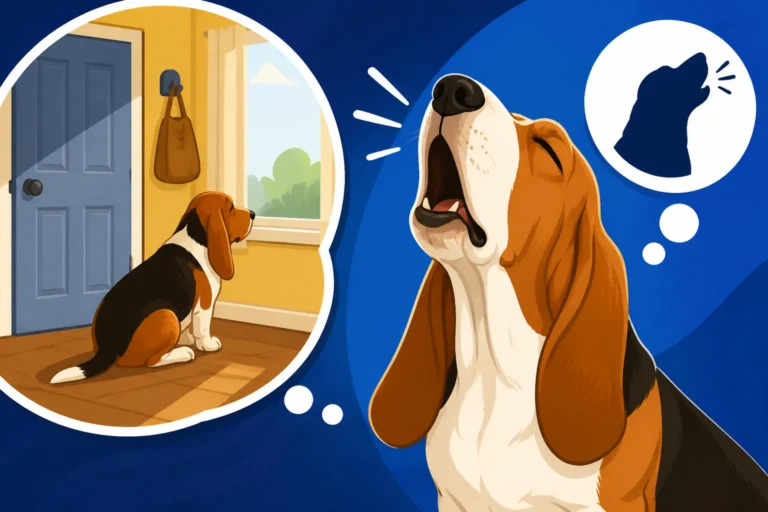
Ah, the Basset bay. It's a sound that is utterly unique, deeply resonant, and capable of charming some and driving others absolutely bonkers. It's not a bark; it's a mournful, drawn-out howl that harks back to their hunting ancestry, a call to the pack or a declaration of a newly discovered scent. As your Basset puppy grows, you'll start to hear this distinctive vocalization emerge. Sometimes it's a protest, sometimes it's excitement, and sometimes it's just because they found an interesting leaf.
Living with a baying Basset means understanding when and why they vocalize. They might bay when left alone, out of boredom, or when they hear a distant siren, joining in a chorus only they can perceive. It's a natural part of being a Basset, but it can become problematic if it's excessive or disruptive, especially if you have close neighbors. Early intervention with training can help. Teach a "quiet" command, reward calm behavior, and ensure they have plenty of mental and physical stimulation to prevent boredom-induced baying. Provide them with puzzle toys or a [Snuffle Mat] (easily found on Amazon) to engage their powerful nose and mind, which can often reduce unwanted vocalizations.
Early Training and Socialization Essentials
The first year is the prime time for your Basset Hound puppy to learn appropriate behaviors and become a well-adjusted member of society. This involves consistent training and careful, positive exposure to the world around them. Don't underestimate the importance of these early experiences.
Foundation Commands: Sit, Stay, and Come (Sort Of)
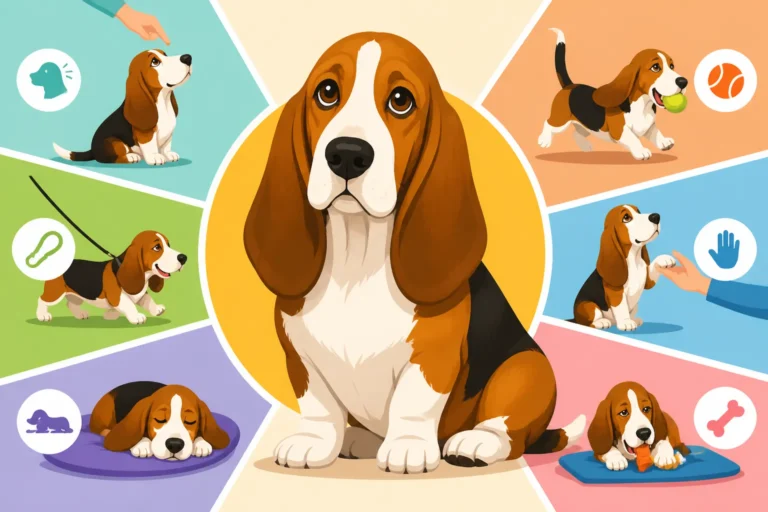
Teaching basic obedience commands like "sit," "stay," and "down" is essential for any dog, and Bassets are no exception. These commands provide a foundation for communication and safety. Use positive reinforcement methods, lots of praise, and irresistible treats. Keep training sessions short, fun, and engaging, ending on a positive note before your Basset gets bored. Remember, their attention span might be shorter than a conventional working breed, so quality over quantity is key.
"Come," or recall, is perhaps the most challenging command for a Basset Hound. Given their intense scent drive, calling them off a hot trail can feel like asking a chef to ignore the smell of a perfectly roasted chicken. While you should absolutely teach and practice recall religiously, it's vital to have realistic expectations. The Recall a Basset Hound Will Never Reliably Give You is a harsh truth for many Basset owners. For this reason, always assume your Basset is an escape artist and a flight risk. A long line (a very long leash, often 20-30 feet, which you can find on Amazon) is an indispensable tool for giving them a sense of freedom in a safe, open area while still maintaining control. Practice recall in distraction-free environments first, then gradually introduce more stimuli.
Socialization: Exposing Your Basset to the World
Socialization isn't just about meeting other dogs; it's about exposing your Basset Hound puppy to a wide variety of sights, sounds, smells, people, and environments in a positive and controlled way. This helps them grow into confident, well-adjusted adults who aren't fearful or reactive. Their critical socialization window typically closes around 16 weeks, so the first few months are precious.
Take your puppy to different places: a quiet park (before they're fully vaccinated, you might carry them or use a puppy stroller), hear different noises like traffic or children playing, and meet new people of all ages and appearances. Ensure these experiences are positive – pair new encounters with treats and praise. If your puppy seems overwhelmed, create distance and observe from afar until they are more comfortable. Puppy classes are an excellent way to safely socialize your Basset with other puppies and learn from a professional trainer. Many online programs, such as those offered by BAXTER & Bella, also provide structured socialization guides and virtual support, which can be invaluable, especially if in-person classes are limited or intimidating for your pup.
Leash Training: Mastering the Pull
Due to their powerful noses and low-slung bodies, Basset Hounds can become quite the pulling machines on a leash. They are bred to follow a scent with their nose to the ground, and a leash often feels like an irritating impediment to their important work. Early and consistent leash training is crucial to ensure walks are enjoyable for both of you and to prevent strain on your Basset's neck and your arm.
Start with short sessions in a low-distraction environment, like your backyard. Use a comfortable, well-fitting harness (a Y-front harness is often recommended over a collar for Bassets to protect their necks and airways). Practice walking politely, rewarding loose-leash walking with treats and praise. If they pull, stop dead in your tracks. Only move forward when the leash slackens. This teaches them that pulling gets them nowhere. Incorporate changes in direction and pace to keep them engaged. Remember, a Basset's walk isn't about covering ground quickly; it's about exploring the world through their nose. A sniff-filled walk is often far more enriching for them than a forced march.
Health and Wellness in the First Year
The first year of a Basset Hound's life is marked by rapid growth and development, making proactive health care paramount. Establishing good habits and regular veterinary care early on can prevent many common Basset Hound health issues from escalating.
Vet Visits and Vaccinations: A Non-Negotiable
From the moment you bring your Basset puppy home, a relationship with a trusted veterinarian is non-negotiable. Your vet will guide you through their vaccination schedule, deworming protocols, and parasite prevention. Puppy vaccinations are crucial for protecting your little one from serious, often fatal, diseases. It's not just about the shots; these early vet visits are also opportunities for your vet to perform thorough physical exams, checking for any congenital issues common in the breed, such as eye abnormalities or early signs of joint problems.
These visits also serve as important socialization experiences for your puppy. Make them as positive as possible with treats, praise, and a calm demeanor. Ask your vet or vet tech if you can pop in for "happy visits" where your puppy just gets treats and positive attention, without any poking or prodding. This helps build a positive association with the clinic, making future visits less stressful. Discuss any concerns you have, no matter how small. Your vet is your best resource for keeping your Basset healthy and happy throughout their first year and beyond.
Puppy Nutrition: Fueling Growth
Feeding your Basset Hound puppy correctly in their first year is absolutely vital for their development. Unlike some breeds, Bassets aren't necessarily "large breed" in the traditional sense, but they are heavy-boned and grow into substantial adults, so proper nutrition that supports steady, healthy growth is key. You'll want to choose a high-quality puppy food specifically formulated for medium to large breeds, as these often have appropriate calcium and phosphorus ratios to support skeletal development without promoting excessively rapid growth, which can exacerbate joint issues.
Avoid overfeeding at all costs. An overweight puppy is a recipe for future joint problems, especially given the Basset's already predisposed structure. Follow the feeding guidelines on your chosen food, but always adjust based on your puppy's individual condition and activity level. You should be able to feel their ribs easily without seeing them protruding, and they should have a discernible waist. Discuss your puppy's diet with your vet to ensure they are getting the right balance of nutrients. Remember, a healthy weight is a marathon, not a sprint, and instilling good eating habits now will pay dividends for their The Ten to Twelve Years a Basset Hound Lives.
Ear Care Routine: Starting Early
The magnificent, long, floppy ears of a Basset Hound are undeniably charming, but they are also a notorious hotspot for health problems. Their ears trap moisture, limit air circulation, and create a warm, dark environment perfect for yeast and bacteria to flourish, leading to chronic ear infections. This makes early and consistent ear care an absolute must. The moment you bring your puppy home, start handling their ears. Make it a positive experience with treats and praise. Gently lift them, look inside, and touch them.
As your puppy gets a bit older, you'll want to establish a regular cleaning routine. This typically means cleaning them a couple of times a week, or as directed by your vet. Use a veterinarian-approved ear cleaner. The Twice Weekly Ear Ritual a Basset Hound Owner Signs Up For is a real commitment. The goal is to flush out debris and excess wax without irritating the delicate ear canal. If you notice any redness, swelling, foul odor, or excessive scratching and head shaking, it’s time for a vet visit. Early detection and treatment of ear issues are crucial to prevent chronic problems and potential pain for your Basset. For guidance on how to make this routine less of a battle, you might find Teaching a Basset Hound to Tolerate Ear Cleaning helpful.
Managing Their Unique Physical Needs
The Basset Hound's distinctive appearance comes with a unique set of physical considerations. Their short legs, long back, heavy bone structure, and loose skin aren't just cosmetic; they require specific care and management, especially during their first year of rapid growth.
Joint Health: Protecting Growing Bones
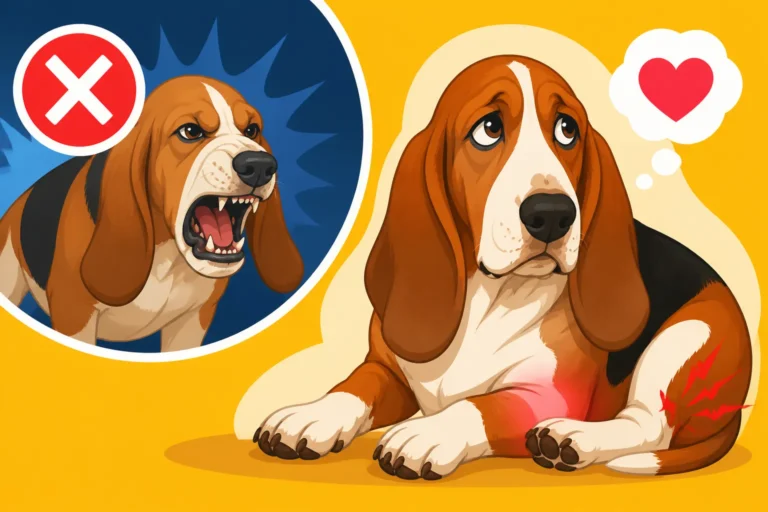
The Basset Hound's iconic short, bowed legs and long back are a result of a genetic condition called chondrodysplasia (a form of dwarfism), which affects cartilage development. While it gives them their characteristic look, it also makes them prone to certain joint and spinal issues, such as elbow dysplasia and intervertebral disc disease (IVDD). During their first year, their bones and joints are still developing, making it a critical time to be vigilant.
Avoid excessive jumping, running on hard surfaces, or strenuous activities that could put undue stress on their growing joints. Limit stair climbing, especially descending, and consider carrying your puppy up and down stairs when they are very young. As they grow, ramps can be incredibly beneficial for getting on and off furniture or into cars, reducing the impact on their delicate spines. Whether a Basset Hound Should Use Ramps at Home is a question many owners ponder, and for many Bassets, the answer is a resounding yes. Discuss appropriate exercise levels with your vet and breeder. Some vets may even recommend Whether a Basset Hound Needs Joint Supplements as a preventative measure, but this should always be done under professional guidance.
Weight Management: The Ever-Present Challenge
Basset Hounds love to eat. And eat. And then maybe have another snack. Their soulful eyes and mournful bay can be incredibly persuasive when begging for food. However, maintaining a healthy weight is arguably one of the most important things you can do for your Basset Hound's long-term health, particularly because of their predisposition to joint and back problems. Every extra pound puts additional strain on their short legs and long spine, exacerbating potential issues.
During the first year, it's easy for puppies to get a little chunky, but it's crucial to prevent this from becoming a habit. How Much a Basset Hound Should Weigh is a common question, and your vet can help you determine the ideal weight and body condition score for your individual dog. Feed measured meals, avoid free-feeding, and factor treats into their daily calorie intake. Choose low-calorie training treats, or use pieces of their regular kibble. Regular, gentle exercise is important, but remember it's primarily diet that controls weight. It’s easier to prevent obesity than to reverse it, so establish good habits from puppyhood.
Preventing Counter Surfing and Scavenging
With their powerful noses and surprisingly long bodies, Basset Hounds are natural-born scavengers and opportunistic counter surfers. What might seem like an adorable quirk in a tiny puppy can quickly become a problematic and potentially dangerous habit as they grow larger and more capable. Their nose will lead them to any crumb, any forgotten snack, and any trash can. This isn't just annoying; it can be dangerous if they ingest toxic foods or foreign objects.
From day one, teach your Basset "leave it." Practice this command with increasing distractions. Keep counters clear of food, secure trash cans, and never leave food unattended within their reach. Use baby gates to block access to kitchens or dining areas when you can't supervise. Remember, a Basset won't differentiate between your dinner and a potential health hazard; if it smells good, they'll investigate. Consistency and prevention are your best tools here. Investing in good quality, secure storage solutions can save you a lot of grief (and vet bills!).
Lifelong Habits and Continued Learning
The first year is about laying groundwork, but learning doesn't stop when your Basset Hound puppy turns one. It's an ongoing process that helps them stay engaged, happy, and well-behaved. Continuing to nurture their minds and bodies is key to a fulfilling life together.
Mental Stimulation: Beyond the Walk
While daily walks are important for physical exercise and nose work, Basset Hounds need significant mental stimulation to prevent boredom and destructive behaviors. Their powerful brains, driven by scent, need to be put to work. A bored Basset is an unhappy Basset, and an unhappy Basset can be a vocal or destructive one. Providing mental challenges tires them out in a different, often more effective, way than just physical exercise.
Consider incorporating scent work games into your daily routine. Hide treats around the house and encourage them to "find it." Invest in puzzle toys or snuffle mats where they have to work to get their kibble or treats. Even simple training sessions, teaching new tricks, or practicing existing commands can be mentally stimulating. Interactive play with you, like a gentle game of tug or hide-and-seek, also builds your bond and engages their mind. Remember, that incredible nose isn't just for tracking; it's a tool for exploration and problem-solving. Giving them appropriate outlets for that drive will make for a much happier household.
Grooming: More Than Just a Bath
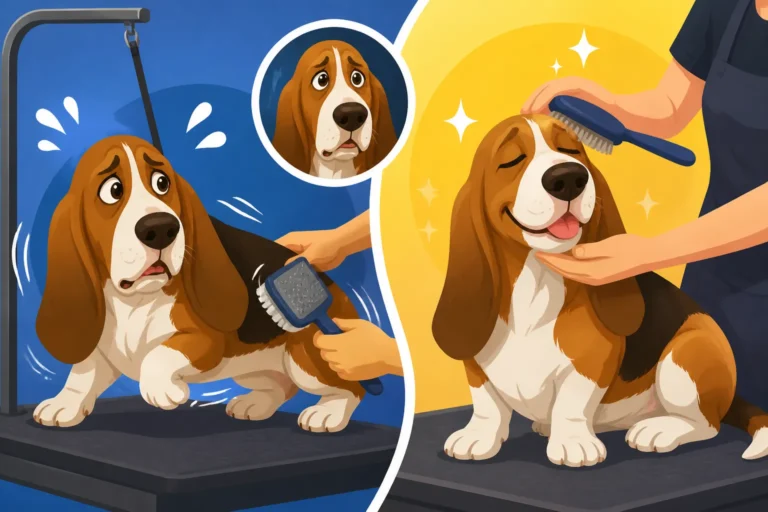
The Basset Hound's short coat might seem low-maintenance, but their unique features mean grooming is more involved than just a quick brush. Regular grooming sessions should start early and be consistent to get your puppy accustomed to being handled. This includes much more than just bathing.
Beyond the critical ear care, you'll need to pay attention to their facial folds and dewlap. These areas can trap moisture, food, and debris, leading to skin fold infections. Gently wipe them daily with a soft, damp cloth and ensure they are dry. Their nails grow quickly and, if left untrimmed, can cause discomfort, splayed feet, and even pain. Regular nail trims (every 2-4 weeks) are essential. Start by handling their paws frequently as a puppy and making nail trims a positive experience with treats. If you're nervous about doing it yourself, a professional groomer or vet tech can help, but regular exposure at home will make it easier for everyone. Even their teeth need attention; daily brushing can prevent dental disease, which is common in many breeds.
Dealing with Adolescent Basset Behaviors
Just like human teenagers, Basset Hounds go through an "adolescent" phase, typically between 6 months and 18 months, where they might test boundaries, "forget" previously learned commands, and explore their independence with renewed vigor. This can be a frustrating time, especially after you've put in so much effort during puppyhood. What you perceive as defiance is often just normal canine development and a re-evaluation of what works for them.
During this period, consistency in training is more important than ever. Don't give up! Revisit basic commands, practice them in new environments, and continue with positive reinforcement. This is where a strong foundation in "leave it" and recall becomes critical, even if they momentarily forget it when a squirrel crosses their path. It’s also a time when some Bassets develop Whether a Basset Hound Gets Separation Anxiety or show increased vocalization due to boredom or frustration. Double down on mental enrichment, regular exercise, and consistent routines. Consider enrolling in an advanced puppy class or working with a professional trainer to navigate these adolescent challenges.
Preparing for the Future: Beyond Puppyhood
The first year flies by, and before you know it, your Basset Hound puppy is transitioning into adulthood. Thinking ahead and making informed decisions now will help ensure a healthy, happy future for your companion.
Spaying/Neutering Considerations
The decision to spay or neuter your Basset Hound is an important one, with implications for their health, behavior, and the larger canine population. Discuss the timing of this procedure with your veterinarian. While traditional advice often favored early spay/neuter, current research suggests that for some breeds, waiting until a dog is more physically mature might offer certain health benefits, particularly related to bone and joint development.
Your vet will consider your Basset's individual growth, breed-specific risks, and your lifestyle when making a recommendation. Generally, spaying or neutering can help prevent unwanted litters, reduce the risk of certain cancers (like mammary tumors in females or testicular cancer in males), and may mitigate some hormone-driven behaviors such as marking or roaming. However, it's a decision that should be made in consultation with your vet, weighing all the pros and cons for your unique Basset Hound.
Financial Planning for the Years Ahead
Owning a Basset Hound is a long-term commitment, not just emotionally, but financially. While the first year often involves higher initial costs for vaccinations, spay/neuter, and puppy supplies, the expenses don't stop there. Bassets, with their unique anatomy, can be prone to specific health issues that may require ongoing veterinary care throughout their lives. This is why financial planning is a crucial part of responsible ownership.
Consider setting aside a dedicated emergency fund for your Basset Hound, or explore pet insurance options. Pet insurance can be a lifesaver when unexpected illnesses or accidents occur, covering a percentage of vet bills. Some policies might exclude pre-existing conditions or certain breed-specific issues, so research thoroughly. Beyond potential health costs, remember the ongoing expenses for quality food, routine vet check-ups, preventatives, grooming supplies, and replacement toys. For a deeper dive into these costs, you might find What a Basset Hound Costs a Year to Keep to be an illuminating read. Planning ahead ensures you can provide the best care for your beloved companion without financial stress.
Embracing the Basset Hound Journey
The first year with a Basset Hound puppy is a journey of discovery, growth, and unconditional love. There will be chewed shoes, potty accidents, stubborn moments, and probably a few sleepless nights listening to a plaintive bay. But there will also be endless cuddles, hilarious antics, the joy of watching them follow an irresistible scent, and the deep satisfaction of seeing them grow into a cherished family member. They are unique, charming, and utterly devoted.
Embrace their quirks, understand their drives, and approach training and care with patience, consistency, and a sense of humor. They might not be the fastest learners or the most agile athletes, but their steadfast companionship and loving nature are unparalleled. The relationships you build and the habits you establish in this first year will define the many wonderful years you have ahead with your Basset Hound. Welcome to the wonderfully floppy, deeply loyal world of Basset Hound ownership!
Disclaimer
This article is for general informational purposes only and does not constitute professional advice. Laws, prices and regulations vary by location and change over time. Consult a qualified professional for guidance on your specific situation.