The Age a Basset Hound’s Elbows Can Be Screened
It’s truly disheartening to watch your beloved Basset Hound struggle with mobility, especially when it’s due to joint pain. Many Basset owners worry about their dog’s unique conformation and the potential for orthopedic issues, particularly concerning their elbows. This comprehensive guide will walk you through the crucial age windows and processes for screening your Basset Hound's elbows, helping you stay ahead of potential problems and ensure a comfortable life for your floppy-eared friend.
The Recommended Age for Basset Hound Elbow Screening
Understanding when to screen your Basset Hound’s elbows is a critical step in proactive health management. While a definitive "perfect" age can vary slightly based on individual circumstances and veterinary advice, there are generally accepted guidelines that responsible breeders and pet owners follow to identify potential issues like elbow dysplasia as early as possible.
Why Early Screening Matters for Bassets
Basset Hounds, with their distinctive short, heavy-boned legs and deep chests, are genetically predisposed to certain orthopedic conditions, and elbow dysplasia is high on that list. This condition involves abnormal development of the elbow joint, leading to pain, lameness, and ultimately, arthritis. Early detection is paramount because it allows for intervention before the condition progresses too far, potentially saving your dog from chronic pain and severe mobility limitations down the line. It's not just about managing symptoms; it's about giving your Basset the best chance at a long, active life.
Often, owners don't realize their Basset is silently struggling until symptoms become quite pronounced. Puppies, especially, are masters at masking discomfort, powering through mild pain with sheer exuberance. By the time you notice something is truly amiss, like your Basset beginning to limp or showing reluctance to play, significant damage might have already occurred within the joint. This is why a proactive approach, including timely screening, is far more effective than waiting for obvious signs of trouble. It's a fundamental part of understanding Why One Basset Hound in Seven Has Bad Elbows.
Official Guidelines and Timelines
Most official orthopedic evaluations, particularly those performed by organizations like the Orthopedic Foundation for Animals (OFA), recommend that a Basset Hound be at least 24 months (two years) of age for a final elbow evaluation. This age is chosen because by two years old, a dog's growth plates have typically closed, and their skeletal system has reached maturity. Evaluating joints before this age can lead to inconclusive or misleading results, as the bones are still developing.
However, this doesn't mean you should wait until your Basset is two before thinking about their elbows at all. Many veterinarians will perform preliminary X-rays earlier if there are concerns, such as a puppy showing signs of lameness or stiffness. While these preliminary screenings won't result in an official OFA certification, they can provide valuable insights for your vet to help manage any emerging issues. For breeders, adhering to the 24-month guideline for OFA certification is essential for making informed decisions about breeding stock and helping to reduce the incidence of elbow dysplasia in future generations.
Understanding Elbow Dysplasia in Basset Hounds
Elbow dysplasia is a complex condition, not a single disease, but rather a catch-all term for several developmental abnormalities that can affect a dog's elbow joint. Given the Basset Hound's unique physical structure, understanding this condition is vital for every owner.
What Exactly is Elbow Dysplasia?
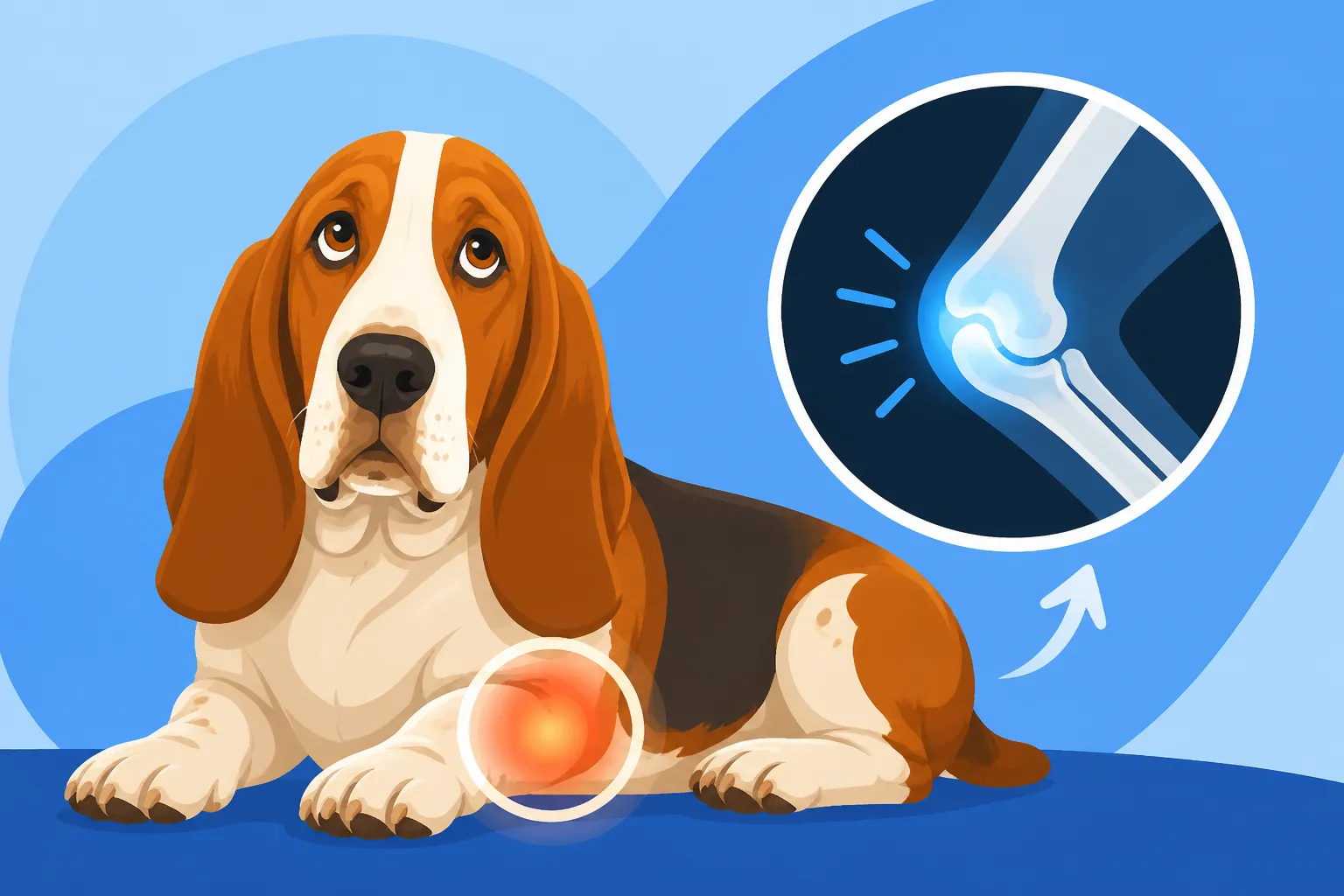
Elbow dysplasia encompasses several specific conditions that cause malformation and degeneration of the elbow joint. These can include:
- Fragmented Coronoid Process (FCP): A piece of bone from the ulna breaks off and floats in the joint, causing pain and inflammation.
- Ununited Anconeal Process (UAP): A growth plate in the ulna fails to fuse properly with the rest of the bone, creating an unstable joint.
- Osteochondritis Dissecans (OCD): A piece of cartilage, and sometimes bone, detaches from the surface of the joint, causing pain and limiting movement.
- Elbow Incongruity: The bones that form the elbow joint (radius, ulna, and humerus) don't fit together perfectly, leading to abnormal wear and tear.
Any of these issues can lead to chronic pain, lameness, and secondary osteoarthritis over time. The root cause is often genetic, but environmental factors like rapid growth, inappropriate exercise, or excessive weight can exacerbate the condition. This highlights the importance of discussing Whether a Basset Hound Gets Elbow Dysplasia with your vet early on.
Recognizing the Warning Signs
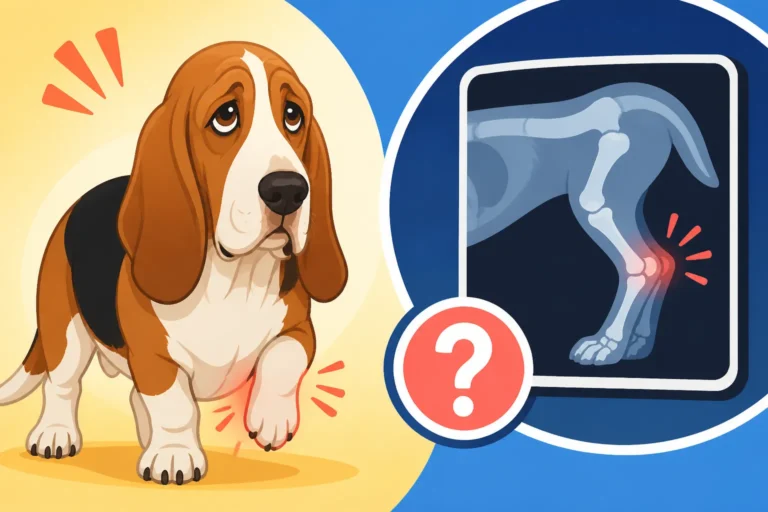
Spotting the signs of elbow dysplasia in a Basset Hound can be tricky because their stoic nature often means they'll try to hide their pain. However, there are several red flags that should prompt a visit to your veterinarian for evaluation. One of the most common early indicators is a subtle lameness that might be intermittent or worsen after exercise. You might notice your Basset shifting weight away from a particular leg, or appearing stiff, especially after getting up from a rest.
Other signs to watch for include a reluctance to jump, climb stairs, or engage in their usual playful activities. They might hold their affected leg out from their body or develop an unusual gait. Sometimes, you might even observe a swelling around the elbow joint or notice that your Basset licks the area excessively. A crucial detail for Basset owners is to differentiate between occasional clumsiness (which can happen with their low-slung bodies) and consistent signs of discomfort. If you're seeing persistent limping, or if your Basset is exhibiting difficulty with movements that were once easy, such as struggling to get off the floor as an old Basset Hound might, it's definitely time to consult your vet. Early recognition of these signs can prevent further joint damage.
The Elbow Screening Process
When you suspect your Basset Hound might have elbow issues or when it's time for their official screening, knowing what to expect can ease your mind. The process typically involves a thorough physical examination followed by specific imaging techniques.
What Happens at the Vet's Office
Your journey begins with a comprehensive veterinary consultation. Your vet will ask about your Basset Hound's history, any observed lameness, changes in activity levels, or signs of pain. They will perform a complete physical examination, paying close attention to your dog's gait, posture, and muscle condition. During this exam, the vet will carefully palpate your Basset's elbows, flexing and extending the joints to check for any pain response, crepitus (a grinding sound or sensation), swelling, or reduced range of motion. They might gently manipulate the joint to identify any instability or discomfort.
If the physical exam suggests elbow problems, or if your Basset is at the appropriate age for official screening (typically 24 months for OFA certification), the next step will involve radiographs (X-rays). To get clear, diagnostic images, your Basset Hound will usually require sedation or light anesthesia. This ensures that they remain perfectly still, allowing the veterinary team to position the limbs precisely for the necessary views. Proper positioning is absolutely crucial for obtaining accurate images that can be properly evaluated by board-certified radiologists. If your Basset is limping, don't hesitate to ask your vet Whether a Limping Basset Hound Needs X Rays.
Deciphering the Radiograph Results
Once the X-rays are taken, they will be submitted for evaluation. For OFA certification, these images are reviewed by three independent, board-certified veterinary radiologists who grade the elbows. The OFA grading system for elbows ranges from Normal (Grade 0) to Grade III, with increasing grades indicating more severe signs of dysplasia.
- Grade 0 (Normal): The elbow joint is free of evidence of elbow dysplasia. This is the ideal result for breeding dogs.
- Grade I (Mild Elbow Dysplasia): Minimal bone changes (osteophytes) or signs of ununited anconeal process are visible, usually indicating mild disease.
- Grade II (Moderate Elbow Dysplasia): More significant bone changes, a sclerotic trochlear notch, or clear evidence of secondary degenerative joint disease.
- Grade III (Severe Elbow Dysplasia): Extensive bone changes, severe incongruity, or clear osteoarthritic changes.
It's important to remember that a "normal" grading doesn't guarantee your dog will never develop arthritis later in life, but it significantly reduces the risk of hereditary elbow dysplasia. Conversely, a dysplastic grading doesn't mean your dog is doomed; it simply means you and your vet need to work together on a management plan. Your vet will explain the findings to you in detail, discussing what the results mean for your Basset's health and potential future care.
Proactive Care and Long-Term Management
Receiving a diagnosis of elbow dysplasia or simply wanting to ensure your Basset Hound's joints remain as healthy as possible throughout their life requires a proactive and consistent approach. This involves careful attention to their daily routine, diet, and even financial planning for potential veterinary needs.
Lifestyle Adjustments for Joint Health
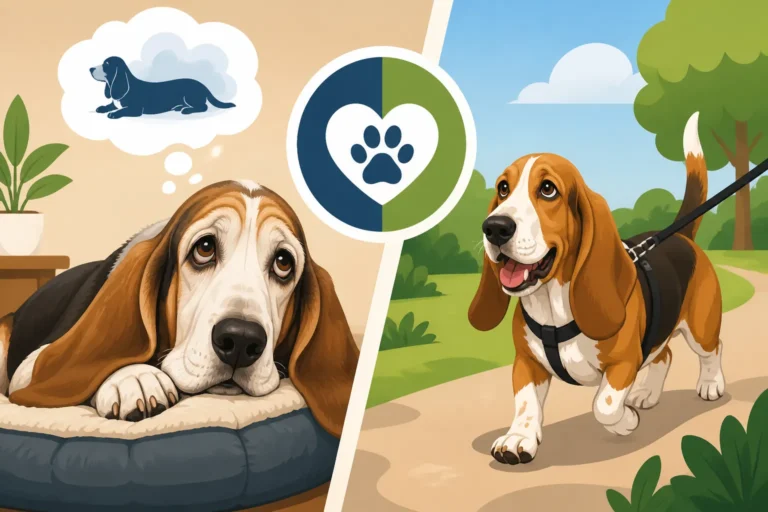
When it comes to managing elbow health, especially for Basset Hounds, prevention and careful management are key. Keeping your Basset at a healthy weight is perhaps the single most impactful thing you can do. Extra pounds put immense stress on all joints, accelerating the progression of conditions like elbow dysplasia and arthritis. Regularly assessing your Basset’s body condition, feeling for their ribs, and adjusting their food intake are vital steps in Keeping a Basset Hound at Its Correct Weight. If your Basset is overweight, consulting your vet about a safe and effective weight loss plan is crucial. Remember, What Extra Weight Does to a Basset Hound can significantly impact their long-term comfort and mobility.
Exercise also needs to be carefully managed. While Bassets need regular, moderate exercise to maintain muscle tone and overall health, high-impact activities, excessive jumping, or prolonged strenuous exercise, particularly in young, developing dogs, can put undue stress on their elbows. Instead, focus on consistent, low-impact activities like leash walks. Consider incorporating ramps for getting on and off furniture or in and out of the car, rather than allowing them to jump, which can jar their delicate joints. This is particularly important for their unique body shape, and you might want to consider Whether a Basset Hound Should Use a Ramp. Providing an orthopedic bed can also offer crucial support and comfort for their joints during rest.
Financial Preparedness for Elbow Issues
Dealing with elbow dysplasia or other orthopedic issues can be a significant financial burden. Diagnostic X-rays, specialist consultations, medications, joint supplements, physical therapy, and potentially even surgery can add up quickly. Being financially prepared is an essential part of responsible Basset Hound ownership. One of the best ways to prepare for these unpredictable costs is through pet insurance. A good pet insurance policy, such as those offered by Healthy Paws, can cover a substantial portion of veterinary bills for accidents and illnesses, including the diagnosis and treatment of conditions like elbow dysplasia, as long as it's not considered a pre-existing condition.
It’s wise to research insurance options early in your Basset Hound’s life, ideally when they are puppies, before any health issues might arise. This ensures that any conditions that develop later are covered. Even if your Basset’s elbows are currently healthy, having insurance provides peace of mind that you won’t have to make difficult decisions based on financial constraints if a problem suddenly appears. Beyond insurance, establishing an emergency fund specifically for your pet's health can also provide a safety net. Understanding the long-term costs associated with potential health issues, like What a Basset Hound's Emergency Surgeries Cost, allows you to plan effectively. Healthy Paws is one of many reputable providers that understand the specific needs of breeds like Basset Hounds, offering comprehensive coverage that can be a lifesaver when unexpected health challenges arise, allowing you to focus on your Basset's recovery rather than the bill.
Disclaimer
Please remember that this article provides general information and should not be considered a substitute for professional veterinary advice. Always consult with a qualified veterinarian for any health concerns or before making any decisions about your Basset Hound's care.