What Extra Weight Does to a Basset Hound
It’s a heartbreak many of us Basset Hound parents know all too well: seeing our beloved, long-eared companions struggle with their mobility, breathing, or just a general lack of zest, and realizing that extra weight is playing a starring role. This isn't just about looks; carrying too many pounds can profoundly impact a Basset Hound's health, comfort, and even how long they get to be by your side. This comprehensive guide will meticulously explore the many ways excess weight affects these wonderful dogs and, crucially, what we can do about it.
The Silent Burden: Understanding Basset Hound Obesity
When you look at a Basset Hound, with their naturally heavy bone structure and that delightfully loose skin, it can be really tough to tell if they're carrying a few extra pounds or if it’s just their unique build. Many owners mistakenly believe their Basset is "just big-boned" or that a little extra fluff is normal for the breed. However, this oversight can hide a serious health issue. Obesity in Basset Hounds isn't just an aesthetic concern; it's a critical factor that can exacerbate existing breed predispositions and introduce a host of new, debilitating problems.
The truth is, Basset Hounds are incredibly prone to weight gain. Their charming, often laid-back demeanor makes them less inclined to spontaneous bursts of activity, and their begging skills are legendary. Combine that with an owner who loves to spoil them with treats or perhaps isn't entirely sure how much food their Basset Hound should eat, and you have a recipe for creeping weight gain. It often starts subtly, perhaps just a pound or two, but over time, these small increments add up, placing immense strain on a body already designed with specific anatomical challenges. Recognizing this silent burden is the first crucial step toward ensuring a longer, healthier life for your cherished companion.
Why Basset Hounds Are Prone to Packing on Pounds
Let's be honest, those soulful eyes and long, sad faces are master manipulators when it comes to convincing us they need another bite of kibble or a tasty scrap from the table. Basset Hounds are often described as having an insatiable appetite, and it’s not just a cute quirk; it's a real challenge for their owners. Their history as scent hounds, always on the lookout for a hidden treat, means they are hardwired to eat whenever food is available. This instinct, combined with modern lifestyles where food is abundant and exercise can be inconsistent, sets them up for weight gain.
Furthermore, Basset Hounds aren't exactly known for their Olympic athleticism. While they love a good sniff-walk, they're not typically high-energy dogs that will burn off calories with endless rounds of fetch. Their short legs and heavy bodies mean strenuous, prolonged exercise is often out of the question, or at least needs careful management. This lower activity level means they require fewer calories than a more active breed of a similar weight, making it all too easy to overfeed them, even with seemingly modest portions. Understanding these inherent tendencies is key to combating the battle of the bulge and helping them maintain a healthy physique.
How to Tell if Your Basset Hound is Overweight
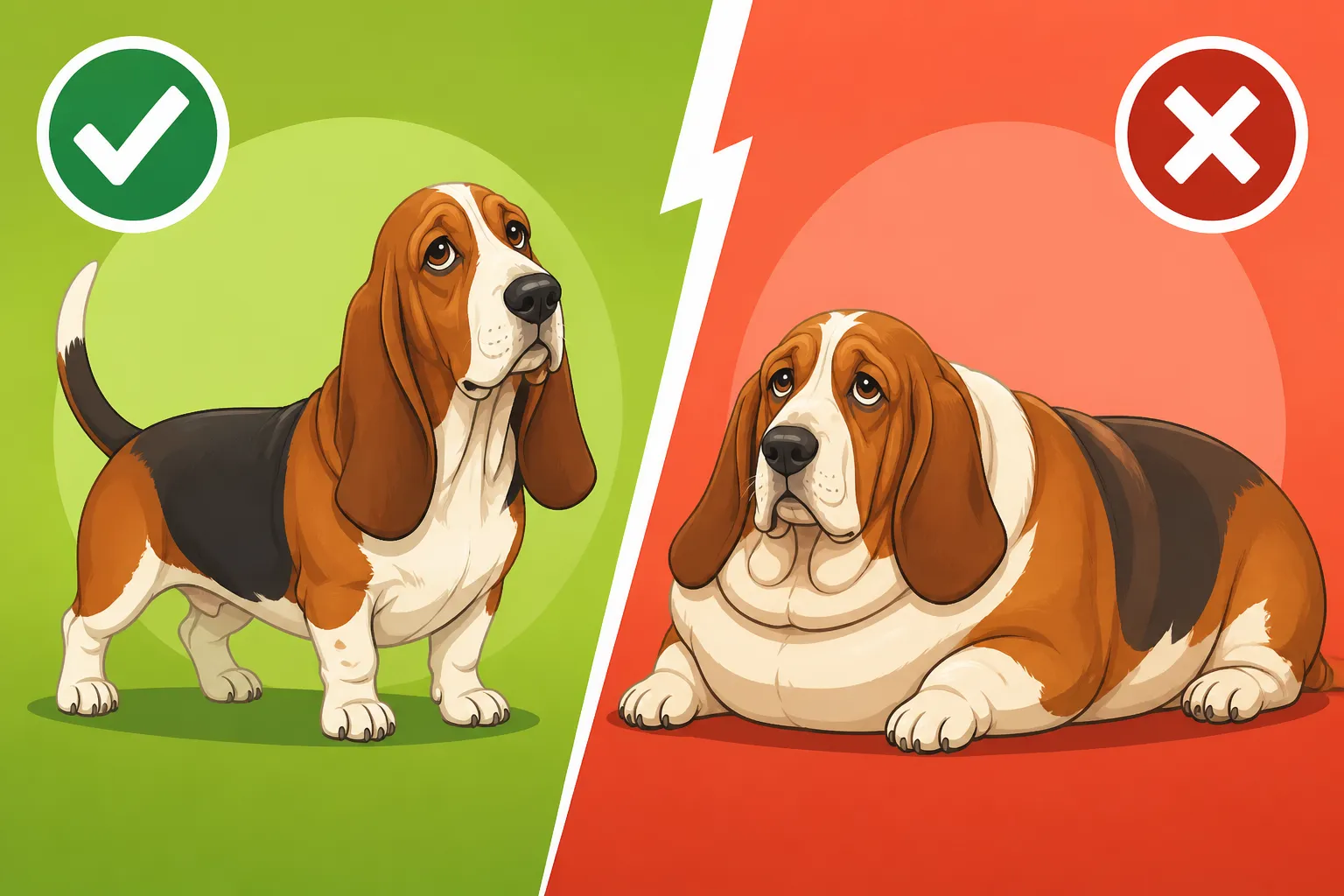
It can be deceptively tricky to determine if your Basset Hound is at a healthy weight, especially with all that loose skin and thick coat. You might not see a clearly defined waistline like you would on a Greyhound, but there are definite signs to look for. One of the best indicators is feeling for their ribs. You should be able to easily feel your Basset's ribs under a thin layer of fat without pressing hard. If you have to dig to find them, it’s a red flag. Similarly, try to feel for their backbone and hip bones; they shouldn't be protruding, but they should be palpable.
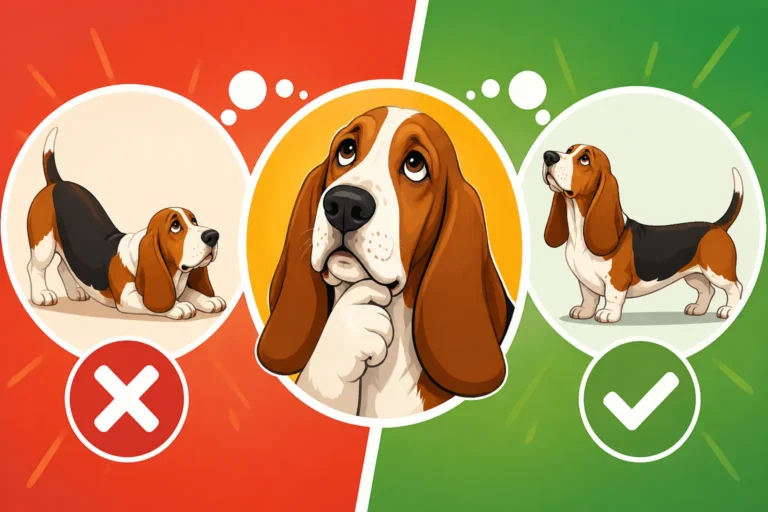
Another good indicator is their "tuck-up." When viewed from the side, a Basset Hound's belly should ideally tuck up slightly behind their rib cage. If their belly hangs low or is completely straight from chest to tail, they're likely carrying too much weight. Observing their movement can also offer clues. Are they moving slowly, panting excessively after short walks, or struggling to get up from a lying position? These can all be signs that the extra pounds are taking their toll. Don't be afraid to ask your vet for an honest assessment at their next check-up; they can provide a professional body condition score and help you understand how much a Basset Hound should weigh.
Joint and Skeletal Strain: The Heavy Price of Extra Pounds
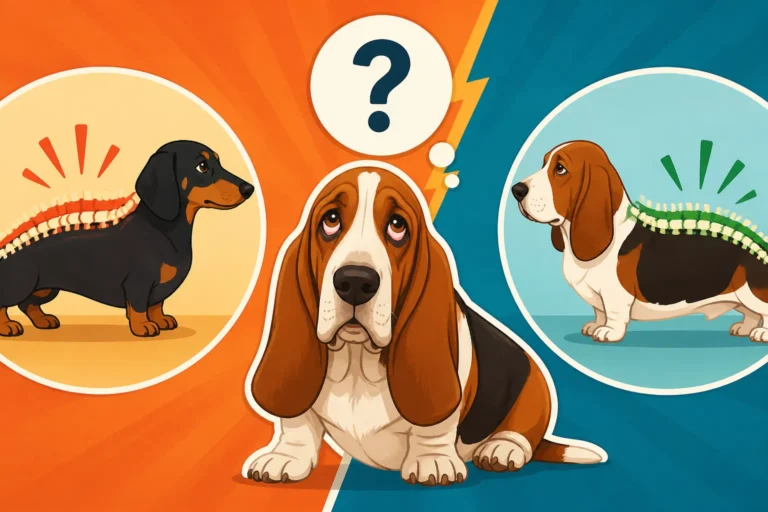
Basset Hounds are famous for their unique, low-slung build, characterized by short, heavy legs and a long spine. While endearing, this particular anatomy makes them inherently vulnerable to certain orthopedic issues. Add extra weight into the mix, and you're essentially putting an already stressed system under even greater pressure. Every additional pound multiplies the force exerted on their joints and spine, accelerating wear and tear and often leading to painful conditions that severely impact their quality of life. This isn't just about discomfort; it can lead to a drastic reduction in their ability to move, play, and simply enjoy being a dog.
Think about carrying a heavy backpack all day, every day – that's what an overweight Basset Hound experiences. Their short, bowed front legs, which give them their distinctive appearance, are not designed to carry excessive loads. The strain ripples through their entire skeletal system, from their feet right up to their neck. Ignoring this strain is akin to ignoring the early warning signs of a major structural fault in a building. Eventually, something is going to give, and for Basset Hounds, it often manifests as chronic pain and debilitating conditions.
Exacerbated Disc Disease and Spinal Problems
Perhaps one of the most significant and heartbreaking consequences of obesity in Basset Hounds is the increased risk and severity of intervertebral disc disease (IVDD) and other spinal issues. Their long, heavy backs are already susceptible to disc problems, a condition where the cushioning discs between vertebrae either bulge or rupture, pressing on the spinal cord. When a Basset Hound carries extra weight, the forces on these discs are significantly amplified, making them more prone to injury, even from everyday movements like jumping off furniture or going up and down stairs.
The added weight puts constant, unnatural stress on the spine, leading to premature degeneration of the discs. This can result in agonizing pain, weakness in the limbs, and in severe cases, even paralysis. Recovering from a slipped disc is a long, arduous, and expensive journey, often involving strict crate rest, medication, or even surgery. Preventing this by maintaining a healthy weight is one of the most loving and responsible things you can do for a breed that is already inherently predisposed to The Back Trouble a Basset Hound Is Built Into.
Increased Risk of Arthritis and Joint Degeneration
The short, sturdy legs of a Basset Hound, while iconic, are also prone to various joint problems, including elbow dysplasia and arthritis. When a dog is overweight, every step they take sends extra shock waves through their joints. Over time, this constant pounding grinds away at the cartilage, which acts as a natural cushion between bones. Without this protective layer, bones start rubbing against each other, leading to inflammation, pain, and the irreversible progression of arthritis. We often see Arthritis in a Basset Hound at Seven or even younger, and obesity is a major contributing factor.
This doesn't just affect their elbows; it impacts their hips, knees, and even their ankles. An overweight Basset Hound might struggle to get up after resting, show reluctance to go for walks, or limp after even mild exercise. The pain can be chronic and profoundly diminishes their enjoyment of life. While arthritis is a common ailment in aging dogs, excess weight accelerates its onset and intensifies its severity, transforming what might have been a manageable stiffness into a debilitating condition. Managing their weight is a direct way to reduce the load on these crucial joints, helping to preserve their mobility and comfort for as long as possible.
| Joint/Spinal Issue | Impact of Excess Weight | Symptoms to Watch For | Prevention/Mitigation |
|---|---|---|---|
| IVDD (Slipped Disc) | Increased pressure on spinal discs, higher risk of rupture/bulging. | Reluctance to move, yelping in pain, stumbling, paralysis in hind legs. | Weight management, avoiding jumps, using ramps. |
| Arthritis | Accelerated cartilage wear, increased inflammation and pain. | Stiffness, limping, difficulty standing up, decreased activity, lameness. | Weight management, joint supplements, controlled exercise. |
| Elbow Dysplasia | Magnifies existing genetic predisposition, worsens pain and degeneration. | Forelimb lameness, stiffness after rest, reduced range of motion. | Weight management, careful breeding, appropriate exercise. |
| Cruciate Ligament Injury | Ligaments prone to tearing under excessive strain. | Sudden lameness, inability to bear weight on leg, knee instability. | Weight management, consistent moderate exercise. |
Cardiovascular and Respiratory Woes: Breathing and Beating Under Pressure
It’s not just their bones and joints that suffer when a Basset Hound carries extra weight. Their internal systems, particularly their heart and lungs, are forced to work much harder to support the increased body mass. This invisible strain can lead to serious cardiovascular and respiratory problems, compromising their ability to breathe freely and circulate blood efficiently. What might appear as a simple pant after a short walk could actually be a sign of a heart struggling to keep up or lungs working overtime, diminishing their stamina and overall vitality.
Imagine running a marathon with an extra fifty pounds strapped to your back – that's the perpetual state of an overweight Basset Hound's heart and lungs. Their compact body, combined with their characteristic deep chest, might hide some of these issues initially, but the physiological demands are relentless. These internal struggles are often more insidious than joint pain because they aren't always immediately obvious to the owner until they reach a more advanced and critical stage. Protecting their heart and lungs means keeping their weight in check, allowing them to breathe easier and enjoy their lives more fully.
Increased Strain on the Heart and Blood Pressure
Every extra pound on your Basset Hound means more tissue that the heart has to supply with blood, requiring it to pump harder and faster. Over time, this continuous overexertion can lead to a thickened heart muscle (cardiomyopathy) or congestive heart failure. Think of it like constantly driving a car with the brakes slightly on – the engine has to work much harder, leading to premature wear and tear. This increased workload also puts a strain on their circulatory system, often leading to elevated blood pressure (hypertension).
High blood pressure isn't just a human problem; it can severely impact a Basset Hound's organs, including their kidneys, eyes, and brain. The symptoms of heart disease can be subtle at first, perhaps just a mild cough or reduced energy, but as the condition progresses, you might notice more pronounced lethargy, fainting spells, or labored breathing. Maintaining a healthy weight is crucial in preventing these potentially life-threatening cardiovascular issues, giving their hard-working hearts a much-needed break. Regular vet check-ups can monitor for these changes, and if you’re concerned about the cost of ongoing care, a good pet insurance plan like Healthy Paws can offer peace of mind.
Respiratory Difficulties and Heat Intolerance
Basset Hounds, while not typically brachycephalic (short-nosed), can still suffer from respiratory issues when they are overweight. The accumulation of fat deposits around the chest and neck can physically constrict the airways, making it harder for them to breathe. This is particularly noticeable during exercise or in warm weather, as their bodies struggle to efficiently exchange oxygen and dissipate heat. You might observe excessive panting, noisy breathing, or even snorting, even after minimal exertion.
Furthermore, fat acts as an insulating layer, making it much harder for an overweight Basset Hound to cool down. They are already susceptible to overheating due to their low-slung bodies absorbing heat from the ground, but excess weight severely compromises their ability to regulate body temperature. This significantly increases their risk of heatstroke, a life-threatening emergency, even on moderately warm days. Ensuring your Basset Hound is at a healthy weight is vital for their respiratory health and their ability to cope with environmental temperatures, allowing them to enjoy walks and outdoor time without undue distress.
Metabolic and Endocrine Disruptions: More Than Just a Little Fat
Beyond the visible impact on their joints and the immediate strain on their heart and lungs, carrying extra weight can create a complex cascade of metabolic and endocrine imbalances within a Basset Hound's body. Fat is not just inert tissue; it's an active organ that produces hormones and inflammatory compounds that can disrupt normal bodily functions. This means that obesity isn't simply a matter of energy imbalance; it fundamentally alters their internal chemistry, paving the way for chronic diseases that can be challenging to manage and severely impact their long-term health.
The subtle shifts happening internally might not be immediately apparent, but they are steadily undermining your Basset Hound's well-being. From insulin resistance to altered thyroid function, these metabolic disturbances can lead to a host of secondary conditions, transforming a seemingly benign weight issue into a ticking time bomb for their health. Understanding these deeper physiological impacts reinforces why weight management is not just about aesthetics, but about protecting the delicate internal equilibrium that keeps your Basset Hound healthy.
Increased Risk of Diabetes Mellitus
One of the most concerning metabolic consequences of obesity in dogs, including Basset Hounds, is an increased risk of developing Type 2 diabetes mellitus. When a dog carries too much fat, the body's cells can become resistant to insulin, the hormone responsible for regulating blood sugar. This means that even if the pancreas is producing enough insulin, the body isn't using it effectively, leading to elevated blood glucose levels. Over time, this can exhaust the pancreas, leading to a permanent state of diabetes.
Diagnosing and managing diabetes in a Basset Hound requires a significant commitment. It often involves daily insulin injections, special diets, and regular veterinary monitoring. Symptoms to watch for include increased thirst, frequent urination, unexplained weight loss despite a good appetite, and lethargy. Preventing diabetes through weight control is infinitely preferable to managing a chronic condition that profoundly impacts your dog's daily life and requires constant vigilance. For owners, the prospect of managing a condition like diabetes can be daunting, but pet insurance plans like Healthy Paws can help alleviate some of the financial burden associated with long-term care.
Exacerbated Hypothyroidism and Other Endocrine Issues
While hypothyroidism, an underactive thyroid gland, is a common condition in Basset Hounds, obesity can complicate its diagnosis and management. The symptoms of hypothyroidism, such as weight gain, lethargy, and a dull coat, often overlap with the general signs of an overweight dog. This can make it difficult to determine whether weight gain is a symptom of an underlying thyroid issue or simply due to overfeeding and lack of exercise. Interestingly, obesity itself can sometimes affect thyroid hormone levels, creating a complex cycle.
Furthermore, excess body fat can influence the production and regulation of other hormones in the body, potentially contributing to conditions like Cushing's disease, although the link is less direct than with diabetes. The inflammatory compounds released by fat cells can also contribute to systemic inflammation, potentially worsening various chronic conditions. Maintaining a healthy weight helps ensure that their endocrine system functions optimally and makes it easier for veterinarians to accurately diagnose and treat any underlying hormonal imbalances without the confounding factor of excess body fat.
Skin and Coat Complications: Hidden Issues in the Folds
The distinctive loose skin and characteristic folds are a hallmark of the Basset Hound breed, contributing to their unique charm and incredible scenting ability. However, these very features, when combined with extra weight, become problematic. The increased fat deposits can cause existing skin folds to become deeper, more numerous, and more prone to trapping moisture, heat, and debris. This creates an ideal breeding ground for bacteria and yeast, leading to uncomfortable and persistent skin infections that can be difficult to resolve.
It's a frustrating cycle for owners: you try to keep them clean, but the deeper the folds get due to weight, the harder it is. These hidden issues are not just cosmetic; they cause significant discomfort and irritation for your Basset Hound, leading to scratching, rubbing, and a generally unhappy dog. What might seem like a superficial problem often points to a deeper issue of obesity, and addressing the weight is crucial to finding lasting relief for their skin and coat health.
Increased Risk of Skin Fold Dermatitis
Skin fold dermatitis, also known as intertrigo, is a painful and common issue for Basset Hounds, and it becomes significantly worse with obesity. The rolls of skin, particularly around the face, neck, and sometimes even the tail, become hot, moist environments where air circulation is minimal. When a Basset Hound is overweight, these folds deepen and become more pronounced, trapping more sweat, tears, saliva, and food particles. This constant moisture and friction create the perfect breeding ground for yeast and bacteria.
The result is red, inflamed, itchy, and often foul-smelling skin within the folds. Your Basset Hound might constantly rub their face, scratch at their neck, or seem generally miserable. Treating these infections often requires medicated wipes, topical creams, and sometimes oral antibiotics or antifungals, but the infections will likely recur if the underlying cause – the deep, moist folds exacerbated by excess weight – isn't addressed. Effectively preventing Skin Fold Infections on a Basset Hound starts with maintaining a lean body condition.
Poor Coat Quality and Hygiene Challenges
Beyond localized infections, obesity can also lead to a general decline in your Basset Hound's coat quality. Overweight dogs often have a duller, greasier coat, and they may shed more excessively. This isn't just because of diet, but also because their mobility issues prevent them from grooming themselves effectively. They might struggle to reach certain areas, leading to matted fur, skin irritation, and even more trapped debris.
The physical challenge of bathing and grooming an overweight Basset Hound also becomes significantly harder for owners. Lifting them into a tub, maneuvering them, and thoroughly cleaning and drying all their folds can be a monumental task. This often means grooming sessions become less frequent or less thorough, further contributing to poor hygiene and worsening skin conditions. Maintaining a healthy weight not only improves their coat's natural luster but also makes it much easier for both you and your Basset Hound to manage their essential grooming needs.
Reduced Quality of Life and Longevity: A Shorter, Less Joyful Journey
Ultimately, the most profound impact of extra weight on a Basset Hound is the erosion of their overall quality of life and, tragically, a reduction in their lifespan. These aren't abstract concepts; they translate into tangible daily struggles and fewer cherished years together. An overweight Basset Hound is not just heavier; they are often less playful, more lethargic, and constantly battling discomfort or pain. Their world shrinks as their physical capabilities diminish, turning what should be a joyful existence into one burdened by limitations.
It's a heartbreaking reality that by allowing our Basset Hounds to carry excess weight, we are inadvertently shortening their time with us and making the years they do have less enjoyable. This isn't about shaming, but about facing the truth with empathy and a commitment to change. Every decision we make about their diet and exercise directly influences how much joy, comfort, and vitality they experience throughout their lives. We all want our Bassets to live The Ten to Twelve Years a Basset Hound Lives, and weight management is a cornerstone of achieving that goal.
Decreased Mobility and Pain
The most visible and immediate consequence of obesity for a Basset Hound is their reduced mobility and increased experience of pain. Every movement becomes an effort. Jumping onto the sofa, climbing a few steps, or even just shifting positions to get comfortable can become a painful ordeal. Their natural desire to explore and engage with the world is stifled by a body that simply cannot keep up. You might notice them lagging behind on walks, refusing to go outside, or spending more time sleeping, often not out of laziness, but out of genuine discomfort.
This decreased mobility isn't just about physical limitations; it has a significant psychological impact. Dogs thrive on activity and exploration, especially a scent hound like a Basset. When they can no longer participate in activities they once loved, it can lead to frustration, boredom, and a decline in their overall mental well-being. Seeing The Old Basset Hound That Cannot Get Off the Floor prematurely due to preventable weight-related issues is a sorrowful sight, and underscores the urgency of addressing weight early.
Shortened Lifespan and Increased Risk of Sudden Illness
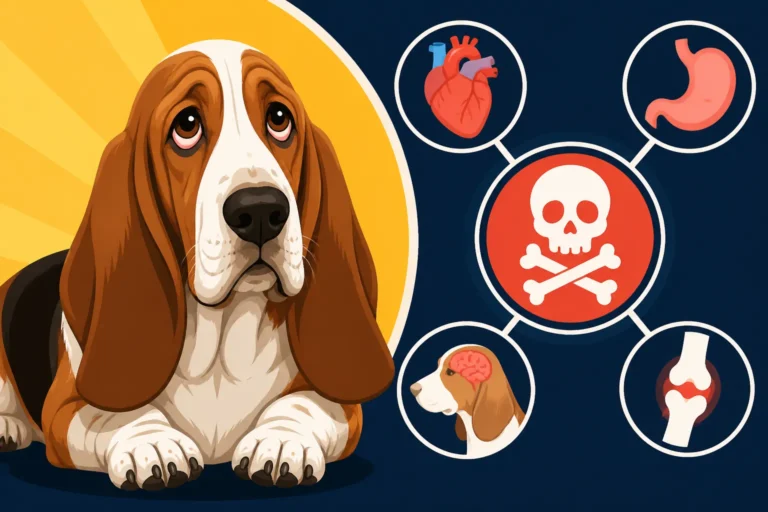
Research consistently shows a strong correlation between obesity and a shortened lifespan in dogs across many breeds, and Basset Hounds are no exception. The cumulative effect of all the health problems we've discussed – joint disease, heart strain, respiratory issues, diabetes – puts immense stress on their entire system, leading to a faster breakdown of their body. On average, overweight dogs live significantly shorter lives than their lean counterparts, often by several years.
Beyond chronic conditions, overweight Basset Hounds are also at a higher risk for acute, life-threatening emergencies, such as bloat (gastric dilation-volvulus). While the exact link isn't fully understood, obesity is considered a risk factor for this rapid and often fatal condition. Overweight dogs also face higher risks during anesthesia for any necessary surgeries, as their respiratory and cardiovascular systems are already compromised. Simply put, why a heavy Basset Hound Breaks Down Faster is a stark reality, and it's a powerful motivator for us as owners to ensure they maintain an ideal body weight.
Prevention and Management: Helping Your Basset Hound Shed the Weight
Realizing your Basset Hound is carrying too much weight can feel overwhelming, but it's important to remember that it's a problem with solutions. The good news is that even moderate weight loss can make a dramatic difference in their health, comfort, and overall well-being. It requires dedication, consistency, and a multi-faceted approach, but the rewards are immeasurable. This isn't about crash dieting or drastic measures; it's about making sustainable lifestyle changes that will benefit your Basset Hound for the rest of their life.
Helping your Basset Hound shed the weight is a journey, not a destination. It involves careful attention to their diet, establishing a consistent exercise routine, and regular monitoring. It's about empowering them to live their best, healthiest life, free from the burdens that extra pounds impose. Remember, you're not alone in this; your veterinarian is your best partner in crafting a safe and effective weight loss plan tailored specifically for your Basset Hound.
Crafting a Balanced and Controlled Diet
The cornerstone of any weight loss plan for a Basset Hound is a carefully controlled diet. This often means cutting back on calories, but it's crucial to do so in a way that still provides all the necessary nutrients. Start by consulting your veterinarian; they can help you calculate the appropriate daily caloric intake based on your Basset Hound's current weight, ideal target weight, and activity level. They might recommend a prescription weight-loss diet, which is typically lower in calories and fat but higher in fiber to help your dog feel fuller.
Beyond the type of food, portion control is paramount. Many owners are surprised to learn how much less food their Basset Hound actually needs once they are on a weight management plan. Accurately measure every meal using a kitchen scale or a standard measuring cup, rather than just eyeballing it. Feed two or three smaller meals throughout the day instead of one large one, as this can help manage hunger and metabolism. If your Basset Hound is prone to gobbling their food, consider a slow feeder bowl to extend mealtime and prevent them from eating too quickly, which can also help prevent issues like Whether a Basset Hound Bloats After Eating. And yes, this sometimes means resisting those adorable, pleading eyes, especially for a Basset Hound That Would Eat Forever.
Implementing a Safe and Consistent Exercise Routine
Once you have their diet dialed in, the next crucial step is establishing a safe and consistent exercise routine. For Basset Hounds, this isn't about high-impact activities or long-distance running. Their unique anatomy, especially their susceptible backs and joints, means that strenuous exercise can do more harm than good. Instead, focus on low-impact activities that encourage consistent movement. Daily, moderate walks are your best friend here. Aim for two to three shorter walks throughout the day rather than one long, exhausting trek.
Start slowly and gradually increase the duration and intensity as your Basset Hound's stamina improves. Pay close attention to their comfort levels; if they start lagging or showing signs of discomfort, it’s time to stop. Leash walking is best to control their pace and prevent them from overexerting themselves or following an irresistible scent trail. Engaging their keen sense of smell with scent work games or puzzle toys can also provide mental stimulation and gentle physical activity, helping with Getting Weight Off a Basset Hound That Will Not Exercise. Swimming in a shallow, supervised pool can also be an excellent low-impact exercise for their joints, but always ensure their safety.
The Long-Term Commitment: Living with a Healthy Basset Hound
Achieving a healthy weight for your Basset Hound is a significant accomplishment, but the journey doesn't end there. Maintaining that healthy weight is a lifelong commitment, requiring ongoing vigilance, adaptability, and a deep understanding of your dog's needs. This isn't just about avoiding a relapse; it's about embedding healthy habits into your daily routine, ensuring your Basset Hound continues to thrive and enjoy the benefits of a lean, active life. It's about realizing that Keeping a Basset Hound at Its Correct Weight will be an ongoing endeavor for their entire life.
Living with a healthy Basset Hound means recognizing that their needs may change over time, especially as they age. It involves being proactive, observant, and always prioritizing their well-being. This long-term commitment is a testament to the love and care you have for your companion, ensuring they can enjoy many more years of waddling, sniffing, and cuddling without the burdens of obesity.
Monitoring Progress and Adjusting the Plan
Weight management is rarely a linear process. There will be good weeks and weeks where progress seems stalled. The key to long-term success is consistent monitoring and a willingness to adjust your plan as needed. Weigh your Basset Hound regularly, perhaps once a month, to track their progress. A consistent weigh-in on the same scale, at the same time of day, will give you the most accurate picture. Keep a log of their weight, food intake, and activity levels.
If they're not losing weight, or if they hit a plateau, it's time to revisit the plan with your veterinarian. You might need to slightly reduce calorie intake further, increase their activity, or explore if there are any underlying medical conditions hindering weight loss. Similarly, once they reach their target weight, you'll transition from a weight loss diet to a weight maintenance diet, which will still require careful portion control. This ongoing dialogue with your vet ensures that your Basset Hound's plan remains effective and safe throughout their life.
The Role of Regular Veterinary Check-ups
Regular veterinary check-ups are absolutely vital for Basset Hounds, especially when managing their weight. Beyond just tracking their weight, these visits allow your vet to assess their overall health, monitor for any signs of weight-related complications (like early arthritis or changes in blood work), and provide guidance on diet and exercise. Your vet can perform a comprehensive physical exam, listen to their heart and lungs, and palpate their joints to catch issues early.
These routine appointments are also an opportunity to discuss any concerns you might have, from changes in appetite or energy levels to new lumps or bumps. Your vet is your best resource for tailored advice, prescription diets, and referrals to specialists if needed. Think of them as your primary partner in your Basset Hound's health journey. Staying on top of preventive care, including routine check-ups, can also be financially manageable with pet insurance policies from providers like Healthy Paws, helping you afford the best care for your beloved hound.
Disclaimer
This article is for general informational purposes only and does not constitute professional advice. Laws, prices and regulations vary by location and change over time. Consult a qualified professional for guidance on your specific situation.