Why One Basset Hound in Seven Has Bad Elbows
It’s truly disheartening when you see your beloved Basset Hound struggling with pain, especially when it’s something as fundamental as getting up or moving around. Many Basset owners find themselves facing the complex reality of elbow issues, a frustrating and often painful condition that seems to target these wonderful, low-slung dogs with alarming frequency. This comprehensive guide is here to shed light on why one in seven Basset Hounds develops problematic elbows, helping you understand, identify, and manage this challenging health concern.
Understanding Elbow Dysplasia in Basset Hounds
Elbow dysplasia is not just one condition; it's a catch-all term for several developmental abnormalities that can occur in the elbow joint. For Basset Hounds, whose unique conformation already places specific stresses on their joints, understanding this condition is paramount. It’s a common orthopedic nightmare that can lead to chronic pain, lameness, and a significantly reduced quality of life if not managed properly. As loving owners, we need to be vigilant and informed.
What Exactly is Elbow Dysplasia?
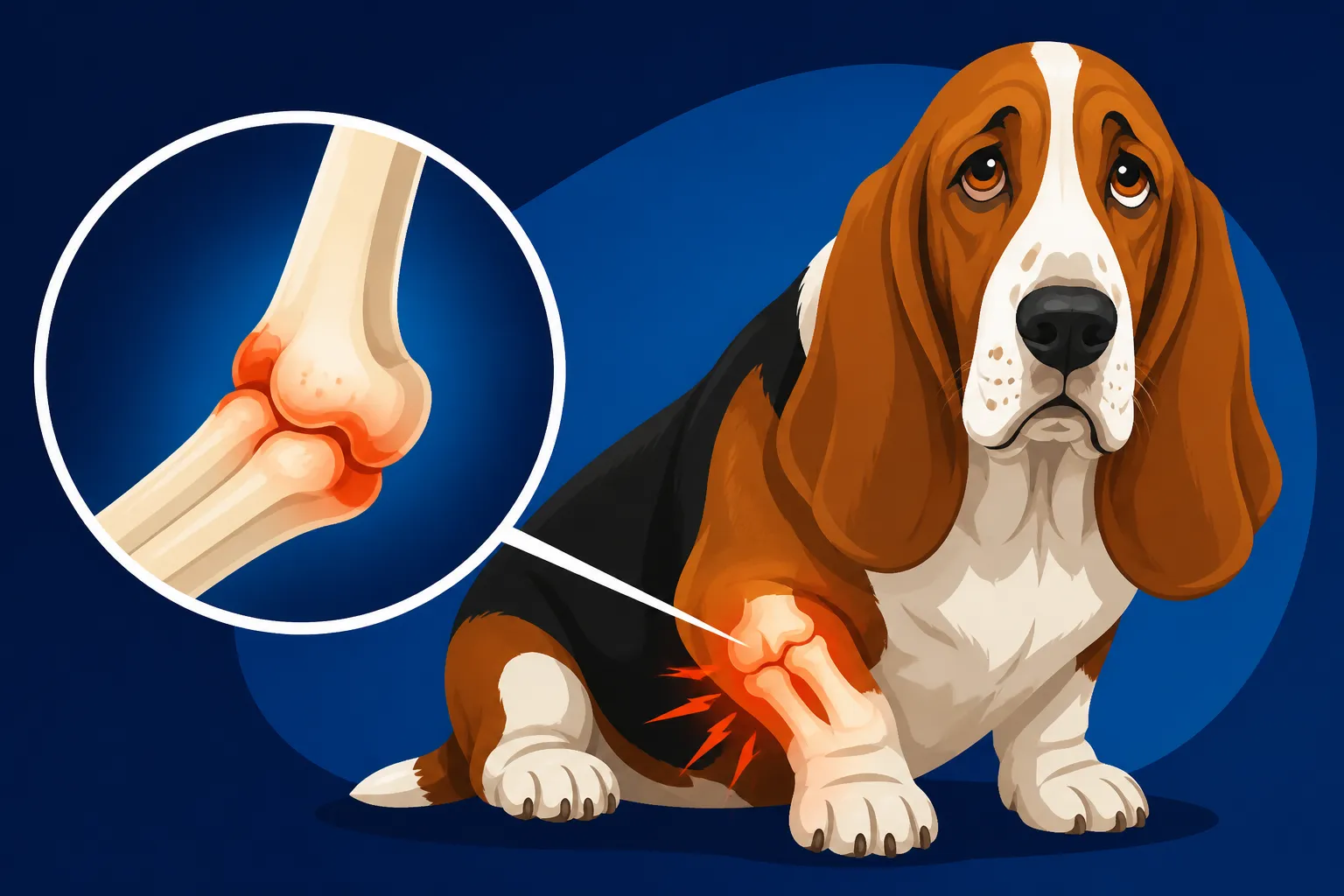
The elbow joint in dogs is a marvel of engineering, connecting three bones: the humerus (upper arm bone) and the ulna and radius (forearm bones). For a healthy elbow, these three bones must fit together perfectly, gliding smoothly as the dog moves. When there's a disconnect, a mismatch in how these bones develop or align, that's where elbow dysplasia rears its ugly head. Imagine a finely tuned gear system where one cog is slightly off-kilter – it might work for a while, but eventually, the friction and uneven wear will cause significant damage. This is precisely what happens with elbow dysplasia, leading to cartilage damage, bone spurs, and ultimately, debilitating arthritis.
This malformation starts when the dog is still a puppy, often before six months of age, even if the symptoms don't appear until much later. The rapid growth rate of large-breed dogs, even those with short legs like Basset Hounds, can exacerbate these developmental issues. It’s a silent, insidious process that can leave owners feeling helpless, wondering what they could have done differently. Knowing that it's a developmental problem, not something you "caused," can ease some of that burden, but it doesn't diminish the challenge of managing it.
Why Basset Hounds are Prone to This Condition
Basset Hounds, with their distinctive short, heavy-boned legs and deep chests, are an achondroplastic breed. This means their unique body structure, characterized by disproportionately short limbs, is a result of a genetic mutation affecting cartilage growth. While this gives them their adorable, instantly recognizable appearance, it also comes with a significant predisposition to certain orthopedic issues, and elbow dysplasia is high on that list. Their bones simply don't grow in the same harmonious way as those of a longer-legged dog, leading to growth plate abnormalities, uneven bone length, and improper joint formation.
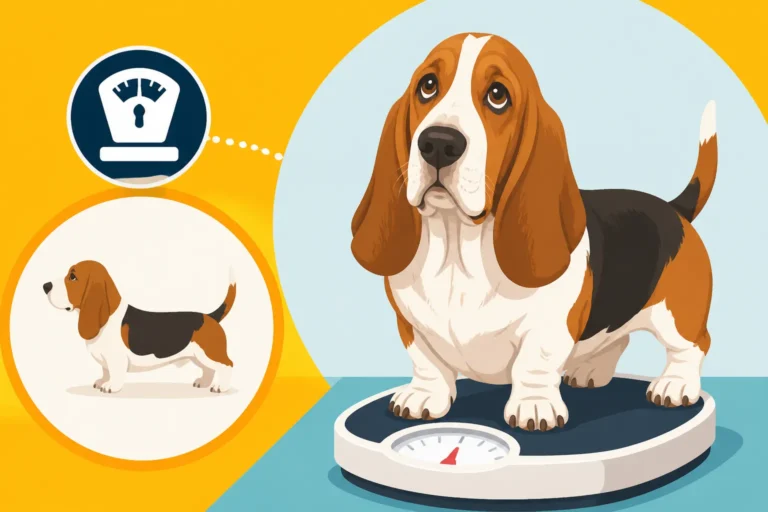
Furthermore, the sheer weight of a Basset Hound on those short legs compounds the problem. A typical adult Basset Hound can weigh anywhere from 40 to 65 pounds or more, which is a considerable load for joints that may already be compromised. This constant pressure on an imperfectly formed joint accelerates wear and tear, leading to painful inflammation and the early onset of osteoarthritis. It’s a cruel irony that the very traits we find so endearing in the breed are often the root cause of their orthopedic struggles. This is also why understanding What Extra Weight Does to a Basset Hound is so crucial, as it further burdens already stressed joints.
The Different Forms of Elbow Dysplasia
Elbow dysplasia isn't a single diagnosis but rather a collection of four primary conditions that can occur individually or in combination. Each form involves a specific failure in the development of the elbow joint.
- Fragmented Coronoid Process (FCP): This is the most common form in Basset Hounds and other affected breeds. The coronoid process is a small piece of bone on the ulna. In FCP, a tiny fragment of this bone breaks off, often due to abnormal forces within the joint. This loose fragment then irritates the joint lining, causing pain and inflammation, and can grind away at the cartilage over time. It’s like having a pebble stuck inside a watch mechanism, constantly causing damage with every tick.
- Ununited Anconeal Process (UAP): The anconeal process is another small projection of bone on the ulna that normally fuses with the rest of the bone by about five months of age. In UAP, this fusion doesn't happen, leaving the anconeal process unattached. This loose piece can lead to joint instability and significant pain. It's particularly prevalent in breeds with abnormal growth rates.
- Osteochondrosis Dissecans (OCD): This condition involves a disturbance in the normal development of cartilage. Instead of turning into bone, some cartilage remains thick and separates from the underlying bone, creating a flap or lesion. This flap can then become loose within the joint, causing pain, inflammation, and further damage to the joint surface. Imagine a blister forming under the skin, then bursting and leaving a raw, exposed area.
- Elbow Incongruity: This refers to a mismatch in the lengths of the radius and ulna bones or an abnormality in the shape of the trochlear notch (the part of the ulna that articulates with the humerus). When these bones don't align perfectly, pressure is unevenly distributed across the joint, leading to excessive wear in certain areas and subsequent joint degeneration. It's like having misaligned car tires – some parts wear out much faster than others.
All of these conditions contribute to the painful reality of Elbow Dysplasia in a Basset Hound and ultimately lead to secondary osteoarthritis, which is the long-term, irreversible joint degeneration that causes chronic pain and stiffness.
Spotting the Early Signs of Trouble
It can be heartbreaking to watch your Basset Hound limp or struggle, and often, the signs are subtle at first. As diligent owners, recognizing these early indicators is crucial for timely intervention and better long-term outcomes. Many owners often dismiss early stiffness as just "being a Basset," which is why it's so important to be aware of what to look for.
Subtle Clues in Their Movement
The hallmark sign of elbow dysplasia is lameness, particularly in the front legs. This limping might be intermittent at first, perhaps noticeable only after a long walk or when they first get up in the morning. You might observe a slight head bob when they walk, where their head dips when they put weight on the unaffected leg and rises when they try to put weight on the painful one. They might also shift their weight, trying to minimize pressure on the sore elbow. For instance, if their right elbow is bothering them, they might lean more heavily on their left front leg.
stiffness is another common symptom. Your Basset might struggle to get up from a lying position, taking a few awkward steps before they loosen up. They may appear reluctant to engage in activities they once loved, such as chasing a ball or going for a longer sniffari. A Basset who used to eagerly greet you at the door, but now struggles to rise from their orthopedic bed, might be telling you something important. Pay attention to how they navigate stairs; a sudden hesitation or avoidance of stairs could be a red flag. This also ties into the considerations around Whether a Basset Hound Puppy Should Be Kept From Stairs.
Behavioral Changes That Signal Pain
Pain doesn't always manifest as a dramatic limp. Sometimes, it shows up in subtle shifts in behavior and temperament. A dog in chronic pain might become more withdrawn, less playful, and even grumpy. If your usually jovial Basset snaps or growls when you try to touch their leg or chest, it could be a protective response to pain. They might start guarding the affected limb, pulling it away if you try to examine it. You might notice them licking or chewing excessively at their elbow joint, a self-soothing behavior that indicates discomfort.
Their appetite might decrease, or their sleeping patterns might change – perhaps they're restless at night or sleep more during the day due to discomfort. A Basset who previously loved snuggling on the couch might start avoiding it because jumping up is too painful. It’s vital to remember that these changes aren't "bad" behavior; they're often cries for help from a dog experiencing persistent discomfort. Validate their pain and seek professional help rather than dismissing these signs as mere grumpiness or old age.
When to Seek Veterinary Attention
If you notice any of these signs, even subtle ones, it's time to contact your veterinarian. Early diagnosis and intervention can significantly impact the progression of the disease and your Basset's long-term comfort. Don't wait until the lameness becomes severe or constant; by then, significant damage might have already occurred. Think of it like a small leak in a pipe – you want to fix it before it becomes a burst pipe and floods the basement.
Your vet will perform a thorough physical examination, observing your Basset's gait and carefully palpating their joints. They might flex and extend the elbow to check for pain, swelling, or reduced range of motion. Be prepared to provide a detailed history of when you first noticed symptoms, how often they occur, and what seems to make them better or worse. This information is invaluable to your vet as they piece together the diagnostic puzzle. Sometimes, a vet might recommend a simple observation period, but if the signs persist or worsen, further diagnostics will likely be necessary.
The Diagnostic Journey for Elbow Dysplasia
Getting a definitive diagnosis of elbow dysplasia can sometimes feel like a quest, involving various steps and imaging techniques. It's a journey that requires patience, communication with your vet, and sometimes, specialist referral. But it's a journey worth taking to give your Basset the best possible chance at comfort.
Initial Vet Examination and Lameness Workup
When you first bring your Basset Hound to the vet with concerns about lameness, the initial consultation will be thorough. Your vet will start by gathering a detailed history, asking about your dog’s symptoms, activity level, diet, and any previous injuries. They’ll want to know if the lameness is constant or intermittent, worse after rest or exercise, and which leg seems most affected. This history helps them narrow down potential causes.
Next comes the physical examination. Your vet will observe your Basset walking, trotting, and sometimes even turning in circles to assess their gait and posture. They'll meticulously palpate (feel) each joint, checking for swelling, pain, warmth, and crepitus (a crackling sound or feeling that indicates bone-on-bone friction). They’ll gently manipulate your Basset’s limbs through their full range of motion, paying close attention to any discomfort or limitations in the elbow joints. Sometimes, specific maneuvers can elicit a pain response, helping to pinpoint the affected area. This is where a question like Whether a Limping Basset Hound Needs X Rays often arises.
Imaging Techniques: X-rays, CT Scans, and More
Once your vet has a good idea of which joint might be causing trouble, imaging is the next crucial step.
- X-rays (Radiographs): These are usually the first line of diagnostic imaging. X-rays can reveal changes in bone structure, such as bone spurs, joint effusion (fluid buildup), or abnormal bone density, which are indicative of elbow dysplasia and associated arthritis. Specific views are often taken to get the best possible look at the elbow joint. While X-rays are helpful, they don't always show the finer details of cartilage or very small bone fragments, especially in the early stages of FCP or OCD. Therefore, even if the X-rays look relatively clear, if clinical signs persist, further imaging might be recommended.
- Computed Tomography (CT) Scans: For a more detailed look, especially at soft tissues and intricate bone structures, a CT scan is often recommended. CT provides cross-sectional images, allowing the vet to see much more precisely where fragments might be located, the extent of cartilage damage, and the exact fit of the joint components. This is particularly valuable for diagnosing FCP and UAP, which can sometimes be missed on standard X-rays. A CT scan often requires sedation, as the dog needs to remain perfectly still.
- Magnetic Resonance Imaging (MRI): While less commonly used specifically for elbow dysplasia diagnosis compared to CT, MRI can provide excellent detail of soft tissues, including cartilage, ligaments, and fluid buildup. It's sometimes used in complex cases or when other imaging hasn't provided a definitive answer. Like CT, MRI requires sedation.
- Arthroscopy: This is a minimally invasive surgical procedure where a tiny camera (arthroscope) is inserted into the joint. It allows the veterinary surgeon to directly visualize the inside of the elbow joint, identify any fragments, assess cartilage damage, and sometimes even remove small fragments in the same procedure. Arthroscopy is considered the gold standard for diagnosing certain forms of elbow dysplasia, particularly FCP and OCD, as it offers a direct view that even advanced imaging might miss.
Understanding the Grading System
To standardize the diagnosis and severity of elbow dysplasia, particularly for breeding purposes, organizations like the Orthopedic Foundation for Animals (OFA) in the US and the British Veterinary Association (BVA) in the UK have established grading schemes.
| Grade | OFA Description (US) | BVA Description (UK) | Implications |
|---|---|---|---|
| Normal | No evidence of elbow dysplasia. | 0: No evidence of elbow dysplasia. | Ideal for breeding; lowest risk. |
| Grade I | Mild elbow dysplasia, often involving subtle bone changes or joint incongruity. | 1: Mild secondary arthrosis (osteophytes up to 2mm) or primary lesion(s). | Slight risk; some recommend against breeding. May show mild clinical signs. |
| Grade II | Moderate elbow dysplasia, with more noticeable bone changes, joint incongruity, or definite lesions. | 2: Moderate secondary arthrosis (osteophytes 2-5mm) or definite primary lesion(s). | Not recommended for breeding. Clinical signs often present. |
| Grade III | Severe elbow dysplasia, indicating significant bone changes, severe incongruity, or extensive lesions. | 3: Severe secondary arthrosis (osteophytes > 5mm) or pronounced primary lesion(s). | Not recommended for breeding. Significant pain and lameness likely. |
For breeders, having elbows officially scored, often when the dog is two years old, is a crucial step in responsible breeding practices. This helps identify affected dogs and reduces the likelihood of passing on the genetic predisposition. If you're considering a Basset Hound puppy, always ask about the parents' elbow scores and other health clearances, such as The Health Tests a Basset Hound Breeder Should Run. This foresight can save you and your future Basset a lot of heartache. The process of screening elbows for breeders involves specific X-ray projections and evaluation by certified veterinary radiologists, and questions like The Age a Basset Hound's Elbows Can Be Screened are common.
Managing Elbow Dysplasia: Treatment Options
Once a diagnosis of elbow dysplasia is confirmed, the next step is developing a management plan. This can range from conservative, non-surgical approaches to advanced surgical interventions, all aimed at reducing pain, improving joint function, and slowing the progression of arthritis.
Conservative Management: Pain Relief and Lifestyle Adjustments
For many Basset Hounds, especially those with milder forms of elbow dysplasia or early-stage arthritis, conservative management can be highly effective. The goal is to minimize pain and inflammation without resorting to surgery.
- Pain Relief and Anti-inflammatories: Non-steroidal anti-inflammatory drugs (NSAIDs) are a cornerstone of pain management. Medications like carprofen (Rimadyl), meloxicam (Metacam), or firocoxib (Previcox) can significantly reduce pain and swelling, making your Basset more comfortable. Your vet will determine the appropriate dosage and monitor for any side effects. In some cases, other pain medications, such as gabapentin, might be used in conjunction with NSAIDs for more comprehensive pain control.
- Joint Supplements: Glucosamine, chondroitin sulfate, and omega-3 fatty acids are popular joint supplements that can help support cartilage health, reduce inflammation, and improve joint lubrication. Brands like Cosequin, Dasuquin, and GlycoFlex are often recommended. While not a cure, these supplements can play a supportive role in overall joint health. You might find it useful to read more about Whether a Basset Hound Needs Joint Supplements. Always discuss supplements with your vet to ensure they are appropriate for your specific Basset.
- Weight Management: This is absolutely critical for Basset Hounds with elbow dysplasia. Every extra pound puts additional strain on already compromised joints, accelerating degeneration and increasing pain. Working with your vet to achieve and maintain a healthy weight through a controlled diet and appropriate exercise is paramount. Even a few pounds can make a huge difference in their comfort level and mobility. See Keeping a Basset Hound at Its Correct Weight for more guidance.
- Exercise Modification: While exercise is important for maintaining muscle mass and joint flexibility, it needs to be carefully managed. Avoid high-impact activities like jumping, running on hard surfaces, or prolonged strenuous exercise. Instead, focus on shorter, more frequent walks on soft surfaces, swimming (if your Basset enjoys it and can do so safely), or controlled leash walks. Consistency is key – irregular bursts of activity followed by long periods of inactivity can worsen symptoms.
- Warm and Soft Bedding: Providing a comfortable, orthopedic bed can make a world of difference for a Basset Hound with sore joints. A supportive bed helps distribute their weight evenly and reduces pressure points. Keeping them warm, especially in colder weather, can also help alleviate stiffness. This is particularly important for The Old Basset Hound That Cannot Get Off the Floor.
Surgical Interventions: When and What to Expect
When conservative management isn't enough to control pain or significantly improve function, or if the specific form of dysplasia dictates it, surgical intervention might be recommended. The type of surgery depends on the underlying cause of the elbow dysplasia.
- Arthroscopy: As mentioned in diagnostics, arthroscopy can also be therapeutic. If small fragments (like in FCP or OCD) are present, the surgeon can often remove them during the same arthroscopic procedure, which is minimally invasive and allows for faster recovery. This aims to remove the source of irritation and prevent further cartilage damage.
- Fragment Removal (Open Surgery): In some cases, particularly for larger or less accessible fragments, open surgery might be necessary to remove the offending piece of bone.
- Ununited Anconeal Process (UAP) Fixation: For UAP, surgical options include reattaching the anconeal process with screws or pins, or removing the fragment if reattachment isn't feasible. The choice often depends on the dog's age and the chronicity of the condition.
- Ulnar Osteotomy: If elbow incongruity (a mismatch in bone length) is the primary problem, a surgeon might perform an ulnar osteotomy. This procedure involves cutting the ulna bone to allow it to shorten or lengthen slightly, thereby improving the alignment of the elbow joint and reducing abnormal pressure. There are various types of osteotomies, such as dynamic proximal ulnar osteotomy (DPUWO) or sliding humeral osteotomy (SHO), each tailored to specific incongruity issues.
- Total Elbow Replacement (TER): This is a more advanced and complex procedure, reserved for severe, end-stage elbow dysplasia where other treatments have failed, and the dog is in intractable pain due to severe Arthritis in a Basset Hound at Seven. It involves replacing the damaged joint surfaces with prosthetic components. TER can be very successful in alleviating pain and restoring function, but it's a major surgery with a significant recovery period and potential complications.
The cost of these surgeries can be substantial, with something like What Elbow Surgery Costs on a Basset Hound potentially running into thousands of dollars. This is where pet insurance, like plans offered by Healthy Paws, can be an absolute lifesaver, helping to cover a significant portion of these unexpected expenses.
Post-Operative Care and Rehabilitation
Regardless of the surgical procedure, post-operative care and rehabilitation are critical for a successful outcome. This phase is often as important as the surgery itself.
- Strict Rest: Immediately after surgery, strict rest is essential to allow the tissues to heal. This usually means kennel confinement or limited leash walks for several weeks, gradually increasing activity as directed by your vet. Preventing your Basset from jumping, running, or playing too vigorously is crucial during this period.
- Pain Management: Your Basset will be on a regimen of pain medication to keep them comfortable during recovery. It's important to administer these medications exactly as prescribed.
- Physical Therapy (Rehabilitation): This is vital for regaining strength, flexibility, and proper joint function. A certified canine rehabilitation therapist can design a tailored program that might include:
- Therapeutic Exercises: Gentle range-of-motion exercises, controlled leash walks, and balance exercises.
- Hydrotherapy: Underwater treadmill or swimming can be incredibly beneficial, allowing for low-impact exercise that builds muscle without stressing the joints.
- Laser Therapy: Can help reduce pain and inflammation and accelerate tissue healing.
- Massage: Improves circulation and reduces muscle stiffness.
- Acupuncture: Some owners find acupuncture helpful for pain management.
- Long-Term Management: Even after successful surgery and rehabilitation, your Basset Hound will likely require lifelong conservative management, including joint supplements, weight control, and modified exercise, to manage the inevitable progression of secondary arthritis. Regular follow-up appointments with your vet will be necessary to monitor their progress and adjust their care plan as needed.
Preventing and Minimizing Risk
While elbow dysplasia has a strong genetic component, there are proactive steps owners and breeders can take to minimize the risk and impact of this debilitating condition. It's about combining responsible practices with attentive daily care.
The Importance of Responsible Breeding
This is arguably the most critical factor in reducing the prevalence of elbow dysplasia. Since the condition is highly heritable, careful breeding practices are paramount.
- Health Screening and Clearances: Reputable Basset Hound breeders will routinely screen their breeding dogs for elbow dysplasia using official grading schemes like OFA or BVA. Only dogs with "normal" or "good" elbow scores should be bred. A responsible breeder should be transparent and willing to show you the health clearances for both parents, not just verbal assurances. They understand the financial and emotional burden that Why a Basset Hound's Ears Cost More Than the Puppy Did or What a Basset Hound's Emergency Surgeries Cost can place on owners, and strive to minimize preventable health issues.
- Understanding Pedigrees: A good breeder will also be knowledgeable about the health history of their dogs' lineage, looking beyond just the immediate parents to grand-parents and great-grandparents. Even if parents have good scores, if there's a high incidence of elbow dysplasia further back in the pedigree, it could still indicate a higher risk for puppies.
- Genetic Testing: While there isn't a single genetic test for elbow dysplasia, research is ongoing. Responsible breeders stay informed about the latest scientific advancements that could help identify carriers or predisposed individuals. For other conditions, they might also utilize tests that are available, such as Whether Thrombopathia Can Be Tested in a Basset Hound.
- Avoiding "Backyard Breeders" and Puppy Mills: These sources often prioritize profit over health, neglecting crucial health screenings. Buying a puppy from such sources significantly increases the risk of inheriting debilitating genetic conditions like elbow dysplasia. Always choose a breeder who is open, transparent, and clearly invested in the health and welfare of their dogs.
Nutritional Support for Joint Health
Diet plays a significant role, particularly during the rapid growth phase of puppyhood, and throughout a Basset Hound's life.
- Large Breed Puppy Food: For Basset Hounds, even with their short stature, using a high-quality large breed puppy food is often recommended. These diets are specifically formulated to promote slower, more controlled growth, which can reduce the stress on developing joints. They typically have lower calcium and phosphorus levels compared to regular puppy foods, which helps prevent musculoskeletal developmental problems. Overfeeding a puppy and causing them to grow too quickly is a major risk factor for elbow dysplasia.
- Balanced Adult Diet: Once your Basset reaches adulthood, continue feeding a high-quality, balanced diet appropriate for their activity level. Maintaining an ideal weight is paramount. Consult your vet for advice on specific brands or formulations, and whether prescription weight-management food is ever needed.
- Joint Supplements: As mentioned earlier, proactive use of joint supplements containing glucosamine, chondroitin, and omega-3 fatty acids can be beneficial even before signs of elbow dysplasia appear, especially in at-risk breeds like Bassets. These supplements help support cartilage integrity and provide anti-inflammatory benefits. They can be a preventative measure or a component of long-term management.
Environmental Modifications and Exercise Protocols
How your Basset lives and moves can also impact their joint health. Small adjustments around the house and a thoughtful approach to exercise can make a big difference.
- Non-Slip Surfaces: Slippery floors can cause dogs to splay out, putting immense strain on their joints. Placing rugs or runners on hardwood, tile, or laminate floors can provide much-needed traction, especially in high-traffic areas or where your Basset rests. This makes it easier and safer for them to move around.
- Ramps and Steps: Minimize jumping from heights, such as off furniture or out of cars. These impacts put significant stress on their elbows, back, and other joints. Providing dog ramps or steps for accessing beds, couches, and vehicles is a simple yet effective preventative measure. This is also covered in discussions around Whether a Basset Hound Should Use a Ramp. You want to protect their precious joints from unnecessary stress.
- Controlled Exercise: While Basset Hounds aren't marathon runners, they still need regular, moderate exercise to maintain muscle tone and a healthy weight. Avoid forced, repetitive activities, especially on hard surfaces. Think of multiple shorter walks throughout the day rather than one long, strenuous outing. Swimming (with supervision and a life vest) is an excellent low-impact exercise that builds muscle without joint strain.
- Avoid Overexertion, Especially in Puppies: Puppies, with their boundless energy, often don't know their limits. It's up to us to ensure they don't overdo it, especially during their critical growth phases. Avoid long hikes, competitive jumping, or rough play that involves twisting or hard landings. Allow them plenty of rest and supervised play.
Living with a Basset Hound with Elbow Dysplasia
Discovering your Basset Hound has elbow dysplasia can be overwhelming. It’s a chronic condition that often requires ongoing management, but with the right approach, you can ensure your beloved companion still lives a full, happy life. It’s a marathon, not a sprint, and you're not alone in facing it.
Adapting Your Home Environment
Making thoughtful adjustments to your home can significantly improve your Basset’s comfort and mobility, minimizing pain and preventing further injury.
- Orthopedic Beds: As mentioned, investing in a high-quality orthopedic dog bed is crucial. These beds are designed to provide superior support for joints, cushioning pressure points and offering firm yet comfortable support. Placing these beds in easily accessible, draft-free areas where your Basset loves to rest can make a huge difference in their daily comfort, especially when they're struggling with The Old Basset Hound That Cannot Get Off the Floor.
- Non-Slip Flooring: Already discussed for prevention, ensuring non-slip surfaces throughout your home is even more critical for a Basset already diagnosed with elbow dysplasia. Mats, runners, or even temporary carpet tiles can provide traction, making it easier for them to stand up, walk, and prevent painful slips or falls.
- Food and Water Bowl Placement: Consider raised food and water bowls. For some Bassets, bending down to eat or drink can put strain on their neck and front limbs. Raised bowls can alleviate some of this discomfort, making meal times more enjoyable.
- Managing Access to Furniture and Stairs: Prevent jumping on and off furniture. Even a small jump can jar a painful elbow. Use pet steps or ramps, or simply block access to furniture if your Basset struggles to use them. Similarly, limit or block access to stairs, or carry your Basset if feasible and safe, especially if their back is also a concern, as The Back Trouble a Basset Hound Is Built Into is another common breed issue.
Emotional and Financial Toll on Owners
Living with a dog with a chronic condition like elbow dysplasia is not just physically challenging for the dog; it can take a significant emotional and financial toll on owners.
- Emotional Burden: Watching your Basset Hound in pain or struggling with activities they once enjoyed can be heartbreaking. There's often a sense of guilt, frustration, and helplessness. It's okay to feel these emotions. Connect with other Basset owners or online communities who understand these struggles. Sharing experiences and getting support can be incredibly validating. Remember, you're doing your best for your dog.
- Financial Strain: The costs associated with diagnosing and managing elbow dysplasia can add up quickly. From initial vet visits and X-rays to potential surgeries, long-term medications, supplements, and rehabilitation therapy, the expenses can be substantial. For example, What Chronic Ear Treatment Costs a Basset Hound Owner can be significant, but elbow issues can be even higher. This is where pet insurance becomes invaluable. A comprehensive policy from providers like Healthy Paws can cover a large percentage of eligible vet bills, allowing you to make medical decisions based on what’s best for your Basset, rather than being limited by financial constraints. Even a monthly premium of What Insuring a Basset Hound Runs Monthly can seem high, but it pales in comparison to thousands in emergency surgery costs.
- Time Commitment: Managing elbow dysplasia often requires a significant time commitment, including administering daily medications, scheduling vet appointments, and adhering to rehabilitation exercises. It's a continuous effort, but one that is repaid by your Basset's improved quality of life.
Maintaining Quality of Life
Despite the challenges, a Basset Hound with elbow dysplasia can still have an excellent quality of life with proper management and your unwavering love and commitment.
- Consistent Care: Adhering to your vet's treatment plan – whether it's daily medication, regular supplements, or modified exercise – is key. Consistency is crucial for managing pain and slowing the progression of arthritis.
- Mental Stimulation: Even if physical activity is limited, your Basset still needs mental stimulation to stay happy and engaged. Basset Hounds have incredible noses, so scent work games, puzzle toys, and snuffle mats are fantastic ways to keep their minds active without stressing their joints. This aligns with Giving a Basset Hound's Nose Something to Do.
- Regular Vet Check-ups: Ongoing monitoring with your veterinarian is essential. Regular check-ups allow your vet to assess the effectiveness of the current treatment plan, make adjustments as needed, and detect any new issues early. These visits are also opportunities to discuss new advancements in pain management or rehabilitation techniques.
- Love and Patience: Above all, your Basset Hound needs your love and patience. They rely on you to understand their pain and help them cope. Providing a calm, supportive environment, lots of cuddles, and consistent care will ensure they feel safe and cherished, even on their toughest days. Your commitment to their well-being truly makes all the difference.
Disclaimer
This article is intended for informational purposes only and does not constitute veterinary advice. Always consult with a qualified veterinarian for any health concerns or before making any decisions about your Basset Hound's care.