The Glaucoma a Basset Hound Inherits
It’s a truly gut-wrenching moment when you realize something is wrong with your beloved Basset Hound's eyes. The slow, insidious creep of vision loss, often accompanied by pain that your stoic hound tries to hide, is one of the toughest challenges many Basset owners face. This comprehensive guide is here to shed light on inherited glaucoma in Basset Hounds, exploring everything from its genetic roots and early signs to advanced treatments and how to give your furry friend the best quality of life possible.
Understanding Glaucoma in Basset Hounds
Glaucoma is a terrifying word for any dog owner, especially when it comes to a breed like the Basset Hound, where it's often an inherited condition. It's not just a fancy term for vision loss; it's a serious, painful disease that, if left untreated, inevitably leads to blindness. The good news is that understanding it is the first step toward combating its effects.
What Exactly Is Glaucoma?
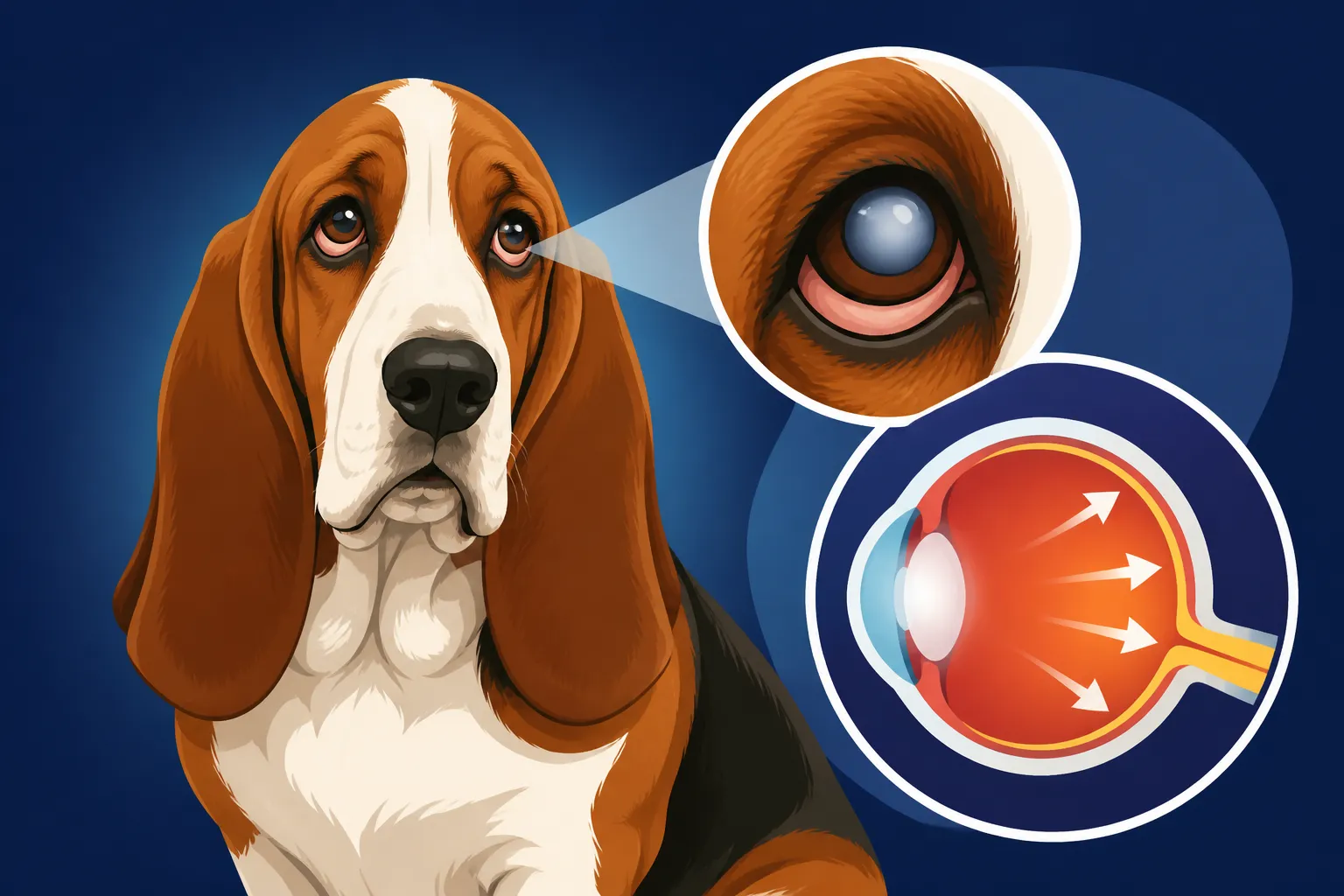
At its core, glaucoma is a condition characterized by increased pressure within the eye, known as intraocular pressure (IOP). Imagine your Basset's eye as a tiny, perfectly engineered balloon, constantly producing and draining fluid called aqueous humor. This fluid is essential for maintaining the eye's shape and providing nutrients. When the drainage system gets clogged or malfunctions, the fluid builds up, and the pressure inside the eye starts to climb.
This elevated pressure isn't just uncomfortable; it's actively damaging. The most vulnerable part is the optic nerve, which acts like the main cable transmitting visual information from the eye to the brain. Sustained high pressure crushes these delicate nerve fibers, leading to irreparable damage and, ultimately, permanent vision loss. It's a progressive disease, meaning it usually gets worse over time, making early detection incredibly important.
The Inherited Component: Primary Glaucoma
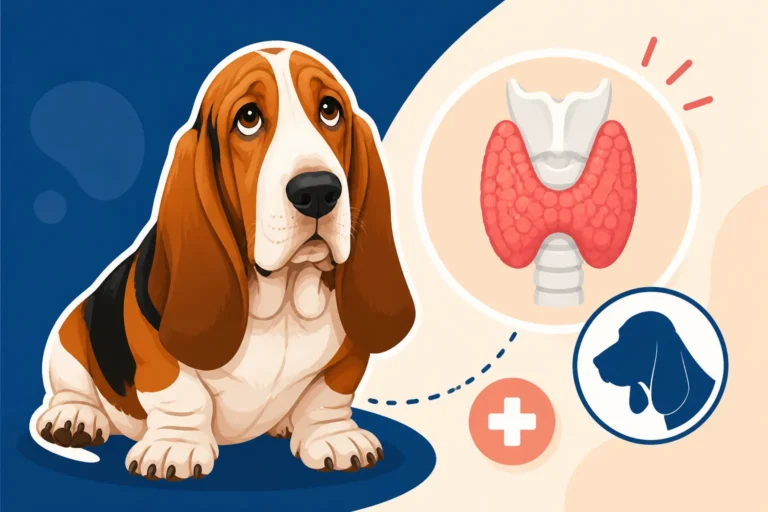
For Basset Hounds, glaucoma is frequently an inherited problem, categorized as "primary glaucoma." This means it's not caused by another eye disease or injury, but rather by a genetic predisposition that affects the eye's drainage angle. There are primarily two types of primary glaucoma: Primary Open-Angle Glaucoma (POAG) and Primary Angle-Closure Glaucoma (PACG). While POAG is more common in some breeds, Basset Hounds are often predisposed to PACG, where the drainage angle of the eye narrows or closes, preventing the aqueous humor from exiting properly.
This genetic link is why it's so heartbreaking. It means that despite all your care and love, your Basset Hound might be born with a ticking time bomb in their eyes. The genes responsible for these drainage abnormalities are passed down from parents to offspring, making responsible breeding practices absolutely critical. It’s not something that can be "caught" or prevented through diet alone; it’s baked into their genetic makeup. This inherited nature is why for a Basset Hound, the glaucoma can seem to strike out of the blue, even in a seemingly healthy dog.
Why Basset Hounds Are Particularly Susceptible
So, why are Basset Hounds, with their soulful eyes and floppy ears, more prone to this devastating condition? It largely comes down to their unique genetics and certain anatomical features that can predispose them. Many Bassets carry genetic markers that lead to abnormalities in the iridocorneal angle—the area where the fluid normally drains. This can manifest as an underdeveloped drainage angle or other structural quirks that impede fluid outflow.
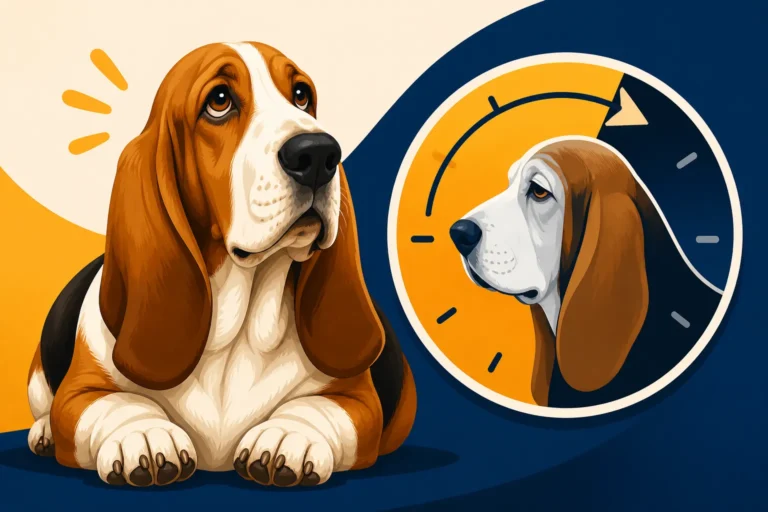
Their overall head structure and eye set, while endearing, can also play a subtle role. While not as direct as a genetic fault in the drainage system, the general conformation of the Basset's skull and eye orbits can sometimes contribute to the conditions that allow glaucoma to take hold. It's a combination of these inherited traits that makes routine eye checks and understanding the signs of glaucoma so vital for Basset Hound owners. This inherent vulnerability means that every Basset Hound owner needs to be vigilant, as you can read more about in our guide on The Age Glaucoma Shows in a Basset Hound.
Recognizing the Early Warning Signs of Glaucoma
Detecting glaucoma early is paramount because once vision is lost, it's almost always irreversible. However, Basset Hounds, like many dogs, are incredibly good at masking pain and discomfort, which can make early signs incredibly subtle and easy to miss. Owners need to become keen observers of their dog's behavior and physical presentation.
Subtle Changes Often Missed by Owners
The earliest signs of glaucoma are rarely dramatic. You might notice your Basset Hound being a little quieter than usual, perhaps less enthusiastic about playtime or walks. They might start rubbing their eye on furniture or with a paw more frequently, a subtle indication of irritation. You might see a slight increase in blinking or squinting. Their third eyelid might seem more prominent, or the white of their eye might have a very faint redness that you could easily dismiss as allergies or just being tired.
Sometimes, the eye itself might look slightly different—a very mild haziness that makes the iris appear a bit duller, or a pupil that seems just a touch more dilated than the other. These are the kinds of changes that, individually, might not raise an alarm, but when combined or persistent, should prompt a closer look. They're often so minimal that owners might only connect the dots in hindsight, once the condition has progressed.
Ocular Symptoms That Demand Immediate Attention
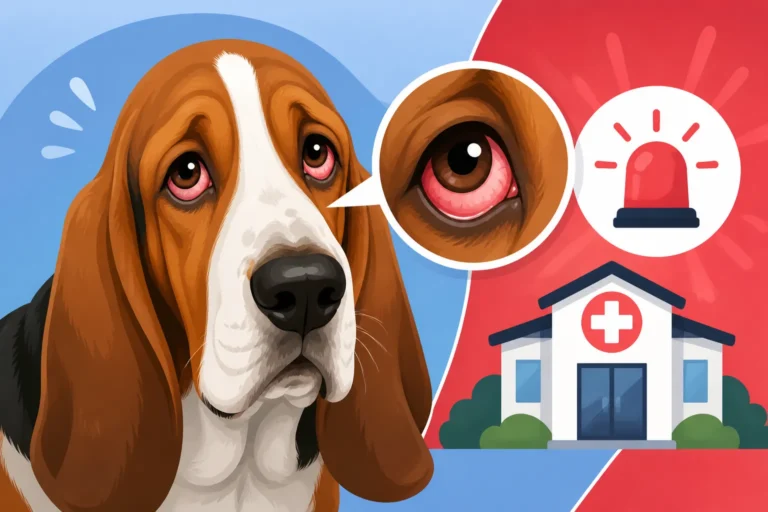
While the subtle signs are tricky, there are clear, unmistakable symptoms that scream "emergency!" If you see any of these, don't wait—get your Basset Hound to a veterinary ophthalmologist or emergency vet immediately, as vision can be lost within hours. The guide on Whether a Basset Hound's Red Eye Is an Emergency offers more critical information on this.
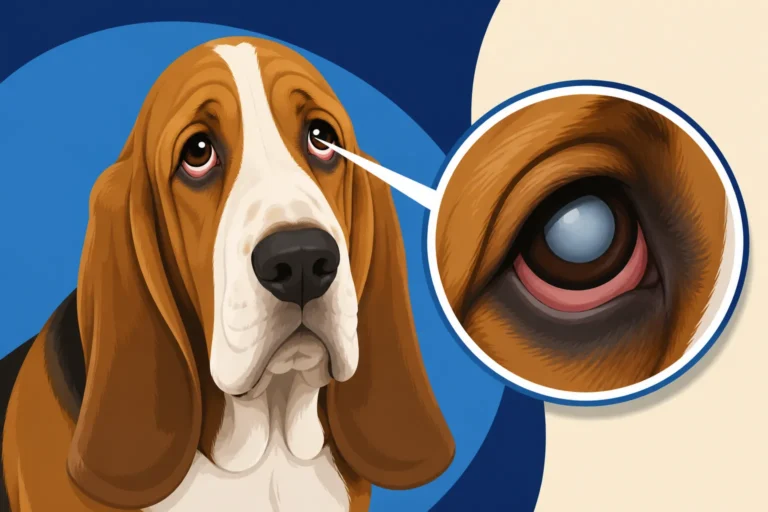
- Red, Painful, and Bulging Eye: The eye will appear noticeably red and inflamed. It might even seem larger or more prominent, a condition known as buphthalmia, due to the internal pressure. Your Basset might shy away when you try to touch their head.
- Cloudy or Bluish Cornea: The clear surface of the eye (cornea) can develop a distinct bluish or hazy appearance, similar to what you see with "blue eye" in some cases of hepatitis. This is caused by corneal edema, fluid accumulating in the cornea due to the high pressure.
- Dilated, Unresponsive Pupil: The pupil of the affected eye will often be wide open (dilated) and won't constrict normally in response to light. This is because the optic nerve damage impacts the eye's ability to react.
- Visual Impairment: Your Basset might start bumping into furniture, hesitating on stairs, or being generally disoriented, especially in dim light or unfamiliar surroundings. This is a clear sign that vision is already being compromised.
These are not symptoms to monitor; they are symptoms that require immediate, urgent veterinary intervention. Every minute counts when trying to save vision with acute glaucoma.
Unilateral vs. Bilateral Presentation
A common and often frustrating aspect of inherited glaucoma in Basset Hounds is its typical progression. It usually starts in one eye, presenting as acute glaucoma, often leading to rapid vision loss in that eye if not treated aggressively. However, because it's an inherited, primary condition, it is highly likely that the other eye will eventually be affected. It's not a question of if, but often when.
This leads to a heartbreaking scenario for owners, as they often live in a state of anticipatory dread, constantly monitoring the "good" eye for any signs of trouble. The time between the first and second eye developing glaucoma can vary wildly, from months to a few years. While the first eye's onset might be sudden and dramatic (acute), the second eye might show more subtle, chronic changes, or it too could present acutely. This bilateral potential underscores the importance of ongoing veterinary care, even after one eye has been treated or lost. Understanding What Open Angle Glaucoma Does to a Basset Hound can provide more context, even though Bassets are more prone to angle-closure, the end result of vision loss is similar.
| Symptom Category | Early/Subtle Signs | Acute/Emergency Signs |
|---|---|---|
| Behavioral | Reduced play, shyness, rubbing eye, increased blinking/squinting | Hiding, vocalizing pain, disoriented, bumping into objects |
| Ocular | Mild redness, faint haziness, slightly dilated pupil, prominent third eyelid | Intense redness, bulging eye, cloudy/bluish cornea, wide fixed pupil, green/yellow discharge |
| Urgency | Monitor closely, schedule vet visit soon | Immediate veterinary emergency! |
The Diagnosis Process: What Your Vet Will Do
When you suspect glaucoma, your veterinarian, especially a veterinary ophthalmologist, will employ several diagnostic tools to confirm the diagnosis, assess the severity, and formulate a treatment plan. The goal is always to reduce intraocular pressure as quickly and safely as possible to preserve vision.
The Crucial Tonometry Test
The cornerstone of glaucoma diagnosis is tonometry, the measurement of intraocular pressure (IOP). This is a quick, painless, and non-invasive procedure that your vet can perform right in the examination room. Specialized handheld devices, like a TonoPen or TonoVet, are used. A numbing drop is first placed in your Basset's eye to ensure comfort, and then the device gently touches the surface of the cornea a few times.
The device then provides a numerical reading of the IOP. Normal canine IOP typically ranges from 10 to 25 mmHg. Readings consistently above this range, especially if significantly elevated (e.g., 30+ mmHg), are highly indicative of glaucoma. This test is crucial not only for initial diagnosis but also for monitoring the effectiveness of treatment and for screening the "normal" eye for early signs of pressure elevation. For more information on preventative measures, consider Whether a Basset Hound Needs a Yearly Eye Pressure Check.
Comprehensive Ophthalmic Examination
Beyond tonometry, a thorough ophthalmic examination is vital. Your vet will perform several procedures:
- Indirect Ophthalmoscopy: This allows the vet to examine the back of the eye, specifically the optic nerve and retina, for signs of damage from increased pressure.
- Gonioscopy: This is a crucial diagnostic step for primary glaucoma. After applying a numbing drop, a special contact lens (goniolens) is placed on the eye. This allows the vet to visualize the iridocorneal drainage angle directly and assess if it's open, narrowed, or completely closed. This helps differentiate between open-angle and angle-closure glaucoma and gives insight into the specific anatomical defect.
- Slit Lamp Biomicroscopy: A slit lamp provides a magnified, illuminated view of the front structures of the eye, allowing the vet to detect subtle changes in the cornea, iris, and lens that might be indicative of glaucoma or other contributing factors.
These examinations help the vet paint a complete picture of your Basset's eye health and the extent of glaucoma-related damage.
Genetic Testing and Screening for Future Generations
Given the inherited nature of glaucoma in Basset Hounds, genetic testing is becoming an increasingly important tool, especially for breeders. While not all forms of Basset Hound glaucoma have a definitive genetic test widely available, research is ongoing. If a specific genetic marker is identified for the type of primary glaucoma prevalent in Bassets, a simple DNA test could identify affected dogs and carriers before they develop symptoms. You can explore this further in Whether a Basset Hound Can Be Tested for Glaucoma.
Furthermore, breeders should regularly participate in eye screening programs like the OFA Canine Eye Certification Registry (CAER) exams (formerly CERF). These evaluations are performed by certified veterinary ophthalmologists and involve a thorough examination of the eyes to detect inherited eye diseases. While these exams primarily identify affected individuals, consistent screening of breeding stock over generations is crucial for reducing the incidence of inherited eye conditions like glaucoma. This proactive approach, as discussed in The Health Tests a Basset Hound Breeder Should Run, is the best hope for safeguarding the future health of the breed.
Medical Management and Treatment Options
Once glaucoma is diagnosed, especially in its acute stages, treatment is a race against time to reduce intraocular pressure and save vision. The approach is often multi-faceted, involving immediate interventions and long-term daily management.
Emergency First Aid at Home and at the Clinic
If you suspect acute glaucoma, the first aid you can provide at home is limited, but knowing when to act is crucial. Get your Basset to the vet immediately. Time is literally vision. At the clinic, the emergency goal is to rapidly lower the IOP. This usually involves:
- Topical Medications: Strong eye drops designed to reduce aqueous humor production or increase its outflow are administered frequently. These might include carbonic anhydrase inhibitors (like dorzolamide or brinzolamide) or beta-blockers (like timolol).
- Systemic Medications: In severe cases, intravenous mannitol or oral carbonic anhydrase inhibitors might be used to quickly draw fluid out of the eye.
- Pain Management: Glaucoma is incredibly painful. Your vet will likely prescribe systemic pain relief, such as non-steroidal anti-inflammatory drugs (NSAIDs), to make your Basset more comfortable. This initial aggressive treatment is critical, as you can also learn about in Whether Glaucoma Hurts a Basset Hound.
Long-Term Medical Therapies
Managing primary glaucoma in a Basset Hound is usually a lifelong commitment to eye drops, often multiple types, several times a day. The specific combination and frequency will depend on your Basset's response and the type of glaucoma. Common medications include:
- Prostaglandin Analogues (e.g., Latanoprost, Travoprost): These are potent drops that primarily work by increasing the outflow of aqueous humor, significantly reducing IOP. They are often very effective in open-angle glaucoma but should be used with caution, if at all, in angle-closure forms, as they can sometimes worsen the condition if the angle is completely blocked.
- Carbonic Anhydrase Inhibitors (e.g., Dorzolamide, Brinzolamide): These drops reduce the production of aqueous humor. They are generally safe and effective and can be used in both open-angle and angle-closure types of glaucoma.
- Beta-Blockers (e.g., Timolol): Similar to CAIs, beta-blockers decrease aqueous humor production. They are often used in combination with other drops.
Administering these drops can be a challenge, especially with a Basset's deep-set eyes and floppy ears. Consistency is key, and it requires dedication from the owner. You'll work closely with your vet to find the right cocktail of medications and schedule to keep the pressure under control.
Pain Management and Quality of Life
Beyond eye drops, managing pain is crucial for a good quality of life. Chronic, low-grade pain from glaucoma can significantly impact your Basset's mood, appetite, and overall well-being. Your vet might prescribe oral pain medications, anti-inflammatories, or even discuss supplements to help manage discomfort.
The goal is always to balance aggressive treatment to save vision with ensuring your Basset is comfortable and happy. If, despite maximum medical therapy, the eye remains painful and blind, then difficult decisions about surgical intervention, often eye removal, may need to be considered. The conversation around quality of life is paramount, ensuring that your beloved Basset isn't enduring unnecessary suffering for a lost cause.
Surgical Interventions for Glaucoma
Sometimes, medical management alone isn't enough, or the disease progresses too quickly. In these cases, surgical options become a crucial part of managing glaucoma in Basset Hounds. These procedures range from those aimed at preserving vision to those focused purely on pain relief.
When Surgery Becomes Necessary
Surgery for glaucoma typically comes into play under a few circumstances. The most common is when medical therapy, even at its maximum, fails to adequately control intraocular pressure, leading to ongoing pain and progressive vision loss. Another scenario is when the diagnosis is made too late, and the eye is already irreversibly blind and painful. In such cases, surgery pivots from vision preservation to providing comfort and alleviating chronic pain.
The decision for surgery is a tough one, often made in consultation with a veterinary ophthalmologist, weighing the prognosis for vision, the dog's comfort level, the owner's financial capacity, and the potential risks involved. It's never a first choice if drops are working, but it can be a true lifesaver for a dog suffering from intractable eye pain.
Vision-Sparing Surgical Procedures
If vision still exists and the eye is a candidate, there are surgical options aimed at reducing IOP to preserve remaining sight:
- Cyclophotocoagulation (Laser Surgery): This procedure uses a laser to selectively destroy parts of the ciliary body, the tissue in the eye responsible for producing aqueous humor. By reducing fluid production, the pressure inside the eye decreases. This can be done with an external laser (transscleral) or an internal laser (endoscopic). It's often performed in conjunction with medical therapy and may need to be repeated.
- Gonioimplantation (Drainage Implants/Shunts): This involves surgically placing a tiny tube or shunt into the eye's drainage angle. This tube creates an artificial pathway for the aqueous humor to drain from the eye, bypassing the compromised natural drainage system. While these procedures can offer hope, they are complex, not always successful long-term, and can be prone to complications like scar tissue formation or implant failure.
These vision-sparing surgeries are typically performed by board-certified veterinary ophthalmologists and offer the best chance for saving remaining vision when medical therapy falls short. However, even with successful surgery, lifelong monitoring and often continued medication are necessary.
Eye Removal (Enucleation) and Prosthetics
This is often the most difficult decision an owner faces: removing their Basset Hound's eye. However, when an eye is blind and painfully high-pressured, enucleation (surgical removal of the eye) is frequently the most humane option. It immediately alleviates the excruciating pain and prevents further suffering. While it sounds drastic, dogs adapt remarkably well to living with one eye or no eyes, especially when the pain is gone.
After enucleation, the eyelids are sewn shut. Some owners opt for an intraocular prosthesis, where a silicone ball is placed within the eye socket to maintain a more natural appearance under the closed eyelids. Alternatively, some choose an orbital prosthesis, where an artificial eye is fitted. However, many owners simply allow the socket to heal and close naturally, and their dogs thrive just as well. The primary goal is pain relief, and dogs often recover quickly, becoming much happier and more comfortable after the procedure. It's a testament to their resilience. If you're wondering about the financial implications of this, our article on What Glaucoma Surgery Costs a Basset Hound Owner provides a detailed breakdown.
Living with a Basset Hound with Glaucoma or Vision Loss
Adapting to life with a Basset Hound who has glaucoma, especially if it leads to vision loss, is a journey that requires patience, understanding, and a whole lot of love. Your Basset might be losing their sight, but they certainly aren't losing their zest for life or their incredible sense of smell.
Adapting Your Home Environment
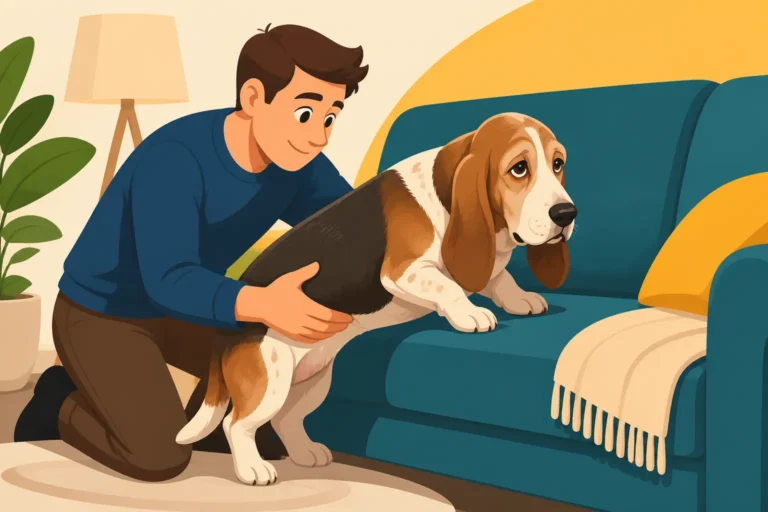
The key to helping a vision-impaired Basset Hound is consistency and predictability. Once their sight begins to diminish, avoid rearranging furniture. Keep pathways clear of obstacles that your dog might trip over. If you have stairs, consider blocking them off or installing a ramp, as Bassets with vision loss may struggle with depth perception. Our guide on Whether a Basset Hound Should Climb Stairs can offer more insights into stair safety for the breed.
You can also use scent markers or textured mats to help them navigate. Place a distinct scent (like essential oil on a cotton ball) near their water bowl, food bowl, or bed to help them locate these important spots. Rugs on slippery floors can also provide better traction and tactile cues. Their powerful nose will become their superpower, guiding them through their familiar environment.
Supporting Their Mental and Physical Well-being
Even with vision loss, your Basset Hound still needs mental and physical stimulation. Maintaining a consistent daily routine is paramount – feeding times, potty breaks, and walks should happen at predictable intervals. This provides a sense of security and reduces anxiety. Use clear, consistent verbal cues, and always talk to them as you approach so they aren't startled.
Embrace their incredible sense of smell! Nose work games, like hiding treats around the house or using snuffle mats, can provide immense mental enrichment and build their confidence. Leash walks are still important for exercise and exploring the world through their nose, but always keep them on a leash in unfamiliar or unfenced areas. A blind Basset Hound can cope wonderfully, often surprising their owners with their adaptability, as explored in Whether a Blind Basset Hound Copes.
The Emotional Toll on Owners and How to Cope
Let's be real, watching your beloved companion lose their sight is incredibly difficult, and it's completely normal to feel a range of emotions—grief, sadness, frustration, and even guilt. It's a huge adjustment for you too. Don't underestimate the emotional toll it takes.
Allow yourself to feel these emotions. Talk to your veterinary team, who can offer support and practical advice. Connect with other owners of blind or visually impaired dogs; online forums and local groups can be an invaluable source of shared experience and empathy. Focus on the amazing bond you share, the comfort you can provide, and the simple joys of their presence. Your Basset needs your love and reassurance more than ever, and knowing you're doing everything you can for their comfort and happiness is the best way to cope.
Prevention and Responsible Breeding Practices
For an inherited condition like glaucoma in Basset Hounds, prevention starts long before a puppy ever comes home. Responsible breeding practices and proactive screening are the cornerstones of reducing the incidence of this devastating disease.
The Role of Health Screening in Breeding
Ethical breeders understand their responsibility to improve the health of the breed, and that means diligently screening their breeding stock. For Basset Hounds, this should absolutely include regular eye examinations by a board-certified veterinary ophthalmologist. These exams, often part of the OFA Eye Certification (CAER) program, aim to identify any signs of inherited eye disease, including glaucoma, before dogs are bred.
While a "clear" eye exam doesn't guarantee a dog won't develop glaucoma later in life or won't be a carrier, it significantly reduces the risk if conducted routinely and combined with careful pedigree research. Breeders should be transparent about the eye health history of their breeding animals and their ancestors, going back several generations. For more on this, you can check out The Health Tests a Basset Hound Breeder Should Run.
Choosing a Reputable Breeder
When you're looking for a Basset Hound puppy, the breeder you choose is arguably the most critical decision you'll make for your future dog's health. A reputable breeder will be knowledgeable about inherited conditions in the breed, including glaucoma, and will proactively screen their dogs.
Here are some questions to ask:
- "Have the parents of this litter had their eyes examined by a board-certified veterinary ophthalmologist, and can I see the certificates?" (Look for OFA CAER certificates or similar documentation.)
- "What is the history of glaucoma or other eye diseases in the lineage of these puppies?"
- "What steps do you take to prevent inherited eye diseases?"
A good breeder will be open, honest, and happy to discuss these topics. They should not only perform health checks but also be able to explain why they do them and what the results mean. Be wary of breeders who offer vague answers or claim their dogs are "healthy" without providing verifiable documentation. The potential pitfalls of foregoing these checks are discussed in Whether an Untested Basset Hound Litter Is Worth Buying.
The Impact of Early Detection and Routine Checks
Even if you've done your due diligence and chosen a puppy from screened parents, routine veterinary care remains essential. Regular vet visits, at least annually, should include a thorough physical exam and a discussion about any changes you've noticed in your Basset's eyes or behavior.
For Basset Hounds, considering a yearly eye pressure check, especially as they approach middle age, can be a proactive step. While not all vets routinely perform tonometry on seemingly healthy eyes, if your Basset has a family history of glaucoma, it's a conversation worth having with your vet. Early detection, even with an inherited condition, can make a huge difference in managing the disease and preserving vision for as long as possible. The sooner you catch it, the more options you have for treatment and the better the chances of maintaining quality of life.
Financial Considerations: The Cost of Glaucoma Care
It's a harsh reality that managing a chronic, serious condition like glaucoma can be incredibly expensive. From emergency vet visits to daily medications and potential surgeries, the costs can quickly add up and become a significant financial burden for owners.
Understanding the Expenses Involved
The financial journey with glaucoma often starts with an emergency vet visit, which alone can run into hundreds or even a few thousand dollars for diagnostics and initial stabilization. Once diagnosed, the costs become ongoing:
- Daily Medications: Eye drops for glaucoma are not cheap. Many Basset Hounds require multiple types of drops, administered several times a day. These prescriptions can cost anywhere from $50 to $200+ per month, per eye. This is a lifelong expense.
- Specialist Visits: Regular follow-ups with a veterinary ophthalmologist are crucial. Each visit can cost $150-$300, not including any new medications or tests.
- Surgeries: If medical management fails, surgical interventions are often considered. Laser surgery (cyclophotocoagulation) can range from $1,500 to $4,000 per eye. Drainage shunts can be similarly priced. Enucleation (eye removal) is typically less expensive, ranging from $800 to $2,500, but still a significant cost.
- Additional Pain Relief: Oral pain medications, anti-inflammatories, or supplements can add to the monthly budget.
These figures can be daunting, and it's important for owners to have a realistic understanding of the potential financial commitment. Our deep dive into What a Basset Hound's Eye Care Costs provides a more granular look at these expenses.
Pet Insurance and Financial Planning
This is where pet insurance can truly be a lifesaver. Companies like Healthy Paws offer comprehensive coverage that can help mitigate the astronomical costs associated with chronic conditions like glaucoma. The key, however, is to enroll your Basset Hound before any signs of glaucoma appear, as most pet insurance policies consider pre-existing conditions ineligible for coverage.
If your Basset Hound is already enrolled in a good pet insurance plan, it can cover a significant portion (often 70-90%) of diagnostic tests, medications, specialist visits, and surgeries related to glaucoma. This can turn a financially impossible situation into a manageable one, allowing you to focus on your Basset's health rather than the mounting bills. For those without insurance, establishing an emergency savings fund specifically for veterinary care is a wise decision.
Balancing Care with Financial Realities
No one wants to put a price on their beloved Basset Hound's health, but financial realities are a legitimate part of the conversation. It's okay to have honest discussions with your veterinarian about your budget and to explore different treatment pathways. Sometimes, the most aggressive, vision-saving surgeries might not be financially feasible, or they might not be the best option for your Basset's overall quality of life.
In these difficult situations, the focus often shifts to pain management and ensuring comfort. An eye that is blind but pain-free, even if it means enucleation, is often a better outcome for the dog than an eye that is technically present but causes constant suffering. Your vet can help you navigate these complex decisions, always with your Basset Hound's best interest at heart.
Disclaimer
The information provided in this article is for educational purposes only and is not intended to be a substitute for professional veterinary advice, diagnosis, or treatment. Always seek the advice of your veterinarian or other qualified animal health provider with any questions you may have regarding a medical condition.