Whether a Basset Hound Goes Deaf From Ear Disease
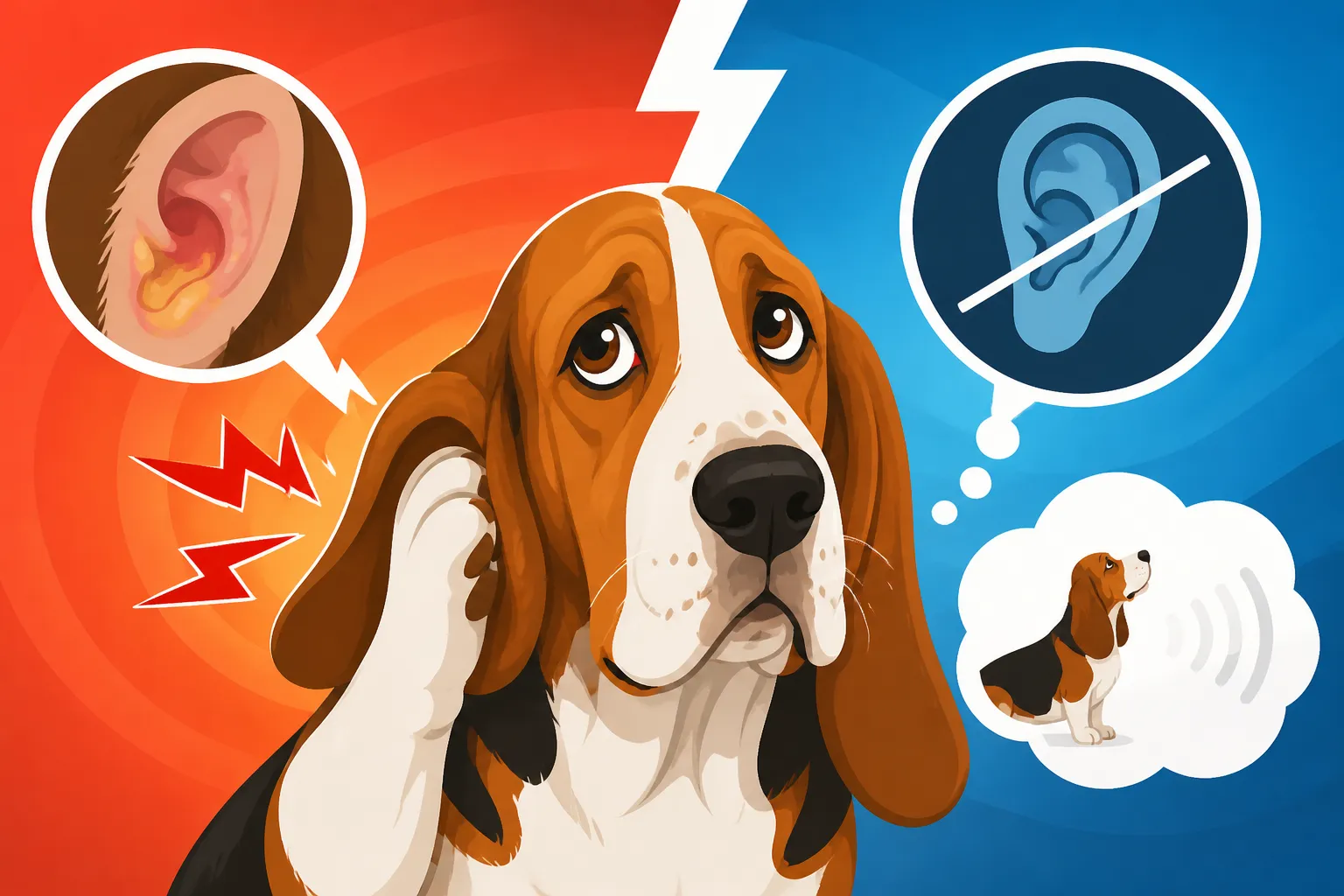
It's a heartbreaking thought for any pet parent: watching your beloved Basset Hound struggle with their ears, knowing that chronic issues could lead to something as profound as hearing loss. The reality is, the very characteristics that make Bassets so charming – those long, luxurious ears and soulful eyes – also make them incredibly susceptible to persistent ear problems, and yes, these can, unfortunately, culminate in significant or even complete deafness. This guide will delve into why Bassets are so vulnerable, how ear disease progresses to impact hearing, what signs to watch for, and how you can proactively manage their ear health to protect their precious hearing for as long as possible.
The Unique Vulnerability of a Basset Hound's Ears
Any Basset Hound owner knows the struggle. Those magnificent, low-slung ears are an iconic part of their appeal, but they're also a constant source of worry and maintenance. It often feels like you're fighting a losing battle, and you're not wrong to feel that way; their ear anatomy sets them up for a lifetime of potential issues.
Anatomical Predispositions to Ear Disease
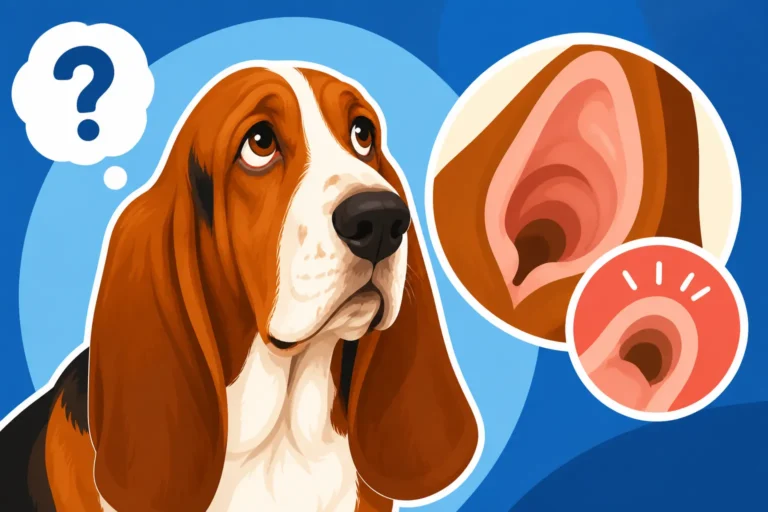
The design of a Basset Hound's ear canal is, frankly, a bit of a nightmare when it comes to hygiene and health. Unlike many other breeds with upright or semi-erect ears that allow for good air circulation, a Basset's ears are long, heavy, and pendulous. They drape down, covering the ear canal opening like thick, insulating blankets. This creates a warm, moist, dark environment that's absolutely ideal for bacteria and yeast to thrive. It’s a perpetual breeding ground, and a major reason why ear canals that never dry are such a common complaint.
Beyond the external flap, the internal structure is equally problematic. Basset Hounds tend to have relatively narrow ear canals compared to their body size, often with more twists and turns than other breeds. This convoluted pathway makes it incredibly difficult for moisture and debris to escape naturally. Ear wax, dirt, and trapped water (especially after a bath or a sniff-around in damp grass) simply can't drain out effectively. Instead, they accumulate deep within the canal, pushing further down and creating blockages. This combination of poor ventilation and trapped debris means that many Basset Hounds contend with The Ear Infections That Never Really Leave a Basset Hound, becoming a chronic, exhausting battle for both dog and owner.
The Progression from Infection to Chronic Inflammation
It often starts innocently enough: a bit of scratching, some head shaking, maybe a faint yeasty smell. But in a Basset, these early signs can quickly escalate. Initial ear infections, if not addressed swiftly and thoroughly, have a nasty habit of becoming chronic. This means the infection keeps recurring, or worse, never truly goes away. Each episode of infection triggers an inflammatory response in the ear canal lining. The body tries to fight off the invaders, but in doing so, it causes swelling and tissue changes.
Over time, this repeated cycle of infection and inflammation begins to fundamentally alter the ear canal. The delicate skin lining becomes thicker and tougher, a process veterinarians call hyperplasia. The glands that produce wax also become overactive and sometimes damaged, leading to an excess of abnormal, thick discharge. This thickening and swelling further narrow the ear canal, making it even harder for treatments to penetrate and for the ear to self-clean. This persistent state of irritation and change is often what leads to The Signs a Basset Hound's Ear Has Gone Bad, which can include redness, pain, persistent odor, and even discharge. Without diligent, consistent care, this downward spiral is incredibly hard to break.
How Persistent Ear Disease Impacts Hearing
The idea that ear infections could steal your Basset Hound's hearing is a terrifying one, but it's a very real and unfortunate consequence of long-term, unmanaged ear disease. It's not usually a sudden event; rather, it's a gradual process as the ear's delicate structures are slowly, irreversibly altered.
Structural Changes Within the Ear Canal
When chronic inflammation takes hold, it’s like a battle raging inside your Basset’s ear canal day after day. The tissue lining the canal becomes permanently swollen and fibrotic, meaning it turns thick and scarred. Imagine a once-flexible tube slowly becoming rigid and constricted. This process, known as stenosis, drastically narrows the passageway. In some severe cases, the canal can even calcify, turning hard and bony. This literally creates a physical barrier, blocking sound waves from ever reaching the eardrum.
This structural transformation isn't just about reducing airflow and trapping more gunk; it directly impedes sound transmission. Sound waves need a clear path to vibrate the eardrum, which then transmits these vibrations to the tiny bones of the middle ear. If the ear canal is severely narrowed or even closed off by thickened tissue, those sound waves are dampened or completely blocked. It's akin to trying to hear someone speak through a heavily padded, winding tunnel. This is the tragic reality when a Basset Hound's ear canal closes up due to years of unchecked inflammation and infection. The external ear, despite looking fine from the outside, is completely compromised internally.
Damage to the Middle and Inner Ear
The problems don't always stay confined to the external ear canal. If severe infections persist, they can breach the eardrum (tympanic membrane) and spread into the middle ear (otitis media) and, in the worst-case scenarios, even the inner ear (otitis interna). This is where things become truly critical for hearing. The middle ear houses the ossicles – three tiny bones (malleus, incus, and stapes) that are crucial for amplifying and transmitting sound vibrations to the inner ear. Inflammation and infection in this area can damage these delicate bones, preventing them from moving freely and effectively.
Furthermore, middle ear infections can cause fluid buildup, which further dampens sound transmission and can put pressure on the eardrum. If the infection reaches the inner ear, it can damage the cochlea, which contains the hair cells responsible for converting sound vibrations into electrical signals that the brain interprets. Damage to these cells or the auditory nerve itself leads to sensorineural hearing loss, which is usually irreversible. This level of severe damage often necessitates complex interventions, sometimes reaching the point where Whether a Basset Hound Needs Ear Surgery becomes a last-ditch effort not just to preserve hearing (which may already be lost), but to alleviate intense pain and prevent the spread of infection to the brain. These procedures, while life-changing for the dog's comfort, come with significant considerations, including the potential for high costs, which is why pet insurance, such as a policy from Healthy Paws, can be incredibly valuable for Basset Hound owners.
Recognizing and Responding to Hearing Loss in Your Basset Hound
Detecting hearing loss in a Basset Hound can be tricky because they are often so laid-back, and sometimes even a little "selectively deaf" when it suits them! However, a gradual decline in hearing due to chronic ear disease will manifest in noticeable ways if you know what to look for.
Early Warning Signs and Behavioral Clues
One of the first things you might notice is that your Basset Hound doesn't respond to their name as readily as they used to. You might have to raise your voice, or call them multiple times, only for them to eventually turn around with a confused look. They might also sleep more soundly, perhaps not stirring when the doorbell rings, when a loud truck passes by, or when you come home and quietly enter the room. This isn't just a sign of a good sleeper; it's a sign they're missing auditory cues.
Another common indicator is a change in their reaction to familiar sounds. For instance, if your Basset always used to greet you at the sound of your car pulling into the driveway, but now they remain oblivious until you walk through the door, it could be a subtle sign. They might also startle more easily if you approach them from behind or touch them unexpectedly, simply because they didn't hear you coming. Sometimes, they might even seem confused or disoriented because they're missing auditory information that helps them navigate their world. Paying close attention to these seemingly minor shifts in behavior is crucial, especially when you consider How Often a Basset Hound's Ears Must Be Cleaned and checked for active infections. Regular checks are key to catching issues before they escalate.
Diagnostic Approaches and Prognosis
If you suspect your Basset Hound is experiencing hearing loss, the first and most important step is a visit to your veterinarian. They will conduct a thorough examination of the ears, looking for active infections, inflammation, foreign bodies, or structural changes within the ear canal. They might perform an otoscopic exam, which uses a special tool to look deep into the ear, and perhaps collect samples for cytology to identify any bacteria or yeast present. This helps determine if current infection is contributing to the problem.
For a definitive diagnosis of hearing loss and to assess its severity, your vet might recommend a Brainstem Auditory Evoked Response (BAER) test. This specialized test measures the electrical activity in the brain in response to auditory clicks, giving an objective measure of hearing in each ear. While often performed by a veterinary neurologist, it's the gold standard for diagnosing deafness. The prognosis for restoring hearing usually depends on the cause and extent of the damage. If the hearing loss is primarily due to a block of chronic, thick discharge or reversible inflammation, successful treatment might restore some function. However, if there is severe, irreversible structural damage to the ear canal, eardrum, or inner ear nerve structures, the hearing loss may be permanent. In such cases, the focus shifts from restoring hearing to managing the underlying ear disease to prevent pain and further complications. Investing in regular veterinary care can be costly, but the peace of mind knowing you’re doing everything you can for your Basset is invaluable, and pet insurance from providers like Healthy Paws can ease the financial burden of diagnostics and long-term care.
Proactive Care and Management Strategies
The good news is that while Basset Hounds are predisposed to ear issues, proactive and consistent care can significantly reduce the risk of severe infections and, consequently, hearing loss. It's a commitment, but one that is absolutely worth it for your furry friend's comfort and quality of life.
The Lifelong Commitment to Ear Hygiene
For Basset Hounds, ear cleaning isn't just an occasional chore; it's a vital, twice-weekly ritual that can literally make the difference between a healthy, hearing hound and one suffering from chronic pain and deafness. Those long, heavy ear flaps create a warm, moist, dark environment that's perfect for yeast and bacteria to flourish, and without regular cleaning, it's almost guaranteed trouble will brew. You need to be diligent, making it a routine as consistent as feeding or walks.
When it comes to the actual cleaning, knowing How to Clean a Basset Hound's Ears Properly is paramount. You'll need a vet-approved ear cleaning solution – never just water or alcohol – and plenty of cotton balls or gauze. Gently lift the ear flap, apply the solution into the ear canal until it's full (yes, really!), and massage the base of the ear for 20-30 seconds. You’ll hear a satisfying squishy sound as the solution breaks up wax and debris. Then, let your Basset shake their head (have a towel ready!). Finally, use cotton balls wrapped around your finger to gently wipe out any visible dirt and excess solution from the outer ear and the folds of the inner flap. Never use cotton swabs deep inside the ear canal, as this can push debris further down or even damage the eardrum. Starting this routine early, perhaps during puppyhood, helps in Getting a Basset Hound Used to Ear Handling as a Puppy, making the process less stressful for everyone involved.
Medical and Surgical Interventions
Despite the best home care, Basset Hounds will almost certainly experience ear infections at some point. When they do, veterinary intervention is crucial. Your vet will prescribe specific ear drops or oral medications (antibiotics, antifungals, or anti-inflammatories) based on the type of infection found via cytology. It's incredibly important to follow the medication schedule precisely and complete the entire course, even if the ear seems to improve quickly. Stopping early is a prime reason why infections recur and become chronic. For many Bassets, managing their ear health often means that Whether a Basset Hound Needs Ear Drops for Life isn't just a possibility but a reality for keeping inflammation at bay.
For severe, chronic cases where medical management fails, or when the ear canal has become so narrowed and damaged that it's beyond repair, surgical options might be discussed. The most common procedure is a Total Ear Canal Ablation (TECA) with Bulla Osteotomy. This involves surgically removing the entire ear canal, along with the diseased lining of the middle ear. While this procedure results in permanent deafness in the affected ear, it can be a life-changing solution for Bassets suffering from chronic, excruciating pain and repeated, debilitating infections. It resolves the source of pain and prevents further infection spread. However, it's a major surgery with significant recovery, and it's not cheap. For example, What a Total Ear Canal Ablation Costs on a Basset Hound can run into several thousands of dollars, making financial planning or pet insurance essential for many owners.
Living with a Basset Hound with Hearing Loss
Discovering your Basset Hound is losing their hearing, or has gone completely deaf, can be upsetting. It's natural to grieve the loss of that sensory connection. However, Basset Hounds are incredibly resilient and adaptable, and with a few adjustments, they can continue to live full, happy lives.
Adapting Your Communication
The biggest hurdle when living with a deaf Basset Hound is communication. You can't rely on verbal commands anymore, so it's time to switch to visual cues. Start by teaching hand signals for basic commands like 'sit,' 'stay,' 'come,' and 'no.' Consistency is key here; always use the same hand signal for the same command. You might also find it useful to use a gentle foot stomp on the floor to create a vibration that gets their attention before giving a hand signal, especially if they are sleeping or not looking at you. Positive reinforcement with treats and praise (a gentle scratch behind the ears works wonders!) will still be highly effective.
It's also important to consider how you get their attention. Instead of calling their name, you might gently tap them or use a subtle light flicker if they're in the same room. Be patient and understand that they might not respond immediately, especially if they're engrossed in a scent. Remember, their world is now experienced much more through their powerful nose and sense of touch. This new way of interacting can actually deepen your bond, as you learn to communicate in a different, more tactile way.
Creating a Safe Environment
A deaf Basset Hound requires a few extra considerations for their safety. The most crucial one is ensuring they are always on a leash when outside a securely fenced area. Without the ability to hear approaching dangers like cars or other animals, they are much more vulnerable. Even in a fenced yard, it's wise to supervise them, as they won't hear you if you need to call them in. Installing a bell on their collar can help you keep track of them indoors, alerting you to their movements even if they can't hear you.
Inside the home, try to keep their environment consistent. Avoid rearranging furniture too often, as a predictable layout helps them navigate confidently. If they startle easily, approach them slowly and from the front so they can see you coming. Make sure they have a comfortable, easily accessible sleeping spot where they feel secure. While the journey of managing ear disease and potential hearing loss can be challenging, remember that your Basset Hound still has a huge capacity for joy and love. With your patience, understanding, and adapted care, they can thrive. The ongoing costs of such comprehensive care, including routine vet visits and specialized treatments, can accumulate over time. This is where a robust pet insurance plan, like one offered by Healthy Paws, can provide significant financial relief, ensuring you can always afford the best care for your Basset Hound without added stress about the vet bills.
| Ear Disease Stage | Symptoms | Impact on Hearing | Prognosis for Hearing | Management Focus |
|---|---|---|---|---|
| Acute Otitis Externa | Redness, discharge, itching, head shaking | Usually none to mild, temporary muffled hearing | Good, if treated promptly | Medical: ear cleaners, topical medications |
| Chronic Otitis Externa | Persistent discharge, odor, pain, ear canal thickening | Mild to moderate hearing reduction due to obstruction and inflammation | Fair, some improvement with aggressive treatment | Long-term medical management, frequent vet checks |
| Ear Canal Stenosis/Hyperplasia | Severe canal narrowing, thickened tissue, recurring infections | Moderate to severe hearing loss due to physical blockage | Poor, often permanent without surgical intervention | Aggressive medical management, consideration of surgery |
| Otitis Media | Head tilt, balance issues, pain, neurological signs | Severe to profound hearing loss, often irreversible | Very poor, damage to middle/inner ear structures | Surgical intervention (TECA), pain management |
| Total Ear Canal Ablation (TECA) | Post-surgical, no ear canal | Complete and permanent deafness in the treated ear | N/A (hearing intentionally removed to resolve disease) | Pain management, quality of life, prevent recurrence |
Disclaimer
Please remember that the information provided in this article is for educational purposes only and should not be considered a substitute for professional veterinary advice. If you have concerns about your Basset Hound's ear health or suspect hearing loss, please consult with your veterinarian immediately. Early diagnosis and intervention are crucial for the best possible outcomes.