The First Signs of Glaucoma in a Basset Hound
It’s a heartbreaking moment when you first suspect something is wrong with your beloved Basset Hound’s eyes. Glaucoma, in particular, can be a silent and aggressive thief of sight, often progressing rapidly before you even realize the severity. This guide is here to walk you through those critical early signs, helping you catch this condition as soon as possible to give your furry family member the best chance at preserving their vision and comfort.
Understanding Glaucoma in Basset Hounds
Glaucoma is a terrifying word for any dog owner, but for Basset Hound parents, it carries an even heavier weight. Our sweet, long-eared companions are unfortunately predisposed to certain types of glaucoma, making early detection not just helpful, but absolutely vital. Knowing what you're up against and why your Basset might be more susceptible is the first step in being a proactive advocate for their eye health.
Why Basset Hounds Are Prone to Glaucoma
Many Basset Hounds are genetically predisposed to a specific type of glaucoma called Primary Open-Angle Glaucoma (POAG). This isn't just a random occurrence; it's a condition that can be inherited, meaning it runs in family lines. Unlike secondary glaucoma, which develops as a result of another eye condition like injury or inflammation, POAG has no identifiable underlying cause, making it sneakier and harder to predict without genetic testing or careful monitoring. The internal drainage angle of the eye, which is responsible for maintaining normal fluid pressure, is abnormally developed in affected Bassets, leading to a gradual buildup of pressure. This is a crucial distinction, as it means even a perfectly healthy-looking Basset Hound can be a ticking time bomb for this devastating disease. It's why reputable breeders should be transparent about the history of this condition in their lines and why knowing if your Basset Hound has this genetic predisposition is so important. You might also want to explore whether glaucoma runs in Basset Hound lines to understand the hereditary aspect more deeply.
The unfortunate truth is that a Basset Hound can inherit the genetic markers for glaucoma, even if their parents never showed outward signs themselves. These dogs might be carriers, passing the gene along to their puppies. This genetic lottery means that even with the best care, your Basset could develop the condition. It’s not your fault, and it’s not always preventable, but understanding this genetic link empowers you to be vigilant. This predisposition is a significant reason why regular eye check-ups, even if your Basset seems fine, are so critical.
What Glaucoma Actually Is and How It Affects Vision
At its core, glaucoma is a disease characterized by increased pressure within the eye, known as intraocular pressure (IOP). Imagine your eye as a balloon filled with fluid. There's a constant cycle of fluid production and drainage. In a healthy eye, this fluid balance maintains a steady, normal pressure. However, with glaucoma, something goes wrong with the drainage system. The fluid continues to be produced, but it can't exit the eye efficiently, causing pressure to build up. This increased pressure then relentlessly pushes on the delicate structures inside the eye, particularly the optic nerve.
The optic nerve is the critical cable that transmits visual information from the eye to the brain. When this nerve is damaged by sustained high pressure, it can't do its job properly, leading to vision loss. If the pressure remains high for too long, the damage becomes irreversible, ultimately resulting in blindness. The insidious nature of glaucoma is that this damage can occur gradually and painlessly in the very early stages of primary open-angle glaucoma, making those subtle initial signs incredibly easy to miss. By the time your Basset Hound is showing obvious signs of pain or vision impairment, significant, often irreversible, damage may have already occurred. This is why knowing what open angle glaucoma does to a Basset Hound is so vital for every owner.
Subtle Early Warning Signs to Watch For
The trickiest part about glaucoma in Basset Hounds is that the very first signs are often so subtle they can easily be brushed off as nothing serious. This is where your intimate knowledge of your dog comes into play. You know their quirks, their moods, and their typical appearance better than anyone. Learning to spot these faint indicators can make all the difference in catching glaucoma before it has a chance to steal your Basset’s precious sight.
Changes in Eye Appearance You Might Miss
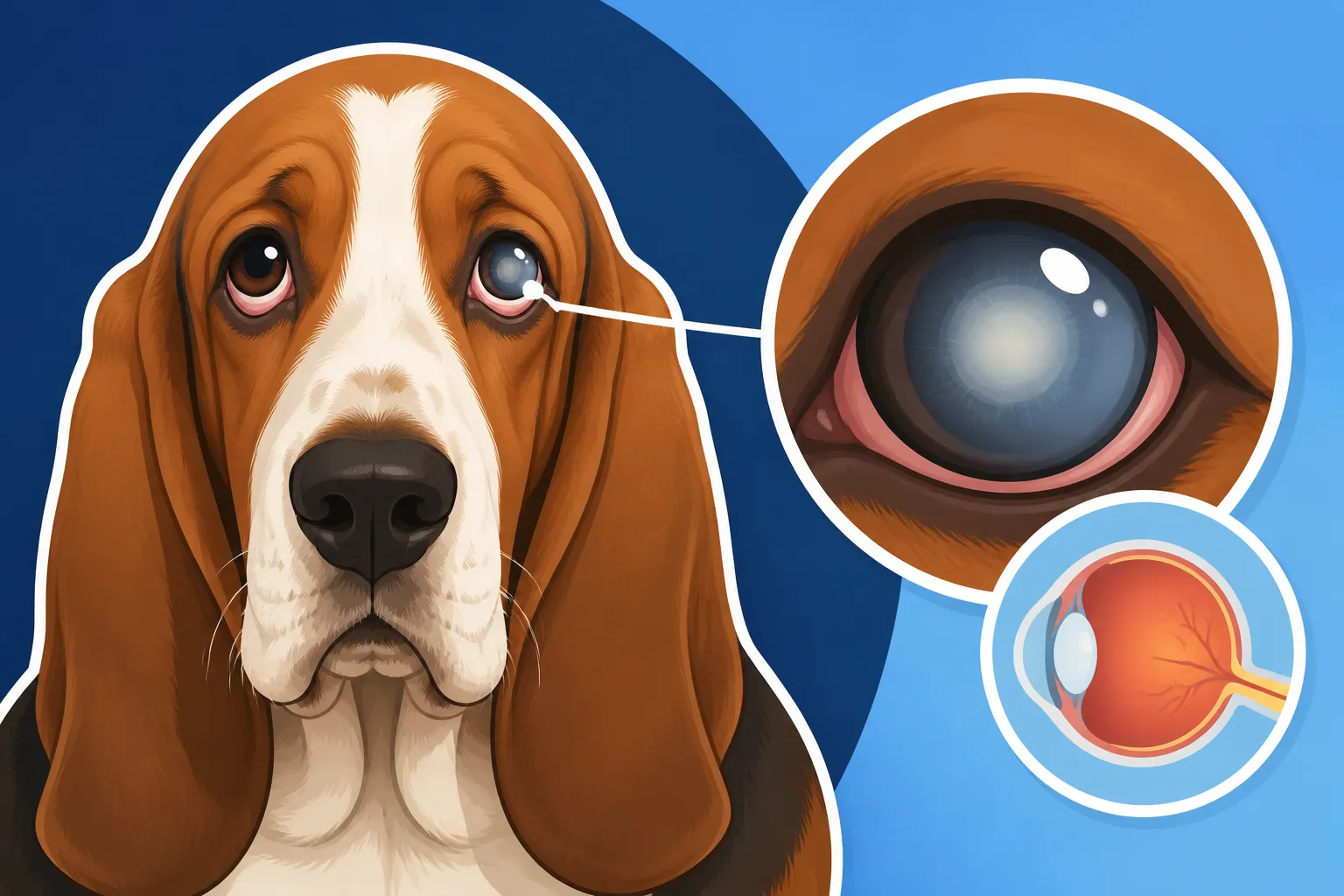
When you look at your Basset Hound's eyes, what do you usually see? Clear, bright, perhaps a little droopy, but generally healthy. With early glaucoma, the changes are often so minor they require a keen eye and good lighting. One of the first things you might notice, if you're looking closely, is a very slight cloudiness or haziness in the cornea, the clear outer layer of the eye. It might not look like a thick fog, but rather a faint, almost shimmering quality you haven't seen before. This can sometimes be accompanied by an equally subtle redness in the white part of the eye, or sclera, which might just look like they’ve been rubbing their eye a bit too much.
Another subtle but critical sign can be a slight dilation of one pupil. Normally, both pupils should react symmetrically to light. If one pupil appears just a little larger than the other, especially in dim light, and seems to stay that way, it could indicate an issue with pressure in that eye. It's not always a dramatic, wide-open pupil, but a nuanced difference. You might also notice that the affected eye just doesn't seem quite as "sparkling" or reflective as the other, giving it a duller appearance. These aren't always glaring red flags, but rather quiet whispers that something isn't quite right. Regularly inspecting your Basset's eyes, perhaps during their daily ear cleaning ritual, can help you establish a baseline for what's normal for them.
Behavioral Clues That Indicate Discomfort
Beyond physical changes, your Basset Hound might give you behavioral hints that they’re not feeling quite right. Our Bassets are often stoic, but even they can't hide discomfort forever. A common early sign is subtle squinting or blinking more frequently than usual. It might not be a full, dramatic close of the eye, but a slight narrowing, or an involuntary twitch. They might also start rubbing their eye more often with a paw, against the furniture, or on your leg, as if trying to relieve an itch or irritation. This rubbing can sometimes be a secondary sign, causing the redness you might then notice.
Sensitivity to light, or photophobia, is another behavioral indicator. Your Basset might start avoiding bright areas, preferring to lie down in dimmer parts of the house, or turning their head away when exposed to direct sunlight. You might also notice a general reluctance to engage in their usual activities, a slight decrease in their usual zest for life, or a tendency to be a little more withdrawn. They might seem "off" or "quiet" without any other obvious signs of illness. These are often the same signs you might see if a Basset Hound’s red eye is an emergency, so it's best to take them seriously. Even a tiny change in demeanor warrants investigation when it comes to eye health, especially in a breed predisposed to conditions like glaucoma.
Vision Changes You Might Miss in the Early Stages
Detecting early vision changes can be particularly challenging because dogs are incredibly adaptable, especially if only one eye is initially affected. They rely heavily on their sense of smell, so slight visual impairments can go unnoticed for a surprising amount of time. However, if you observe closely, you might pick up on subtle signs. Your Basset might start to hesitate slightly when going up or down stairs, or when navigating familiar furniture. They might misjudge distances, perhaps bumping into a doorway or a table leg on one side that they normally clear with ease.
Another indication could be a reduced willingness to play fetch or track moving objects, especially if the object is thrown to their peripheral vision. They might appear less confident in new environments or in dim lighting, moving more slowly or sticking closer to your side. If your Basset Hound seems to startle more easily when approached from one side, it could be a sign of reduced peripheral vision in that eye. Remember, these are not overt signs of blindness, but rather small shifts in their spatial awareness and confidence. Being aware of these minor changes can prompt you to seek veterinary attention sooner, which is paramount for a condition that can progress as rapidly as glaucoma.
| Sign Category | Normal Eye | Early Glaucoma (Subtle) | Advanced Glaucoma (Obvious) |
|---|---|---|---|
| Appearance | Clear, bright, shiny cornea; white sclera | Slight corneal haziness/dullness; faint scleral redness; one pupil slightly dilated | Blue, hazy, or cloudy cornea; pronounced redness; enlarged eyeball; fixed, dilated pupil |
| Behavior | Calm; normal blinking; no rubbing; comfortable in light | Subtle squinting/blinking; occasional eye rubbing; slight light sensitivity; reluctance to engage | Constant squinting/eye closing; intense pawing/rubbing; severe light sensitivity; lethargy, loss of appetite, vocalizing |
| Vision/Navigation | Confident; navigates surroundings easily | Slight hesitation on stairs/familiar obstacles; bumping into objects on one side; reduced confidence in new/dim areas | Obvious vision loss; bumping into everything; disorientation; potential complete blindness in affected eye |
Recognizing More Advanced Symptoms of Glaucoma
While we hope to catch glaucoma in its earliest, most subtle phases, sometimes it goes unnoticed until the signs become much more apparent. These advanced symptoms usually indicate that the intraocular pressure has been elevated for a longer period, potentially causing more significant damage. When you see these signs, it's not just a concern; it's an emergency that requires immediate veterinary intervention to prevent complete and irreversible blindness.
Obvious Physical Manifestations
When glaucoma progresses, the physical changes in your Basset Hound's eye become unmistakably clear. The subtle haziness in the cornea can turn into a distinct blue or opaque cloudiness that covers much of the eye's surface, often referred to as a "blue eye" or "hazy eye." This isn't like the normal blue color of some dog breeds' irises; it's a milky, opaque appearance that indicates swelling and edema of the cornea due to the high pressure. The redness in the white of the eye will also become much more pronounced, with visible blood vessels, making the eye appear inflamed and angry.
One of the most alarming signs is the enlargement of the entire eyeball, a condition called buphthalmos. The sustained high pressure actually stretches the globe of the eye, making it visibly larger than the unaffected eye. This can be quite shocking to see, as the eye might appear to bulge out of its socket. The pupil in the affected eye will often become fixed and widely dilated, unresponsive to light, because the optic nerve and retinal damage have become severe. At this stage, your Basset Hound is likely experiencing significant vision loss and considerable pain. If you see signs like this, you should immediately consider whether a Basset Hound’s red eye is an emergency and seek urgent vet care.
Signs of Pain and Discomfort Your Basset Hound Cannot Hide
By the time glaucoma reaches an advanced stage, it is almost always intensely painful. Your Basset Hound, despite their generally tolerant nature, will find it difficult to hide this level of discomfort. You'll likely see persistent squinting, often with the eye held mostly or entirely closed. They may paw at their face constantly, or rub the affected eye vigorously on furniture or the ground, sometimes to the point of causing secondary injury to the delicate tissues around the eye. They may resist being touched near their head and might even vocalize—a whimper, growl, or yelp—when you accidentally brush against the affected area.
Beyond localized pain, you might observe systemic signs of discomfort. Your Basset Hound might become lethargic, sleeping more than usual and showing no interest in walks or playtime. Their appetite might decrease significantly, and they may be reluctant to eat or drink. Sometimes, they might even start trembling or shivering as a manifestation of intense pain. This level of discomfort is not just distressing to witness; it's a clear signal that the pressure in their eye is dangerously high and causing immense suffering. If you ever find yourself wondering whether glaucoma hurts a Basset Hound, the answer at this stage is an emphatic yes, and it requires immediate, compassionate intervention.
What to Do When You Notice Signs of Glaucoma
Spotting even the most subtle signs of glaucoma in your Basset Hound should immediately trigger a sense of urgency. This isn't a "wait and see" situation; it's a potential emergency where every hour can literally make the difference between preserving sight and losing it forever. Knowing the immediate steps to take and what to expect during a veterinary visit is crucial.
Immediate Veterinary Consultation is Critical
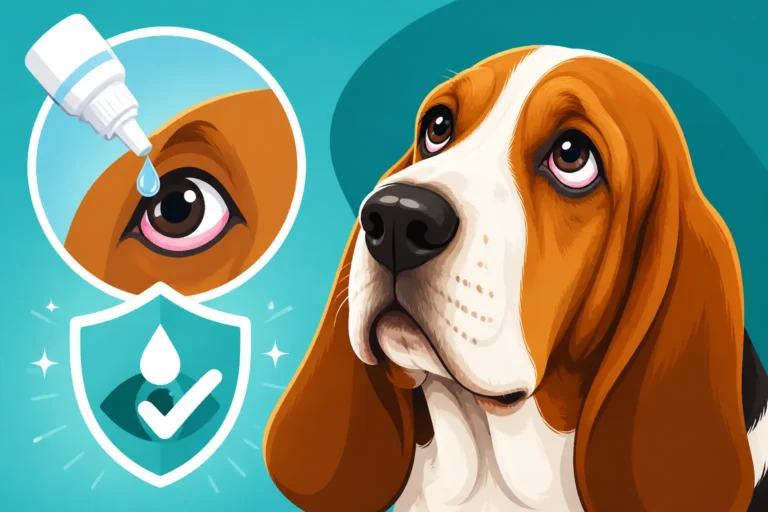
The moment you notice any of the subtle or obvious signs of glaucoma, your absolute top priority is to get your Basset Hound to a veterinarian. Do not delay. Call your vet immediately and explain your concerns; emphasize that you suspect glaucoma. They will likely want to see your Basset as soon as possible, often as an emergency appointment. When you get to the clinic, the vet will perform a thorough eye exam. The most important diagnostic tool for glaucoma is a tonometer, a device used to measure the intraocular pressure (IOP) within the eye. This test is quick, painless, and usually involves a numbing drop applied to the eye surface first.
If the IOP is elevated, your vet will discuss immediate treatment options, which typically involve eye drops to reduce the pressure. They may also refer you to a veterinary ophthalmologist, a specialist in eye diseases, especially if the diagnosis is uncertain or the condition is advanced. An ophthalmologist has specialized equipment and expertise to provide the most comprehensive diagnosis and treatment plan. Remember, time is vision when it comes to glaucoma, so don’t hesitate. Early diagnosis and intervention can significantly impact the outcome, potentially saving your Basset's sight and comfort. You might also ask whether a Basset Hound can be tested for glaucoma at annual check-ups.
Emergency Care Considerations
In cases where the glaucoma symptoms are severe—such as a very red, cloudy, or visibly enlarged eye, accompanied by obvious pain—it’s an outright emergency. If it's after hours or your regular vet isn't available, seek out an emergency veterinary clinic or a veterinary ophthalmologist's emergency service immediately. These severe signs indicate extremely high eye pressure that is rapidly damaging the optic nerve. Leaving it untreated for even a few hours can lead to irreversible blindness.
At an emergency clinic, the focus will be on aggressively reducing the intraocular pressure as quickly as possible. This often involves a combination of strong eye drops and sometimes oral medications to rapidly lower the pressure and alleviate pain. The vet will monitor the IOP closely. While the initial goal is to save the eye and vision, sometimes, if the damage is too extensive or the pressure cannot be controlled, the conversation might shift to pain management, which could, in some extreme cases, even involve removing the affected eye to relieve intractable pain. This is a tough conversation to have, but ensuring your Basset Hound's comfort is paramount. Having pet insurance like Healthy Paws can be incredibly helpful in these emergency situations, as treatment can be quite costly. Understanding what glaucoma surgery costs a Basset Hound owner can also help you prepare for the financial aspects of emergency care.
Managing the Condition and Long-Term Outlook
Once glaucoma is diagnosed, it's usually a lifelong condition that requires ongoing management. The goal of treatment is to maintain intraocular pressure within a normal range to prevent further damage to the optic nerve and preserve vision for as long as possible. This typically involves administering eye drops multiple times a day, every day. Consistency is key here; missing doses can allow pressure to spike and cause more damage. Your vet or ophthalmologist will work with you to find the right combination of medications and an appropriate schedule.
Regular follow-up appointments with the veterinary ophthalmologist are essential to monitor the eye pressure, assess vision, and adjust medications as needed. These checks might include a yearly eye pressure check. In some cases, medication alone may not be sufficient, and surgical options might be considered to improve fluid drainage or reduce fluid production. While glaucoma can be managed, it's important to have realistic expectations. The condition often progresses despite treatment, and vision loss can still occur over time. However, with diligent care, many Basset Hounds can maintain a good quality of life and some degree of vision for years. Remember, if you have pet insurance, companies like Healthy Paws can help cover a significant portion of these ongoing treatment costs, making long-term management more feasible for many families. It's a journey, but one you embark on with your Basset every step of the way.
Disclaimer
This article is intended for informational purposes only and does not constitute medical advice. Always consult with a qualified veterinarian or veterinary ophthalmologist for any health concerns or before making any decisions about your pet's health or treatment.