Whether a Basset Hound Gets Bladder Stones
It’s truly disheartening when your beloved Basset Hound, with their famously droopy eyes and long ears, suddenly starts acting differently, especially when it comes to something as basic as peeing. You might notice them straining, going more often, or even having accidents inside, and your heart sinks knowing something is wrong. This comprehensive guide is here to shed light on a common, yet often overlooked, issue: bladder stones in Basset Hounds, helping you understand, identify, and manage this uncomfortable condition.
Understanding Bladder Stones in Basset Hounds
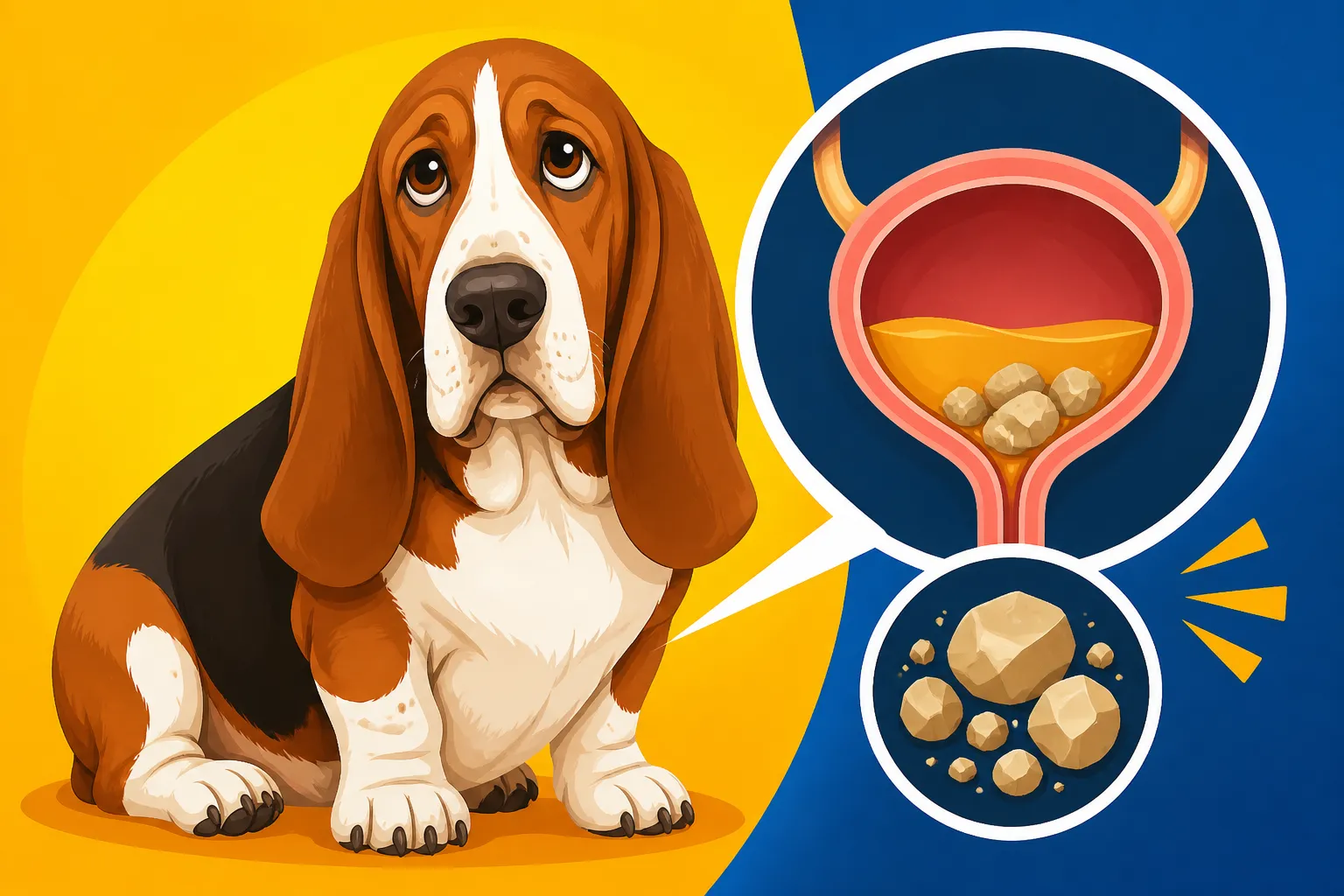
Bladder stones, or uroliths, are solid mineral formations that develop in the bladder. For Basset Hounds, these can be a particular concern, not necessarily because they're predisposed more than other breeds in all cases, but their unique physiology and common health challenges can sometimes contribute to their formation. It's not just a simple "stone" – there are different types, and understanding which type your Basset might have is crucial for effective treatment and prevention. It feels awful watching your dog struggle, and knowing what's going on is the first step to helping them find relief.
What Exactly Are Bladder Stones?
Imagine tiny crystals forming in your Basset's urine, gradually clumping together over time, getting larger and larger until they become solid stones. That’s essentially what bladder stones are. They can range dramatically in size, from tiny grains of sand that might be passed (though painfully!) to sizable rocks that can completely obstruct the urinary tract. These stones are usually made up of various minerals, and their formation is influenced by a complex interplay of factors including diet, urine pH, bacterial infections, and even genetics. For our Bassets, whose bodies already have some unique characteristics, understanding these factors is paramount. You might wonder if it’s just something they picked up, or if there’s a deeper reason. Often, it's a combination of things that creates the perfect storm for these painful formations.
The bladder's job is to store urine, and normally, the urine's composition helps keep these minerals dissolved. However, if the urine becomes too concentrated, if there's an imbalance in pH (acidity or alkalinity), or if an infection sets in, those dissolved minerals can precipitate out and start forming crystals. Think of it like making rock candy – you need a super-saturated solution for crystals to form. Once the crystals are there, they act as tiny anchors for more minerals to attach to, slowly building up into larger stones. It’s a slow, insidious process that often goes unnoticed until the stones are large enough to cause significant problems.
Common Types of Stones Affecting Bassets
While any dog can develop bladder stones, certain breeds, and specific circumstances, can make particular types more likely. For Basset Hounds, we typically see two main culprits: struvite and calcium oxalate stones. Each type forms under different conditions and requires a distinct approach to treatment and prevention, which can feel overwhelming when you’re trying to figure out the best path forward for your furry friend.
Struvite Stones: These are probably the most common type of bladder stone in dogs and are strongly associated with urinary tract infections (UTIs). When certain bacteria, like Staphylococcus or Proteus, are present in the bladder, they produce an enzyme called urease. This enzyme breaks down urea in the urine, leading to an increase in ammonia and a higher (more alkaline) urine pH. This alkaline environment is ideal for the formation of magnesium ammonium phosphate crystals, which are what struvite stones are made of. If your Basset Hound is prone to UTIs, which can sometimes be exacerbated by their long ears dragging on the ground or their general body shape, they might be at higher risk for struvites. Often, once the underlying infection is cleared with antibiotics, and a special diet is introduced, these stones can actually dissolve. It’s a huge relief when you find out they might not need surgery!
Calcium Oxalate Stones: Unlike struvite stones, calcium oxalate stones typically form in acidic or neutral urine and are not usually associated with bacterial infections. These stones are made of calcium and oxalate, and their formation is often linked to factors such as high calcium levels in the urine, certain metabolic conditions, and sometimes even genetic predispositions in certain breeds. While Basset Hounds aren't uniquely genetically prone like some other breeds (Miniature Schnauzers, Shih Tzus, Bichon Frises often get them), any dog can develop them. Unfortunately, calcium oxalate stones cannot be dissolved with diet and medication alone. Once they form, they almost always require surgical removal, which can be a stressful and costly prospect. This is where What a Basset Hound's Emergency Surgeries Cost or having a good insurance plan like Healthy Paws can really make a difference. Understanding these differences is absolutely critical for your vet to choose the right diagnostic and treatment path.
Here's a quick comparison of the two main types of bladder stones:
| Feature | Struvite Stones | Calcium Oxalate Stones |
|---|---|---|
| Composition | Magnesium ammonium phosphate | Calcium and oxalate |
| Urine pH | High (alkaline) | Low to neutral (acidic) |
| Association | Strong link to bacterial urinary tract infections | Metabolic factors, high urine calcium, genetic factors |
| Dissolution via Diet | Often possible | Not possible |
| Recurrence Risk | High if underlying causes aren't addressed | High, often requires lifelong dietary management |
| Typical Treatment | Antibiotics, prescription diet, surgery if large | Surgical removal, lifelong dietary management |
Recognizing the Signs and Symptoms
It’s easy to dismiss early signs as just "a little off" or "getting old," especially with a breed as generally stoic as a Basset Hound. But bladder stones can cause significant discomfort, and your Basset will often try to tell you something is wrong, even if it's subtle. Paying close attention to changes in their routine and behavior is crucial for catching these issues early, before they escalate into an emergency. No one wants to see their goofy, lovable Basset in pain.
Changes in Urination Habits
This is usually the first and most obvious clue that something might be amiss with your Basset's urinary system. These changes aren't always dramatic, but they are persistent, and as an attentive owner, you'll pick up on them.
- Frequent Urination (Pollakiuria): You might notice your Basset asking to go out more often, or squatting to pee multiple times on a single walk, only producing small amounts each time. It’s like they constantly feel the urge to go, but their bladder isn’t actually full. This happens because the stones irritate the bladder lining, making it feel like it needs to be emptied constantly. It's not just a nuisance; it's a sign of real discomfort.
- Straining to Urinate (Stranguria): This is one of the most heartbreaking signs to witness. Your Basset might squat for a long time, often arching their back, pushing hard, but only a few drops or nothing comes out. This straining is a clear indication that something is obstructing the flow of urine or causing severe irritation. Sometimes, they might even cry out softly during this process. If you see this, it’s a definite sign to call your vet immediately, as complete obstruction can be a life-threatening emergency.
- Urinary Accidents in the House: For a house-trained Basset Hound, having accidents indoors is a significant deviation from their normal behavior. This isn't usually a behavioral issue; it's often a sign that they simply cannot hold their urine, or the urge is so strong and sudden due to bladder irritation that they can’t make it outside in time. Don't scold them – they’re suffering and need your help.
- Blood in the Urine (Hematuria): This is a critical symptom and can make the urine appear pink, red, or even brownish. The stones can rub against the bladder wall, causing inflammation, irritation, and bleeding. While you might notice this more easily on light surfaces or snow, sometimes it's only detectable under a microscope during a urinalysis. Any visible blood in the urine, no matter how small an amount, warrants an immediate veterinary visit. It's a clear signal that something is seriously wrong internally.
Pain and Discomfort
Beyond the direct urination issues, bladder stones can cause generalized pain and discomfort, affecting your Basset's overall demeanor and activity levels. They might not be able to articulate their pain, but their body language will tell you volumes.
- Arching the Back or Hunching: A Basset Hound in abdominal pain, especially related to bladder issues, might stand or walk with an unusual hunched posture, trying to alleviate pressure on their sensitive bladder area. This can sometimes be confused with The Back Trouble a Basset Hound Is Built Into, but if accompanied by urinary symptoms, it points more directly to bladder discomfort. They're trying to protect their painful belly.
- Lethargy and Decreased Activity: If your normally playful (or at least enthusiastic about mealtime) Basset suddenly seems subdued, less interested in walks or toys, and just wants to lie around more, it could be a sign of systemic discomfort. Persistent pain is exhausting, and they might simply not have the energy or desire to engage in their usual activities.
- Loss of Appetite: Pain and discomfort can often lead to a decreased interest in food. If your Basset Hound, a breed notorious for its love of eating, starts skipping meals or showing less enthusiasm for their kibble, it’s a serious red flag. This can sometimes lead to weight loss, which, while sometimes desired if they’re a bit chunky (see Whether a Basset Hound Is Fat or Just Built That Way), is concerning if unexplained and accompanied by other symptoms.
- Abdominal Tenderness or Licking: Some Bassets might show sensitivity when you touch their abdomen, particularly in the lower belly area. They might flinch, growl, or even nip, which is very out of character. You might also notice them excessively licking their genital area, a self-soothing behavior to try and relieve the irritation or pain they’re feeling. This excessive licking can sometimes lead to skin irritation in the area, adding another layer of discomfort.
Diagnosis and Treatment Options
When you bring your Basset to the vet with these symptoms, they'll embark on a detective mission to figure out what's going on. Diagnosing bladder stones involves a combination of tests, and the treatment plan will depend heavily on the type of stone and its severity. It's a journey that can feel daunting, but knowing what to expect can ease some of your worries.
How Vets Diagnose Bladder Stones
Getting an accurate diagnosis is paramount for effective treatment. Your vet won't just guess; they'll use a combination of tools to confirm the presence and type of stones.
- Physical Exam: Your veterinarian will start with a thorough physical examination, feeling your Basset's abdomen. Sometimes, if the stones are large enough, they might even be able to palpate them through the abdominal wall, feeling like hard, grape-like structures in the bladder. They'll also check for any signs of pain or tenderness.
- Urinalysis: This is a cornerstone diagnostic test. A urine sample will be collected (ideally by cystocentesis, where a needle is inserted directly into the bladder to get a sterile sample). The urinalysis will check the urine's pH, look for blood, protein, and white blood cells (indicating infection), and most importantly, identify the presence of mineral crystals. The type of crystals found can give a strong indication of the type of stone forming. For instance, magnesium ammonium phosphate crystals suggest struvite, while calcium oxalate crystals point to that type.
- X-rays (Radiographs): This is often the most straightforward way to visualize bladder stones. Most bladder stones (like struvite and calcium oxalate) are radiopaque, meaning they show up clearly on X-rays as bright white objects. The X-rays will show the number, size, and location of the stones. Sometimes, stones can be hidden by bone structures, so your vet might take multiple views.
- Ultrasound: While X-rays are excellent for seeing most stones, an ultrasound provides a more detailed look at the bladder wall and can detect stones that might be too small for X-rays or are radiolucent (don't show up on X-rays, though these are less common). Ultrasound also allows the vet to assess the integrity of the bladder wall and check for any thickening or masses, offering a comprehensive view. It's especially useful for those difficult-to-see areas.
Medical Management Approaches
The good news is that not all bladder stones require immediate surgery. Depending on the stone type, your vet might recommend a non-surgical approach first, which can be a huge relief for both you and your Basset.
- Dietary Changes: For struvite stones, a specialized prescription diet is often the first line of defense. These diets are formulated to create an acidic urine pH and are low in magnesium, phosphorus, and protein – the building blocks of struvite stones. The goal is to dissolve the existing stones, which can take anywhere from a few weeks to several months. It's crucial that your Basset eats only this prescription food during treatment, as even a few treats or table scraps can alter urine pH and hinder dissolution. Companies like Royal Canin and Hill's make excellent prescription diets specifically for this purpose. If your Basset is prone to being overweight, which can lead to other health issues like What Extra Weight Does to a Basset Hound, your vet might recommend a weight-management version of these diets.
- Antibiotics: Since struvite stones are often linked to bacterial UTIs, a course of antibiotics is essential to clear the infection. The infection not only contributes to stone formation but also prevents their dissolution. Your vet will usually perform a urine culture and sensitivity test to ensure the correct antibiotic is chosen to target the specific bacteria present. It's vital to complete the entire course of antibiotics, even if your Basset seems to feel better, to prevent the infection from returning.
- Supplements: In some cases, your vet might recommend certain supplements to help manage urine pH or support urinary tract health. However, these are typically used as an adjunct to diet and antibiotics, not as standalone treatments. Always consult your vet before adding any supplements to your Basset's regimen, as incorrect supplementation can sometimes worsen the condition or interact negatively with other treatments.
Surgical Intervention When Necessary
While medical management is great when it works, sometimes surgery is simply unavoidable. This is particularly true for calcium oxalate stones, which don't dissolve, or for struvite stones that are too large, too numerous, or causing a complete urinary obstruction. The thought of your Basset going under the knife is terrifying, but it's often the quickest and most effective way to provide lasting relief.
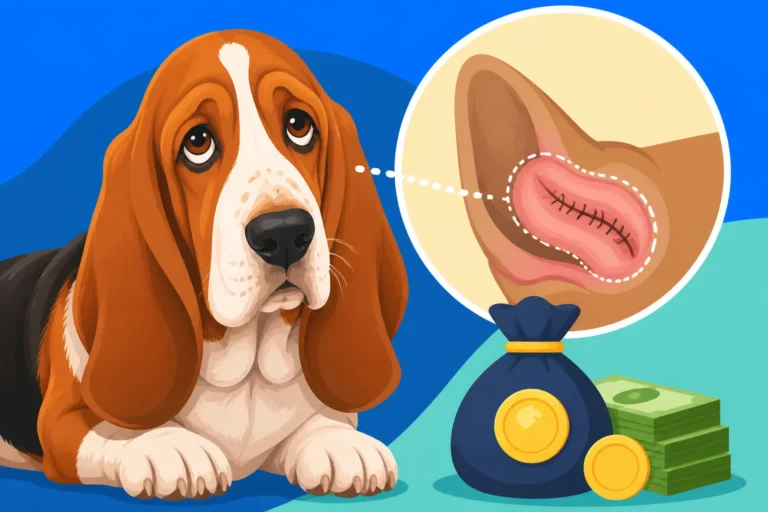
- Cystotomy: This is the most common surgical procedure for bladder stone removal. It involves a veterinarian making an incision into your Basset's abdomen to directly access and open the bladder. The stones are then physically removed. After removal, the bladder is carefully flushed to ensure all tiny fragments are gone, and then stitched closed. A sample of the stones will always be sent to a lab for analysis to confirm their type, which is critical for preventing future recurrence. Post-surgery, your Basset will need pain management and a period of restricted activity to heal. This can be a significant cost, which is where pet insurance like Healthy Paws proves its value.
- Less Invasive Options: In some specific cases, smaller stones might be removed using less invasive techniques. Urohydropropulsion involves flushing small stones out through the urethra while the dog is sedated. This works best for female dogs due to their wider, shorter urethra. Endoscopic removal uses a small camera and instruments inserted through the urethra to retrieve small stones. These options are less common for Basset Hounds with their specific anatomy but might be considered if appropriate.
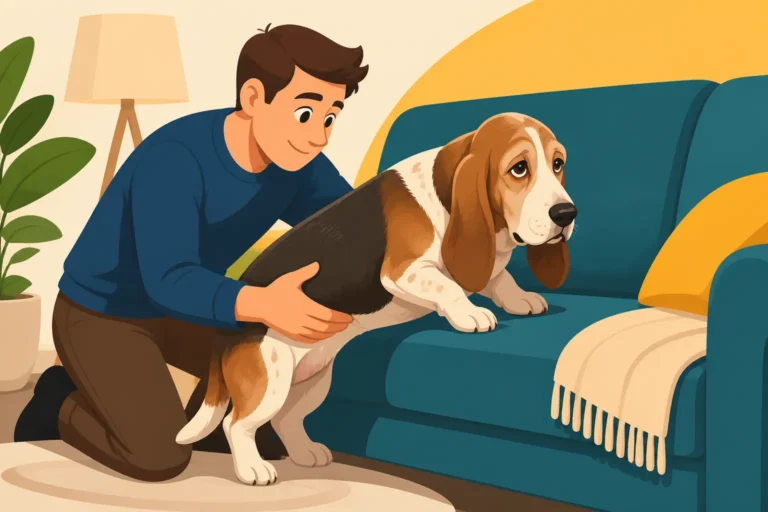
- Recovery Process: After surgery, your Basset will need careful monitoring. They'll typically go home with pain medication and possibly antibiotics. You'll need to keep an eye on their urination, looking for any signs of straining or blood. An Elizabethan collar (cone) is usually necessary to prevent them from licking their incision. Restricted activity, avoiding stairs and jumping, is critical for several weeks to allow the surgical site to heal properly. This also ties into Keeping a Basset Hound Off the Furniture It Should Not Jump From post-recovery. Follow your vet's post-operative instructions meticulously to ensure the best possible outcome.
Prevention and Long-Term Management
The good news is that once you know what type of stones your Basset is prone to, you can take proactive steps to prevent them from coming back. This often involves a commitment to specific dietary changes and regular monitoring, but it’s a small price to pay for your Basset’s comfort and long-term health.
Dietary Strategies to Prevent Recurrence
Diet plays a colossal role in both treating existing stones and preventing new ones. This isn't just about what you feed, but how you feed it.
- Specific Foods for Stone Prevention: If your Basset had struvite stones, they'll likely need to stay on a struvite-prevention diet (low in magnesium, phosphorus, and protein, with urine acidifiers) for life, or at least for an extended period. For calcium oxalate stones, the diet will focus on minimizing calcium and oxalate intake, often with higher moisture content to promote dilute urine. These prescription diets are scientifically formulated to alter urine chemistry in a way that discourages crystal formation. It’s not just any "healthy" dog food; it’s a targeted therapeutic approach.
- Maintaining Correct Urine pH: Your vet might ask you to periodically check your Basset's urine pH at home using pH strips, or they'll do it during routine visits. Maintaining the correct pH is key: acidic for struvite prevention, and slightly less acidic for calcium oxalate prevention. The prescription diets are designed to do this, but monitoring helps ensure it’s working effectively.
- Importance of Water Intake: Diluting the urine is one of the simplest yet most effective ways to prevent stones of all types. The more dilute the urine, the harder it is for crystals to form and clump together. Encourage your Basset to drink more water by:
- Offering fresh water in multiple bowls around the house.
- Using a pet fountain, which many dogs find more appealing.
- Adding water to their kibble or feeding wet food, which has a naturally higher moisture content.
- Some dogs even enjoy flavored water (e.g., a tiny bit of low-sodium chicken broth).
This can also contribute to Getting Weight Off a Basset Hound That Will Not Exercise as more water can make them feel fuller and support kidney function.
- Avoiding "Forbidden" Treats and Scraps: This is often the hardest part, especially when those Basset eyes are pleading! But even small amounts of non-prescription food, treats, or table scraps can throw off the delicate balance achieved by a prescription diet and negate its effects. Stick strictly to the vet-recommended diet and treats approved for their condition. If your Basset tends to Whether a Basset Hound Steals Food or is a notorious beggar, you'll need to be extra vigilant.
Regular Monitoring and Lifestyle Adjustments
Prevention isn't just about diet; it's also about proactive monitoring and making sensible lifestyle choices that support your Basset's overall urinary health.
- Routine Vet Checks and Urinalysis: Even if your Basset is doing well on their preventative diet, regular check-ups with your vet are essential. This usually includes periodic urinalysis to monitor urine pH, specific gravity (to check dilution), and to ensure no new crystals or signs of infection are appearing. Depending on the stone history, your vet might also recommend follow-up X-rays or ultrasounds to confirm the bladder remains stone-free. These routine visits can help catch any issues early, before they become serious or require What a Basset Hound's Emergency Surgeries Cost.
- Monitoring Urination at Home: As the owner, you're the first line of defense. Keep a close eye on your Basset's urination habits. Are they peeing normally? Any straining? Any blood? Are they going more frequently? The moment you notice any recurrence of previous symptoms, contact your vet. Early detection is key to managing potential recurrences effectively.
- Maintaining a Healthy Weight: Obesity can exacerbate many health conditions, including urinary tract issues. An overweight Basset might have more difficulty posturing to urinate, and excess fat can sometimes contribute to metabolic imbalances. Keeping a Basset Hound at Its Correct Weight is always important for their overall health and longevity, especially considering The Ten to Twelve Years a Basset Hound Lives. Discuss your Basset's ideal weight with your vet and stick to a controlled feeding plan. This is also where an insurance provider like Healthy Paws can help cover the costs of managing conditions related to weight, should they arise.
- Stress Reduction: While not a direct cause, chronic stress can suppress the immune system, potentially making a Basset more susceptible to infections, which can then lead to struvite stones. Ensuring your Basset has a stable, loving environment, regular mental stimulation (perhaps some fun scent work!), and a consistent routine can contribute to their overall well-being and immune health.
Bladder stones are certainly a challenging and uncomfortable condition for our Basset Hounds, but with careful veterinary guidance, appropriate treatment, and dedicated long-term management, they can lead full, happy, and stone-free lives.
Disclaimer
The information provided in this article is for educational purposes only and is not intended to be a substitute for professional veterinary advice, diagnosis, or treatment. Always seek the advice of your veterinarian or other qualified animal health provider with any questions you may have regarding a medical condition. Never disregard professional veterinary advice or delay in seeking it because of something you have read here.