Arthritis in a Basset Hound at Seven
It’s heartbreaking to see your usually vibrant, lumbering Basset Hound start to slow down, struggling with steps, or hesitating before jumping onto the sofa they once easily conquered. When your beloved Basset Hound hits the age of seven, you might begin noticing these subtle shifts, and it’s natural to worry. This guide aims to walk you through what arthritis looks like in a Basset at this critical age, how to spot the signs, and what you can do to keep them comfortable and happy.
Understanding Arthritis in Your Seven-Year-Old Basset Hound
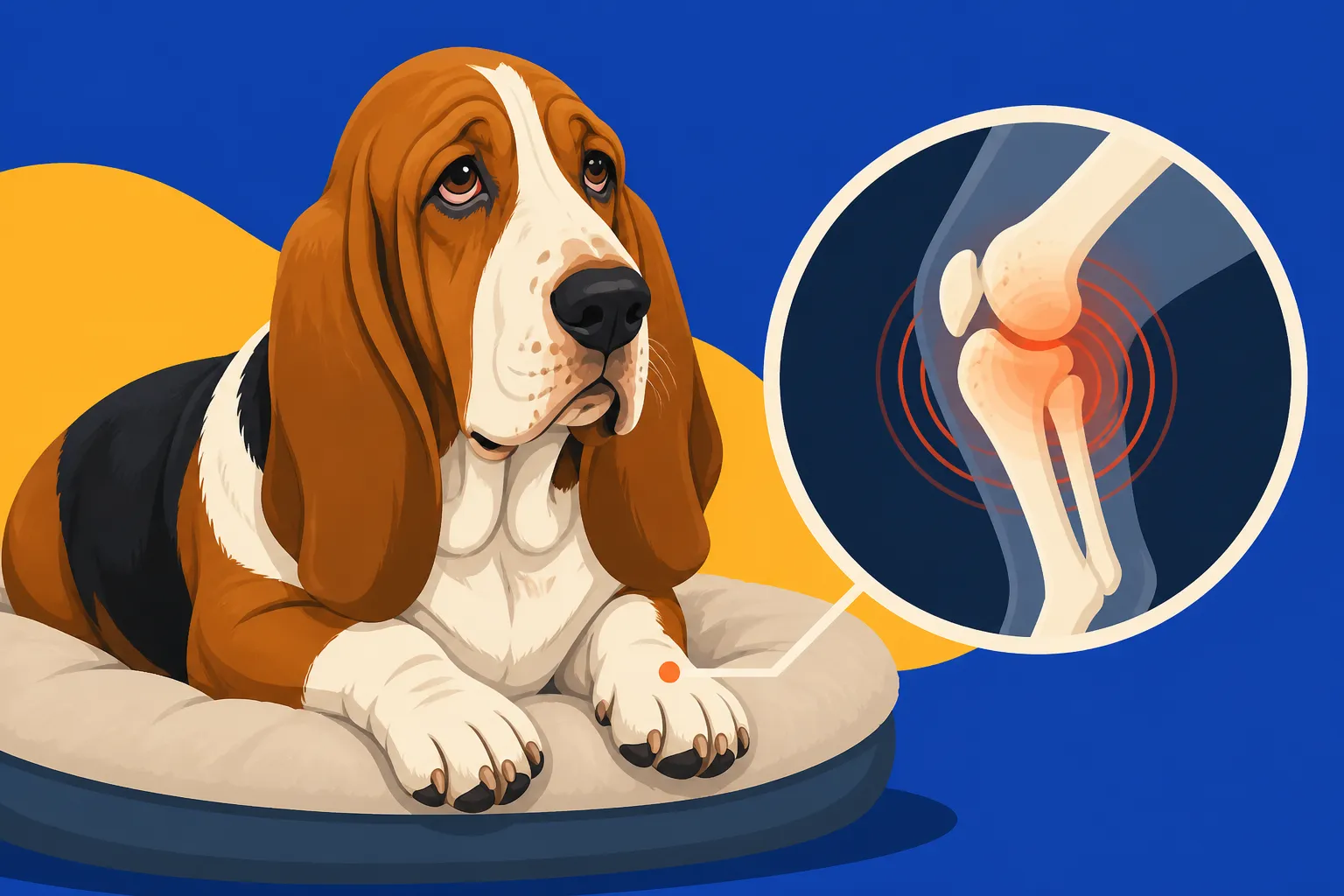
Reaching seven years old marks a significant milestone for a Basset Hound. While they might still have that puppy-dog gleam in their eyes, their bodies are starting to show the wear and tear of years spent sniffing the ground, carrying a substantial frame, and navigating the world with their uniquely long backs and short legs. Arthritis, or osteoarthritis as it’s medically known, is essentially the inflammation of one or more joints, leading to pain, stiffness, and reduced mobility. For a Basset, it's not a matter of if but often when these joint issues will begin to manifest.
Why Seven is a Critical Age for Bassets
For many Basset Hounds, seven is often considered the threshold into their senior years. While some breeds might not show significant signs of aging until eight or nine, a Basset’s distinctive build means their joints are under more stress from a younger age. Imagine carrying a substantial amount of weight on relatively short, bowed legs – it’s a lot of pressure on those hips, elbows, and shoulders day in and day out. By seven, the cumulative effect of all that activity, even just regular walking and enjoying life, starts to catch up. The cartilage, which acts as a cushion between the bones in a joint, begins to thin and degrade. This leads to bones rubbing against each other, causing inflammation and pain. It's not always a sudden onset; it's a gradual process, but by this age, the symptoms often become noticeable enough for owners to pick up on them. Recognizing The Age a Basset Hound Counts as Senior can help you adjust your expectations and care routines proactively.
The Specifics of Basset Hound Anatomy and Arthritis Risk
Basset Hounds are, without a doubt, one of the most charming and recognizable breeds, largely due to their unique physical characteristics. However, these very traits – their long, heavy bodies, short, stout legs, and deep chests – also predispose them to certain health challenges, especially joint issues like arthritis. Their short limbs mean they have to take more steps to cover the same distance as a longer-legged dog, which puts repetitive strain on their joints. Furthermore, their bowed front legs, a hallmark of the breed, can affect joint alignment, leading to uneven pressure distribution and accelerated wear on the cartilage in their elbows and shoulders. You can also explore whether a Basset Hound's Front Legs Are Meant to Bow to understand more about their unique structure. The deep chest and elongated spine also make them particularly susceptible to back issues, like Intervertebral Disc Disease in a Basset Hound, which can sometimes be mistaken for or exacerbate arthritis pain. It's a complex interplay of genetics, conformation, and lifestyle that makes arthritis a common companion for the aging Basset.
Recognizing the Subtle Signs of Arthritis
Spotting arthritis in a Basset Hound can be tricky because their stoic nature often means they'll try to hide their discomfort. They're not always going to yelp or limp dramatically. Instead, the signs are often subtle changes in their behavior or how they move. It’s important to be an attentive observer, watching for deviations from their usual routine or disposition.
Behavioral Changes That Hint at Pain
One of the first things you might notice is a change in your Basset Hound's usual enthusiasm. Maybe they're less excited about their morning walk, or they're slower to greet you at the door. Perhaps they used to love a good game of fetch but now seem disinterested. This isn't necessarily laziness; it could be a sign that movement causes them pain. You might observe them struggling to get up after a nap, taking longer to unfold their long bodies, or being reluctant to climb stairs – a common problem addressed in "Whether a Basset Hound Should Climb Stairs". They might also seek out warmer, softer places to rest, or even become a little grumpy if touched in a sensitive area. Some Bassets might start licking a particular joint excessively, a self-soothing behavior that indicates discomfort. Another common sign is a general reluctance to engage in activities they once enjoyed, which can often be dismissed as simply "getting old," when it's truly a manifestation of chronic pain.
Physical Manifestations and Gait Alterations
Beyond behavioral shifts, there are definite physical cues that your Basset Hound might be dealing with arthritis. Pay close attention to how they walk. Do they seem stiff, especially after resting? You might notice a subtle limp, a shorter stride, or a general awkwardness in their gait. Their hindquarters might appear weaker, or they might shift more weight to their front legs to compensate for painful hips. When they lie down, do they struggle to settle into a comfortable position? You might see them pacing for a bit before finally collapsing, rather than their usual graceful flop.
You can also gently feel along their joints – hips, knees, elbows, shoulders. Is there any swelling? Do they flinch when you touch a certain area? Sometimes, you might even feel a subtle grinding sensation if the cartilage is severely eroded. Muscle loss (atrophy) around an affected joint is another telling sign, as they're using that limb less. For instance, if one hip is painful, the muscles around it might become noticeably smaller compared to the other. Their overall posture might change, perhaps with a more hunched back, trying to alleviate pressure on certain joints.
Common Physical Signs of Arthritis in Basset Hounds
| Sign | Description |
|---|---|
| Stiffness | Difficulty getting up after rest, especially in the morning. |
| Limping/Lameness | Favoring one leg, a noticeable hobble, or uneven weight distribution. |
| Reduced Mobility | Hesitation to jump, climb stairs, or run; shorter strides. |
| Pain on Palpation | Flinching, vocalizing, or pulling away when affected joints are touched. |
| Swelling | Visible puffiness or warmth around a joint. |
| Muscle Atrophy | Noticeable loss of muscle mass around painful limbs. |
| Decreased Activity | Less interest in play, walks, or usual daily routines. |
| Changes in Posture | Hunching, holding limbs in unusual positions to alleviate discomfort. |
It’s worth noting that if your Basset Hound suddenly refuses to put weight on a leg, this could be a more acute injury, like a torn ligament, or a flare-up of existing arthritis, and warrants immediate veterinary attention. These signs are particularly important to monitor as a Basset Hound ages, especially when considering the implications of issues like Elbow Dysplasia in a Basset Hound which can be present from a younger age and worsen with time.
Diagnosing Arthritis and What to Expect at the Vet
When you suspect your seven-year-old Basset Hound might have arthritis, a trip to the veterinarian is the essential next step. It's easy to fall into the trap of thinking it's "just old age" and that nothing can be done, but that's simply not true. Early diagnosis and intervention can significantly improve your Basset's quality of life and slow the progression of the disease. Your vet will approach the diagnosis systematically, combining a thorough physical examination with diagnostic imaging.
The Veterinary Examination and Diagnostic Tools
When you bring your Basset Hound in, your vet will start with a comprehensive physical examination. They’ll likely observe your Basset walking, trotting, and even getting up and lying down, looking for any of the subtle gait alterations you might have already noticed. They will then perform a palpation, carefully feeling each joint, from the toes all the way up to the spine, checking for swelling, warmth, pain responses, or reduced range of motion. Don't be surprised if your Basset vocalizes or pulls away during this part; it helps the vet pinpoint the areas of discomfort.
To confirm the diagnosis and assess the severity of the arthritis, X-rays are usually the go-to diagnostic tool. X-rays allow the vet to visualize the bones and joints, showing changes like narrowed joint spaces, bone spurs (osteophytes), or increased bone density around the joints, which are all hallmarks of osteoarthritis. Sometimes, additional imaging like an MRI or CT scan might be recommended, especially if there's concern about spinal issues like Intervertebral Disc Disease, which can mimic or accompany arthritis pain. Blood tests might also be performed to rule out other conditions that could cause lameness or pain, and to ensure your Basset is healthy enough for any potential medications. Your vet will also want to discuss your Basset's history, their activity levels, any previous injuries, and the specific signs you've been observing at home. This holistic approach ensures a precise diagnosis and a tailored treatment plan.
Discussing Treatment Options and Management Plans
Once arthritis is confirmed, your vet will work with you to develop a comprehensive management plan. It's important to understand that arthritis is a progressive disease, meaning it will likely worsen over time, but treatment aims to manage pain, reduce inflammation, slow progression, and maintain a good quality of life. There isn't a "cure," but there are many effective ways to keep your Basset comfortable.
The discussion will likely cover a range of options, from medication to lifestyle changes. Non-steroidal anti-inflammatory drugs (NSAIDs) are a cornerstone of pain management for arthritic dogs, but your vet will consider your Basset's overall health before prescribing. They'll explain potential side effects and what to watch out for. Beyond medication, your vet might recommend joint supplements containing ingredients like glucosamine and chondroitin, which can help support cartilage health. You might be wondering, "Whether a Basset Hound Needs Joint Supplements?" and your vet can provide clarity based on your dog's specific condition. Weight management will also be a major topic, as excess weight places immense strain on already compromised joints, as discussed in "What Extra Weight Does to a Basset Hound". They might also suggest physical therapy, therapeutic exercises, or even alternative treatments like acupuncture or cold laser therapy, depending on what's available in your area and your Basset’s needs. This is a journey, and your vet will be your partner, adjusting the plan as your Basset's needs evolve.
Managing Arthritis for a Better Quality of Life
Living with a Basset Hound with arthritis means embracing a proactive, compassionate approach to their daily care. It’s about creating an environment where they can thrive despite their limitations, ensuring their comfort and happiness remain paramount. This involves a combination of medical interventions, thoughtful lifestyle adjustments, and supportive therapies.
Medication and Pain Relief Strategies
For many Basset Hounds with arthritis, medication plays a crucial role in managing pain and inflammation. The most common first-line treatment is Non-Steroidal Anti-Inflammatory Drugs (NSAIDs), such as carprofen (Rimadyl), meloxicam (Metacam), or firocoxib (Previcox). These medications are highly effective at reducing both pain and inflammation, allowing your Basset to move more freely and comfortably. However, like all medications, they come with potential side effects, particularly affecting the liver, kidneys, or gastrointestinal tract. Your vet will likely recommend regular blood tests to monitor these organ functions, especially when starting a new NSAID or using it long-term.
Beyond NSAIDs, other pain management options exist. Gabapentin is a nerve pain medication often used in conjunction with NSAIDs for more severe or chronic pain. Amantadine, another medication, can help with chronic neuropathic pain. Adequan injections (polysulfated glycosaminoglycan) are another option that can help improve joint fluid quality and protect cartilage. Your vet might also discuss newer therapies, such as Librela (bedinvetmab), a monoclonal antibody injection that targets nerve growth factor, a key mediator of pain. It's a monthly injection that can provide excellent pain relief with a different mechanism of action than NSAIDs, potentially reducing the risk of side effects on organs. The key is to work closely with your veterinarian to find the right combination and dosage that provides maximum relief with minimal side effects for your individual Basset Hound. Remember, never give your dog human pain medication without consulting your vet, as many are toxic to canines.
Lifestyle Adjustments and Home Care
Medication alone isn't enough; thoughtful modifications to your Basset Hound's home environment and daily routine are equally vital for managing arthritis. These adjustments focus on reducing strain on their joints and making their life easier and more comfortable.
- Weight Management: This is arguably the most critical factor. Even a few extra pounds put immense pressure on aching joints. Work with your vet to determine your Basset’s ideal weight and create a diet plan to achieve or maintain it. This often involves reducing calorie intake and choosing a high-quality, joint-supportive food. For more insights, refer to "Keeping a Basset Hound at Its Correct Weight".
- Controlled Exercise: While strenuous activity is out, regular, gentle exercise is crucial for maintaining muscle mass and joint flexibility. Think short, frequent walks on soft surfaces (like grass), rather than long, intense hikes. Avoid jumping, running on hard surfaces, or activities that involve sharp turns. A short walk several times a day is far better than one long, painful excursion. "Exercise for an Old Basset Hound" offers great tips on appropriate activity levels.
- Comfortable Bedding: An orthopedic bed is not a luxury; it’s a necessity. Memory foam or supportive, thick bedding helps cushion joints and distribute weight evenly, making it easier for your Basset to rest and get up. Place these beds in easily accessible, warm spots away from drafts.
- Ramps and Steps: Basset Hounds should never be allowed to jump off furniture or out of cars, especially with arthritis, as this can cause significant injury or pain flare-ups. Invest in ramps or pet stairs for accessing sofas, beds, and vehicles. This is directly related to the advice in "Whether a Basset Hound Should Jump Off Furniture".
- Non-Slip Surfaces: Slippery floors (hardwood, tile) can be treacherous for an arthritic dog, leading to slips and falls that exacerbate pain. Use rugs, runners, or carpet sections to provide traction in high-traffic areas.
- Warmth: Cold and damp weather can worsen joint pain. Provide a warm resting place, and consider a dog coat for outdoor excursions in chilly weather.
These seemingly small changes can make a profound difference in your Basset Hound's daily comfort and overall well-being.
Complementary Therapies and Supportive Care
Beyond traditional medicine and environmental adjustments, a range of complementary therapies can provide additional relief and support for your arthritic Basset Hound. These aren’t usually standalone treatments but work wonderfully in conjunction with your vet’s prescribed plan.
- Physical Therapy/Rehabilitation: A certified canine rehabilitation therapist can develop a personalized exercise program to improve muscle strength, flexibility, balance, and range of motion. This might include hydrotherapy (underwater treadmill), therapeutic exercises, massage, and stretching. Many vets offer referrals to such specialists.
- Acupuncture: This ancient Chinese practice involves inserting fine needles into specific points on the body to stimulate natural pain relief and reduce inflammation. Many dogs tolerate acupuncture very well, often finding it relaxing.
- Cold Laser Therapy (Low-Level Laser Therapy): This non-invasive therapy uses specific wavelengths of light to reduce pain and inflammation, and promote tissue healing. It’s often used in veterinary clinics and can provide significant relief for many dogs.
- Massage: Gentle massage can improve circulation, reduce muscle tension, and increase flexibility around arthritic joints. Learning basic techniques from a vet or canine massage therapist can be a wonderful way to bond with your Basset while providing comfort.
- Chiropractic Care: A veterinary chiropractor can assess and correct misalignments in the spine and other joints, which can be particularly beneficial for a breed like the Basset Hound with its long back, ensuring proper nervous system function and reducing compensatory pain.
When exploring these options, always ensure that the practitioner is certified in canine rehabilitation or the specific therapy they offer and that they work in conjunction with your primary veterinarian. A holistic approach that integrates several strategies often yields the best results for long-term comfort and mobility.
Proactive Steps to Support Joint Health
While arthritis is often an inevitable part of aging for many Basset Hounds, there's a lot you can do proactively, even before the age of seven, to support their joint health and potentially delay the onset or reduce the severity of symptoms. For those whose Bassets are already feeling the aches, these steps become even more crucial in managing the condition.
Maintaining a Healthy Weight
We've touched on this before, but it bears repeating with emphasis: maintaining your Basset Hound at their ideal, lean body weight is perhaps the single most impactful thing you can do for their joint health. Every extra pound your Basset carries puts additional strain on their joints, accelerating the wear and tear on cartilage and exacerbating existing arthritis pain. It's like asking someone with bad knees to carry a heavy backpack all day – it just makes everything worse.
Many Bassets are prone to gaining weight because of their love for food and their sometimes-reluctant attitude towards vigorous exercise. It can be hard to tell if a Basset is truly overweight versus just "stocky," but a simple test is to feel for their ribs. You should be able to feel them easily under a thin layer of fat without pressing hard. If you can't, or if you see a noticeable "barrel" shape, it's time for a conversation with your vet about a weight management plan. This plan will likely involve carefully measured portions of a high-quality, calorie-controlled diet and consistent, gentle exercise. Remember that "Getting Weight Off a Basset Hound That Will Not Exercise" can be a challenge, requiring creativity and patience. Even if your Basset is already arthritic, losing just 5-10% of their body weight can make a huge difference in their comfort level and mobility, often reducing the need for pain medication.
The Role of Diet and Supplements
Beyond simply controlling calorie intake, the quality of your Basset Hound's diet plays a significant role in supporting joint health. A well-balanced diet provides the necessary nutrients for overall health, including those that contribute to healthy cartilage and bone. Look for high-quality commercial dog foods that list real meat as the first ingredient and avoid excessive fillers. Some premium dog foods are formulated with "joint health" in mind, often containing ingredients like glucosamine, chondroitin, and omega-3 fatty acids.
Joint supplements can be a valuable addition to your Basset Hound's regimen, especially as they approach middle age or if they already show signs of arthritis.
- Glucosamine and Chondroitin: These are natural compounds found in healthy cartilage. When given as supplements, they are believed to help repair and maintain cartilage, and improve the viscosity of joint fluid. It’s important to choose reputable brands, as the quality and concentration can vary.
- Omega-3 Fatty Acids (EPA and DHA): Found in fish oil, these powerful anti-inflammatory agents can help reduce joint pain and stiffness. They also offer benefits for skin, coat, and cognitive function.
- MSM (Methylsulfonylmethane): This is a natural sulfur compound with anti-inflammatory and pain-relieving properties.
- Green-lipped Mussel: This New Zealand shellfish extract is gaining popularity for its anti-inflammatory and joint-protective properties, containing a unique combination of fatty acids and glycosaminoglycans.
Always discuss any supplements with your veterinarian before starting them. They can advise on the appropriate dosage, potential interactions with other medications, and recommend specific brands that they trust. Some pet insurance providers, like Healthy Paws, may even cover certain alternative therapies and supplements if prescribed by a vet, which can significantly ease the financial burden of long-term arthritis management. Ensuring your Basset Hound's diet and supplement routine are optimized for joint health is an investment in their long-term comfort and happiness.
Protecting Your Basset Hound's Joints Throughout Life
While arthritis at seven might feel like a new challenge, the truth is that the cumulative effects of a Basset Hound's unique conformation and lifestyle build up over years. Therefore, protecting their joints should be a lifelong endeavor, starting from puppyhood and continuing well into their golden years. Thinking proactively about their daily activities and environment can make a world of difference.
Smart Exercise and Activity Planning
For a breed like the Basset Hound, "exercise" doesn't always mean intense running or jumping. Their long backs and short legs aren't built for high-impact activities. Throughout their lives, focus on moderate, consistent exercise that builds muscle without straining joints. For puppies, this means avoiding excessive running, jumping from heights, or navigating stairs frequently. "Whether a Basset Hound Puppy Should Be Kept From Stairs" is a question often asked, and the answer is usually yes, to protect developing joints.
As they mature, daily walks on varied, soft terrain are ideal. Think sniff-walks in the park, gentle strolls around the neighborhood, or exploring a nature trail. Avoid pavement pounding for extended periods. Activities like swimming can be fantastic, as they provide a full-body workout with minimal impact on joints, assuming your Basset is comfortable in water. If your Basset Hound loves scent work, this can be an excellent low-impact mental and physical activity. Just be mindful of their energy levels and watch for any signs of fatigue or discomfort, especially in older Bassets. Always prioritize quality of movement over quantity.
Environmental Modifications from an Early Age
Many of the home adjustments we discussed for arthritic Bassets are actually beneficial for all Basset Hounds, regardless of age, as preventative measures.
- Ramps and Steps: Teach your Basset Hound to use ramps or pet stairs to get on and off furniture or into vehicles from a young age. This establishes a habit that protects their spine and joints, preventing them from developing painful habits of jumping. Think about "Whether a Basset Hound Should Use a Ramp" as a standard part of their home environment.
- Non-Slip Flooring: Even agile young Bassets can slip and slide on slick floors, leading to accidental strains or injuries that can predispose them to arthritis later. Covering slippery surfaces with rugs or runners protects their paws and joints.
- Appropriate Crating and Bedding: A properly sized crate allows them to stand, turn around, and lie down comfortably. Providing supportive, comfortable bedding in their crate and around the house encourages healthy resting positions.
- Safe Lifting Techniques: Because of their long backs, Basset Hounds should always be lifted correctly, supporting both their chest and hindquarters. Avoid lifting them by the front legs or under the armpits, as this can put strain on their spine and shoulders. "How to Lift a Basset Hound Safely" is a vital skill for any owner.
- Temperature Control: Protect your Basset from extreme cold and dampness, which can exacerbate joint pain. A warm, dry bed and appropriate outdoor wear in winter can help.
By implementing these environmental and activity modifications early on, you can significantly reduce the cumulative stress on your Basset Hound's unique anatomy, contributing to a healthier, more comfortable life as they age. And don't forget the peace of mind that comes with good pet insurance; while we hope for the best, having a plan for potential health issues with a provider like Healthy Paws can truly alleviate stress when those unexpected vet bills arrive.
The Long-Term Outlook for Your Arthritic Basset Hound
Discovering your Basset Hound has arthritis can feel overwhelming, but it's important to remember that this diagnosis is not a death sentence for their happiness or quality of life. With proper management and a dedicated owner, many Basset Hounds can continue to lead fulfilling, comfortable lives for years after diagnosis. The key is consistent, compassionate care and an ongoing partnership with your veterinarian.
Embracing a New Normal and Monitoring Progress
Living with an arthritic Basset Hound means adjusting expectations and embracing a "new normal." Their walks might be shorter, their play sessions gentler, and their movements slower. It's about quality over quantity. Focus on enriching their lives in ways that don't put undue stress on their joints, such as scent games, puzzle toys, and plenty of cuddles.
Regular monitoring is crucial. Keep a journal of your Basset’s good days and bad days, noting any changes in their mobility, appetite, or demeanor. This information is invaluable to your vet when adjusting medication or treatment plans. You should schedule regular check-ups, often every 3-6 months, to assess their pain levels, monitor for medication side effects, and re-evaluate their overall joint health. These visits may include re-evaluation of their mobility, body condition score, and sometimes follow-up imaging or bloodwork. Don't hesitate to contact your vet between appointments if you notice a significant decline or a new symptom.
Remember, arthritis is progressive, so treatment plans will evolve. What works today might need adjustments in six months or a year. Staying flexible and proactive is the best way to ensure your Basset Hound remains as comfortable and happy as possible.
The Importance of Veterinary Partnership and Financial Planning
Your veterinarian is your most valuable ally in managing your Basset Hound's arthritis. They are the experts who can accurately diagnose the condition, prescribe appropriate medications, recommend specific therapies, and guide you through the journey. Don't be afraid to ask questions, express concerns, or seek clarification on any aspect of your Basset's care. Building a strong, trusting relationship with your vet is paramount.
Arthritis management, particularly with advanced therapies and long-term medication, can incur significant costs. It’s a realistic concern for many owners. Discussing the financial implications of different treatment options with your vet upfront can help you plan. This is where pet insurance can be a literal lifesaver. Many owners realize that "What Insuring a Basset Hound Runs Monthly" is a small price to pay for the peace of mind it offers, covering a substantial portion of chronic care costs. Companies like Healthy Paws offer comprehensive plans that can cover diagnostics, medications, physical therapy, and even some alternative treatments for chronic conditions like arthritis, allowing you to prioritize your Basset's health without financial stress. If insurance isn't an option, consider setting up a dedicated savings fund for your Basset's ongoing medical needs. Proactive financial planning ensures that you can provide the best possible care for your beloved Basset Hound throughout their golden years.
Disclaimer
This article is intended for informational purposes only and does not constitute veterinary advice. Always consult with a qualified veterinarian for any health concerns or before making any decisions about your Basset Hound's health or treatment plan. Individual circumstances may vary.