Whether a Blind Basset Hound Copes
Watching your beloved Basset Hound begin to lose their sight, or even go completely blind, can be absolutely heartbreaking and terrifying. It's a deeply worrying experience for any dog parent, leaving you to wonder if they'll ever be truly happy or independent again. Many of us grapple with feelings of guilt, fear, and uncertainty, questioning how we'll manage and if our furry companions will simply stop coping. This guide is here to reassure you that, yes, a blind Basset Hound can absolutely cope, thrive even, with the right love, patience, and practical adjustments.
The Reality of Blindness in Basset Hounds and Initial Adjustments
When a Basset Hound starts to lose its sight, it's a gradual process for some, or a sudden, devastating event for others, perhaps due to conditions like The Glaucoma a Basset Hound Inherits. This can leave owners feeling utterly overwhelmed, not knowing where to start. The good news is, Basset Hounds are incredibly resilient, and their other senses, especially their unparalleled nose, often compensate beautifully for vision loss. They're not dogs that rely heavily on speed or agility, which can make the transition a bit smoother compared to more visually dependent breeds.
Understanding the Causes of Vision Loss
Blindness in Basset Hounds isn't a single condition; it can stem from various health issues, with some being more common than others. One of the most heartbreaking causes is glaucoma, a genetic condition that sadly plagues many Bassets. This isn't just about dimming vision; it's often incredibly painful, leading to a swollen, cloudy eye and eventually complete blindness if not managed aggressively. Other causes might include cataracts, progressive retinal atrophy (PRA), sudden acquired retinal degeneration syndrome (SARDS), or even injury. It's crucial to get a definitive diagnosis from your vet or a veterinary ophthalmologist to understand the prognosis and pain management options. If you suspect glaucoma, remember that Whether a Basset Hound's Red Eye Is an Emergency is a resounding yes—time is of the essence to try and save any remaining vision or alleviate pain. Regular veterinary check-ups are vital, and it’s a good idea to consider pet insurance from providers like Healthy Paws early on, as the costs associated with diagnosing and treating these conditions, including What Glaucoma Surgery Costs a Basset Hound Owner, can be substantial.
The First Few Weeks: Learning to Navigate a New World
The period immediately following a Basset Hound's blindness diagnosis, or when their vision significantly declines, is often the most challenging, both for them and for you. Imagine waking up one day and your familiar home is suddenly a maze. Your Basset will likely experience confusion, anxiety, and may bump into things, become disoriented, or even seem withdrawn. This is entirely normal. They're essentially creating a mental map of their environment using their nose, ears, and whiskers. During this time, consistency is your best friend. Try to keep furniture in the same place. Don't redecorate or move their food and water bowls around randomly. Your Basset needs stability to build confidence. You might notice them sniffing the ground more intently, using their long ears to gather more scent, or even walking a bit slower. This intense engagement of their other senses is a powerful adaptation mechanism.
As an owner, your patience will be tested. It’s natural to want to scoop them up and carry them everywhere, but empowering them to explore and learn their new environment independently (within safe limits) is key to their long-term well-being. Think of it as a quiet, scent-based exploration mission. Gently guide them with your voice and by allowing them to follow your scent. Many dogs find comfort in routine, so stick to regular feeding times, potty breaks, and walks. This predictability reduces stress and helps them feel secure.
Practical Adjustments and Home Modifications for Safety
Creating a safe and navigable environment is paramount for a blind Basset Hound. Their low-slung bodies and keen noses actually give them an advantage in sensing the ground, but potential hazards still exist. You want to transform your home into a consistent, obstacle-free zone where they can move with confidence.
Creating a Safe Indoor Haven
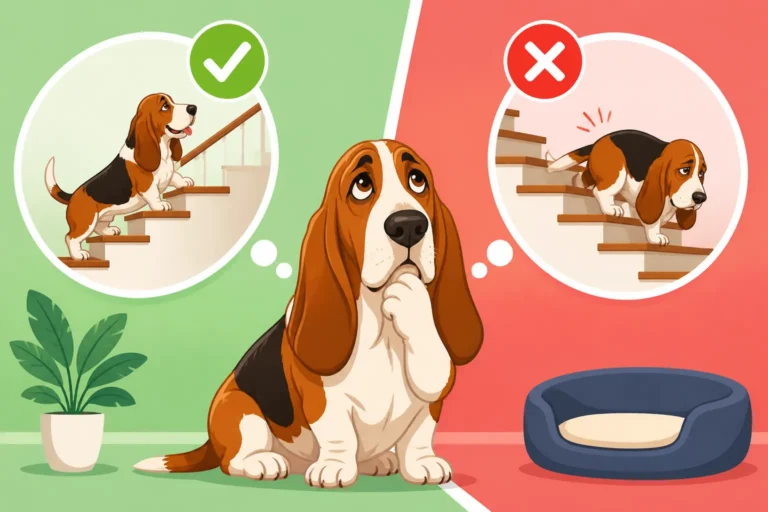
The first step is to "Basset-proof" your home. Start by walking through each room from your dog's perspective, noticing potential dangers. Sharp furniture corners, precarious objects, or even stairs can pose a significant risk. Baby gates are invaluable for blocking off stairs or rooms that aren't safe or are too cluttered. Consider soft bumpers or padding for sharp table legs or hearths to prevent painful bumps. Placing textured mats or small rugs at transitions between rooms or at the top and bottom of steps can provide tactile cues, signaling a change in environment. For their comfort, ensure their bed is easily accessible and in a consistent, familiar spot. You might also look into What an Orthopedic Bed Costs for a Basset Hound as these can provide extra comfort for an aging or arthritic dog, something that becomes even more important for a blind one who might be more prone to clumsy movements.
Another simple yet effective trick is to use different scents for key areas. A few drops of vanilla extract on a cotton ball taped near their water bowl, or a dab of lavender oil (ensure it's dog-safe and diluted) near their favorite sleeping spot, can create a scent trail they can follow. This utilizes their incredible sense of smell, turning it into a powerful navigation tool. Consistency is crucial here too; once you introduce a scent cue, keep it consistent.
Navigating Outdoors and Walks
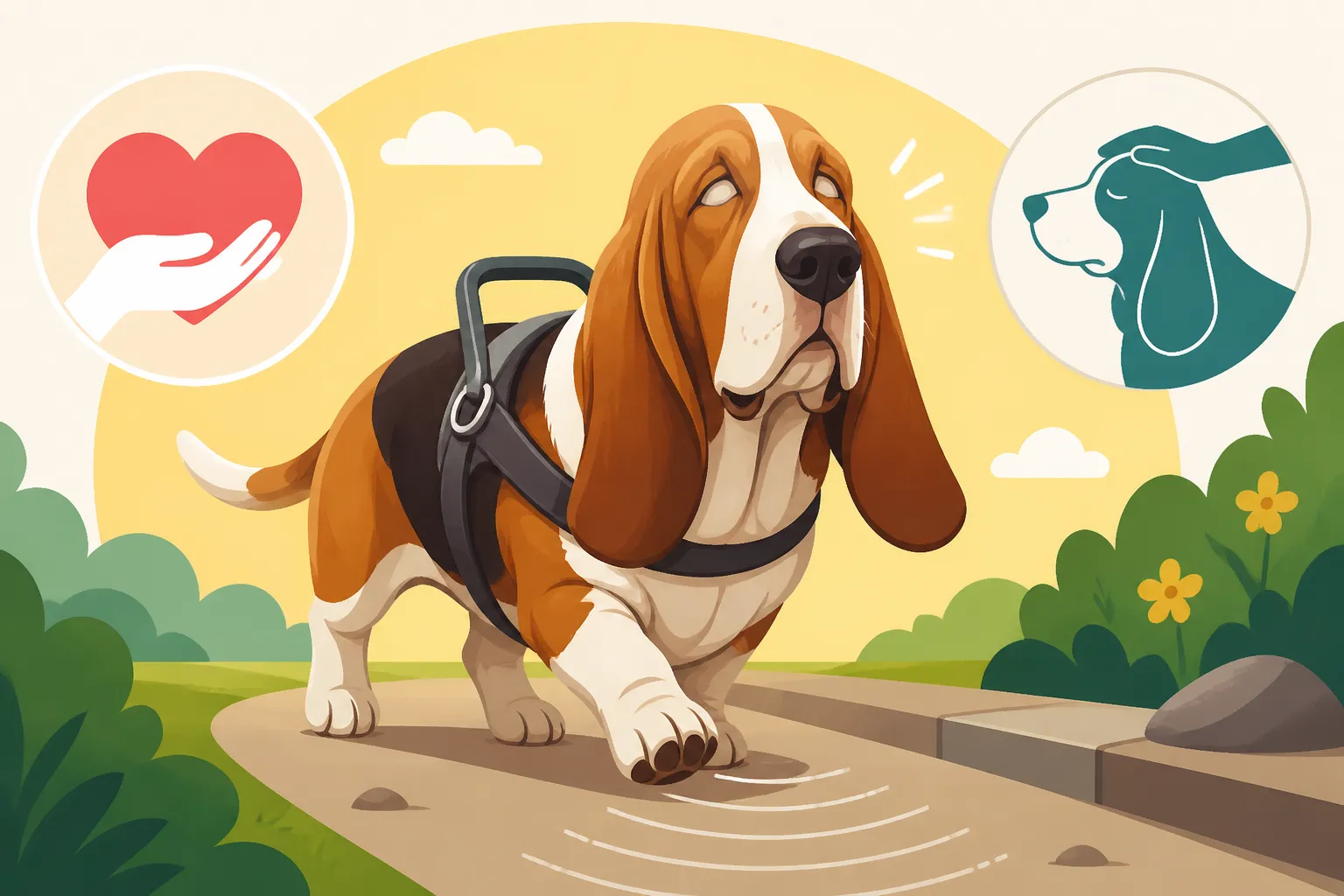
While off-leash adventures are generally not recommended for blind Basset Hounds due to their powerful scent drive and inability to see hazards, daily walks are still incredibly important for their physical and mental health. A long leash or a retractable lead used responsibly in a familiar, safe, and fenced area can allow them some freedom to explore. Always walk your blind Basset Hound on a leash in public spaces. A sturdy harness is usually preferable to a collar, providing better control and comfort, especially if they might unexpectedly pull or stumble.
When out and about, be their eyes. Anticipate obstacles, verbally guide them, and be mindful of uneven terrain, curbs, or other dogs. Phrases like "step up," "step down," "watch out," or "this way" become their verbal compass. Many owners find success in walking a consistent route, allowing their Basset to memorize the smells and sounds. This consistency builds confidence. For those with fenced yards, regular checks for holes or insecure gates are essential. Remember, their nose might lead them right out of an unsecured perimeter. Even if you have a completely secure yard, supervising them is always a good idea, as they won't see a sudden squirrel or a visiting cat.
Enhancing Quality of Life and Ongoing Care
A blind Basset Hound's quality of life doesn't diminish with their sight; it simply changes focus. It’s about engaging their other senses and providing a life rich in experiences, just tailored differently.
Engaging Their Senses: Nose Work and Sound Cues
The Basset Hound's superpower is its nose, and a blind Basset will lean into this even more. Embrace nose work! This isn't just a fun activity; it's mentally stimulating, builds confidence, and tires them out in a healthy way. Hide treats around the house, use snuffle mats, or engage in simple scent games where they follow a treat trail. You can even dab essential oils (again, ensuring they are safe for dogs) on various toys and hide them, encouraging them to find specific scents. Think of how much a Basset Hound loves to track; this just brings that natural instinct into your home. You can even read about Giving a Basset Hound's Nose Something to Do for more ideas.
Sound cues are equally important. Teach them a specific sound that means "stop" or "come here." A clicker can be fantastic for positive reinforcement, giving them precise auditory feedback. Soft background music or a white noise machine can sometimes help reduce anxiety, especially if they're particularly sensitive to sudden, unfamiliar sounds. Remember, their hearing might become more acute as their vision fades, so be mindful of loud noises.
Maintaining Routine and Emotional Support
Basset Hounds thrive on routine, and for a blind dog, it’s even more critical. Predictability reduces anxiety and helps them feel secure in their environment. Stick to regular feeding, potty, and playtimes. Even grooming sessions can be part of the routine, providing comfort through touch. When interacting with your blind Basset, always speak to them before touching them to avoid startling them. Approach them slowly and let them sniff your hand first. Consistent verbal reassurance and gentle physical contact will reinforce their bond with you and help them feel loved and safe.
It's natural for owners to feel a range of emotions, from sadness to frustration. Remember, your Basset Hound relies on your calm energy. If you're stressed, they'll pick up on it. Seek support from online communities or local dog trainers who have experience with blind dogs. Organizations like the American Council of the Blind's "Guide Dog Users, Inc." sometimes offer resources for pet owners too, even if it's not strictly a guide dog. Your dog may become a bit more clingy or dependent, and that's okay. Offer them extra cuddles and reassurance. If you’re concerned about the financial aspects of ongoing care, a good pet insurance plan from Healthy Paws can truly be a lifeline, covering a significant portion of veterinary costs for unforeseen conditions or treatments that might arise with a senior or visually impaired Basset.
Mobility and Comfort Aids
As Basset Hounds age, they are prone to joint issues, and a blind Basset might be more susceptible to bumps and falls. Providing ramps for access to furniture or cars can be incredibly helpful. Instead of letting them jump off the sofa – which is a huge no-no for a Basset Hound's back anyway – teach them to use a ramp. You can learn more about Helping an Old Basset Hound Onto the Couch and why it's so important to prevent jumping. Non-slip runners or rugs throughout the house, especially on slick flooring, can provide much-needed traction and confidence. Halo devices, like the Muffin's Halo, are also fantastic tools. These lightweight rings fit around their head and gently bump into obstacles before their face does, acting as a bumper and giving them a tactile warning system. This small adjustment can dramatically increase their independence and reduce anxiety about collisions.
It's also worth noting that older Basset Hounds often experience a general decline in mobility, which can exacerbate the challenges of blindness. Keep an eye out for signs like The Old Basset Hound That Cannot Get Off the Floor or general stiffness, as these could indicate arthritis, making navigation even harder. Regular vet check-ups are key to managing pain and keeping them as comfortable as possible.
What to Expect in the Long Term
Living with a blind Basset Hound is a journey, not a sprint. There will be good days and challenging days, but with patience and dedication, your Basset can continue to live a full and happy life.
Continued Adaptation and Building Confidence
Over time, your Basset Hound will become incredibly adept at navigating their world without sight. Their mental map of your home will solidify, and they'll move with more confidence. You might be surprised at how quickly they learn to compensate. They might even develop new little quirks, like sniffing the air more frequently or holding their head at a different angle to better catch sounds. Celebrate these small victories and encourage their independence. Don't fall into the trap of over-coddling, which can sometimes lead to learned helplessness. Allow them to explore and figure things out, offering gentle guidance when needed. This approach fosters a more confident and resilient dog. Remember, a blind dog isn't broken; they simply experience the world differently.
The Role of Veterinary Care and Support Systems
Ongoing veterinary care is critical. Regular check-ups allow your vet to monitor their overall health, manage any underlying conditions (such as arthritis or further progression of glaucoma in the other eye if only one was affected), and address any new issues that arise. Discuss pain management options, especially if they have conditions like glaucoma that cause discomfort. Your vet can also be a wonderful resource for connecting you with local support groups or specialists who can offer additional guidance. Don't hesitate to ask about behavioral changes you observe, as these can sometimes indicate pain or underlying anxiety. For instance, if your Basset Hound is constantly shaking its head, it could be a sign of ear trouble, which, while unrelated to blindness, needs prompt attention. Remember, comprehensive pet insurance plans, like those offered by Healthy Paws, can significantly ease the financial burden of these ongoing medical needs, allowing you to prioritize your dog's health without added stress.
A Full and Happy Life Awaits
Ultimately, a blind Basset Hound can absolutely lead a rich, joyful, and fulfilling life. Their capacity for love, joy, and connection remains undiminished. While their world may be darker, their spirits can still shine brightly. Many owners of blind dogs report that their bond with their furry friend deepens as they navigate these challenges together. You become their trusted guide, and they, in turn, teach you invaluable lessons about resilience, adaptability, and unconditional love. Focus on providing a consistent, safe, and stimulating environment, and you’ll find that your Basset Hound will not only cope but flourish. They might not see the world, but they'll experience it with all their heart and nose, bringing just as much joy and companionship as any sighted dog.
Here's a quick overview of common adaptations for a blind Basset Hound:
| Area of Life | Common Challenges | Recommended Adaptations |
|---|---|---|
| Indoor Navigation | Bumping into furniture, getting disoriented, falls down stairs | Keep furniture consistent, baby gates for stairs, textured mats for transitions, scent markers, padded furniture corners. |
| Outdoor Safety | Wandering off, encountering hazards, getting lost | Always use a leash, consistent walk routes, secure fenced yard, verbal cues, tracker on collar. |
| Mental Stimulation | Boredom, anxiety due to lack of visual input | Nose work games, snuffle mats, puzzle toys with scent, consistent routines, interactive toys. |
| Physical Safety | Falls, injuries, inability to gauge distances | Ramps for beds/cars, non-slip rugs, halo devices (e.g., Muffin's Halo), safe lifting techniques. |
| Emotional Well-being | Anxiety, fear, confusion, withdrawal | Consistent routine, gentle verbal cues before touch, calm demeanor, extra cuddles, familiar comfort items, positive reinforcement. |
Disclaimer
This article is for general informational purposes only and does not constitute professional advice. Laws, prices and regulations vary by location and change over time. Consult a qualified professional for guidance on your specific situation.