Whether a Basset Hound Needs a Yearly Eye Pressure Check
Many Basset Hound owners find themselves constantly worried about their beloved companion's health, and their distinctive, soulful eyes are often a particular concern. It's truly heartbreaking to imagine them experiencing discomfort or losing their sight, especially when you know certain breeds are predisposed to specific issues. One common question that weighs heavily on our minds is whether a Basset Hound needs a yearly eye pressure check, and if so, how critical it is. This comprehensive guide aims to shed light on this vital aspect of Basset Hound care, explaining why these checks are so important and what you, as a loving owner, can do to protect your hound's vision.
The Unique Vulnerability of Basset Hound Eyes
Let's be frank: Basset Hounds are wonderful, lovable clowns, but they're not without their genetic quirks, and unfortunately, their eyes are one area where we need to be extra vigilant. Many owners assume that because their Basset's eyes look a bit droopy, or they tear up a bit, it's just part of the breed. While some features, like the classic "hound haw" (visible third eyelid), are normal, ignoring specific, recurring eye issues can lead to profound, irreversible problems. The truth is, without regular veterinary checks, you might miss crucial signs of a devastating condition that can steal your Basset's sight.
Understanding Glaucoma and Basset Hound Genetics
When we talk about eye pressure checks, what we're really talking about, primarily, is guarding against glaucoma. Glaucoma is a truly insidious disease, and it's particularly prevalent in our floppy-eared friends. For Basset Hounds, the concern is often a hereditary form, specifically primary open-angle glaucoma. This isn't just a random occurrence; it's written into their genetic code. It's the kind of thing that makes you feel a knot in your stomach, knowing you've inherited a predisposition for something so serious. If you've ever wondered if "Glaucoma Runs in Basset Hound Lines", the answer is a resounding yes, making proactive screening incredibly important.
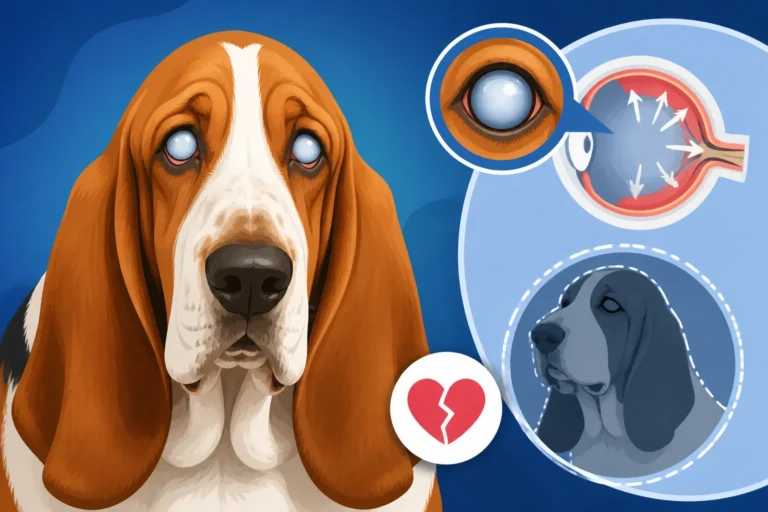
The issue with primary open-angle glaucoma is that the eye doesn't drain fluid properly, leading to a build-up of pressure. This increased pressure then damages the optic nerve, which is the direct link between the eye and the brain. Over time, this damage leads to pain and irreversible vision loss. It's not a sudden event, but a gradual, relentless progression that often goes unnoticed by owners until significant damage has already occurred. This is why a simple "Whether a Basset Hound Can Be Tested for Glaucoma" isn't just a question of if, but of when and how often. It’s a sad reality that without intervention, "Whether a Basset Hound Goes Blind From Glaucoma" isn't a matter of if, but usually when.
Why Early Detection is a Game Changer
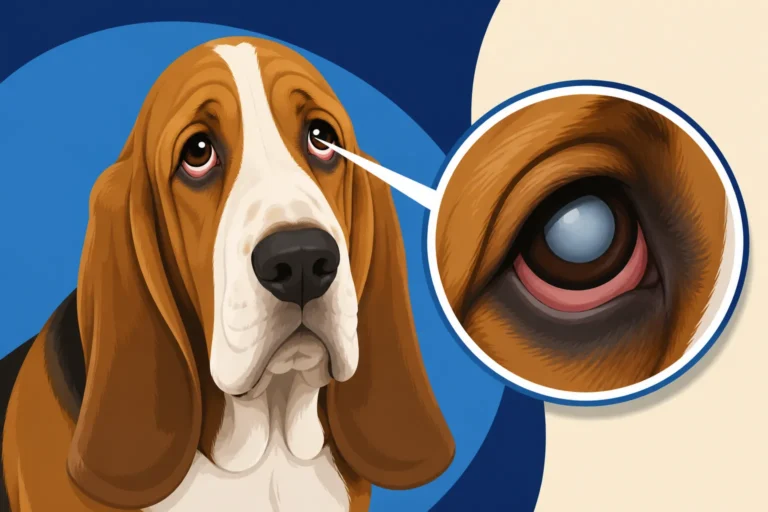
The frustrating thing about glaucoma is that by the time you see obvious signs – a visibly red eye, excessive tearing, squinting, or your Basset bumping into things – the pressure has likely been high for a while, and permanent damage might already be done. This isn't like a cut paw where you immediately know something's wrong. Glaucoma often progresses silently in its early stages, meaning your hound could be experiencing discomfort or vision loss without you even realizing it. The very first subtle indicators can be so easily dismissed as just "being a Basset."
This is precisely why regular eye pressure checks are not just a good idea, but a vital part of preventative care for our Bassets. Catching elevated eye pressure before it causes significant damage allows for much more effective intervention. Medications, when started early, can often manage the pressure and slow the progression of the disease, preserving your Basset's precious sight for much longer. It's about giving them the best possible quality of life, extending their years of being able to chase scents and gaze lovingly up at you. Ignoring these checks is akin to ignoring a ticking time bomb; you simply don't know when it's going to go off.
What Happens During an Eye Pressure Check
The thought of an eye pressure check might sound intimidating, both for you and your Basset. You might picture complicated machinery or a procedure that causes your dog distress. However, I want to reassure you that for the most part, it’s a very quick, non-invasive, and surprisingly simple process that most Basset Hounds tolerate extremely well. Your vet knows how to handle a Basset, even a stubborn one, and making it a positive experience is key to continued compliance.
The Tonometry Procedure Explained
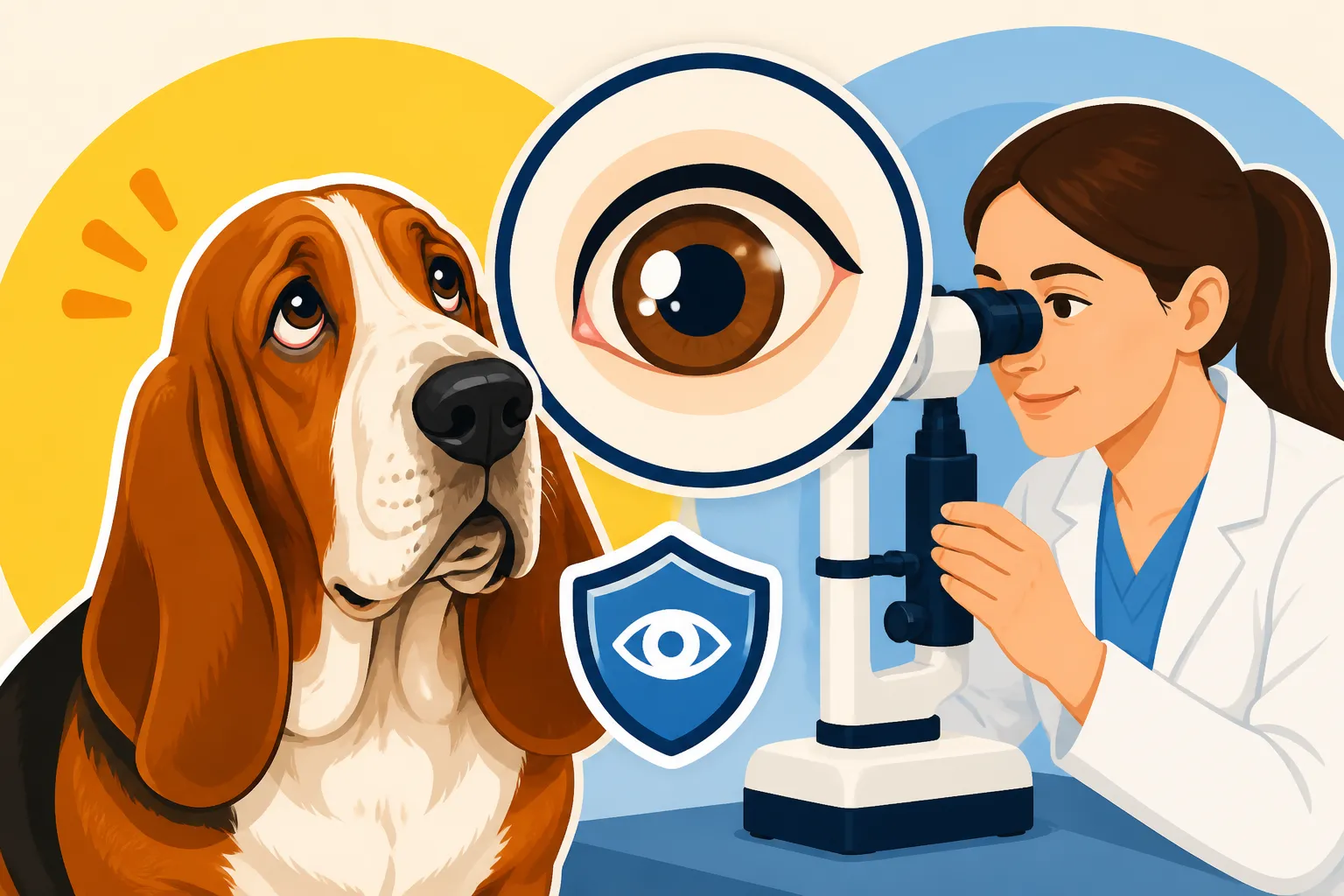
The method vets use to check eye pressure is called tonometry. There are a couple of common devices. The most frequently used in general practice is often a TonoPen or a similar handheld device. Imagine a small, pen-like instrument with a tiny, soft tip. Before the procedure, your vet or vet tech will typically put a drop of numbing medication into your Basset's eye. This topical anesthetic ensures that your hound won't feel a thing when the instrument gently touches the surface of their cornea. It’s a bit like when you get eyedrops at the human eye doctor.
Once the eye is numbed, the vet will gently hold your Basset's head still, often with them sitting or standing comfortably, and lightly touch the tip of the tonometer to the center of the cornea a few times. The device quickly measures the resistance of the cornea to the gentle tap, which then calculates the intraocular pressure (IOP). Each measurement takes mere seconds, and typically, the vet will take several readings to get an accurate average. Most Bassets don't even seem to notice it happening, especially if they're distracted with a treat or some gentle praise. It's certainly far less stressful than getting their nails trimmed, that's for sure!
What Those Numbers Really Mean
After the measurements are taken, your vet will have a reading, usually in millimeters of mercury (mmHg). Understanding these numbers is crucial. Generally, for most dogs, a normal eye pressure reading falls within the range of 10 to 25 mmHg, though this can vary slightly depending on the specific tonometer used and the individual dog. Your vet will know what is considered normal for your Basset.
Here’s a quick guide to understanding the general ranges:
| Eye Pressure (IOP) Range | Interpretation | Action Recommended |
|---|---|---|
| 10-25 mmHg | Normal | Continue routine monitoring, especially if there's a family history of glaucoma. |
| 25-30 mmHg | Borderline/Suspicious | Often warrants repeat checks in a few weeks, or further diagnostic tests if other symptoms are present. This is a crucial window for early intervention. |
| 30+ mmHg | Elevated/Likely Glaucoma | Requires immediate attention, further diagnostics, and likely initiation of treatment to lower pressure and protect vision. This is where "Whether a Basset Hound's Red Eye Is an Emergency" comes into play – don't wait! |
| 40+ mmHg | Critically High | This is an emergency! Rapid intervention is needed to prevent irreversible blindness and alleviate severe pain. |
If your Basset's eye pressure is consistently at the higher end of the normal range or creeping into the "suspicious" category, it might be a precursor to developing full-blown glaucoma. This is why "The Age Glaucoma Shows in a Basset Hound" is so important to consider; typically, it begins to manifest in middle age, around 3-7 years, but regular checks should start earlier. Your vet might recommend more frequent checks, perhaps every 3-6 months, to monitor for any upward trend, ensuring you're ahead of the curve.
Navigating a Glaucoma Diagnosis and Ongoing Care
Receiving a diagnosis of elevated eye pressure or glaucoma for your beloved Basset Hound can feel like a punch to the gut. It's scary to hear that your furry friend might be in pain or losing their sight. But please, take a deep breath. A diagnosis, especially an early one, isn't a death sentence for their vision. It's a call to action, and there are many things you and your veterinary team can do together. The key is to be proactive and consistent with the plan you develop.
Initial Steps After an Elevated Reading
If your vet finds elevated eye pressure, their first step will likely be to confirm the diagnosis and determine the type of glaucoma. This might involve a referral to a veterinary ophthalmologist, a specialist in animal eye care. These experts have more advanced diagnostic tools and a deeper understanding of complex eye conditions. They might perform additional tests, such as gonioscopy, which allows them to examine the drainage angle of the eye directly, to confirm if it's open-angle glaucoma, a common issue for Bassets. Knowing the specific type of glaucoma helps tailor the most effective treatment.
It’s completely normal to feel overwhelmed at this point. You might be wondering "Whether a Basset Hound's Eye Drops Control Its Glaucoma" or if surgery is immediately on the table. The ophthalmologist will walk you through all the options. Often, the initial treatment involves immediate administration of eye drops designed to lower the intraocular pressure. These drops work by either reducing the production of fluid in the eye or increasing its outflow. Administering these drops consistently, sometimes multiple times a day, is crucial to stabilize the pressure and alleviate any discomfort your Basset might be feeling.
Treatment Options and Long-Term Management
The long-term management of glaucoma in Basset Hounds typically involves a combination of medication and vigilant monitoring. Eye drops are usually the first line of defense and will likely be a lifelong commitment. There are various types of drops, and your vet or ophthalmologist will find the right combination for your individual Basset. This can feel like a lot of work, fitting multiple drops into your daily schedule, but remember, you're fighting to preserve their sight and comfort.
In cases where medication alone isn't sufficient to control the pressure, or if the disease is very advanced, surgical options might be discussed. These range from procedures that enhance fluid drainage to those that reduce fluid production. Unfortunately, some severe cases, where the eye is painful and vision is already lost, might even necessitate removal of the eye to ensure the dog's comfort. It's a tough decision, but one made for the animal's well-being. Thinking about "What Glaucoma Surgery Costs a Basset Hound Owner" can be daunting, which is where pet insurance providers like Healthy Paws can be a real lifesaver, helping to cover a significant portion of these often substantial veterinary bills.
Establishing a Personalized Monitoring Schedule
Once a Basset Hound is diagnosed with glaucoma, or even if they have a strong predisposition, a personalized monitoring schedule becomes essential. This isn't just a yearly check anymore; it's a much more frequent commitment. For affected dogs, expect to visit the vet or ophthalmologist every 1-3 months initially, and then possibly every 3-6 months once the pressure is well-controlled. These frequent visits allow the veterinary team to adjust medications as needed, ensuring optimal pressure control.
Even if your Basset Hound has never shown signs of glaucoma but comes from lines with a history of it, or has reached an age where it commonly appears, your vet might recommend checks every 6-12 months. This proactive approach helps catch the problem at its earliest, most manageable stage. Remember, "The Glaucoma a Basset Hound Inherits" means that if one of their parents or siblings had it, your Basset is at higher risk, making early and consistent checks paramount. Don't wait for your Basset to show "The First Signs of Glaucoma in a Basset Hound" before taking action; get those regular checks done.
Proactive Steps for Lifelong Basset Hound Eye Health
Caring for your Basset Hound's eyes goes beyond just scheduling periodic vet visits. It’s an ongoing commitment that involves daily observation, proper nutrition, a safe environment, and being prepared for potential emergencies. You are your Basset’s first line of defense, and your attentiveness can make all the difference in their quality of life. Considering the potential costs associated with managing conditions like glaucoma, having robust pet insurance, such as a plan from Healthy Paws, can provide immense peace of mind.
Daily Observation and Red Flags to Watch For
As a Basset Hound owner, you’re uniquely positioned to spot subtle changes in your dog’s eyes before anyone else. Make it a habit to check their eyes daily. Look for clarity, brightness, and general appearance. A healthy Basset's eyes should be clear, bright, and free of excessive discharge. While some tear staining is common, pay attention to changes in the amount, color, or consistency of discharge. Are their eyes redder than usual? Is there any cloudiness or haziness that wasn't there before? "What Open Angle Glaucoma Does to a Basset Hound" often starts with very subtle internal changes before external signs become obvious.
Beyond appearance, observe their behavior. Is your Basset rubbing or pawing at their eyes more often? Are they squinting or holding one eye partially closed? Do they seem reluctant to go out in bright light? Have they started bumping into furniture or walls, especially in dimmer lighting, suggesting a loss of peripheral vision? These seemingly small changes can be significant indicators of discomfort or vision impairment. Never dismiss persistent eye irritation; it could be something as simple as an irritant or as serious as early-stage glaucoma. Prompt attention to these red flags can lead to earlier diagnosis and better outcomes.
Nutritional Support and Environmental Considerations
While there isn't a magic diet to prevent glaucoma, good overall nutrition supports eye health, just as it supports all aspects of your Basset’s well-being. A high-quality diet rich in antioxidants, omega-3 fatty acids, and vitamins A, C, and E can contribute to healthy ocular tissues. Some vets might recommend specific supplements, particularly those containing antioxidants like lutein and zeaxanthin, which are known to support eye health. Always discuss any dietary changes or supplements with your vet to ensure they're appropriate for your Basset Hound.
Your Basset's environment also plays a role. Protect their eyes from direct trauma. While their long ears often offer some protection, avoid exposing them to environments with excessive dust, irritants, or harsh chemicals. If your Basset enjoys car rides with their head out the window, consider "doggles" or protective eyewear to shield their eyes from debris. Also, minimize quick changes between extremely bright and dark environments, as this can be more challenging for eyes under pressure. For senior Basset Hounds, or those with existing vision issues, maintaining a consistent home layout can help them navigate more easily, preventing frustrating bumps and falls. This contributes to their overall well-being, complementing preventative measures like regular eye checks that contribute to "The Ten to Twelve Years a Basset Hound Lives."
The Role of Pet Insurance in Managing Eye Conditions
Let's face it, veterinary care for chronic conditions like glaucoma can be expensive. From lifelong eye drops to potential surgeries, the costs can quickly add up, making you wonder "What a Basset Hound's Eye Care Costs" over their lifetime. This is where pet insurance becomes an invaluable tool. Policies from reputable providers like Healthy Paws can cover a significant percentage of unexpected medical expenses, including diagnostic tests, medications, and surgeries for conditions like glaucoma. It's truly an investment in your peace of mind and your Basset's health.
Enrolling your Basset Hound in pet insurance when they are young and healthy is usually the best strategy, as most policies have waiting periods and pre-existing condition clauses. This means if your Basset develops glaucoma before you have insurance or during a waiting period, it might not be covered. So, plan ahead! Having a good insurance policy in place means you can make decisions about your Basset's care based on what's best for their health, rather than being solely driven by financial constraints. It allows you to pursue expert care, like seeing a veterinary ophthalmologist, without hesitation, ensuring your Basset Hound receives the best possible chance at maintaining their vision and comfort for years to come. For more on this, check out "Insuring a Basset Hound Against Eyes, Ears and Backs".
Disclaimer
The information provided in this article is for general educational purposes only and is not intended to be a substitute for professional veterinary advice, diagnosis, or treatment. Always seek the advice of your veterinarian or other qualified animal health provider with any questions you may have regarding a medical condition or the health and welfare of your Basset Hound.