The Health Tests a Basset Hound Breeder Should Run
It can be heartbreaking to bring a new Basset Hound puppy home, full of dreams for a long and healthy life together, only to face devastating diagnoses for preventable genetic conditions or debilitating structural problems within the first few years. Many common Basset Hound ailments are inherited, meaning responsible breeders play a crucial role in minimizing these risks. This comprehensive guide will walk you through the essential health tests a Basset Hound breeder should absolutely be running on their breeding stock to ensure healthier puppies and prevent future heartache for families like yours.
Why Health Testing is Non-Negotiable for Basset Hound Breeders
For generations, Basset Hounds have charmed us with their soulful eyes, long droopy ears, and distinctively low-slung, substantial bodies. But these very characteristics, while endearing, also come with a predisposition to certain health challenges. A truly dedicated and ethical Basset Hound breeder understands that their responsibility goes far beyond simply pairing two dogs and producing puppies. It involves a deep commitment to the breed's future health, which means rigorously screening their breeding animals for known genetic and conformational issues. Ignoring these tests is not just irresponsible; it often leads to significant veterinary bills and profound emotional distress for new puppy owners down the line.
Think about it this way: if a breeder isn't transparent about the health screenings they've performed, or worse, claims they don't need to do them, they're essentially passing the buck (and potential medical costs) onto you, the unsuspecting buyer. Many of the conditions Basset Hounds are prone to, such as joint issues or certain eye diseases, can be incredibly painful for the dog and financially crippling for the owner. It’s a sad reality that some Basset Hounds end up in rescue because their owners simply cannot afford the extensive medical care required for conditions that could have been screened out.
Responsible breeders are partners in your Basset Hound's future well-being. They invest in these tests not because they have to, but because they genuinely care about the longevity and quality of life for every puppy they bring into the world. When you’re looking for a puppy, always ask for proof of these screenings – a breeder who balks at the request or doesn't have them readily available is a red flag you should pay attention to. This upfront investment by the breeder is a small price to pay for greater peace of mind and potentially fewer expensive vet visits in your Basset Hound's future.
Essential Genetic Health Tests for Basset Hounds
While Basset Hounds don't have an overwhelming number of breed-specific genetic tests compared to some other breeds, there are a few critical ones that every responsible breeder should conduct. These tests often involve simple cheek swabs or blood samples and can identify carriers or affected dogs before they pass on debilitating genes to their offspring. Knowing a dog's genetic status allows breeders to make informed decisions about pairings, ensuring they don't produce puppies affected by these inherited conditions.
Screening for Thrombopathia
One of the most important genetic tests for Basset Hounds is for Thrombopathia. This is a blood clotting disorder, and it's something many new Basset owners might not even be aware of until an emergency arises. Imagine your beloved Basset Hound needing a routine surgery, like a spay or neuter, only for the vet to discover they have a potentially life-threatening bleeding disorder. This is the reality for dogs affected by Thrombopathia. It's an inherited condition where the platelets in the blood don't function correctly, leading to excessive bleeding after injury or surgery.
A breeder should be testing their breeding stock to ensure they are clear of this condition or, at the very least, understand their carrier status. A dog can be a carrier and appear perfectly healthy, but if bred to another carrier, the puppies could be affected. Testing for Thrombopathia can prevent immense stress and danger during procedures. If you're wondering, "Whether a Basset Hound Should Be Tested Before Neutering," the answer is a resounding yes, especially if the breeder hasn't provided proof of their parents' clear status. Reputable genetic testing companies like Embark and Wisdom Panel offer comprehensive panels that include this test, making it easy for breeders to screen their dogs. The peace of mind knowing your Basset Hound won't unexpectedly hemorrhage during a minor cut or dental procedure is truly priceless.
Addressing Glaucoma Predisposition
Another significant concern in Basset Hounds is glaucoma, particularly primary open-angle glaucoma (POAG). This is a painful eye condition that can lead to irreversible blindness if not caught and treated early. It’s not just a minor inconvenience; it can severely impact a dog’s quality of life. The Basset Hound's distinctive eye structure, while charming, can make them more susceptible to certain ocular issues. Unlike some conditions with a single genetic marker, glaucoma in Basset Hounds often has a more complex inheritance pattern, but there are still genetic tests available that can identify markers associated with an increased risk.
Breeders should be utilizing these genetic risk assessments alongside regular ophthalmic examinations performed by a board-certified veterinary ophthalmologist. This combination provides the most comprehensive picture of a dog's eye health and potential for passing on glaucoma. A breeder who truly understands the long-term impact of this condition will prioritize these screenings. Imagine the heartbreak of watching your Basset Hound slowly lose its sight, or the financial burden of managing this condition with lifelong eye drops, which can add up significantly. For more details, you can read about "Whether a Basset Hound Can Be Tested for Glaucoma". It’s a condition that demands proactive screening, not just for the dog’s comfort, but for the future owner’s peace of mind and wallet.
Comprehensive Structural and Ocular Health Evaluations
Beyond specific genetic markers, the unique physique of a Basset Hound means they are prone to several structural and ocular issues that require physical evaluations by veterinary specialists. These screenings provide crucial information about the overall health and soundness of breeding animals.
Orthopedic Screening for Hip and Elbow Dysplasia
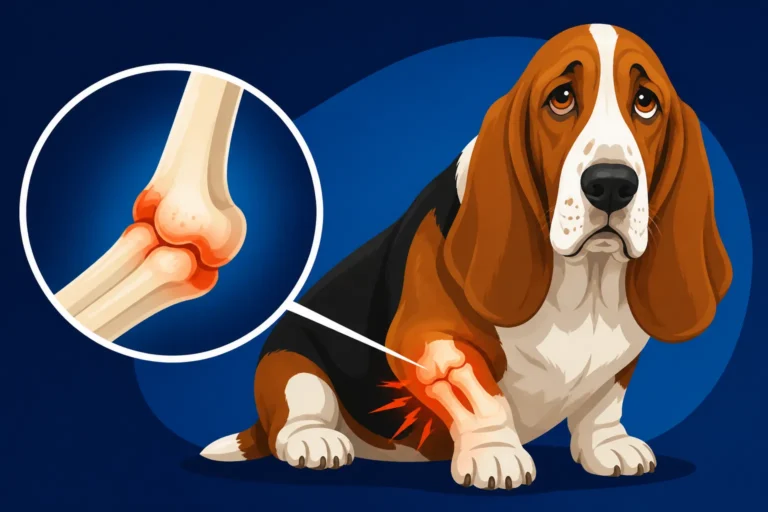
Basset Hounds are robust dogs, but their build, characterized by heavy bones and short legs, can put strain on their joints. Hip and elbow dysplasia are common orthopedic conditions across many breeds, and Basset Hounds are no exception. These conditions involve abnormal development of the hip or elbow joints, leading to pain, arthritis, and lameness. It's not uncommon to hear about owners whose Basset Hounds are already showing signs of arthritis at a relatively young age, and often, this can be traced back to underlying dysplasia.
Responsible breeders will have their breeding dogs' hips and elbows evaluated by organizations like the Orthopedic Foundation for Animals (OFA) or through PennHIP evaluations. These involve taking specific X-rays of the joints, which are then assessed by veterinary radiologists. The results (Excellent, Good, Fair, Mild, Moderate, Severe for OFA hips; Normal, Grade I, II, or III for OFA elbows) are published publicly, allowing prospective puppy buyers to verify a breeder’s claims. It’s not just about avoiding lameness in the puppies; it's about giving them the best chance at a comfortable, active life. A Basset Hound with severe hip or elbow dysplasia might struggle with basic movements and require extensive management, including medications, physical therapy, or even costly surgeries like total hip replacements or elbow arthroscopy. These are expenses that a good pet insurance plan from a provider like Healthy Paws can help with, but it's always better to prevent the issue where possible. For insights into one common issue, check out "Elbow Dysplasia in a Basset Hound".
| Health Condition | Type of Test | How it Helps Breeders | Potential Impact on Puppy Owners |
|---|---|---|---|
| Thrombopathia | Genetic DNA test (blood or cheek swab) | Prevents breeding affected or carrier-to-carrier pairs | Avoids life-threatening bleeding issues during injury or surgery |
| Glaucoma (POAG) | Genetic DNA risk test + Ophthalmic exam (CERF/OFA) | Identifies risk factors, allows informed breeding decisions | Minimizes risk of painful eye condition and potential blindness |
| Hip Dysplasia | OFA/PennHIP X-ray evaluation | Screens for proper joint formation, reduces genetic predisposition | Reduces risk of arthritis, pain, and costly surgeries |
| Elbow Dysplasia | OFA X-ray evaluation | Screens for proper joint formation, reduces genetic predisposition | Reduces risk of arthritis, pain, and costly surgeries |
| Patellar Luxation | Veterinary Orthopedic Exam | Identifies loose kneecaps, prevents breeding affected dogs | Prevents lameness, pain, and potential surgical correction |
| Entropion/Ectropion | Veterinary Ophthalmic Exam | Identifies eyelid abnormalities, avoids passing on structural defects | Prevents eye irritation, infections, and corrective surgeries |
| Degenerative Myelopathy | Genetic DNA test (blood or cheek swab) | Identifies carriers/affected, reduces risk of neurological disease | Lowers risk of progressive neurological condition leading to paralysis |
Ocular Examinations Beyond Glaucoma
While glaucoma is a significant concern, a Basset Hound's eyes are susceptible to other inherited conditions due to their structure. Their famously droopy eyelids (ectropion) can sometimes be too droopy, leading to irritation, dryness, or chronic conjunctivitis. Conversely, some Bassets can suffer from entropion, where the eyelid rolls inward, causing eyelashes to rub against the cornea, leading to pain, ulcers, and potential vision loss. Then there's the possibility of "cherry eye," where the gland of the third eyelid prolapses, appearing as a red mass in the corner of the eye. While often treatable, it’s another inherited condition that ethical breeders strive to avoid.
A responsible breeder will have their breeding dogs undergo regular eye examinations by a board-certified veterinary ophthalmologist. These examinations, often referred to as CERF (Canine Eye Registration Foundation) exams, now part of the OFA Eye Certification Registry, screen for a range of inherited eye diseases, including those mentioned above, as well as cataracts or progressive retinal atrophy. These certifications are generally valid for one year, emphasizing the need for ongoing screening. Ensuring that breeding dogs have clear eye certifications helps minimize the risk of passing on these troublesome conditions, saving future puppy owners from frequent vet visits, medications, and potential surgeries. It’s a testament to a breeder's commitment when they prioritize these detailed checks on "Whether a Basset Hound's Droopy Eyelids Cause Trouble".
Patellar Luxation Screening
Another orthopedic concern, particularly with breeds that have bowed or short legs, is patellar luxation, more commonly known as "slipped kneecaps." This is where the kneecap (patella) dislocates from its normal position in the groove of the thigh bone. While it might sound minor, a luxating patella can cause pain, lameness, and predispose the dog to developing arthritis later in life. In severe cases, surgical correction is necessary, which can be an unexpected cost and recovery challenge for owners.
Screening for patellar luxation is a relatively simple physical examination performed by a veterinarian, often in conjunction with other orthopedic checks. The vet manually manipulates the kneecap to assess its stability and grade any luxation present. The OFA also offers a patellar luxation database where results are recorded. Breeders should only use dogs with normal patellas for breeding, especially since this condition can have a genetic component. Preventing this issue helps ensure that your Basset Hound can enjoy walks and playtime without unnecessary discomfort, further contributing to their overall quality of life. The long-term effects of joint issues are substantial, often contributing to conditions like "The Old Basset Hound That Cannot Get Off the Floor".
Considerations for Overall Health and Lifespan
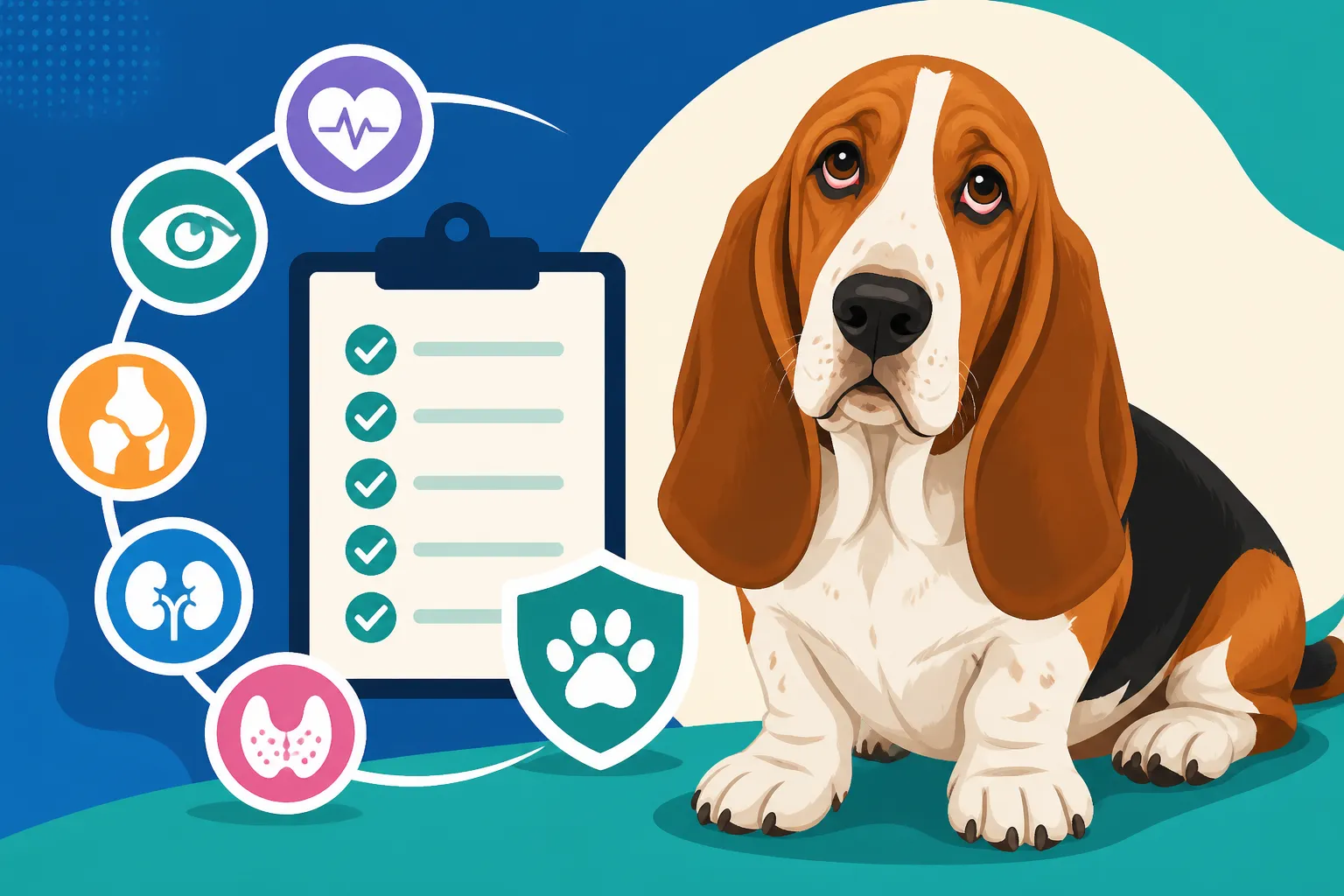
While specific tests target particular genetic or conformational issues, a breeder's commitment to health also extends to broader aspects of well-being. This includes being aware of conditions common in the breed, maintaining ideal physical condition for breeding dogs, and having a general understanding of the breed's typical health trajectory.
Addressing Intervertebral Disc Disease (IVDD)
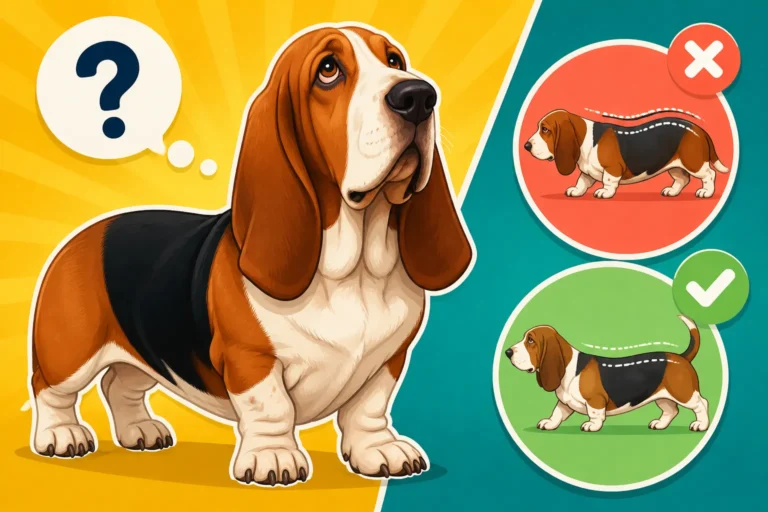
The Basset Hound's long back and short legs are adorable but also put them at a higher risk for Intervertebral Disc Disease (IVDD). This condition occurs when the cushions between the vertebrae in the spine bulge or rupture, pressing on the spinal cord. It can cause immense pain, nerve damage, and even paralysis. While there isn't a single definitive genetic test for IVDD that is widely used, breeders should still be extremely conscious of this predisposition.
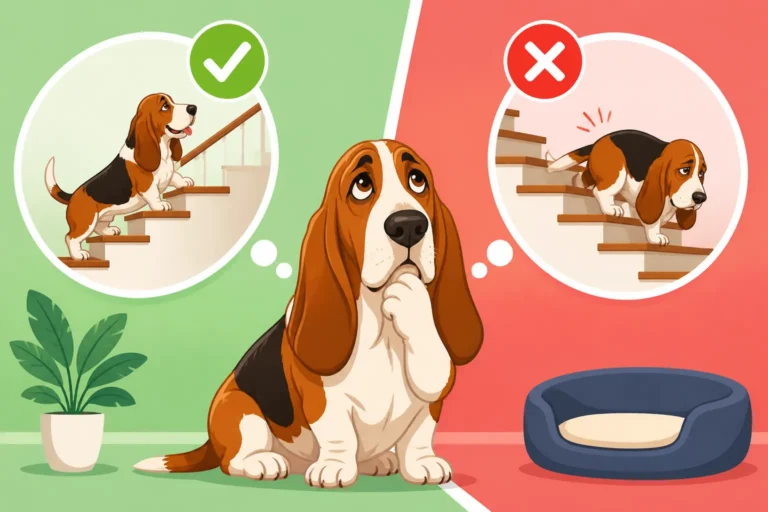
A responsible breeder won't necessarily have a "clear" certificate for IVDD, but they will prioritize breeding dogs with good overall back conformation and structure, avoiding dogs with excessively long backs or other structural exaggerations that could worsen the risk. They should also be educating puppy buyers about prevention strategies, such as using ramps instead of stairs, preventing jumping off furniture (a significant factor in "Whether a Basset Hound Should Jump Off Furniture"), and maintaining a healthy weight to reduce spinal stress. While not a "test" in the traditional sense, a breeder's awareness and proactive management of IVDD risk factors demonstrate their commitment to the breed's health. The prospect of "The Back Trouble a Basset Hound Is Built Into" is a very real and often devastating concern for Basset Hound owners.
Monitoring for Hypothyroidism and Allergies
Basset Hounds can also be prone to certain systemic conditions like hypothyroidism, where the thyroid gland doesn't produce enough hormones. This can lead to symptoms like weight gain, lethargy, poor coat quality, and skin issues. While not typically a life-threatening emergency, it requires lifelong medication. Similarly, Basset Hounds, with their abundant skin folds and often sensitive skin, can be prone to allergies, which manifest as itching, skin infections, and ear problems. For more on this, consider "Whether a Basset Hound Gets Allergies".
While breeders don't usually conduct genetic tests for general allergies (as they're often multi-factorial), they should monitor their breeding stock for signs of chronic allergies or thyroid issues. Regular veterinary check-ups that include thyroid panels can help identify hypothyroidism. Breeders should be transparent about any ongoing health issues in their lines, even those not covered by a specific genetic test. They should also avoid breeding dogs that exhibit severe, chronic, or debilitating allergies, as these can significantly impact a puppy's quality of life and lead to continuous veterinary care throughout its life. A healthy, robust lineage is a strong indicator of a responsible breeder, and a well-regarded insurer like Healthy Paws would certainly appreciate this level of proactive care from breeders.
The Role of PennHIP in Hip Health
While OFA is a widely recognized method for evaluating hip health, PennHIP is another valuable tool that breeders might utilize, offering a different perspective on hip laxity, which is a precursor to hip dysplasia. PennHIP is generally performed earlier than OFA (as early as 16 weeks, though often done closer to a year) and provides a quantitative measurement of hip joint laxity. This allows breeders to select dogs with tighter hips, further reducing the incidence of dysplasia in their litters.
A breeder using PennHIP is demonstrating a truly proactive approach to hip health, as this method is considered by many to be a more accurate predictor of hip dysplasia development. The results are also compared against breed-specific averages, giving a clearer picture of how a dog's hip quality stacks up within the Basset Hound population. This dual approach of understanding both the genetic risks and structural integrity through multiple screening methods provides the most thorough assessment possible, giving you the best chance for a puppy free from debilitating joint problems. When considering the comprehensive health journey of your Basset Hound, knowing about these tests is key to navigating conversations with breeders and ensuring your furry friend has the best start possible.
Disclaimer
The information provided in this guide is for informational purposes only and does not constitute veterinary advice. Always consult with a qualified veterinarian for any health concerns or before making any decisions about your pet's health or treatment. Breeder health testing protocols can evolve, so it's always best to discuss current recommendations with reputable breed clubs and veterinary professionals.