Why a Basset Hound’s Ear Canal Never Dries
If you’re a Basset Hound parent, you know the frustration: those adorable, floppy ears are also a never-ending source of worry, particularly when it comes to persistent wetness and the infections that follow. It often feels like no matter how much you clean or dry, their ear canals just never seem to truly dry out, creating a perfect storm for trouble. This comprehensive guide will delve deep into the unique reasons why a Basset Hound’s ear canal remains stubbornly moist and what you can do about it.
The Unique Anatomy of a Basset Hound's Ear
A Basset Hound's ears are undeniably one of their most charming features. Those long, velvety flaps that sweep the ground are iconic, but beneath their endearing appearance lies a complex anatomy that predisposes them to chronic moisture and subsequent health issues. It's not just about the length; it's how every part of their ear is designed.
The Long, Pendulous Pinnae
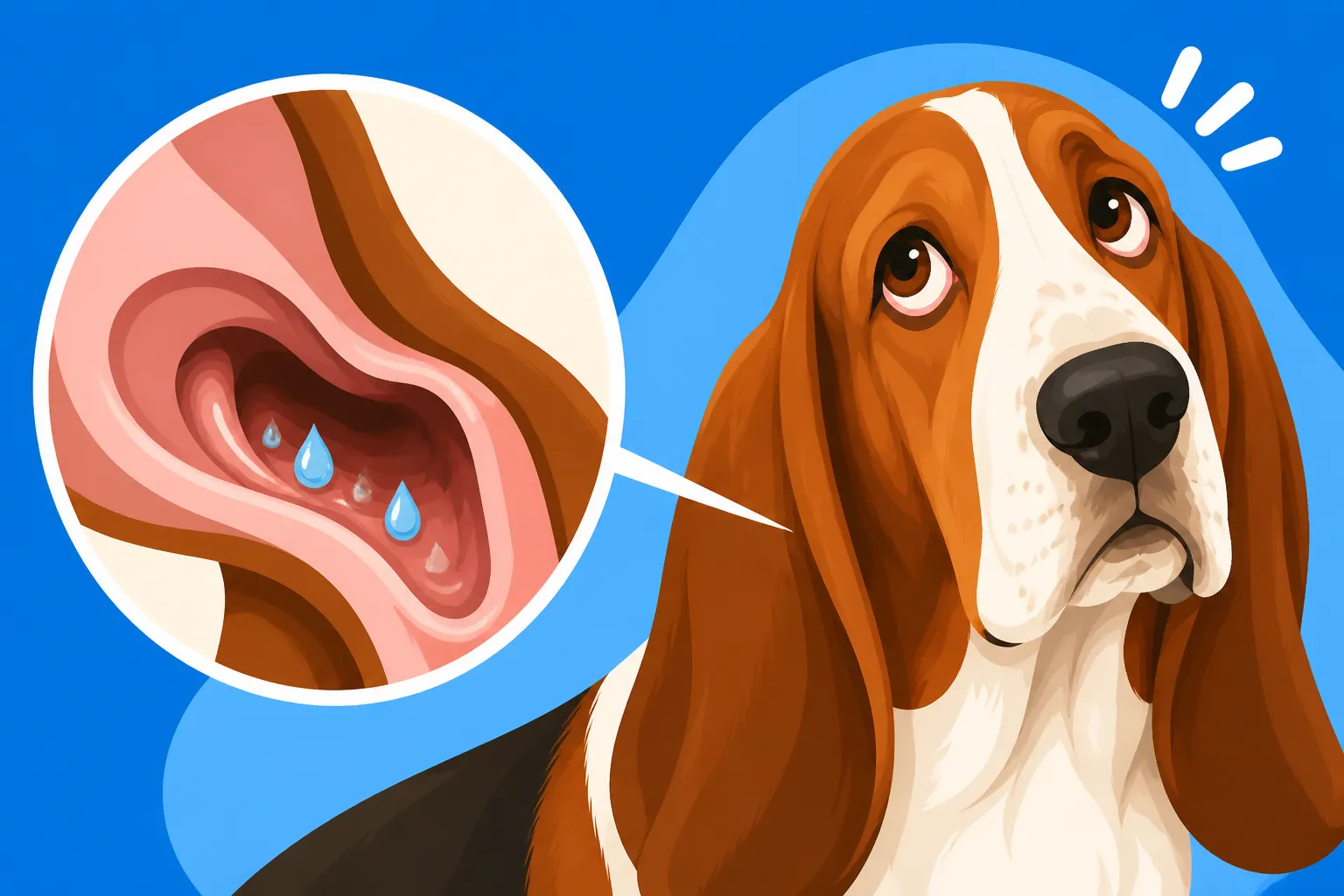
The sheer size and weight of a Basset Hound's ear flaps, known as pinnae, are the primary culprits in preventing proper air circulation. Imagine draping a heavy blanket over a small opening – that's essentially what these magnificent ears do to the ear canal. They seal off the entrance, creating a miniature, insulated ecosystem within. This environment is warm, dark, and crucially, incredibly humid.
Without adequate airflow, any moisture that enters the ear, whether from a splash in the water bowl, a damp walk in the grass, or even just regular humidity in the air, becomes trapped. It can’t evaporate naturally as it would in a dog with upright, open ears. This constant moisture is a significant factor in why a Basset Hound's ears are prone to developing problems. Owners often find themselves wondering if it's true that their beloved Basset's ears trap water, and the answer is a resounding yes, due to this unique structure. This also explains why many believe that their Whether Long Ears Are Why a Basset Hound's Ears Infect.
The Narrow and Winding Ear Canal
Beyond the external ear flap, the internal structure of a Basset Hound's ear canal is also inherently problematic. Unlike the relatively straight and open canals found in many other breeds, a Basset Hound’s ear canal is long, narrow, and often has a distinct "L" shape. This makes it incredibly difficult for anything that gets in – be it water, debris, or excess wax – to get out naturally.
The twists and turns act as barriers, impeding drainage and making manual cleaning a challenge. While it's vital to know How Often a Basset Hound's Ears Must Be Cleaned, even diligent cleaning can struggle against this natural design. The deep, convoluted path means that simply shaking their head isn't usually enough to dislodge foreign material or dry out residual moisture. This anatomical predisposition sets the stage for a persistently damp environment, no matter how dry the outside world may seem.
Factors Contributing to Persistent Moisture
Even if you live in an arid climate and are meticulous about hygiene, a Basset Hound's ear canals face an uphill battle against persistent moisture. It's a combination of their physical build and the unavoidable realities of daily life that makes these ears a constant project for their owners.
Lack of Air Circulation and Ventilation
This point can't be stressed enough: the primary reason a Basset Hound's ear canal never truly dries is the profound lack of air circulation. The heavy, drooping pinnae, as discussed, effectively close off the ear canal, creating a pocket where air cannot flow freely. Think about a damp towel left in a sealed bag versus one hung out to dry; the former stays wet indefinitely, while the latter dries out.
This closed-off environment is a breeding ground for humidity. Even the dog's own body heat contributes to warming this space, further encouraging moisture retention. This constant warmth and dampness creates the ideal microclimate for opportunistic microbes to flourish, transforming what should be a healthy, dry ear into a damp, inviting habitat for infection. It’s a perpetual cycle that many owners struggle to break, often leading them to believe that Whether a Basset Hound's Ear Infection Ever Clears is a question without a positive answer.
Trapping of Debris and Moisture
The unique architecture of the Basset Hound's ear is not just bad for airflow; it's also remarkably effective at trapping everything you don't want in there. Water from drinking, bathing, or swimming easily enters the canal and then struggles to escape due to the narrow, convoluted passage. Add to this the natural shedding of skin cells, accumulating ear wax, and any external dirt or allergens picked up while their long ears sweep the ground, and you have a recipe for disaster.
This trapped debris, particularly organic matter and moisture, quickly decomposes and creates an even richer nutrient source for bacteria and yeast. The weight of their ears, while charming, means they often drag through food bowls, water, and even mud or dew during walks, continuously introducing new sources of moisture and contaminants. This means owners must be incredibly vigilant, protecting their Basset Hound's ears whenever possible, such as using a snood during meals to keep those long ears out of the food and water.
The Role of Secretions and Skin Environment
It's not just external moisture and anatomy at play. A Basset Hound's own ear biology contributes significantly to the perpetually damp environment within their ear canals, creating a complex challenge that goes beyond simple cleaning.
Excessive Wax and Oil Production
The skin lining a dog's ear canal contains sebaceous glands, which produce cerumen, commonly known as ear wax. In Basset Hounds, these glands can often be overactive, leading to an excessive production of this waxy, oily substance. This isn't just a cosmetic issue; the cerumen acts as a protective barrier, but when overproduced, it becomes a problem.
This extra wax, combined with the lack of ventilation, traps moisture effectively and creates a nutrient-rich environment. It's like leaving a damp, waxy dish in a warm, dark cupboard – it quickly becomes an ideal spot for microbial growth. This greasy, sticky build-up not only contributes to the dampness but also makes it harder for ear cleaners to penetrate and work effectively, complicating efforts to keep the canal dry and healthy. This persistent build-up often makes owners wonder Whether a Basset Hound's Ear Smells Sweet or Sour when an infection takes hold.
The Skin's Natural Microbiome and pH
The skin inside a healthy ear canal has a balanced microbiome, a community of beneficial bacteria and yeast that keep each other in check. However, the constantly moist, warm, and often waxy environment in a Basset Hound's ear canal disrupts this delicate balance. The normal pH of the skin can be altered, creating conditions favorable for opportunistic pathogens to take over.
This disruption allows harmful bacteria (like Staphylococcus or Pseudomonas) and yeast (Malassezia) to multiply rapidly. Once these microbes take hold, they cause inflammation, itching, and further increase exudate (discharge) from the ear, which adds even more moisture to the canal. It’s a vicious cycle where the environment fosters infection, and the infection, in turn, worsens the environment. Understanding Whether Yeast or Bacteria Is in a Basset Hound's Ear is crucial for effective treatment.
Behavioral and Environmental Influences
Beyond genetics and basic anatomy, the daily life of a Basset Hound and the environment they live in play a huge role in the ongoing battle against a perpetually moist ear canal. As owners, we often inadvertently contribute to the problem simply through normal activities.
Water Exposure from Bathing and Swimming
One of the most common ways moisture enters a Basset Hound's ear canal is during baths or swimming. Despite our best efforts to plug their ears with cotton balls or hold their flaps down, water almost inevitably finds its way in. And once it’s in, it’s exceptionally difficult to get out due to the narrow, L-shaped canal and the lack of airflow provided by their heavy ears.
For Basset Hounds who love to swim – and many do! – this becomes a constant challenge. A quick dip can mean days of damp ears, even if you dry the outer ear thoroughly. It's imperative that after any water exposure, you diligently clean and dry their ears using appropriate dog-specific ear cleaners designed to dry out the canal. Skipping this step even once can be enough to kickstart an infection in an already vulnerable ear. This is why many owners learn that Whether a Basset Hound's Ears Should Be Dried After Swimming is non-negotiable.
Humidity and Seasonal Changes
The climate and time of year can also be significant contributors to the moisture problem. If you live in a region with high humidity, particularly during the warmer months, the air itself can prevent the ear canals from drying out. Even without direct water exposure, the ambient moisture in the air can get trapped within the sealed environment of a Basset Hound's ear, making their struggle worse.
Seasonal allergies can also play a part, causing inflammation and increased secretions within the ear, which adds to the dampness. During spring and summer, when dogs spend more time outdoors and humidity levels are generally higher, owners often report a spike in ear issues. This environmental influence means that ear care often needs to be even more rigorous during certain times of the year, regardless of how clean your home might be.
The Consequence: Chronic Ear Infections
The relentless struggle against moisture in a Basset Hound's ear canal often culminates in a disheartening and painful reality for both dog and owner: chronic ear infections. These aren't just minor irritations; they can significantly impact a Basset Hound's quality of life and become incredibly challenging to manage. Many owners face the disheartening reality of The Ear Infections That Never Really Leave a Basset Hound.
Yeast and Bacterial Overgrowth
The warm, dark, moist, and nutrient-rich environment created by the Basset Hound's ear anatomy and secretions is a paradise for opportunistic pathogens. The two main culprits are yeast, most commonly Malassezia pachydermatis, and various types of bacteria. These organisms are typically present in small numbers on healthy skin, but the unique conditions within a Basset Hound's ear allow them to overgrow rapidly.
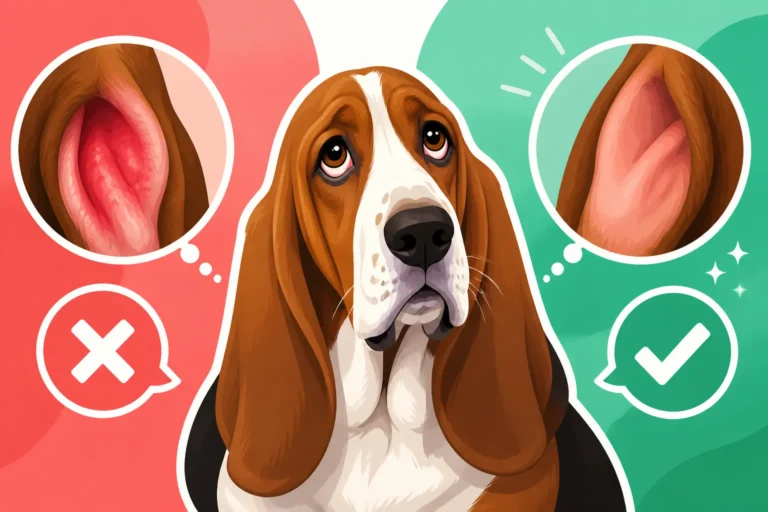
Yeast infections often present with a distinct, sweet-sour or yeasty odor, along with greasy, reddish-brown discharge. Bacterial infections can be even more severe, leading to thick, purulent (pus-like) discharge, intense pain, and sometimes a foul smell. Left untreated, these infections cause intense itching, head shaking, and scratching, which can further traumatize the ear. It's heartbreaking to see your Basset in distress, and identifying The Signs a Basset Hound's Ear Has Gone Bad is crucial for prompt action.
Structural Changes and Long-Term Damage
If chronic ear infections are left to fester, or even if they are treated but recur frequently, they can lead to irreversible structural changes within the ear canal. Persistent inflammation causes the lining of the ear canal to thicken and swell, a condition known as hyperplasia. This thickening further narrows the canal, making it even harder for air to circulate and for treatments to reach the deeper parts of the ear.
Over time, this chronic inflammation can also lead to calcification (hardening) of the ear cartilage and fibrosis (scar tissue formation). The ear canal can become so constricted that it practically closes up, rendering topical medications ineffective. At this stage, the ear is in a state of end-stage ear disease, causing constant pain and often leading to deafness. In such severe cases, a veterinarian may recommend a total ear canal ablation (TECA) surgery, a drastic but sometimes necessary measure to alleviate suffering. It’s a stark reminder of Whether a Basset Hound's Ear Canal Closes Up if not managed diligently.
| Condition | Primary Cause | Symptoms | Long-Term Impact (if untreated) |
|---|---|---|---|
| Yeast Overgrowth | Warm, moist environment, pH imbalance | Sweet-sour odor, greasy reddish-brown discharge, itching | Chronic inflammation, thickening of ear canal |
| Bacterial Infection | Opportunistic bacteria, breakdown of skin barrier | Foul odor, pus-like discharge, pain, head shaking | Hyperplasia, calcification, potential deafness |
| Chronic Otitis Externa | Recurrent infections, trapped moisture | Persistent discomfort, ear pain, structural changes | Permanent narrowing/closure of canal, hearing loss, surgery |
Managing the Un-Driable Ear Canal
Given the Basset Hound’s inherent ear anatomy, accepting that their ear canals will always be prone to moisture is the first step. The next is to commit to a proactive, consistent management strategy. It’s not about curing the un-dryable ear, but about preventing the adverse effects of that persistent moisture.
Proactive Cleaning and Drying Regimens
The cornerstone of Basset Hound ear health is a rigorous, consistent cleaning and drying regimen. This isn't just about swabbing the outer ear; it's about using appropriate solutions to flush and dry the deep, convoluted canal. Your veterinarian can recommend a specific ear cleaner that is safe and effective for your Basset, often containing drying agents and antimicrobials. Products like Epi-Otic Advanced Ear Cleanser or Virbac's HexaChlor-Kearus are popular choices among vets for their gentle yet effective formulations.
Regular cleaning, often twice weekly, helps remove accumulated wax, debris, and any trapped moisture, thereby reducing the fuel source for infections. After cleaning, it's crucial to ensure the ear is as dry as possible. This might involve gently wiping the accessible parts with a soft cloth or cotton ball (never cotton swabs deep into the canal!) and allowing your Basset to shake their head vigorously. Consistency is key, and getting your Getting a Basset Hound Used to Ear Handling as a Puppy can make a world of difference as they grow up.
Veterinary Involvement and Advanced Care
Even with the most diligent home care, Basset Hounds often require regular veterinary intervention for their ears. If you notice any signs of discomfort, redness, odor, or discharge, a trip to the vet is immediately warranted. They can perform an otoscopic exam to visualize the ear canal, take samples for cytology (to identify yeast or bacteria), and prescribe appropriate medications.
These might include antibiotic or antifungal ear drops, oral medications for severe infections, or even anti-inflammatory drugs to reduce swelling and pain. For Bassets with truly chronic, unresponsive infections that have led to significant structural changes, surgical options like a Total Ear Canal Ablation (TECA) may be discussed. This procedure removes the diseased ear canal entirely, offering permanent relief from pain and infection, albeit at the cost of hearing in that ear. This is a major surgery, and understanding What a Total Ear Canal Ablation Costs on a Basset Hound is important for owners to prepare. This is where having robust pet insurance like Healthy Paws can truly be a lifesaver, covering a significant portion of diagnostic tests and treatments for chronic ear issues, including complex surgeries. Furthermore, if you’re concerned about the financial burden of managing ongoing ear problems, looking into whether pet insurance covers a Basset Hound's recurring ears before a problem arises is a smart move. Healthy Paws is known for its comprehensive coverage that often includes such chronic conditions.
It's a testament to the dedication of Basset Hound owners that they are willing to undertake such extensive care for these beloved dogs. By understanding the anatomical and environmental challenges, and by partnering with your veterinarian, you can help your Basset Hound live a comfortable life, free from the constant pain of ear infections.
Disclaimer
This article is intended for informational purposes only and does not constitute veterinary advice. Always consult with a qualified veterinarian for any health concerns or before making any decisions about your Basset Hound's care.