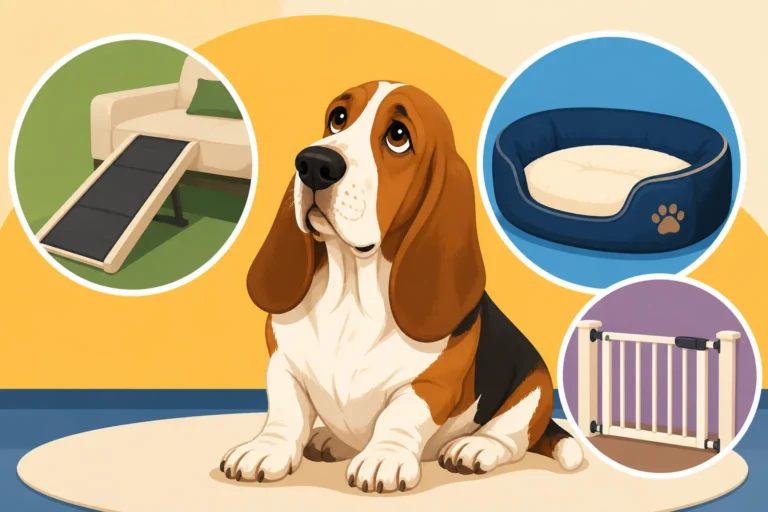
What a Crate That Fits a Basset Hound Costs
Ah, the quest for the perfect crate for your beloved Basset Hound! It's one of those things that seems simple enough on the surface, but once you start looking, you realize it's a whole world of options, considerations, and, let's be honest, often surprising price tags. Many new Basset owners, myself included once upon a time, think a crate is just a crate. Then reality hits when you realize these long, low, heavy hounds have very specific needs that don't always align with standard dog crate sizes, and the cost can vary wildly. This guide is here to walk you through what really goes into finding and budgeting for a crate that truly fits your Basset Hound, both physically and financially.
Understanding the Unique Crate Needs of a Basset Hound
Before we even talk dollars and cents, it's crucial to understand why a Basset Hound isn't just any dog when it comes to crating. Their unique build dictates a lot about what kind of crate will be suitable and, by extension, what it might cost.
Why Size Isn't Just About Height
When you think "dog crate," you often picture something tall enough for a dog to stand up in with plenty of head clearance. While a Basset Hound certainly needs to be able to stand, turn around, and lie down comfortably, their low stature means that vertical space isn't the primary concern. Instead, it's all about length and floor space. A Basset Hound's long body means they need a generously sized crate to stretch out without feeling cramped. You might find yourself needing a crate that's technically sized for a much taller breed, simply to accommodate your Basset's impressive length. This often means stepping up a size or two from what you'd initially expect based on weight charts alone, and larger crates naturally come with a higher price point. It's not uncommon for owners to underestimate this, leading to a second purchase down the line when their Basset puppy outgrows a too-small starter crate. Whether a Basset Hound Needs a Bigger Crate Than Expected is a common question, and the answer is almost always yes.
The Importance of Durability for a Basset Hound
Let's be frank: Basset Hounds are robust dogs. They have heavy bone, can be surprisingly strong when they put their mind to something, and let's not forget that incredible nose can lead to some determined attempts to "investigate" their surroundings – including the crate itself. A flimsy wire crate with thin gauge wire or weak latches might not stand up to a persistent Basset. You need something sturdy enough to contain them safely, especially if you're using the crate for house training or to keep them out of trouble when you can't supervise. A durable crate prevents escapes and potential damage to your home, but it also means a safer enclosure for your dog, reducing the risk of them hurting themselves trying to break free. Investing in a higher quality, more durable crate initially can save you the headache and expense of replacing a chewed-up or bent one later.
Considering Comfort and Airflow
While a crate's primary function is containment, it should also be a comfortable, safe den for your Basset. Good airflow is essential, particularly for a breed prone to overheating due to their dense coat and lower body position. Wire crates generally offer excellent ventilation. Plastic crates, while secure for travel, can sometimes feel a bit stuffy, so ensuring adequate vents is key. Beyond the structure, the bedding you choose contributes significantly to comfort. A plush, supportive bed – perhaps even an orthopedic one to protect those Basset joints – can turn a simple box into a true sanctuary. You'll find a range of bedding options, from simple mats to luxurious orthopedic pads, and these add-ons definitely factor into the overall cost of making the crate a welcoming space. What an Orthopedic Bed Costs for a Basset Hound might be an unexpected expense, but a worthwhile one.
Different Types of Crates and Their Cost Implications
Just like shoes, crates come in various styles, each with its own advantages, disadvantages, and, of course, price point. Understanding these differences will help you choose the best fit for your Basset Hound and your wallet.
Wire Crates: The Common and Cost-Effective Choice
Wire crates are probably what most people picture when they hear "dog crate." They're typically made of metal wire, often collapsible for easy storage and transport. Their open design provides excellent ventilation, which is a big plus for Bassets. They come in a wide range of sizes, often with divider panels that allow you to adjust the internal space as your puppy grows – a fantastic feature for house training. Many also include a removable plastic tray for easy cleaning, which is a lifesaver when dealing with accidents.
When it comes to cost, wire crates generally fall into the mid-range. A basic, appropriately sized wire crate for a Basset Hound might be one of the more budget-friendly options upfront. However, prices can increase with features like multiple doors, heavier gauge wire for added durability (which a determined Basset might appreciate!), or a rust-resistant coating. While typically cost-effective, remember that a truly cheap, flimsy wire crate might not hold up to the strength and curiosity of a Basset Hound, potentially leading to escapes or even injury. It's worth spending a little more for a well-constructed one. You might find a good selection on sites like Chewy, offering various brands and sizes to compare.
Plastic (Airline-Style) Crates: For Travel and Security
Plastic crates, often referred to as "airline-approved" or "travel" crates, are molded plastic kennels with a wire door. They offer a more den-like feel, which some dogs prefer, and their enclosed nature can be comforting. They're also generally very secure, making them ideal for car travel or if you need a truly escape-proof option for a Basset with Houdini tendencies. The solid construction makes them quite durable, and they are typically easy to clean with a quick wipe-down.
The cost of plastic crates can be similar to wire crates, but often skew a bit higher, especially for the larger sizes needed for a Basset. Features like extra ventilation holes, secure latches, or integrated carrying handles can also impact the price. While they offer security and a cozy feel, some owners find the airflow less robust than wire crates, which can be a concern in warmer climates. They're also not collapsible, so they take up more space when not in use. However, for a Basset Hound that travels frequently or needs an extra layer of security, they're an excellent investment.
Furniture-Style Crates: Blending In With Your Home Decor
For those who view crates as an unsightly necessity, furniture-style crates offer an elegant solution. These are typically made from wood, often designed to double as an end table, nightstand, or even a console table. They can blend seamlessly with your home decor, providing a functional piece of furniture that also serves as your Basset's den. They often feature sturdy construction and can be quite beautiful.
Naturally, this aesthetic appeal comes with a significant price increase. Furniture-style crates are almost always the most expensive option, often costing several times more than a basic wire or plastic crate. The cost depends heavily on the material (solid wood, engineered wood), craftsmanship, size, and additional features like drawers or shelves. While they offer a high level of integration into your living space, they might not be as portable or offer the same level of ventilation as a wire crate. This type of crate is a luxury item, and while lovely, it's important to weigh if the added cost is worth the aesthetic benefit for your household.
Soft-Sided Crates: Lightweight and Portable
Soft-sided crates are made from fabric stretched over a collapsible frame. They are incredibly lightweight and fold down compactly, making them perfect for quick trips, visiting friends, or dog events. They're typically very comfortable for the dog, offering good ventilation through mesh windows.
The cost of soft-sided crates is generally on the lower end, similar to or slightly above basic wire crates. However, their main drawback for a Basset Hound is durability. They are not suitable for dogs who chew or try to dig their way out, as the fabric can be easily damaged. If your Basset is already crate trained and calm, a soft-sided crate can be a convenient secondary option for travel. But as a primary, unsupervised containment solution, especially for a puppy or a Basset prone to destructive behaviors, they are usually not recommended due to their limited containment ability. You really need to know your Basset's personality before relying on one of these.
Here’s a quick overview of crate types:
| Crate Type | Typical Cost Shape | Primary Use | Pros | Cons |
|---|---|---|---|---|
| Wire Crate | Budget to Mid-range | Everyday containment, training | Excellent ventilation, collapsible, durable options | Can be perceived as less "homey," can be noisy if dog moves around |
| Plastic Crate | Mid-range | Travel, secure containment | Very secure, den-like feel, easy to clean, durable | Less ventilation than wire, not collapsible, bulky for storage |
| Furniture Crate | High-end to Luxury | Home decor integration | Aesthetically pleasing, functions as furniture | Very expensive, not portable, less ventilation than wire |
| Soft-Sided Crate | Budget | Portable, temporary travel | Lightweight, collapsible, comfortable | Not for chewers, limited containment, less durable |
Factors Influencing Crate Costs Beyond the Basic Price Tag
It's easy to look at the initial price of a crate and think that's the whole story. But as any seasoned Basset owner knows, there are always a few extra layers of cost to consider, especially for these wonderful, quirky hounds.
Brand Reputation and Quality
Just like with anything else, the brand behind the crate can significantly influence its price. Established brands known for their quality, safety, and customer service often command a higher price point. These brands might use heavier gauge steel for wire crates, more robust plastic for travel crates, or better hardware for furniture-style options. While it might seem like you're just paying for a name, a reputable brand often means better construction, more durable materials, and a product that will truly last through the years with your Basset Hound. This is particularly important for a dog like a Basset, who can put a crate through its paces. A cheap, no-name crate might save you a few dollars upfront, but if it falls apart in a year or, worse, if your Basset gets injured trying to escape, that initial saving vanishes quickly. It's often worth reading reviews from other large dog owners or Basset owners specifically to gauge long-term satisfaction.
Essential Crate Accessories
A crate itself is just a frame; to make it a comfortable and inviting space for your Basset, you'll need accessories. These aren't just luxuries; some are necessities that add to the overall cost.
- Crate Mat or Bedding: This is non-negotiable for comfort. A simple fleece mat or a more substantial orthopedic bed can range from modest to surprisingly expensive. Given a Basset's propensity for joint issues later in life, an orthopedic bed is often a wise investment.
- Water and Food Bowls: Clip-on bowls are fantastic for keeping water and food secure and off the crate floor, preventing spills. These are typically inexpensive but still an added cost.
- Crate Cover: A cover can help create a more den-like atmosphere, reducing visual stimulation and encouraging rest. These come in various materials and styles, from simple fabric drapes to fitted, insulated covers.
- Chew Toys and Kongs: Essential for keeping a Basset occupied and happy in their crate. Stuffing a Kong with some of their daily food or a bit of peanut butter can make the crate a positive place. Companies like Ollie often make high-value, healthy treats that can be excellent for crate training. What Actually Motivates a Basset Hound often boils down to food, so having enticing treats on hand for crate time is key.
- Odor Eliminators/Cleaners: Accidents happen, especially during house training. Having appropriate, pet-safe cleaners on hand is vital for maintaining hygiene and preventing lingering odors that might tempt your Basset to repeat the "offense."
All these accessories, while seemingly small purchases, can add up, pushing the total cost of your Basset's crate setup considerably higher than just the crate itself.
Shipping and Delivery Fees
Don't forget the practicalities of getting that sizable crate to your home. Large dog crates, especially wire or plastic models suitable for a Basset, can be bulky and heavy. This often translates to higher shipping costs, particularly if you're ordering online from a specialty retailer or a smaller business. Some larger retailers, like Chewy, might offer free shipping on orders over a certain amount, which can be a real boon. However, if you need a specific type or brand not readily available, or if you're in a more remote area, those shipping fees can add an unexpected chunk to your overall budget. Always factor these in when comparing prices between different sellers.
Making a Crate Choice That Fits Your Basset Hound and Your Budget
Choosing a crate isn't just about the initial outlay; it's about making a decision that serves your Basset Hound's needs and your financial reality for years to come. Thinking strategically can save you money and ensure your Basset has a comfortable, safe space.
Buying Used or Refurbished
One excellent way to save money, especially on more expensive crate types, is to consider buying used or refurbished. Many local online marketplaces, pet rescue groups, or even specific breed forums for Basset Hounds will have crates for sale from owners whose dogs have outgrown them or no longer need them. This is particularly good for sturdy wire or plastic crates. You can often find high-quality crates for a fraction of their retail price.
However, there are a few caveats. Always inspect a used crate thoroughly for damage, rust, or broken latches. Ensure it's clean and sanitize it yourself before introducing your Basset. Avoid anything that looks unstable or could injure your dog. With a little patience and a keen eye, you can find a fantastic deal that helps mitigate What a Basset Hound Costs a Year to Keep without compromising on quality or safety.
Long-Term Value vs. Initial Savings
When budgeting for a Basset Hound's crate, it's easy to default to the cheapest option. But for a breed with specific structural and behavioral traits, the cheapest option isn't always the most economical in the long run. A flimsy crate that needs replacing in a year, or one that your Basset escapes from (potentially causing damage or getting hurt), will end up costing you more in replacements, repairs, or vet bills. What a Basset Hound's Emergency Surgeries Cost can be astronomical, and even minor injuries from a broken crate can lead to significant expenses.
Think of it this way: a good quality, appropriately sized crate is an investment in your Basset's safety, training, and overall well-being. A durable crate can last the entire The Ten to Twelve Years a Basset Hound Lives, making its cost per year quite low. When you consider the bigger picture of The First Year With a Basset Hound Puppy and all the expenses involved, opting for a well-made crate that will stand the test of time often proves to be the smarter financial decision. Don't be afraid to stretch your budget slightly for quality that provides peace of mind and durability. Many Basset owners find that securing their dogs in a quality crate, especially when home alone, reduces the risk of chewed furniture or other household incidents, indirectly saving money on potential damage.
Ultimately, choosing the right crate for your Basset Hound is about balancing their unique needs for space and security with your budget. By understanding the different types of crates and all the hidden costs, you can make an informed decision that ensures your Basset has a safe, comfortable, and appropriately sized den they'll love for years.
Disclaimer
This article is for general informational purposes only and does not constitute professional advice. Laws, prices and regulations vary by location and change over time. Consult a qualified professional for guidance on your specific situation.