Whether a Basset Hound Needs a Tracking Collar
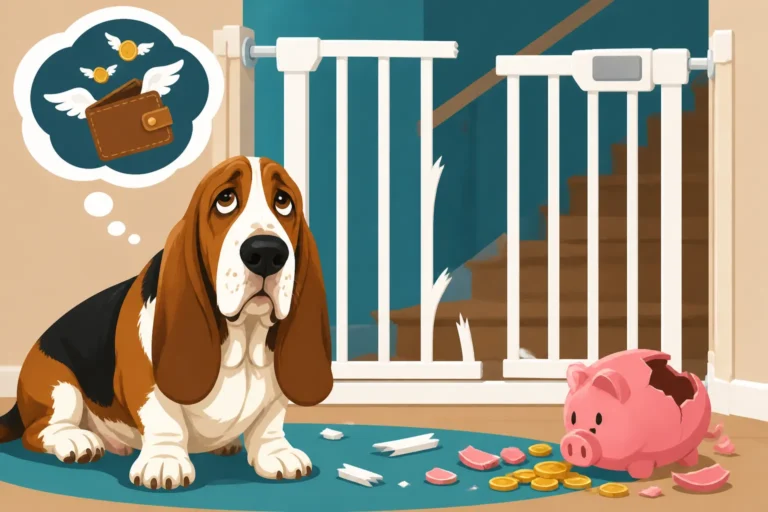
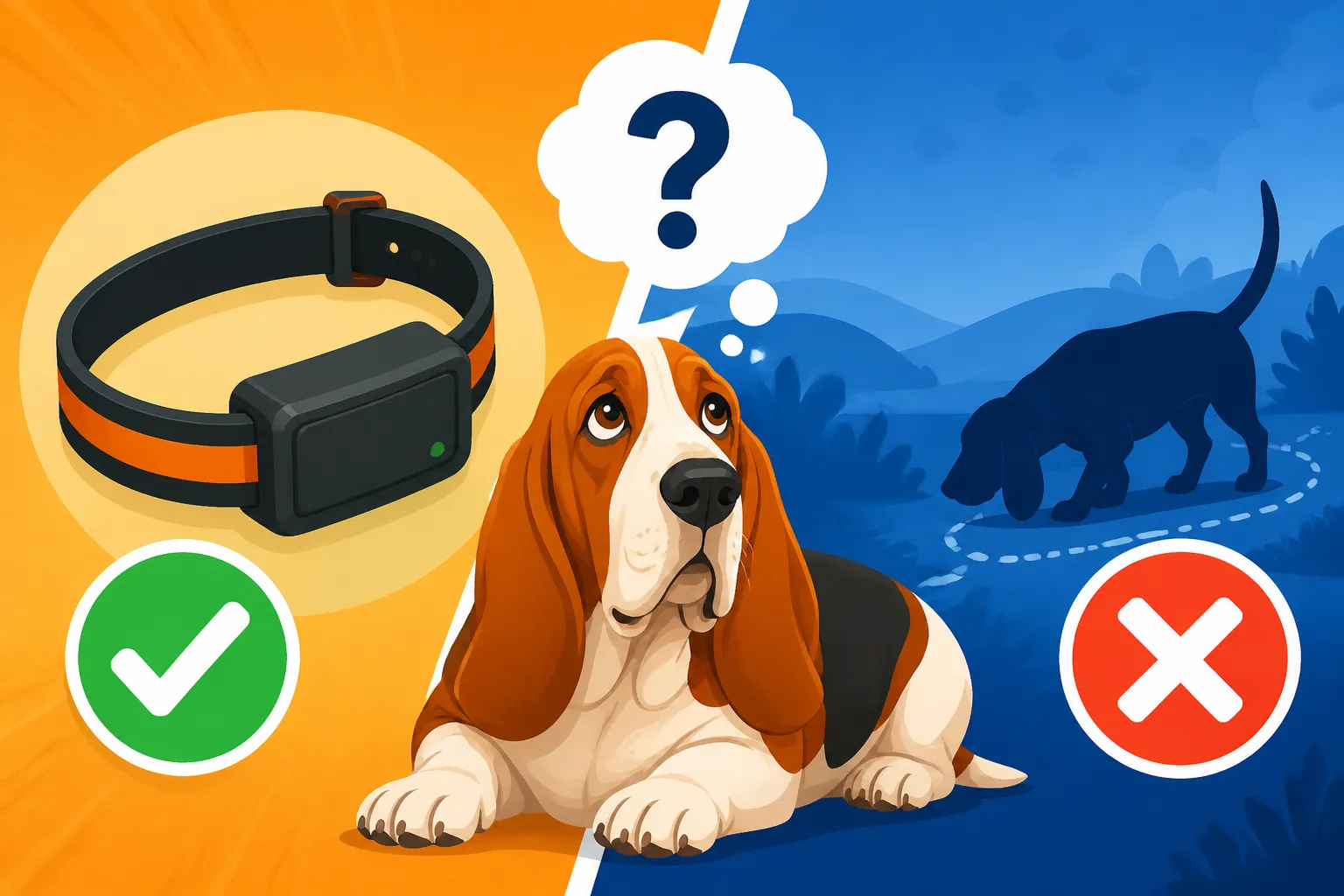
It’s a scenario every Basset Hound owner dreads: that moment you turn your back for a second, a gate is ajar, or a lead slips, and your beloved hound is off like a shot, nose to the ground, utterly oblivious to your panicked calls. Their incredible scent drive is a double-edged sword, and the fear of losing them is very real. This guide will delve into whether a tracking collar is truly a necessary investment for Basset Hound owners, exploring their unique instincts and how modern technology can offer some much-needed peace of mind.
The Scent-Driven Nature of a Basset Hound
Living with a Basset Hound means understanding that their world is primarily experienced through their phenomenal nose. It's not just a cute trait; it's a fundamental part of their being, hardwired into their DNA over centuries of selective breeding for tracking game. This intense focus on scent can lead to situations that feel like a direct challenge to your authority, but it's purely instinctual for them.
Why Their Nose Rules Everything
Imagine having a superpower, but that superpower occasionally overrides all your other senses and your ability to reason. That’s pretty much what a Basset Hound experiences when they pick up an interesting scent. Their olfactory system is incredibly sophisticated, second only to a Bloodhound in terms of sheer power. They have millions more scent receptors than we do, and their long, droopy ears actually help sweep ground scent towards their nose, concentrating the aroma. When they lock onto a trail, it’s like the world around them fades away. Your calls, your commands, the sound of traffic – it all becomes background noise to the compelling narrative their nose is following. This isn't stubbornness, though it certainly feels like it sometimes. It's a profound, biological drive that makes them temporarily "deaf on purpose." It's one of the reasons The Recall a Basset Hound Will Never Reliably Give You is such a consistent challenge for this breed.
The Urge to Trail and Wander
This powerful nose, combined with their low-to-the-ground build, means a Basset Hound is perfectly engineered for trailing. They can follow a scent trail that's hours, even a day, old with remarkable precision. This inherent urge to trail means that if an opportunity presents itself – an open gate, a loose leash, or an unlatched door – their instinct is to follow that tantalizing aroma wherever it leads. They aren't trying to run away from you; they're simply following their prime directive. They get so engrossed that they can easily become disoriented, losing track of where they are or how to get back. Their short legs might make them seem slow, but when they're on a mission, they can cover surprising distances surprisingly quickly, often without looking up once.
Common Scenarios Where a Basset Might Go Missing
It often happens in the most innocent ways. Perhaps a delivery person leaves the front door ajar for a moment too long. Maybe the kids forget to properly latch the back gate after playing. Or you might be on a walk, and that usually reliable leash clip suddenly fails, or your grip loosens as you reach for your phone. In these fleeting moments, a Basset Hound can vanish. We often hear stories of Bassets disappearing from seemingly secure backyards because they've found a weak spot in the fence, or a scent under the gate was just too tempting. They're not always looking for trouble, but their commitment to a scent can lead them directly into it, whether that's a busy road or an unfamiliar part of town. This is why it's so important to think about securing your environment, but sometimes, life just happens. Even in situations like taking your Basset to a friend's house or a vacation rental, a sudden new scent can trigger that instinct, and the unfamiliar surroundings mean they won't know their way back home. It's a constant worry that many Basset owners carry, recognizing that one momentary lapse can have devastating consequences.
Traditional Methods vs. Modern Tracking Collars
For years, we've relied on pretty standard methods to identify our pets. And while these are absolutely crucial, they have inherent limitations when it comes to a Basset Hound’s specific disappearing act. Modern tracking collars, however, bring a whole new layer of security to the table.
Limitations of Collars, Tags, and Microchips
Let's be clear: a traditional collar with ID tags and a microchip are absolutely non-negotiable for any dog, especially a Basset Hound. They are your first line of defense. The ID tags should have your current phone number and address clearly engraved. A microchip, registered with your correct details, ensures that if your Basset is found and scanned, you can be contacted. This is part of the essential care outlined in articles like What a Basset Hound Needs Every Day.
However, these are identification methods, not tracking methods. They work only if someone finds your dog, captures them, and then takes the time to check their tags or take them to a vet or shelter to be scanned. There are many scenarios where this falls short:
- Lost Collars: Basset Hounds, with their low-slung bodies and adventurous sniffing, can sometimes snag their collars on bushes or branches, pulling them off. A lost collar means lost ID.
- Unreadable Tags: Over time, tags can become scratched or worn, making the information hard to read.
- Time Delay: The biggest limitation is the reactive nature of these methods. You don't know where your Basset is in real-time. You're left to wonder, to search, and to wait, hoping someone finds them before something bad happens. This delay can be agonizing and potentially dangerous, especially if your Basset is headed towards a busy road or dangerous terrain.
The Rise of GPS and Bluetooth Trackers
This is where technology steps in to fill a critical gap. Modern tracking collars, or devices that attach to a collar, offer proactive solutions. They fall generally into two categories:
- GPS Trackers: These devices use global positioning system technology to pinpoint your dog's location anywhere there's a cellular signal. They send real-time location data to an app on your smartphone, allowing you to see your Basset's movements on a map. Some even offer "virtual fence" features, alerting you if your dog leaves a pre-defined safe zone. This is fantastic for those moments when your Basset is out of sight, following that irresistible scent. You don't have to wait for a call; you can immediately start heading in the right direction. Many of these devices require a subscription fee to cover the cellular data costs, but for the peace of mind they offer, many owners find it a worthwhile investment.
- Bluetooth Trackers: These are generally smaller, lighter, and often less expensive. They work by connecting to your phone via Bluetooth and typically have a more limited range, usually a few hundred feet. Some utilize a "community" finding feature, where if another user with the same app comes within range of your lost dog, their phone can update the location. While not as robust for a wide-ranging Basset as a GPS tracker, they can be useful for quickly locating a dog that has slipped out in a contained area, like a large park or your own extensive property. They often don't require a subscription.
The key benefit here is real-time knowledge. Instead of wondering, you know. Instead of searching blindly, you have a direction. For a breed so easily distracted by their nose, this kind of immediate information can be a game-changer.
When a Tracking Collar Becomes Essential for a Basset Hound
Considering a Basset Hound's specific breed traits, a tracking collar isn't just a gadget; it's often a crucial layer of protection. There are certain circumstances and daily realities where it transitions from a nice-to-have to an absolute essential.
High-Risk Environments and Situations
If you live in a rural area with wide-open spaces, or conversely, near a busy road, a tracking collar for your Basset Hound can be invaluable. In the countryside, a Basset can disappear into fields or woods following a rabbit trail, and cover significant ground before you even realize they're gone. The silence can be terrifying. A tracker allows you to zero in on their location, rather than frantically calling their name and hoping they eventually surface. Similarly, if your home backs onto a busy street, or you live in an urban environment with heavy traffic, every second counts when your Basset makes an escape. The faster you can locate them, the faster you can mitigate the risk of them getting hit by a car.
Even seemingly secure environments can pose a risk. If your yard isn't fully fenced, or you have an older fence with potential weak spots, a tracking collar acts as an early warning system. Whether a Basset Hound Wanders if the Gate Opens is a concern for almost every owner, and even a moment's inattention can lead to a runaway. Imagine you’re hosting a barbecue, and someone forgets to fully close the side gate, distracted by conversation. Your Basset, ever the opportunist, catches a whiff of something amazing from down the street and slips out. With a tracking collar, you get an alert the moment they leave your designated safe zone, allowing you to respond immediately instead of discovering they’re gone hours later.
Peace of Mind for Owners
Let's be honest: owning a Basset Hound can be a constant balancing act between appreciating their incredible nose and living in perpetual fear of it. The anxiety of taking them to new places, even securely leashed, can be immense. Will they pull too hard? Will the leash break? Will I be able to hold them if a super-interesting scent wafts by? This constant low-level stress takes away some of the joy of pet ownership.
A tracking collar doesn't just help locate a lost dog; it provides immense psychological relief to the owner. Knowing that you have a tool that can pinpoint your Basset’s location can significantly reduce that worry. It allows you to relax a little more during walks, knowing that if the unthinkable happens, you have a better chance of a swift reunion. For some, it even opens up possibilities for more freedom, such as supervised time in a securely fenced large area (like a dog park or a friend's farm) where you still want that extra layer of oversight, or even just in your own backyard if you're concerned about them digging out. It's an investment in your mental well-being as much as it is in your Basset's safety. Many owners report a profound sense of calm knowing their mischievous hound has this safety net.
Specific Tracking Collar Features to Consider
When you're looking at tracking collars, it's not a one-size-fits-all situation, especially for a Basset Hound. Their unique build and their propensity for getting into soggy, muddy situations mean you need to think carefully about features:
- Battery Life: This is paramount. A tracker that dies after a few hours is useless if your Basset decides to embark on a multi-hour scent adventure. Look for devices that offer extended battery life, ideally several days, and make sure you commit to a regular charging schedule.
- Range and Coverage: For GPS trackers, this means understanding their cellular network coverage. Do they work well in your specific area, including any rural spots you might visit? For Bluetooth trackers, be realistic about their more limited range.
- Durability and Waterproofing: Bassets are not delicate creatures, and their noses lead them through all sorts of puddles, mud, and thickets. A tracking device needs to be robust, impact-resistant, and, crucially, highly waterproof. Look for high IP ratings (e.g., IP67 or IP68) to ensure it can withstand a dip in a murky pond or a sudden downpour.
- Size and Fit: The device should be comfortable for your Basset to wear without interfering with their movement or lying awkwardly on their neck. Ensure it's not too bulky or heavy. You want something that integrates seamlessly with their regular collar or harness, like the range of collars you might find on Chewy.
- Subscription Models: Most GPS trackers require a monthly or annual subscription fee to cover the cellular data costs needed for tracking. Be sure to factor this into your budget. While a company like Healthy Paws specializes in pet insurance, thinking about these ongoing costs for tracking devices is part of responsible pet ownership.
- Alert Features: Look for customizable alerts, such as geofence alerts that notify you when your Basset leaves a designated safe zone, or low battery warnings so you’re never caught off guard.
Choosing the right tracking collar means balancing these features with your specific lifestyle and your Basset's habits to find the best fit for their safety and your peace of mind.
Integrating a Tracking Collar into Your Basset Hound's Life
Getting a tracking collar is just the first step. To make it truly effective, you need to properly introduce it to your Basset, maintain it, and have a clear plan for what to do if your hound does decide to go on an unscheduled adventure.
Training Your Basset to Wear It
Basset Hounds are creatures of habit, and while generally good-natured, they can sometimes be particular about new sensations. Introducing a tracking collar, especially if it’s a new type of device or feels different from their usual tag, should be done gradually and with positive reinforcement.
Start by simply showing them the device and letting them sniff it. Associate it with positive experiences, like treat time or a favorite toy. Then, attach it to their existing collar or a comfortable harness for short periods while they're supervised, perhaps during mealtime or a brief play session. Praise them and give them treats for tolerating it. Gradually increase the time they wear it, always ensuring it's not causing any irritation or discomfort. You want them to view it as a normal part of their gear, just like their leash for walks. This positive association is key, much like how you would approach teaching them any new command or Whether a Basset Hound Learns Tricks. You can even make a game out of it, associating the tracking collar with going outside for a fun adventure.
Regular Checks and Maintenance
A tracking collar is only useful if it's working properly. Making a routine of checking and maintaining the device is crucial.
- Battery Charging: This is probably the most important maintenance task. Set a reminder to charge the device regularly, perhaps every night or every few days, depending on its battery life. Don’t wait until it’s almost dead. Imagine the panic if your Basset slips out and the tracker’s battery gives up halfway through the search!
- Fit and Comfort: Regularly check that the device is securely attached to the collar and that the collar itself fits properly. It should be snug enough not to slip off easily but loose enough that you can fit two fingers comfortably underneath. For Bassets with their loose skin, ensure the device isn't rubbing or causing irritation.
- Cleanliness and Wear: Bassets love to explore, often in muddy or wet conditions. Clean the device periodically according to the manufacturer's instructions to ensure optimal performance. Check for any cracks, damage, or loose parts that might compromise its waterproofing or functionality.
- Software Updates: Many smart tracking devices will have accompanying apps that require occasional software updates. Keep your app updated to ensure you have the latest features and best performance.
Making these checks a routine, like topping up their food from Chewy or giving them their favorite treat from Ollie, will ensure that your tracking collar is always ready when you need it most.
What to Do if Your Basset Goes Missing with a Tracker
Even with the best precautions and a tracking collar, a determined Basset Hound on a hot scent can sometimes get ahead of you. The good news is that with a tracker, your immediate response is far more targeted and effective.
- Stay Calm and Check Your App Immediately: The first instinct is panic, but take a deep breath. Open your tracking app. The real-time location data is your most powerful tool.
- Assess Their Location and Direction: See where your Basset is headed. Is it towards a road? A park? A residential area? This information guides your next steps.
- Mobilize Support: If you're not alone, share the location with family members or friends who can help. Designate one person to monitor the app while others head out.
- Go Directly to Their Location: Use the map on your app to navigate directly to your Basset's position. Speak calmly and reassuringly as you approach, but remember they may still be engrossed in a scent.
- Be Prepared for a Challenge: Even with the tracker, your Basset might still be focused on the trail. Approach slowly, speak in a happy, familiar tone, and have a high-value treat ready. A Basset Hound’s nose is powerful, but a tasty treat can often break their concentration.
- Inform Neighbors and Local Groups: Even with a tracker, it's wise to alert neighbors, local dog groups, and shelters. They might have seen your Basset, and more eyes are always better. A tracking collar is a phenomenal aid, but it's part of a broader strategy for keeping your Basset safe.
This active approach, powered by real-time tracking, dramatically increases the chances of a quick and safe reunion, turning a potentially desperate situation into a manageable retrieval mission.
| Feature | Traditional Collar & Tags | Microchip | GPS Tracking Collar | Bluetooth Tracking Tag |
|---|---|---|---|---|
| Real-time Location | No | No | Yes | Limited range / Community finding |
| Proactive Search | No | No | Yes | Limited |
| Identification | Yes | Yes | Yes (often attached to collar) | Yes (attached to collar) |
| Battery Dependent | No | No | Yes | Yes |
| Subscription Required | No | No | Often | Rarely |
| Cost | Low | One-time fee | Device + subscription | Low / Mid |
| Durability | Varies | Permanent | Varies, look for robust models | Varies |
| Range | N/A | N/A | Global (with cellular) | Short (Bluetooth range) |
| Best Use | Basic ID, found pets | Permanent ID, found pets | Active tracking, wide area | Short-range search, close proximity |
Disclaimer
This article is for general informational purposes only and does not constitute professional advice. Laws, prices and regulations vary by location and change over time. Consult a qualified professional for guidance on your specific situation.