Where the First Basset Hounds Came From
Have you ever looked at your Basset Hound, with those impossibly long ears and soulful eyes, and wondered, "How did this magnificent, low-slung creature come to be?" It’s a question many of us Basset parents ponder, especially when they’re draped across the sofa, looking utterly regal yet slightly goofy. It's easy to assume such a distinctive breed simply "always was," but the truth is, the Basset Hound's origins are deeply woven into centuries of European history, a testament to thoughtful breeding and specific hunting needs. This guide is going to take you on a journey back in time, unraveling the fascinating story of where our beloved Basset Hounds first emerged.
Tracing the Ancient Roots of the Basset Hound
To truly understand the Basset Hound, we have to rewind quite a bit, past the days of modern dog shows and even past the time of familiar dog breeds. We’re talking about a period in Europe where hunting wasn't just a sport for the aristocracy, but a crucial part of life, influencing everything from canine development to land management. The need for a specific type of hunting dog laid the groundwork for what would eventually become our low-to-the-ground companions.
The Medieval European Hunting Scene
Imagine a world where forests were vast and dense, and game animals like deer, boar, and rabbits roamed freely. In medieval Europe, hunting was far more than a pastime; it was an integral part of sustenance, pest control, and even social status. Hunters needed dogs that could navigate these challenging terrains, track elusive prey, and, crucially, do so at a pace that allowed humans, often on foot, to keep up. This was not a world for swift Greyhounds chasing down prey in open fields, but for hounds with incredible scenting abilities, determination, and a steady pace. The emphasis was on persistence, not speed. Owners prized a dog that could meticulously follow a trail, no matter how faint or old, and eventually bring the quarry to bay. This era, with its practical and immediate needs, fostered the development of specialized breeds, and it's within this context that the ancestors of the Basset Hound began to take shape.
The Role of Monasteries in Breed Development
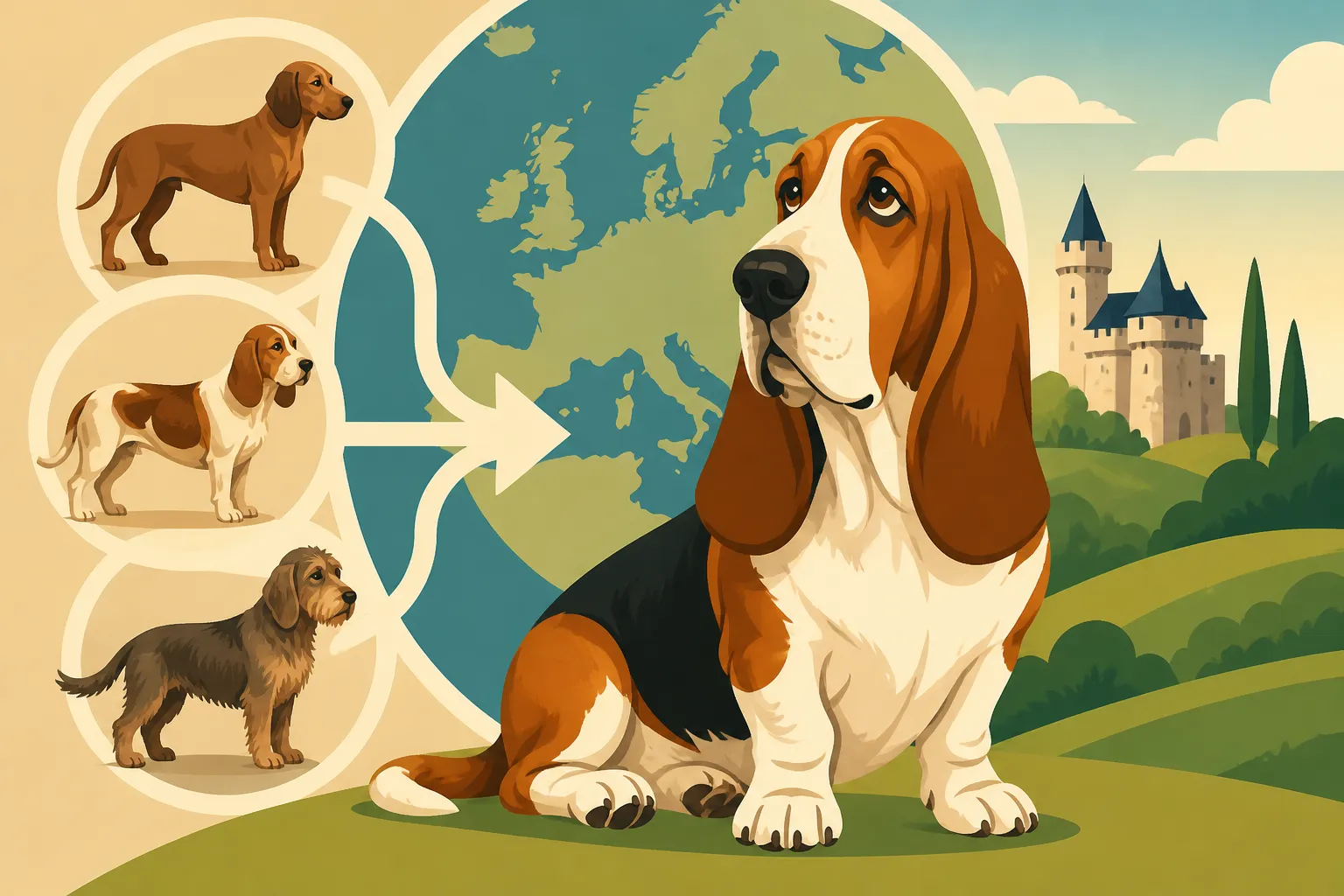
It might seem a bit surprising, but many of the early hound breeds owe a great deal to the quiet dedication within monastic walls. Monasteries, with their stable environments, resources, and long-term vision, often became centers for selective animal breeding. They weren't just preserving ancient texts; they were preserving and refining animal lines, often for practical purposes. One of the most famous examples is the Abbey of Saint Hubert in the Ardennes region, a place steeped in legend and deeply connected to the development of hounds. Here, devoted monks meticulously bred hounds for their exceptional scenting abilities and distinctive characteristics. These were not random matings; they were careful, intentional programs aimed at producing dogs that excelled in tracking over long distances, often through difficult undergrowth. This focused approach, spanning generations, allowed for the gradual emergence of traits that would become foundational for many scent hounds, including, eventually, the Basset. For more on this, you might find The Ardennes Abbey That Bred the First Hounds an interesting read.
The Venerable Saint Hubert Hounds
When we talk about the earliest ancestors of the Basset Hound, one name consistently emerges: the Saint Hubert Hound. These dogs weren't just "old hounds"; they were legendary, celebrated for their unparalleled noses and formidable tracking skills. Understanding them is key to appreciating the lineage of our modern Bassets.
Who Was Saint Hubert and His Legacy?
Saint Hubert, the patron saint of hunters, foresters, and trappers, is a figure whose story intertwines deeply with the history of these ancient hounds. Legend tells of Hubert, a nobleman, who, while hunting on a Good Friday, encountered a magnificent stag with a crucifix between its antlers. This profound experience led to his conversion and a life dedicated to the Church. In his honor, the Abbey of Saint Hubert became a renowned center for breeding powerful, deep-voiced scent hounds. These dogs, known as Saint Hubert Hounds, were revered throughout medieval Europe for their tenacity on the trail and their incredible ability to follow a scent regardless of conditions. They were large, robust hounds, built for endurance and a resonant bay. Their legacy wasn't just in their hunting prowess but also in the meticulous breeding practices sustained by the monks, which allowed these valuable traits to be passed down through generations. To learn more about this historical figure, check out Who Saint Hubert Was.
From Grand Hounds to 'Basset' Varieties
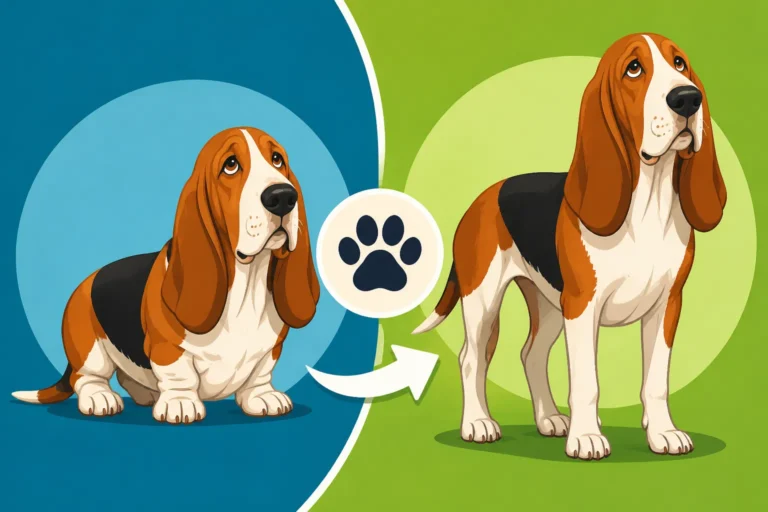
While the Saint Hubert Hounds were impressive, their size and speed (or rather, lack thereof, as they were deliberate, not fast) weren't always ideal for every hunting scenario. As hunting practices evolved, and particularly as common people, rather than just mounted nobility, began to participate more actively, there arose a need for a smaller, slower hound. This is where the term "basset" comes into play, a French word meaning "low" or "dwarf." It wasn't originally a breed name, but a descriptor for any dog that was short-legged. The idea was to take the exceptional scenting abilities, the deep voice, and the determined temperament of the larger Saint Hubert-type hounds and condense them into a package that could be easily followed on foot, particularly through dense brush and undergrowth where larger dogs might struggle. This adaptation allowed hunters to pursue smaller game, like rabbits and hares, with greater success and accessibility. It was a clever piece of selective breeding, retaining the most valuable traits in a more specialized form. Why the Word Basset Just Means Low delves deeper into the etymology of this defining characteristic.
The French Connection: Where 'Bas' Truly Began
France, with its rich hunting traditions and diverse landscapes, truly became the cradle of the Basset Hound as we recognize it today. The specific needs of French hunters directly shaped the evolution of these low-to-the-ground hounds.
The Demand for Low-to-Ground Hunters
Imagine hunting in the thick, often thorny undergrowth of the French countryside. A tall, fast hound might quickly lose sight of its prey or its handler, crashing through bushes and flushing game prematurely. What was needed was a dog that could slowly, methodically pick apart a scent trail beneath the dense canopy, forcing the game out into the open where it could be taken. Hunters on foot, not mounted nobles, particularly benefited from such a dog. These "basset" types, with their short legs and heavy bone, were perfectly suited to this task. Their low stature kept their noses closer to the ground, allowing them to detect even the faintest of scents, and their deliberate pace meant hunters could keep pace without breaking into a run. It wasn't about a dramatic chase; it was about persistent, unwavering tracking. This utilitarian need directly drove the selective breeding for the distinctive physical traits that make a Basset Hound so unique – the long, dragging ears that sweep scent upwards, the deep jowls, and those famously short, sturdy legs. Their purpose was clear: to follow a trail where others couldn't, without losing their way or leaving their human partners behind.
Early French Basset Types and Distinctions
It’s important to remember that the Basset Hound didn't just appear as a single, uniform breed overnight. France, being a large country with varied regions and local hunting preferences, saw the development of several distinct "basset" types. These were often named after the region they originated from or the noble families who bred them. For example, there were Bassets d'Artois, Bassets Normand, and Bassets Vendéen, each with slightly different appearances and specific aptitudes, though all shared the fundamental characteristic of being short-legged scent hounds. Over time, some of these types were cross-bred, while others were maintained as separate lines. The Basset Artesien Normand, for instance, is considered a very close relative to the modern Basset Hound, and shares many of its characteristic features, including those long, velvety ears and a deeply wrinkled brow. These early distinctions highlight the careful, often localized, evolution of these hounds, showing a practical approach to canine development that sought to optimize dogs for specific tasks within particular environments. If you're curious about a specific close cousin, then What the Basset Artesien Normand Is offers great insight.
Evolution and Recognition: From Field to Fancier
The journey of the Basset Hound from a working field dog in France to a recognized, beloved breed across the globe is a fascinating tale of immigration, dedicated enthusiasts, and the establishment of formal standards. It’s a transition that saw these humble trackers gain international renown.
Crossing the Channel: The Basset Hound in Britain and America
Like many European breeds, the Basset Hound eventually caught the eye of dog enthusiasts beyond the borders of France. The mid-19th century saw some of these distinctive hounds make their way to Britain. Initially, they were often admired for their novelty and unique appearance, but soon their exceptional scenting abilities and charming temperament won over a dedicated following. Notably, individual Bassets were imported by prominent figures, some even finding their way into royal kennels, which certainly boosted their profile. From Britain, it wasn't long before the Basset Hound made its grand entrance into America. The late 19th century marked their arrival on American soil, often accompanying European immigrants or being specifically imported by those keen to establish new bloodlines. Their unique blend of determination in the field and laid-back charm indoors quickly made them a popular choice. The distinct characteristics – their powerful nose, soulful eyes, and those famously long, low-set ears, which many say help sweep scent into their olfactory zone – made them stand out. For more on this journey, explore When the Basset Hound Reached Britain and When the Basset Hound Reached America.
Formalizing the Breed: Kennel Club Standards and Early Shows
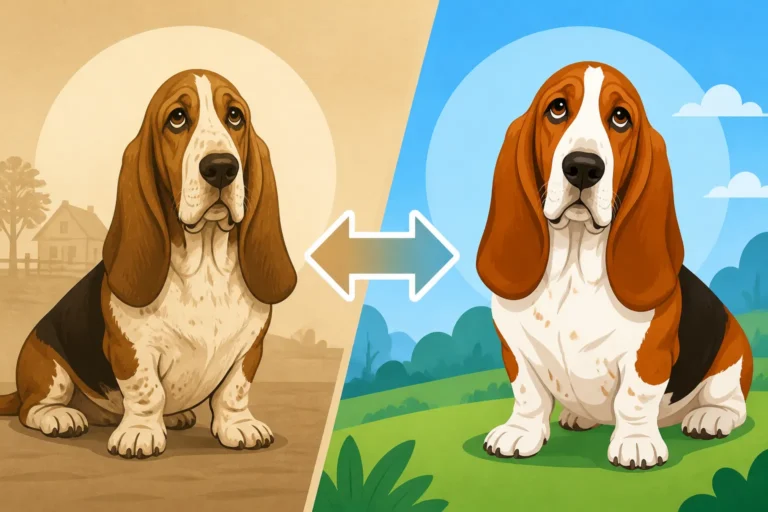
As the Basset Hound's popularity grew in both Britain and America, the need for formal recognition and standardized breeding practices became apparent. Early enthusiasts and breeders worked diligently to establish breed clubs, which are crucial for defining and preserving a breed's characteristics. These clubs developed written standards outlining the ideal physical traits and temperament of the Basset Hound. This meant specifying everything from their height and weight to the length of their ears and the expression of their eyes. These standards served as blueprints for responsible breeding, ensuring that the dogs retained their essential qualities while promoting health and soundness.
The late 19th and early 20th centuries saw Basset Hounds begin to appear in dog shows, moving beyond their utilitarian roots to become admired for their conformation and distinct beauty. This transition was vital for the breed's survival and growth, bringing them to a wider audience and solidifying their place in the canine world. It allowed breeders to compare their dogs against an agreed-upon ideal, fostering consistency and quality. Even today, responsible breeders consult these standards, ensuring their puppies not only embody the classic Basset Hound look but also carry forward the sturdy health and characteristic temperament passed down through generations. When you see a Basset Hound puppy on Chewy, or anywhere else for that matter, you’re looking at a dog whose lineage has been carefully guided by these historical standards.
The Enduring Legacy of the Basset Hound's Ancestry
The long and winding history of the Basset Hound isn't just a collection of old stories; it's a living heritage that profoundly shapes the dogs we share our homes with today. Every characteristic, from their physical appearance to their unique personality quirks, can be traced back to their ancient origins and the specific purposes for which they were bred.
How Ancient Traits Define Today's Basset Hound
Take a moment to truly look at your Basset Hound, perhaps curled up on their favorite orthopedic bed from Chewy. Those magnificent, low-set ears, which can sometimes seem comically long, weren't just for show. They were specifically bred to sweep scents from the ground directly towards their incredibly sensitive noses, acting like a natural funnel. This helps explain The Twelve Inch Ears a Basset Hound Was Given on Purpose. Their loosely wrinkled skin, particularly around the face and neck, also served a purpose, gathering scent particles and retaining them closer to the nose. And that deep, resonant bay? That's a direct inheritance from their Saint Hubert ancestors, designed to alert hunters to a located quarry, even over long distances and through dense foliage. It's a sound that once echoed through medieval forests, and now, perhaps, through your living room when the mail carrier approaches.
Their very build – that heavy bone and low-slung body – is a testament to their original role as methodical trackers, built for endurance rather than speed. This means they are often described as "stubborn" or "determined," which isn't entirely inaccurate. When a Basset Hound is on a scent, its focus is absolute, a trait that makes The Nose That Puts a Basset Hound Second to a Bloodhound such an effective tool, but can also make recall challenging if they’re off-leash and hot on a trail. They were bred to follow a scent regardless of human direction, a testament to their self-reliance in the field.
Preserving the Heritage: Modern Breeding and the Past
Understanding the historical context of the Basset Hound is incredibly important for modern breeders and owners. It’s not just about appreciating their charm; it’s about responsible stewardship of the breed. Knowing that their conformation was developed for specific tasks helps us understand their health predispositions and behavioral tendencies. For example, their long backs and short legs, while integral to their tracking ability, also mean they are prone to certain spinal issues, making steps and ramps around the house a thoughtful consideration.
Responsible breeders today strive to maintain the breed's soundness and health while preserving their distinctive traits. They look for robust health, correct conformation, and the classic Basset temperament – amiable, calm indoors, but with a keen, persistent drive when a scent is present. The goal is to honor the working history of these dogs, ensuring that the Basset Hound continues to thrive as a healthy and beloved companion, without exaggerating traits to the point of compromising welfare. While many Bassets today are cherished family pets rather than active hunters, their innate instincts and physical characteristics continue to reflect their incredible past. It's a reminder that every time our Bassets let out a soulful bay or meticulously sniff out a dropped crumb, they are echoing centuries of history. Perhaps this will also help understand Whether a Basset Hound Still Hunts.
| Feature | Ancestral Purpose | Modern Manifestation |
|---|---|---|
| Long Ears | Sweep scent towards nose, retain particles | Distinctive look, requires regular cleaning |
| Low Stature | Navigate dense undergrowth, allow foot hunters to keep pace | Prone to back issues, needs gentle exercise, ramps |
| Powerful Nose | Unparalleled tracking of game over long distances | Obsessive sniffing, prone to wandering, needs secure yard |
| Deep Bay | Alert hunters to located quarry | Can be loud, potential for noise complaints |
| Loose Skin | Trap and retain scent particles | Requires fold cleaning, contributes to "sad" expression |
| Heavy Bone | Sturdy build for endurance, not speed | Less agile, enjoys slow, steady walks, needs joint support |
Disclaimer
This article is for general informational purposes only and does not constitute professional advice. Laws, prices and regulations vary by location and change over time. Consult a qualified professional for guidance on your specific situation.