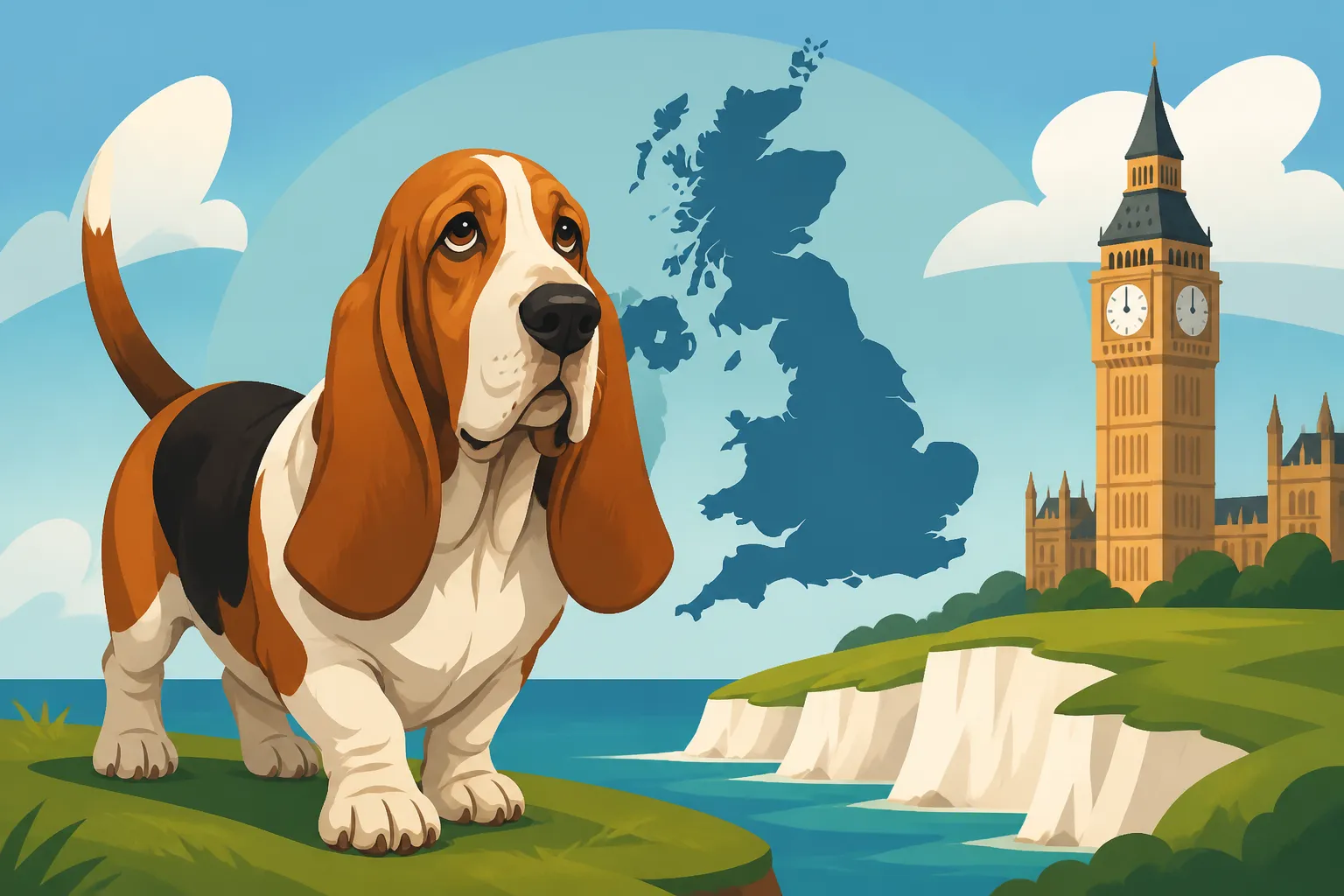
When the Basset Hound Reached Britain
It’s often a wonderful thing to look back at the history of our beloved Basset Hounds, especially when we think about how these unique dogs, with their long ears and soulful eyes, found their way to different corners of the world. For those of us who cherish these hounds, there's a natural curiosity about their journey, particularly how they transitioned from French hunting companions to a cherished part of British households. This guide will delve into the fascinating story of when and how the Basset Hound first reached Britain, exploring the notable figures who championed the breed and the challenges they faced in establishing it in a new land.
The Gallic Origins: Laying the Foundation for Britain
Before we can truly appreciate the Basset Hound's arrival in Britain, it's essential to understand its roots. These aren't just any dogs; they hail from a rich, ancient lineage, painstakingly developed over centuries in France. Their very existence is a testament to selective breeding for a specific purpose, which ultimately shaped the dog we adore today.
The Abbey Hounds and Noble Pursuits
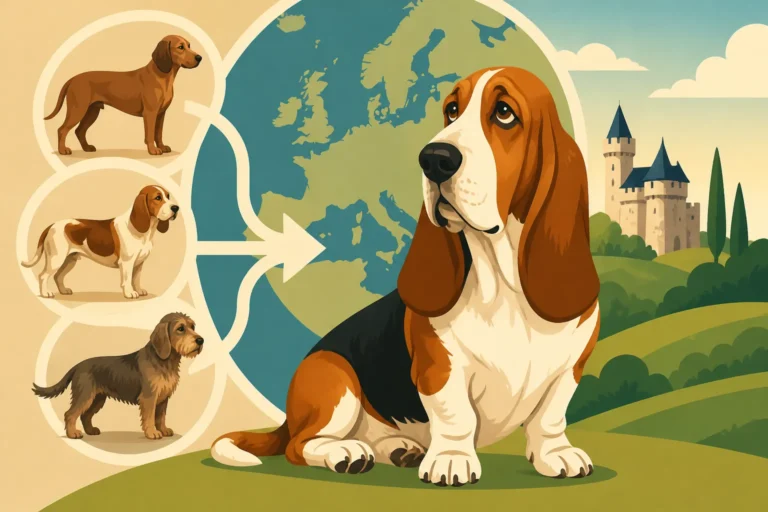
The story of the Basset Hound begins with the St. Hubert Hound, a venerable ancestor tied to the Abbey of St. Hubert in the Ardennes forest of Belgium. These dogs, large and formidable, were known for their incredible scenting abilities, and they laid the groundwork for many of Europe's scenthounds. It's from this esteemed lineage that smaller, "bas" (French for low) versions began to emerge. French hunters, often on foot, desired a dog that could meticulously follow a cold trail without outpacing them. This wasn't about speed; it was about persistence and an unparalleled nose.
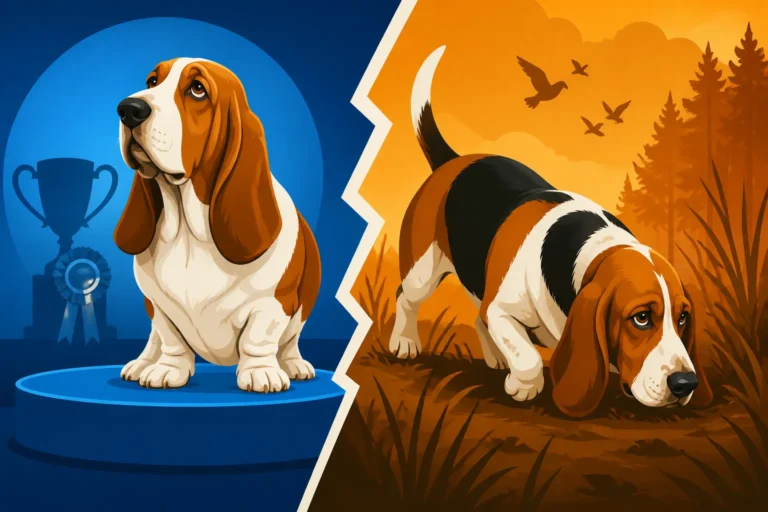
These early Bassets weren't one singular breed as we know it today, but rather a type – short-legged hounds derived from various larger French scenthounds. They were companions for nobility and common hunters alike, prized for their ability to flush out small game like rabbit and badger in dense undergrowth. The concept was simple: bring the nose closer to the ground, slow the chase, and give the hunter an advantage. This slow, methodical approach to hunting, often in packs, became the hallmark of the developing Basset type. We can see hints of this ancient past when our own Basset Hounds get a whiff of something interesting, becoming absolutely glued to the ground, almost deaf to the world. It’s a trait that dates back centuries. You can learn more about their ancient lineage in The Abbey Hounds a Basset Hound Descends From.
Early Breed Development in France
The specific Basset Hound breed we recognize today largely solidified in the 19th century in France, with various types emerging, often named after their region of origin or the specific hound type they descended from. Two main types were often discussed: the Basset Artésien Normand and the Basset Griffon Vendéen, among others. Our modern Basset Hound is thought to be most closely related to the Basset Artésien Normand, known for its solemn expression, long ears, and impressive bone structure. Breeders in France worked to refine these characteristics, aiming for a distinct appearance and predictable working traits.
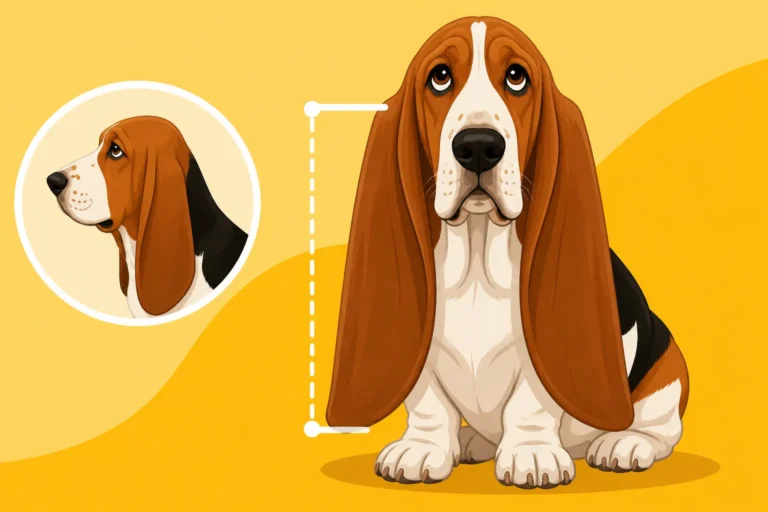
This period of refinement saw the Basset Hound develop its signature long, heavy ears – designed to sweep scent upwards towards their powerful nose – and the loose skin, or dewlap, which further enhances their scenting capabilities. These physical attributes, while charming, also brought unique care requirements that would challenge future owners, especially when the breed made its way across the English Channel. The deep-set eyes, characteristic "haw," and ponderous gait were all carefully cultivated traits, reflecting a dog built for endurance and scent work rather than speed. This deep history highlights that the Basset Hound's unique appearance isn't just for show; it's a legacy of purposeful breeding.
Crossing the Channel: The Basset Hound Arrives in Britain
The journey of the Basset Hound from the fields of France to the drawing-rooms and kennels of Britain is a fascinating tale, marked by curiosity, aristocratic interest, and a burgeoning Victorian passion for all things canine. It wasn't a sudden influx but a gradual introduction, building momentum through key individuals.
Lafayette's Gift and Early Imports
One of the most enduring stories surrounding the Basset Hound's introduction to English-speaking countries involves the Marquis de Lafayette, the French hero of the American Revolution. While most sources point to his gifts of Basset Hounds to George Washington in the late 18th century as the breed's initial foray into America, it’s a romantic notion that sets the stage for how these dogs eventually found their way to Britain. Actual, documented imports into Britain began much later, in the mid-19th century.
The very first Basset Hounds known to arrive on British shores are generally credited to Lord Onslow. In 1866, he imported a pair of Basset Hounds from France, acquiring them through the assistance of the French breeder Comte le Couteulx de Canteleu, who was instrumental in standardizing the breed in France. Lord Onslow was captivated by their unique appearance and hunting prowess, seeing potential in them for British sporting pursuits. These initial imports were likely of the 'Chien d'Artois' or 'Artésien Normand' type, known for their heavier build and classic Basset look. They weren't an instant sensation, but they were the pioneers, laying the groundwork for what was to come. These first few dogs were undoubtedly met with a mix of wonder and perhaps a little confusion, as their distinctive shape and immense ears were quite unlike anything commonly seen in Britain at the time.
Royal Patronage and Growing Popularity
The breed truly began to gain traction in Britain when it caught the eye of royalty. Queen Alexandra, the wife of King Edward VII, became an ardent admirer and owner of Basset Hounds in the late 19th century. Her enthusiasm for the breed proved to be a powerful catalyst for its popularity. When royalty adopts a breed, it swiftly elevates its status from an obscure foreign import to a fashionable companion. Whether Queen Alexandra Kept Basset Hounds delves deeper into her influence.
Queen Alexandra's patronage not only brought the Basset Hound into the public eye but also encouraged other aristocratic families and dog enthusiasts to acquire and breed them. This royal endorsement was crucial, helping to cement the breed's place in British society. Suddenly, these long-eared, low-slung dogs were seen in prominent circles, shedding some of their "foreign curiosity" image and starting to be appreciated for their charming disposition and unique characteristics. Owners during this period, much like today, likely sought advice on everything from feeding to handling those incredibly long ears – perhaps even wondering where to find quality food like that offered by Chewy for their royal companions.
Establishing a British Identity: From Novelty to Recognized Breed
Once on British soil and gaining royal attention, the Basset Hound began its transformation from exotic novelty to a recognized and cherished breed within the British dog fancy. This period involved formal recognition, the establishment of breed standards, and the cultivation of a distinct British breeding line.
Exhibiting at Early Dog Shows
The Victorian era was a boom time for dog shows, and these events became the primary platform for new and exotic breeds to gain public recognition and attract dedicated breeders. The Basset Hound made its grand debut at these shows, often drawing considerable attention and curiosity. One of the earliest significant appearances was at the Wolverhampton show in 1875, where Lord Onslow exhibited some of his imported Bassets. This public display was vital, allowing people to see these distinctive dogs up close and appreciate their unique form.
The breed’s unique appearance, particularly The Twelve Inch Ears a Basset Hound Was Given on Purpose and their low-slung bodies, was both a draw and a point of discussion. Judges and spectators alike had to come to grips with a breed that defied many conventional notions of canine beauty. However, their undeniable charm and historical significance as working hounds eventually won over many. The early shows were crucial in solidifying the Basset Hound's image and encouraging its breeding within Britain, paving the way for its official acceptance. These appearances sparked interest, leading to more imports and a growing community of enthusiasts committed to the breed's future in the UK.
Formation of the Basset Hound Club
As with many breeds establishing themselves in a new country, formal organization was key to the Basset Hound's long-term success in Britain. Enthusiasts, captivated by these dogs, recognized the need for a unified effort to protect, promote, and guide the breed's development. This led to the formation of the Basset Hound Club in 1883, a pivotal moment in the breed’s British history.
The formation of the club provided a crucial framework for breeders and owners. It allowed for the establishment of a consistent breed standard, ensuring that British-bred Basset Hounds would conform to a specific type, preserving their distinctive characteristics while promoting sound health and temperament. The club also organized shows, facilitated the exchange of breeding stock, and educated the public about the breed. This collective effort helped to move the Basset Hound beyond a mere curiosity, transforming it into a seriously regarded breed within the British dog world. The early members of the Basset Hound Club played an invaluable role in shaping the breed's destiny in Britain, much like breed clubs continue to do today, advocating for responsible ownership and breeding practices. You can often find reputable breeders, like those the club would endorse, ensuring their puppies are healthy and well-socialized, often eating high-quality diets available from places like Chewy.
Navigating the British Landscape: Challenges and Adaptation
Even with royal endorsement and dedicated breed clubs, the Basset Hound faced its share of challenges in adapting to British life. The very characteristics that made them unique also presented specific care requirements that early owners had to learn to manage.
Temperament and Training Hurdles
Basset Hounds, bless their cotton socks, are known for a specific set of traits that can be both endearing and, let’s be honest, a tad challenging for the uninitiated. Their incredible nose often dictates their agenda, making them famously "stubborn" or selectively deaf when a compelling scent crosses their path. This strong drive to follow a scent meant that British owners, used to more biddable breeds, had to adapt their training methods. The Basset Hound isn't a dog that lives to please in the same way a Border Collie might; they are highly motivated by scent and food. Whether a Basset Hound is Stubborn or Just Not Interested is a common question that has been asked for generations.
Early British owners had to quickly learn that off-leash excursions were often a risky business unless in a securely fenced area. Their characteristic bay, while beautiful to a hound enthusiast, could also be a source of consternation for neighbors, especially in more urban settings. Managing these innate hound behaviors required patience, consistency, and a deep understanding of what truly motivates a Basset Hound. It wasn't about breaking their spirit but channeling their instincts into acceptable outlets, much like today’s owners utilize scent work or long lines for safe exploration.
Health Considerations and Climate Adaptations
The Basset Hound's unique conformation, while charming, comes with its own set of health predispositions. Their long, pendulous ears, a hallmark of the breed, are prone to ear infections due to limited air circulation and the trapping of moisture and debris. Early British owners quickly discovered that ear care was not an optional extra but a crucial, ongoing responsibility. Similarly, their distinctive short, bowed legs and long backs make them susceptible to orthopedic issues, particularly back problems like intervertebral disc disease.
Adapting to the British climate also presented its own considerations. While generally a hardy breed, their low-slung bodies meant they could get cold and wet easily in damp or snowy conditions. Owners learned the importance of drying them thoroughly after walks and perhaps even providing coats for colder weather to protect their chests and bellies from dragging through the elements. Proper nutrition, too, became a focus, especially to manage their weight, as What Extra Weight Does to a Basset Hound is a significant concern for their joints and back. Thankfully, today we have a wealth of information and products available on platforms like Chewy to help manage these specific needs, from specialized ear cleaners to joint supplements and orthopedic beds.
The Enduring British Basset Hound Legacy
From their initial, tentative steps onto British soil, Basset Hounds have carved out a truly unique and enduring place in the hearts of dog lovers across the United Kingdom. They are no longer a foreign novelty but a beloved, iconic fixture.
An Iconic Presence in British Culture
Over the decades, the Basset Hound has become more than just a breed in Britain; it has become a cultural icon. Their distinctive look, often described as comical or mournful, has made them popular in advertising, cartoons, and even film. Think of the instantly recognizable image of a Basset Hound with its long ears almost tripping it up, or its soulful gaze seeming to lament the state of the world – these are images deeply embedded in the British consciousness. Their gentle, good-natured demeanor, combined with their unique appearance, has cemented their status as a firm favorite for families and individuals alike.
This cultural presence means that even people who have never owned a Basset Hound instantly recognize the breed and often have a soft spot for them. They evoke a sense of quirky charm and steadfast loyalty. Whether portrayed as a bumbling detective's sidekick or a lazy, lovable couch potato, the Basset Hound’s image consistently resonates with the public. This wide recognition has undoubtedly contributed to their sustained popularity and the continuous efforts of breed enthusiasts and rescue organizations to ensure their well-being across the UK.
Modern British Basset Hounds: A Continued Story
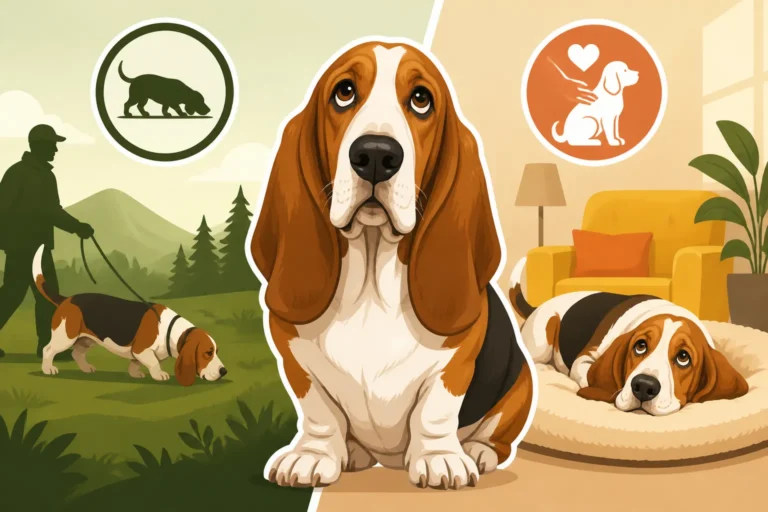
Today, the Basset Hound continues to thrive in Britain, supported by active breed clubs, dedicated breeders, and a strong community of passionate owners. While some breeders focus on preserving working lines that maintain hunting instincts, the vast majority of British Basset Hounds are cherished family companions, adored for their calm temperament (indoors, at least!), unwavering loyalty, and utterly charming personalities.
The emphasis in modern breeding remains on health and temperament, ensuring that these wonderful dogs can lead long, happy, and comfortable lives. Owners are generally well-informed about the specific care needs of the breed, from rigorous ear cleaning routines to preventative measures for back health. Resources are plentiful, whether it’s finding suitable food for Keeping a Basset Hound at Its Correct Weight on Chewy, or seeking advice from experienced breeders and vets. The British Basset Hound of today is a testament to over a century and a half of careful stewardship, a breed that successfully integrated into a new country and became a cherished part of its heritage, all while retaining the unmistakable charm and ancient instincts of its French ancestors.
Key Moments in the Basset Hound's British History
To help visualize the journey of the Basset Hound to and within Britain, here’s a simplified overview of some key periods and influences.
| Period | Key Influences | Impact on Basset Hound in Britain |
|---|---|---|
| Mid-19th Century | Lord Onslow's initial imports (1866) | First introduction of the breed to British soil |
| Late 19th Century | Queen Alexandra's ownership | Elevated public profile, boosted aristocratic interest |
| 1870s-1880s | Exhibitions at major dog shows (e.g., Wolverhampton 1875) | Increased public awareness, attracted breeders |
| 1883 | Formation of The Basset Hound Club | Established breed standards, formalized breeding efforts |
| Early 20th Century | Growing popularity as a companion dog | Solidified the breed's place in British households |
| Mid-20th Century onwards | Cultural icon status, dedicated breeding programs | Sustained popularity, focus on health and welfare |
This table illustrates the gradual but impactful progression of the Basset Hound from a foreign curiosity to a beloved and well-established breed in the United Kingdom.
Disclaimer
This article is for general informational purposes only and does not constitute professional advice. Laws, prices and regulations vary by location and change over time. Consult a qualified professional for guidance on your specific situation.