What the Basset Artesien Normand Is
It's quite common for Basset Hound enthusiasts, or even just those curious about the breed, to stumble across the name "Basset Artésien Normand" and wonder if it's just a fancier way of saying Basset Hound, or perhaps a different lineage. Many assume it's simply a regional variant or an older name for the familiar, floppy-eared friend we all adore. But the truth is, while they share a common ancestry and a similar "basset" (low-set) build, the Basset Artésien Normand is, in fact, a distinct breed with its own unique history, characteristics, and purpose, and understanding these differences can be truly fascinating for anyone who loves these hounds. This guide will walk you through what sets them apart, from their ancient roots to their everyday lives.
The Deep Roots of the Basset Artésien Normand
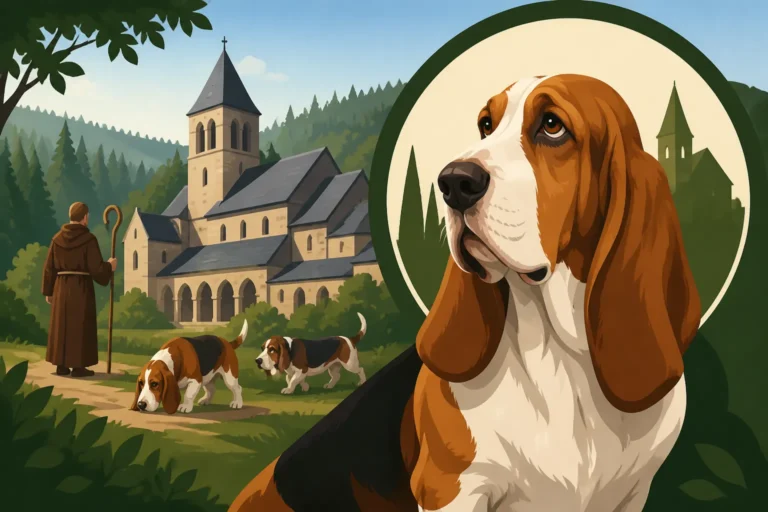
To truly understand the Basset Artésien Normand, we need to journey back to France, the cradle of many hound breeds. The term "basset" itself is French for "low," and historically, it referred to any dog with short legs. For centuries, French hunters desired hounds that could track game slowly, allowing hunters on foot to keep up, rather than fast-paced hounds that would leave them behind. This led to the development of various 'basset' types across different regions of France, each tailored to local hunting conditions and preferences.
A Confluence of French Bassets
The Basset Artésien Normand, often affectionately called the BAN, is essentially a fusion of two distinct French bassets: the Basset d'Artois and the Basset Normand. Imagine two similar but separate families, living in neighboring towns, both known for their excellent hunting dogs. Over time, these families started intermarrying, merging their unique traits into a new, stronger lineage. This is precisely what happened with the d'Artois and Normand bassets.
The Basset d'Artois was known for its slightly heavier build and distinctive head, while the Basset Normand was lighter, more agile, and possessed particularly long ears. By the late 19th and early 20th centuries, breeders made a conscious effort to consolidate these types, aiming to create a standardized, efficient hunting hound that combined the best qualities of both. This intentional breeding program led directly to the Basset Artésien Normand we know today. It's a testament to their practicality that these distinctions were carefully managed; Whether the Basset Hound Was an Accident is a fascinating read when considering planned breeding programs.
Early Recognition and Preservation Efforts
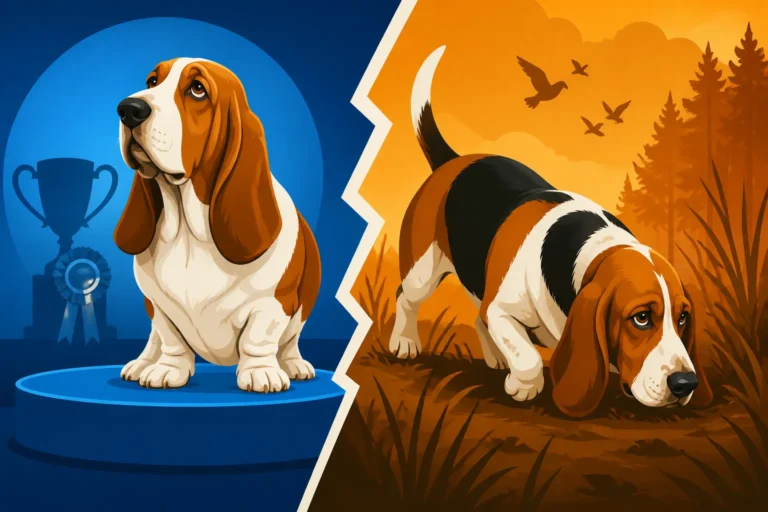
Unlike the widely recognized Basset Hound that gained immense popularity internationally, often due to its endearing, somewhat mournful expression and laid-back demeanor, the Basset Artésien Normand remained largely a working dog within France. Its primary role was, and still largely is, hunting small game like rabbits and hares. Because of this focus on utility over appearance in its early development, the breed maintained a more traditional, agile build compared to some of its cousins.
Efforts to standardize and preserve the BAN were led by dedicated French enthusiasts who valued its hunting prowess and unique characteristics. The breed received official recognition in France, ensuring its lineage and specific traits were maintained. This was a critical step in differentiating it from other bassets and ensuring it didn't simply get absorbed into the broader "Basset Hound" category, which, by then, was evolving differently in other parts of the world. The careful selection process meant that certain physical attributes and working temperaments were prioritized, leading to the distinct dog we see today.
Key Physical Distinctions: BAN vs. Basset Hound
When you put a Basset Artésien Normand next to the Basset Hound most people are familiar with, the differences become quite clear. While both are undeniably "basset" in their low-slung, substantial frames, the nuances in their build tell a story of distinct breeding paths and intended functions. These aren't just cosmetic differences; they impact everything from their gait to their agility in the field.
Size, Stature, and Overall Build
The most immediate difference many notice is the overall impression. The Basset Artésien Normand typically presents a lighter, more athletic frame than its American or British Basset Hound cousin. While still a solid, heavy-boned dog for its height, the BAN generally isn't as massively built or as deep-chested as the common Basset Hound. They tend to stand a little taller, usually in the range of 13 to 15 inches at the shoulder, whereas many modern Basset Hounds can be slightly shorter and significantly more substantial in girth and bone.
Think of it like this: if the standard Basset Hound is a sturdy, broad-shouldered wrestler, the Basset Artésien Normand is more like a robust, agile marathon runner. This difference in build is directly tied to their historical purpose. The BAN needed to navigate dense underbrush and maintain a steady, persistent pace for hours on end, requiring a body that was capable of endurance and maneuverability rather than sheer bulk. The classic Basset Hound, while also a hunting dog, evolved with different regional preferences that sometimes leaned towards a more exaggerated, heavier conformation. If you're wondering How Heavy a Basset Hound Really Is, it illustrates just how much weight they carry.
Head, Ears, and Facial Features
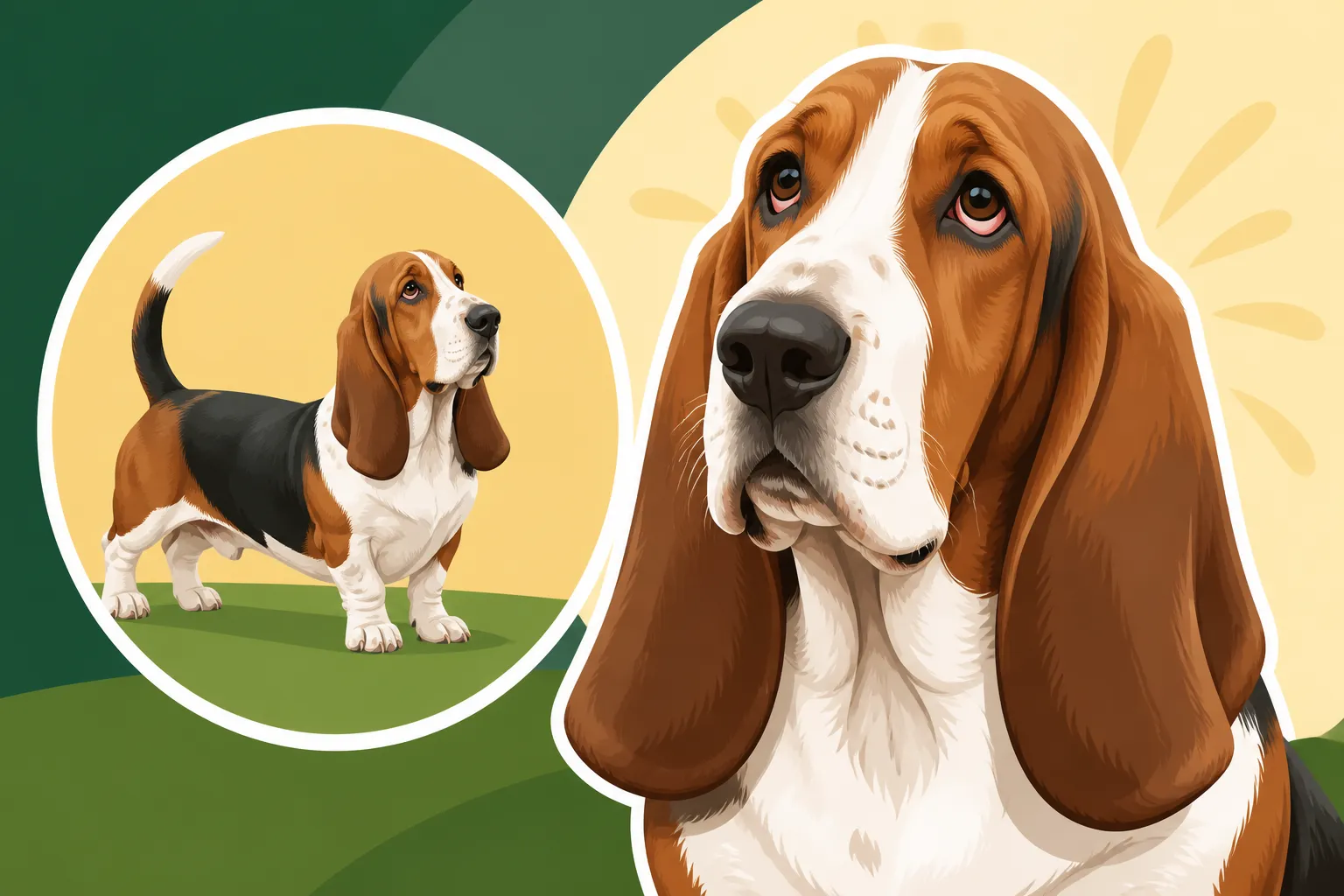
Here’s where some of the most charming and telling differences lie. Both breeds boast those iconic long, velvety ears, but there's a distinction. The Basset Artésien Normand's ears are indeed long, often reaching the tip of its nose or slightly beyond, and are set low on the head. However, the ears of the standard Basset Hound are often even longer, sometimes dramatically so, extending well past the nose. It's almost a point of exaggerated beauty in the show ring for the Basset Hound. Whether a Basset Hound's Ears Reach Twelve Inches delves into this.
Beyond the ears, look at the head itself. The BAN tends to have a slightly less pronounced dome to its skull and often fewer wrinkles on its forehead and muzzle compared to the standard Basset Hound. The Basset Hound, in many cases, has a more "droopy" facial expression, with more loose skin, often referred to as "haw," visible around the eyes, giving it that wonderfully soulful, melancholic look. The BAN's eyes, while still kind and expressive, often show less haw, contributing to a slightly more alert, less exaggerated hound expression. Its dewlap (the loose skin under the neck) is present but typically less voluminous than that of a heavily wrinkled Basset Hound.
| Feature | Basset Artésien Normand | Standard Basset Hound |
|---|---|---|
| Overall Build | Lighter, more athletic, slightly taller | Heavier, more substantial, often broader and lower |
| Height | Typically 13-15 inches at shoulder | Often 12-14 inches, but can vary |
| Bone Structure | Solid and heavy, but proportional to a working hound | Very heavy, dense bone, sometimes exaggerated |
| Head Shape | Less pronounced dome, fewer facial wrinkles | More domed skull, prominent wrinkles, often droopy |
| Ear Length | Long, usually reaching nose tip or slightly beyond | Very long, often extending well past the nose |
| Dewlap | Present but less voluminous | More pronounced, often with significant loose skin |
| Expression | Alert, kind, less exaggerated | Soulful, melancholic, often with visible haw |
| Coat | Short, smooth, close-lying, dense | Short, smooth, dense |
| Colors | Tricolor (black, white, tan) or fawn with white | Tricolor, bi-color (lemon & white, red & white), etc. |
This table highlights some of the key visual differences. While they share the fundamental "basset" shape, the BAN leans more towards an agile working form, while the familiar Basset Hound often exhibits more exaggerated features, beloved by many for their unique charm.
Temperament and Working Style Differences
Beyond the physical distinctions, the heart of the Basset Artésien Normand's identity lies in its temperament and, more specifically, its working style. While both breeds are hounds through and through, meaning they are scent-driven and generally good-natured, their breeding histories have subtly shaped their behavioral tendencies and suitability for different lifestyles.
A Hunter's Instinct: The Persistent Traile
The Basset Artésien Normand was developed with a singular purpose: to hunt, primarily rabbits and hares, with relentless focus. This means they possess an incredibly strong prey drive and an almost unwavering determination once they catch a scent. When a BAN's nose hits the ground, the rest of the world often ceases to exist. They are built for endurance and methodical tracking, not speed. This persistence is a core aspect of their character.
In a home environment, this translates to a dog that thrives on having a "job" for its nose. Owners of Basset Artesien Normands often find that regular scent work, whether formal tracking trials or informal "find-the-treat" games, is essential for their mental well-being. Without an outlet for this powerful instinct, a BAN can become bored and potentially destructive, or simply wander off on its own private sniffing expedition. This strong drive means The Recall a Basset Hound Will Never Reliably Give You applies even more strongly to the BAN, emphasizing the need for secure fencing and leashed walks.
Comparing Energy Levels and Exercise Needs
While both breeds are often described as "low-energy" or "couch potatoes," this is often a misinterpretation of their true nature. The standard Basset Hound can indeed be quite a relaxed companion indoors, often happy to nap for hours, though they still benefit greatly from regular, moderate exercise. Their heavier build means they aren't typically built for sustained, vigorous activity.
The Basset Artésien Normand, by contrast, generally possesses a higher intrinsic energy level and a greater need for activity. They are bred to be active for hours in the field. This doesn't mean they need to run marathons, but they absolutely require consistent, engaging exercise that allows them to move their bodies and use their extraordinary noses. A quick lap around the block won't cut it for a BAN. Long, meandering walks where they can follow scents, or even structured tracking exercises, are far more suitable. Their lighter build makes them more agile and capable of extended periods of moderate activity. How Far a Basset Hound Should Walk offers insights into appropriate exercise.
Sociability and Trainability
Both Basset Hounds and Basset Artesien Normands are typically sweet-natured and get along well with people and other dogs, often enjoying the company of a "pack." They are known for their gentle disposition, making them good family pets. However, their trainability can differ slightly.
The standard Basset Hound is often characterized by a charming stubbornness. They are intelligent but can be highly independent and selective in their obedience, often weighing whether a command is worth their effort or if a more enticing scent is nearby. Positive reinforcement with high-value treats is key, as What Actually Motivates a Basset Hound highlights.
The Basset Artésien Normand, while also possessing hound independence, often exhibits a more direct desire to please its handler in a working context. They respond well to consistent, fair training that taps into their natural instincts. While they can still be famously distracted by scents, their drive to work with a human on a track can be a powerful motivator. This doesn't mean they're easy to train by any stretch, but their focus can be channeled more readily towards scent-related tasks. Early socialization and consistent, positive reinforcement training are crucial for both breeds. For Basset Hounds, even Teaching a Basset Hound to Have Its Ears Handled can be a significant training milestone.
Is the Basset Artesien Normand a "Better" Basset Hound?
The question of whether one breed is "better" than another is always fraught, as "better" is entirely subjective and depends on individual needs, lifestyles, and preferences. For those who prioritize a working hound with a lighter build and robust hunting drive, the Basset Artésien Normand might indeed seem like a more authentic representation of the historical "basset" purpose. However, for many, the familiar Basset Hound is the ideal companion.
Historical Purpose Versus Modern Companionship
The Basset Artésien Normand has largely maintained its original purpose as a hunting dog in France. Its conformation, energy levels, and keen scenting abilities are still primarily geared towards finding and tracking small game in the field. For enthusiasts who want a dog with a strong connection to its working roots, and who are prepared to provide outlets for its intense prey drive and need for sustained activity, the BAN is an excellent choice. It represents a living piece of hunting history.
The standard Basset Hound, particularly in North America and the UK, has seen a broader evolution. While still a capable hunter, it has also become a beloved companion dog, renowned for its calm demeanor indoors, its distinctive appearance, and its incredibly affectionate nature. Many Basset Hound owners cherish their dogs precisely for their laid-back attitude and minimal need for intense, sustained exercise, which fits well into a less active family lifestyle. The exaggerations in some physical features that have developed over time have contributed to its unique charm, even if they sometimes bring their own set of health challenges, like those explored in The Crooked Front a Basset Hound Is Built On or The Skin Under a Basset Hound's Folds.
Health Considerations and Longevity
Both breeds are generally robust, but their unique conformations do predispose them to certain health issues. As low-set, long-backed hounds, both are susceptible to back problems, particularly Intervertebral Disc Disease (IVDD). Intervertebral Disc Disease in a Basset Hound is a critical read for any owner of a long-bodied dog.
However, the differences in build can also lead to different predispositions. The more exaggerated ear length and skin folds of some standard Basset Hounds can increase the likelihood of ear infections and skin fold dermatitis. The Basset Artésien Normand, with its generally less exaggerated features, might have a slightly lower incidence of these particular issues, but it's not immune. Its active nature means joint health is paramount, and responsible breeders of both types will screen for conditions like elbow dysplasia.
When considering longevity, both breeds typically live into their early to mid-teens, with proper care. The Ten to Twelve Years a Basset Hound Lives covers the lifespan you can expect. Ultimately, health largely depends on responsible breeding, good nutrition, appropriate exercise, and attentive veterinary care for both breeds.
Suitability for Different Owners
Choosing between a Basset Artésien Normand and a standard Basset Hound comes down to an honest assessment of your lifestyle and what you seek in a canine companion.
- For the Active, Engaged Owner: If you're an outdoorsy person, keen on activities like hiking, tracking, or other scent work, and you appreciate a dog with a strong working drive and a slightly more agile build, the Basset Artésien Normand might be a perfect fit. You'll need to commit to providing consistent mental and physical stimulation to keep them happy and well-behaved.
- For the Companion-Focused Owner: If you're looking for an affectionate, calm, and charming companion who is happy with moderate daily walks and lots of cuddle time on the sofa, the standard Basset Hound is likely more suited. They are excellent family dogs, tolerant and gentle, and their relaxed nature makes them wonderful house pets, provided their unique grooming and health needs (especially for their ears) are met.
Neither breed is inherently "better," but rather "better suited" to different circumstances. The Basset Artésien Normand offers a glimpse into the Basset's historical hunting prowess, while the common Basset Hound has carved out a niche as one of the most beloved and distinct companion breeds.
Living with a Basset Artésien Normand
Bringing any dog into your home is a big decision, and understanding the specific needs of a Basset Artésien Normand is crucial. While they share the fundamental "basset" charm, their nuances mean a slightly different approach to daily care and training compared to their more common Basset Hound cousins.
Training and Socialization Imperatives
Just like with the standard Basset Hound, early and consistent training and socialization are non-negotiable for a Basset Artésien Normand puppy. Their intelligent but independent hound nature means they need clear boundaries and positive reinforcement from day one. Attending puppy classes can be incredibly beneficial, not only for obedience but also for exposing them to various sights, sounds, and other dogs, helping them grow into well-adjusted adults.
Remember that strong scent drive we discussed? This is where it really comes into play in training. Commands like "leave it" and a rock-solid recall are paramount, though you should never trust a BAN off-leash in an unfenced area. Their nose will lead them, often directly into trouble. Instead, focus on channeling that drive. Engaging in nose work games, puzzle toys, and even beginner tracking classes will satisfy their instincts and make them much happier companions. Using high-value treats found at stores like Chewy will certainly help keep their attention during training sessions. Whether a Basset Hound Takes to Scent Work provides excellent ideas for engaging their powerful noses.
Exercise and Mental Stimulation Needs
While the standard Basset Hound is known for being a bit of a couch potato, the Basset Artésien Normand typically requires more structured exercise to truly thrive. They are not dogs content with just a quick trip to the backyard. Think of long, leisurely walks where they can follow interesting scent trails, or even brisk walks in varied terrain if their joints allow. Because of their lower-slung bodies, be mindful of extreme temperatures; Whether a Basset Hound Copes With Heat is an important consideration for any basset type.
Mental stimulation is equally, if not more, important than physical exertion. A tired nose is often a happy, well-behaved BAN. Incorporate interactive toys, sniff-and-find games, or even teach them simple "find" commands around the house. Consider a snuffle mat, easily found on sites like Chewy, to make meal times a brain game. This will help prevent boredom-related behaviors like excessive baying or chewing on inappropriate items. Providing these outlets helps keep them engaged and prevents them from finding their own, potentially destructive, ways to pass the time.
Grooming and Health Maintenance
Both the Basset Artésien Normand and the standard Basset Hound share similar grooming needs, though the BAN might have slightly less intensive requirements due to fewer exaggerated wrinkles. Their short, dense coats require weekly brushing to remove loose hair and keep their skin healthy. While they don't have long hair, How Much Hair a Basset Hound Leaves on Furniture might still surprise you!
Their long ears, while perhaps not as dramatically long as some Basset Hounds, still need diligent care. Regular cleaning is essential to prevent infections, as their pendulous nature creates a warm, moist environment ripe for bacteria and yeast. How Often a Basset Hound's Ears Must Be Cleaned is a crucial resource. Weekly ear checks and cleaning with a vet-approved solution are a must. Don't forget their magnificent nails; they grow quickly and need regular trimming to prevent discomfort and potential foot issues. How Often a Basset Hound's Nails Need Cutting can guide you.
Finally, like all bassets, they are prone to back issues due to their long spines. Preventative measures, such as providing ramps for furniture and cars, and avoiding excessive jumping or stair climbing, are highly recommended. A good quality orthopedic bed, available from retailers such as Chewy, can also make a significant difference in their comfort and joint health as they age. Regular vet check-ups are vital to monitor for common basset health concerns and address any issues proactively.
Disclaimer
This article is for general informational purposes only and does not constitute professional advice. Laws, prices and regulations vary by location and change over time. Consult a qualified professional for guidance on your specific situation.