Whether a Basset Hound Can Hike
Oh, the romantic idea of taking your beloved Basset Hound out on a long, winding hike through nature! Many of us picture our loyal companions trotting happily beside us, sniffing flowers, and enjoying the great outdoors. But let's be real for a moment: if you own a Basset, you know that the reality can be a tad different. Their unique build and incredible scent drive often leave prospective hiking partners wondering if it's even feasible. This guide is all about setting realistic expectations and equipping you with the knowledge to make "hiking" with your Basset Hound a safe, enjoyable, and Basset-appropriate adventure.
Understanding the Basset Hound Physique and What it Means for Hiking
When you look at a Basset Hound, it's clear they aren't built like a sleek Border Collie or a sturdy German Shepherd. Their distinctive appearance, while utterly charming, presents some very specific considerations when it comes to physical exertion, especially on varied terrain. Ignoring these anatomical facts isn't just wishful thinking; it can lead to serious health issues for your floppy-eared friend.
Their Unique Build: Short Legs, Long Back, Heavy Bone
The Basset Hound's most striking features are their incredibly short, bowed legs, their long, substantial body, and their surprisingly heavy bone structure. This combination, known as achondroplasia (a form of dwarfism), is what gives them their low-slung, powerful appearance. While it's perfect for following a scent trail through dense underbrush at a slow, deliberate pace, it's not designed for agility, jumping, or sustained high-impact activity. Imagine trying to hike a mountain trail with legs that are literally a foot long and a body that weighs as much as a small human—it's just not practical or comfortable for them.
Their short legs mean they have to work significantly harder to cover the same distance as a longer-legged dog. Every step is more of an effort, especially uphill. Downhill is no picnic either; the strain on their front joints can be immense as they try to brace their heavy bodies. Their long back, while flexible, is also susceptible to injury. The Back Trouble a Basset Hound Is Built Into is a very real concern, particularly with sudden twists, jumps, or repetitive impact. Think about how much more vulnerable that long spine is to disc issues if they're constantly scrambling over rocks or jumping off ledges. This isn't to say they're fragile, but rather that their robust appearance belies a certain mechanical vulnerability when pushed beyond their design.
The Respiratory System and Temperature Regulation
Basset Hounds typically have a deep chest and a fairly compact muzzle, though not as extreme as a Bulldog or Pug. However, their physical exertion often taxes their respiratory system more quickly than you might expect, especially given their heavy bone and dense build. They're built for endurance at a low speed, not for speed or power hiking. This means that even a moderate pace on a warm day can lead to them quickly overheating.
Their short stature also puts their bellies much closer to the ground. In summer, this means they're absorbing heat radiating off the trail surface, whether it's sun-baked asphalt or even hot earth. In colder, wet conditions, their chest and belly can get soaked and chilled rapidly. Whether a Basset Hound Copes With Heat is a critical question for any outdoor activity, as is Whether a Basset Hound Feels the Cold. Their dense coat, while short, doesn't always provide the insulation or quick-drying properties needed for extreme conditions, and their low-to-the-ground body acts like a heat or cold sink. Always be mindful of the ambient temperature and the ground temperature, and recognize that what feels fine to you might be significantly more taxing for your low-rider.
The Basset Hound's Scent Drive on the Trail
Beyond their physical construction, a Basset Hound's brain is perhaps the most significant factor in determining the nature of your "hike." These dogs were bred for centuries to follow a scent trail with unwavering focus, and that instinct is deeply, deeply ingrained. It's not a quirk; it's their entire purpose.
Nose to the Ground: The Irresistible Pull of Scent
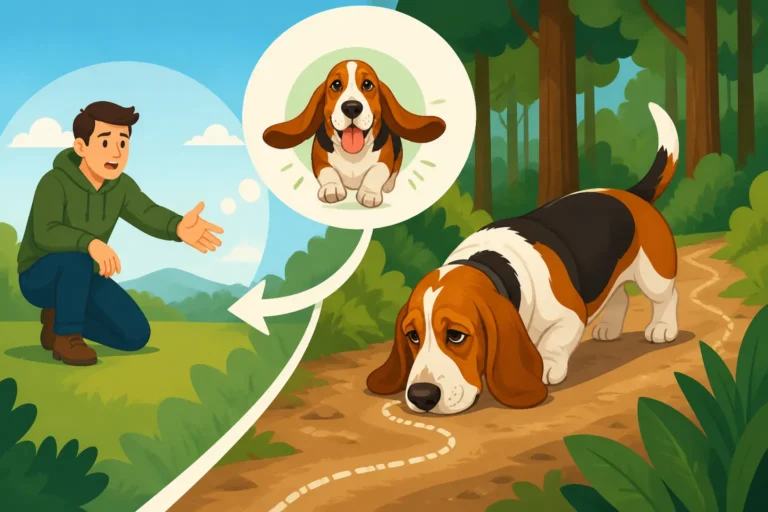
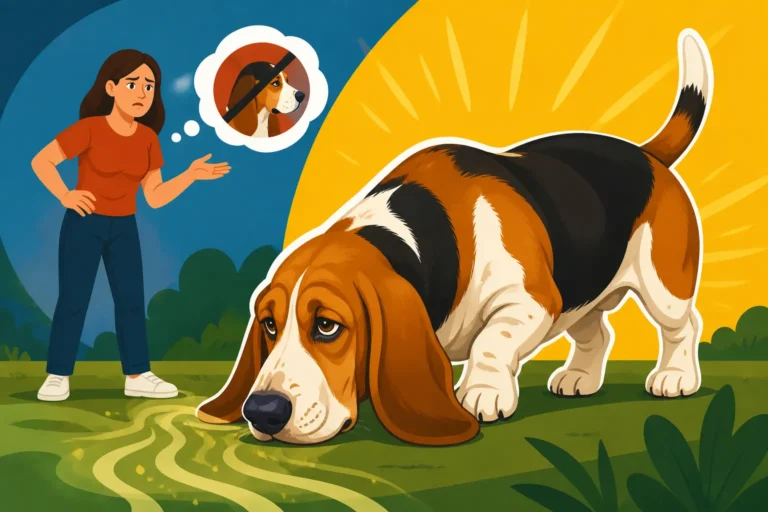
Ask any Basset owner and they'll tell you: once that nose hits a good scent, the rest of the world ceases to exist. This isn't stubbornness, though it certainly feels like it sometimes! It's an incredibly powerful, instinctual drive that overrides almost everything else. Imagine a world where the most tantalizing smell you've ever encountered is constantly under your nose, leading you on an invisible path. That's a Basset Hound on a trail.
This means that Why a Basset Hound Stops Hearing You When It Smells Something is not an exaggeration. Your voice, your treats, your pleas—they often become mere background noise when a rabbit, deer, or even an interesting beetle has left a fresh trail. This singular focus is what makes off-leash hiking with a Basset Hound a recipe for disaster in almost all unfenced environments. They will follow that scent, often without looking back, and can quickly become lost or wander into dangerous situations like roads or private property. Their recall, even if excellent in a controlled backyard, will likely vanish the moment a compelling scent takes hold.
Managing the Hunt Drive in Nature
Given their incredible scent drive, managing a Basset Hound on a hike requires vigilance and the right equipment. You simply cannot rely on voice commands alone in a natural environment where there are countless tempting smells. This isn't a failing on your part; it's just who they are.
A strong, secure harness is absolutely essential. A collar can put dangerous pressure on their throat if they lunge unexpectedly, and a Basset can easily slip out of a poorly fitting one. Look for a harness that offers good chest and back support, and prevents them from backing out. Many owners find front-clip harnesses helpful for managing pulling, as they redirect the dog's momentum back towards you. Brands like those found on Amazon offer a wide variety of harnesses designed for strong pullers, which many Bassets become when a scent takes hold. A sturdy leash, ideally 6 feet long, is also a must. For more expansive, yet still controlled, sniffing opportunities in safe, open areas, a long line (15-30 feet) can be fantastic. It gives them more freedom to explore scents while still keeping them safely tethered to you. This way, they can indulge their natural instincts without putting themselves in danger or bothering other trail users. Which Harness Suits a Basset Hound is a key consideration for comfortable and safe walks.
Realistic Expectations and Preparing for a "Basset-Friendly" Hike
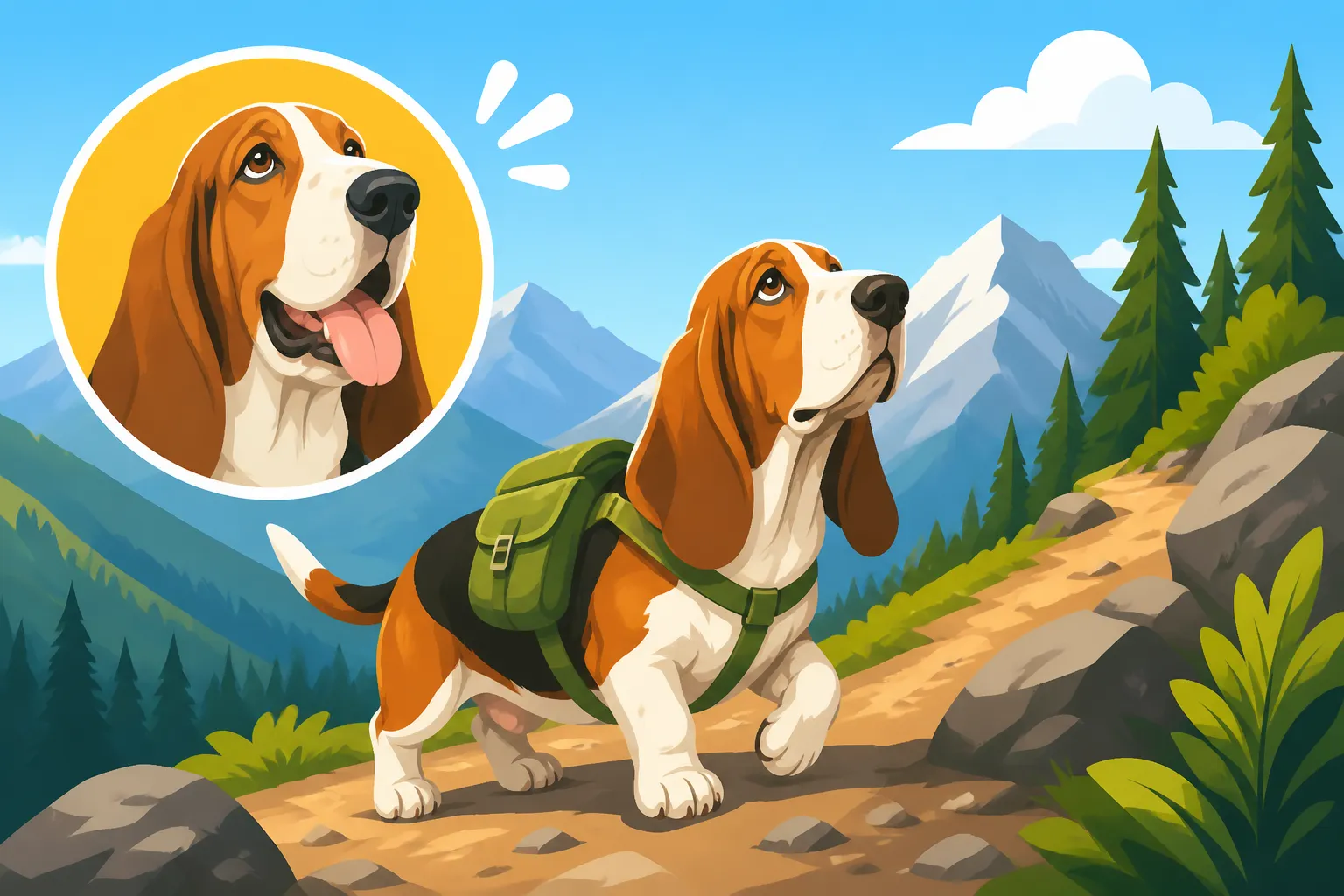
So, can a Basset Hound hike? Yes, they absolutely can, but it's crucial to redefine what "hiking" means when you're adventuring with these unique hounds. Forget scaling peaks or covering vast distances. Think of it more as a leisurely, sniff-filled exploration tailored to their capabilities and instincts.
Choosing the Right Terrain and Duration
The key to a successful Basset "hike" lies in selecting appropriate locations and understanding their endurance limits. Flat, even trails are your best friend. Paved paths, well-maintained dirt trails, or grassy parkland are ideal. Avoid anything with steep inclines, rocky scrambles, or uneven footing that could strain their joints or back. A gentle, meandering path beside a river or through a wood, free from sharp elevation changes, will be far more enjoyable and safer for them than a mountain trail.
When it comes to duration, less is often more. Think in terms of sniff-per-minute rather than miles-per-hour. A one to two-mile walk, interspersed with plenty of sniffing breaks and opportunities to simply sit and observe, might be the equivalent of a five-mile strenuous hike for a more athletic breed. Pay close attention to your Basset for signs of fatigue – lagging behind, panting excessively, or lying down. How Far a Basset Hound Should Walk is often dictated by their individual fitness level, the weather, and how interesting the smells are, rather than an arbitrary distance. Always err on the side of caution and be prepared to turn back early or even carry your pup for a short stretch if needed.
Essential Gear for a Basset Hound Hike
Being prepared means bringing more than just a leash. Your Basset's comfort and safety depend on a few key items. Hydration is paramount: always carry plenty of fresh water for both of you, and a collapsible bowl for your dog. Even on cooler days, their heavy build and proximity to the ground can make them prone to overheating. High-value treats are a must, not just for motivation but also for redirecting their attention if a scent becomes too overwhelming. Consider a small doggie first-aid kit with paw balm, antiseptic wipes, and bandages for minor scrapes, as their short legs can sometimes snag on brush.
A high-visibility bandana or vest, easily found on Amazon, can be a great idea, especially if you're in an area where hunting might occur or if you simply want to make your low-slung friend more visible to other trail users. And, as mentioned, a reliable, well-fitting harness is non-negotiable. If you're going to a particularly remote spot, or if your Basset is prone to wandering, a GPS tracker collar can offer invaluable peace of mind.
Training for Trail Manners (and Realistic Recall)
While a "perfect" recall off-leash in a high-scent environment is a fantasy for most Basset Hounds, you can still train for excellent trail manners. Focus on a strong "leave it" command to prevent them from investigating potentially dangerous items or eating something undesirable. Practice loose-leash walking extensively in less distracting environments before hitting the trails. This will make your shared experience much more pleasant, preventing constant tugging.
Another crucial skill is a solid "check-in" or "focus" command, where your Basset learns to look at you for a treat or praise, even when distracted. This isn't about stopping them from sniffing entirely, but about briefly gaining their attention. For advanced training, consider a reputable online program like BAXTER & Bella, which offers resources for everything from puppy basics to advanced manners. While they can't magically transform a Basset into a German Shepherd, they can provide structured approaches to improve obedience and communication, making your Basset a more enjoyable companion on walks. Remember, The Recall a Basset Hound Will Never Reliably Give You is a stark truth for this breed, so always assume they need to be leashed in unfenced areas.
Potential Risks and How to Mitigate Them
Taking your Basset Hound out on trails, even Basset-friendly ones, isn't without its potential pitfalls. Being aware of these risks and taking proactive steps to avoid them is part of responsible Basset ownership.
Joint Strain and Back Injuries
The Basset Hound's unique conformation, while charming, makes them predisposed to certain musculoskeletal issues. Their long, heavy body supported by short, bowed legs puts a considerable amount of stress on their joints, particularly their elbows and hips. Elbow Dysplasia in a Basset Hound is a recognized concern, and repetitive impact from walking on hard or uneven surfaces can exacerbate such conditions or lead to arthritis down the line.
Even more critical is the risk to their spine. Intervertebral Disc Disease (IVDD) is unfortunately common in long-backed breeds, and a strenuous hike involving jumps, twists, or prolonged periods of scrambling can trigger a disc herniation. This can range from mild pain to complete paralysis. Always watch for signs of discomfort: reluctance to move, yelping when touched, a hunched posture, or weakness in the hind legs. If you notice any of these, stop the activity immediately and consult your vet. To mitigate these risks, stick to flat, smooth trails, encourage slow and steady movement, and use a ramp or lift them carefully rather than letting them jump into and out of cars or over obstacles. Whether a Basset Hound Should Jump Off Furniture applies just as much to trail obstacles.
Environmental Hazards
The great outdoors, while beautiful, also harbors a variety of hazards that your low-riding Basset Hound might encounter. Their inquisitive noses and low stature mean they're often the first to find things like thorns, sharp rocks, or broken glass, which can lead to paw pad injuries. Always inspect their paws thoroughly after a walk. In warmer climates, venomous snakes or insects can be a concern, and their short legs and heavy build make them less able to evade such threats quickly.
Beyond physical obstructions, consider the elements. As discussed, overheating is a serious risk in warm weather. Their short coat offers limited protection against the sun, especially on their delicate ear leathers and less pigmented areas, and their bellies can get sunburned. In cold, wet weather, their low chest can drag through puddles or snow, leading to hypothermia or skin irritation. Whether a Basset Hound's Chest Drags in Snow is a real practical problem. Always check weather conditions, and consider protective gear like paw booties for rough terrain or extreme temperatures, and a light coat or vest in cooler weather.
Overexertion and Exhaustion
It's easy to get caught up in the beauty of a trail and forget that your Basset Hound has different limits than you do. They are masters of the slow, deliberate pace, but this doesn't mean they have boundless endurance for any kind of movement. They often won't complain until they're truly exhausted or in pain, so it's up to you to be their advocate.
Signs of overexertion can include excessive panting, lagging behind, stopping frequently, seeking shade, stumbling, or even lying down and refusing to move. Whether a Basset Hound Sits Down Mid Walk isn't always laziness; it's often a clear signal they've had enough. Pushing them past this point can lead to injury, heatstroke, or simply make them dread future outings. Always carry enough water, take frequent breaks, and plan your route to include shaded areas if possible. If you suspect your Basset is struggling, turn back. It's better to have a shorter, safe, and enjoyable outing than to push them to the point of exhaustion or injury. Remember, the goal is shared enjoyment, not setting a new personal best for mileage.
Ideal vs. Challenging Hiking Conditions for a Basset Hound
To summarize, here's a quick comparison of what a Basset Hound might consider a "great hike" versus conditions that could quickly turn into a struggle.
| Feature | Ideal for Basset Hounds | Challenging for Basset Hounds |
|---|---|---|
| Terrain | Flat, even dirt paths, paved trails, groomed grass | Steep inclines/declines, rocky scrambles, deep mud, loose gravel |
| Duration | 1-2 miles with frequent sniff breaks | Long distances (3+ miles), sustained fast pace, non-stop movement |
| Temperature | Mild (45-70°F / 7-21°C), low humidity | Hot & humid (75°F+ / 24°C+), freezing & wet (below 32°F / 0°C) |
| Leash Management | Secure harness, 6ft leash, long line in safe areas | Off-leash in unfenced areas, retractable leashes |
| Obstacles | Small roots, low grass, easily navigable paths | Large logs, high steps, thick brush, water crossings |
| Mental Stimulation | Varied interesting scents, opportunities to sniff | Lack of new smells, forced marching without exploration |
| Preparation | Water, treats, first aid, paw protection | No water, no breaks, no consideration for paw health |
This article is for general informational purposes only and does not constitute professional advice. Laws, prices and regulations vary by location and change over time. Consult a qualified professional for guidance on your specific situation.