Whether a Basset Hound Gets Along With Other Dogs
It's a common question, and one that many Basset Hound hopefuls and current owners ponder: just how well does this laid-back, scent-driven breed truly get along with other dogs? Many envision a harmonious, happy pack, while others worry their Basset's unique personality might lead to conflict. This comprehensive guide will dive deep into the Basset Hound's social nature, offering insights and practical steps to ensure your floppy-eared friend forms lasting, positive relationships with canine companions.
The Basset Hound Temperament: A Social Butterfly or a Solo Act?
When you look at a Basset Hound, with those soulful eyes and long, drooping ears, it’s easy to assume they’re inherently gentle and welcoming. And for the most part, you'd be right! Basset Hounds generally have a wonderful disposition, often exhibiting a calm, patient, and good-natured demeanor. However, understanding their historical roots and individual quirks is key to truly grasping their sociability. They aren't just big, cuddly lumps; they have a rich background that shapes how they interact with the world, and indeed, with other dogs.
Their Pack Instincts and History
The Basset Hound was originally bred in France for hunting small game like rabbits and hare. This wasn't a solo endeavor; they worked in packs. Picture a group of these low-slung, powerful sniffers, noses to the ground, baying together as they follow a scent trail. This history of working cooperatively with other hounds means that, inherently, Basset Hounds tend to possess a strong pack instinct. They are accustomed to and often thrive in the company of other dogs. This isn't just about sharing space; it's about a deep-seated desire for canine companionship that goes back centuries. They often feel more secure and content when they have another dog to lean on, even if that leaning is purely metaphorical. This instinct can be a huge asset when introducing them to a new furry family member, as it predisposes them to acceptance rather than aggression.
However, it's also important to remember that this "pack instinct" doesn't automatically mean they'll love every dog or tolerate any behavior. Just like people, dogs have individual personalities and preferences. While the breed generally leans towards sociability, early socialization and continued positive experiences are paramount. A Basset who missed out on early exposure to diverse dogs might be more reserved or even anxious around unfamiliar canines, despite their breed's inherent tendencies. Understanding Whether a Basset Hound Prefers a Pack can shed more light on this innate trait.
Common Misconceptions About Basset Sociability
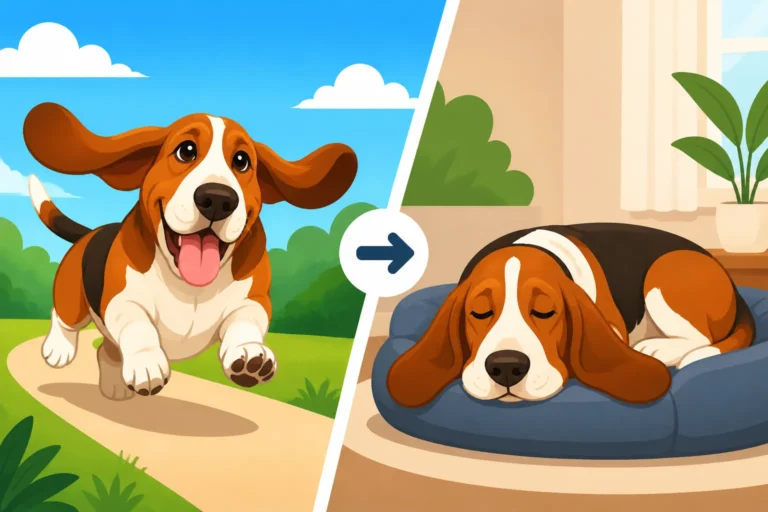
One common misconception is that because Bassets are often described as "lazy" or "laid-back," they will passively accept any dog into their space. While they are indeed known for their calm demeanor indoors, especially after a good scenting session, this doesn't mean they're pushovers. A Basset can be quite particular about their personal space, especially as they get older, or if they haven't been properly socialized. They might not instigate conflict, but they can certainly make their displeasure known with a grumble, a warning bay, or by simply walking away. They're not always eager to engage in high-energy, boisterous play with every dog they meet; they often prefer a more measured interaction.
Another myth is that their droopy, sad-looking eyes mean they are perpetually melancholic and therefore incapable of forming strong bonds or showing enthusiasm. Nothing could be further from the truth! Bassets are incredibly affectionate with their chosen companions, both human and canine. They can be incredibly playful, especially in short bursts, and will happily engage in a slow-motion chase or a game of tug with a trusted friend. Their calm exterior often hides a deeply loving and loyal heart. The challenge isn't usually if they'll get along, but how their unique blend of calm and stubbornness, coupled with their strong scent drive, affects the dynamic. It's not uncommon for a Basset to suddenly "go deaf" to another dog's play invitation if a captivating scent trail presents itself, which can sometimes be confusing for more interaction-focused breeds.
Introducing Your Basset Hound to New Canine Companions
Bringing a new dog into a household that already has a Basset Hound, or introducing your Basset to a new dog, requires patience and a structured approach. Rushing introductions can set back the formation of a positive relationship, turning what could be a beautiful friendship into a source of stress. This is especially true given the Basset's sensitive nature, which often prefers calm and predictability over sudden changes or overly boisterous encounters.
Puppyhood Socialization: The Foundation
The absolute best time to foster a Basset Hound's natural sociability is during puppyhood. From eight to sixteen weeks, puppies are sponges, soaking up experiences that will shape their adult personalities. Exposing your Basset puppy to a wide variety of vaccinated, friendly dogs of different sizes, breeds, and temperaments is crucial. Puppy classes are an excellent way to do this in a controlled, safe environment. Companies like BAXTER & Bella offer online puppy programs that guide you through critical socialization steps, even if you can't access in-person classes immediately, helping you understand how to safely introduce your puppy to new sights, sounds, and, yes, other dogs. This early exposure helps them learn appropriate canine social cues – when to play, when to back off, and how to interpret different body languages.
Without this early foundation, a Basset puppy might grow into an adult who is shy, fearful, or even reactive towards other dogs. Imagine a young Basset Hound puppy, all floppy ears and clumsy paws, meeting a boisterous Labrador puppy. If the experience is positive and supervised, the Basset learns valuable lessons in play. If it's overwhelming or scary, that negative association can stick. Remember that a Basset’s instinct to trail scents can sometimes lead them to ignore other dogs in a social setting, so you need to actively encourage positive interactions rather than assuming they’ll just figure it out. Reading about The First Year With a Basset Hound Puppy can provide a broader context for overall development and socialization.
Adult Introductions: Slow and Steady Wins the Race
Introducing two adult dogs, especially if one is a Basset, requires a methodical approach to minimize stress and potential conflict. Here’s a general step-by-step guide:
- Neutral Territory First: Never introduce dogs directly in your home. Choose a neutral outdoor space, like a park or a quiet walking trail. Both dogs should be on leashes, handled by separate people.
- Parallel Walk: Start by walking the dogs parallel to each other at a distance where they are aware of each other but not stressed. Gradually decrease the distance, allowing them to sniff the ground and get accustomed to each other's presence. Avoid direct face-to-face greetings initially, as this can be confrontational in dog language.
- Supervised Off-Leash (If Safe): If the parallel walk goes well, and both dogs seem relaxed, you can move to a securely fenced area for a brief, supervised off-leash interaction. Keep it short and positive. Look for loose body language, play bows, and sniffing. If either dog shows stiff body language, whale eye, or growling, separate them calmly and try again later.
- Home Introduction: Once they seem comfortable in neutral spaces, bring them home. Keep the initial home meeting brief and supervised. Have a plan for separating them if needed, such as using baby gates or crates.
- Separate Resources: For the first few days or even weeks, feed them in separate rooms and give them separate beds, toys, and water bowls. This reduces the chance of resource guarding.
- Patience is Key: Some dogs become best friends instantly, others take weeks or months. Don't rush it. Every positive interaction builds trust. Consider getting a quality training harness for your Basset from a reliable retailer like Amazon, as it can provide better control during initial walks.
Remember that A Basset Hound Meeting the Dog You Already Have comes with its own set of considerations, and these steps provide a solid framework for success.
Navigating Challenges: When Canine Friendships Hit a Snag
Even with the best intentions and careful introductions, sometimes challenges arise in multi-dog households. Basset Hounds, despite their generally amiable nature, can have specific behaviors that might cause friction with other dogs if not properly managed. Understanding these potential pitfalls and having strategies to address them is crucial for maintaining peace and harmony.
Resource Guarding and How to Address It
Resource guarding is when a dog becomes possessive over certain items – food, toys, beds, or even people – and acts defensively when another dog approaches. While Basset Hounds aren't typically known for aggressive resource guarding, it can certainly happen, especially if they weren't properly socialized around resources as puppies. Given their love for food and their methodical approach to claiming a comfortable spot, it's something to be mindful of. A Basset might not violently defend a toy, but they might give a low growl or stiffen their body if another dog tries to take their favorite napping blanket or tries to share their coveted bully stick.
To address resource guarding:
- Prevent, Don't Punish: The best approach is prevention. Always feed dogs separately, ideally in different rooms or crates, especially during the initial stages of cohabitation.
- High-Value Items: Only give high-value treats or chews when dogs are separated or individually crated.
- Trade-Up Game: Teach your Basset to "trade" items. If they have a toy, offer an even tastier treat in exchange. This teaches them that giving up an item results in something better, reducing the need to guard.
- Management: Ensure there are enough toys, beds, and resting spots for all dogs. This reduces competition. For example, having multiple cozy orthopedic beds (easily found on Amazon) ensures each Basset has their own comfort zone without needing to squabble. If your Basset tends to steal food, a common trait, ensure all food items are put away and meal times are strictly supervised.
Managing Different Play Styles
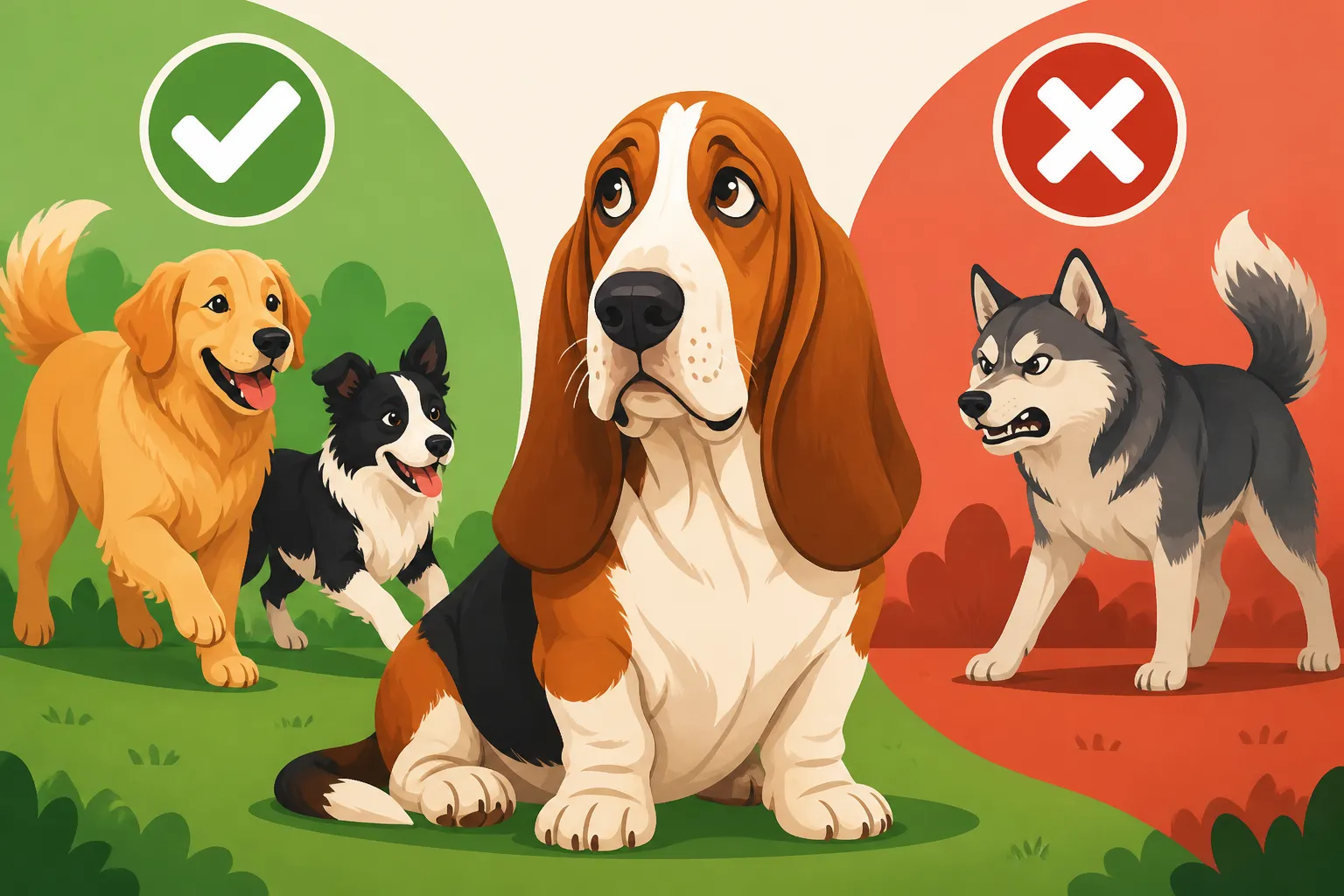
Basset Hounds often have a unique play style. They might enjoy a good wrestle or a ponderous chase, but they're not usually the type to engage in high-speed, acrobatic dog park games for extended periods. Their short legs and long backs mean they are built for endurance on a scent trail, not for agility course sprints. This slower, more deliberate play style can sometimes be misunderstood by other dogs, especially high-energy breeds. A bouncy Border Collie might interpret a Basset's calm approach as disinterest or even a challenge, leading to frustration for both parties.
To manage different play styles:
- Supervised Play: Always supervise play sessions, especially when dogs have different energy levels or sizes. Intervene if play becomes too rough or one dog is clearly not enjoying it.
- Structured Playtime: Encourage games that both dogs can enjoy. Scent work or slower tug-of-war sessions might appeal to a Basset more than continuous running. Offering puzzle toys, again, readily available through retailers like Amazon, can provide mental stimulation without intense physical exertion, allowing both dogs to engage side-by-side without needing identical play.
- Separate Exercise: Ensure both dogs get their individual exercise needs met. Your Basset might enjoy a long, leisurely sniff-walk, while your other dog might need a brisk jog or fetch session. This reduces pent-up energy that could lead to mismatched play. It's also important to consider Whether a Basset Hound Should Jump in Sport due to their unique physique.
Creating a Harmonious Multi-Dog Household with Your Basset
A multi-dog household with a Basset Hound can be incredibly rewarding, offering companionship and joy for both the dogs and their human family. The key to long-term harmony lies in thoughtful preparation, consistent management, and ongoing training. It's about understanding the individual needs of each dog and creating an environment where everyone feels safe, loved, and respected.
Setting Up for Success: Space and Routine
One of the most critical aspects of a harmonious multi-dog home is providing adequate space and a predictable routine. This is particularly important for Basset Hounds, who appreciate comfort and predictability.
- Designated "Safe" Spaces: Each dog should have their own designated "safe" space where they can retreat for peace and quiet. This could be a crate, a specific bed in a corner, or even a separate room. These spaces should be respected by all members of the household, both human and canine. This reduces stress and gives dogs an outlet if they feel overwhelmed. Imagine your Basset, after a long session of tracking an interesting smell, just wanting to flop onto their favorite cushion without another dog nudging them. This personal space is vital for their well-being.
- Clear Boundaries and Rules: Establish clear house rules for all dogs. For instance, are they allowed on furniture? Are certain areas off-limits? Consistency is paramount. If one dog is allowed on the sofa but the other isn't, it can create confusion and potential resentment. Everyone knowing the rules helps maintain peace.
- Predictable Routine: Dogs thrive on routine. Consistent feeding times, walk schedules, and bedtime routines can significantly reduce anxiety and conflict. When dogs know what to expect, they feel more secure and are less likely to act out. This is particularly true for Bassets who, while flexible, appreciate the rhythm of daily life. This consistency also helps in managing issues like How Long a Basset Hound Can Be Left Alone by ensuring they have predictable activity and rest periods.
Continuous Training and Enrichment
Training and mental enrichment aren't just for puppies; they are lifelong endeavors that strengthen the bond between you and your Basset and contribute to a well-adjusted, sociable dog within a multi-dog home.
- Individual Training Sessions: Even if you have multiple dogs, spend dedicated one-on-one time training each dog. This reinforces their individual relationship with you and helps prevent them from feeling overlooked. Positive reinforcement training works wonders with Bassets, especially when food is involved! This also helps in understanding What Actually Motivates a Basset Hound. Basic obedience commands like "sit," "stay," "come," and "leave it" are essential, especially in a multi-dog environment where you might need to manage interactions quickly. Online resources like BAXTER & Bella can offer tailored advice and training modules that you can work through with each dog at their own pace.
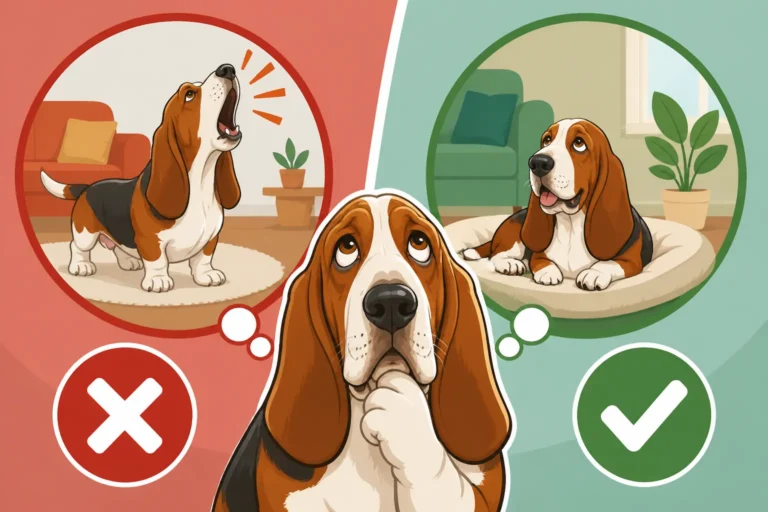
- Mental Stimulation: Basset Hounds, with their incredible noses, thrive on mental stimulation. Incorporate nose work games, puzzle toys, and scatter feeding to engage their minds. A tired Basset (mentally and physically) is a good Basset! This enrichment can help prevent boredom-related behaviors that might annoy other dogs, such as excessive baying or chewing on inappropriate items. You might find that Whether a Basset Hound Destroys Anything When Bored is significantly reduced when their minds are actively engaged.
- Group Activities: Once dogs are comfortable, engage in group activities that promote positive interaction. This could be leashed walks together, supervised playtime in a secure yard, or even shared quiet time, such as all dogs resting near you. The goal is to build positive shared experiences, solidifying their bond. Think of it as team building for your canine crew!
Here's a quick comparison of potential Basset Hound interactions with other dogs:
| Interaction Type | Basset's Typical Reaction | How to Foster Positive Outcomes |
|---|---|---|
| New Canine Friend | Generally curious and friendly, but can be reserved or overwhelmed if rushed. | Introduce slowly on neutral ground. Use parallel walks. Reward calm behavior. Consider professional guidance for A Basset Hound Meeting the Dog You Already Have. |
| Boisterous Play | May participate in short bursts, then retreat. Can become annoyed if persistently pestered. | Supervise closely. Provide opportunities for individual exercise for higher-energy dogs. Offer Basset-appropriate games (e.g., scent work, slow tug). Teach a "break" cue. |
| Sharing Resources | May guard favorite items (beds, chews, food) with subtle cues (stiffening, growl). | Feed separately. Provide ample individual resources. Teach "trade" command. Always supervise high-value treat consumption. |
| Pack Living | Often thrives in a pack environment, seeking companionship and security. | Establish clear hierarchy (you as leader). Maintain consistent routine. Ensure individual attention for each dog. Consider Whether Two Basset Hounds Are Better Than One if seeking a second dog. |
| Stranger Dogs | Generally tolerant, but can be aloof if not socialized. May ignore dogs for a scent trail. | Continue socialization throughout life. Use positive reinforcement for calm greetings. Keep on leash in unfenced areas to manage scent distractions, as discussed in Whether a Basset Hound Should Ever Be Off Leash. |
By understanding the nuances of the Basset Hound's personality and being proactive in your approach, you can create a happy, well-adjusted multi-dog family where every wagging tail (and floppy ear) feels at home.
Disclaimer
This article is for general informational purposes only and does not constitute professional advice. Laws, prices and regulations vary by location and change over time. Consult a qualified professional for guidance on your specific situation.