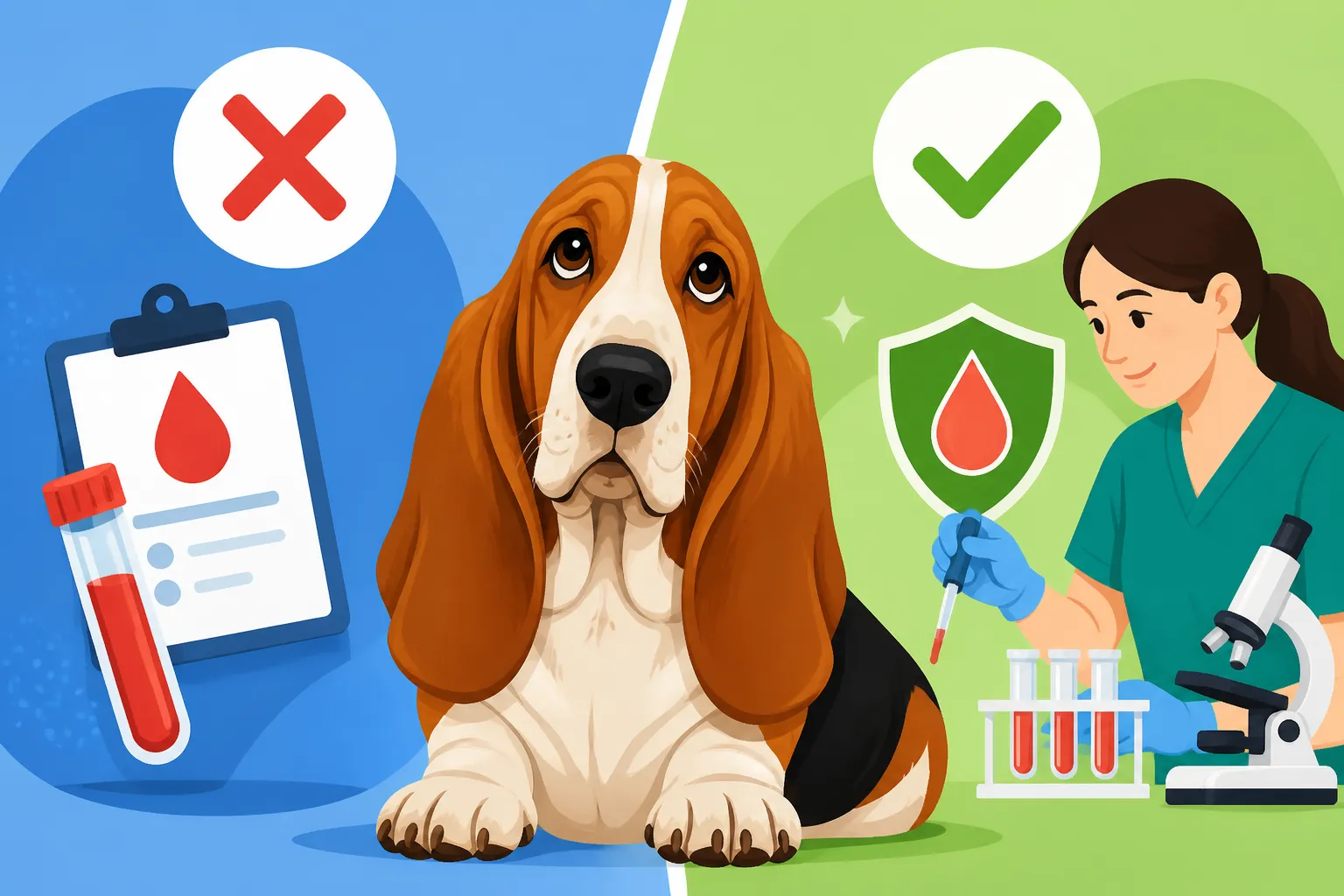
Whether a Basset Hound Breeder Tests for Thrombopathia
It's incredibly frightening to imagine your beloved Basset Hound facing an emergency or even a routine surgery, only to discover they have a hidden bleeding disorder. The thought of unexpected complications, prolonged recovery, or even life-threatening situations due to an inability to clot properly is a genuine concern for many Basset owners and prospective families. This comprehensive guide will delve into what thrombopathia is, why it's a particular issue for our long-eared companions, and most importantly, how responsible breeders approach testing to protect future generations from this serious inherited condition.
Understanding Thrombopathia in Basset Hounds
For anyone bringing a Basset Hound into their home, learning about the breed's unique health challenges is part of being a responsible owner. One such challenge, often less discussed than ear infections or back problems, is thrombopathia. It's a condition that can catch even experienced owners off guard, leading to serious complications if not understood and managed.
What is Thrombopathia?
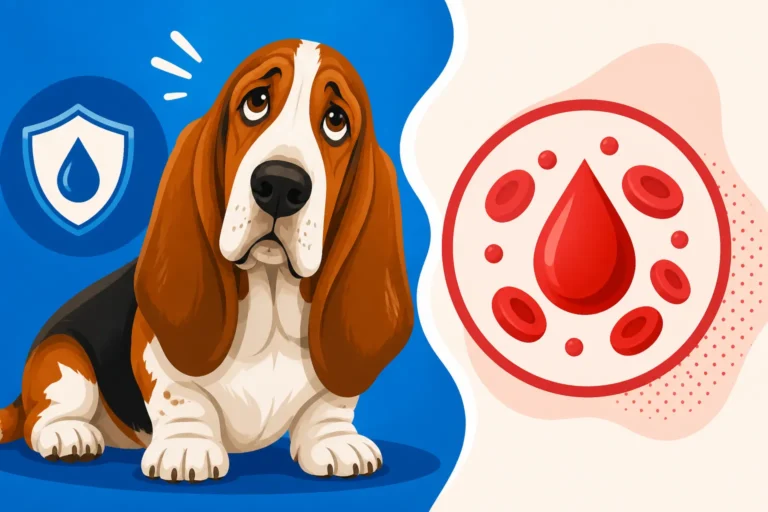
Thrombopathia in Basset Hounds isn't your everyday clotting problem; it's a specific inherited platelet function disorder. Think of it this way: when your Basset gets a little nick or scrape, or undergoes a surgical procedure, their body relies on tiny blood cells called platelets to rush to the scene and form a plug to stop the bleeding. In a Basset Hound with thrombopathia, the platelets are there in sufficient numbers, but they don't work correctly. They might be unable to adhere to the injured blood vessel wall, or they might fail to aggregate with other platelets to form that crucial clot. It's like having all the necessary tools for a job, but they're all faulty. This can be incredibly confusing and distressing for owners, as their dog might appear perfectly healthy until a bleeding episode occurs.
This specific type of thrombopathia is found predominantly in Basset Hounds, making it a breed-specific concern that responsible breeders must address. It's not like von Willebrand disease, which is a different clotting factor deficiency seen in other breeds; this is about the platelets themselves. Without properly functioning platelets, even minor trauma can lead to significant blood loss.
How Thrombopathia Affects Basset Hounds
The impact of thrombopathia on a Basset Hound can range from mild inconvenience to a life-threatening crisis. The most common signs involve prolonged or excessive bleeding. Imagine your happy-go-lucky Basset bounding through the yard, getting a small scratch, and then it just keeps bleeding. Or consider the stress of a routine dental cleaning or a spay/neuter surgery, where what should be a straightforward recovery turns into a nightmare of unstoppable oozing. This is the reality for dogs affected by thrombopathia.
Symptoms can include:
- Excessive bleeding after minor injuries: A small cut might bleed for an unusually long time.
- Prolonged bleeding after surgery or dental procedures: This is where the condition often first becomes apparent, sometimes with severe consequences. If you're wondering whether a Basset Hound bleeds after surgery, thrombopathia can certainly make that a dangerous reality.
- Nosebleeds (epistaxis): Spontaneous or easily triggered nosebleeds can occur.
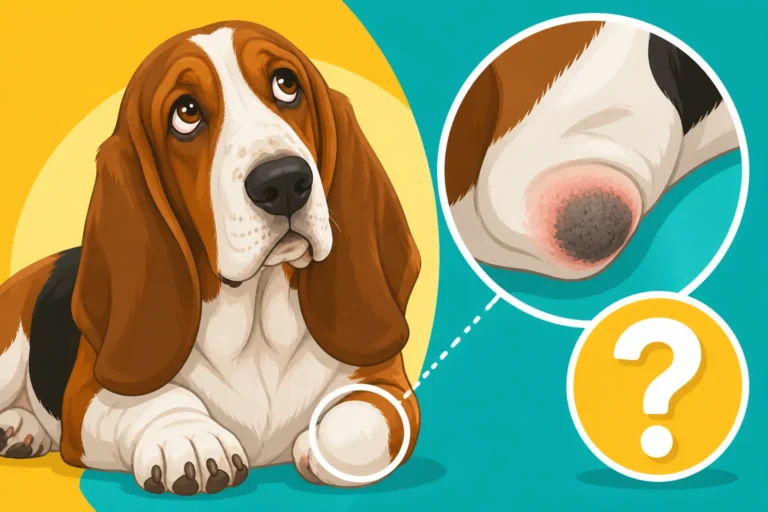
- Bruising (ecchymoses or petechiae): Small, pinpoint hemorrhages or larger bruises might appear on the skin or mucous membranes without a clear cause.
- Blood in urine or stool: Internal bleeding can manifest in these ways.
The severity can vary, but any dog affected by thrombopathia faces an elevated risk in situations where clotting is crucial. These aren't just minor annoyances; these are serious health issues that require immediate veterinary attention, often involving transfusions or specialized care to manage. Understanding what Thrombopathia means for a Basset Hound is vital for any potential owner.
Why Breeder Testing for Thrombopathia Matters
When you choose to bring a Basset Hound into your home, you're not just picking a cute face; you're investing in a lifetime of love, companionship, and hopefully, good health. The role of a responsible breeder in ensuring that health cannot be overstated, especially when it comes to inherited conditions like thrombopathia.
The Importance of Screening Parents
Thrombopathia in Basset Hounds is an autosomal recessive inherited disorder. What this means in plain language is that a dog needs to inherit two copies of the faulty gene—one from each parent—to actually have the disease and show symptoms. Dogs that inherit only one copy of the faulty gene are called "carriers." Carriers typically don't show any symptoms themselves, but they can pass that single faulty gene on to their offspring. If two carriers are bred together, there's a 25% chance with each puppy that it will inherit two faulty genes and be affected by thrombopathia.
This is precisely why screening prospective breeding dogs is so incredibly important. By testing the parent dogs before they are bred, responsible breeders can identify carriers and avoid pairings that would produce affected puppies. This proactive approach prevents immense suffering for the dogs and heartache (and significant vet bills!) for their future families. It's a cornerstone of ethical breeding, demonstrating a commitment to the long-term health and well-being of the breed rather than just churning out puppies. If you're looking for a good example of other health screenings, consider asking whether a Basset Hound breeder tests for glaucoma, as eye health is another key concern.
What a Reputable Breeder Should Do
A truly reputable Basset Hound breeder will be upfront and transparent about the health testing they conduct on their breeding stock. They won't just tell you their dogs are "healthy"; they'll have the documentation to prove it. For thrombopathia, this means having genetic test results for both parent dogs. They should be able to explain what the results mean (clear, carrier, or affected) and how those results influence their breeding decisions.
An ethical breeder will never knowingly breed two carriers together. Their goal is to eliminate or significantly reduce the incidence of such genetic diseases in their lines. This might involve breeding a carrier to a "clear" dog, in which case none of the puppies will be affected, though some may still be carriers. These breeders often adhere to guidelines set by the Basset Hound Club of America, which promotes responsible breeding practices and health clearances. They understand that their responsibility extends far beyond the sale of a puppy, impacting its entire lifespan. When considering your purchase, remember that The Health Tests a Basset Hound Breeder Should Run are numerous and vital.
The Reality of Thrombopathia Testing
Understanding that testing is important is one thing, but knowing how breeders actually test for thrombopathia and what those results mean can empower you as a prospective puppy owner. It’s not just about a simple pass or fail; there are nuances to the process.
Available Tests and How They Work
For Basset Hound thrombopathia, there are typically two main types of tests that might be discussed, though one is far more definitive for the genetic condition itself:
-
Buccal Mucosal Bleeding Time (BMBT) Test: This is a quick, in-clinic screening test that measures how long it takes for a small incision on the inside of a dog's lip (buccal mucosa) to stop bleeding. It gives a general indication of platelet function and primary hemostasis. While useful as a general pre-surgical screen, a prolonged BMBT doesn't specifically confirm Basset Hound thrombopathia; it just indicates some kind of platelet dysfunction. However, an affected Basset Hound would almost certainly have a prolonged BMBT. It can be a good initial screening tool, and many vets might recommend it before a procedure to see whether a Basset Hound should be tested before neutering.
-
DNA Test (Genetic Test): This is the gold standard for identifying the specific genetic mutation responsible for Basset Hound thrombopathia. It’s usually performed using a cheek swab or a blood sample sent to a specialized veterinary genetics laboratory. Labs like Optigen or Cornell University's Animal Health Diagnostic Center have historically offered these specific tests. This test directly looks for the gene mutation, offering a definitive answer about whether a dog is clear, a carrier, or affected. This is the test a responsible breeder will use to make informed breeding decisions. This answers the crucial question of whether thrombopathia can be tested in a Basset Hound definitively.
Interpreting Test Results
When a breeder shares genetic test results for thrombopathia, you'll typically see one of three classifications:
- Clear (or Normal): This dog has two normal copies of the gene and does not carry the mutation for thrombopathia. They cannot develop the disease and cannot pass the mutation on to their offspring.
- Carrier: This dog has one normal copy of the gene and one copy of the thrombopathia mutation. Carriers typically do not show symptoms of the disease themselves because the single normal gene is usually sufficient for proper platelet function. However, they can pass the mutation on to approximately 50% of their offspring. It’s important to understand whether a carrier Basset Hound bleeds, and the general consensus is that they do not experience abnormal bleeding.
- Affected: This dog has inherited two copies of the thrombopathia mutation (one from each parent). These dogs will develop the disease and will exhibit the bleeding tendencies associated with thrombopathia. They will also pass a copy of the mutation to 100% of their offspring.
A reputable breeder will use these results to make sure that at least one parent in any pairing is "Clear." This ensures that no puppies will be "Affected." While breeding a "Carrier" to a "Clear" dog can still produce "Carrier" puppies, this is a responsible way to manage the gene in a breeding program without eliminating valuable lines entirely, as long as those carrier puppies are then responsibly placed or bred only to clear dogs themselves.
| Test Type | What it Detects | How it's Done | Interpretation | Best Use Case |
|---|---|---|---|---|
| Buccal Mucosal Bleeding Time (BMBT) | General platelet function and primary hemostasis | Small incision on gum, time until bleeding stops | Prolonged time suggests a platelet issue (not specific to thrombopathia gene) | Quick in-clinic screening, pre-surgical assessment |
| DNA Test (Genetic Test) | Specific gene mutation for Basset Hound Thrombopathia | Cheek swab or blood sample analyzed in specialized lab | Clear (no mutation), Carrier (one copy), Affected (two copies) | Definitive diagnosis, informed breeding decisions, pre-purchase screening |
Finding a Breeder Who Prioritizes Health
Embarking on the journey to find a Basset Hound puppy should be an exciting time, but it also requires careful due diligence. Finding a breeder who genuinely prioritizes health, including testing for conditions like thrombopathia, is paramount for the long-term well-being of your future family member.
Questions to Ask Potential Breeders
When you're speaking with a potential breeder, don't be shy about asking direct and detailed questions regarding their health testing protocols. A good breeder will welcome your questions and be eager to share information. Here are some key questions to ask, specifically about thrombopathia:
- "Do you test your breeding Bassets for thrombopathia?" This is your baseline question.
- "Can I see the genetic test results (DNA test) for both the sire (father) and dam (mother) of the litter?" They should provide documentation from a reputable lab, not just tell you the results.
- "What are the results for the parents (Clear, Carrier, or Affected)?"
- "If one or both parents are carriers, how do you ensure affected puppies are not produced?" (The answer should be that at least one parent is clear).
- "What is your policy if a puppy from this litter is later found to be affected by thrombopathia?" This touches on their health guarantee.
- "Do you offer any information or guidance on pet insurance, given the potential costs of unexpected health issues in Bassets?" Many Basset Hound owners find that insuring a Basset Hound against eyes, ears, and backs is crucial, and a breeder might even recommend companies like Healthy Paws.
A breeder who hesitates, becomes defensive, or can't provide verifiable documentation should raise a significant red flag. You're looking for transparency and a deep understanding of genetic health.
Beyond Thrombopathia: Other Essential Health Clearances
While focusing on thrombopathia is important, it's crucial to remember that it's just one piece of the puzzle regarding Basset Hound health. A truly responsible breeder will conduct a battery of health clearances for various conditions common in the breed. These include:
- Orthopedic Clearances: Hip and elbow dysplasia are concerns in Bassets. Reputable breeders will have OFA (Orthopedic Foundation for Animals) or PennHIP certifications for hips and OFA for elbows.
- Eye Examinations: Bassets can be prone to eye conditions such as glaucoma, entropion (inward rolling eyelids), and ectropion (outward rolling eyelids). Breeders should have current eye certifications from a veterinary ophthalmologist, often through the OFA Eye Certification Registry (formerly CERF).
- Ear Health: While ear infections are common in Bassets due to their long, heavy ears, a good breeder will minimize genetic predispositions to extreme ear structure that exacerbates these issues, and teach you The Twice Weekly Ear Ritual a Basset Hound Owner Signs Up For.
- General Health: A thorough veterinary check-up for overall health, heart, and patella soundness.
Remember, the goal is to find a breeder who is dedicated to improving the breed and producing healthy, well-socialized puppies. These health tests are an investment on their part, and they reflect a commitment to the puppies' future. If a breeder is cutting corners on these essential screenings, you might be setting yourself up for heartache and significant veterinary expenses down the line. What a Basset Hound's emergency surgeries cost can be astronomical without proper planning, and a responsible breeder will ensure you're aware of these potential costs and risks.
Disclaimer
This article is for general informational purposes only and does not constitute professional advice. Laws, prices and regulations vary by location and change over time. Consult a qualified professional for guidance on your specific situation.