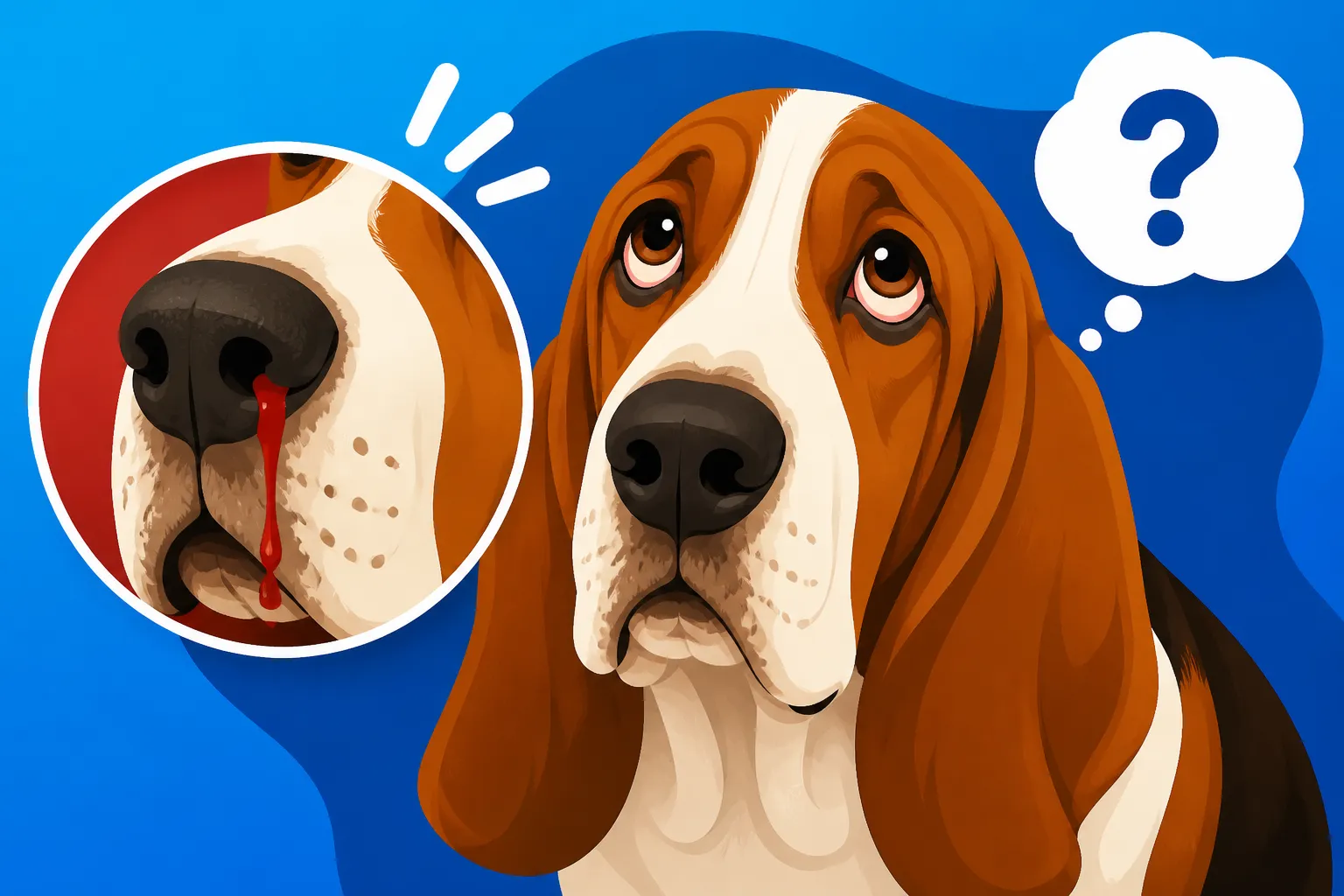
Whether a Basset Hound Bleeds From the Nose
Seeing blood trickling or even gushing from your beloved Basset Hound's nose can be an utterly terrifying experience for any pet parent. It immediately triggers a cascade of worry: Is it serious? Did they hurt themselves? Is something far worse going on inside? This comprehensive guide is here to walk you through the various reasons a Basset Hound might experience a nosebleed, what you should do in the moment, and when it’s crucial to seek urgent veterinary attention.
Understanding Why a Basset Hound Might Get a Nosebleed
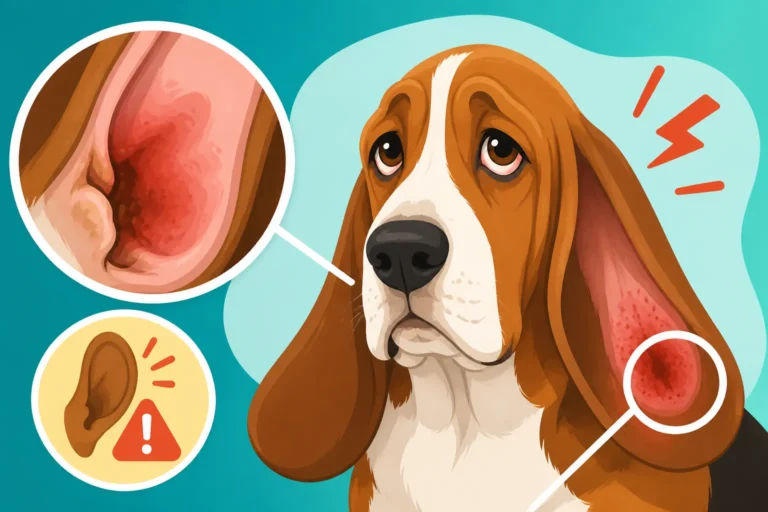
Nosebleeds in dogs, medically known as epistaxis, are never "normal," but their severity and underlying causes can range dramatically. For Basset Hounds, with their unique head shape and inquisitive nature, some causes might be more prevalent or present differently than in other breeds. It’s important to remember that the nose is a complex, vascular area, and even minor trauma can lead to noticeable bleeding.
Common, Less Serious Causes of Nasal Bleeding
Sometimes, a nosebleed is a one-off event caused by something relatively innocuous, though still alarming. These are the situations that, while needing attention, often don't point to a life-threatening crisis.
One of the most frequent culprits, especially for a Basset Hound whose nose is perpetually to the ground, is a foreign body lodged in the nasal passage. Imagine your Basset sniffing enthusiastically through tall grass or rooting around in the garden; a tiny seed, a blade of grass, or even a small twig can easily get inhaled and irritate the delicate lining of the nose. This irritation can cause sneezing, pawing at the face, and then, a nosebleed as the object scratches or pokes the tissues. It’s not uncommon for owners to not even realize something was inhaled until the bleeding starts. Given how good a Basset Hound's nose actually is, they spend a lot of time with their snout actively engaged, increasing this particular risk.
Minor trauma is another common reason. A Basset Hound, for all its sturdy appearance, can be a bit clumsy. Bumping their long, heavy head into furniture, running into something too fast during a scent chase, or even rough play with another dog can cause a capillary to rupture. While it might look dramatic, especially if the blood is mixed with mucus, these types of bleeds usually stop relatively quickly with gentle pressure and rest. It’s often a short-lived scare rather than a serious medical event.
Environmental factors can also play a role, particularly dry air. Just like humans, a Basset Hound's nasal passages can become dry and irritated in arid climates or during winter months when indoor heating is on. This dryness can make the delicate blood vessels in the nose more fragile and prone to bleeding, sometimes triggered by a sneeze or a simple head shake. You might notice these bleeds are typically less severe and resolve on their own once the air quality improves or humidity is introduced.
More Concerning Underlying Health Issues
While many nosebleeds are benign, others signal a more serious underlying health problem that requires prompt veterinary investigation. These conditions can range from infections to systemic diseases affecting blood clotting or even tumors.
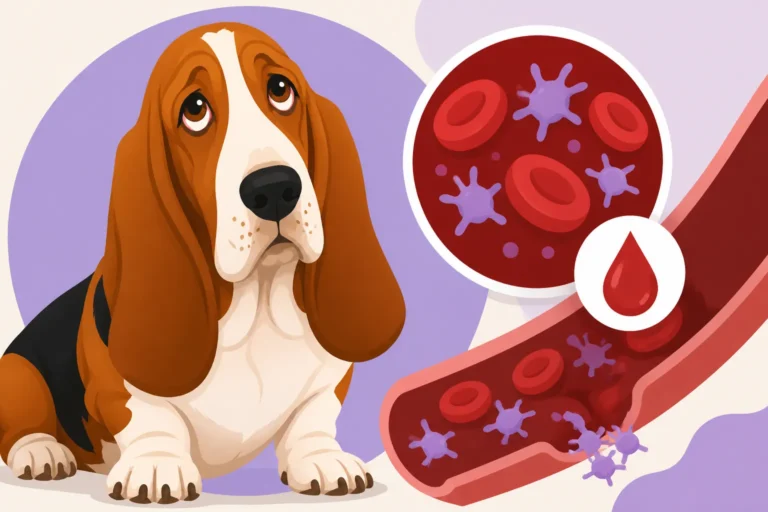
One of the most critical concerns, especially for Basset Hounds, is a bleeding or clotting disorder. The breed can be prone to certain inherited conditions that affect the blood's ability to clot properly. For instance, Thrombopathia and the Basset Hound That Will Not Clot is a serious hereditary condition where platelets don't function correctly, leading to excessive bleeding even from minor injuries. A nosebleed in a Basset with an undiagnosed clotting disorder could be profuse and difficult to stop, indicating a systemic issue. If your Basset Hound bruises easily or bleeds unusually long after a small cut, a nosebleed is a major red flag. Similarly, if you are concerned about whether a Basset Hound bleeds after surgery, a nosebleed might indicate a broader issue with coagulation.
Infections, both bacterial and fungal, can also cause nosebleeds. A severe upper respiratory infection, often accompanied by discharge, sneezing, and congestion, can inflame and damage the nasal lining, leading to bleeding. Fungal infections, while less common, can be particularly destructive, eroding tissues and blood vessels within the nasal cavity and causing persistent, sometimes bloody, discharge. These infections often require specific diagnostic tests and long courses of medication to resolve fully.
More serious conditions like tumors or polyps within the nasal cavity can also manifest as nosebleeds. These growths, which can be benign or malignant, often start by causing intermittent, mild bleeding or a bloody discharge, which then progresses as the mass grows and further irritates the delicate tissues. Other signs might include facial swelling, difficulty breathing through the nose, or changes in facial symmetry. These cases almost always require advanced diagnostics like imaging (X-rays, CT scans) and biopsies to determine the nature of the growth and appropriate treatment.
Finally, systemic diseases such as high blood pressure, certain kidney diseases, or even some autoimmune disorders can lead to fragile blood vessels and spontaneous bleeding, including nosebleeds. Conditions like Whether a Basset Hound Gets Hypothyroidism can sometimes have systemic effects that impact overall health and clotting ability, though less directly linked to nosebleeds than specific clotting disorders. A sudden, unexplained nosebleed, particularly in an older Basset Hound, warrants a thorough workup to rule out these underlying health issues.
What to Do When Your Basset Hound Has a Nosebleed
Witnessing your Basset Hound with a nosebleed can be alarming, but remaining calm is the first and most important step. Your reaction directly influences your dog's demeanor, and a calm approach can make all the difference in managing the situation effectively. Panic will only make your Basset more anxious, potentially increasing their heart rate and blood flow, which can worsen the bleeding.
Immediate First Aid Steps
As soon as you notice the bleeding, guide your Basset Hound to a quiet, calm area. Try to keep their head slightly elevated if possible, but don't force it into an uncomfortable position. The goal is to discourage any actions that might increase blood flow to the head, such as excitement, vigorous shaking, or pawing at their face. Gently reassure them with a soft voice.
Applying direct pressure to the bleeding nostril can help immensely. While this might be tricky with a Basset's unique snout, you can try to apply pressure just below the bone, at the top of the soft part of the nose, to compress the blood vessels. You can use a clean cloth, paper towel, or even a cool compress. Some vets suggest placing a small ice pack over the bridge of the nose, as the cold can help constrict blood vessels and slow the flow. Do this for at least 5-10 minutes continuously, resisting the urge to check if the bleeding has stopped too frequently, as this can disrupt clot formation. It's often helpful to keep a towel under their chin to catch any drips and prevent them from inhaling blood, which can cause coughing or gagging.
During this time, closely monitor the amount of blood. Is it a slow trickle or a steady flow? Is it coming from one nostril or both? Note the color of the blood – bright red suggests fresh bleeding, while darker, clotted blood might indicate older or slower bleeding. Also, observe your Basset Hound for any other symptoms like weakness, difficulty breathing, excessive swallowing (which could mean they are swallowing blood), or changes in gum color (pale gums can indicate significant blood loss).
When to Seek Veterinary Attention
While some minor nosebleeds might resolve on their own, there are definite signs that warrant an immediate trip to the veterinarian. It's always better to be overly cautious when it comes to your Basset Hound's health.
You should seek immediate veterinary care if the nosebleed is profuse, meaning a heavy, steady flow that doesn't show signs of slowing down after 10-15 minutes of direct pressure. Similarly, if the bleeding stops and then quickly restarts, this is a red flag. Any signs of significant blood loss, such as pale gums (press your finger against their gums, and they should turn pink again within 1-2 seconds), weakness, lethargy, difficulty standing, or labored breathing, are absolute emergencies. These symptoms suggest that your Basset is losing too much blood and needs urgent medical intervention.
Another critical indicator is if the nosebleed is accompanied by other concerning symptoms. This could include repeated sneezing with bloody discharge, swelling of the face, pawing excessively at the nose, vomiting, diarrhea, or a noticeable change in behavior. If your Basset Hound has a history of trauma, like being hit by a car, falling, or a severe impact, any nosebleed following such an event requires immediate veterinary evaluation, even if it seems minor. Internal injuries might not be immediately apparent.
If your Basset Hound is on any medications, particularly blood thinners or NSAIDs (non-steroidal anti-inflammatory drugs) such as aspirin – though Whether a Basset Hound Should Avoid Aspirin is a crucial consideration due to potential bleeding risks – a nosebleed should prompt an immediate call to your vet. These medications can exacerbate bleeding. Even seemingly benign nosebleeds that occur frequently or intermittently, even if small, should be discussed with your vet. Recurring bleeds often point to an underlying chronic issue that needs diagnosis and treatment. This is one of those instances where a good pet insurance plan, like those offered by Healthy Paws, can be incredibly beneficial, helping to cover the costs of unexpected emergency visits and diagnostics.
Understanding the Potential Causes and Diagnoses
Once you've arrived at the vet's office, they will begin a methodical process to determine the cause of your Basset Hound's nosebleed. This journey can sometimes be a bit extensive, as ruling out various conditions is key to an accurate diagnosis. It’s natural to feel anxious during this time, but trust that your veterinary team is working diligently to uncover the root cause.
Diagnostic Tests a Vet Might Perform
The initial steps often involve a thorough physical examination. Your vet will look for external signs of trauma, check for swelling or deformities around the nose and face, and carefully examine the visible parts of the nostrils. They'll also check your Basset's vital signs, gum color, and listen to their heart and lungs to assess their overall condition and any signs of systemic illness or significant blood loss.
Blood tests are almost always a crucial part of the diagnostic process, especially for a Basset Hound. A complete blood count (CBC) can reveal if there's blood loss, infection, or issues with red blood cell production. A biochemistry panel assesses organ function, which can highlight conditions like kidney disease that might contribute to bleeding. Most importantly, a coagulation panel will be run to check how well your Basset's blood clots. This test is vital for ruling out or confirming inherited bleeding disorders like thrombopathia, which, as mentioned, can be a concern for Basset Hounds. These tests help determine if the problem is localized to the nose or if it's a systemic issue affecting the entire body.
If a foreign body or a mass is suspected, imaging studies will likely be recommended. X-rays of the skull can sometimes reveal dense foreign objects or obvious bone destruction from a tumor, but often, more advanced imaging is needed. A CT (computed tomography) scan is far superior for visualizing the intricate structures of the nasal passages and sinuses, providing detailed cross-sectional images that can pinpoint foreign bodies, fungal plaques, or the extent of a tumor. In some cases, an endoscopy or rhinoscopy might be performed. This involves inserting a tiny camera into the nasal passages to directly visualize the lining, identify sources of bleeding, remove foreign bodies, or collect biopsies for laboratory analysis.
Managing Underlying Conditions
The treatment plan for your Basset Hound's nosebleed will depend entirely on the underlying diagnosis. It's not a one-size-fits-all approach. If a foreign body is found, for example, it will need to be carefully removed, sometimes requiring sedation or general anesthesia. Once the irritant is gone, the nose typically heals quickly.
For bacterial or fungal infections, a course of appropriate antibiotics or antifungals will be prescribed. These treatments can be long and sometimes involve specialized medications. It’s crucial to complete the entire course of medication, even if your Basset seems to improve quickly, to ensure the infection is fully eradicated and to prevent recurrence. If an underlying condition like high blood pressure is identified, medication to manage that specific condition will be initiated, which should, in turn, resolve the associated nosebleeds.
In cases of clotting disorders, such as What Thrombopathia Means for a Basset Hound, management might be more complex. There isn't always a cure for inherited clotting issues, so treatment often focuses on managing bleeding episodes and preventing future ones. This could involve transfusions in severe cases, careful monitoring, and avoiding medications or situations that could trigger bleeding. For tumors or polyps, treatment options can vary widely depending on whether the growth is benign or malignant and its location and size. This might include surgical removal, radiation therapy, or chemotherapy, often guided by the results of the biopsy. These more involved treatments can be costly, making a robust pet insurance plan, like those offered by Healthy Paws, an invaluable asset for many Basset Hound owners, helping them afford the best care for their beloved companions.
Prevention and Long-Term Care for Your Basset Hound's Nasal Health
While you can't prevent every nosebleed, especially if there's an unforeseen underlying health issue, there are definitely proactive steps you can take to minimize the risk and ensure your Basset Hound's nasal health. Being prepared and vigilant is part and parcel of being a responsible Basset owner.
Everyday Strategies to Minimize Risk
One of the simplest yet most effective prevention methods is managing your Basset Hound's environment. Given their ground-sniffing tendencies, try to keep their outdoor play areas free of small, easily inhaled debris like sharp twigs, foxtails, or gravel. While you can't sterilize the world, a quick sweep of the yard before playtime can reduce the risk of foreign bodies. If you live in a dry climate or use indoor heating extensively, consider investing in a humidifier for your home. Keeping the air moist can prevent the delicate nasal passages from drying out and becoming prone to bleeding.
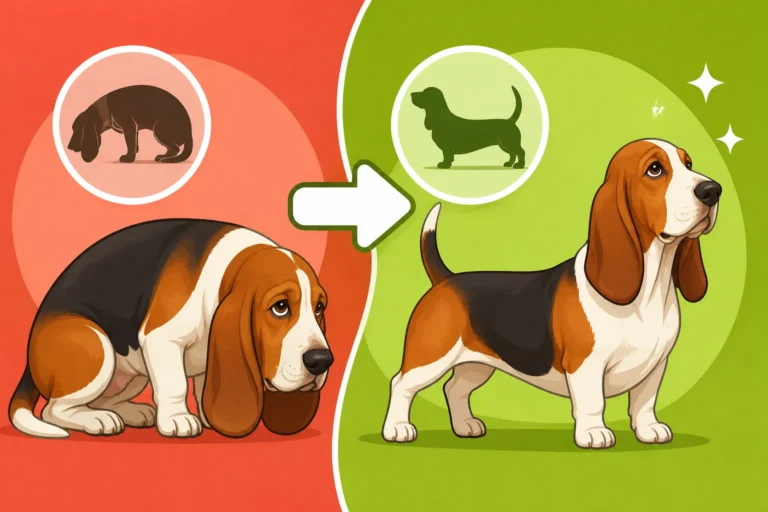
Regular, gentle nasal checks are also a good habit. While Basset Hounds might not be thrilled about having their noses poked and prodded, getting them used to having their face and nostrils briefly inspected can help you spot any unusual discharge, swelling, or changes early on. This can be incorporated into their general grooming routine. Keeping your Basset Hound at its correct weight is also paramount for overall health, as What Extra Weight Does to a Basset Hound can exacerbate many health problems, making them more susceptible to various ailments.
It’s also wise to be mindful of potential allergens or irritants in your home. Strong cleaning chemicals, excessive dust, or even certain perfumes can irritate sensitive nasal linings in dogs, potentially leading to inflammation and minor bleeding. Ensure good ventilation when cleaning and opt for pet-friendly household products.
The Importance of a Good Health History
Understanding your Basset Hound's complete health history is paramount for long-term nasal health and overall well-being. This includes knowing if there's any family history of clotting disorders or other genetic predispositions that could lead to nosebleeds. If you adopted your Basset, ask for as much health information as possible from the rescue organization or previous owner. This information helps your vet establish a baseline and be more vigilant for specific conditions.
Regular veterinary check-ups are non-negotiable. These routine visits allow your vet to monitor your Basset's general health, catch potential issues early, and perform preventative screenings. During these appointments, mention any past nosebleeds, even if they seemed minor, as this information can be critical if future, more serious incidents occur. Your vet might also discuss preventative measures, such as dietary supplements or environmental changes, if they identify any risk factors. These regular check-ups contribute to The Ten to Twelve Years a Basset Hound Lives, helping ensure they live a full and healthy life. Understanding What a Basset Hound's Yearly Vet Bill Looks Like can help you budget for these essential preventative care visits.
Finally, consider pet insurance as a vital part of your Basset Hound's long-term care plan. Unexpected health issues, especially emergencies like severe nosebleeds requiring extensive diagnostics and treatment, can be incredibly expensive. Having a policy from a reputable provider like Healthy Paws can provide immense peace of mind, ensuring you can make treatment decisions based on what’s best for your Basset, rather than being limited by financial concerns. This kind of preparedness is a true testament to the love and dedication you have for your furry family member.
Disclaimer
This article is intended for informational purposes only and is not a substitute for professional veterinary advice, diagnosis, or treatment. Always seek the advice of your veterinarian or other qualified health provider with any questions you may have regarding a medical condition. Never disregard professional veterinary advice or delay in seeking it because of something you have read in this article.