Whether a Basset Hound Develops an Aural Hematoma
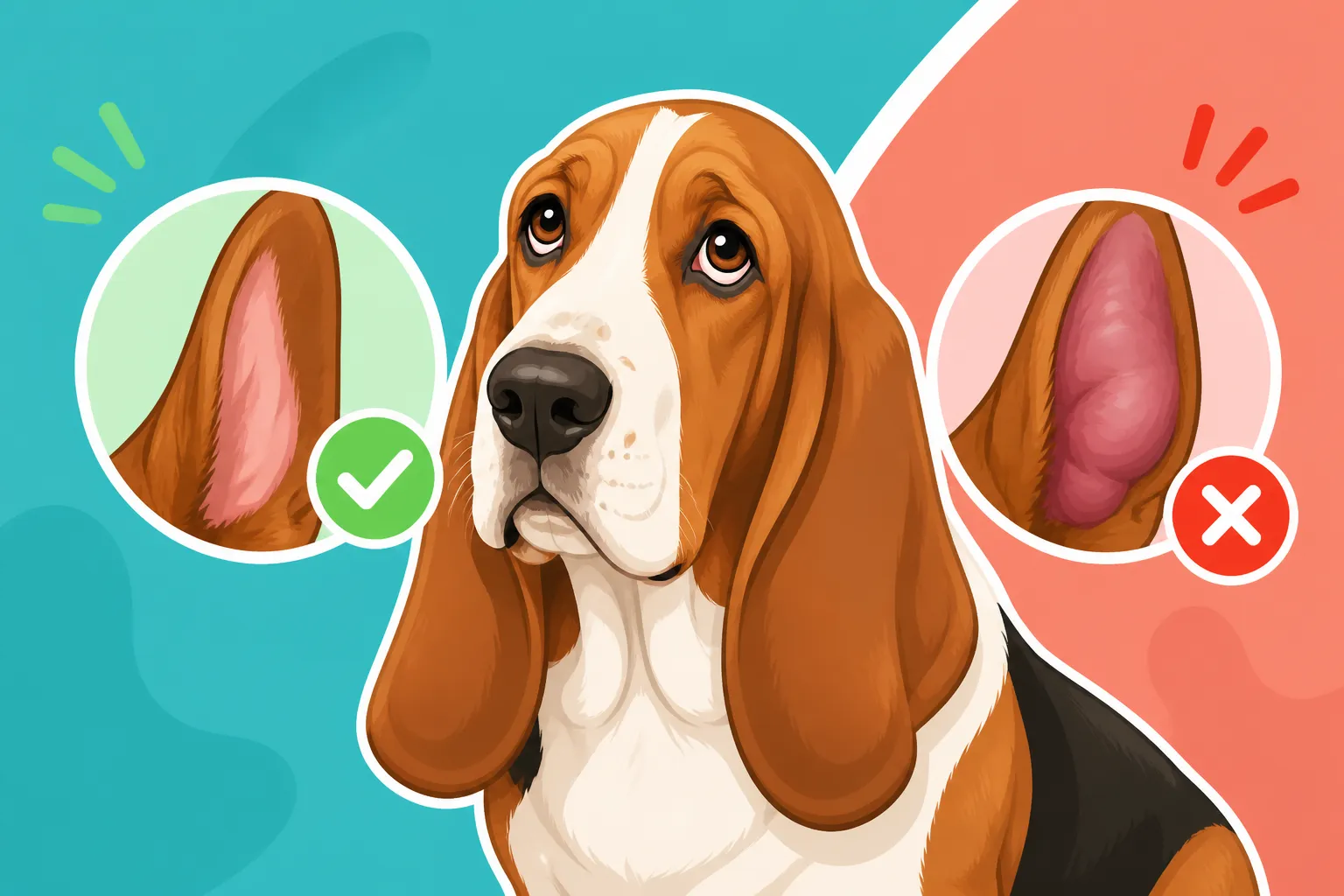
Seeing your beloved Basset Hound suddenly sporting a swollen, pillow-like ear flap is an alarming and often distressing experience that no pet parent wants to face. This often indicates an aural hematoma, a common but painful condition where blood collects between the cartilage and skin of the ear, frequently a direct result of the vigorous head shaking and ear scratching so characteristic of Basset Hounds battling underlying ear problems. This guide will walk you through understanding what an aural hematoma is, how to spot it, the various treatment paths available, and how to best manage your Basset's ear health to hopefully prevent this uncomfortable issue.
What Exactly is an Aural Hematoma?
An aural hematoma, sometimes called an ear hematoma, is essentially a blood blister that forms on the ear flap (pinna) of a dog. It happens when tiny blood vessels within the ear's cartilage rupture, causing blood to pool and swell the ear flap. For Basset Hounds, with their long, heavy ears and predisposition to chronic ear issues, this is a particular concern. The sheer force of them shaking their heads – which they do with incredible enthusiasm when their ears are bothering them – can cause this trauma.
The Mechanics of Blood Collection
Imagine the Basset Hound’s ear flap as a sandwich: two layers of skin with cartilage in the middle, and blood vessels running throughout. When an ear infection or irritation causes intense itching, a Basset Hound will shake its head violently or scratch its ear with a hind paw. The force generated, especially with those long, heavy ear flaps whipping around, can cause the delicate blood vessels to break. Because the skin and cartilage are tightly adhered in some areas and looser in others, the blood that escapes has nowhere to go but to accumulate, lifting the skin away from the cartilage and forming that tell-tale "pillow" appearance. It's not just a little bump; it can become quite large and firm.
Why Basset Hounds are Prone to This Condition
Our Basset Hounds, bless their long-eared, droopy-faced souls, are practically designed to get ear problems, which in turn makes them prime candidates for aural hematomas. Their long, heavy ears hang down, effectively sealing off the ear canal from air circulation. This creates a warm, moist environment that is a perfect breeding ground for bacteria and yeast, leading to frequent ear infections. If you've ever wondered why your Basset Hound's ear canal never dries, this anatomical feature is a major part of the answer. These constant infections lead to intense itching and discomfort, prompting the vigorous head shaking that directly causes hematomas. It’s a vicious cycle that many Basset owners become all too familiar with. The repeated trauma from head shaking, often due to chronic irritation from issues like allergies or the ear infections that never really leave a Basset Hound, significantly increases the risk of developing these painful swellings.
Recognizing the Signs of an Aural Hematoma
Spotting an aural hematoma isn't usually difficult because the swelling is quite noticeable, but understanding the subtle precursors and accompanying symptoms is key to getting your Basset Hound help quickly. The sooner you address an ear issue, the better, for both their comfort and your wallet.
Visible Swelling and Discomfort
The most obvious sign of an aural hematoma is a sudden, soft to firm swelling on the ear flap. It can range in size from a small bump to a balloon-like sac that engulfs the entire pinna. This swelling is typically warm to the touch and can be very painful for your Basset Hound. You might notice them favoring the affected ear, holding it lower than the other, or generally appearing more subdued than usual. They may also cry out if you try to touch the ear.
Beyond the swelling itself, look for other clues that point to underlying ear trouble. Is your Basset Hound shaking its head constantly? Are they relentlessly scratching at their ear? These are classic indicators of irritation, which is likely the root cause of the hematoma. You might also notice redness, discharge, or a foul odor emanating from the ear canal – all signs of an active ear infection. Don't overlook these; treating the hematoma without addressing the underlying cause is like putting a band-aid on a gaping wound.
Behavioral Changes and Urgency
Because aural hematomas are quite painful, your Basset Hound's behavior will often change. They might become withdrawn, less enthusiastic about playtime, or even a bit snappy if you get too close to their head. They might also try to relieve the discomfort by rubbing their ear along furniture or the ground, which can exacerbate the issue or even rupture the hematoma, leading to a messy situation.
It's crucial to understand that an aural hematoma is not a life-threatening emergency, but it is a pressing concern that requires prompt veterinary attention. While it won't kill your Basset Hound, leaving it untreated can lead to significant pain, infection, permanent disfigurement of the ear (often called "cauliflower ear"), and prolonged recovery. So, if you suspect an aural hematoma, call your vet as soon as possible to schedule an examination. The sooner it's addressed, the more comfortable your Basset will be, and the better the cosmetic outcome.
Treatment Options and Recovery
Once your vet has diagnosed an aural hematoma, you'll need to discuss the best course of action. There are a few different approaches, and the choice often depends on the size and age of the hematoma, as well as the overall health and temperament of your Basset Hound.
Veterinary Consultation and Diagnosis
The first step, as always, is a trip to the veterinarian. They'll examine your Basset's ear, confirm it's a hematoma, and crucially, try to determine the underlying cause. This often involves taking a swab of the ear canal to check for yeast or bacteria, which can indicate whether yeast or bacteria is in a Basset Hound's ear, requiring specific medication. Your vet will also check for any foreign bodies or allergies contributing to the irritation. Understanding the root cause is paramount, because without treating it, the hematoma is very likely to recur, leading to repeated discomfort for your dog and additional costs for you.
Your vet will also assess the severity of the hematoma. A very small, recent hematoma might be managed conservatively, but larger or older ones almost always require intervention. They'll explain the pros and cons of each treatment option, helping you make an informed decision for your furry family member.
Surgical Interventions
For most aural hematomas, especially in Basset Hounds, surgery is considered the most effective and definitive treatment. The goal of surgery is to drain the accumulated blood, remove the dead space where the blood collected, and allow the inner layers of the ear flap to re-adhere.
There are several surgical techniques:
- Incision and Drainage with Sutures: This is the most common method. The vet makes a small incision on the underside of the ear flap to drain the blood. Then, multiple sutures are placed through the ear flap, often in a quilting pattern, to press the skin and cartilage back together. These sutures help prevent further blood accumulation and encourage healing. They typically stay in for several weeks.
- Drain Placement: Sometimes, a small tube (drain) might be inserted into the hematoma to allow continuous drainage, especially for very large or complex cases. This drain is usually removed after a few days.
- CO2 Laser Surgery: Some vets utilize CO2 laser for aural hematoma repair. The laser is used to make the incision and vaporize the tissue, which can reduce bleeding and pain, and promote faster healing. This might be a good option for Basset Hounds, especially if there are concerns about excessive bleeding or if the dog has other health issues.
During surgery, your Basset Hound will be under general anesthesia. The veterinarian will also clean the ear canal thoroughly and address any underlying ear infections with appropriate medication, which might include ear drops or oral antibiotics. The cost of a total ear canal ablation on a Basset Hound, while a different, more severe procedure, gives an idea of the spectrum of ear surgery costs, but a hematoma repair is typically less invasive. You can expect the cost of an aural hematoma repair on a Basset Hound to vary significantly depending on the vet, location, and complexity.
Non-Surgical Approaches
While less common for larger hematomas, especially in Bassets, non-surgical options might be considered for very small, recent, or if surgery is not an option due to the dog's health.
- Needle Aspiration: This involves using a needle and syringe to drain the blood from the hematoma. While it sounds simpler, the success rate is often low. The blood vessels quickly rupture again, or the space refills, requiring repeated aspirations. It's often a temporary fix, and usually not recommended as a standalone treatment for long-eared breeds prone to vigorous head shaking.
- Steroid Injections: In some rare cases, corticosteroids might be injected into very small hematomas to reduce inflammation and promote absorption. This is also often combined with aspiration.
- Pressure Bandaging: Applying a tight bandage to the ear can sometimes help prevent refilling after aspiration, but for a Basset's long, heavy ears, maintaining effective pressure can be incredibly challenging and uncomfortable for the dog.
For any non-surgical approach, it's essential to diligently treat the underlying ear problem to reduce the chances of recurrence. Recovery from non-surgical methods can be prolonged, and the risk of permanent ear disfigurement is higher compared to surgical intervention.
Post-Operative Care and Potential Complications
After surgery, your Basset Hound will likely go home with a bandage on its head or an E-collar (the "cone of shame") to prevent them from scratching or shaking their head and interfering with the sutures. You'll need to administer prescribed medications, which typically include pain relief, anti-inflammatories, and antibiotics. Keeping the ear clean and dry, and monitoring for signs of infection (like excessive swelling, redness, or discharge) is crucial.
The sutures will usually be removed by your vet after 3-4 weeks. During this time, it's vital to limit your Basset's activity and prevent them from shaking their head. This can be a challenge with their strong personalities! While recovery from surgery is generally good, complications can include infection at the surgical site, recurrence of the hematoma (especially if the underlying cause isn't controlled), or the dreaded "cauliflower ear" if the cartilage heals unevenly. This permanent thickening and crumpling of the ear flap is primarily a cosmetic concern but can sometimes make future ear cleaning more difficult.
Preventing Future Ear Troubles
The best defense against aural hematomas in Basset Hounds is a good offense against ear infections and irritation. Given their anatomy, it’s a constant battle, but a worthwhile one for their health and comfort.
Consistent Ear Cleaning Routine
Because a Basset Hound's ear canal never dries, a consistent ear cleaning routine is non-negotiable. Aim for at least twice a week, even when their ears seem fine. This helps remove wax, debris, and moisture that create a fertile ground for yeast and bacteria. Using an appropriate ear cleaner, as recommended by your vet, is key. There are many options available, but ensure it's specifically formulated for dogs and doesn't cause irritation. For a comprehensive guide, you might want to read more about Which Ear Cleaner Suits a Basset Hound?.
When cleaning, be gentle but thorough. Lift the long ear flap, apply the cleaner, massage the base of the ear, and then use cotton balls (never cotton swabs deep in the canal) to wipe away any discharge and excess solution. It's also important to know whether a Basset Hound's ears should be dried after swimming or bathing, as trapped moisture is a major culprit for infection. Making this a positive experience for your Basset from a young age, by teaching a Basset Hound to have its ears handled, will make the process much smoother for both of you.
Addressing Underlying Causes
Ear infections often recur in Basset Hounds because there's an underlying cause that isn't fully managed. Common culprits include:
- Allergies: Environmental or food allergies can cause chronic ear inflammation, leading to infections. If your Basset Hound constantly has ear issues, your vet might suggest allergy testing or a prescription diet trial. For some owners, managing a Basset Hound's allergies can feel like a full-time job.
- Hypothyroidism: Less common, but sometimes an underactive thyroid can contribute to skin and ear problems. Your vet can test for this with a simple blood test.
- Conformation: Unfortunately, the very features that make Basset Hounds unique – their long, pendulous ears and heavy folds – also predispose them to ear issues. While you can't change their genetics, understanding this means you need to be extra vigilant.
Working closely with your veterinarian to identify and manage these underlying issues is critical. This might mean long-term medication, special diets, or regular ear flushes. The aim is to reduce the frequency and severity of ear infections, thereby reducing the risk of head shaking and subsequent hematomas. Don't underestimate the role of nutrition in overall health; a balanced diet can support a healthy immune system and skin barrier.
Pet Insurance and Financial Preparedness
Let's be realistic: Basset Hounds, while charming, can be expensive to maintain, especially when it comes to their ears and other breed-specific ailments. What chronic ear treatment costs a Basset Hound owner can quickly add up, and that's before a major surgery like an aural hematoma repair. This is where pet insurance can be a genuine lifesaver. Companies like Healthy Paws offer comprehensive plans that can cover a significant portion of veterinary costs for accidents and illnesses, including surgeries for conditions like aural hematomas. Having a policy from Healthy Paws can provide immense peace of mind, knowing that if an emergency strikes, you can focus on your Basset's recovery rather than the looming vet bill.
Even if you choose not to get insurance, it's wise to set aside an emergency fund specifically for your Basset's health. Unexpected vet visits are a reality of pet ownership, and having financial preparedness allows you to make the best decisions for your dog without added stress.
Table: Surgical vs. Non-Surgical Treatment for Aural Hematomas
| Feature | Surgical Treatment (e.g., Incision & Sutures) | Non-Surgical Treatment (e.g., Aspiration) |
|---|---|---|
| Effectiveness | High, often definitive | Low, high recurrence rate |
| Pain Relief | Immediate drainage, long-term relief | Temporary relief, pain can recur |
| Cost (Initial) | Higher (includes anesthesia, surgery) | Lower (simple vet visit) |
| Cost (Overall) | Generally lower if successful on first attempt | Potentially higher due to repeated visits |
| Healing Time | Weeks for suture removal, full healing | Days to weeks, often prolongs problem |
| Risk of Recurrence | Low if underlying cause managed | High if underlying cause not addressed |
| Cosmetic Outcome | Generally good, less "cauliflower ear" risk | Higher risk of "cauliflower ear" |
| Invasiveness | Invasive (requires anesthesia) | Minimally invasive (needle stick) |
| Ideal for Bassets | Recommended due to ear conformation | Generally not recommended for large/recurrent |
Disclaimer
The information provided in this article is for general informational purposes only and is not a substitute for professional veterinary advice. Always consult with a qualified veterinarian for any health concerns or before making any decisions related to your Basset Hound's health and treatment.