Whether a Basset Hound’s Ear Flap Gets Torn
It's a sight no Basset Hound parent ever wants to see: your beloved, long-eared companion shaking their head frantically, a tell-tale streak of blood on their magnificent ear flap, or worse, a visible tear. These majestic, floppy ears, while undeniably charming, are unfortunately quite vulnerable, leading to injuries that can be painful, messy, and costly to treat. This guide is here to walk you through why these tears happen, how to spot them, what immediate steps you can take, and most importantly, how to prevent them.
The Unique Vulnerability of a Basset Hound's Ear Flaps
The Basset Hound's signature long, heavy ears are a defining characteristic, but they're also a source of ongoing concern for owners. These ears are not just aesthetic; they were bred for a purpose – to help sweep scent towards their powerful noses as they track. However, this unique anatomy comes with its own set of challenges, making ear flap injuries far more common than in many other breeds.
Anatomy That Predisposes to Injury
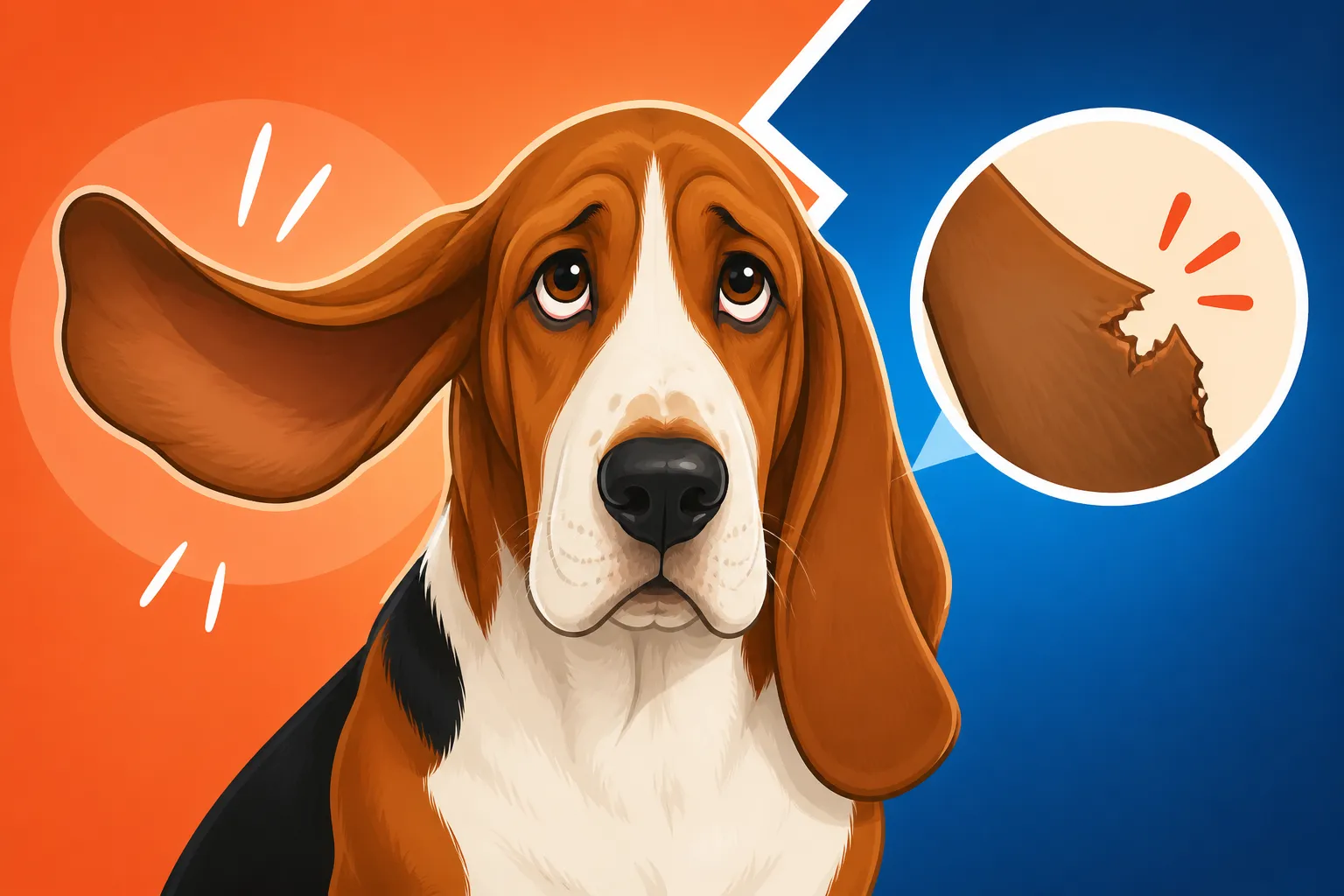
Imagine a long, heavy curtain made of skin, cartilage, and a rich network of blood vessels. That's essentially a Basset Hound's ear flap, or pinna. These ears are thick and substantial, often reaching below their chin, or even dragging on the ground when they're sniffing out an interesting trail. This sheer length and weight mean they're constantly exposed to the environment, unlike the ears of a prick-eared or shorter-eared breed that are held up and out of harm's way. The weight of the ear itself can also cause stress on the cartilage and skin, especially during vigorous head shaking. The dense vascular supply also means that even a small tear can bleed profusely, creating a much more alarming scene than the injury might initially suggest.
The Basset Hound's Active, Scent-Driven Lifestyle
Despite their seemingly laid-back demeanor, Basset Hounds are incredibly active when their nose is engaged. They are hounds, after all, bred to follow a scent trail for miles, completely oblivious to their surroundings. This intense focus on scent means they often plow through bushes, under fences, and navigate uneven terrain with their heads down, ears flapping and dragging along. This natural behavior, which is so deeply ingrained in their breed, puts their ears in the direct path of thorns, sharp branches, and other potential hazards. A fleeting moment of sniffing a fascinating squirrel trail in the undergrowth can quickly turn into a trip to the vet for a torn ear.
Behavioral Factors Increasing Risk
Beyond their scent-driven activities, certain common Basset Hound behaviors can also lead to ear flap tears. One of the biggest culprits is head shaking. Basset Hounds are famously prone to ear infections, and if you've ever dealt with The Ear Infections That Never Really Leave a Basset Hound, you know the incessant head shaking that comes with it. This violent shaking, especially when their heavy ears are already inflamed or itchy, causes the ear tips to slap against their head, their dewlaps, or even other objects nearby. The repetitive force can cause the delicate skin or cartilage to split. It's a cruel irony that the very thing they do to alleviate discomfort can actually cause further injury. Scratching is another major factor; an itchy ear, whether from allergies or an infection, will lead to vigorous scratching with sharp claws, which can easily nick or tear the sensitive ear flap.
Common Ways a Basset Hound's Ear Flap Gets Torn
It’s truly amazing the myriad ways these floppy ears can get into trouble. From an innocent romp in the yard to a sudden itch, the possibilities for injury seem endless, and as Basset owners, we’re always on high alert for the tell-tale shake or whimper.
Accidental Trauma and Environmental Hazards
Think about a Basset Hound's perspective: their nose to the ground, ears swinging low. This makes them highly susceptible to accidental trauma from their surroundings. We've seen it all, haven't we?
- Running Through Bushes and Undergrowth: A thick blackberry bush or a patch of rose thorns can snag an ear in an instant. Your Basset might barely notice the initial snag as they're hot on a scent, only for the injury to worsen as they pull free.
- Fences and Gates: Trying to squeeze under a fence, or getting an ear caught on a gate latch while nosing around, is another common scenario. Even leaning through a chain-link fence to greet a neighbor can result in a snag.
- Sharp Objects Around the House: Believe it or not, things inside your home can be culprits too. Sharp furniture corners, a loose nail on a wooden crate, or even bumping into a doorway with a sudden turn can lead to a minor tear that, if left unattended, can become larger. Imagine your Basset bounding through the house, taking a corner too sharply, and wham – an ear catches on the edge of a coffee table. It happens faster than you can blink.
Self-Inflicted Injuries from Excessive Scratching or Shaking
This is perhaps the most frustrating type of injury because it often stems from an underlying issue that you might already be trying to manage.
- Ear Infections: If you're wondering Whether a Basset Hound's Ear Infection Ever Clears, you know how persistent they can be. The intense itching and irritation from yeast or bacterial infections lead to violent head shaking and scratching. We've talked about Whether a Basset Hound Shakes Its Head Constantly before, and it's this very behavior that can cause the ear flap to impact against itself or nearby surfaces, leading to splits, especially at the tips. The force of a heavy, wet ear flap smacking against the skull repeatedly is enough to cause significant trauma.
- Allergies: Beyond infections, allergies are another huge trigger for itchy ears. Food allergies, environmental allergies, or even flea bite allergies can make your Basset frantic to scratch their ears, using their sharp hind claws. These claws can easily cause lacerations or puncture wounds on the delicate ear leather. Often, owners discover the tear after a night of their Basset frantically scratching, only to find a bloody mess in the morning.
- Aural Hematomas: While not a tear of the flap, an aural hematoma is a collection of blood that forms within the ear flap, usually due to vigorous head shaking. When these become large, they can actually distort the ear flap, making it even more prone to tearing if the dog continues to shake their head or if the compromised tissue stretches too much. Treating What an Aural Hematoma Repair Costs on a Basset Hound can be significant, highlighting the importance of addressing the root cause of the head shaking.
Fights with Other Animals or Rough Play
Even the most gentle Basset Hound can find themselves in a situation where their ears become collateral damage.
- Dog Fights: Unfortunately, ears are often a target during a dog fight. Whether it’s a minor squabble over a toy or a more serious altercation, another dog can easily grab or bite an ear, resulting in tears, punctures, or even partial avulsions (when a part of the ear is torn away).
- Rough Play: Not all interactions need to be aggressive to cause injury. Playful nips and tugs, especially between puppies or with other dogs who aren't used to Basset Hounds' long ears, can accidentally cause tears. A quick head shake while another dog has a playful grip on an ear can be enough to rip the delicate tissue. Even a cat, defending itself with claws, can inflict a nasty scratch or tear on a low-hanging ear.
Spotting a Torn Ear Flap and What to Do First
Discovering an injury on your Basset's ear can be quite unsettling, especially with all the blood that can be involved. Knowing what to look for and how to react quickly can make a big difference for your pup's comfort and the outcome of the injury.
Recognizing the Signs of Injury
A torn ear flap isn't always immediately obvious as a clean cut. Sometimes it's a small split that worsens, or an internal injury that causes swelling first. Here's what to keep an eye out for:
- Blood: This is often the most alarming and immediate sign. Even a small tear can bleed significantly due to the rich blood supply in a Basset's ears. You might see blood on their ear, smeared on furniture, or splattered on walls from head shaking. Don't panic; while messy, it often looks worse than it is.
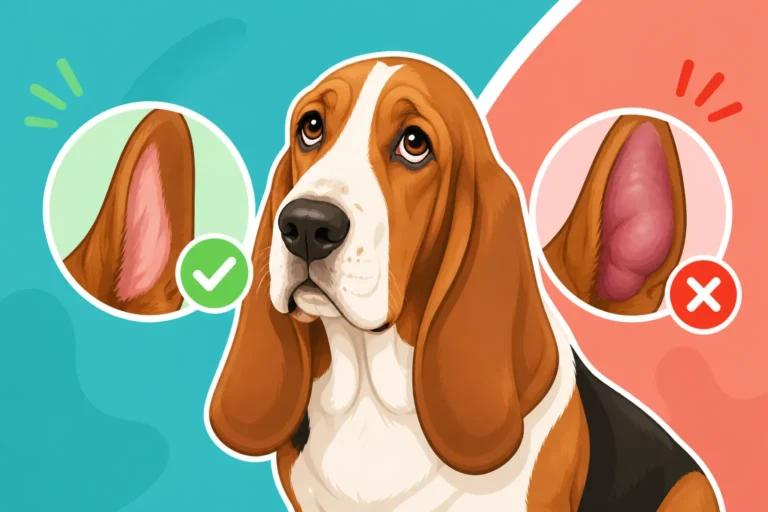
- Swelling or Bruising: Before or after a tear, the ear flap might appear swollen, hot to the touch, or bruised, indicating trauma even if the skin isn't openly broken yet. This is especially true with an aural hematoma, where the ear can become puffy like a pillow.
- Pain and Sensitivity: Your Basset will likely show signs of pain when the ear is touched or even when they move their head. They might whimper, pull away, or even snap if the pain is severe. They might hold the injured ear at an odd angle or refuse to let you examine it.
- Changes in Behavior: Look for unusual head shaking, pawing at the ear, rubbing their head against furniture or the ground, or increased vocalization. They might seem generally agitated, restless, or withdrawn. If they're usually boisterous and suddenly quiet, it's worth investigating.
- Visible Laceration or Puncture: In more severe cases, you'll see an obvious cut, a jagged tear, or a puncture wound on the ear flap itself. These can range from superficial scratches to deep wounds that expose cartilage.
Immediate First Aid at Home
Once you suspect an ear flap injury, acting quickly and calmly is key. Your goal is to control bleeding and prevent further contamination or injury until you can get professional help.
- Stay Calm: Your Basset will pick up on your anxiety. A calm demeanor helps keep them more relaxed and easier to manage.
- Assess the Injury Safely: Gently try to get a look at the ear. If your Basset is in pain and resistant, don't force it. You don't want to get bitten or cause them more distress. If bleeding is heavy, you might not get a clear view until it's controlled.
- Control Bleeding: This is your top priority. Apply gentle but firm pressure directly to the wound with a clean cloth or gauze. Hold the pressure for at least 5-10 minutes without peeking. If the blood soaks through, don't remove the cloth; just add more on top. If bleeding is significant, you can carefully wrap the ear flap against the top of their head with a bandage (like vet wrap, not too tight) or even a clean sock to maintain pressure. This also helps keep the ear from flapping around and reopening the wound.
- Clean the Wound (Carefully): If the bleeding is minor or controlled, you can gently clean around the wound with warm water and a mild antiseptic solution, like diluted chlorhexidine or povidone-iodine. Avoid harsh cleansers or alcohol, which can sting and damage tissue. Pat dry with a clean cloth. Do not apply any human creams or oint unless directed by a vet, as many are toxic if licked.
- Prevent Further Injury: If your Basset is shaking their head, try to prevent them from doing so. You can gently hold the ear still, or if you have a soft cone (Elizabethan collar) on hand, put it on to prevent scratching or further trauma from head shaking. Remember that managing The Skin Under a Basset Hound's Folds is often a full-time job, and keeping wounds clean in those areas is extra challenging.
When to Seek Veterinary Attention
While some minor scrapes might heal on their own, a torn ear flap almost always warrants a vet visit. It's truly a mistake to think you can just let it go.
- Any Visible Tear or Puncture: Even small tears can become infected or fail to heal properly without medical intervention. Deep wounds, especially, need professional cleaning and often stitches.
- Persistent Bleeding: If you can't get the bleeding to stop after 10-15 minutes of continuous pressure, it's an emergency.
- Significant Swelling or Pain: If the ear is severely swollen, hot, or your Basset is clearly in extreme pain, seek immediate veterinary care.
- Signs of Infection: Redness, pus, foul odor, or increasing pain around the wound indicates infection. This might not appear immediately but could develop a day or two after the initial injury.
- Head Shaking Caused by Underlying Issue: If the ear tear is a result of excessive head shaking, you must address the underlying cause, whether it's an ear infection, allergies, or an aural hematoma. Your vet can accurately diagnose and treat these issues, preventing future self-inflicted trauma. Sometimes, the initial injury is a symptom of a larger problem.
It's always better to be safe than sorry. A quick vet visit can save your Basset a lot of pain and potentially prevent more serious complications down the line. Plus, peace of mind for you is invaluable. A good pet insurance plan, like one from Healthy Paws, can be incredibly helpful for covering these unexpected veterinary costs, which can quickly add up for emergency situations.
Professional Diagnosis and Treatment for Ear Flap Tears
Once you've made it to the vet, they'll take over to ensure your Basset's ear is properly assessed and treated. It’s a huge relief to put it in their capable hands, especially when your pup is distressed.
How Vets Assess Ear Flap Injuries
When you arrive at the clinic, your vet will perform a thorough examination to determine the extent and nature of the ear flap injury.
- Initial Visual Examination: The vet will carefully look at the entire ear flap, noting the size, depth, and location of the tear. They’ll also check for any associated trauma, swelling, or bruising. They'll likely also check the other ear, just in case.
- Checking for Underlying Causes: Because self-inflicted trauma is so common in Basset Hounds, a crucial part of the examination involves looking inside the ear canal. The vet will use an otoscope to check for signs of infection (redness, discharge, odor), foreign bodies, or parasites. They might take a swab for cytology to determine if yeast or bacteria are present. This step is vital because if the underlying cause isn't addressed, the problem will simply recur, leading to more tears. We often find that Why a Basset Hound's Ear Canal Never Dries is a big factor, perpetuating chronic issues.
- Palpation: The vet will gently feel the ear flap to assess for pain, heat, and any signs of an aural hematoma. If a hematoma is present, they will need to address that separately, as it’s a fluid-filled pocket within the ear flap itself.
- Sedation if Necessary: If your Basset is in a lot of pain, or particularly uncooperative, light sedation might be necessary to allow for a thorough and stress-free examination and cleaning. This ensures the vet can get a clear view without causing your dog further discomfort.
Medical and Surgical Interventions
Treatment options will vary greatly depending on the severity of the tear.
- Cleaning and Antibiotics for Minor Wounds: For small, superficial tears or scratches that aren't bleeding much and don't involve deep tissue, the vet might thoroughly clean the wound and prescribe oral antibiotics to prevent infection. They may also give you a topical antiseptic or antibiotic ointment to apply at home. Pain medication is often prescribed to keep your Basset comfortable and reduce head shaking.
- Surgical Repair for Lacerations: Deeper, jagged, or actively bleeding tears almost always require surgical repair. This involves careful cleaning and debridement (removing any damaged tissue) under anesthesia, followed by suturing the edges of the wound together. The goal is to close the wound cleanly, minimize scarring, and promote proper healing. Sometimes, special suturing techniques are used to reduce tension on the wound or prevent the ear from folding unnaturally during healing.
- Aural Hematoma Treatment: If an aural hematoma is contributing to the tearing or is present concurrently, it will need to be addressed. This usually involves draining the blood accumulation and often placing sutures through the ear flap to prevent it from refilling. These stitches can look a bit dramatic but are crucial for the ear to heal flat.
- Addressing the Root Cause: Crucially, any underlying ear infection or allergy will be treated. This might involve ear cleaners, medicated ear drops, oral antibiotics, anti-inflammatories, or allergy medications. This is absolutely critical; ignoring the cause means you're almost guaranteed to be back at the vet with another torn ear. This is why What Chronic Ear Treatment Costs a Basset Hound Owner can be substantial over their lifetime.
The Healing Process and Aftercare
Once treatment is initiated, your role in aftercare at home is paramount to successful healing.
- E-Collar (Cone of Shame): This is non-negotiable. Your Basset will need to wear an Elizabethan collar (e-collar) to prevent them from scratching, shaking, or rubbing the injured ear, which could reopen sutures or worsen the wound. Prepare for some initial grumbling, but it’s for their own good. Many owners wonder if Whether a Basset Hound Needs Lifelong Ear Medication or a cone, and while the medication might be necessary, the cone is usually temporary but vital.
- Medication Adherence: Administer all prescribed medications (antibiotics, pain relievers, ear drops) exactly as directed by your vet. Do not stop early, even if the ear looks better, especially with antibiotics.
- Wound Care: Follow your vet's instructions for cleaning the wound at home. This might involve gentle wiping with a clean cloth and a prescribed solution. Keep the area dry and clean.
- Monitor for Complications: Watch for any signs of infection (redness, swelling, discharge, foul odor), sutures coming loose, or your Basset seeming more painful. Contact your vet immediately if you notice any concerns.
- Restricted Activity: Limit vigorous play, running, and anything that encourages head shaking during the healing period. Keep walks on a leash to prevent them from diving into bushes.
- Follow-Up Appointments: Attend all scheduled follow-up appointments so your vet can monitor healing, remove sutures, and ensure the ear is on the right track.
This healing process can take several weeks, and patience is definitely a virtue. While a pet insurance policy like Healthy Paws can ease the financial burden of these treatments, your commitment to diligent aftercare is what truly sets your Basset up for a full recovery.
Proactive Measures to Protect Those Precious Ears
The best way to deal with a torn ear flap is to prevent it from happening in the first place! While you can't eliminate all risks, you can significantly reduce the chances of your Basset Hound suffering this painful injury. It's all about being a vigilant, prepared Basset parent.
Environmental Management and Supervision
Basset Hounds are natural explorers, but their curiosity, combined with their low-slung ears, can be a dangerous combination.
- Secure Your Yard: Regularly inspect your fencing for loose wires, sharp edges, or gaps that your Basset might try to squeeze through. Trim back thorny bushes or plants at ear height. Remove any discarded items like sharp pieces of metal or wood that could snag an ear. Consider higher fences if your Basset is a jumper, or install a sturdy barrier if they're a digger. Even in your own home, be mindful of exposed sharp corners on furniture, or objects on low shelves that could become hazards during enthusiastic play.
- Leashed Walks in Risky Areas: When walking in areas with dense undergrowth, heavy brush, or rough terrain, always keep your Basset on a leash. This prevents them from plunging headfirst into potential hazards while tracking an irresistible scent. Even in seemingly safe parks, unseen debris or low-hanging branches can be a problem. If your Basset tends to pull hard, consider a well-fitting harness to protect their neck, but remember their ears are still vulnerable.
- Supervised Playtime: Always supervise your Basset when they're playing with other dogs, especially if those dogs are known for rough play or don't understand how to interact with long-eared breeds. Similarly, be cautious if your Basset lives with cats or other small animals who might swat or scratch if feeling threatened.
Addressing Underlying Ear Health Issues
Many ear flap tears are self-inflicted, stemming from chronic ear problems. Proactive ear care is therefore one of your most powerful preventative tools.
- Regular Ear Cleaning: This is non-negotiable for Basset Hounds. Their long, floppy ears create a warm, moist environment perfect for yeast and bacteria to thrive. You should be performing The Twice Weekly Ear Ritual a Basset Hound Owner Signs Up For. Learn How to Clean a Basset Hound's Ears Properly and stick to a consistent schedule. Your vet can recommend Which Ear Cleaner Suits a Basset Hound specifically. Regular cleaning helps remove wax, debris, and moisture, keeping infections at bay.
- Prompt Treatment of Infections: At the first sign of an ear infection – excessive head shaking, scratching, redness, discharge, or odor – get your Basset to the vet immediately. The faster you treat an infection, the less likely it is to become chronic, and the less likely your Basset will injure their ears from frantic itching. Ignoring early signs often leads to more severe, harder-to-treat infections and a higher risk of self-trauma.
- Allergy Management: If your Basset suffers from allergies, work with your vet to develop a management plan. This might include dietary changes, anti-allergy medications, or immunotherapy. Controlling allergies can significantly reduce ear itching and inflammation, thereby reducing the urge to scratch and shake.
Essential Grooming and Protective Gear
Sometimes, a little extra attention to grooming and using the right accessories can make all the difference.
- Nail Trims: Keep your Basset's nails trimmed short and blunt. This minimizes the damage they can inflict if they do scratch their ears. Regular nail trims are a must for overall foot health anyway, as discussed in Looking After a Basset Hound's Feet and Nails.
- Snoods: For meals, outdoor activities in rough terrain, or even during recovery from an ear injury, a snood can be a lifesaver. This simple fabric tube slips over your Basset's head, keeping their long ears safely tucked away. It prevents them from dragging their ears through food and water bowls, getting them dirty, or snagging them on bushes. If you've ever wondered Whether a Snood Helps a Basset Hound at Dinner, the answer is a resounding yes, and it offers great protection too!
- Soft E-Collars or Recovery Suits (Temporary): If your Basset is recovering from any ear issue – not just a tear – a soft e-collar or recovery suit can protect the ears from self-inflicted trauma. Unlike the rigid plastic "cone of shame," these are often more comfortable for longer wear, preventing head shaking from causing a new injury while the existing issue heals.
By implementing these proactive measures, you're not just preventing painful ear tears; you're also contributing to your Basset Hound's overall health and well-being. A small investment of time in prevention can save you significant heartache and vet bills in the long run. Remember, regular vet check-ups are also crucial to catch potential issues before they become major problems. It's a team effort between you, your Basset, and your vet to keep those magnificent ears happy and healthy.
Ear Injury and Action Guide
Here's a quick reference table to help you understand different types of ear flap injuries and what immediate steps you should consider.
| Injury Type | Description | Immediate Action (First Aid) | When to Call the Vet |
|---|---|---|---|
| Minor Scrape/Abrasion | Superficial graze, no active bleeding, or very light oozing. | Clean gently with mild antiseptic solution. Keep clean and dry. | If it shows signs of infection (redness, pus) or doesn't heal in 2-3 days. |
| Small Laceration/Cut | Clean cut, less than 1/2 inch, superficial bleeding. | Apply firm pressure to stop bleeding. Gently clean wound. | Always recommended for stitches to ensure proper healing and prevent infection. |
| Jagged Tear/Deep Laceration | Irregular, deep cut, potentially exposing cartilage, moderate to heavy bleeding. | Apply firm, continuous pressure with a clean cloth. | IMMEDIATE EMERGENCY. Requires professional cleaning and likely surgical repair. |
| Puncture Wound | Small, deep hole (e.g., from a thorn or bite). Might not bleed much externally. | Clean gently around the wound. Do NOT try to flush deep into the puncture. | IMMEDIATE EMERGENCY. High risk of infection, especially if from a bite. |
| Aural Hematoma (Swollen Ear Flap) | Ear flap is swollen and puffy like a pillow due to blood accumulation inside the flap. | Keep dog calm, prevent head shaking (e-collar if available). | URGENT. Needs vet intervention to drain and prevent recurrence. |
| Torn Ear Tip (from head shaking) | Split at the very end of the ear flap, often bleeding profusely. | Apply firm pressure to the tip. Gently wrap ear to head if possible to keep it still. | URGENT. Often requires stitches due to rich blood supply and re-injury risk. |
Disclaimer
This information is for educational purposes only and is not a substitute for professional veterinary advice. If your Basset Hound has a torn ear flap or any other injury, please consult with your veterinarian immediately for proper diagnosis and treatment.