Whether a Basset Hound Guards Its Food
The moment you see your sweet-faced Basset Hound growl or snap over a meal, it can feel like a punch to the gut. You might wonder where that gentle, easygoing companion went, and suddenly, mealtimes become a source of anxiety instead of joy. This guide is here to shed light on why a Basset Hound might guard its food, how to recognize the signs, and most importantly, provide actionable steps to prevent and manage this behavior, ensuring harmony returns to your home.
Understanding Resource Guarding in Basset Hounds
Resource guarding, at its core, is a dog's natural inclination to protect something it values from perceived threats. While it can be unsettling for us humans, it's a deeply ingrained instinct, not a sign that your Basset Hound is "bad" or malicious. For a breed like the Basset Hound, whose ancestors often had to compete for resources, this instinct can sometimes be quite strong. Understanding these roots helps us approach the issue with empathy and effective training strategies rather than punishment.
The Instinctual Roots of Guarding
Think about it from a dog's perspective. In the wild, or even just a generation or two ago for their ancestors, getting food meant survival. If another animal, or even another pack member, approached a meal, guarding it was crucial to ensure they got enough to eat. While our modern Basset Hounds live pampered lives with guaranteed meals, that deep-seated instinct to protect a valuable resource still whispers in their DNA. It’s not about mistrusting you personally, but about a primal drive to secure their sustenance. This instinct isn't unique to Basset Hounds, of course; any dog can exhibit resource guarding, but how it manifests can vary.
This instinct can extend beyond just food. A Basset Hound might guard a favorite chew toy, a comfortable sleeping spot, or even a particular person. The intensity of the guarding can also vary greatly, from a subtle stiffening of the body to a full-blown growl, snarl, or even a bite. It's important to remember that this isn't about dominance in the way many old-school trainers used to think; it's about perceived threat to a valuable item. When your Basset Hound is convinced you're going to take their food away, their instinct kicks in, even if your intentions are entirely benign.
Basset Hound Specific Triggers and Temperament
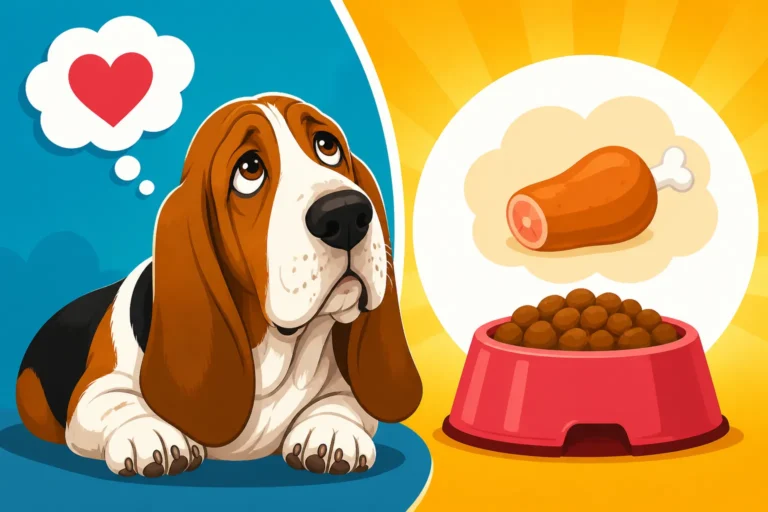
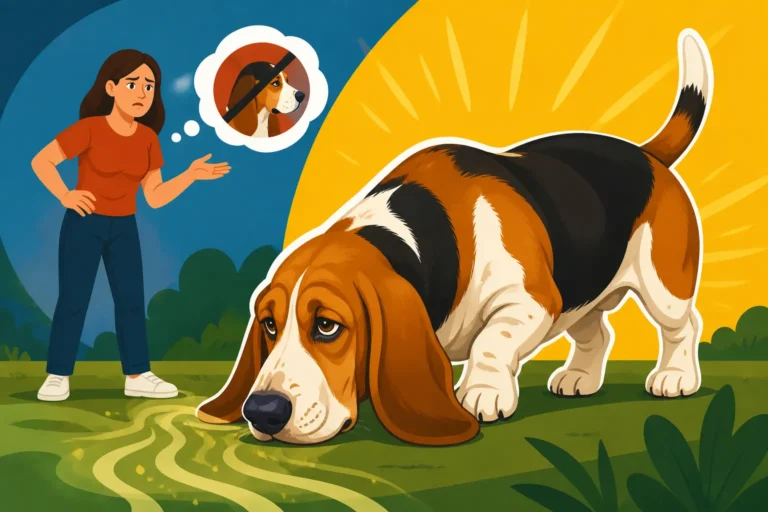
Basset Hounds are known for their incredible sense of smell and a legendary appetite. Their entire being is often driven by their nose and their stomach. This strong food drive can unfortunately make them more prone to resource guarding, especially if they've experienced any perceived food insecurity in their past, such as being part of a large litter where competition was high, or if they came from a rescue situation. Combine that deep desire for food with their sometimes-stubborn nature and low pain tolerance (which can make them reactive if startled while eating), and you have a recipe where guarding behaviors can emerge.
Their famously laid-back demeanor can also be deceptive. While they are generally mellow and friendly, they are still dogs with distinct preferences and sensitivities. A Basset Hound that seems unbothered by anything else might suddenly become very defensive around their food bowl. It's crucial not to mistake their general calm for an absence of these underlying instincts. Additionally, their often long, floppy ears and loose skin mean they can be easily startled if approached silently or from behind while engrossed in a meal, potentially leading to an exaggerated defensive reaction. Their love for food is so strong; it's practically a defining characteristic, as anyone Feeding a Basset Hound That Would Eat Forever can tell you.
Recognizing the Signs of Food Guarding
It’s easy to miss the early, subtle cues of resource guarding, especially if you’re not looking for them. Most people only realize there's an issue when the behavior escalates to growling or snapping. However, catching these early signals is crucial for prevention and successful management. Understanding what your Basset Hound is trying to communicate can make all the difference in de-escalating a situation and fostering trust.
Subtle Warnings You Might Miss
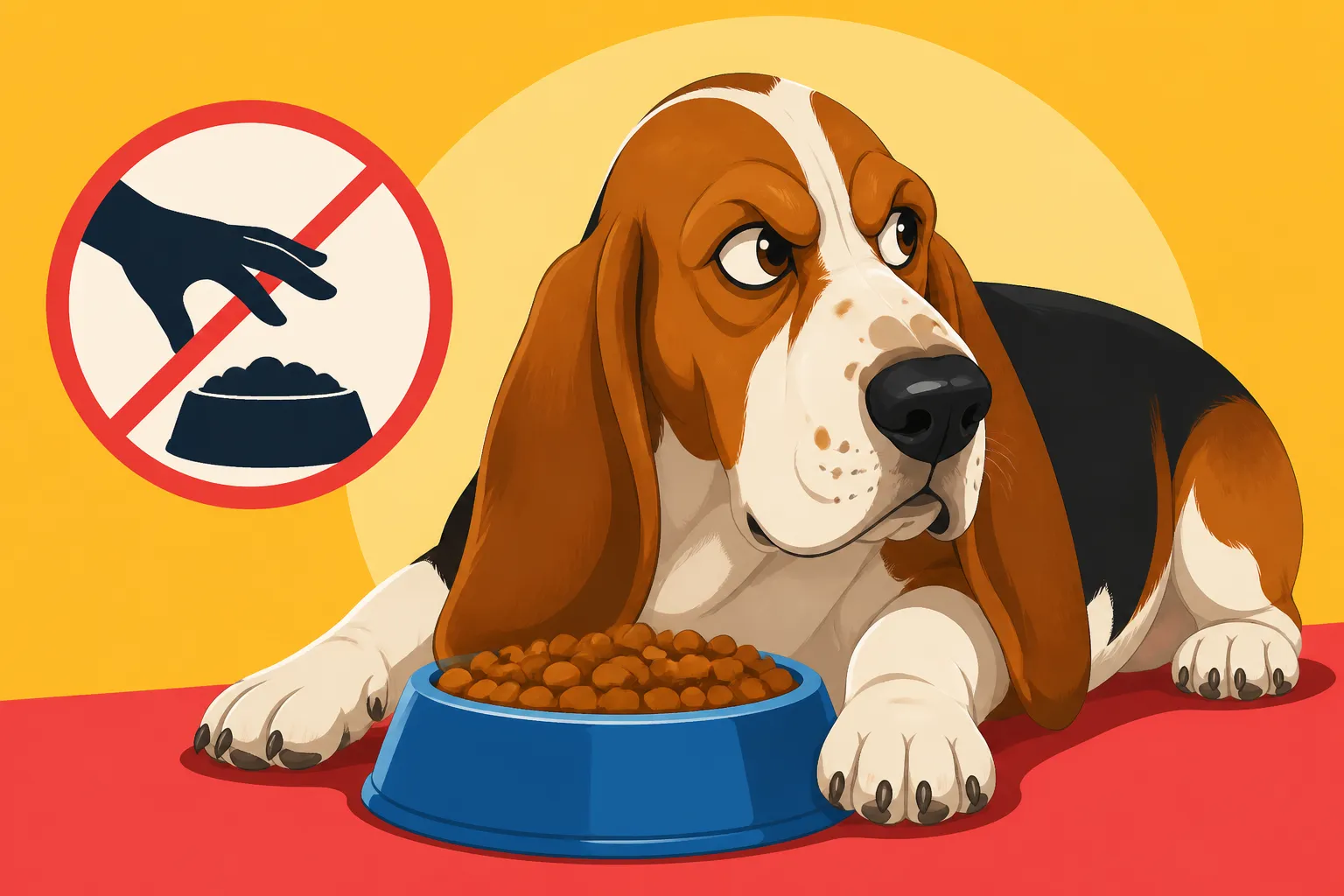
Before a growl or snap, your Basset Hound will likely give off quieter signals that they are feeling uneasy about you approaching their food. These can include a stiffening of their body posture, turning their head or body away from you to "cover" the food, or freezing in place. You might notice them quickly finishing their food when you approach, gulping it down as if afraid it will be taken away. A hard stare, with pupils dilated, is another common subtle sign. They might also shift their weight, placing a paw or their entire body over the bowl, creating a physical barrier.
Sometimes, it’s even subtler: a slight tightening of the lips, a quick glance at you and then back at the food, or a low, rumbling sound that's barely audible. These are all attempts by your Basset Hound to communicate, "Hey, I'm not comfortable with you near my food." Ignoring these signals can lead to your dog feeling unheard and needing to escalate their warnings to get their message across. It's like a soft warning before a louder one. Pay attention to these nuances, as they are your best chance to intervene kindly and effectively.
Escalating Behaviors and What They Mean
If the subtle warnings are ignored or misunderstood, your Basset Hound will typically escalate their guarding behaviors. The most common escalated signs include growling, which is a clear vocal signal of discomfort and a warning to back off. This might be followed by a snarl, where they show their teeth, often accompanied by a wrinkling of the nose. In more severe cases, your Basset Hound might air snap (snapping at the air in your direction without making contact) or even bite. These are all part of a dog's communication ladder, indicating increasing levels of stress and a strong desire for you to retreat.
It’s vital to understand that a growl or a snap is communication, not malice. It means your dog feels threatened and is trying to protect something important to them. Punishing a growl can be incredibly dangerous because it teaches the dog that growling is not allowed, effectively removing their warning system. A dog that has been punished for growling might go straight to a bite without any prior warning, which is a much more dangerous scenario. The goal is to build trust and teach them that your presence around their food is a positive thing, not a threat.
Strategies for Preventing Food Guarding in Puppies
The best way to deal with food guarding is to prevent it from ever starting. For Basset Hound puppies, this means establishing positive associations with people around their food bowl from day one. Puppies are like little sponges, soaking up every experience, and positive early interactions around food can lay a strong foundation for a secure and well-adjusted adult dog. This is a critical component of The First Year With a Basset Hound Puppy.
Creating a Safe and Predictable Feeding Environment
First and foremost, establish a consistent and calm feeding routine. Feed your Basset Hound puppy in a quiet, undisturbed location where they feel safe and won't be interrupted by other pets or rambunctious children. A crate, a designated corner of the kitchen, or a specific mat can work well. Ensure no other animals or children can approach the food bowl during meal times. This predictability helps your puppy feel secure that their food is truly theirs and won't be contested.
Use a sturdy, non-tippable bowl. For Basset Hounds who can be enthusiastic eaters, consider a slow feeder bowl, which not only makes mealtime last longer but can also alleviate some anxiety around gulping food too quickly. You can find excellent slow feeder bowls on Amazon that are designed for different sizes and eating styles. This simple change can make a significant difference in reducing the perceived need to guard against fast consumption, which can contribute to stress around food.
Positive Reinforcement and Handling Exercises
From the moment you bring your Basset Hound puppy home, start building positive associations with you being near their food. During meal times, instead of just setting the bowl down and walking away, periodically approach their bowl while they are eating and drop something even better into it – a tiny piece of cooked chicken, a bit of cheese, or a high-value training treat. This teaches them that your approach means good things happen, not that their food is about to be taken away. This positive interaction is key, because What Actually Motivates a Basset Hound is often food itself.
Gradually increase your proximity and the duration you spend near the bowl, always adding something delicious. You can also practice briefly picking up their empty bowl, adding a small treat, and putting it back down. The key is to make every interaction around their food a positive one. Never take food away without giving something better in return, especially with a young puppy. This consistent positive reinforcement helps them understand that your hands near their bowl are a source of bonus deliciousness, not a threat. For structured guidance on these foundational behaviors, an online program like BAXTER & Bella can provide step-by-step videos and support for puppy owners.
Managing Established Food Guarding in Adult Basset Hounds
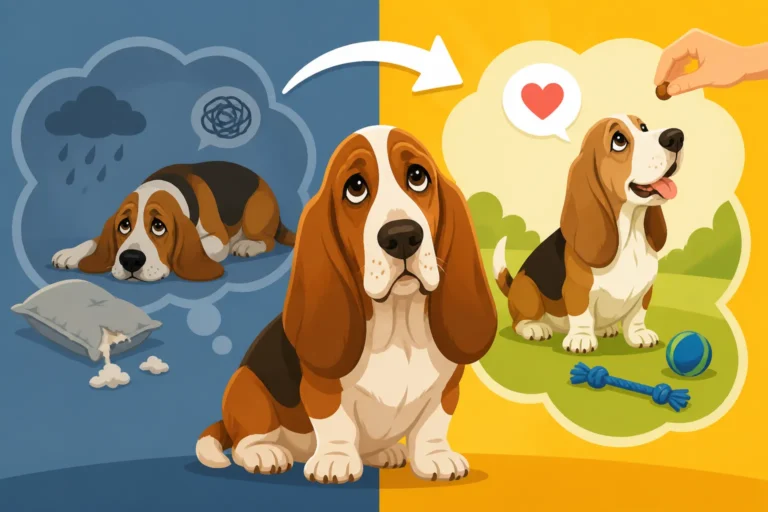
If your adult Basset Hound already exhibits food guarding, don't despair! It’s a common issue, and with patience, consistency, and the right approach, you can manage and often significantly reduce the behavior. This process focuses on changing your dog’s emotional response to your presence around their food, from anxiety and fear to anticipation and positive expectation.
The "Trade-Up" Game and Desensitization
The "trade-up" game is a powerful tool. Start by preparing a handful of high-value treats – something truly irresistible to your Basset Hound, like small pieces of chicken, hot dogs, or cheese. While your dog is eating their regular meal, approach the bowl, toss a high-value treat near them (but not directly into the bowl yet), and then immediately back away. The goal is to make them associate your approach with receiving something amazing. Repeat this several times during each meal, gradually decreasing the distance between you and the bowl.
Once your Basset Hound eagerly anticipates your approach, you can slowly progress to briefly picking up their bowl, dropping a high-value treat into it, and then immediately returning the bowl. It's crucial that they see you giving something, not taking it. This is a desensitization process, slowly changing their perception over many repetitions. Never force the interaction, and always ensure the "trade" is genuinely more appealing than what they’re currently guarding. This technique is also excellent if your Basset Hound tends to Whether a Basset Hound Guards a Bone, as it teaches them that giving up a treasured item leads to an even better reward.
When to Seek Professional Help
While the "trade-up" game is effective, managing established resource guarding, especially if it involves growling or snapping, can be challenging and potentially risky. If you're feeling overwhelmed, fearful of your dog's reactions, or if the behavior isn't improving with your efforts, it's absolutely time to consult a professional certified dog trainer or a veterinary behaviorist. They can assess the severity of the guarding, identify specific triggers, and develop a customized training plan tailored to your Basset Hound's individual needs.
A qualified professional can guide you through the desensitization and counter-conditioning process safely and effectively. They can also help you identify any underlying medical issues that might contribute to anxiety or pain, which could exacerbate guarding behaviors. Remember, their role is to provide expertise and support, not judgment. Investing in professional help is an investment in your relationship with your Basset Hound and the safety of everyone in your home. They can also help if your Basset Hound struggles with other behavioral challenges, ensuring you have the tools to tackle issues like teaching them Whether a Basset Hound Can Be Taught to Leave It.
Living Safely with a Food-Guarding Basset Hound
Even while you're working on mitigating resource guarding, it's paramount to implement safety measures to prevent incidents, particularly in households with children or other pets. A Basset Hound, for all its charm, can still cause injury if guarding behaviors are not respected and managed. Safety first, always.
Setting Up Boundaries and Supervised Feeding
The most effective immediate safety measure is to establish strict boundaries around your Basset Hound's meal area. Feed your dog in a separate room, a crate, or behind a baby gate where they can eat in peace, completely undisturbed. This removes the opportunity for guarding behaviors to occur and eliminates the perceived need for your dog to defend their food from anyone. Ensure children, visitors, and other pets are explicitly taught not to approach your Basset Hound during meal times. Use clear verbal cues like "leave him" or "no approach" to reinforce these rules for people and other animals.
Always supervise feeding times, even if you're feeding in a separate area. This allows you to monitor your Basset Hound's comfort level and intervene if an unexpected situation arises. Once they've finished eating, make sure all food bowls are picked up and put away until the next meal. Leaving an empty bowl on the floor can sometimes trigger guarding behavior over the space where food was, so it’s best to remove the temptation entirely. This is especially critical for A Basset Hound in a House With Children to ensure everyone's safety.
Considerations for Multi-Pet Households
In homes with multiple pets, resource guarding can become more complex. Each animal needs its own designated, private feeding area, well separated from the others. Feeding dogs in separate rooms or crates is the safest approach to prevent any competition or guarding between them. Ensure there's no way for one dog to access another's food. For example, some people feed their dogs in crates and then only let them out once all bowls are removed.
Beyond meal times, be mindful of other high-value resources. Provide multiple water bowls, separate beds, and enough toys for everyone. If you give out special chews or treats, do so in separate, secure locations to prevent guarding from developing between your pets. Even though Basset Hounds are often good-natured, their strong food drive can sometimes override their geniality when perceived resources are at stake. It’s also wise to ensure no dog in the household is Whether a Basset Hound Bolts Its Food, as rapid consumption can increase anxiety, making them more likely to guard. If one Basset Hound Whether a Basset Hound Ever Feels Full, ensuring separate and controlled feeding is even more important to prevent them from trying to steal from another dog.
| Do's for Managing Food Guarding | Don'ts for Managing Food Guarding |
|---|---|
| Do always make your approach positive. | Don't punish your Basset Hound for growling. |
| Do drop high-value treats near the bowl. | Don't take food away without offering a trade. |
| Do feed in a quiet, undisturbed area. | Don't allow children or other pets to approach while eating. |
| Do supervise all meal times. | Don't leave food bowls down after meals if guarding is an issue. |
| Do teach a strong "Leave It" command. | Don't physically confront or wrestle food away from your dog. |
| Do consult a professional for severe cases. | Don't expect immediate results; consistency is key. |
Disclaimer
This article is for general informational purposes only and does not constitute professional advice. Laws, prices and regulations vary by location and change over time. Consult a qualified professional for guidance on your specific situation.