Whether a Basset Hound Ever Feels Full
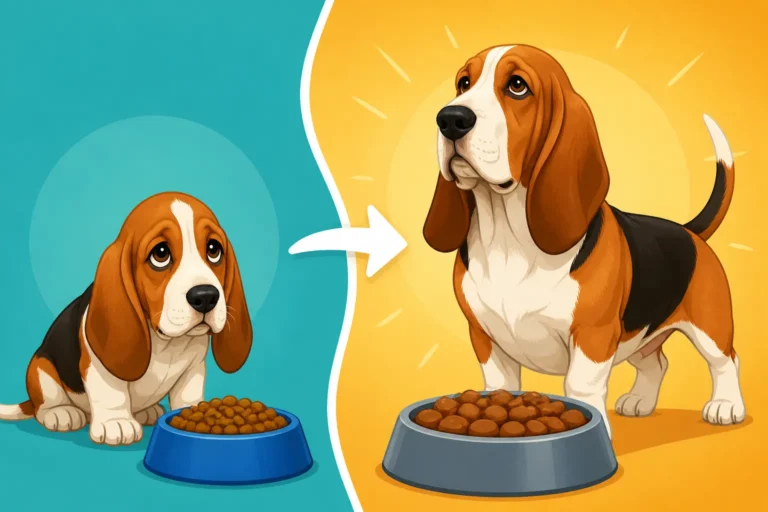
It’s a struggle many of us Basset Hound parents know all too well: the unwavering gaze from those soulful eyes, the subtle nudges, the outright howling – all suggesting that your beloved hound is absolutely starving, even after they’ve just cleaned their bowl. It can feel like they have a bottomless pit for a stomach, always searching for the next morsel. This guide will explore why Basset Hounds often seem perpetually hungry, delving into their breed instincts and offering practical strategies to manage their appetites and ensure they live a healthy, happy life without constantly feeling deprived (or overfed!).
The Basset Hound's Evolutionary Hunger: A Hunter's Instinct
Basset Hounds, with their incredible noses and determined personalities, were bred for a very specific purpose: to trail game, often for hours on end. This historical role has deeply ingrained certain behaviors and physiological traits that influence their relationship with food even today.
Bred to Follow a Scent, Not a Clock
Imagine a Basset Hound in its ancestral role, following a scent through dense undergrowth, often for long distances and over varied terrain. Such an activity requires sustained energy, and in a time before kibble was conveniently scooped into a bowl twice a day, every opportunity for calories was a vital one. Their bodies were efficient machines designed to make the most of whatever fuel they could find. This deep-seated instinct means that when food is present, or even just the smell of it, their natural response is to consume it. They aren't necessarily thinking about the meal they just had; they're responding to a primeval drive to fuel their next hunt.
This innate drive often explains why your Basset Hound seems to "forget" they just ate if a stray crumb hits the floor or a forgotten treat wrapper is discovered. It's not necessarily a lack of intelligence, but a powerful instinct kicking in. They are opportunists by nature, and in the wild, an opportunist survives. This historical context helps us understand that their constant interest in food isn't just about being a "piggy" but stems from centuries of selective breeding for a highly active, scent-driven lifestyle.
The Drive to Eat: Survival and Opportunity
For a hunting hound, especially one on a trail, energy expenditure can be immense. The ability to consume and store calories efficiently was a distinct advantage for survival. They couldn't rely on a consistent food source and had to be prepared for periods of scarcity. This translates into a modern-day Basset Hound who views food not just as sustenance, but as a valuable resource that should be acquired and consumed whenever available. This often manifests as them eating at a speed that would impress a vacuum cleaner, trying to get it all down before it "disappears."
It's a subtle but important distinction: their drive to eat is less about a momentary craving and more about a hardwired survival mechanism. This is why you might see your Basset Hound performing elaborate dances or employing surprisingly cunning tactics to get to a perceived food source, whether it's the dinner on your plate or the cat's leftover kibble. Understanding this deep-seated drive can help you approach their seemingly insatiable appetite with more empathy and strategic management, rather than just frustration.
More Than Just Hunger: Physical and Behavioral Factors
Beyond their ancient hunting instincts, several modern factors contribute to why your Basset Hound might always seem hungry. These can range from physiological realities to learned behaviors picked up from living with us humans.
The Bottomless Pit Perception: How Appetite Differs from True Hunger
It’s easy to look at a Basset Hound perpetually sniffing around the kitchen or begging for scraps and conclude they must truly be starving. However, there’s a crucial difference between a strong appetite or a desire for food, and actual physiological hunger. Many Basset Hounds have a robust appetite driven by the sheer enjoyment of eating, the delicious smells emanating from your dinner, or even plain old boredom. Their brains might associate the act of eating with comfort and pleasure, rather than just fulfilling a caloric need. This is a common phenomenon in many breeds, but Basset Hounds seem particularly adept at it.
Moreover, their loose lips and jowls can sometimes give the impression of a perpetually open, ready-to-eat mouth, reinforcing the idea of constant hunger. They might lick their lips, make soft woofs, or even "talk" to you about food, which are all attention-seeking behaviors that often get reinforced by well-meaning owners who toss them a treat. Breaking this cycle requires consistency and a solid understanding that a strong desire for food doesn't always equate to an empty stomach. You might be interested in reading Whether a Basset Hound Steals Food for more on their cunning ways.
The Slow Metabolism and Weight Management Challenge
Despite their hunting heritage, many modern Basset Hounds lead a far less active lifestyle than their ancestors. They are known for being quite laid-back indoors, enjoying long naps, and having a rather leisurely approach to walks. This combination of a naturally stocky build and a propensity for low activity means they often have a slower metabolism compared to more energetic breeds. What looks like "normal" portions for another dog can quickly become too much for a Basset. This often leads to a tricky cycle: they love food, so we give them more, they gain weight, and then they're even less inclined to move, further slowing their metabolism.
This metabolic reality makes weight management a significant challenge for Basset Hound owners. Every extra pound puts undue stress on their unique skeletal structure, particularly their backs and joints, and can exacerbate conditions like Arthritis in a Basset Hound at Seven. Therefore, it's not just about managing their hunger, but about precisely managing their caloric intake to match their energy output. A Basset Hound at a healthy weight will feel a gentle tuck at their waist, and you should be able to feel their ribs without pressing hard, even under their loose skin. If you suspect your Basset is carrying a few extra pounds, check out Signs a Basset Hound Is Carrying Too Much Weight.
Emotional Eating and Attention-Seeking
Let's face it, Basset Hounds are masters of manipulation, especially when it comes to food. They quickly learn that certain behaviors, like staring intently, nudging your hand, or letting out a mournful bay, often result in a reward – a piece of cheese, a dropped crumb, or even just a comforting word. This isn't true hunger; it's a learned behavior, a cunning strategy to get what they want. They are highly intelligent in their pursuit of food-related attention.
Over time, this can turn into a habit where they associate emotional cues or attention from you with the potential for food. Feeling a bit lonely? Ask for food. Bored? Ask for food. This emotional eating is often reinforced by us without realizing it. It’s crucial to distinguish between genuine hunger (which should be satisfied at meal times) and these attention-seeking antics. Responding to every plea with food can quickly lead to an overweight Basset Hound and a household where you can't eat a meal in peace. Ignoring the begging, redirecting their attention, or offering non-food rewards can help break this cycle.
Practical Strategies for Managing Your Basset Hound's Appetite
Successfully managing a Basset Hound’s seemingly endless appetite requires a multi-pronged approach that combines careful feeding practices, environmental enrichment, and consistent behavioral boundaries. It’s about working with their instincts, not against them.
Portion Control and Consistent Feeding Schedules
The absolute cornerstone of managing a Basset Hound's weight and perceived hunger is strict portion control and a predictable feeding schedule. Free-feeding, where food is left out all day, is almost a guaranteed path to an overweight Basset Hound. Instead, measure out their food precisely according to your veterinarian's recommendations and the guidelines on the food package, adjusting for age, activity level, and weight goals. Feeding them two meals a day at consistent times helps establish a routine, allowing their digestive system to anticipate food and reducing anxiety about when the next meal will arrive.
Consider setting specific meal times, perhaps once in the morning and once in the evening. This structured approach helps regulate their metabolism and gives you clear opportunities to monitor their intake. It also provides a defined period when food is available, and then it's gone, reinforcing that persistent begging outside of these times won't yield results. For guidance on how much to feed, you can refer to How Much an Adult Basset Hound Eats Daily and The Meal Schedule a Basset Hound Puppy Needs. Remember, every Basset is an individual, so what works for one might need slight adjustments for another, but the principle of strict measurement remains constant.
Enrichment Feeding to Slow Them Down
Since Basset Hounds often eat incredibly quickly, they can consume their entire meal before their brain even registers satiety. Enrichment feeding toys and methods can dramatically slow down mealtime, turning it into a mental exercise rather than a race. This extended eating experience can help them feel more satisfied, as it engages their natural foraging instincts. Slow feeder bowls, puzzle toys, and snuffle mats are fantastic tools for this purpose. Brands like Chewy and Amazon offer a wide array of options that can make mealtime last significantly longer.
Instead of just dumping kibble into a bowl, try dividing their meal into several smaller portions and hiding them around a safe, enclosed area of the house. This activates their incredible nose and encourages them to "hunt" for their food, mimicking a more natural feeding behavior. This not only slows consumption but also provides valuable mental stimulation, which can tire them out more effectively than physical exercise alone. Think of it as a treasure hunt for dinner! For more specific ideas, explore Whether a Slow Feeder Suits a Basset Hound.
High-Fiber Foods and Hydration
Just like in humans, fiber can play a significant role in promoting a feeling of fullness in dogs. Foods that are higher in dietary fiber can take longer to digest, helping your Basset Hound feel satisfied for a longer period after their meal. Many weight-management dog foods are formulated with increased fiber content for this very reason. Discuss with your vet whether a higher-fiber diet or certain fiber supplements would be beneficial for your Basset Hound, especially if they are particularly prone to overeating or weight gain.
Alongside fiber, ensuring adequate hydration is crucial. Water can contribute to a feeling of fullness and is essential for overall digestive health. Always ensure your Basset Hound has access to fresh, clean water. You can even add a little water or low-sodium broth to their kibble to make it more appealing and help them feel more satiated. This can be particularly helpful if you're transitioning to a lower-calorie or higher-fiber food that might initially seem less palatable to your food-loving hound.
Smart Snacking and Training Rewards
We all love to give our Basset Hounds treats, but those extra calories add up fast. Instead of offering large, calorie-dense snacks, consider using small, healthy, low-calorie options if you must give treats outside of meals. Things like small pieces of cooked carrot, green beans, or plain air-popped popcorn can be good choices, always checking with your vet first to ensure they are safe and appropriate for your individual dog. Some owners find that a fresh food diet, like those offered by Ollie, can sometimes contribute to better satiety due to higher moisture and protein content, but remember to adjust portion sizes carefully.
For training, instead of using additional treats, try setting aside a portion of their daily kibble allowance to use as rewards throughout the day. This way, you’re not adding extra calories, but simply reallocating them. This strategy allows you to reinforce good behavior without inadvertently contributing to weight gain or reinforcing begging behaviors. Consistency is key here: everyone in the household needs to be on board with the 'no extra treats' or 'kibble-as-treats' rule. This helps reinforce the idea that all food comes from a central, measured source, rather than an endless supply of human generosity.
When to Consult Your Vet: Beyond Normal Hunger
While many Basset Hounds simply love their food, a sudden, insatiable hunger or a dramatic change in appetite can sometimes signal an underlying health issue. It’s always best to involve your veterinarian if you notice significant changes in your dog’s eating habits.
Recognizing Medical Causes for Increased Appetite
If your Basset Hound suddenly seems ravenous, consuming food at an alarming rate, or constantly searching for more despite adequate meals, it's wise to consider a trip to the vet. Several medical conditions can manifest with increased appetite (polyphagia) as a primary symptom. For instance, an overactive thyroid, though less common in dogs than humans, can lead to increased metabolism and hunger. More frequently, conditions such as diabetes can cause a dog to eat more but still lose weight, as their body isn't processing glucose correctly. Similarly, Cushing's disease, a hormonal disorder affecting the adrenal glands, can also result in increased hunger, alongside other symptoms like increased thirst and urination.
Parasites, particularly intestinal worms, can also lead to increased hunger as the dog tries to compensate for nutrients being stolen by the parasites. Even certain medications, like corticosteroids, can temporarily increase appetite. Your veterinarian can perform a thorough examination, including blood tests and possibly urinalysis, to rule out these or other health concerns. Early detection and treatment of any underlying medical condition are crucial for your Basset Hound's long-term health and well-being. For example, knowing the Signs a Basset Hound's Thyroid Has Failed or understanding Whether a Basset Hound Gets Diabetes can help you recognize when to seek professional help.
Regular Health Checks and Weight Monitoring
Regular veterinary check-ups are paramount for all Basset Hounds, and especially important for those with hearty appetites. Your vet can accurately assess your dog's body condition score, which is a more objective measure of their weight than simply looking at them. They can advise on appropriate calorie intake based on your Basset's specific needs and lifestyle. During these visits, your vet can also screen for early signs of common Basset Hound health issues that might be influenced by weight, such as joint problems, back issues, and heart conditions.
Keeping a log of your Basset Hound's weight at home, perhaps weighing them once a month, can be incredibly helpful. Minor fluctuations are normal, but a consistent upward trend is a clear signal that dietary adjustments are needed. It's much easier to address a gain of a pound or two than to tackle a major weight issue later on. These routine checks, both at home and with your vet, form a crucial preventative strategy against the many health complications associated with obesity in Basset Hounds, ensuring they can enjoy The Ten to Twelve Years a Basset Hound Lives to the fullest.
Professional Dietary Guidance
Sometimes, despite your best efforts, managing your Basset Hound's weight and appetite can feel overwhelming. If you're struggling to find the right balance, or if your Basset Hound has specific health concerns that impact their diet, don't hesitate to seek professional dietary guidance. A veterinary nutritionist can formulate a custom diet plan that addresses your dog's unique needs, taking into account their age, activity level, existing health conditions, and even their breed-specific tendencies. They can recommend specific food types, portion sizes, and feeding strategies that maximize satiety while ensuring complete and balanced nutrition.
They can also help you navigate the often-confusing world of dog food labels and ingredients, identifying foods that are genuinely beneficial and those that might be contributing to weight gain without providing much nutritional value. A professional can offer strategies for transitioning between foods, incorporating supplements (such as those for joint health, like Whether a Basset Hound Needs Joint Supplements, which are crucial for heavy Bassets), and managing difficult behaviors around food. Remember, investing in proper nutrition and weight management now can save you significant costs and heartache down the road, as discussed in What a Basset Hound Costs a Year to Keep.
| Strategy | Description | Benefits | Potential Downsides |
|---|---|---|---|
| Strict Portion Control | Measuring food precisely at each meal, avoiding free-feeding. | Prevents overeating, maintains healthy weight, predictable routine. | Requires diligence, dog may beg initially. |
| Consistent Meal Times | Feeding at the same times each day. | Regulates metabolism, reduces anxiety, body anticipates food. | Requires owner's consistent schedule, can be challenging with varying routines. |
| Enrichment Feeding | Using puzzle toys, slow feeders, or hiding food to make meals last longer. | Slows eating, provides mental stimulation, increases satiety. | Can be messy, some dogs might get frustrated, requires owner effort to prepare. |
| High-Fiber Diet | Selecting foods with higher fiber content or adding vet-approved fiber supplements. | Promotes fullness, aids digestion, helps weight management. | Can cause gas or loose stool if introduced too quickly, may require vet consultation. |
| Low-Calorie Treats | Using vegetables or a portion of daily kibble for rewards instead of high-calorie store-bought treats. | Prevents extra calories, reinforces positive behavior without weight gain. | Less exciting for some dogs, requires owner commitment to healthy options. |
| Regular Vet Checks | Annual or bi-annual veterinary visits for weight and health assessment. | Detects underlying medical issues, professional weight management advice, proactive health care. | Cost and time commitment for appointments. |
Disclaimer
This article is for general informational purposes only and does not constitute professional advice. Laws, prices and regulations vary by location and change over time. Consult a qualified professional for guidance on your specific situation.