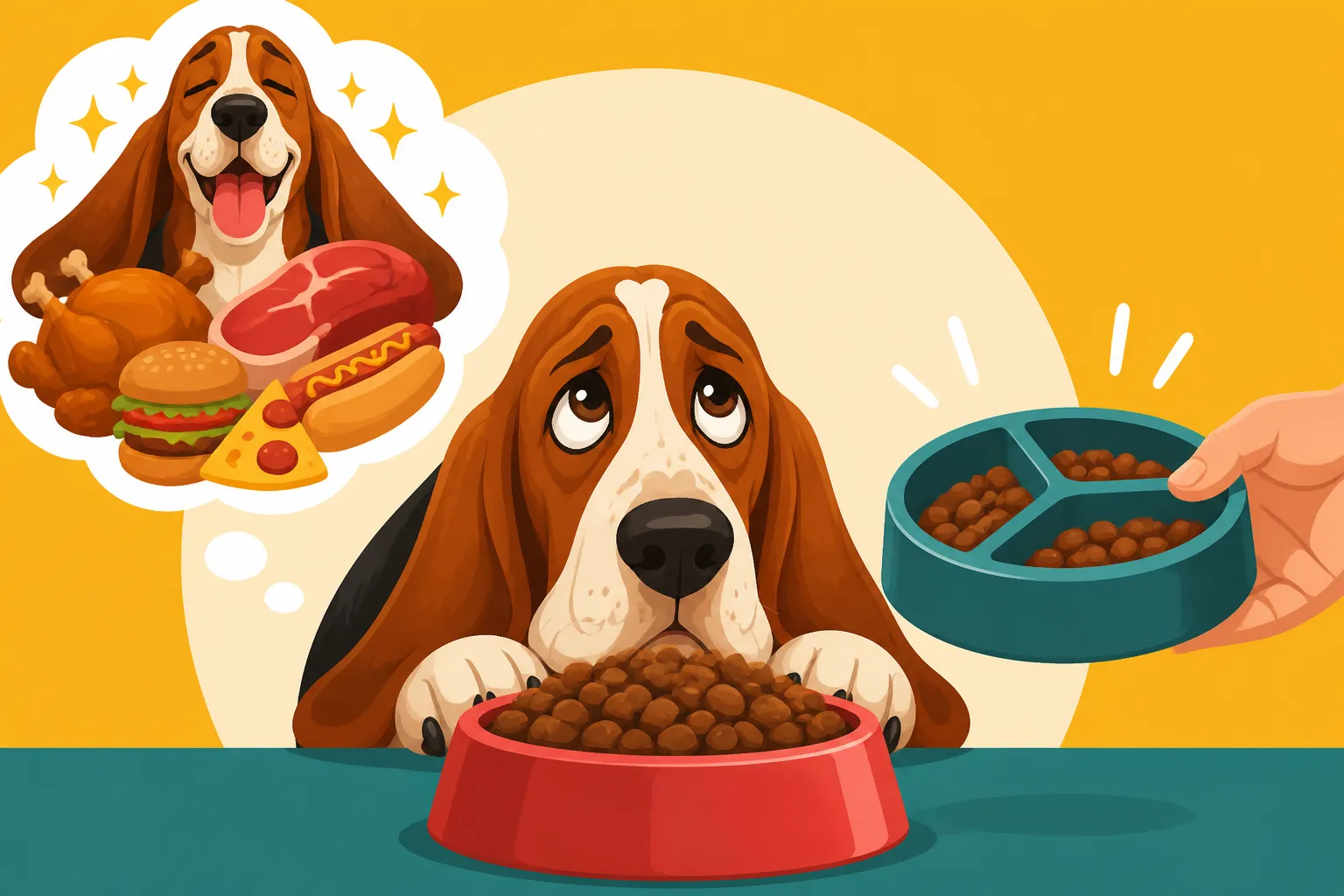
Feeding a Basset Hound That Would Eat Forever
If you're a Basset Hound parent, you know the struggle is real: that soulful gaze, those mournful sighs, the way they act like they haven't eaten in weeks – sometimes days! – even if they just finished a meal. Our beloved Bassets have an almost mythical ability to convince us they are perpetually starving, and it's a battle of wills to ensure they get the right nutrition without turning into little butterballs. This comprehensive guide will help you navigate the unique dietary needs of your Basset Hound, ensuring they stay healthy, happy, and at a good weight, even if their stomachs tell a different story.
Understanding the Basset Hound's Insatiable Appetite
It's not just in your head; Basset Hounds genuinely seem to have a bottomless pit for a stomach. This isn't necessarily a character flaw, but rather a combination of their breed history, innate drives, and a sprinkle of pure Basset charm designed to manipulate us into handing over more treats. Understanding these underlying reasons can help us approach their feeding habits with more patience and a solid strategy.
The Hunter's Legacy and Food Drive
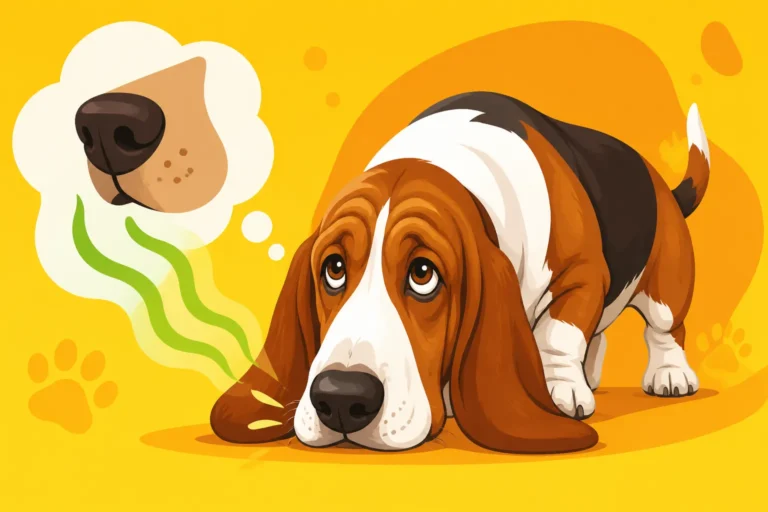
Let's rewind a bit to the Basset Hound's origins. These dogs were bred for hunting. They followed scent trails for hours, sometimes days, often over rough terrain, requiring significant energy reserves. In a hunting scenario, finding food was a reward, and a high food drive meant a more persistent, successful hunter. While your couch-potato Basset may not be tracking rabbits for miles, that ancestral drive for food is still very much alive within them. It manifests as that intense focus on anything edible, the unwavering stare at your dinner plate, and the uncanny ability to detect a dropped crumb from across the house. They are hardwired to eat when food is available because in their history, opportunity wasn't always guaranteed.
This means that for a Basset, "full" is often a concept, not a sensation. Their bodies are telling them to store energy for the next long hunt, even if that "hunt" is just a stroll around the block to sniff out every interesting pee-mail. This powerful instinct can be a challenge for modern pet owners who have a constant supply of food. It's not about them being "greedy" in a negative sense; it's about their inherent nature. You're fighting against centuries of selective breeding that prioritized a strong food drive.
The Role of Body Shape in Perceived Hunger
Beyond their hunting heritage, a Basset Hound's unique physical structure can also play a role in how we perceive their hunger and how easily they gain weight. Their low-slung, heavy-boned build means that even a small amount of extra weight can put significant strain on their joints and their long, delicate spines. Unlike taller breeds where a few extra pounds might distribute differently, on a Basset, it often settles right around their barrel-shaped middle, making them look heavier than they might actually be, and making it harder for them to move comfortably.
Their deep chest and relatively short legs also mean that when they stand, their belly can appear to hang low, sometimes leading owners to believe they are underweight when they are actually at a healthy or even slightly overweight body condition. Conversely, a Basset that carries too much weight can quickly look quite rotund. It's tricky to gauge their ideal weight just by looking, which is why we'll talk about other methods later. The combination of their build and their relentless pursuit of snacks makes weight management a constant, vital component of Basset ownership. It's why we have to be so diligent – not just for their comfort, but for their long-term health and mobility. Remember, a Basset’s charming waddle can quickly turn into a painful struggle with extra pounds. What Extra Weight Does to a Basset Hound is a very real concern.
Calorie Needs and Weight Management: The Basset Battle
The biggest challenge in feeding a Basset Hound that "would eat forever" is managing their weight. Obesity is a serious concern for this breed, leading to a host of health problems. It's not about denying them food out of spite, but providing precise nutrition to keep them healthy and comfortable.
Assessing Your Basset Hound's Body Condition
Forget the number on the scale for a moment; it's more important to understand your Basset's body condition score. Because Bassets are heavy-boned and come in a range of sizes, a "perfect" weight can vary greatly. What's ideal for a smaller female might be underweight for a large male. Instead, we use a hands-on approach.
First, you should be able to easily feel your Basset Hound's ribs without pressing hard. They shouldn't be visible, but a light touch over their side should allow you to count them. Next, feel for their waist. When viewed from above, your Basset should have a slight tuck in behind their ribs, before their hips. It won't be as dramatic as in a svelte sighthound, but there should be a discernible curve. From the side, their belly should tuck up slightly from their chest, not hang low or be parallel to the ground. If you can't easily feel their ribs, or if their waist is non-existent, it's a clear sign that your Basset is carrying too much weight. This isn't about vanity; it's about their longevity and quality of life. Regularly assessing their body condition helps catch weight gain early, before it becomes a major problem. Feeling for a Basset Hound's Ribs Under Loose Skin is a key skill every owner should develop.
Calculating Daily Calorie Requirements
Once you have a good sense of your Basset's ideal body condition, you can start to dial in their calorie intake. This isn't an exact science, and every dog is an individual, but there are good starting points. The general guideline for adult dogs is often around 25-30 calories per pound of ideal body weight. So, if your Basset should ideally weigh 50 pounds, you're looking at roughly 1250-1500 calories a day. However, this is just a very rough estimate. Factors like age, activity level, metabolism, and whether they are spayed or neutered all play a huge role. A young, active Basset tracking scents for hours will need more calories than a senior Basset whose main activity is napping on the sofa.
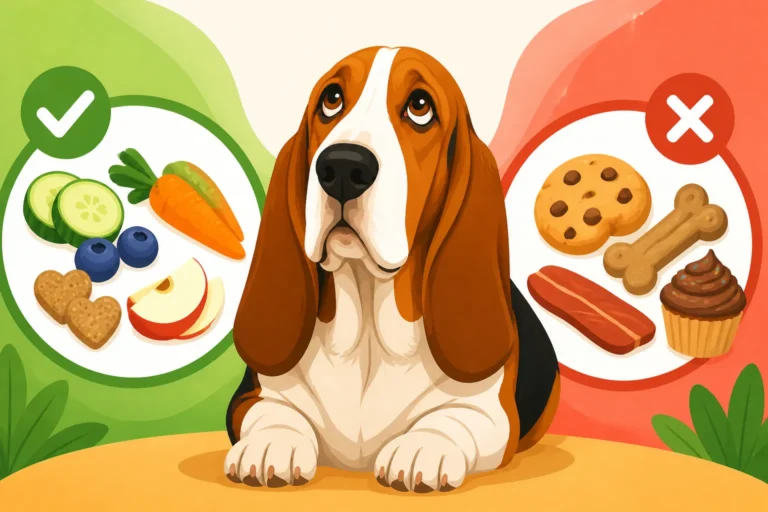
The best approach is to start with the feeding guidelines on your chosen dog food, aiming for the lower end of the recommended range if your Basset is prone to weight gain. Then, monitor their weight and body condition closely over a few weeks. If they're gaining, reduce the amount. If they're too lean, increase it slightly. It's a continuous adjustment process. Remember that treats count! Those little nibbles add up quickly. If you're using treats for training or just because you can't resist those eyes, make sure to factor them into their daily calorie total, or reduce their meal portions accordingly. If you have specific health concerns, your vet can provide a more tailored calorie recommendation.
The Dangers of Obesity in Basset Hounds
Allow me to get serious for a moment: obesity in Basset Hounds isn't just about them looking a bit chunky. It's a profound threat to their health and significantly shortens their lifespan. Their unique build, with that long back and short, heavy legs, makes them particularly vulnerable. Extra weight puts immense strain on their joints, accelerating the onset and severity of conditions like arthritis and Elbow Dysplasia in a Basset Hound. It also increases the risk of serious spinal issues such as Intervertebral Disc Disease in a Basset Hound, where a slipped disc can lead to excruciating pain and even paralysis.
Beyond musculoskeletal problems, obesity contributes to a host of other health issues. It elevates the risk of diabetes, heart disease, respiratory problems (especially in a breed already prone to noisy breathing), and even certain types of cancer. Overweight Bassets also struggle more in hot weather and are at a higher risk of complications during anesthesia for any necessary surgeries. It directly impacts their energy levels, making them less willing to exercise, which only perpetuates the cycle of weight gain. The truth is, Whether an Overweight Basset Hound Lives Shorter isn't a question, it's a sad reality. Our responsibility as Basset owners is to protect them from this preventable suffering.
Choosing the Right Food for Your Basset Hound
With so many dog food options out there, from kibble to raw, it can feel overwhelming to pick the "best" one. For a Basset Hound, the right food is one that supports their specific needs, helps maintain a healthy weight, and ideally, tastes good enough to satisfy that endless appetite.
Dry Kibble: Pros and Cons
Dry kibble is the most common and often the most convenient choice for Basset Hound owners. It's usually cost-effective, easy to store, and provides a balanced nutritional profile when chosen correctly. The act of chewing kibble can also help with dental hygiene to a small extent, though it's not a substitute for brushing. When selecting kibble, look for a reputable brand that lists a named meat source (e.g., "chicken meal," not just "meat meal") as the first ingredient. Avoid foods with excessive fillers, artificial colors, or unnecessary preservatives. Many brands offer formulas specifically designed for large breeds or weight management, which can be beneficial for Bassets, as these often have lower calorie counts and higher fiber to help them feel full. You can find a vast selection of reputable kibble brands on platforms like Chewy or Amazon.
However, dry kibble isn't without its downsides, particularly for Bassets. Some Bassets might find it less palatable, or the uniform texture might not satisfy their chewing instincts as much as other foods. For those prone to eating too quickly, even slow feeder bowls don't always fully mitigate the speed. Also, the moisture content is low, so ensuring your Basset has constant access to fresh water is crucial. While convenient, some owners worry about the heavily processed nature of conventional kibble and prefer alternatives.
Wet Food, Fresh Food, and Raw Diets
Exploring beyond traditional kibble opens up a world of options. Wet food can be more palatable and has a higher moisture content, which is great for hydration. It can also be excellent for Bassets needing to lose weight, as you can feed a larger volume for fewer calories. However, it's typically more expensive and can lead to faster dental plaque buildup if not managed with regular brushing.
Fresh food diets, like those offered by companies such as Ollie, have gained popularity. These are often gently cooked and made with human-grade ingredients, which many owners feel provides superior nutrition and digestibility. For Bassets, the palatability can be a huge plus, and the controlled portions make weight management easier. Owners often report shinier coats, better energy, and improved digestion. However, fresh food can be significantly more expensive and requires refrigeration.
Raw diets, also known as BARF (Biologically Appropriate Raw Food) or prey model diets, involve feeding uncooked meat, bones, and organs. Proponents argue this is the most natural diet for a dog. While some Bassets thrive on raw, it requires extensive research and careful planning to ensure it's nutritionally balanced and safely prepared to avoid bacterial contamination for both dog and owner. It's often the most time-consuming and expensive option, and not suitable for all dogs, especially those with compromised immune systems. Always consult your veterinarian before making drastic dietary changes, particularly to raw feeding.
Considering Specific Nutritional Needs
Beyond the type of food, consider your Basset's specific nutritional requirements. As a breed prone to joint issues, many owners opt for foods supplemented with glucosamine and chondroitin, or add these as separate supplements. Whether a Basset Hound Needs Joint Supplements is often a discussion point with your vet as they age. If your Basset has a sensitive stomach or struggles with allergies, a limited ingredient diet or a novel protein source might be beneficial. Whether a Basset Hound Has a Sensitive Stomach is a common concern.
For Basset puppies, choose a large-breed puppy formula that supports slow, steady growth. Rapid growth in large, heavy-boned breeds can exacerbate orthopedic issues. Whether a Basset Hound Puppy Should Grow Slowly is vital to their skeletal health. Senior Bassets often benefit from lower-calorie, joint-supporting foods. The key is to monitor your Basset closely, observe their energy levels, coat quality, stool consistency, and body condition, and adjust their diet as needed throughout their life.
Feeding Schedule and Routine: Taming the Hunger Games
Establishing a consistent feeding schedule and routine is paramount for Basset Hounds, not only for managing their weight but also for their overall well-being and to minimize incessant begging. Structure brings comfort and predictability to a dog that lives for routine.
The Importance of Scheduled Meals
Free-feeding – leaving a bowl of food out all day – is a recipe for disaster with a Basset Hound. Their "eat forever" mentality means they will likely gorge themselves, leading to rapid weight gain, and potentially increasing the risk of serious conditions like bloat, especially if they gulp down large quantities of food and then become active. Whether a Basset Hound Bloats After Eating is a valid concern for many owners.
Instead, stick to scheduled meals. For adult Bassets, two meals a day, morning and evening, is generally ideal. This helps regulate their metabolism, prevents extreme hunger, and allows you to accurately measure and monitor their intake. It also creates specific mealtime anticipation, which can be a positive routine for them, rather than a constant, low-level anxiety about where the next meal is coming from. Puppies, of course, will need more frequent meals – typically three times a day until they are around six months old, then transitioning to two. The Meal Schedule a Basset Hound Puppy Needs is important for their development.
A consistent schedule also helps with house training and predicting potty breaks, as what goes in must eventually come out! Try to feed them at roughly the same times each day. Dogs are creatures of habit, and knowing when their meals are coming can reduce anxiety and persistent begging throughout the day.
Measuring Portions Accurately
This might seem obvious, but it's where many of us inadvertently overfeed our Bassets. We eyeball it, we use a coffee mug, or we just "top off" the bowl. But even a small excess amount each day adds up dramatically over weeks and months, especially for a breed so prone to weight gain.
Invest in a proper measuring cup for dog food and use it diligently for every meal. Don't go by the "cup" designation on a regular kitchen measuring cup, as dog food cups are often specific to volume and density. Even better, consider weighing their food with a kitchen scale. This is the most accurate method, as the density of kibble can vary. If your vet has given you a calorie target, weighing food makes it much easier to hit that number consistently. Once you've measured the appropriate portion, stick to it. If you have multiple Bassets, consider feeding them in separate areas to prevent one from stealing another's food. Consistency in portion control is your most powerful weapon in the battle against Basset obesity.
Slow Feeders and Elevated Bowls
For Bassets who inhale their food at warp speed, slow feeder bowls are an absolute game-changer. These bowls have ridges, mazes, or pillars that force your dog to eat around obstacles, slowing down their consumption dramatically. This not only aids digestion by reducing gulping but also provides a bit of mental stimulation. Eating too fast can lead to indigestion, gas, and is thought to be a risk factor for bloat. You can find many effective slow feeder designs from brands sold on Chewy or Amazon.
Another consideration for Bassets is the use of elevated bowls. These bowls are raised off the ground, bringing the food and water up to a more comfortable height for your dog. For some Bassets, especially those with neck or back issues, or older dogs with arthritis, not having to bend all the way to the floor can make eating more comfortable. There is some debate about whether elevated bowls increase or decrease the risk of bloat in deep-chested breeds. While some studies have suggested a potential link to increased bloat risk in certain large breeds, for Bassets, the primary benefit is often comfort, particularly if they have The Back Trouble a Basset Hound Is Built Into. If you opt for an elevated bowl, ensure it's at a height that allows them to eat comfortably without stretching or stooping excessively. Whether a Basset Hound Should Eat From a Raised Bowl is a decision best made considering your individual dog's comfort and health.
Dealing with Begging and Food Stealing: The Basset Art of Persuasion
Oh, the begging! Basset Hounds are masters of the craft. Their soulful eyes, deep sighs, and persistent presence can break even the strongest wills. And let's not even start on their stealth abilities when it comes to counter-surfing or trash raiding. Dealing with these behaviors requires consistency, training, and a firm resolve.
Establishing Clear Boundaries Around Human Food
The most effective way to manage begging is to establish clear, consistent boundaries from day one. This means no human food from the table, ever. No exceptions. Not even a tiny piece. As hard as it is to resist those sad eyes, every single time you give in, you reinforce the begging behavior. Your Basset learns that if they are persistent enough, eventually, you will crack.
This requires everyone in the household to be on the same page. If one person slips up, it undermines all the effort of the others. Explain to family members, especially children, why giving table scraps is harmful to the Basset's health and perpetuates a nuisance behavior. When you are eating, your Basset should ideally be in their bed, in a crate, or at least a reasonable distance away. You can give them a puzzle toy or a long-lasting chew to keep them occupied during your mealtime, redirecting their attention from your plate to their own acceptable activity. Remember, you're not being mean by withholding human food; you're being responsible and kind in the long run. Whether a Basset Hound Steals Food is a common complaint, so setting these boundaries early is key.
Training "Leave It" and "Go to Your Bed"
Positive reinforcement training is incredibly effective for Basset Hounds, even if they sometimes seem "stubborn." Two commands that are invaluable in managing their food obsession are "Leave It" and "Go to Your Bed" (or "Place").
"Leave It" teaches your Basset to ignore tempting items on the ground, counter, or even in your hand. Start by placing a low-value treat on the floor and covering it with your hand. When your Basset tries to get it, say "Leave It" and keep your hand over the treat. The moment they look away from the treat (even for a second), praise them and give them a different, higher-value treat from your other hand. Gradually increase the difficulty, moving to uncovered treats, then leaving the room. This command is a lifesaver for preventing them from snatching dropped food or raiding the trash. Whether a Basset Hound Can Be Taught to Leave It is absolutely possible with patience.
"Go to Your Bed" teaches them to go to a designated spot and stay there. This is perfect for meal times or when guests are over and you want to keep your Basset from underfoot (and out of the snack bowl). Start by luring them to their bed with a treat, saying "Go to Your Bed." Reward them when they get on it. Gradually increase the duration they stay there before getting a reward. Practicing these commands regularly, even when there isn't food involved, will make them second nature when you truly need them.
Managing Access to Food Sources
Basset Hounds are surprisingly clever and resourceful when it comes to finding food. What you consider safely out of reach, they might see as a fun challenge. This means "Basset-proofing" your home is often a necessary step. Keep kitchen counters clear of food, especially when you're not actively in the room. A Basset might not be able to jump onto the counter, but they are masters of standing on their hind legs to swipe something from the edge, or they might try to push a chair over to gain access.
Secure your trash cans with lids that latch or keep them in a pantry or cupboard that your Basset cannot open. For those with particularly tenacious trash raiders, a child-proof latch on a cupboard door might be necessary. Also, be mindful of where you store your dog food and treats. A persistent Basset can and will chew through bags or containers if left accessible. Store them in sturdy, air-tight containers, ideally in a pantry or closet that closes securely. It's not about them being naughty; it's about them acting on their natural instincts. It's up to us to manage the environment to prevent them from getting into trouble or consuming something harmful.
Special Dietary Considerations for Basset Hounds
While all dogs have general nutritional needs, Basset Hounds, with their unique physiology and predispositions, often have specific dietary considerations that owners should be aware of. Tailoring their diet can help address common breed-specific issues and keep them healthier for longer.
Joint Health and Supplements
Given their heavy bone structure, long back, and predisposition to conditions like Elbow Dysplasia in a Basset Hound and arthritis, joint health is a paramount concern for Basset Hounds. While some dog foods incorporate joint support ingredients, many Basset owners choose to add supplements to their dog's diet.
Common joint supplements include glucosamine, chondroitin, and MSM, which are believed to help maintain cartilage health and reduce inflammation. Omega-3 fatty acids, particularly EPA and DHA found in fish oil, are also excellent for their anti-inflammatory properties and overall joint lubrication. When choosing a supplement, look for reputable brands and discuss dosages with your veterinarian. Starting these supplements early, perhaps even before overt signs of joint issues appear, can be a proactive step in preserving your Basset's mobility and comfort as they age. Quality joint supplements can be found at pet stores or online retailers like Chewy or Amazon.
Managing Sensitive Stomachs and Allergies
Some Basset Hounds can have sensitive stomachs, manifesting as intermittent diarrhea, vomiting, or excessive gas. Others may develop food allergies or sensitivities, often presenting as skin issues (itchiness, redness, ear infections) or digestive upset. Whether a Basset Hound Gets Allergies is a common question, and diet can often play a role.
If you suspect your Basset has a sensitive stomach or allergies, the first step is to consult your veterinarian to rule out any underlying medical conditions. If dietary issues are confirmed, they might recommend a food trial with a novel protein source (e.g., duck, venison, rabbit) or a hydrolyzed protein diet, where the proteins are broken down into tiny components that the immune system is less likely to recognize as an allergen. Limited ingredient diets (LID) are also popular, as they minimize the number of potential irritants. Transitioning to a new food slowly, over 7-10 days, is crucial to prevent further digestive upset. Adding a probiotic supplement can also help support a healthy gut microbiome for Bassets with sensitive digestion.
Bloat Prevention Strategies
Gastric Dilatation-Volvulus (GDV), commonly known as bloat, is a life-threatening condition where the stomach fills with gas and can twist, cutting off blood supply. While it can affect any deep-chested breed, Basset Hounds are among those at increased risk. The exact causes are not fully understood, but certain feeding practices are believed to contribute.
To help reduce the risk of bloat, several strategies are recommended. As mentioned, avoiding free-feeding and sticking to two or three smaller meals a day instead of one large one is key. Using a slow feeder bowl can prevent rapid eating and gulping of air. Avoid strenuous exercise or highly exciting play immediately before or after meals. Give them at least an hour to digest before activity. Some research has also suggested that feeding dry kibble moistened with water might be beneficial, but again, consult your vet for personalized advice. Prophylactic gastropexy, a surgical procedure that tacks the stomach to the abdominal wall to prevent twisting, is sometimes performed, often concurrently with spaying or neutering, particularly in high-risk breeds. This is a significant decision that should be discussed thoroughly with your veterinarian. Whether a Basset Hound Gets Bloat is a serious health consideration for the breed.
Tools and Accessories for a Happy Mealtime
Outfitting your Basset Hound's dining area with the right tools isn't just about aesthetics; it's about comfort, hygiene, and promoting good eating habits. From preventing messy ears to ensuring proper posture, a few key accessories can make a big difference.
Snoods and Ear Protection
Ah, the glorious Basset Hound ears! While magnificent, they are also prone to ending up in their food and water bowls, collecting grime, moisture, and generally making a mess. This isn't just unsightly; constant dampness and food debris on their ears can contribute to skin irritation and infections. This is where the mighty snood comes in.
A snood is essentially a fabric tube that you slip over your Basset's head, keeping their long ears neatly tucked away and out of the bowl during mealtime. They come in various materials and patterns, from simple cotton to more water-resistant fabrics. Using a snood is a practical solution that keeps their ears clean, dry, and free from food particles. It's also surprisingly effective in reducing the amount of drool and water that ends up on your floors and walls. Plus, let's be honest, a Basset in a snood is pretty adorable! You can find a range of snoods for Basset Hounds on Amazon or specialty pet supply sites. Whether a Basset Hound Needs a Snood at Dinner is often answered with a resounding "yes!" by experienced owners.
Slow Feeder Bowls and Puzzle Toys
We've touched on slow feeder bowls for managing rapid eating and reducing bloat risk, but they bear repeating as an essential accessory for Basset Hounds. These bowls, with their internal obstacles, turn mealtime into a mini-game, forcing your Basset to slow down and use their brain a little. This mental engagement is actually quite tiring for dogs and can help satisfy their natural foraging instincts, which might otherwise lead to destructive behavior.
Beyond regular slow feeders, puzzle toys that dispense kibble or treats are fantastic for Bassets. These toys require your dog to manipulate them, roll them, or figure out a mechanism to get the food out. This provides excellent mental stimulation, keeps them occupied, and makes them "work" for their food, which can be immensely satisfying for a breed that loves to problem-solve (especially when food is the reward!). Using a puzzle toy for a portion of their daily kibble can turn a quick gulp into a 15-20 minute engaging activity. It's a great way to give a Basset Hound's nose something to do and tire them out mentally, which is just as important as physical exercise.
Orthopedic and Elevated Beds
While not directly related to feeding, the type of bed your Basset Hound sleeps on can impact their overall comfort and, indirectly, their well-being, which in turn affects appetite and activity levels. Given their predisposition to joint and back issues, an orthopedic bed is a fantastic investment for any Basset, especially as they age.
Orthopedic beds, often made with memory foam, provide superior support, cushioning their joints and spine and relieving pressure points. This can help reduce stiffness and pain, making it easier for them to get up and move around. For older Bassets or those with mobility challenges, this extra comfort is invaluable. Combine this with an elevated bed that raises them off cold, hard floors, and you're providing a truly luxurious and supportive resting place. Ensuring your Basset is comfortable and well-rested can contribute to a healthier metabolism and better overall physical condition, making weight management a bit easier. What a Bed That Suits a Basset Hound Costs is an important consideration for long-term comfort.
The Long-Term Impact of Diet on Your Basset Hound's Life
Making informed dietary choices for your Basset Hound isn't just about what's for dinner tonight; it's about investing in their future. The food they eat, the way they eat it, and the habits you instill around mealtime have a profound and lasting impact on their health, longevity, and overall quality of life.
Preventing and Managing Breed-Specific Health Issues
A healthy diet is one of the most powerful tools we have to prevent or mitigate the severity of many breed-specific health issues common in Basset Hounds. By carefully managing their weight, we can significantly reduce the strain on their unique musculoskeletal structure, helping to prevent or slow the progression of debilitating conditions like arthritis, hip dysplasia (though less common than elbow), and Intervertebral Disc Disease in a Basset Hound. Maintaining a lean body condition means less pressure on those long backs and bowed legs, potentially adding years of comfortable mobility to their lives.
Beyond structural concerns, a balanced diet supports a robust immune system, helps maintain healthy skin and a shiny coat (important for a breed prone to Skin Fold Infections on a Basset Hound), and contributes to good dental health. Thoughtful food choices can also help manage sensitive stomachs and reduce the frequency and severity of conditions like ear infections, which are often exacerbated by allergies or inflammation. It's all connected – a healthy gut, a healthy weight, and a healthy Basset.
Financial Implications of Dietary Choices
Let's be real, owning a Basset Hound is an investment, and their diet is a significant part of that. While premium kibble, fresh food, or prescription diets might have a higher upfront cost than generic brands, considering the long-term financial implications reveals a different story. The cost of managing obesity-related illnesses, such as joint surgeries, medications for arthritis, or treatments for diabetes, can quickly dwarf any savings made by feeding a lower-quality diet. What a Basset Hound Costs a Year to Keep can vary dramatically based on health issues.
Preventative care, including a high-quality diet and appropriate supplements, often means fewer vet visits for chronic conditions, less need for expensive medications, and potentially avoiding costly emergency surgeries down the line. It's an investment in their health, and ultimately, an investment that can save you money (and heartache) in the long run. When budgeting for your Basset, factor in quality food as a priority, not an afterthought. Sometimes, Setting Money Aside for a Basset Hound's Vet Bills is a wise strategy, but proactive nutritional care can minimize those unexpected spikes.
Enhancing Quality of Life and Longevity
Ultimately, feeding your Basset Hound thoughtfully is about enhancing their quality of life and helping them live a long, happy, and comfortable existence. A dog that is at a healthy weight, free from chronic pain, and full of vitality is a joy to behold. They can enjoy their walks, engage in play, and greet you with enthusiasm, rather than struggling with every movement.
By understanding their unique needs, making smart food choices, establishing good feeding routines, and managing their innate desire to eat forever, you're not just feeding a dog; you're nurturing a beloved family member. The extra effort you put into their diet pays dividends in their energy levels, their ability to move freely, and their overall enjoyment of life. It’s about ensuring that your Basset Hound can live out The Ten to Twelve Years a Basset Hound Lives to the absolute fullest, maintaining that characteristic Basset charm and zest for life without the burdens of preventable health issues.
Disclaimer
This article is for general informational purposes only and does not constitute professional advice. Laws, prices and regulations vary by location and change over time. Consult a qualified professional for guidance on your specific situation.