A Basset Hound Meeting the Dog You Already Have
Bringing a new dog into a home where another furry friend already reigns can feel a lot like arranging a first date for your best pals – you want it to go perfectly, but there's always that nervous flutter of "what if?" When that new addition is a Basset Hound, with their unique blend of laid-back charm and undeniable hound instincts, the introduction process needs a thoughtful, calm, and well-structured approach to ensure harmony for all. This guide is here to walk you through making that transition as smooth as possible for your existing dog and your new Basset.
Understanding the Basset Hound's Temperament in New Social Situations
Before you even think about letting them sniff noses, it's crucial to understand what makes a Basset Hound tick, especially when it comes to meeting new canine companions. These aren't just any dogs; they come with a specific set of characteristics that can either be a boon or a challenge during introductions.
The Basset's Pack Instincts and Sociability
Basset Hounds were originally bred to hunt in packs, which means they generally possess a strong desire for companionship and tend to be quite sociable. This is often one of their most endearing qualities – they love being part of a group, whether that's a human family or a multi-dog household. Their history means they're usually not looking for a fight; they’re looking for a buddy, or at least a peaceful co-existence. This inherent sociability can be a huge advantage when introducing them to an existing dog, as they often approach new interactions with a relatively genial disposition.
However, this pack instinct doesn't automatically translate to instant best friends with every dog. While they desire to belong, they also have their own personalities and preferences. Think of it like a new person joining your established friend group; they might be friendly and want to get along, but true connection takes time and effort. Your existing dog, too, has their own established social world and may not be immediately thrilled about a new member, no matter how charming.
Potential Challenges: Scent Drive and Resource Guarding
While generally amiable, Basset Hounds do come with a few quirks that can complicate introductions if not managed properly. Their legendary nose is a double-edged sword. On one hand, it makes them incredible trackers; on the other, it means they can become utterly engrossed in a scent, tuning out everything and everyone around them. This "selective hearing" can be misinterpreted by another dog as rudeness or disinterest, or worse, can lead the Basset to inadvertently invade another dog's personal space while following an interesting smell. Imagine your existing dog trying to communicate, and the Basset is literally sniffing the ground, completely oblivious. Why a Basset Hound Stops Hearing You When It Smells Something delves deeper into this fascinating, and sometimes frustrating, trait.
Another potential area of conflict, common across many breeds but certainly present in Bassets, is resource guarding. While Bassets might be generally friendly, they can become quite possessive over high-value items like food, favorite chew toys, or even prime napping spots. A new Basset, feeling insecure or trying to establish their place, might try to claim resources, which can understandably upset an established dog. Similarly, your existing dog might feel their territory is being invaded and react defensively. This isn't necessarily aggression, but rather a natural instinct to protect what they perceive as theirs. Being proactive about managing these resources is key to preventing squabbles and fostering a peaceful environment. You certainly don't want your new hound teaching your old hound Whether a Basset Hound Steals From the Counter from its new home.
Pre-Introduction Preparations: Setting the Stage for Success
Bringing two dogs together, especially if one is a Basset, isn't something you can rush. It requires careful planning and a dedicated effort to create an environment where both dogs feel secure and comfortable. Think of it as preparing the stage for a critically important play – every prop, every light, every cue needs to be just right.
Health Checks and Vaccinations for Both Dogs
This step is non-negotiable. Before any face-to-face introductions happen, both your resident dog and the new Basset Hound need a clean bill of health from a veterinarian. This means ensuring they are up-to-date on all their vaccinations, free from parasites (fleas, ticks, worms), and generally in good physical condition. There are a few critical reasons for this:
Firstly, you don't want to introduce any communicable diseases to your existing pet, or vice-versa. Stress can weaken the immune system, making dogs more susceptible to illness, and the stress of a new introduction is very real for both animals. Secondly, an unwell dog, whether suffering from an ear infection, dental pain, or underlying discomfort, is much more likely to be irritable, withdrawn, or even lash out. A dog that feels poorly isn't going to be in the mood to make new friends. Imagine yourself trying to be charming at a party when you have a headache and a cold – not happening! Ensuring both dogs are physically comfortable reduces a huge layer of potential tension. It also means you'll have a baseline understanding of their health, which is important for their long-term well-being together.
Creating Separate Spaces and Safe Zones
One of the biggest mistakes owners make is expecting instant friendship and throwing dogs together without providing individual sanctuaries. This can be incredibly overwhelming for both animals. Your existing dog might feel their entire world has been invaded, and the new Basset might feel anxious without a secure place to retreat.
You absolutely need to establish separate, private spaces for each dog within your home. This might mean setting up a crate in a quiet room for the Basset, a comfy bed behind a baby gate for your resident dog, or using separate rooms for the first few days or even weeks. These "safe zones" are crucial for de-stressing and allowing each dog to feel they have a personal territory that won't be encroached upon. Think of them as individual bedrooms where they can truly relax and unwind, away from the constant pressure of a new presence.
Baby gates, readily available from retailers like Amazon, are fantastic for this purpose, allowing visual contact without physical interaction initially. They can also prevent accidents and unwanted confrontations while you're busy or away. What a Crate That Fits a Basset Hound Costs is also a good resource to help you pick the right size for your new hound. The goal isn't to keep them apart forever, but to build a foundation of security and comfort before asking them to share their world.
Managing Resources: Food, Water, and Toys
Resource guarding is a very real concern, even in otherwise friendly dogs. During the initial introduction phase, and potentially on an ongoing basis, all high-value resources must be managed carefully to avoid conflict.
Food: Always feed your dogs in separate areas. This could be in different rooms, in their crates, or at opposite ends of a long hallway with a barrier in between. Do not allow free-feeding, especially with a new Basset, as this can easily lead to tension around the food bowl. Once they've finished eating, pick up any leftover food or bowls to eliminate competition.
Water: While typically less contentious, it's wise to have multiple water bowls available in different locations, especially if one dog tends to guard resources. This ensures both dogs have easy, stress-free access to hydration.
Toys: This is where things can get particularly tricky. High-value toys, bones, or chews should be put away when the dogs are together, especially during initial interactions. Only introduce toys that are low-value and in multiples if you want to encourage shared play, and always supervise these sessions closely. If one dog shows any sign of guarding, calmly remove the item and separate the dogs. It's much easier to prevent a fight over a toy than to break one up.
By proactively managing these resources, you remove common triggers for conflict and allow the dogs to focus on each other's presence in a neutral, non-competitive way.
The First Meeting: Controlled and Positive Experiences
The very first time your Basset Hound and your existing dog meet face-to-face is a pivotal moment. It's not about them becoming instant friends, but about making a calm, safe, and positive first impression. Rushing this step or allowing uncontrolled interactions can set back the integration process significantly.
Neutral Territory Introductions
One of the most important rules for introducing dogs is to do it on neutral territory. This means a place where neither dog feels possessive or territorial. A local park, a quiet street they haven't walked extensively, or even a friend's fenced yard that neither dog frequents can work. Avoid your own home or yard for the very first meeting, as your resident dog will naturally feel protective of their space, which can lead to defensiveness.
The idea isn't to force them into a face-to-face greeting right away. Start with parallel walks. Have two handlers, one for each dog, walking them on leashes a good distance apart. The goal is for them to become aware of each other's presence, smell each other's scent on the air, and just exist in the same space without direct interaction. As they seem comfortable and relaxed, you can gradually decrease the distance. Observe their body language carefully. Loose bodies, sniffing the ground, and relaxed tails are good signs. Stiff postures, direct stares, raised hackles, or excessive barking are signals to increase the distance again. Keep these initial sessions short – five to ten minutes is often plenty, ending on a positive note before either dog becomes overwhelmed.
Leash Management and Body Language Reading
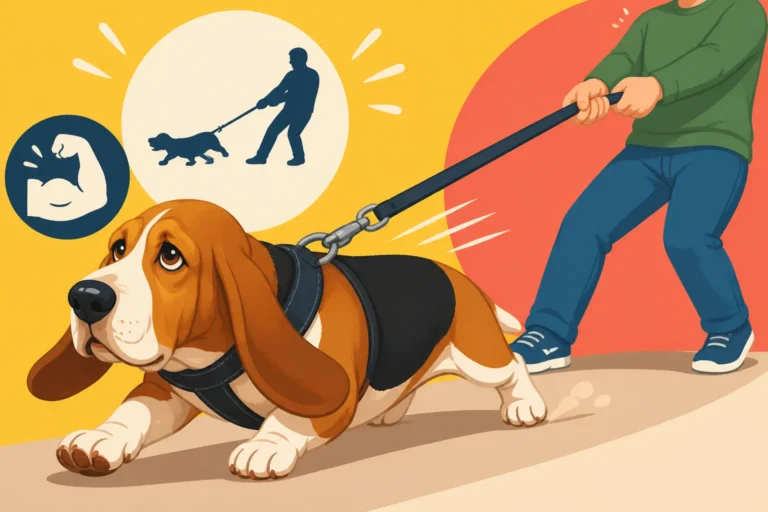
Effective leash management is crucial during these initial meetings. Both dogs should be on secure, comfortable harnesses or flat collars with regular leashes. Avoid retractable leashes, as they can suddenly pull a dog too close, or make it hard to maintain control if a situation arises. The leashes should be held loosely; a tight leash communicates tension and can escalate a dog's anxiety or reactivity. If you're constantly yanking on the leash, you're not allowing your dog to communicate naturally or assess the situation calmly.
Equally important is learning to read your dogs' body language. They communicate constantly, and understanding their signals can prevent problems before they start.
Signs of positive interaction:
- Loose, wagging tail (not stiff and high)
- Relaxed body posture
- Soft eyes, not staring directly
- Curiosity, sniffing the ground, or sniffing the other dog's rear
- Play bows (front end down, rear end up) – if appropriate and mutual
- Turning away, breaking eye contact (an appeasement gesture)
Signs of tension or stress:
- Stiff body posture, "whale eye" (seeing the whites of their eyes)
- Hackles raised (hair on the back of the neck)
- Direct, hard stare
- Low, stiff tail or tucked tail
- Excessive lip licking, yawning (out of context), panting (when not hot)
- Growling, snarling, snapping
If you see any signs of tension, calmly increase the distance between the dogs or end the session. The goal is to always keep interactions positive and safe. You'll want to be familiar with Whether a Basset Hound Pulls Hard for Its Size to ensure you're using appropriate gear to maintain control during these important first encounters.
Short, Positive Encounters
Remember, these first interactions are about quality, not quantity. Keep them very brief, especially at first. A short, positive five-minute session where both dogs remain calm is infinitely better than a twenty-minute session that ends with one dog stressed or a minor skirmish.
End the session while things are still going well. This leaves both dogs with a positive association and makes them more likely to approach the next meeting with less apprehension. Reward calm behavior with praise and treats, but don't use high-value treats that could lead to guarding. The reward itself is often the successful, stress-free interaction. Think of these as building blocks. Each good experience, no matter how brief, lays a foundation for future acceptance and, eventually, friendship. It might feel slow, but patience here pays dividends in long-term harmony.
Integrating into the Home: A Gradual Process
Once you've had a few successful neutral territory meetings, it's time to slowly bring the integration into your home. This stage requires continued supervision, consistent routines, and a keen eye on their interactions. Remember, patience is your best friend here.
Supervised Interactions and Controlled Play
Bringing the Basset Hound and your resident dog together inside the home should still be done with careful supervision. Start by allowing them to be in the same room, perhaps with a baby gate separating them initially, or both on loose leashes with handlers. Let them sniff and investigate each other through the barrier or from a safe distance. Over time, as they seem relaxed, you can allow them off-leash in a controlled environment, such as a large, secure room without many "resources" (like toys or food) that could cause conflict.
Encourage calm, polite interactions. If one dog approaches the other too intensely, or if you see signs of tension, calmly redirect them. Controlled play can be a fantastic bonding experience, but you need to be the referee. Watch for signs that play is becoming too rough or one-sided. A Basset's low-slung body means they might not be built for high-impact wrestling, and your resident dog might not know how to adjust. Interrupt play with short breaks before it escalates, giving both dogs a chance to cool down. You can use a specific word like "break" and then separate them for a minute or two, then allow play to resume if they are calm. This teaches them that you are in control and helps them regulate their own excitement levels.
Reinforcing Individual Training and Routines
It's easy to get caught up in the "new dog excitement," but it's vital to maintain individual routines and training for both your Basset and your resident dog. This helps both dogs feel secure and ensures they each get dedicated attention from you.
Continue feeding them separately, as discussed earlier. Make sure each dog gets their own individual walk time, playtime, and cuddle sessions with you. This prevents jealousy and reinforces their individual bond with you, which is important for their overall well-being. If you only focus on group activities, one dog might feel overlooked or resentful.
Maintain any established training routines. If your resident dog knows "sit" and "stay," continue to practice those. For your new Basset, begin working on basic obedience in a quiet, separate environment. This not only reinforces good behavior but also builds the Basset's confidence and strengthens its bond with you. Platforms like BAXTER & Bella offer excellent online training resources that can be incredibly helpful for new dog owners, providing structured guidance on everything from puppy basics to integrating new pets, which can be invaluable during this sensitive period. Remember, a crate can be an excellent tool for providing a safe space and aiding in house training and settling into routines.
Troubleshooting Common Issues
Even with the best intentions, you might encounter some bumps along the road. Here are a few common issues and how to approach them:
- Excessive Barking or Growling: If one dog is constantly barking or growling at the other, it's a sign they're uncomfortable. Immediately increase distance, use baby gates, or separate them. Don't punish the growl, as it's a warning signal. Instead, identify and remove the trigger. Maybe the new Basset's bay is just too much for your existing dog at first. Whether a Basset Hound Bays Indoors is a good read if you're trying to understand this vocal trait.
- Jealousy/Attention Seeking: If one dog pushes the other away for your attention, calmly redirect the pushing dog. Only give attention when both are calm. Never reward demanding or aggressive behavior. Ensure you are giving equal, separate attention to each dog.
- Avoidance/Fear: If one dog is consistently trying to hide or avoid the other, do not force interaction. Give the fearful dog space and time. Let them approach on their own terms. Focus on positive experiences where they are simply in the same vicinity without pressure.
- Resource Guarding: Revisit the resource management strategies. Ensure all high-value items are removed when dogs are together, and feed separately without exception.
If these issues persist or escalate, it's a clear sign you need to seek professional help. Don't wait until a serious incident occurs.
Long-Term Harmony: Building a Lasting Relationship
Successful integration isn't a one-time event; it's an ongoing process of understanding, managing, and nurturing the relationships between your dogs. Building a truly harmonious multi-dog household takes commitment and continued effort.
Continuing to Advocate for Both Dogs
As a responsible owner, your role is to be the advocate for both your Basset Hound and your resident dog. This means continuously monitoring their interactions, listening to their silent cues, and ensuring that each dog's individual needs are being met. Don't assume that because they haven't fought in a while, everything is perfect. Dogs' relationships can shift, just like human ones.
Pay attention to subtle changes in body language, shifts in routines, or new stressors that might impact their dynamic. For example, if one dog is feeling unwell (perhaps battling some The Ear Infections That Never Really Leave a Basset Hound), they might be less tolerant of the other, and you'll need to step in to provide extra space and comfort. Remember, you are their protector and mediator, ensuring that their home environment remains a safe and low-stress place for everyone. This might mean making adjustments to feeding schedules, sleeping arrangements, or exercise routines as they age or their comfort levels evolve.
Shared Experiences and Bonding Activities
While separate attention is crucial, shared positive experiences are what truly cement a lasting relationship between dogs. Once they are consistently comfortable and calm in each other's presence, actively seek out activities they can enjoy together.
- Walks: Group walks are excellent for bonding. The shared activity and sensory input can create a sense of camaraderie. Start with parallel walks and gradually move to walking side-by-side. Keep them positive and calm. How Far a Basset Hound Should Walk details the exercise needs, so tailor your walks to suit both dogs' stamina.
- Training Sessions: Even if you're working on individual commands, having them in the same room (with appropriate distance) during training can build tolerance. Eventually, you can work on "place" commands where they both learn to settle calmly in their designated spots while you interact with the other.
- Quiet Time: Encourage calm co-existence, such as napping near each other (but not necessarily touching, unless they choose to). Softly stroking both dogs simultaneously while they are relaxed can create positive associations.
- Enrichment: Use puzzle toys or snuffle mats simultaneously in separate, nearby areas. This provides mental stimulation without direct competition. The presence of the other dog while they are engaged in a satisfying, independent activity can foster positive feelings.
These shared, low-pressure activities help them associate positive feelings and experiences with each other's presence, strengthening their bond naturally over time.
Recognizing When Professional Help is Needed
Despite your best efforts, sometimes dogs just don't click, or certain behaviors become too challenging to manage on your own. It's not a sign of failure to seek professional help; it's a sign of responsible pet ownership.
When to call a professional:
- Persistent tension: If, despite weeks or months of careful introduction, the dogs remain constantly tense, avoidant, or frequently show warning signs (growling, stiff bodies).
- Aggression: Any instance of snapping, biting, or full-blown fights is a serious red flag. Do not attempt to manage this on your own.
- Fear/Anxiety: If one dog is severely fearful or anxious due to the other's presence, impacting their quality of life.
- Your discomfort: If you feel overwhelmed, constantly stressed, or afraid of leaving the dogs alone together.
A certified professional dog trainer or a veterinary behaviorist can assess the specific dynamic between your dogs, identify underlying issues, and develop a tailored behavior modification plan. They can also teach you advanced handling techniques and help you understand subtle canine communication you might be missing. Early intervention is always best. Don't hesitate to reach out to a professional; they are there to help you create a safe and happy home for all your beloved hounds.
| Introduction Phase | Tips for Success | Common Pitfalls to Avoid |
|---|---|---|
| Pre-Arrival | Ensure both dogs are healthy and vaccinated. | Don't skip vet checks; underlying discomfort causes irritability. |
| Set up separate safe zones (crates, gates, separate rooms). | Expecting immediate cohabitation without individual retreats. | |
| Manage all resources (food, toys) separately. | Free-feeding or leaving high-value toys accessible. | |
| First Meeting | Conduct on neutral territory. | Meeting for the first time in your resident dog's home turf. |
| Use loose leashes with two handlers. | Using tight leashes; forcing interaction. | |
| Keep interactions short and positive. | Prolonging meetings until one dog gets overwhelmed. | |
| Read body language for stress signals. | Ignoring subtle signs of discomfort or tension. | |
| Integration | Supervise all interactions, especially play. | Leaving dogs unsupervised too soon or assuming they'll "work it out." |
| Maintain individual routines and training. | Neglecting one dog for the new arrival; focusing only on group activities. | |
| Reward calm coexistence and polite greetings. | Only intervening during conflict; not reinforcing positive moments. | |
| Long-Term | Continue advocating for both dogs' needs. | Assuming once they're "integrated" the work is over. |
| Foster shared positive experiences. | Failing to create opportunities for shared, enjoyable activities. | |
| Seek professional help for persistent issues. | Delaying professional intervention when problems escalate. |
Disclaimer
This article is for general informational purposes only and does not constitute professional advice. Laws, prices and regulations vary by location and change over time. Consult a qualified professional for guidance on your specific situation.