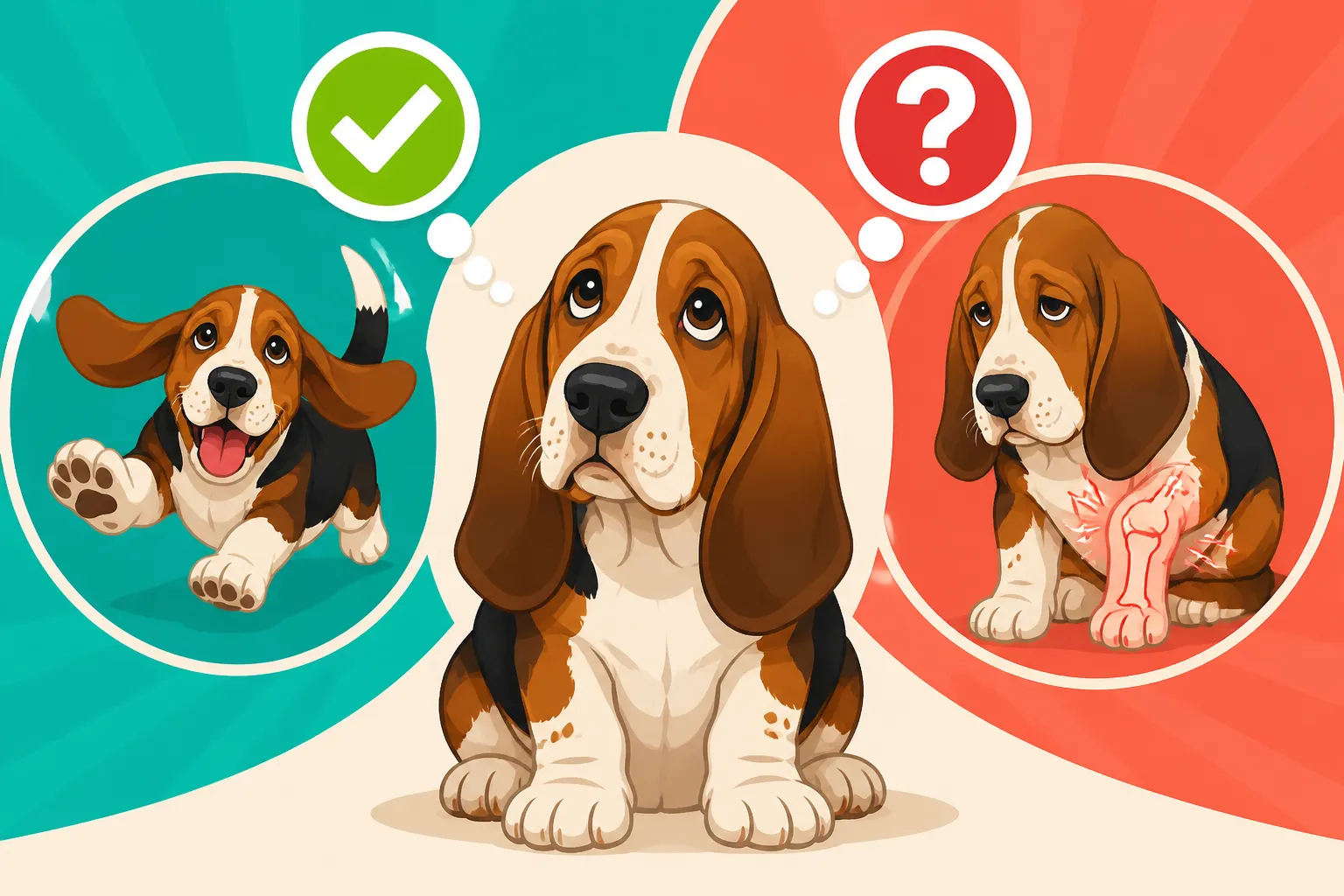
Whether a Basset Hound Gets Panosteitis as a Puppy
It's absolutely heartbreaking to see your bouncy, goofy Basset Hound puppy suddenly start limping. One moment they're tearing around the yard, ears flying, and the next, they're hesitant, favoring a leg, or even crying out. This kind of mysterious lameness often leaves us baffled and worried, especially when it seems to come and go. This guide will walk you through understanding Panosteitis, a common but often misunderstood condition in growing Basset Hounds, helping you identify the signs, manage the discomfort, and ensure your furry friend gets the care they need.
What Exactly is Panosteitis in Puppies?
Panosteitis, often affectionately (or perhaps, frustratingly) referred to as "growing pains" in dogs, is a condition that causes inflammation of the outer surface and marrow of the long bones in young, rapidly growing dogs. While it's self-limiting, meaning it eventually resolves on its own, it can be quite painful for your puppy in the meantime. Imagine having a persistent ache deep inside your bones; that’s a bit what your Basset Hound might be experiencing. It's not just a fleeting soreness; it's a genuine inflammatory process.
The 'Growing Pains' Myth and Reality
When someone says their puppy has "growing pains," they're often inadvertently referring to Panosteitis. However, it's crucial to understand that it’s more than just a vague discomfort; it's a recognized medical condition involving real inflammation. While it is associated with rapid growth, it's not a normal, harmless part of development that every puppy goes through. It's an actual illness that causes pain and can significantly impact your puppy's quality of life until it passes. Owners often feel dismissed when told it’s "just growing pains," but for the puppy experiencing it, it’s anything but trivial.
Breeds at Higher Risk
Panosteitis is most commonly observed in medium to large and giant breed dogs, typically between 5 to 18 months of age, though it can show up as early as 2 months or as late as 2 years. Given their substantial bone structure and often rapid growth spurts, Basset Hounds absolutely fit into this higher-risk category. While they might not be as tall as a Great Dane, their dense bones and stocky build mean their skeletal system undergoes significant development in a relatively short period. Breeds like German Shepherds, Great Danes, Labrador Retrievers, and Basset Hounds are frequently seen with this condition. The exact cause isn't fully understood, but genetics, nutrition (especially diets too high in protein or calcium for rapid growth), and even stress on the bones from activity are thought to play a role. For those wondering, Whether Achondroplasia Explains a Basset Hound's Shape, Panosteitis is related to the growth of all long bones, not just those affected by their characteristic dwarfism.
Recognizing the Signs of Panosteitis in Your Basset Hound Puppy
The symptoms of Panosteitis can be tricky because they often come and go, making it seem like your Basset Hound is just being a drama queen one day and fine the next. But for a diligent owner, learning to spot these clues can make a world of difference in getting your pup comfortable. This isn't just about a little stiffness; it can manifest as genuine distress.
The Classic "Shifting Lameness"
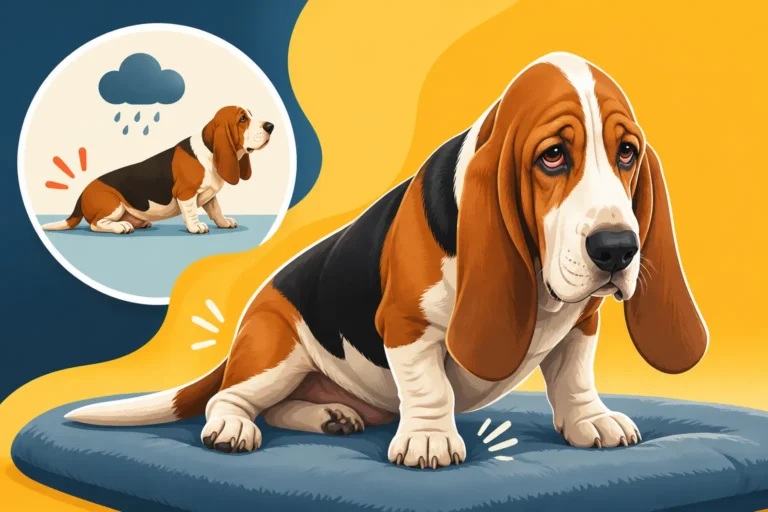
Perhaps the most classic and frustrating sign of Panosteitis is what vets call "shifting lameness." Your Basset Hound might be limping on its left front leg today, but tomorrow, it's the right hind leg, and next week, maybe the other front leg. This migratory pattern is a hallmark of the condition. It means the inflammation isn't fixed in one joint but can affect various long bones in different limbs over time. This shifting nature can make you question if you're even seeing a real problem, or if your pup just stepped wrong, leading to delayed vet visits. But rest assured, if you're noticing this pattern, it's a very real indicator that something is up. You might also notice your pup being reluctant to play or even struggling with basic movements, leading you to wonder, Whether a Basset Hound Is Lazy or Sore.
Other Telltale Symptoms
Beyond the characteristic limp, there are other signs that your Basset Hound puppy might be battling Panosteitis. Pay close attention to these:
- Pain on Palpation: If you gently press along the long bones of your puppy’s legs (the humerus in the front leg, the femur and tibia in the hind leg), they might wince, pull away, or even yelp. This tenderness is a strong indicator of inflammation within the bone.
- Lethargy and Reduced Activity: A puppy in pain often won't want to engage in their usual boisterous activities. Your typically playful Basset might seem unusually tired, sleeping more, and showing less enthusiasm for walks or games.
- Loss of Appetite: Pain can sometimes suppress a puppy's appetite. If your food-motivated Basset Hound is suddenly picking at their kibble or refusing treats, it could be a sign they're not feeling well.
- Mild Fever: In some cases, Panosteitis can be accompanied by a low-grade fever, usually around 103°F (39.4°C). This is your pup's body reacting to the internal inflammation.
- Muscle Wasting: Over time, if your puppy is consistently favoring a limb due to pain, the muscles in that leg might start to lose mass. This isn't an initial symptom, but something to watch for if the condition persists without adequate management.
Here's a quick reference table for common lameness causes in Basset Hound puppies:
| Symptom / Condition | Panosteitis | Sprain/Strain | Growth Plate Injury |
|---|---|---|---|
| Pain Location | Shifting, diffuse in long bones | Specific joint or muscle | Near ends of long bones, specific joint |
| Onset | Gradual, intermittent, recurring | Sudden, after specific incident | Sudden, after specific incident or trauma |
| Age Range | 5-18 months (can be wider) | Any age, more common in active puppies | Young, rapidly growing puppies (growth plates not fused) |
| Fever | Possible, mild | Rare | Possible, localized swelling/heat |
| Swelling | Rare, subtle bone thickening | Often localized swelling | Often localized swelling, joint deformity |
| Response to Rest | Improves, but pain often returns or shifts | Improves, may resolve completely with rest | Variable, often requires medical intervention |
| Radiographic Signs (X-ray) | Increased bone density/marrow changes | Soft tissue swelling, no bone changes | Fracture line, widening/closure of growth plate |
If you observe any of these signs, especially the shifting lameness, it's always best to consult your veterinarian promptly. Early diagnosis can help manage your puppy’s pain and ensure they don't develop compensatory issues from favoring a leg.
Diagnosing and Managing Panosteitis in Basset Hounds
So, you've noticed the limp, maybe the shifting lameness, and your heart is sinking. The next step is a trip to the vet. Don't let anyone tell you it's "just growing pains" without a proper examination; your Basset Hound deserves a thorough check-up. This condition, while not life-threatening, can be incredibly uncomfortable, and managing it correctly is key to your puppy's well-being.
The Vet Visit and Diagnostic Process
When you take your Basset Hound puppy to the vet with concerns about limping, they'll perform a comprehensive physical examination. They’ll carefully palpate all of your dog's limbs, feeling along the long bones for any signs of pain or swelling. They’ll assess your pup's gait and range of motion. If Panosteitis is suspected, the most definitive diagnostic tool will be X-rays.
On an X-ray, Panosteitis typically shows characteristic changes in the bone marrow, appearing as increased density or patchy white areas within the long bones. These changes can be subtle in the early stages or quite pronounced in more advanced cases. The beauty of X-rays is that they also allow the vet to rule out other, potentially more serious causes of lameness in a growing Basset Hound, such as Elbow Dysplasia in a Basset Hound, fractures, or even bone infections. It’s always good to be thorough, especially with a breed prone to orthopedic issues. If your vet suspects Panosteitis, they'll likely recommend a series of X-rays over time, as the lesions can appear and disappear. This is why Whether a Limping Basset Hound Needs X Rays is almost always a resounding 'yes' for proper diagnosis.
Pain Management and Rest
Once Panosteitis is diagnosed, the cornerstone of treatment is pain management and rest. Since the condition is self-limiting and resolves as your puppy matures, there's no specific cure. However, managing the pain is paramount to keep your Basset Hound comfortable.
Your vet will likely prescribe Non-Steroidal Anti-Inflammatory Drugs (NSAIDs), such as carprofen (Rimadyl), meloxicam (Metacam), or firocoxib (Previcox). These medications help reduce inflammation and alleviate pain, making your puppy much more comfortable. It's crucial to administer these exactly as prescribed and never give human pain relievers, as they can be toxic to dogs.
Alongside medication, strict rest is essential. This means no strenuous exercise, no long walks, and definitely no roughhousing for a period. Short, leashed potty breaks are usually okay, but the goal is to minimize stress on the growing bones. This might be tough with an energetic Basset puppy, but crate rest or a designated quiet area can be very helpful. Limiting activities like jumping off furniture is also vital; perhaps it's time to consider Whether a Basset Hound Should Use a Ramp to help them get on and off the couch safely, even once the Panosteitis has passed.
Nutritional Support and Long-Term Outlook
While nutrition isn't a direct "cure" for Panosteitis, it plays a crucial role in supporting healthy bone development and can help prevent exacerbations. Overfeeding or feeding a diet with excessively high calcium or phosphorus levels can promote overly rapid growth, potentially contributing to bone issues in large breeds.
Ensure your Basset Hound puppy is on a high-quality, large-breed puppy food formulated for slow, steady growth, rather than rapid weight gain. Your vet can provide guidance on appropriate food choices and portion sizes to ensure your puppy maintains How Much a Basset Hound Should Weigh for its age and build. Sometimes, supplements like glucosamine and chondroitin are recommended, especially if there's any concern about general joint health, though their direct impact on Panosteitis specifically is debated. If you're wondering Whether a Basset Hound Needs Joint Supplements, it's a conversation to have with your vet.
The good news is that the long-term outlook for Basset Hounds with Panosteitis is excellent. Most puppies make a full recovery by the time they are 18-24 months old, and there are typically no lasting effects or increased risk of arthritis later in life directly attributable to Panosteitis itself. While it's tough to watch your puppy go through the painful episodes, know that with proper care and patience, they will outgrow it.
Preventing and Living With Panosteitis
The thought of your Basset Hound puppy experiencing pain due to Panosteitis is tough, but there are proactive steps you can take both to potentially prevent severe cases and to manage life effectively if it does occur. It’s all about informed choices and careful management, especially during that critical first year. If you're navigating The First Year With a Basset Hound Puppy, these considerations are particularly important.
The Role of Diet and Exercise
One of the most impactful ways to support your growing Basset Hound's skeletal health is through proper diet and controlled exercise.
Diet: Avoid the common misconception that more food equals a bigger, healthier puppy. For large-boned breeds like Basset Hounds, too much food, especially high-calorie, growth-promoting formulas not specifically designed for large breeds, can lead to excessively rapid growth. This rapid growth puts undue stress on developing bones and joints, which can exacerbate conditions like Panosteitis. Choose a premium large-breed puppy food that promotes a slower, more sustained growth rate. Always follow the feeding guidelines on the bag or, better yet, consult your veterinarian for specific recommendations tailored to your individual puppy. They can help you determine Keeping a Basset Hound at Its Correct Weight through all its growth stages.
Exercise: While exercise is vital for a puppy's overall development, it needs to be appropriate for their age and breed. With a Basset Hound puppy, especially one potentially prone to Panosteitis, avoid excessive, high-impact activities like long runs, intense fetch sessions, or prolonged stair climbing. Gentle, consistent exercise, like short, controlled walks on a leash, is much better. Puppy play dates with dogs of similar size and energy levels are good, but always supervise to prevent overly rough play that could lead to injury. If your vet diagnoses Panosteitis, strict rest as discussed above is crucial. Once the acute pain subsides, gradually reintroduce exercise under your vet's guidance. Considering Whether a Basset Hound Puppy Should Be Kept From Stairs early on is also a good habit to prevent unnecessary strain on their developing joints.
Pet Insurance Considerations
Dealing with unexpected veterinary bills, especially for a recurring condition like Panosteitis, can add significant financial stress. This is where pet insurance can be a real lifesaver. While Panosteitis itself is generally self-limiting, the diagnostic X-rays, multiple vet visits, and ongoing pain medication can certainly add up.
If your Basset Hound puppy is diagnosed with Panosteitis, it will be considered a pre-existing condition by most insurance providers if you try to enroll after the diagnosis. This means any future claims related to Panosteitis might not be covered. Therefore, it's highly advisable to enroll your Basset Hound in a comprehensive pet insurance plan, such as those offered by Healthy Paws, as early as possible – ideally when they are a young, healthy puppy. This way, if Panosteitis (or any other health issue) arises, you'll have coverage for eligible veterinary expenses. A good insurance policy can provide peace of mind and ensure you can always afford the best care for your pup without financial strain. It can significantly impact What a Basset Hound Costs a Year to Keep in terms of unexpected medical expenses.
Reassurance for Concerned Owners
It's completely normal to feel worried and frustrated when your puppy is in pain, especially with a condition that seems to fluctuate. However, it's important to remember that Panosteitis is a temporary condition. It typically resolves completely without long-term consequences once your Basset Hound reaches maturity.
Your role as an owner is to provide supportive care: stick to the vet's treatment plan, administer pain medication as directed, ensure adequate rest, and maintain a balanced diet. Stay patient, observe your puppy closely for signs of discomfort, and communicate openly with your veterinarian. They are your best resource for navigating this period. While it may feel like a long road when you're seeing your pup limp, take comfort in knowing that this is a phase they will grow out of, leading to a healthy, happy adult life. Your Basset Hound will be back to their full, lumbering, scent-driven self before you know it.
Disclaimer
This guide is intended for informational purposes only and does not substitute for professional veterinary advice. Always consult with a qualified veterinarian for any health concerns or before making any decisions about your Basset Hound's care.