Whether a Basset Hound Should Avoid Aspirin
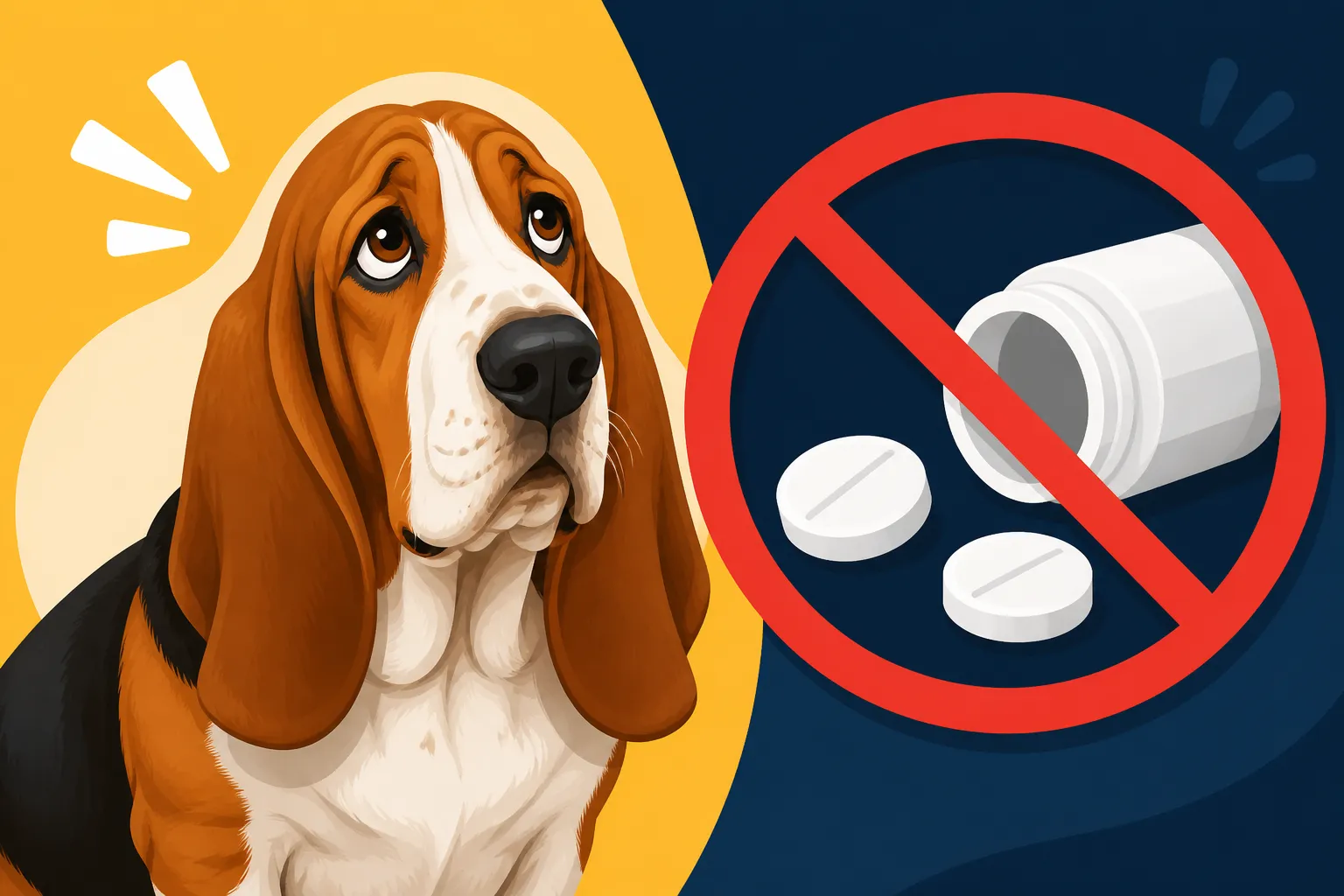
It’s an age-old dilemma for dog owners: your beloved Basset Hound is limping, maybe looking a little stiff after a vigorous sniffing expedition, and your first thought might be to reach for that familiar bottle of aspirin in the medicine cabinet. We’ve all been there, seeing our furry family member in discomfort and wanting to offer immediate relief. However, giving your Basset Hound aspirin without veterinary guidance is a risky move, fraught with potential dangers that could turn a minor ache into a serious medical emergency. This guide will explore why this common human pain reliever isn't a safe go-to for your long-eared companion and what safer alternatives exist.
Why Aspirin Seems Like a Quick Fix for Discomfort
When you see your Basset Hound moving a bit slower than usual, perhaps favoring a leg or struggling to get up from their cozy bed, it's natural to feel a pang of worry and a strong desire to help. Aspirin is so common in human households, used for everything from headaches to muscle aches, that it often feels like a harmless, readily available solution for canine discomfort too. Many owners assume that if it's safe for us, a small dose should be fine for a dog, especially a sturdy breed like a Basset.
The convenience factor is undeniable. A sudden limp on a Sunday afternoon when your vet's office is closed, or a minor stiffness after an enthusiastic romp, can make an over-the-counter option seem appealing. You just want your happy, tail-wagging Basset back to their usual self. This impulse to alleviate suffering is commendable, but the underlying assumption that human medications translate safely to pets is where the trouble begins. Dogs process drugs very differently than humans, and what's a mild discomfort for you could be a toxic dose for your four-legged friend.
Considering your Basset Hound’s unique physiology, their low-slung body, and propensity for joint issues, it’s understandable why owners might seek quick relief for what appears to be common aches. They might be thinking of a minor sprain or just age-related stiffness, symptoms that in humans would warrant an aspirin. But even for seemingly simple issues, the risks far outweigh any perceived benefit for a Basset Hound.
The Serious Risks of Aspirin for Basset Hounds
While aspirin is indeed an effective anti-inflammatory and pain reliever for humans, its use in Basset Hounds, or any dog, carries significant and often severe risks. Their digestive systems, metabolism, and clotting mechanisms are simply not designed to handle aspirin in the same way ours are. Administering aspirin can lead to a cascade of problems, some of which are life-threatening.
One of the most immediate and common dangers is gastrointestinal upset. Aspirin, even buffered varieties, can be very irritating to a dog's stomach lining. This irritation can quickly escalate from mild symptoms like vomiting or diarrhea to severe gastric ulcers and internal bleeding. Imagine your Basset Hound, already prone to a sensitive stomach, experiencing such a severe reaction. A hidden ulcer can cause slow, chronic blood loss that depletes their energy and health, or a sudden, massive bleed that constitutes a dire emergency.
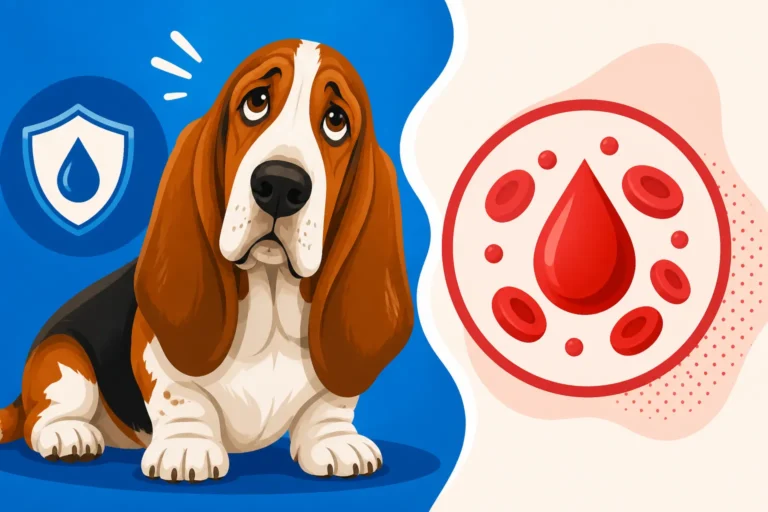
Beyond the stomach, aspirin is a powerful anticoagulant, meaning it thins the blood. While this property is useful in humans to prevent blood clots, in dogs, especially Basset Hounds, it can be extremely dangerous. Basset Hounds are, unfortunately, sometimes susceptible to inherited bleeding disorders, such as Thrombopathia and the Basset Hound That Will Not Clot. If your Basset Hound has an undiagnosed clotting issue and is given aspirin, it could lead to excessive bleeding from even minor injuries, or, more critically, uncontrolled bleeding during surgery, or even spontaneous internal hemorrhages. This blood-thinning effect can persist for days, making any unplanned surgery or injury a much riskier proposition.
Kidney and Liver Concerns
The body's organs work tirelessly to process and eliminate medications, and aspirin puts a significant strain on the kidneys and liver. For Basset Hounds, who can be prone to various health issues as they age, this can be particularly problematic.
The kidneys play a crucial role in filtering waste and drugs from the bloodstream. Aspirin can reduce blood flow to the kidneys, leading to kidney damage or even acute kidney failure, especially in dogs who are already dehydrated, elderly, or have underlying kidney disease. This is a silent danger; your Basset Hound might not show outward signs of kidney trouble until significant damage has already occurred. It’s a huge gamble to take, especially when there are safer, vet-approved alternatives that are specifically formulated to be gentler on a dog's organs.
Similarly, the liver metabolizes many drugs, including aspirin. While liver toxicity is less common than kidney or GI issues, it's still a serious potential side effect. A Basset Hound with pre-existing liver conditions, even undiagnosed ones, could suffer significant liver damage from aspirin. The long-term health and The Ten to Twelve Years a Basset Hound Lives depend on these vital organs functioning properly, and exposing them to unnecessary risks can shorten their healthy lifespan dramatically. When we're considering the overall well-being and the financial commitment, understanding What a Basset Hound Costs a Year to Keep reveals that veterinary care for such complications far outweighs the temporary relief aspirin might offer.
Difficulties with Dosage and Drug Interactions
One of the biggest hurdles when considering aspirin for your Basset Hound is determining the correct dosage. Human aspirin comes in various strengths, designed for human body weights and metabolic rates. There's no standardized, universally safe "dog dose" for over-the-counter human aspirin because its use is generally not recommended by veterinarians due to the high risk profile. Even if you manage to find anecdotal dosing recommendations, these are often imprecise and fail to account for individual canine variations, such as age, weight, overall health, and breed-specific sensitivities. A Basset Hound's metabolism might be slower or faster than another breed's, meaning a dose that causes no immediate harm in one dog could be toxic in another.
Moreover, aspirin can interact dangerously with other medications your Basset Hound might be taking. If your Basset is already on a prescribed non-steroidal anti-inflammatory drug (NSAID) for conditions like Elbow Dysplasia in a Basset Hound or Arthritis in a Basset Hound at Seven, giving aspirin on top of it can amplify the negative side effects, particularly the risk of stomach ulcers and bleeding. The same goes for corticosteroids, which are sometimes prescribed for inflammation. The combination of aspirin and steroids significantly increases the risk of severe gastrointestinal complications. This is why a detailed medication history is crucial, and only a veterinarian can safely assess potential drug interactions. Never mix medications without explicit veterinary instructions.
Safer Alternatives for Your Basset Hound's Aches and Pains
Instead of reaching for aspirin, which poses considerable risks to your Basset Hound's health, it's always best to consult your veterinarian. They can accurately diagnose the source of your Basset’s discomfort and prescribe safe, effective, and dog-specific pain relief and anti-inflammatory medications. The landscape of veterinary medicine has advanced significantly, offering a range of options far superior to human aspirin.
Your vet might prescribe canine-specific NSAIDs such as carprofen (Rimadyl), firocoxib (Previcox), deracoxib (Deramaxx), or galliprant (Grapiprant). These medications are formulated specifically for dogs, with considerations for their metabolism and a much-reduced risk of gastrointestinal side effects compared to human aspirin, especially when given as directed. They provide excellent pain relief and reduce inflammation, targeting the actual source of the discomfort. For Basset Hounds, who often suffer from chronic conditions like Intervertebral Disc Disease in a Basset Hound or general joint wear and tear, these prescription medications are a cornerstone of long-term pain management.
Beyond NSAIDs, there are other avenues for pain relief. For neuropathic pain, which can be part of back issues or nerve compression, drugs like gabapentin might be prescribed. For chronic pain, your vet might consider amantadine. These medications work differently from NSAIDs and can be used alone or in combination with other drugs to provide comprehensive pain control. Additionally, joint supplements containing glucosamine, chondroitin, and omega-3 fatty acids (like fish oil) can support joint health and reduce inflammation over time, though they are not acute pain relievers. Brands like Healthy Paws, while an insurance provider, often highlight the importance of preventative and appropriate medical care, emphasizing that proper pain management leads to a better quality of life and potentially fewer expensive emergency visits.
Management Strategies Beyond Medication
While appropriate medication is crucial for pain, a holistic approach to managing your Basset Hound's discomfort involves several non-pharmacological strategies. These can significantly improve their quality of life and potentially reduce the need for constant medication.
Weight management is paramount, especially for a breed like the Basset Hound, which is prone to carrying a few extra pounds. What Extra Weight Does to a Basset Hound cannot be overstated; excess weight puts immense strain on their joints and spine, exacerbating conditions like arthritis and hip or elbow dysplasia. Even a few pounds can make a huge difference in their comfort level and mobility. Your vet can help you determine your Basset’s ideal weight and create a healthy diet and exercise plan to achieve it.
Physical therapy and hydrotherapy can work wonders for Basset Hounds dealing with joint stiffness, post-surgical recovery, or neurological issues. Gentle exercises, controlled swimming, and therapeutic massages can strengthen muscles, improve range of motion, and reduce pain without medication. Many veterinary specialty clinics offer these services, tailored specifically to your dog's needs. Creating a comfortable home environment is also essential. This includes providing orthopedic beds that support their joints, using ramps or steps to help them access furniture safely (preventing them from Keeping a Basset Hound Off the Furniture It Should Not Jump From), and ensuring they have good traction on floors to prevent slips and falls.
When to Immediately Seek Veterinary Care
Any sign of pain, lameness, or discomfort in your Basset Hound warrants a prompt visit to the veterinarian. It's not just about getting appropriate pain relief; it's about identifying the underlying cause. What might look like a simple ache could be something much more serious, such as a severe injury, a ruptured ligament, a serious infection, or a progressive condition.
If your Basset Hound is limping, struggling to bear weight, yelping when touched, showing unusual lethargy, or has any sudden change in gait or behavior, do not wait. These are all indicators that professional medical attention is needed. Attempting to self-medicate with aspirin can mask symptoms, delaying a proper diagnosis and potentially worsening the condition. For example, if your Basset Hound has a serious spinal issue like IVDD, aspirin will do nothing to address the nerve compression and could delay life-saving surgery.
Moreover, if you have already given your Basset Hound aspirin and they are showing any adverse signs such as vomiting, diarrhea (especially if it looks dark and tarry, indicating digested blood), lethargy, loss of appetite, pale gums, or bruising, it is an emergency. Contact your veterinarian or an emergency veterinary clinic immediately. These symptoms could indicate internal bleeding or severe organ damage, requiring urgent medical intervention. Being proactive and having pet insurance from providers like Healthy Paws can make these urgent situations less financially daunting, ensuring your Basset gets the care they need without hesitation. Remember, your vet is your best partner in ensuring your Basset Hound's long-term health and comfort.
| Symptom of Discomfort | What to Do (Instead of Aspirin) | Potential Causes (Vet Can Diagnose) |
|---|---|---|
| Limping/Favoring Leg | Immediate vet visit | Sprain, fracture, arthritis, dysplasia |
| Difficulty Standing/Rising | Consult vet for diagnosis | Arthritis, back pain, neurological issues |
| Yelling/Whining when Touched | Emergency vet visit (if sudden/severe) | Injury, disc herniation, severe pain |
| Lethargy/Loss of Appetite | Vet visit | Many conditions, including pain, illness |
| Vomiting/Diarrhea | Vet visit (especially if severe/bloody) | GI upset, internal bleeding, illness |
| Swelling in Joints | Vet visit | Arthritis, infection, injury, tumor |
| Reluctance to Play | Vet visit | Pain, fatigue, illness |
When a Basset Hound reaches The Age a Basset Hound Counts as Senior, monitoring for these signs becomes even more critical. Older dogs often develop chronic pain conditions that require ongoing, specialized management, not a one-off dose of aspirin. Proactive discussions with your vet about pain management are part of responsible ownership for any Basset Hound. They might recommend specific diagnostic tests to rule out serious conditions before prescribing any medication. It’s also crucial to remember that if your Basset Hound needs surgery, the effects of aspirin on their blood can complicate matters, so discussing any recent aspirin use with your vet is vital if you're concerned Whether a Basset Hound Bleeds After Surgery.
Disclaimer
This article is intended for informational purposes only and does not constitute medical advice. Always consult with a qualified veterinarian for any health concerns or before making any decisions about your Basset Hound's medical care or treatment. Do not administer human medications to your pet without specific veterinary guidance.