Whether a Basset Hound Under a Thousand Is a Risk
It's incredibly tempting to see a Basset Hound puppy advertised for a price that seems too good to be true. The thought of bringing home one of those adorable, floppy-eared bundles of joy without breaking the bank can be very appealing, especially when you compare it to the figures you often hear from reputable breeders. However, that seemingly low price tag can often mask a host of underlying issues that will cost you far more in the long run, both financially and emotionally. This guide is here to help you understand why a Basset Hound puppy priced significantly below the breed's typical range often signals a higher risk, and what to consider before making such a significant commitment.
Understanding the True Cost of a Basset Hound
Bringing a Basset Hound into your life is a long-term commitment, not just for the purchase price, but for years of care, food, and potential veterinary expenses. While the initial sticker price might grab your attention, it's crucial to look beyond that first transaction and consider the lifetime financial picture. A low upfront cost can sometimes be a Trojan horse, hiding an array of future problems that will quickly dwarf any initial savings.
Beyond the Initial Price Tag
Many prospective Basset Hound owners focus intensely on the initial purchase price, and it's understandable. After all, a puppy is a significant investment. However, this is just the tip of the iceberg. You'll need to budget for vaccinations, deworming, spaying or neutering, microchipping, and initial supplies like a crate, bed, food bowls, leash, collar, and toys. Then there's the ongoing expense of high-quality food, regular vet check-ups, grooming supplies, and possibly training classes.
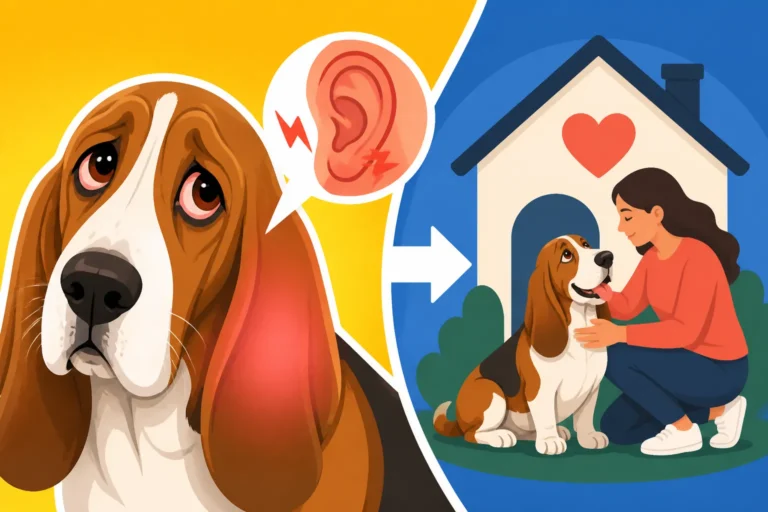
Beyond these basics, Basset Hounds, due to their unique conformation, often require specific care that can add up. Their long, pendulous ears, for example, are prone to infections, meaning regular cleaning with specialized solutions is a must. If an infection does take hold, veterinary visits, medications, and potential cultures can become a recurring expense. Similarly, their heavy bone structure and long backs mean they can be susceptible to joint issues and spinal problems. Considering these predictable breed-specific costs from the outset helps paint a more realistic financial picture.
The Hidden Costs of Poor Breeding
A Basset Hound sold for a suspiciously low price often comes from a background that cuts corners on health and proper socialization. This can lead to a cascade of expensive problems down the line. Puppy mill puppies, or those from irresponsible backyard breeders, frequently lack proper veterinary care in their crucial early weeks. They might not have received their initial vaccinations, be riddled with parasites, or suffer from underlying genetic conditions that were ignored by their breeders.
These early oversights can lead to chronic health issues like severe ear infections – a common problem for the breed, which you can learn more about in "Why a Basset Hound's Ear Canal Never Dries" – or even more serious conditions like elbow dysplasia or glaucoma. Treating these conditions can involve expensive diagnostics, long-term medications, and even surgeries. What you "saved" on the purchase price quickly vanishes when you're faced with substantial vet bills, and the emotional toll of seeing your beloved dog in discomfort is immeasurable. Pet insurance, such as policies from Healthy Paws, can help mitigate some of these costs, but often has waiting periods or excludes pre-existing conditions, which a poorly bred puppy is more likely to have.
Identifying Red Flags in a Low-Priced Puppy
When you encounter a Basset Hound puppy at a price point that seems significantly lower than average, it's natural to feel a mix of excitement and skepticism. That skepticism is a good thing; it's your internal alarm bell ringing, and it's crucial to pay attention to it. There are specific warning signs that can indicate you're dealing with an irresponsible breeder, and recognizing them can save you a world of heartache and expense.
Breeder Practices to Watch Out For
One of the biggest red flags is a breeder who is unwilling or unable to provide transparency about their breeding practices. This often means they don't invite you to their home to see where the puppies are raised, or they arrange to meet in a neutral location like a parking lot. A reputable breeder has nothing to hide; they want to ensure their puppies are going to good homes and will be proud to show you their facilities, the mother dog, and how the puppies interact within their environment. If you're told you can't see the parents or the living conditions, walk away.
Another common warning sign is a lack of health testing on the parent dogs. Basset Hounds are prone to certain genetic conditions, including issues with their joints like elbow dysplasia, which you can read more about in "Whether a Basset Hound Gets Elbow Dysplasia", and eye conditions such as glaucoma. A responsible breeder will screen their adult dogs for these predispositions and be happy to provide documentation of these health clearances. If a breeder brushes off your questions about health testing, claims it's "not necessary," or can't produce official certificates, they are likely cutting costs at the expense of their puppies' future health. They might also pressure you into making a quick decision, rushing you before you have time to consider the implications.
Health and Temperament Concerns
A low-priced Basset Hound often comes with a higher risk of health and temperament issues directly related to poor breeding practices. Puppies from mass-breeding operations (puppy mills) or neglectful backyard breeders often suffer from inadequate nutrition, unsanitary living conditions, and insufficient veterinary care. This can manifest in visible problems like dull coats, discharge from eyes or nose, lethargy, or signs of parasites such as a potbelly or constant scratching. These immediate health concerns will require prompt and potentially expensive vet visits right after you bring the puppy home.
Beyond the physical, there are often significant behavioral and temperament issues. Puppies raised in isolation, without proper socialization to sights, sounds, and human interaction, can be fearful, anxious, or difficult to train. They may exhibit extreme shyness or, conversely, be overly reactive due to their lack of positive early experiences. House training can be a prolonged struggle if they were forced to live in their own waste. These behavioral challenges can be incredibly demanding on owners and may require professional behaviorists or extensive training, adding another layer of cost and stress. A truly low price is almost always an indicator that corners have been cut, leading to hidden problems that will ultimately cost you far more than any perceived initial saving.
The Importance of a Reputable Breeder
Choosing to work with a reputable Basset Hound breeder isn't just about paying a higher upfront price; it's an investment in the health, temperament, and longevity of your future companion. These breeders dedicate significant time, resources, and knowledge to ensure their puppies are given the best possible start in life. They operate ethically, prioritizing the welfare of their dogs and the future of the breed over profit margins.
What a Good Breeder Provides
A good breeder acts as a lifelong resource and a mentor, offering guidance and support from the moment you inquire about a puppy and throughout your dog's life. They welcome visitors to their clean, safe home environment, allowing you to see the mother dog (and sometimes the father, if he lives on site) and observe how the puppies are raised. This transparency is key; you can see firsthand the conditions, the care, and the socialization the puppies receive. You'll notice that the puppies are well-fed, clean, and interacting confidently with their littermates and people. This early positive exposure is critical for developing a stable and friendly temperament.
Furthermore, a responsible breeder will perform early health interventions. This includes ensuring all puppies receive age-appropriate vaccinations, deworming, and a thorough vet check-up before they go to their new homes. They'll also provide a written contract that outlines health guarantees and often includes spay/neuter agreements, demonstrating their commitment to the puppies' welfare. They will ask you many questions about your lifestyle and experience, not to be intrusive, but to ensure their puppies are going to the best possible homes. This rigorous screening process benefits everyone involved, matching the right puppy with the right family.
Health Testing and Guarantees
One of the most significant advantages of purchasing from a reputable breeder is the assurance that the parent dogs have undergone comprehensive health testing for genetic conditions prevalent in the Basset Hound breed. These tests go beyond a basic vet check; they involve specialized screenings for things like hip and elbow dysplasia, as well as eye conditions. For example, knowing "Whether a Basset Hound Can Be Tested for Glaucoma" is vital, as responsible breeders will perform these screenings. These breeders will readily share certifications from organizations that record these health clearances, proving that they've actively tried to minimize the risk of passing on debilitating genetic diseases to their puppies.
This commitment to health testing provides a crucial layer of protection for you, the future owner. While no breeder can guarantee a dog will never have a health issue, these proactive measures drastically reduce the likelihood of your puppy developing inherited conditions that can lead to immense suffering and staggering veterinary bills. They often offer a health guarantee for a certain period, which gives you peace of mind and reflects their confidence in their breeding program. This focus on long-term health, coupled with providing robust nutrition often supported by brands like Ollie or quality kibble from Chewy, means your Basset Hound has the best possible foundation for a healthy, happy life. Understanding "The Health Tests a Basset Hound Breeder Should Run" is a crucial part of your research.
Alternative Avenues: Rescue and Adoption
While a reputable breeder is often the best route for a puppy, it's not the only way to bring a wonderful Basset Hound into your home. For those who are hesitant about the initial cost of a well-bred puppy or who prefer to give a dog a second chance, rescue and adoption organizations are fantastic alternatives. These avenues often provide a known history and initial veterinary care, which can be invaluable.
Finding a Basset Hound Through Rescue
Basset Hound specific rescues exist across the country, dedicated solely to finding new homes for Basset Hounds who, for various reasons, find themselves without one. These organizations often take in dogs from shelters, owner surrenders, or even from situations where a breeder could no longer care for their animals. The adoption fee charged by a rescue organization is typically much lower than the purchase price of a puppy from a breeder, but it also covers a lot of the initial care that the dog has already received. You can find many Basset Hounds who reach rescue in middle age, as explored in "Why Basset Hounds Reach Rescue in Middle Age", making them wonderful companions for those seeking a more mature dog.
When you adopt from a reputable rescue, you're not just getting a dog; you're getting a dog that has usually been thoroughly evaluated. Rescues invest time and resources into vetting each dog, including comprehensive medical check-ups, necessary vaccinations, spaying or neutering, microchipping, and often addressing any immediate health concerns, such as treating existing ear infections or skin conditions. They also spend time assessing the dog's temperament and behavior in foster homes, which allows them to provide you with a much clearer picture of the dog's personality and needs. This means you go into the adoption process with a much better understanding of the dog you're getting, reducing many of the unknown risks associated with a low-priced, poorly bred puppy.
What to Expect from a Rescue Basset Hound
Adopting a Basset Hound from a rescue means you're often bringing home a dog with a past, and that past can come with its own set of considerations. While the adoption fee is usually a fraction of what a puppy costs, and includes initial vet care, you might be looking at an adult dog rather than a puppy. This can be a huge benefit for many families who prefer to skip the intense puppy phase. You'll often know if the dog is house-trained, whether it gets along with children or other pets, and if it has any specific quirks.
However, some rescue Basset Hounds may come with behavioral quirks or lingering health issues that required extensive care before adoption. They might need ongoing support to adjust to a new home, especially if they came from a neglectful situation. Patience and understanding are key. The rescue organization will provide you with all available information and often offers post-adoption support. While the initial adoption fee is modest, be prepared for potential follow-up vet care or training if needed, although "What Adopting a Basset Hound Costs" is still typically less than the lifetime cost of a poorly bred puppy. The reward, however, is immense: giving a deserving Basset Hound a loving forever home.
| Factor | Low-Priced "Bargain" Puppy (Often from Irresponsible Sources) | Reputable Breeder Puppy | Rescue/Adopted Basset Hound |
|---|---|---|---|
| Initial Cost | Very Low | Moderate to High | Low to Moderate (Adoption Fee) |
| Health Testing | Rarely, if ever, performed on parents | Extensive health clearances on parents, documented | Typically vet-checked, spayed/neutered, vaccinated prior to adoption |
| Health Guarantee | Unlikely or unreliable | Standard, written guarantee often provided | Health history (if known) provided, no ongoing guarantee |
| Vet Bills (Future) | High likelihood of significant, recurring costs | Lower likelihood of inherited issues, but no guarantees | Potential for existing or developing health issues, often disclosed |
| Temperament/Socialization | High risk of fear, anxiety, or behavioral problems due to poor rearing | Well-socialized, stable temperament, raised in a home environment | Temperament assessed in foster home, history (if known) disclosed |
| Breeder Support | Non-existent or unreliable | Lifelong support and advice | Post-adoption support from rescue group |
| Transparency | Low (cannot see home, parents, or records) | High (open communication, invites home visits) | Transparent about known history and needs |
| Overall Risk | High | Low to Moderate | Moderate (known history helps manage risk) |
Disclaimer
This article is for general informational purposes only and does not constitute professional advice. Laws, prices and regulations vary by location and change over time. Consult a qualified professional for guidance on your specific situation.