Whether Ear Trouble Is Why Basset Hounds Are Rehomed
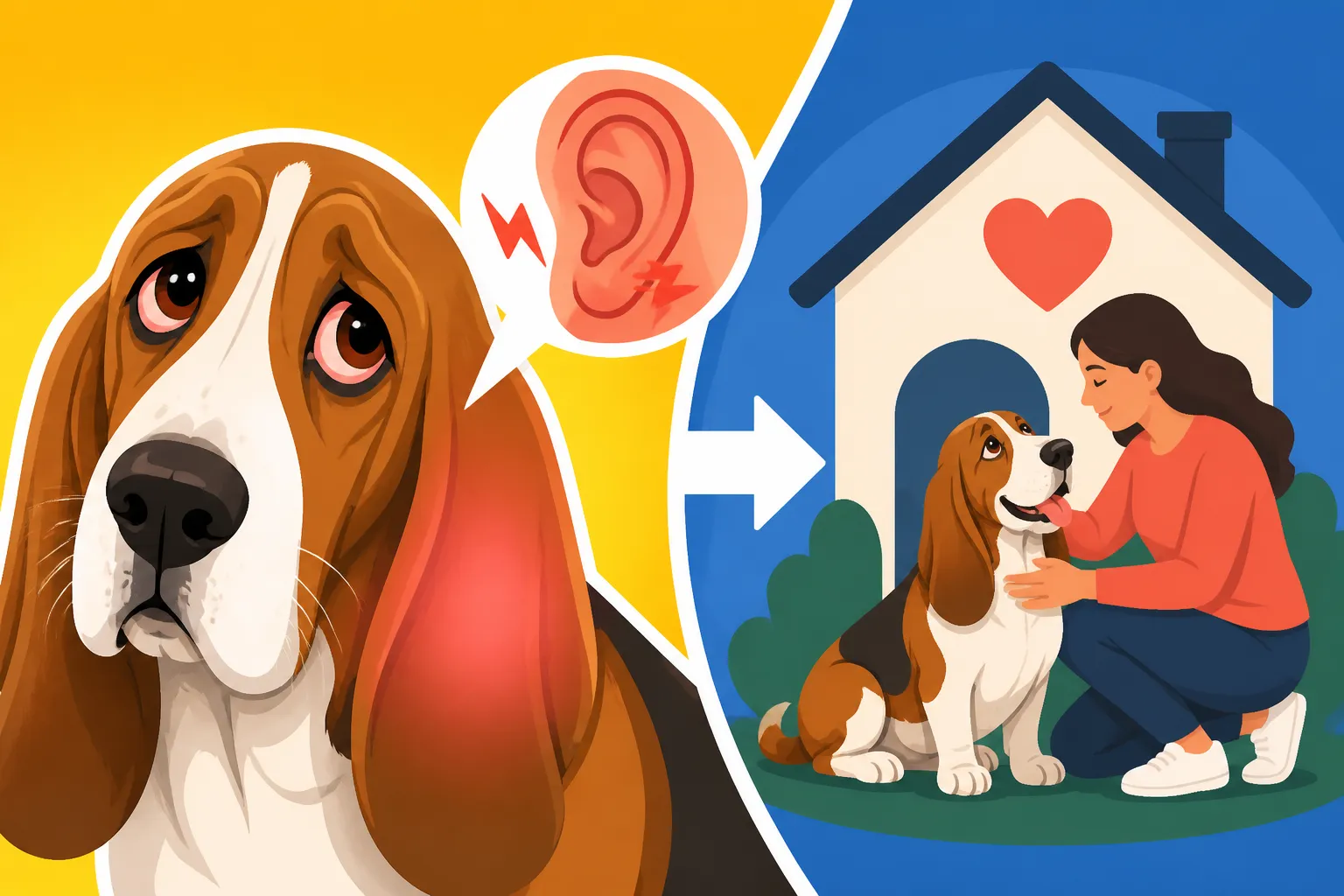
It’s a heartbreaking reality that many Basset Hound owners face: the relentless battle against chronic ear infections. The constant shaking, the scratching, the foul odor, and the endless vet visits can wear down even the most dedicated pet parent. It’s no secret that the unique anatomy of a Basset Hound's ears makes them highly susceptible to these issues, and for some, the struggle becomes so overwhelming that they consider the unthinkable – rehoming their beloved companion. This guide delves into why ear trouble, despite the deep love owners feel, can sometimes lead to this difficult decision, and what measures can be taken to prevent it.
Why Basset Hounds are Predisposed to Ear Problems
Let's be honest, those magnificent, long, floppy ears are one of the most iconic and endearing features of a Basset Hound. They give them that soulful, droopy look we all adore. But beneath that charming exterior lies a significant anatomical predisposition to ear problems. Owners often wonder if Whether long ears are why a Basset Hound's ears infect and the answer is, in large part, yes.
The Unique Anatomy of a Basset Hound Ear
Imagine a long, winding tunnel – that's essentially the ear canal of a Basset Hound. Unlike many other breeds with shorter, more upright ear canals, the Basset Hound's is particularly narrow and L-shaped, making it a perfect incubator for trouble. This deep canal is covered by a heavy, pendulous ear flap that hangs low, effectively sealing off the opening. This design traps moisture, warmth, and humidity inside, creating an ideal environment for bacteria and yeast to thrive. It also means that airflow, which is crucial for keeping ears dry and healthy, is severely restricted. When your Basset Hound is sniffing around in the dew-laden grass, or even just after a bath, that moisture has nowhere to go. This anatomical marvel, so beloved for its appearance, is truly a double-edged sword when it comes to ear health.
Common Ear Ailments and Their Symptoms
The trapped environment often leads to a host of common ear ailments. Otitis externa, or inflammation of the outer ear canal, is by far the most frequent culprit. You might notice your Basset Hound scratching at their ears incessantly, shaking their head like they're trying to dislodge something, or rubbing their head along the carpet or furniture. Sometimes, you'll start to notice a distinct, unpleasant odor emanating from their ears, or a discharge that can range from waxy and dark to yellow and pus-like. These are all classic signs of an active infection. In some cases, the ear flap itself might become swollen or warm to the touch. These symptoms can be distressing to witness, and knowing The signs a Basset Hound's ear has gone bad is the first step towards getting help.
The Cycle of Chronic Ear Infections
The real nightmare begins when these infections become chronic. It’s not just a one-off visit to the vet for some drops; for many Basset Hounds, it's a relentless, recurring battle. You treat one infection, it seems to clear up, and then a few weeks or months later, it’s back with a vengeance. This happens because the underlying conditions – the narrow, moist ear canal – haven't changed. Each infection can cause further inflammation and scarring, narrowing the canal even more and making it even harder to treat the next time. This can eventually lead to a situation where a Basset Hound's ear canal closes up, requiring more drastic measures. This cycle of infection, treatment, brief respite, and recurrence is incredibly frustrating for owners and agonizing for the dog, making many wonder Whether a Basset Hound's ear infection ever clears.
The Financial Strain of Basset Hound Ear Care
Let's talk about the elephant in the room: the cost. Owning a Basset Hound, with their delightful quirks and lovable personalities, comes with responsibilities, and one of the biggest can be the financial burden of managing their health. When ear problems become chronic, the veterinary bills can quickly add up, turning what was once a manageable expense into a significant strain on the household budget.
Initial Diagnosis and Treatment Costs
When you first notice your Basset Hound shaking its head or scratching, a trip to the vet is essential. This initial visit typically involves an examination, where the vet will look into the ear with an otoscope, and often take a swab to look under a microscope. This cytology helps determine if the infection is bacterial, yeast, or both, which is crucial for prescribing the correct medication. Sometimes, even simple ear drops might not cut it, and oral antibiotics or anti-inflammatories are needed. These initial diagnostic tests and medications, while necessary, already start to chip away at your wallet. It's not uncommon for a first visit to treat an ear infection to cost a few hundred dollars, depending on the severity and required medications.
Ongoing Maintenance and Recurring Expenses
The real financial drain often comes from the ongoing maintenance and the inevitable recurrence of infections. If your Basset Hound is prone to ear issues, you'll likely be purchasing ear cleaners regularly – sometimes specialized ones. Then there are the follow-up vet visits to ensure the infection has truly cleared, or to adjust treatment if it hasn't. For dogs with chronic issues, these visits might become quarterly or even monthly. Each visit incurs consultation fees, and more medication. Imagine facing this scenario several times a year. It's a continuous outlay that can quietly, but significantly, impact a family's finances. Many owners soon learn what chronic ear treatment costs a Basset Hound owner, and it's rarely a small sum.
The Cost of Specialist Intervention or Surgery
In severe cases, when the ear canal has narrowed significantly due to chronic inflammation and scarring, or when infections become resistant to conventional treatments, specialist intervention might be required. This could mean a referral to a veterinary dermatologist or surgeon. These specialists might recommend more advanced diagnostics, like a CT scan, or even surgery. A Total Ear Canal Ablation (TECA) is a last-resort procedure where the entire ear canal is removed, leaving only the inner ear. While often curative for chronic pain and infection, this surgery is extensive and costly. These specialized procedures represent a substantial financial commitment, often running into thousands of dollars, making some owners wonder if a Basset Hound needs ear surgery as a permanent solution. The thought of this expense can be daunting and, for some, genuinely unreachable.
Here's a quick overview of potential ear-related expenses for a Basset Hound:
| Expense Category | Description | Frequency | Impact on Owner |
|---|---|---|---|
| Initial Vet Visit | Exam, cytology, first course of medication | As needed | Moderate |
| Ear Cleaners | Daily/weekly maintenance, specialized solutions from brands like Zymox | Ongoing | Low-Moderate |
| Medicated Drops/Oral Meds | Prescribed for active infections, anti-inflammatories | As needed, recurring | Moderate |
| Follow-up Vet Visits | Checking progress, re-evaluating treatment | As needed, recurring | Moderate |
| Specialist Consultation | Dermatologist or internal medicine specialist referral | Rare, severe cases | High |
| Advanced Diagnostics | CT scans, cultures, allergy testing | Rare, severe cases | High |
| Surgery (e.g., TECA) | Total Ear Canal Ablation for chronic, untreatable cases | Last resort | Very High |
| Pet Insurance Premiums | To offset unpredictable costs (e.g., Healthy Paws) | Monthly | Low-Moderate |
The Time and Effort Commitment
Beyond the financial aspect, the sheer amount of time and consistent effort required to manage chronic ear issues can take a significant toll on an owner's daily life. It's not just a matter of dropping some medicine in an ear once a day; it's a dedicated routine that becomes a permanent fixture in your schedule, sometimes for the entire lifespan of your dog.
Daily and Weekly Cleaning Regimens
For Basset Hounds prone to ear trouble, ear cleaning isn't just an occasional chore – it's often a strict ritual. Many vets will recommend a twice weekly ear ritual a Basset Hound owner signs up for, and sometimes even daily cleaning when an infection is flaring up. This involves using specific ear cleaning solutions, gently massaging the base of the ear, and then wiping away any loosened debris. It's a process that requires patience, especially if your Basset Hound isn't keen on having their ears handled. Learning how to clean a Basset Hound's ears properly becomes a vital skill. This isn't a five-minute task; it can take considerable time each session, ensuring the ear is thoroughly cleaned and dried, especially since a Basset Hound's long, heavy ears can make the drying process slower and more challenging. This consistent need can feel like an unending task, particularly for busy households.
Administering Medications and Follow-up Visits
When an infection is active, the routine intensifies. Administering ear drops, often two or three times a day for weeks at a time, can be a struggle. Some Basset Hounds are cooperative, while others become quite adept at head-shaking just at the crucial moment, sending medication flying. It requires a firm but gentle approach, and sometimes two people – one to hold, one to medicate. Then there are the multiple follow-up vet visits. You might go in for the initial diagnosis, then return a week later to check progress, and perhaps again in another week to confirm the infection is completely gone. Each of these trips means taking time off work, enduring the car ride (which some Basset Hounds despise), and the stress of the vet visit itself. It's a significant commitment of time and energy that can disrupt regular schedules.
The Impact on Daily Routines and Lifestyle
The constant management of ear issues infiltrates every aspect of daily life. Spontaneous trips to the dog park with water features might be out, as you worry whether a Basset Hound's ears trap water and exacerbate an infection. You might avoid letting them play rough with other dogs who might accidentally step on or pull their sensitive ears. Even simple things, like enjoying a quiet evening, can be interrupted by the sound of relentless scratching or head-shaking, signaling another flare-up. Owners might find themselves constantly monitoring their dog's ears, checking for redness, odor, or discharge, turning a loving companionship into a caregiving role filled with anxiety. This ongoing attention can lead to a sense of exhaustion and even resentment, despite the deep affection for the dog.
Emotional Toll on Owners
The financial and time commitments are tangible, but the emotional toll that chronic ear problems can exert on Basset Hound owners is often overlooked and can be the most insidious factor leading to rehoming. The constant cycle of hope and disappointment, coupled with guilt and stress, can strain the strongest bonds.
Frustration and Helplessness
Imagine doing everything right – meticulously cleaning your Basset's ears, administering every dose of medication, following every vet instruction – only for the infection to return, time and time again. This can lead to profound frustration and a feeling of helplessness. Owners might feel like they're failing their dog, or that they're somehow missing a crucial piece of the puzzle. This feeling of being stuck in a loop, unable to provide lasting relief, can be incredibly disheartening. You want your furry friend to be comfortable and happy, and when you can't achieve that despite your best efforts, it’s truly crushing. The repeated vet visits without a permanent resolution can make owners feel like they are spinning their wheels.
Guilt and the Desire for a Better Life
When the frustration builds, and the financial burden weighs heavily, owners often start to feel immense guilt. They might question if they are truly capable of providing the Basset Hound with the quality of life it deserves. They see their dog in discomfort, possibly in pain, and start to wonder if a different home, perhaps one with more resources or different circumstances, could offer a better solution. This isn't a decision made lightly; it's often born out of a deep love and a heartbreaking belief that rehoming is the most selfless act they can offer to ensure their Basset Hound's well-being. This internal conflict, the battle between love and perceived inadequacy, is emotionally draining.
Impact on the Human-Animal Bond
Chronic health issues, especially those as persistent and irritating as ear infections, can inadvertently strain the human-animal bond. While owners still love their Basset Hounds deeply, the constant need for intervention – the ear cleaning, the wrestling to administer drops, the repeated vet trips – can shift the dynamic from joyful companionship to one of constant caregiving and mild resentment. The dog might start to associate ear handling with discomfort, becoming wary or even defensive, which further complicates care and can make interactions less purely affectionate. It's a sad reality that the very thing meant to bring joy can, under such relentless circumstances, become a source of stress and emotional distance, making it harder to appreciate the wonderful qualities of the Basset Hound against the Beagle in a less stressful context.
Understanding the Rehoming Process
Rehoming a pet is almost universally a last resort, a decision fraught with guilt, sadness, and often, desperation. For Basset Hounds, chronic health problems like ear infections can push dedicated owners to this difficult conclusion.
When Ear Trouble Becomes the Breaking Point
While rarely the only reason, chronic ear trouble can certainly be the straw that breaks the camel's back. An owner might be struggling with a myriad of issues – perhaps their Basset Hound's incessant baying is causing neighbor complaints, or their tendency to follow its nose has led to close calls with traffic. Add to that the constant financial drain and the emotional stress of relentless ear infections, and suddenly the cumulative weight becomes unbearable. It’s not that the owner doesn't love their Basset Hound; it's that they feel completely overwhelmed and exhausted by the constant battle. They might feel they've exhausted all options, and the idea of continuing indefinitely seems impossible. This is often the point where they start researching "why Basset Hounds are surrendered" or "rehoming my Basset Hound," seeking a path that might offer peace for both themselves and their pet.
The Role of Rescue Organizations
When an owner reaches this breaking point, rescue organizations dedicated to the breed, like local Basset Hound rescues, often step in. These organizations are intimately familiar with the common health and behavioral challenges of Basset Hounds, including the propensity for chronic ear infections. They understand that owners often surrender dogs not out of malice, but out of a desperate need for help. Rescues will typically take the dog in, provide necessary veterinary care – often extensive, especially if the ear issues have been neglected due to financial constraints – and then work to find a new home. They provide a vital safety net, ensuring that these dogs receive the treatment and loving environment they deserve, rather than ending up in a shelter where their specific needs might be overlooked. They are a critical resource for owners facing such dilemmas.
What Happens to a Basset Hound After Rehoming
When a Basset Hound is rehomed due to ear issues, it often lands in the care of an experienced rescue volunteer or a new adopter who is fully aware of the dog's history and ongoing needs. These individuals are typically prepared for the commitment required. The rescue might have already initiated extensive veterinary care to get the ears under control, which can include deep cleanings, long courses of medication, or even surgical intervention. The new home will be vetted to ensure they can provide the consistent care and financial resources needed to manage the chronic condition. It’s not uncommon for a rescue Basset Hound to arrive with untreated ears, requiring immediate and often costly attention. This period of transition can be stressful for the dog, but with patience and dedicated care, many Basset Hounds flourish in their new homes, finally finding relief from their persistent ear problems and a family equipped to handle their special needs.
Preventative Measures and Management Strategies
The good news is that for many Basset Hounds, proactive care can significantly reduce the frequency and severity of ear infections, potentially preventing the overwhelming situation that leads to rehoming. It requires consistency and dedication, but the rewards are immeasurable.
Proactive Ear Hygiene and Diet
The foundation of managing Basset Hound ear health lies in diligent, proactive hygiene. This means regularly inspecting your dog's ears for any signs of redness, odor, or discharge, ideally several times a week. More importantly, it involves regular cleaning, even when no infection is present. Using a vet-approved ear cleaner, specifically formulated to break down wax and dry the ear canal, is crucial. Your vet can recommend a good one, or you can find reputable options from places like Chewy. Consistency is key; make it a routine, perhaps while you're watching TV or after a walk. This helps keep the environment inside the ear less hospitable to pathogens. Some owners find that dietary changes can also play a role, especially if allergies are contributing to chronic inflammation. Discussing potential food sensitivities with your vet and considering limited-ingredient diets or fresh food options like those from Ollie might be beneficial. Remember, how often a Basset Hound's ears must be cleaned can vary, so always follow your veterinarian's advice.
Working with Your Veterinarian and Specialists
Your veterinarian is your primary partner in this battle. Don't hesitate to seek their advice at the first sign of trouble, rather than waiting for an infection to become severe. They can accurately diagnose the issue, prescribe appropriate medication, and guide you on the best cleaning techniques and products. If chronic infections persist despite diligent care, don't be afraid to ask for a referral to a veterinary dermatologist. These specialists have advanced training in skin and ear conditions and can offer more in-depth diagnostics, such as allergy testing or advanced imaging, to get to the root cause of the problem. They might also explore different treatment modalities or long-term management plans, including specific shampoos, diet protocols, or even immunotherapy if allergies are confirmed. Effective communication and a strong partnership with your vet are paramount.
Exploring Pet Insurance and Financial Planning
Given the potential for high veterinary costs associated with chronic ear conditions, exploring pet insurance can be a wise decision for Basset Hound owners. Companies like Healthy Paws offer various plans that can help offset unexpected and recurring veterinary bills. While pre-existing conditions are typically excluded, getting insurance when your Basset Hound is young and healthy can provide a financial safety net for future issues, including those related to ears, as long as they aren't pre-existing. It's important to read policy details carefully to understand coverage. Even without insurance, setting aside a dedicated emergency fund specifically for pet care can ease the financial strain when costly treatments are needed. Understanding what a Basset Hound costs a year to keep is part of responsible ownership, and budgeting for potential health issues, like ear problems, is a crucial component of that. Being financially prepared can be the difference between managing a condition and facing the heartbreaking decision of rehoming.
Disclaimer
This article is for general informational purposes only and does not constitute professional advice. Laws, prices and regulations vary by location and change over time. Consult a qualified professional for guidance on your specific situation.