Whether a Basset Hound’s Chest Gets Wet in Grass
Oh, the joys of sharing your life with a Basset Hound! One of the perpetual "quirks" – and sometimes a genuine frustration – for us Basset parents is how our low-riders seem to act like furry, four-legged mops. If you've ever come home from a walk with a Basset whose chest and belly are soaked, matted with mud, or dripping with morning dew, you're not alone. This guide is all about understanding why your Basset Hound's chest gets so wet in the grass, and more importantly, how you can manage it to keep your beloved hound comfortable and healthy.
The Reality of a Basset Hound's Low-Slung Build
It's undeniable: Basset Hounds are built low to the ground. That long, heavy body, those adorable short legs, and that deep chest are all part of their iconic charm. But what makes them fantastic scent hounds also makes them incredibly efficient at collecting every bit of moisture, mud, and debris from the ground. It's not a design flaw; it's simply a feature of their unique anatomy that we, as their human companions, need to learn to manage.
Why Their Chest Drags and Gets Wet
Let's be honest, their chest doesn't just "get wet" – it practically drags through everything! Imagine walking through a dewy field or across a lawn after a light rain. For a taller dog, their belly might get a bit damp, but for a Basset, their entire underside, from chin to tail, is essentially skimming the surface. Their short, stout legs mean that their deep, broad chest has very little clearance from the ground. This isn't just about wet grass; it's about puddles, melted snow, muddy patches, or even just heavily dewed sidewalks. Every step they take in anything less than bone-dry conditions guarantees a damp, if not outright saturated, chest and belly.
This unique physical trait is actually a boon for their original purpose: scent trailing. Their low stature and long ears were purposefully bred to keep their noses close to the ground, sweeping scents upwards. However, for the modern Basset living in a home, it means a constant battle with dampness. You can almost see them as little living sponges, absorbing moisture with every delighted sniff they take through your backyard or local park. It's a common complaint among Basset owners, and it speaks to their distinct physique, which you can learn more about in The Crooked Front a Basset Hound Is Built On.
Beyond Just Wetness: Other Concerns
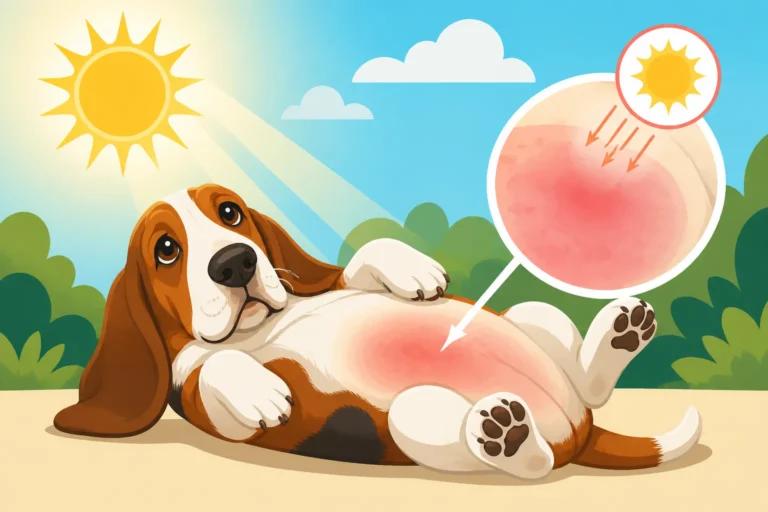
While a wet chest might seem like a minor inconvenience, it can lead to bigger headaches if not properly addressed. Persistent dampness, especially if it's from muddy water or prolonged exposure to moisture, creates a prime environment for skin irritations. Think about how your own skin feels after being damp for too long – clammy, maybe a little itchy. Now imagine that for your dog, especially in areas where skin folds might trap moisture.
Beyond mere discomfort, a consistently wet chest can predispose your Basset to more serious issues. Skin infections, often bacterial or fungal (like yeast), thrive in warm, moist conditions. These can manifest as redness, itching, a foul odor, or even hair loss in the affected areas. Chilling is another concern, especially in cooler weather, as a wet coat can rapidly draw heat away from their body, making them uncomfortable or even susceptible to colds. Plus, all that mud and debris they collect can get tangled in their fur, leading to matting and making subsequent cleaning even more difficult. It's one of the reasons that skin issues are unfortunately high on the list of What Basset Hounds Are Most Often Treated For.
Practical Strategies for Managing Wetness
Dealing with a perennially damp Basset Hound requires a proactive approach and a few clever tricks up your sleeve. It’s not about stopping them from enjoying their outdoor explorations – that would be cruel! – but about mitigating the after-effects and keeping them clean and comfortable.
Pre-Walk and Post-Walk Routines
Establishing a solid routine before and after walks can make a huge difference. Before you even head out, take a moment to assess the conditions. Is the grass still wet from morning dew or a recent rain? If so, consider delaying your walk until later in the day when the sun has had a chance to dry things out. If that's not possible, or if the lure of an outdoor adventure is too strong to resist (and when is it not, for a Basset?), then prepare for the inevitable dampness.
Upon returning home, don't let your Basset wander off to shake and spread the dampness and dirt everywhere. Make a designated "decontamination zone" by the door. This is where you’ll perform your drying ritual. Have a stack of highly absorbent towels ready. Microfiber towels designed for pets are fantastic because they wick away moisture much more effectively than standard cotton towels. Some owners even use dog robes, which are essentially super-absorbent coats that your Basset can wear for a bit to soak up excess water. This immediate attention prevents mildew smells, skin issues, and keeps your home cleaner. It’s all part of the daily routine outlined in What a Basset Hound Needs Every Day.
Protective Gear and Clothing Options
For those times when avoiding wet conditions is impossible or you want an extra layer of protection, protective gear can be a game-changer. While a full dog rain suit might feel like overkill for some, specialized dog coats or vests can offer significant coverage for your Basset's chest and belly. Look for designs that are specifically cut to protect the underside, often extending further down than a typical jacket. Many brands, easily found on sites like Chewy or Amazon, offer waterproof or water-resistant options.
However, finding the right fit for a Basset Hound can be a bit of a quest. Their unique proportions – long body, deep chest, short legs – mean that many standard dog coats might gape at the chest, restrict movement, or simply not cover enough of their vulnerable underside. You might need to try a few different styles or brands to find one that fits snugly without chafing. Some owners even opt for simple waterproof belly bibs or "snoods" that specifically shield the chest and belly. The key is to introduce any new clothing slowly and positively, making it a comfortable and even enjoyable part of their routine. This can be especially helpful in winter, connecting to Whether a Basset Hound Needs a Coat in Winter and Whether a Basset Hound's Chest Drags in Snow.
Here's a quick comparison of popular options:
| Option | Pros | Cons | Best For |
|---|---|---|---|
| Absorbent Towels | Inexpensive, quick, always useful | Requires manual effort, less effective for heavy mud | Everyday dampness, light rain, dewy grass |
| Dog Robes | Hands-free drying, good absorbency | Can be bulky, some Bassets dislike wearing them | Post-bath, moderate wetness, preventing shaking |
| Waterproof Coats | Excellent protection from rain/snow | Fit can be challenging for Bassets, may restrict movement | Heavy rain, snow, prolonged outdoor exposure |
| Belly Bibs/Snoods | Targeted protection for chest/belly | May not protect back/legs, can shift during activity | Muddy trails, dewy fields, light wetness |
Maintaining Skin Health in Damp Areas
The constant dampness on a Basset Hound's chest isn't just about looking messy; it's a significant factor in their skin health. Their abundant, loose skin, combined with areas of moisture, can create a breeding ground for problems that need diligent attention to prevent.
Preventing Skin Irritations and Infections
One of the biggest battles Basset Hound owners face is preventing skin irritations and infections, particularly in their deepest folds and on their damp chest. Prolonged moisture, especially when coupled with dirt, pollen, or other environmental irritants, can lead to a condition called pyoderma (bacterial skin infection) or yeast infections. These often start subtly with a bit of redness or itchiness, but can quickly escalate into painful, odorous, and widespread issues. You might notice your Basset licking or chewing at their chest area more than usual, which is a classic sign they're uncomfortable.
The best defense is a good offense: keep them dry and clean. After every exposure to wetness, meticulously dry their chest and belly. Don't just towel off the surface; gently part the fur and ensure the skin underneath is completely dry. Pay special attention to the deep skin folds around their neck and between their front legs, as these are natural moisture traps. Regularly inspect these areas for any signs of redness, rash, bumps, or an unusual smell. An early intervention can save you and your Basset a lot of discomfort and vet visits. This ties into the general need for Whether a Basset Hound's Skin Folds Need Cleaning.
Grooming and Hygiene Practices
Beyond drying, a consistent grooming and hygiene routine is crucial. For mild dampness, a quick wipe-down with a pet-safe, hypoallergenic wet wipe can help cleanse the skin without needing a full bath. Always follow up with thorough drying. If your Basset's chest has gotten particularly muddy or dirty, a localized wash might be necessary. You don't necessarily need to give them a full bath every time, which can strip natural oils from their skin and exacerbate issues. Instead, focus on spot cleaning the affected areas with a gentle, moisturizing dog shampoo, then rinse thoroughly and dry completely.
Some Basset Hounds, especially those prone to skin issues, might benefit from a medicated shampoo recommended by your vet, used on an as-needed basis. These can help control bacterial or yeast overgrowth. Regular, gentle brushing of the chest area also helps to remove loose fur and debris, promoting air circulation and allowing you to inspect the skin more closely. Remember, consistency is key; a few minutes of care after each wet outdoor adventure can prevent weeks of treatment for a skin infection. For more on general bathing, check out How Often a Basset Hound Should Be Bathed.
Impact on Outdoor Activities and Seasonal Considerations
Understanding how the seasons and different terrains affect your Basset Hound's propensity for a wet chest is essential for planning their outdoor adventures. It’s not just a summer problem; it’s a year-round reality that needs attention.
Navigating Different Seasons and Terrains
Each season brings its own unique challenges for a low-slung breed like the Basset Hound. In spring and summer, morning dew on the grass is a prime culprit for a soggy underside. Even a short walk through a lawn before the sun fully evaporates the moisture can leave them soaking. Sprinklers, shallow streams, and puddles left over from summer showers are also irresistible magnets for a Basset's low-rider status. These are the times when you might try to time your walks for later in the day, or stick to paved paths if you want to avoid a wet cleanup.
Autumn introduces a different kind of wetness: fallen leaves that are damp and decomposing, creating slippery and often muddy pathways. The ground becomes generally wetter, and those delightful sniffs into leaf piles will invariably lead to a damp, possibly muddy, chest. Then comes winter, which often brings the most significant challenges. Snow, especially wet, slushy snow, clings to their fur and melts against their body, soaking their chest and belly. Ice melt and road salt can also irritate sensitive skin, so thorough rinsing and drying become even more important. It really drives home the point of Whether a Basset Hound's Chest Drags in Snow.
Ensuring Comfort and Safety
Beyond the immediate mess, keeping your Basset Hound comfortable and safe in various wet conditions is paramount. In colder months, a wet chest can lead to rapid heat loss. A good, waterproof coat that covers their chest and belly, as discussed earlier, isn't just about cleanliness; it's about warmth. Even if they're not shivering, prolonged dampness can make them feel miserable and increase the risk of them catching a chill.
During winter, watch out for ice balls forming in the fur on their legs and belly. These can be painful and can cause skin irritation. After a snowy walk, gently melt these with lukewarm water (never hot!) and then thoroughly dry the area. In warmer, wet conditions, ensure they don't develop "hot spots" – inflamed, painful skin lesions that can quickly appear when skin stays damp and irritated. Always make sure their bedding is dry and clean, and if they've been particularly wet, a few extra minutes with a hair dryer on a low, cool setting (held far from the skin) can ensure every nook and cranny is dry. This diligence helps to ensure they are always ready for their next adventure, whether that's trailing a scent or simply enjoying the great outdoors. And speaking of outdoors, you might even find their long ears drag in mud, a separate but related concern discussed in Whether a Basset Hound's Ears Drag in Mud.
Disclaimer
This article is for general informational purposes only and does not constitute professional advice. Laws, prices and regulations vary by location and change over time. Consult a qualified professional for guidance on your specific situation.