What Basset Hounds Are Most Often Treated For
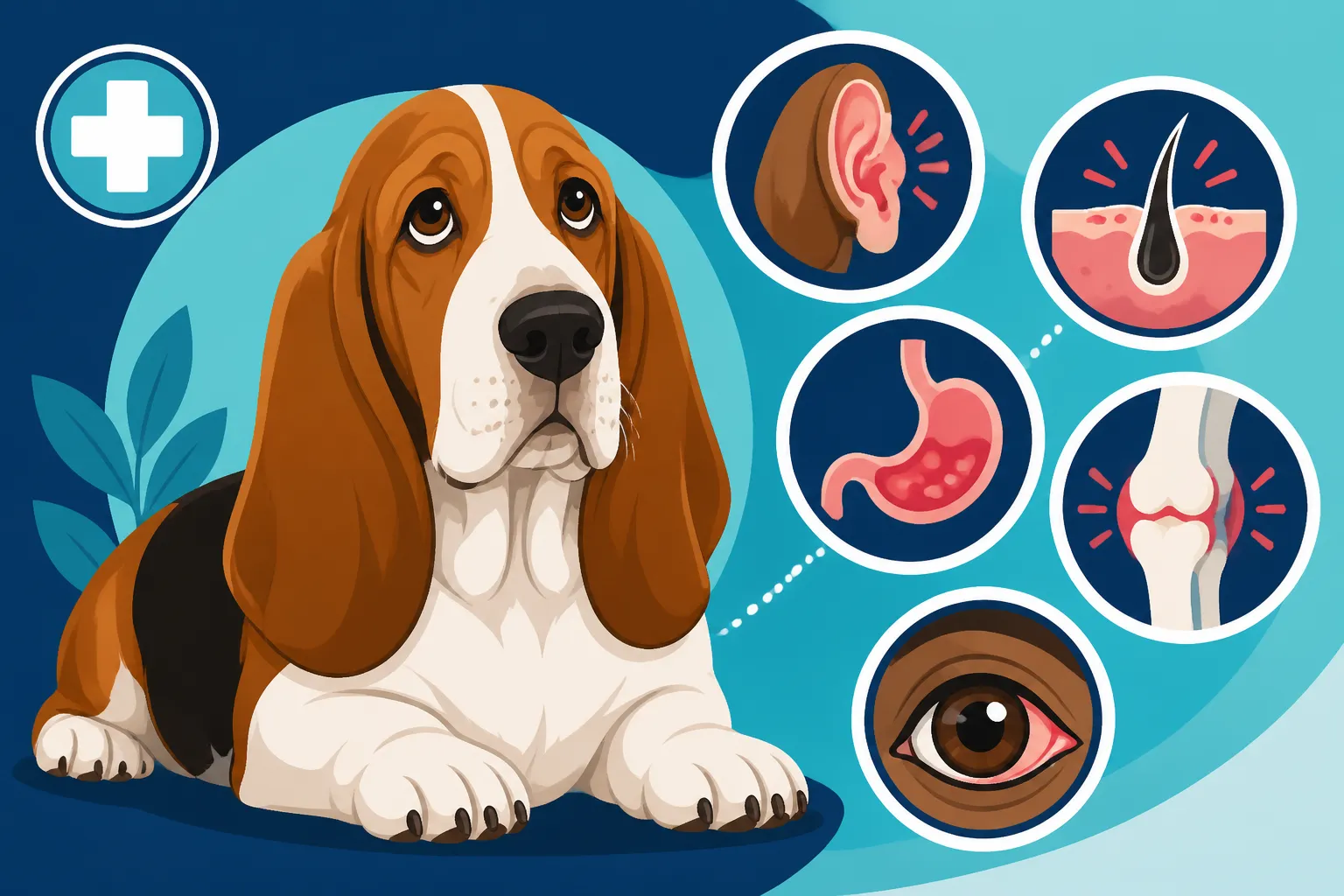
If you're a Basset Hound parent, you know the absolute joy these floppy-eared, soulful-eyed companions bring. But let's be real, their unique charm often comes with a laundry list of potential health challenges. It's not uncommon to feel like you're constantly at the vet, navigating a new bump, lick, or limp. This guide is here to shed light on what Basset Hounds are most often treated for, giving you the heads-up you need to keep your beloved hound happy and as healthy as possible.
The Ubiquitous Ear Infections
Ah, the Basset Hound ears. They're undeniably adorable, magnificent even, sweeping the floor and gathering all sorts of interesting scents. But they are also, without a doubt, the number one reason many Basset owners become intimately familiar with their vet's office. If you own a Basset, you're almost certainly on a first-name basis with ear drops and cleaners.
Why Basset Hounds Are Prone to Ear Troubles
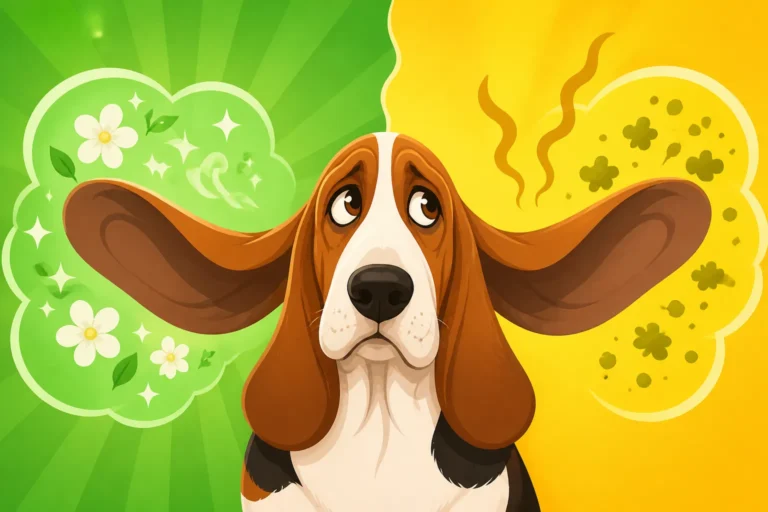
The anatomy of a Basset Hound's ear is a perfect storm for trouble. Their long, pendulous ear flaps, which can genuinely reach incredible lengths, effectively seal off the ear canal. This creates a warm, moist, and poorly ventilated environment – exactly what yeast and bacteria absolutely adore. Unlike breeds with upright ears where air can circulate freely, a Basset's ears trap everything in. Think about it: every time they sniff the ground, those ears are dragging through dust, dirt, pollen, and anything else that might contain potential irritants or pathogens. It's like a damp, dark cave down there, just waiting for an infection to set in. This unique structure makes them inherently more susceptible to developing nasty infections compared to many other breeds.
Furthermore, the ear canal itself is often narrower and can have more twists and turns than in other dogs, making it harder for natural debris to escape and for treatments to penetrate effectively. Their skin, generally speaking, tends to be a bit oilier, which can contribute to wax buildup and create an even more hospitable environment for microbial growth. It's a frustrating reality that what makes them so distinctively Basset is also their Achilles' heel when it comes to ear health.
Recognizing the Signs and Seeking Treatment
Spotting an ear infection early is key to preventing it from becoming a full-blown crisis. You might notice your Basset shaking its head constantly, often with a vigorous flopping motion that can actually cause further injury, like aural hematomas (blood blisters on the ear flap). Excessive scratching at the ears or rubbing them along furniture or the floor is another classic sign. If you get a whiff of a sweet, yeasty smell or a truly foul, pungent odor coming from their ears, that's a red flag. Visually, you might see redness, swelling, or discharge that can range from waxy brown to yellow or even greenish. They might also yelp or pull away when you try to touch their ears, indicating pain.
When you notice these signs, a vet visit is imperative. Your vet will typically perform an otoscopic exam to look deep into the ear canal, often followed by taking a swab of the discharge for cytology. This microscopic examination helps determine whether yeast, bacteria, or both are present, and sometimes even identifies specific types of bacteria. Based on these findings, a tailored treatment plan will be prescribed. This often includes specific ear cleaners to break down wax and debris, followed by topical ear drops containing antibiotics, antifungals, or anti-inflammatories. In more severe or widespread cases, oral antibiotics or antifungals may be necessary. For many Bassets, early and consistent treatment can clear up an acute infection, but the underlying predisposition remains.
Managing Chronic Ear Disease
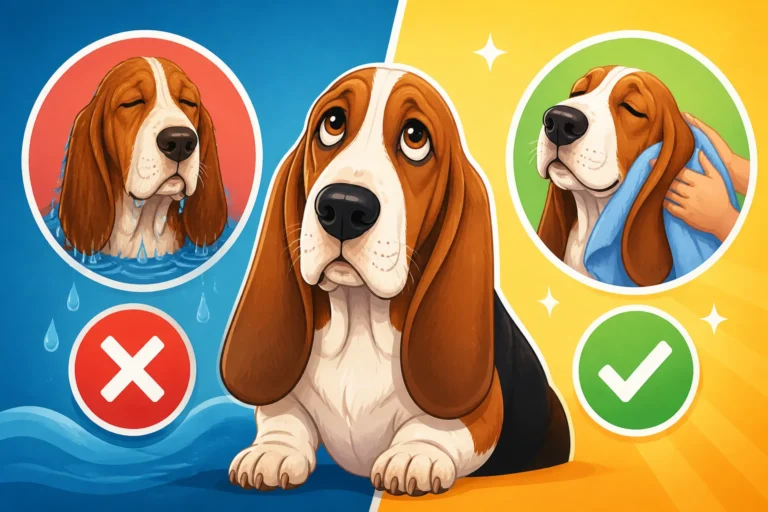
The sad truth for many Basset Hounds is that ear infections aren't a one-and-done deal; they're often a recurring battle. You can read more about The Ear Infections That Never Really Leave a Basset Hound to understand the long-term commitment. Many Basset owners find themselves establishing a regular "ear ritual" to keep infections at bay. This usually involves cleaning their ears at least once or twice a week with a vet-recommended ear cleaner to remove wax, debris, and create a less friendly environment for microbes. Consistency is paramount, and it quickly becomes clear How Often a Basset Hound's Ears Must Be Cleaned.
Despite diligent home care, some Bassets develop chronic, severe ear infections that can lead to significant pain, hearing loss, and changes in the ear canal structure, sometimes even causing the canal to narrow or close up. In these cases, your vet might suggest advanced diagnostics like ear cultures to identify antibiotic-resistant bacteria or even recommend surgery. A Total Ear Canal Ablation (TECA) is a last-resort procedure where the ear canal is surgically removed. While drastic, it can offer a complete cure for relentless pain and infection, giving the dog a much better quality of life. Such extensive procedures are incredibly costly, highlighting the value of pet insurance from providers like Healthy Paws, which can significantly ease the financial burden of managing these chronic conditions. For some Bassets, the reality is that they may need Whether a Basset Hound Needs Ear Drops for Life to manage ongoing inflammation or low-grade infections.
Joint and Skeletal Issues: The Price of Their Unique Build
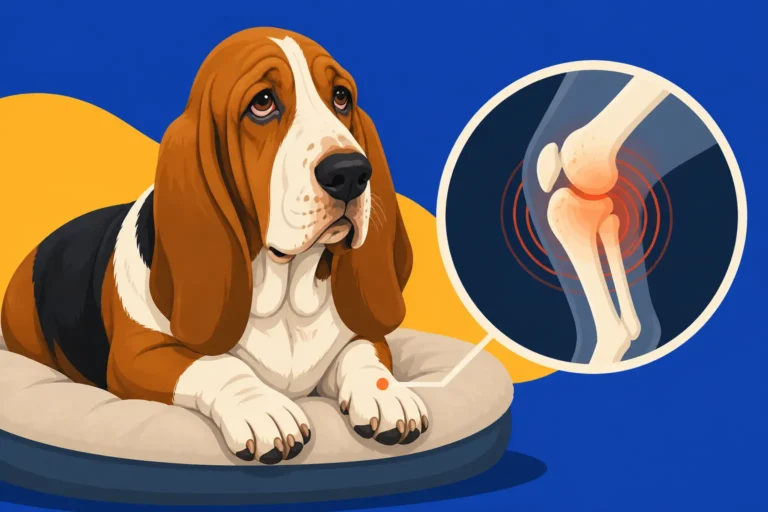
The Basset Hound's iconic low-slung, long-bodied physique is charming, but it's also a design that unfortunately predisposes them to a range of joint and spinal problems. Their unique structure, a form of dwarfism known as chondrodystrophy, means their bones and cartilage develop differently, making them prone to certain orthopedic issues.
Understanding Intervertebral Disc Disease (IVDD)
Intervertebral Disc Disease (IVDD) is arguably one of the most serious and common skeletal problems Basset Hounds face due to their elongated backs and short legs. Think of their spine as a series of bony vertebrae separated by soft, jelly-filled discs that act as shock absorbers. In chondrodystrophic breeds like Bassets, these discs are prone to premature degeneration, hardening, and bulging or rupturing. When a disc ruptures, it can press on the spinal cord, causing immense pain, nerve damage, and in severe cases, partial or complete paralysis.
The symptoms of IVDD can range from mild back pain and stiffness, reluctance to jump or use stairs, and an altered gait, to sudden and severe weakness or paralysis in the hind legs. A Basset might yelp in pain when touched, or exhibit a hunched posture. Simple activities like jumping off the couch can trigger a disc event, which is why owners are often advised to prevent their Basset from making these kinds of impacts. You might wonder Whether a Basset Hound Should Jump Off Furniture, and the answer is a resounding no, or at least not without assistance like a ramp. Treatment varies depending on severity, from strict crate rest and pain medication for mild cases to emergency surgery to decompress the spinal cord for more serious incidents. Recovery can be long and challenging, often involving physical therapy.
Hip and Elbow Dysplasia
While often associated with larger breeds, hip and elbow dysplasia are unfortunately also common in Basset Hounds. These are inherited conditions where the joints don't develop properly, leading to looseness, instability, and eventually, painful arthritis. Hip dysplasia occurs when the ball and socket of the hip joint don't fit together snugly, causing friction and wear. Elbow dysplasia is a more complex condition involving several developmental abnormalities within the elbow joint.
Symptoms can include lameness, stiffness, reluctance to exercise, difficulty rising, and a noticeable change in gait. A Basset with hip dysplasia might bunny-hop or refuse to use stairs, while elbow dysplasia might manifest as a persistent front leg limp. Diagnosis typically involves physical examination and X-rays of the affected joints. While not all dysplastic dogs show severe symptoms, the abnormal joint mechanics invariably lead to osteoarthritis over time. Managing these conditions involves a combination of pain relief, anti-inflammatory medications, joint supplements, controlled exercise, and maintaining a healthy weight. In some cases, surgical intervention may be recommended, especially for elbow dysplasia. For more information, you can delve into Why One Basset Hound in Seven Has Bad Elbows. Ethical breeders will screen their breeding stock for these conditions, as they are largely genetic.
Arthritis and Mobility Challenges in Aging Bassets
Even without a diagnosis of dysplasia or IVDD earlier in life, the very structure of a Basset Hound – their heavy bones, long back, and short limbs – means they are highly susceptible to developing arthritis as they age. The constant gravitational pull on their joints, especially their knees, hips, and spine, takes its toll. It's a natural wear-and-tear process, but for a Basset, it often starts earlier and can be more debilitating.
The signs of arthritis are often subtle at first: a slight stiffness after resting, a bit slower on walks, less enthusiastic about playtime. As it progresses, you might notice difficulty getting up or lying down, reluctance to jump or climb, a noticeable limp, or even changes in behavior due to chronic pain. Managing arthritis is crucial for maintaining your Basset's quality of life. This often involves a multi-modal approach: anti-inflammatory drugs (NSAIDs) prescribed by your vet, joint supplements containing glucosamine and chondroitin, regular low-impact exercise (like gentle walks), and physical therapy. Weight management is hugely important, as What Extra Weight Does to a Basset Hound is to put immense additional strain on already compromised joints. Modifications around the home, such as using ramps instead of stairs and providing orthopedic beds, can make a world of difference in keeping an older, arthritic Basset comfortable and mobile.
Skin Woes: More Than Just Loose Wrinkles
The Basset Hound's loose, pendulous skin and adorable facial folds are another hallmark of the breed, contributing to their unique and beloved appearance. However, much like their ears, these characteristics come with their own set of potential health problems, making skin conditions another frequent reason for vet visits.
Skin Fold Dermatitis and Pyoderma
Those charming wrinkles and folds, particularly around the face, neck, lips, and sometimes even a tail pocket, are perfect breeding grounds for skin fold dermatitis. This condition occurs because moisture, dirt, food particles, and natural oils get trapped deep within these folds, leading to a warm, humid environment with limited airflow. This creates an ideal breeding ground for bacteria and yeast, resulting in inflammation and infection, also known as pyoderma.
Symptoms include redness, irritation, a foul odor, and sometimes a greasy or pus-like discharge emanating from the folds. Your Basset might lick or rub the affected areas excessively. If left untreated, the inflammation can become chronic and quite painful. The key to prevention and treatment is diligent cleaning. You need to routinely clean and dry these areas, sometimes daily, using gentle, pet-safe wipes or a mild antiseptic solution. For detailed guidance, learn about Cleaning the Folds a Basset Hound's Face Is Made Of. In cases of active infection, your vet may prescribe topical medicated ointments, wipes, or even oral antibiotics or antifungals. Consistent maintenance is a lifelong commitment to prevent recurrence.
Allergies and Related Skin Conditions
Basset Hounds are, unfortunately, prone to allergies, much like many other breeds. These can manifest as environmental allergies (atopy), food allergies, or even flea allergies. The immune system overreacts to otherwise harmless substances, leading to intense itching and inflammation, often affecting the skin, ears, and paws.
Symptoms typically include excessive scratching, licking, and chewing, particularly of the paws, flanks, and groin. This constant irritation can lead to secondary bacterial or yeast infections, hot spots, and even hair loss and thickened, discolored skin. It's common for allergic Bassets to also have recurrent ear infections, as the ears are often part of the generalized allergic response. Diagnosing allergies can be a process of elimination, involving food trials (to rule out food allergies) and potentially allergy testing (blood tests or intradermal skin tests) to identify environmental allergens. Treating allergies is a long-term management plan that might include antihistamines, corticosteroids (for acute flare-ups), Apoquel, Cytopoint injections, medicated shampoos, and careful environmental control to minimize exposure to identified allergens. Dive deeper into this topic by exploring Whether a Basset Hound Gets Allergies.
Managing Yeast and Bacterial Overgrowth
When a Basset Hound's skin barrier is compromised due to allergies or constant moisture in skin folds, it creates an opportunity for opportunistic yeast (like Malassezia) and bacteria (like Staphylococcus) to overgrow. These secondary infections are incredibly common and often compound the discomfort of the primary skin issue. It's a frustrating cycle for owners and Bassets alike.
Your vet will typically take samples from the affected skin for cytology to confirm the presence and type of yeast or bacteria. If the infection is persistent or severe, a culture and sensitivity test might be performed to determine the most effective antibiotic or antifungal medication. Treatment often involves a combination of oral medications and topical therapies, such as medicated shampoos, sprays, or wipes. For instance, shampoos with chlorhexidine or miconazole are often prescribed. It’s important to stick to the full course of treatment, even if the skin appears to improve quickly, to ensure the infection is fully resolved and to prevent resistance. Long-term management of underlying allergies or careful fold cleaning is essential to prevent these secondary infections from returning.
Eye Issues: Beyond the Droopy Expression
Those sad, soulful eyes of a Basset Hound are one of their most endearing features, but they, too, are a source of frequent health concerns. Their loose facial skin and unique eye structure can predispose them to several ocular conditions that require veterinary attention.
Ectropion and Entropion
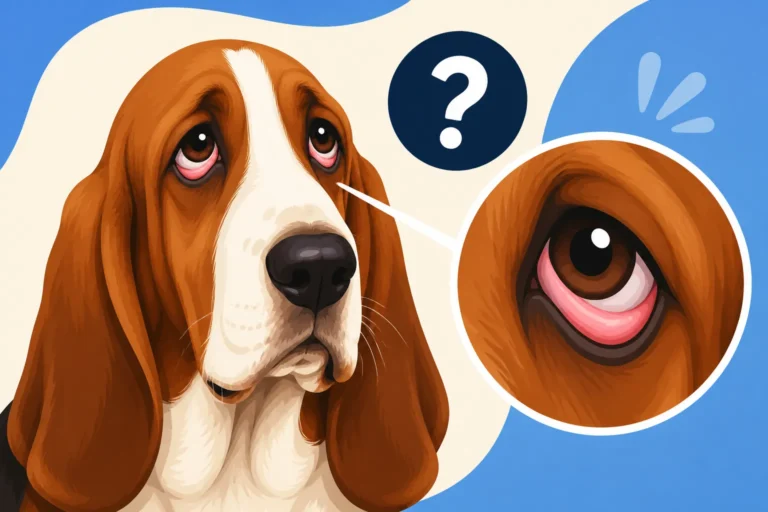
The iconic droopy appearance of a Basset Hound's lower eyelids is often due to a condition called ectropion, where the eyelids roll outward, exposing the delicate conjunctival tissue. While a mild degree of ectropion is considered characteristic of the breed, more severe cases can lead to chronic irritation, redness, dryness, and susceptibility to foreign bodies (like dust or debris) entering the eye. The exposed tissue can become inflamed and even develop infections.
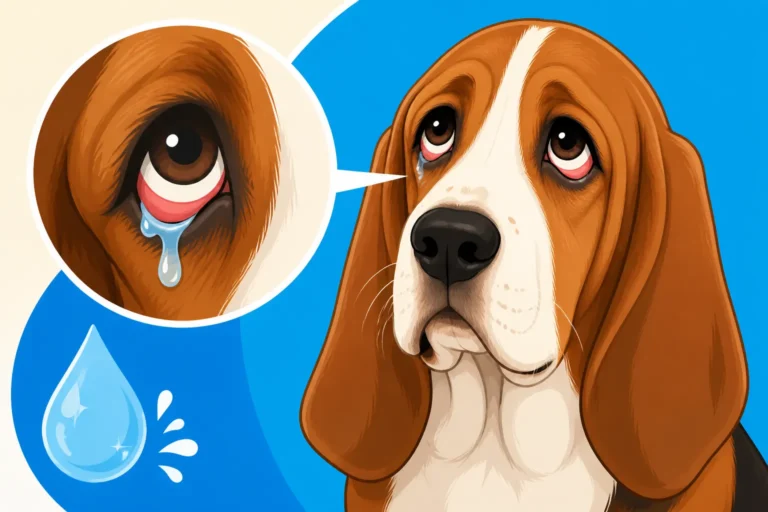
Conversely, some Bassets can suffer from entropion, where the eyelids roll inward, causing the eyelashes and fur to rub against the cornea. This is incredibly irritating and painful, leading to excessive tearing, squinting, and potentially corneal ulcers and vision impairment. Both conditions often stem from the excessive loose skin around their eyes. While mild cases might be managed with lubricating eye drops, more significant ectropion or entropion usually requires surgical correction to reposition the eyelids and prevent chronic damage to the eye. Understanding Whether a Basset Hound's Droopy Eyelids Cause Trouble is key, as ongoing irritation should never be ignored.
Glaucoma: A Painful Genetic Predisposition
One of the most serious and painful eye conditions Basset Hounds are predisposed to is primary open-angle glaucoma. Unlike secondary glaucoma, which develops as a result of another eye condition, primary glaucoma in Bassets is inherited and occurs due to a defect in how fluid drains from the eye, leading to a dangerous buildup of intraocular pressure. This increased pressure damages the optic nerve and retina, eventually leading to irreversible blindness and intense pain.
The onset can be sudden and alarming. You might notice one or both of your Basset's eyes becoming red, cloudy, painful (they might squint or rub at the eye), and the pupil may appear dilated and unresponsive to light. This is an absolute veterinary emergency. Time is critical to preserve vision and alleviate pain. Treatment often involves a combination of eye drops to reduce pressure, and sometimes oral medications. However, medical management is often just a temporary measure. Surgical options, such as laser cyclophotocoagulation or even removal of the eye (enucleation) in cases of intractable pain or complete blindness, may be necessary. Given the urgent and expensive nature of glaucoma treatment, especially the need for specialized veterinary ophthalmologists, having pet insurance like Healthy Paws can provide crucial financial support. It’s vital for Basset owners to be aware of The Glaucoma a Basset Hound Inherits and to monitor their dog's eyes closely.
Cherry Eye and Other Ocular Conditions
Beyond ectropion, entropion, and glaucoma, Basset Hounds can also be prone to other eye issues. One common, though less severe, condition is "cherry eye." This occurs when the gland of the third eyelid, located in the inner corner of the eye, prolapses or pops out, appearing as a red, swollen mass – much like a cherry. While it looks alarming, it's generally not painful initially, but the exposed gland can become inflamed and dry. Surgical correction, typically a tucking procedure to reposition the gland, is usually recommended to prevent complications like dry eye.
Another condition sometimes seen is KCS (Keratoconjunctivitis Sicca), more commonly known as dry eye. This is when the eyes don't produce enough tears, leading to dryness, irritation, and often a thick, mucoid discharge. Dry eye can be hereditary or a consequence of other issues. It requires lifelong management with daily lubricating eye drops or tear stimulants to maintain comfort and protect the cornea. Regular veterinary check-ups that include an eye exam are important for early detection of these and other potential ocular problems.
Weight Management and Metabolic Health
Let's be honest, Basset Hounds have a reputation. They love to eat, and they're not exactly known for their Olympic athleticism. This combination often leads to one of the most common, yet overlooked, health issues treated in Bassets: obesity and its associated metabolic challenges.
The Basset Hound's Propensity for Weight Gain
If your Basset Hound seems to always be hungry, you're not imagining it. Bassets are famously food-motivated and possess an almost uncanny ability to convince you they haven't eaten in days, even moments after a meal. Part of this comes from their history as scent hounds – they're hardwired to follow their nose to a food source. But it's also down to their genetics and physiology. Compared to more active breeds, Basset Hounds generally have a lower metabolic rate. They're built for endurance trailing, not speed or high-intensity exercise, which means they don't burn calories as quickly.
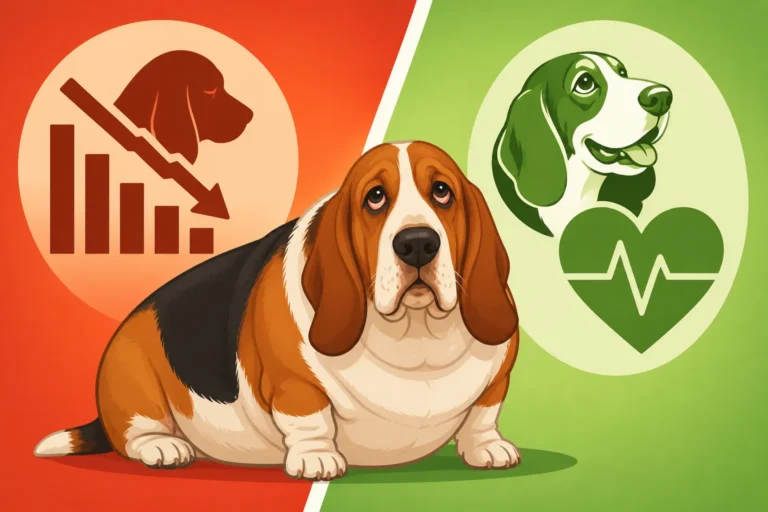
This combination of an insatiable appetite and a naturally lower calorie requirement makes them incredibly prone to packing on the pounds. And What Extra Weight Does to a Basset Hound cannot be overstated. Excess weight puts immense strain on their already compromised joints and long spines, exacerbating conditions like arthritis, hip and elbow dysplasia, and IVDD. It also increases their risk for other serious health problems, including heart disease, diabetes, certain cancers, and reduced heat tolerance. Keeping a Basset at a healthy weight is perhaps one of the most impactful things an owner can do for their long-term health and mobility.
Strategies for Healthy Weight Management
Successfully managing a Basset Hound's weight requires a consistent and disciplined approach, which can sometimes feel like a full-time job with their puppy-dog eyes staring at you. The first step is to accurately determine your Basset's ideal weight with your veterinarian's help and understand their daily caloric needs. Most Bassets need less food than you might think.
Here are some practical strategies:
- Precise Portion Control: Ditch the "eyeballing" method. Measure out your Basset's food precisely according to your vet's recommendation. Divide their daily allowance into two smaller meals to help them feel fuller for longer.
- High-Quality, Low-Calorie Food: Choose a reputable dog food formulated for weight management or lower activity levels. Your vet might recommend a prescription diet if your Basset needs to lose a significant amount of weight.
- Avoid Free-Feeding: Leaving food out all day allows them to graze and overeat. Stick to scheduled meal times.
- Healthy Treats: Swap high-calorie treats for low-calorie alternatives like baby carrots, green beans, or small pieces of apple (avoiding seeds). Remember to factor treats into their daily caloric intake.
- Controlled Exercise: While Bassets aren't marathon runners, they still need regular, moderate exercise. Daily walks, sniffing expeditions, and gentle playtime are crucial. Aim for 30-60 minutes of low-impact activity each day, adjusting for age and mobility.
- Puzzle Feeders: These can slow down their eating and provide mental stimulation, making mealtime last longer and feel more satisfying.
It’s often a slow process, but incremental changes can lead to significant health improvements. Regular weigh-ins at home and at vet visits help track progress and make adjustments as needed.
Associated Metabolic Conditions
Obesity isn't just a stand-alone issue; it's a gateway to other serious metabolic conditions that Basset Hounds can be treated for. Two notable examples are diabetes and hypothyroidism.
Diabetes Mellitus: Just like in humans, obesity in dogs can increase the risk of insulin resistance, a precursor to type 2 diabetes. While dogs typically develop a form of diabetes more akin to human type 1 (where the pancreas doesn't produce enough insulin), excess weight can certainly complicate management and contribute to the disease's progression. Diabetic Bassets require daily insulin injections, careful diet management, and regular monitoring of blood glucose levels.
Hypothyroidism: Basset Hounds are also predisposed to hypothyroidism, a condition where the thyroid gland doesn't produce enough thyroid hormone. This hormone regulates metabolism, so a deficiency can lead to weight gain (even on a controlled diet), lethargy, hair loss, and dull coat. Hypothyroidism is diagnosed with a blood test and is typically managed with lifelong daily thyroid hormone replacement medication, which is generally inexpensive and very effective at resolving symptoms. If your Basset is struggling with weight despite your best efforts, or seems unusually tired, it's worth discussing thyroid testing with your vet.
Common Basset Hound Health Issues & Management
| Condition | Common Signs | Typical Treatments | Prevention & Management |
|---|---|---|---|
| Ear Infections | Head shaking, scratching, odor, discharge, pain | Ear cleaners, topical antibiotics/antifungals, oral medications, (TECA surgery for severe cases) | Regular ear cleaning, keeping ears dry, vet check-ups |
| IVDD | Back pain, stiffness, reluctance to move/jump, weakness/paralysis | Strict rest, pain meds, anti-inflammatories, physical therapy, (surgery for severe cases) | Avoid jumping/stairs, use ramps, maintain healthy weight |
| Hip/Elbow Dysplasia | Lameness, stiffness, reluctance to exercise | Pain management, anti-inflammatories, joint supplements, physical therapy, (surgery) | Responsible breeding, healthy weight, moderate exercise |
| Arthritis | Stiffness, limping, difficulty rising, reduced activity | NSAIDs, joint supplements, physical therapy, weight management | Healthy weight, orthopedic beds, ramps, consistent low-impact exercise |
| Skin Fold Dermatitis | Redness, odor, discharge in folds, licking | Topical antiseptic wipes/creams, oral antibiotics/antifungals | Daily cleaning & drying of folds |
| Allergies | Excessive itching/licking, paw chewing, recurrent ear infections | Antihistamines, steroids, Apoquel/Cytopoint, medicated shampoos, diet trials, allergy shots | Identify & avoid allergens, consistent grooming, vet-prescribed medications |
| Glaucoma | Red eye, cloudy eye, dilated pupil, pain, sudden blindness | Emergency eye drops, oral meds, (laser surgery, enucleation for severe cases) | Regular eye pressure checks, responsible breeding, immediate vet attention |
| Ectropion/Entropion | Chronic irritation, tearing, discharge, rubbing of lashes | Lubricating eye drops, (surgical correction for severe cases) | Routine eye checks, surgical intervention as needed |
| Obesity | Visible fat, inability to feel ribs, lethargy | Diet control, increased low-impact exercise, specialized weight-loss food | Measured meals, healthy treats, regular exercise, vet supervision |
| Hypothyroidism | Weight gain, lethargy, hair loss, dull coat | Lifelong thyroid hormone replacement medication | Routine vet check-ups with blood work (especially if symptomatic) |
Disclaimer
The information provided in this article is for general informational purposes only and is not a substitute for professional veterinary advice. Always consult with a qualified veterinarian regarding any medical concerns or before making any decisions about your Basset Hound's health or treatment plan.