Whether a Basset Hound’s Belly Gets Sunburned
It's a common misconception that our beloved Basset Hounds, with their ample skin folds and generally low-slung profiles, are somehow immune to the sun's harsh rays. Many of us worry about overheating, but often overlook the very real danger of sunburn, particularly on those delicate, less-furred areas like their bellies. This guide will walk you through why Basset Hounds are susceptible, how to spot a sunburn, and most importantly, how to keep your floppy-eared friend safe and comfortable all year round.
The Surprising Reality of Basset Hound Sunburn Risk
When you picture a Basset Hound, you probably imagine them lounging in a sunbeam, or perhaps ambling along with their nose to the ground, seemingly protected by their short, dense coat. But here's the thing: appearances can be deceiving, and even our most robust-looking hounds have vulnerabilities, especially when it comes to sun exposure. Their unique physiology, while charming, actually sets them up for a higher risk of sunburn than many owners realize.
Why Their Belly is Particularly Vulnerable
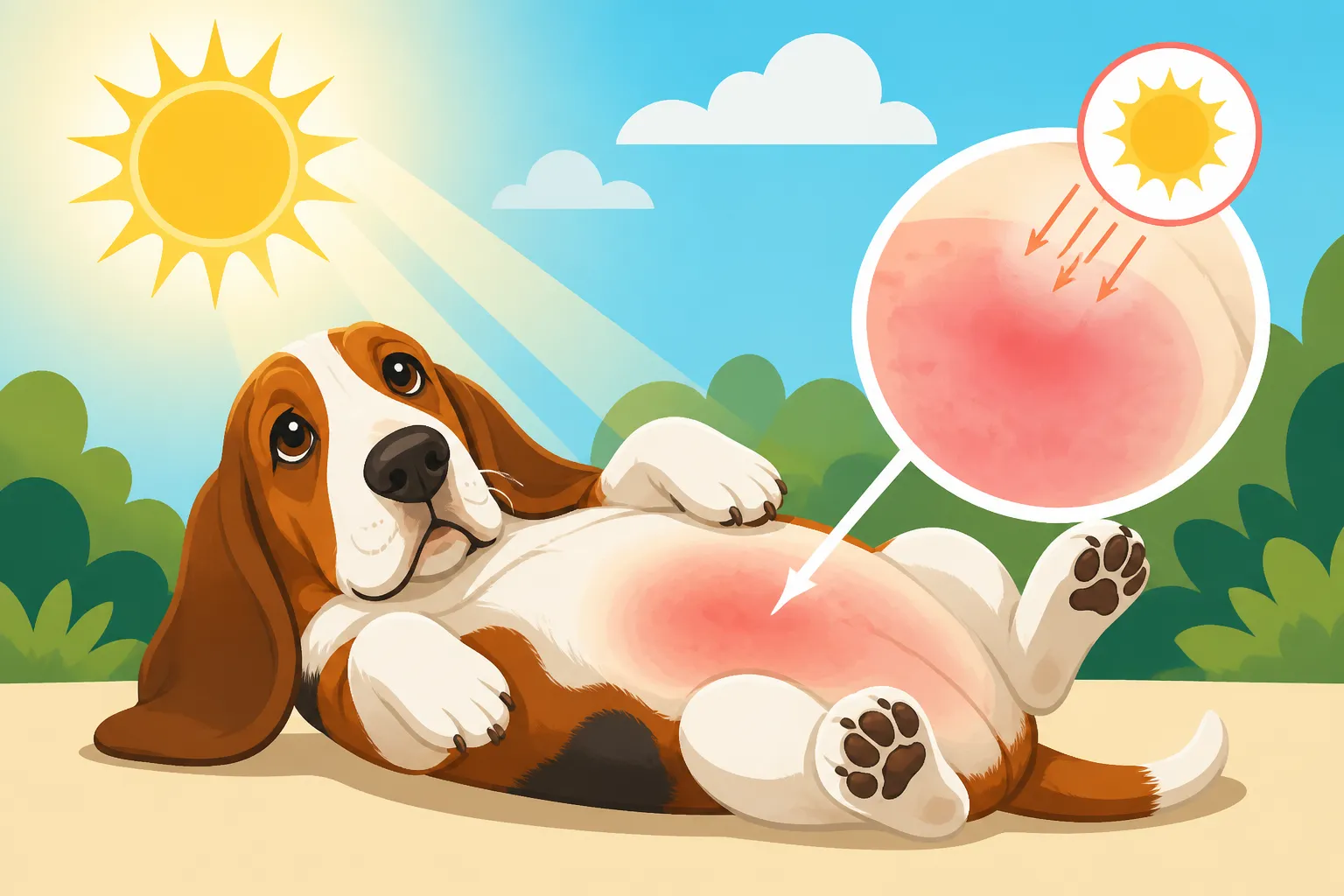
Think about how a Basset Hound typically relaxes. They love to stretch out, often on their backs or sides, exposing that soft, sparsely-furred belly to the world. Unlike breeds with thick double coats or darker pigmentation, many Basset Hounds have lighter fur and pink, sensitive skin on their undersides. This combination is a recipe for sunburn. It’s not just their bellies, either; thin patches of fur on their inner thighs, ear tips, and even the bridge of their nose can be susceptible. When they sprawl out on a patio or a sunny patch of grass, that delicate skin is getting a direct hit from UV radiation.
Consider a hypothetical scenario: you're enjoying a beautiful spring afternoon, and your Basset, Barnaby, is snoozing peacefully on his back in the yard. The sun feels lovely to you, and he looks utterly content. What you might not realize is that even a moderate amount of sun exposure can begin to damage his sensitive belly skin. This isn't just about intense summer heat; harmful UV rays are present even on cloudy days and during cooler months. Their low carriage means that when they walk through tall grass, their bellies are often brushing against elements that can cause irritation, but it also means direct sun exposure when they're simply lying down. It's a silent threat that many of us, myself included, have overlooked in the past.
Recognizing the Signs of Sunburn on a Basset Hound
Spotting sunburn on a Basset Hound can sometimes be tricky because their skin is naturally loose and often wrinkled. However, the signs are quite similar to what you'd see on human skin. The most obvious indicator is redness and inflammation on the affected areas. You might notice the skin feels warm to the touch and your Basset acts tender or uncomfortable when you try to pet or examine those spots. In more severe cases, you could see peeling, flaking, or even small blisters forming, which can be quite painful for your dog.
Beyond the visible signs, pay close attention to your Basset's behavior. A sunburned dog might lick or chew at the irritated area excessively, try to rub against furniture, or generally seem restless and unable to get comfortable. They might be reluctant to lie down in certain positions or even resist being picked up or touched if their belly is sore. Imagine how uncomfortable a bad sunburn feels for you; your Basset Hound experiences that same kind of itching, burning discomfort. If you suspect sunburn, a gentle examination of their belly, inner thighs, and even the edges of their ears is essential. Remember, The Skin Under a Basset Hound's Folds can also get irritated, but sunburn often presents as a more uniform redness on exposed, sparsely haired areas.
Proactive Steps to Protect Your Basset's Delicate Skin
Protecting your Basset Hound from sunburn isn't just about preventing immediate discomfort; it's about safeguarding their long-term health. Just like in humans, repeated sun exposure can increase the risk of more serious issues down the line, including certain types of skin cancer. Taking proactive measures can make a world of difference, allowing your Basset to enjoy the outdoors safely.
Timing Walks and Outdoor Play to Avoid Peak UV
One of the simplest yet most effective ways to protect your Basset Hound from sunburn is to adjust their outdoor schedule. The sun's UV rays are strongest between 10 AM and 4 PM. During these hours, it's best to keep outdoor activities to a minimum, especially if your Basset loves to sprawl out and sunbathe. Plan your walks and yard time for early mornings or late afternoons and evenings when the sun is lower in the sky and its rays are less intense.
For instance, if your daily routine involves a mid-day stroll, consider shifting it to before 9 AM or after 5 PM. Not only does this reduce the risk of sunburn, but it also helps prevent your Basset Hound from Whether a Basset Hound Overheats in Summer, a common concern with their short snouts and love of lounging. Even if the air temperature feels mild, UV levels can still be high. Always seek shade when you are outside, even during non-peak hours. If your Basset typically naps in a sunny spot on the patio, make sure you provide a shaded alternative, or bring them indoors during the hottest parts of the day.
Sunscreen Solutions Tailored for Canine Use
Yes, there's such a thing as dog-specific sunscreen, and it can be a real lifesaver for your Basset Hound's sensitive skin. It's crucial to understand that human sunscreens are NOT safe for dogs. Many contain ingredients like zinc oxide or para-aminobenzoic acid (PABA), which are toxic if ingested – and let's be honest, our Bassets are likely to try and lick anything we put on them! When choosing a sunscreen, look for products specifically formulated for pets. Brands you might find on retailers like Chewy or Amazon often offer these, sometimes touting ingredients like titanium dioxide as a safer mineral barrier.
Before applying any new product all over your Basset's belly, it’s a good idea to do a patch test on a small, inconspicuous area first, just to make sure they don't have an allergic reaction or sensitivity. Once you know it's safe, apply it liberally to their belly, inner thighs, ear tips, and any other sparsely furred areas that are exposed to the sun. Reapply as directed on the product, especially after swimming or if they've been lounging for a while. Getting your Basset used to this application from a young age can make it a smoother process as they grow.
Physical Barriers and Shade Strategies
Sometimes, sunscreen alone isn't enough, or perhaps your Basset is particularly resistant to having creams applied. That's where physical barriers and smart shade strategies come into play. A lightweight, UV-protective dog shirt or vest can be an excellent option for protecting their back and belly, especially for Bassets with very light or thin coats. These come in various sizes and styles and can be found readily on platforms like Amazon. Just ensure it's comfortable and doesn't restrict their movement or airflow.
Creating shaded areas in your yard is also paramount. This could be a large umbrella, a shade sail, or even a dog kennel with a solid roof. If your Basset loves to accompany you to outdoor events or the beach, bring a pop-up tent or a portable canopy so they always have a cool, dark retreat. Remember, even with shade, reflected UV light from surfaces like concrete or sand can still cause exposure, so combining physical barriers with sunscreen and timed outings offers the best protection for your Basset Hound. Whether a Basset Hound Needs a Coat in Winter is a different consideration entirely, but the principle of protecting their skin from the elements remains constant.
What to Do if Your Basset Hound Gets Sunburned
Despite our best efforts, sometimes sunburns happen. Maybe you misjudged the intensity of the sun, or your Basset found a sunny spot while you weren't looking. If you discover your Basset Hound has gotten a bit too much sun, don't panic. There are immediate steps you can take to alleviate their discomfort, and knowing when to seek professional help is crucial.
Immediate First Aid and Soothing Measures
If you notice redness or tenderness on your Basset's skin, the first thing to do is get them out of the sun immediately and into a cool, comfortable indoor space. For mild sunburns, cool compresses can provide instant relief. Gently apply a damp, cool cloth to the affected areas for 10-15 minutes at a time, several times a day. You can also use pet-safe aloe vera gel – ensure it's pure aloe, without any added alcohol, fragrances, or other chemicals that could be irritating or toxic if licked. Apply a thin layer to soothe the skin.
The biggest challenge with any topical treatment on a Basset Hound is preventing them from licking it off. This is where you might need to get creative. A soft Elizabethan collar (cone of shame) or a dog-specific recovery suit could be helpful to keep them from irritating the area further with licking or chewing. Make sure their resting area is soft and cool, as lying on hard, warm surfaces will only exacerbate the discomfort. Providing fresh, cool water can also help ensure they stay hydrated.
When to Consult Your Veterinarian for Sunburn
While mild sunburns can often be managed at home, there are times when a trip to the vet is absolutely necessary. If your Basset Hound's sunburn is severe – meaning there's blistering, oozing, deep redness, or signs of intense pain – it's time to call your vet. These types of burns can lead to secondary bacterial infections, which will require antibiotic treatment. Also, if your Basset is showing signs of heatstroke along with the sunburn (like excessive panting, lethargy, vomiting, or disorientation), consider it an emergency and seek veterinary care immediately.
Your vet can assess the severity of the burn, prescribe appropriate pain relief, and address any potential infections. They might recommend medicated creams, oral anti-inflammatory drugs, or antibiotics. In the long term, severe or repeated sunburns increase your Basset's risk of developing skin cancers, such as squamous cell carcinoma. This is why vigilance in prevention and prompt treatment are so important. Your vet can also advise you on preventative measures specific to your Basset's skin type and lifestyle. Any suspicious Lumps Worth Checking on a Basset Hound in areas previously sunburned should always be examined by a professional.
Preventing Future Incidents and Long-Term Care
After dealing with a sunburn, it's natural to want to ensure it never happens again. This means reassessing your prevention strategy. Was it the timing of your walks? Did your Basset find a sneaky sunbathing spot you hadn't anticipated? Could their sunscreen application have been more thorough, or maybe they just needed better physical protection? It's a learning curve for all of us, and adjusting your approach is key.
Make it a habit to perform regular skin checks on your Basset Hound, especially during warmer months. Gently part their fur on their belly, inner thighs, and ear tips to look for any redness, irritation, or suspicious spots. This ties in with general health checks, like feeling for their ribs to ensure How Much a Basset Hound Should Weigh, and ensuring their skin is healthy overall. A good quality diet, perhaps even one rich in Omega fatty acids, can also contribute to overall skin health and resilience, making their skin a little more robust against environmental stressors. By being proactive, consistent, and quick to address any issues, you can ensure your Basset enjoys a healthy, sun-safe life.
| Sunburn Risk Factor | Why Basset Hounds Are Vulnerable | Prevention Strategy | Key Product Examples |
|---|---|---|---|
| Thin Fur on Belly/Groin | Less natural protection | Pet-specific sunscreen application | Epi-Pet Sunscreen, similar brands on Chewy/Amazon |
| Lying on Back/Side | Direct UV exposure | Provide shaded areas; bring indoors during peak sun | Patio umbrella, pop-up shade tent, dog house |
| Light Skin Pigmentation | Higher sensitivity to UV | UV-protective clothing; careful timing of outdoor activity | Lightweight dog rash guard/shirt from Amazon |
| Outdoor Play/Lounging | Extended exposure | Schedule walks for early morning/late evening | – |
| Ear Tips/Nose Bridge | Exposed, sensitive areas | Targeted sunscreen application; wide-brimmed hats/snoods | Pet sunscreen, snoods for ear protection (less common for sun) |
Disclaimer
This article is for general informational purposes only and does not constitute professional advice. Laws, prices and regulations vary by location and change over time. Consult a qualified professional for guidance on your specific situation.