Whether a Basset Hound Needs a Sweater
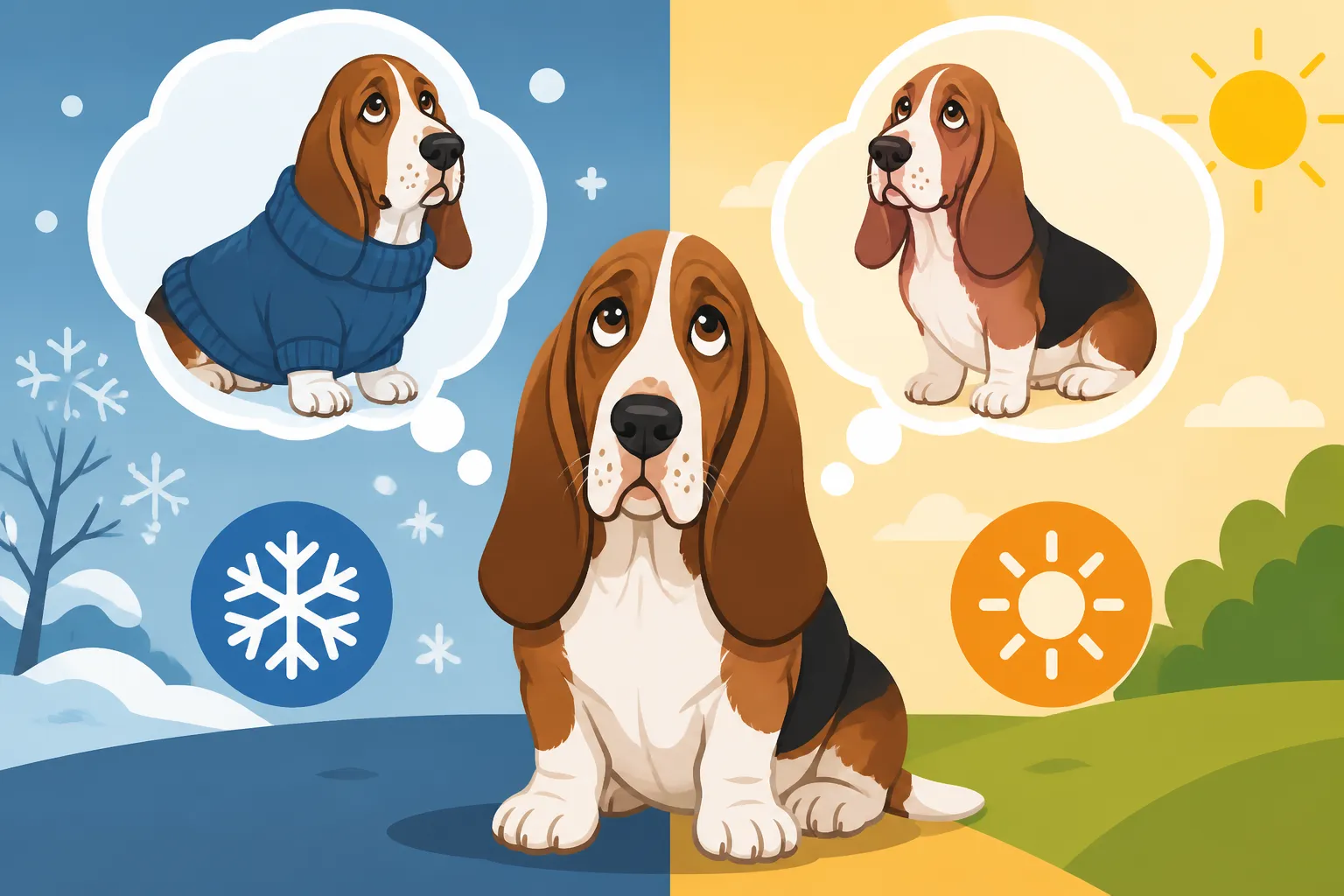
It’s a common sight: a Basset Hound owner bundled up in a thick coat, scarf, and gloves, while their low-slung companion is sporting… well, just their fur. This often leaves us wondering, "Is my Basset Hound truly comfortable out here in the chill, or are they putting on a brave face?" It's a valid concern, because while they might be tough little scent hounds, their unique build and coat certainly don't scream "Arctic explorer." This guide will help you decipher whether your beloved Basset needs a little extra help staying toasty when the temperatures drop, and how to pick the right gear if they do.
Understanding the Basset Hound's Natural Insulation (or Lack Thereof)
When we look at a Basset Hound, we see those magnificent long ears, those soulful eyes, and that distinctive low-to-the-ground frame. What we don't always consider is how well that particular package is designed to withstand the biting cold. The truth is, while they're hardy in spirit, their physical attributes can make them quite vulnerable to cold temperatures.
The Short, Smooth Coat
Unlike some of their more northern canine cousins, Basset Hounds don't come equipped with a thick, insulating double coat. Think of breeds like a Siberian Husky or a Newfoundland, with their dense undercoats designed to trap warmth and repel snow. A Basset's coat is generally short, smooth, and relatively thin. It's fantastic for easy grooming and showcasing their beautiful colors, but not so great for keeping them warm when the mercury dips.
Imagine stepping outside in a light t-shirt on a chilly autumn day – that’s somewhat akin to how your Basset Hound might feel. Their single layer of fur offers some protection, of course, but it's not a barrier against persistent cold, wind, or moisture. It's enough to keep them comfortable indoors at typical room temperatures, or for a quick dash outside on a mild day, but once you introduce real winter elements, that natural protection quickly becomes insufficient. For more on their fur, you might find The Short Basset Hound Coat That Still Sheds Everywhere interesting.
That Low-Slung Body and Bare Belly
This is perhaps the most significant factor in a Basset Hound's vulnerability to cold. Their defining characteristic is their incredible length-to-height ratio, meaning their long, heavy body is carried on remarkably short legs. This gives them a low center of gravity, which is excellent for trailing scents with their nose close to the ground, but not so great when that ground is frozen solid or covered in snow.
Their entire chest and belly area are incredibly close to the ground. This means they are in direct contact with cold surfaces for extended periods during walks, even just stepping outside for a potty break. Furthermore, many Basset Hounds have relatively sparse fur on their bellies and inner thighs, making these areas particularly exposed. The cold from the ground acts as a constant drain on their body heat, and their short legs offer little clearance from chilly puddles, snow, or icy patches. It's like walking around barefoot on an ice rink – your core might be warm, but those exposed parts are going to get cold fast.
Metabolism and Body Fat: Not Always Enough
You might think, "My Basset Hound carries a bit of extra weight, surely that helps keep them warm?" And it's true that a healthy layer of fat can provide some insulation. However, relying on excess body fat for warmth isn't a healthy strategy. How Much a Basset Hound Should Weigh is important for their overall health, including joint support, and maintaining a healthy weight is paramount. Overweight Bassets face numerous health challenges, and the mild insulation provided by fat is no substitute for proper protection in cold weather.
Moreover, a dog's metabolism also plays a role. While Basset Hounds are not known for being exceptionally high-energy, their internal furnace works to maintain body temperature. In genuinely cold conditions, their body has to work harder to do this, burning more calories and potentially leading to discomfort or even hypothermia if they aren't adequately protected. While some individual Bassets might handle cold slightly better than others due to their unique physiology, it's generally safe to assume that their breed characteristics put them at a disadvantage when temperatures drop.
When a Sweater Becomes More Than a Fashion Statement
So, it's pretty clear that a Basset Hound isn't built for extreme cold. But what constitutes "cold enough" to warrant a sweater? It's not just about the thermometer reading; it's about the combination of factors that can make your Basset genuinely uncomfortable or even put their health at risk.
Cold Weather Conditions: Beyond Just Temperature
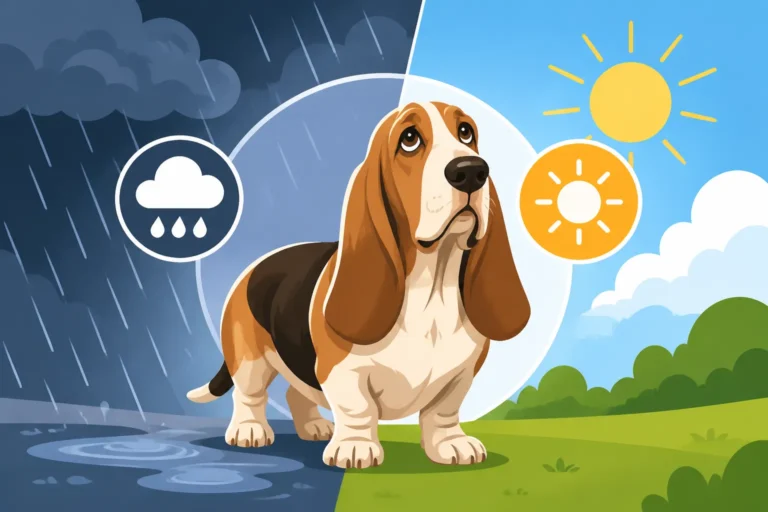
When we talk about cold weather, we need to consider more than just the number on the thermostat. A crisp, sunny 40°F (4°C) day with no wind can feel very different from a damp, cloudy 40°F day with a biting wind.
- Wind Chill: Wind dramatically increases the rate at which heat is lost from the body. A strong gust can make a moderately cold day feel much colder, penetrating through a Basset’s thin coat and chilling them to the bone.
- Moisture: Rain, sleet, or melting snow can soak a Basset's coat, reducing any insulating properties it might have and drawing heat away from their body even more rapidly. Whether a Basset Hound's Chest Drags in Snow is a real consideration when you're looking at wet weather.
- Duration of Exposure: A two-minute potty break might be fine without a sweater, but a 30-minute walk in similar conditions could lead to significant discomfort.
- Freezing Temperatures: Once the temperature consistently drops below freezing (32°F / 0°C), a Basset Hound, especially one spending any significant time outdoors, will almost certainly benefit from a protective layer.
- Shorter Daylight Hours: The cold can linger longer in the mornings and evenings when the sun isn't as strong, making those dawn and dusk walks particularly chilly.
Specific Scenarios for Sweater Use
There are several times when reaching for a sweater for your Basset Hound isn't just a good idea, but potentially crucial for their well-being.
- Winter Walks: This is the most obvious scenario. When you're heading out for your daily strolls, especially in colder climates, a sweater provides that much-needed barrier against the elements. Remember, while a Basset might not be a marathon runner, they still need their exercise, and you shouldn't have to cut walks short just because they're shivering. For more on general daily needs, see What a Basset Hound Needs Every Day.
- Outdoor Potty Breaks: Even quick trips outside can expose their low bodies to freezing ground. A sweater or coat can provide protection, particularly if your yard is paved or prone to ice.
- Older Basset Hounds: Just like people, senior dogs often feel the cold more acutely. Their circulation might not be as efficient, they might have less body fat, and conditions like arthritis can be exacerbated by cold temperatures. An older Basset Hound, especially one that might be slower to move or The Old Basset Hound That Cannot Get Off the Floor, will greatly appreciate the added warmth.
- Basset Hounds with Health Conditions: Dogs recovering from illness or surgery, or those with chronic conditions that affect their immune system or circulation, will have a harder time regulating their body temperature. A sweater can provide vital support during their recovery or ongoing management.
- Living in Drafty Homes: Not every home is perfectly insulated. If you have an older house with drafts, or if your Basset loves to nap near a window or door that lets in a chill, a lightweight sweater worn indoors can keep them cozy and comfortable without overheating.
Signs Your Basset Hound is Cold
Your Basset Hound can't tell you in words that they're cold, but they certainly communicate it through their behavior. Learning to read these signals is key to knowing when to grab that sweater.
- Shivering or Trembling: This is the most obvious sign. Even if it's subtle, it indicates their body is trying to generate heat.
- Hunching or Curling Up Tightly: Dogs will often tuck their paws and tail close to their body to conserve heat. If they're doing this excessively, or if they seem reluctant to uncurl, they're likely cold.
- Seeking Warmth: Is your Basset trying to burrow under blankets, pressing against you, or trying to get close to a heat vent or fireplace? They're seeking external warmth.
- Reluctance to Go Outside or Short Trips: If your Basset is usually enthusiastic about walks but suddenly hesitant on a cold day, or if they rush through their business and want back inside immediately, it's a strong indicator they're uncomfortable with the temperature.
- Cold Ears, Paws, or Nose: While these parts are naturally cooler than their core, if they feel unusually cold to the touch, it suggests their body is prioritizing blood flow to vital organs, potentially at the expense of extremities.
- Whining or Expressing Discomfort: Some Bassets might vocalize their unhappiness, though this is less common than the physical signs.
Ultimately, it comes down to being proactive. If you're feeling cold enough to need a coat, chances are your Basset Hound, with their limited natural insulation and low-rider build, needs one too. For more on understanding their sensitivity, check out Whether a Basset Hound Feels the Cold.
Choosing the Right Sweater for Your Basset Hound
Okay, so you've decided your Basset Hound needs a bit of extra warmth. Great! Now comes the fun part: picking out the perfect sweater or coat. This isn't just about aesthetics; fit, material, and functionality are paramount to ensuring your Basset is truly comfortable and protected.
Material Matters: Fabric for Function
The type of fabric a sweater is made from directly impacts its effectiveness in keeping your Basset warm and dry.
- Fleece: A popular choice for dog sweaters, fleece is lightweight, soft, and offers good insulation even when damp. It's breathable and comfortable, making it a great option for indoor wear in a drafty home or for milder outdoor temperatures. Chewy offers a wide array of fleece options that are easy to care for.
- Wool Blends: Wool is known for its excellent warmth-to-weight ratio and its ability to retain heat even when wet. A wool blend sweater can provide superior warmth for very cold, dry conditions. However, wool can be more expensive and might require specific care instructions.
- Water-Resistant Outer Layers: For truly wet or snowy conditions, a sweater alone might not cut it. Look for coats with a water-resistant or waterproof outer shell (like nylon or polyester with a DWR coating) over an insulating layer. This is crucial for protecting your Basset from rain, sleet, or melting snow, which can quickly turn a warm sweater into a cold, wet one. Brands like Ruffwear or Hurtta often have excellent options for this.
- Lining: Consider coats with a soft lining, like flannel or faux shearling, especially if your Basset has sensitive skin. This can prevent chafing and add an extra layer of plush comfort.
Fit and Function: More Than Just a Pretty Picture
A sweater that doesn't fit properly won't do its job, and can even be uncomfortable or unsafe for your Basset. Their unique shape requires careful consideration.
- Covering the Chest and Belly: This is non-negotiable for a Basset Hound. Because their chest and belly are so close to the ground, the sweater must extend well down the underside of their body. Many standard dog sweaters are cut too high in the belly area, leaving this vulnerable region exposed. Look for designs specifically tailored for long-bodied, short-legged breeds, or choose styles that offer full belly coverage. A good coat should reach from the base of their neck to the base of their tail, and cover as much of their underside as possible without hindering potty breaks.
- Freedom of Movement: Your Basset needs to be able to walk, run (at their Basset pace!), and do their business without feeling restricted. Ensure the leg holes (if present) are large enough and don't rub, and that the fabric around the shoulders and hips allows for a full range of motion. A coat that's too tight will be uncomfortable and could even chafe their skin.
- Avoiding Chafing: Basset Hounds have loose skin, particularly around the neck and chest. Ensure the sweater isn't too tight or doesn't have seams that could rub. Look for soft, non-irritating materials and designs with minimal seams in high-friction areas.
- Neck and Ear Protection: Some coats come with a built-in snood or a high collar. This can be a fantastic feature for a Basset, protecting their long, pendulous ears from the cold wind and preventing them from dragging in snow or wet leaves. You can also get separate snoods; What a Snood for a Basset Hound Costs is an interesting topic to consider.
- Visibility: For evening or early morning walks, consider sweaters or coats with reflective strips or bright colors to enhance visibility to drivers. This is especially important if your Basset loves to follow a scent and might not be paying attention to their surroundings.
Practical Considerations: Ease of Use and Care
A practical sweater is one you'll actually use.
- Ease of On/Off: Struggling with a complicated design when your Basset is wiggling can be frustrating. Look for sweaters that are easy to slip on and off, with simple closures like Velcro or snaps.
- Washability: Dogs get dirty! Choose a sweater that is machine washable and easy to dry. This ensures it stays clean and hygienic, especially after muddy walks. Always check the care label.
- Safety: Ensure there are no loose threads, buttons, or embellishments that your Basset could chew off and potentially swallow. The fit should be secure enough that it doesn't slip and become a tripping hazard, particularly for a dog whose The Back Trouble a Basset Hound Is Built Into makes falls dangerous.
Here's a quick comparison of popular sweater types for your Basset:
| Sweater Type | Key Features | Best For | Pros | Cons |
|---|---|---|---|---|
| Fleece Vest | Soft, lightweight, pullover or Velcro closure | Mild cold, indoor drafts, layering | Comfortable, breathable, affordable, easy care | Minimal rain protection, may not cover full belly on some designs |
| Wool Blend Sweater | Excellent insulation, often a pullover design | Dry, very cold weather | Superior warmth, retains heat even if slightly damp | Can be expensive, may require hand washing, potential for itchiness |
| Waterproof Coat | Insulated inner layer, water-resistant outer | Wet, snowy, windy conditions | Full protection from elements, often reflective | Can be bulkier, less breathable for mild weather, higher cost |
| Quilted Jacket | Insulated, often with snap or zipper closure | Moderate to severe cold, dry or light moisture | Good warmth, often durable, can be stylish | May not offer full belly coverage, can be stiff if not fitted well |
Remember, companies like Chewy and Amazon offer a wide variety, and even brands like Ollie, while primarily food-focused, understand the needs of dog owners, and you might find accessory recommendations through them or similar pet lifestyle sources. Take your Basset's measurements carefully – chest girth, back length, and neck circumference are usually needed – and compare them to the size charts provided by manufacturers. When in doubt, size up slightly for comfort, especially if they are between sizes.
Alternatives and Additional Warmth Strategies
While a good sweater or coat is often the primary solution for keeping your Basset Hound warm, it's not the only strategy. A multi-faceted approach can ensure they are comfortable both indoors and out, protecting them from the cold in various situations.
Indoor Comfort: Creating a Cozy Haven
Even indoors, Basset Hounds can feel the chill, especially if your home is a bit drafty or if they love to lounge on cool tile floors.
- Cozy Beds: Provide at least one, if not several, soft, plush beds around the house. Look for orthopedic beds, which are great for older Bassets or those with joint issues, and offer excellent insulation from cold floors. Whether a Basset Hound Should Have an Orthopedic Bed is often a resounding yes, especially as they age.
- Blankets and Throws: Bassets love to burrow! Having readily available blankets or throws for them to nest in can make a huge difference. You'll often find them happily tucked away, completely covered, in a soft blanket.
- Avoiding Drafts: Pay attention to where your Basset sleeps or rests. If it's near a window, door, or under a vent that blows cool air, consider relocating their bed or blocking the draft. Even a low-to-the-ground dog bed can be placed on a small raised platform to get them off the coldest part of the floor.
Paw Protection: Often Overlooked but Crucial
We often focus on the body, but a Basset Hound's paws are also highly vulnerable to cold, ice, and harsh winter elements like road salt.
- Booties: Dog booties might look a bit silly, but they offer excellent protection. They shield paws from freezing pavement, ice, snow, and de-icing chemicals (like road salt) that can be painful and even toxic if ingested. Look for flexible, comfortable booties that stay on, as Bassets aren't always keen on footwear.
- Paw Balms: Even if your Basset won't tolerate booties, a protective paw balm can help. Applied before walks, it creates a barrier against irritants and moisture, and after walks, it can soothe and moisturize chapped pads. Brands like Musher's Secret or Burt's Bees offer good options.
- Wiping Paws After Walks: Always wipe your Basset's paws thoroughly after a winter walk to remove snow, ice, salt, and any other chemicals. This prevents them from licking off harmful substances and keeps their pads healthy.
Limiting Outdoor Exposure: Adjusting Routines
Sometimes, the best solution is simply to minimize exposure to the most extreme cold.
- Shorter, More Frequent Walks: Instead of one long walk, consider several shorter outings during the warmest part of the day. This still gives your Basset the mental and physical stimulation they need without prolonged exposure to the cold. Whether an Old Basset Hound Still Needs Walks is a common question, and the answer is usually yes, just adjusted for comfort.
- Indoor Games and Enrichment: On truly frigid days, bring the fun indoors! Scent work games (which Bassets excel at!), puzzle toys, fetch in a hallway, or even learning new tricks can provide mental and physical exercise without venturing into the biting cold. Giving a Basset Hound's Nose Something to Do is an excellent way to tire them out mentally.
- Potty Break Management: If your Basset struggles with cold, try to encourage them to do their business quickly. If you have a fully fenced yard, let them out for brief, supervised bursts, ensuring they don't linger too long. Consider laying down a path of straw or a mat in a specific area to give them a slightly warmer spot for their business.
By combining the right outerwear with smart indoor strategies and paw protection, you can ensure your Basset Hound stays happy, healthy, and comfortably warm all winter long, no matter how much they might try to convince you otherwise with their stoic expressions!
Disclaimer
This article is for general informational purposes only and does not constitute professional advice. Laws, prices and regulations vary by location and change over time. Consult a qualified professional for guidance on your specific situation.