Whether a Basset Hound Needs a Coat in Winter
When the chill of winter starts to creep in, and you’re bundling up in layers, it’s natural to wonder about your furry, low-slung companion. Many Basset Hound owners find themselves asking: "Does my Basset, with their seemingly sturdy build, actually feel the cold? And do they really need a coat?" It's a valid question, given their short stature and those long, floppy ears. The truth is, while they might look robust, Basset Hounds have some unique characteristics that make them surprisingly vulnerable to cold weather. This comprehensive guide will walk you through everything you need to know to keep your beloved Basset warm and safe when the temperatures drop.
Understanding the Basset Hound's Natural "Winter Gear"
Let's be real, Basset Hounds aren't exactly built like Arctic sled dogs. Their natural coat, while dense, isn't designed for extreme cold. Understanding their unique physical traits is the first step to knowing when to reach for that extra layer.
The Basset Hound's Short Coat and Lack of Undercoat
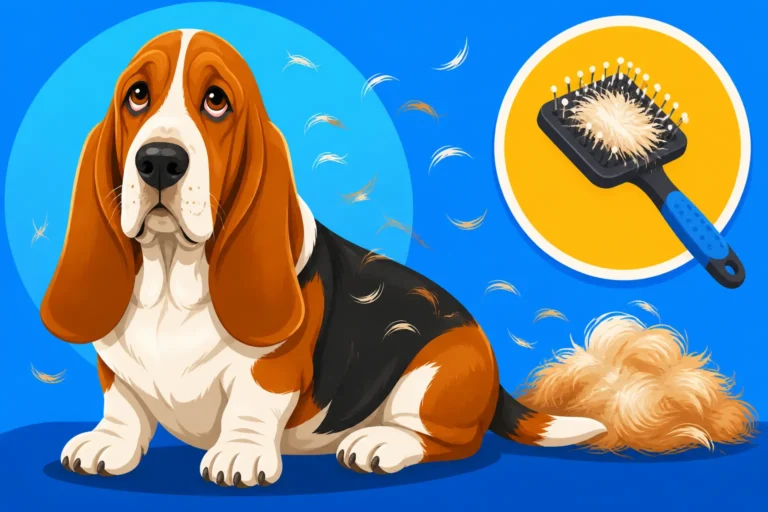
One of the most defining features of a Basset Hound's coat is its short, smooth, and rather dense nature. But here's the kicker: unlike many breeds built for colder climates, Basset Hounds typically lack a thick, insulating undercoat. Think about breeds like Huskies, Golden Retrievers, or even your everyday Labrador – they often have a fluffy, downy layer beneath their tougher outer coat that traps air and provides warmth. Your Basset? Not so much.
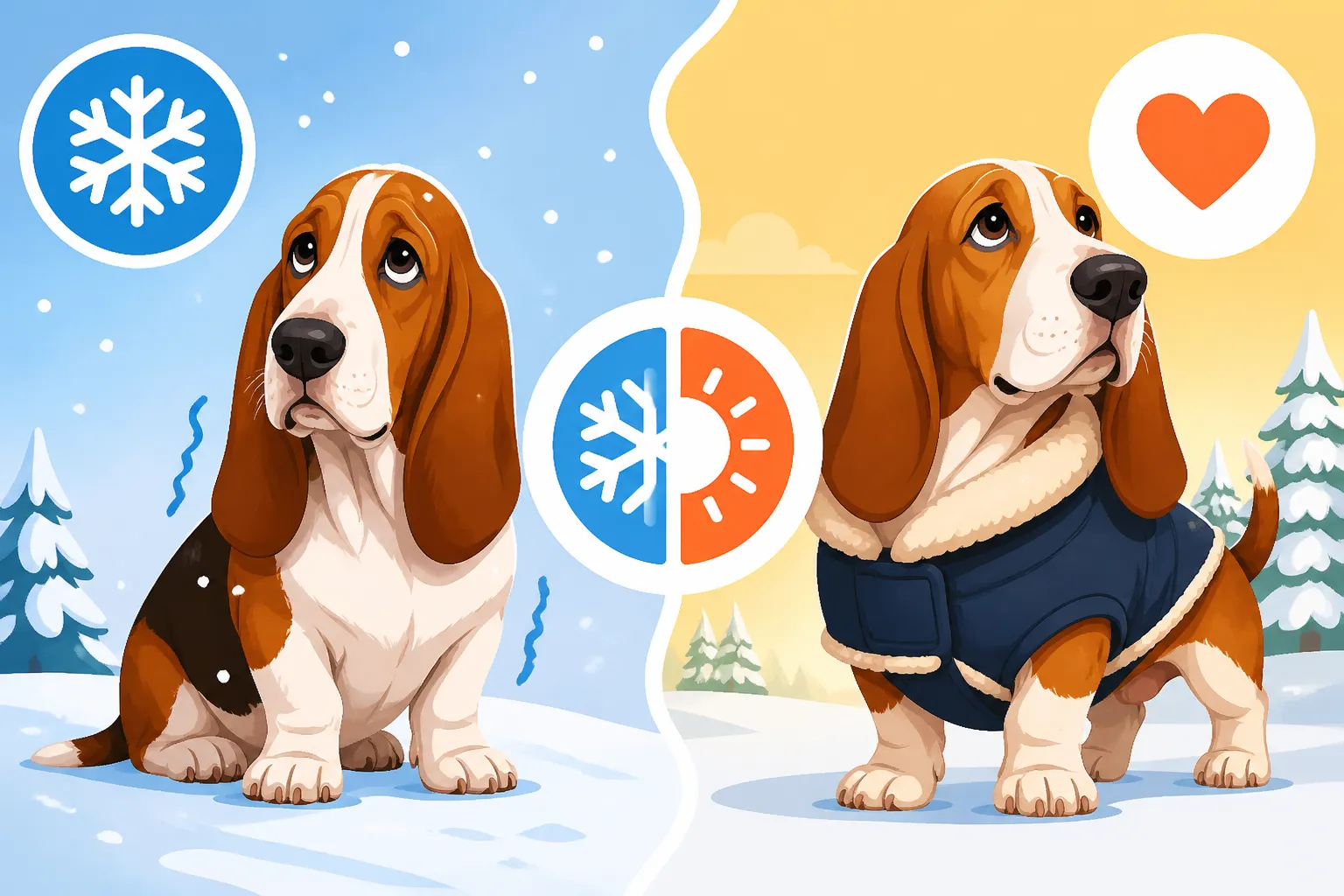
Imagine stepping outside on a crisp, windy fall day wearing only a thin t-shirt. That's a bit like what your Basset experiences. Their single layer of fur offers some protection, sure, but it's not enough to truly insulate them when the wind whips or the mercury really drops. This means that cold air can penetrate their coat much more easily, making them susceptible to feeling chilly quite quickly. It’s not uncommon to see a Basset shiver even when you, in your winter jacket, feel perfectly comfortable. Their coat is fantastic for shedding water and protecting against brambles when tracking, but not so much for a deep freeze.
The Low Slung Body and Belly Exposure
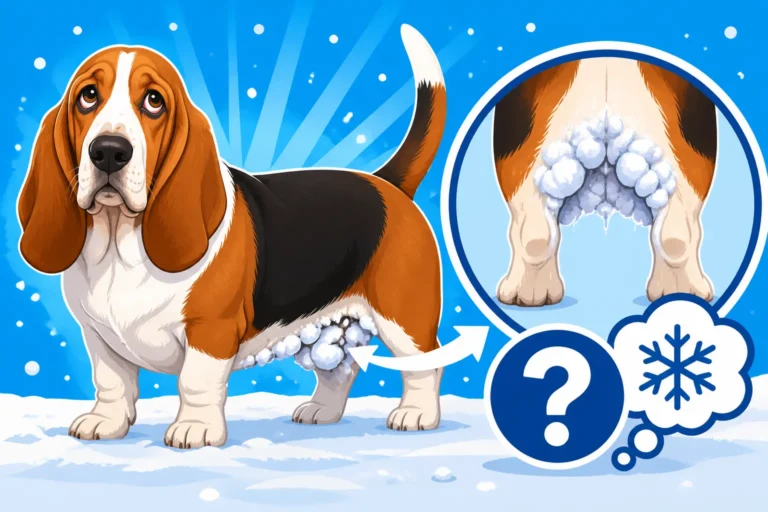
Now, let's talk about that iconic Basset Hound shape – long body, ridiculously short legs, and a deep chest. It's adorable, yes, but it also means their belly and chest are remarkably close to the ground. In winter, this becomes a significant factor in their cold tolerance. When you take your Basset for a walk through even a modest dusting of snow, their entire underside acts like a giant snowplow, sweeping up snow, slush, and ice.
Picture your Basset trudging through a snowy park. Their short legs mean their chest is almost dragging, and their belly is practically skimming the frozen surface. This constant contact with cold, wet elements chills their core temperature much faster than a dog with longer legs and more clearance. It's not just about comfort; it's about keeping vital organs warm. A wet belly and chest lose heat at an accelerated rate, increasing their risk of hypothermia, especially if they're out for any length of time. This unique build is part of their charm, but it's also why they need a little extra help staying toasty.
Factors Influencing a Basset Hound's Cold Tolerance
It's not just their coat and build that determine how well your Basset handles the cold. Several other factors play a big role in whether they'll be shivering or sauntering through winter.
Age and Health Considerations
Just like with people, a Basset Hound's age and overall health profoundly impact their ability to cope with cold weather. A young, robust puppy, full of boundless energy, might seem impervious to a chilly breeze for short bursts of play. However, puppies have less developed thermoregulation systems and lower body fat reserves than adult dogs, making them more vulnerable to rapid heat loss. They might burn more energy trying to keep warm, and sustained cold exposure can quickly become dangerous.
On the other end of the spectrum, senior Basset Hounds are often more susceptible to cold. Their metabolism tends to slow down, their immune system might not be as robust, and they may have underlying health conditions that make them feel the cold more acutely. For instance, a senior Basset suffering from Arthritis in a Basset Hound at Seven will likely find cold, damp weather makes their joints ache more intensely, increasing their discomfort and reluctance to move. Similarly, conditions like [Hypothyroidism in a Basset Hound] can lead to a lower metabolic rate and an increased sensitivity to cold. Even seemingly minor illnesses can compromise a Basset's ability to maintain a healthy body temperature. Always consult your vet if you notice your older or ailing Basset struggling more than usual in cooler temperatures.
Body Condition and Weight
You might think that a bit of extra padding would help your Basset stay warm, but it's a fine line. While a healthy amount of body fat can indeed provide a small degree of insulation, being overweight or obese is detrimental to your Basset Hound's overall health and doesn't actually offer healthy cold protection. In fact, What Extra Weight Does to a Basset Hound includes a range of serious health issues, including increased strain on their joints, heart problems, and a decreased ability to move and regulate their temperature effectively.
A Basset at a healthy, ideal weight might still feel the cold, but they will be more mobile and have a better overall physiological response to environmental stressors. A Basset who is underweight, conversely, has very little natural insulation and will feel the cold much more intensely and quickly. Their body will expend more energy just trying to stay warm, which can lead to rapid fatigue and health complications. The key is to keep your Basset at their optimum weight – you should be able to feel their ribs easily under a thin layer of fat, but not see them protruding. This balance ensures they have the energy and health to face winter, with appropriate external help like a coat.
Acclimation to Cold Weather
Believe it or not, dogs can acclimate to changing temperatures, much like humans. A Basset Hound living in a region with distinct seasons, where temperatures gradually drop from autumn into winter, will likely adjust better to the cold than one suddenly exposed to it. Their bodies have time to make subtle physiological changes, such as slightly thickening their coat or adjusting their metabolism, though these changes are limited for a Basset's specific coat type.
Consider the stark difference: a Basset who has spent its life in sunny Southern California and is suddenly flown to a snowy New England winter will be in for a rude awakening. Their system won't be prepared for the sudden chill, and they'll likely shiver and seek warmth almost immediately. On the other hand, a Basset that experiences a gradual cooling from 60 degrees Fahrenheit in early fall down to freezing temperatures by mid-winter will likely tolerate the colder weather a bit better day-to-day. This isn't to say they don't need a coat; it just means the shock of the cold might be less severe if it's a gradual change. Always remember that even an acclimated Basset still has a short coat and a low-slung body, making proper winter gear essential for prolonged outdoor activity.
Recognizing the Signs of a Chilly Basset Hound
Your Basset can't tell you in words that they're cold, but they're pretty good at showing you! Learning to read their body language and physical cues is crucial for their well-being in winter. Ignoring these signs can lead to serious health issues.
Behavioral Cues
One of the most common and obvious signs your Basset Hound is cold is shivering or shaking. This involuntary muscle contraction is their body's way of generating heat. It might start subtly, a slight tremor, and then become more pronounced. Beyond shivering, watch for changes in their normal demeanor and movement. A cold Basset might hunch their back, tuck their tail tightly between their legs, or try to huddle close to you or any available shelter.
You might also notice a distinct reluctance to move. On a walk, your usually enthusiastic Basset might suddenly slow down, hesitate, or even stop altogether, digging their paws in. This isn't stubbornness; it's often a clear signal that they're uncomfortable. They might lift their paws off the cold ground, one by one, seeking relief. I once had a Basset named Gus who, when too cold, would stop dead in his tracks and give me the most pitiful, pleading look, as if saying, "Please, human, enough!" If your Basset is displaying any of these signs, especially Whether a Basset Hound Refuses to Move while outside, it's a strong indication they need to warm up, and likely need more protection.
Physical Indicators
Beyond behavioral cues, there are several physical indicators that your Basset Hound is feeling the cold. Start by checking their extremities. While a dog's paws might naturally feel cooler, if your Basset's ears, nose, or tail feel unusually cold to the touch, it's a red flag. These areas are furthest from the core and lose heat quickly. Their paw pads might also become very cold or even icy, which can be painful.
Another sign to look out for is their general activity level. Are they moving sluggishly or appearing unusually lethargic after being outside? While Bassets are not known for their boundless energy, an abnormal slowdown could signal they are struggling to maintain body temperature. In more severe cases, you might notice their gums appearing paler than usual, which can indicate poor circulation or a drop in core body temperature. If you ever suspect your Basset is suffering from hypothermia – extreme cold that causes a dangerous drop in body temperature – look for signs like weakness, lethargy, mental dullness, muscle stiffness, and shallow breathing. These are emergencies that require immediate veterinary attention. Always remember, it's better to be overly cautious than to risk your beloved Basset's health.
When a Coat Becomes a Necessity, Not a Luxury
For many Basset Hound owners, a coat often feels like an accessory, something cute for photos. But for our low-riders, it’s a critical piece of winter wear. Knowing when to put one on can make all the difference.
Short Outdoor Excursions vs. Extended Time Outside
It's tempting to think that a quick dash outside for a potty break doesn't warrant the hassle of putting on a coat. And for a brief, mild winter day, you might be right. If it's just a minute or two and the temperature isn't brutally cold or wet, your Basset might be okay. However, this assumption quickly becomes risky when temperatures drop further, or if the "quick" outing stretches into five or ten minutes, or if they decide to do their signature Basset "sweep" through the nearest patch of snow.
The real necessity for a coat comes into play for any extended time spent outdoors. Are you planning a 20-minute walk around the block? Will your Basset be spending an hour sniffing around the yard? Is it a trip to the park for some leisurely How Far a Basset Hound Should Walk and scent work? If the answer is yes to any of these, a coat is absolutely essential. Their body simply isn't equipped to maintain core temperature for long periods in cold, especially given their low clearance. Just as you wouldn't stand outside in a t-shirt for an hour in winter, your Basset shouldn't either. The duration of exposure is a huge factor, and for anything more than a fleeting moment, a protective layer is a must.
Specific Weather Conditions
The thermometer reading is only one part of the equation when deciding if your Basset needs a coat. Other environmental factors play a massive role, and sometimes, a seemingly moderate temperature can feel much colder due to specific conditions. Wind chill, for instance, can make a 40-degree Fahrenheit day feel like a 20-degree day, and that biting wind will cut right through a Basset’s short, single coat in seconds. It strips away any meager warmth their fur might be trying to provide, accelerating heat loss from their body.
Rain, sleet, or freezing drizzle also dramatically increase the need for protection. Wet fur loses its insulating properties almost immediately, and a wet Basset is a cold Basset. The combination of cold and wet is far more dangerous than dry cold, as water conducts heat away from the body much faster than air. Imagine your Basset’s belly getting drenched from walking through wet grass or puddles on a chilly day. That moisture against their skin will rapidly lower their body temperature. Even dry snow, while beautiful, melts upon contact with their body, turning into frigid water. If there’s any precipitation or significant wind, don’t even think about skipping the coat.
Post-Bath or Grooming Protection
We all know the importance of a good bath for our Bassets, especially given their penchant for rolling in interesting smells and dragging their ears through everything imaginable. However, bath time, particularly in winter, presents a specific challenge when it comes to keeping them warm. Even if you've done your best to towel-dry them, their short, dense coat can retain a surprising amount of moisture, and Whether Drying a Basset Hound Matters cannot be overstated. A damp Basset, even indoors, will lose body heat at a much faster rate than a dry one.
If, for some reason, your Basset needs to go outside shortly after a bath – perhaps for a quick potty break – they are incredibly vulnerable to the cold. Their natural oils and some of their protective layer might have been washed away, leaving them even more exposed. In such scenarios, a warm, insulating coat isn't just a good idea; it's crucial. Ensure they are as dry as possible, perhaps even using a low-heat hairdryer if they tolerate it, before adding a coat for any outdoor venture. Even indoors, providing a warm, draft-free spot with cozy blankets post-bath is essential until they are completely dry and their natural insulation has returned.
Choosing the Right Winter Coat for Your Basset Hound
Okay, so you've decided a coat is a must. Now comes the challenge: finding one that actually works for that unique Basset Hound physique. It's not as simple as grabbing the first cute dog jacket you see!
Material Matters: Waterproof, Insulated, and Breathable
When selecting a winter coat for your Basset, the materials used are paramount. You’re looking for a trifecta of features: waterproof, insulated, and breathable. A waterproof or highly water-resistant outer shell is non-negotiable, especially considering how your Basset’s low-slung body will pick up moisture from damp ground, melting snow, or light rain. Materials like treated nylon or polyester are excellent choices for the exterior, keeping your Basset dry from the elements. Nobody wants a soggy Basset who then gets cold.
Beneath that waterproof layer, you need insulation. Fleece is a popular and effective choice, offering warmth without excessive bulk. Wool blends or synthetic fill materials can also provide excellent heat retention. Think about what keeps you warm in winter – it’s often layers designed to trap body heat. The lining against your Basset’s skin should also be comfortable and non-irritating. Lastly, breathability is often overlooked but important. A coat that traps too much moisture inside can leave your Basset damp from sweat, which then makes them colder once they stop moving. Look for fabrics that allow some moisture vapor to escape. Websites like Chewy and Amazon offer a wide range of coats that specify these material details, making it easier to compare options.
Fit and Functionality for Basset Hounds
This is where many standard dog coats fall short for our Basset friends. Their unique body shape – long back, deep chest, short legs, and often a larger head – means that a "one size fits all" approach simply won't work. The biggest mistake is buying a coat that's too short, leaving a significant portion of their back, and crucially, their belly, exposed. A proper Basset coat needs to cover the length of their back, from the base of their neck right to the start of their tail.
More importantly, the belly and chest coverage is absolutely critical. Remember how their Whether a Basset Hound's Chest Drags in Snow? Look for coats with a full chest plate or extended belly coverage to protect this vulnerable area from cold, wet ground and wind. The coat should be snug enough to prevent drafts and stay in place, but not so tight that it restricts movement, especially around their deep chest and shoulders. Measure your Basset carefully – back length, chest girth, and neck circumference are key. Some brands offer specific "short and stout" or "dachshund-friendly" cuts that might be more appropriate for a Basset’s proportions, but even then, always double-check the measurements against your hound.
Styles and Features: Reflective Strips, Hoods, and Harness Openings
Once you've nailed the material and fit, consider additional features that enhance safety and comfort. Reflective strips or piping are incredibly valuable, especially during shorter, darker winter days. When you’re out walking your Basset in the early morning or late evening, visibility to drivers and cyclists is paramount. A coat with reflective elements can make a huge difference in keeping your hound safe.
Some coats come with hoods. While a hood might seem adorable, not all Bassets tolerate them, and they can sometimes restrict hearing, which is important for their awareness. If your Basset tolerates it, a hood can offer extra protection from wind and snow around their ears and neck, but it’s often an optional feature. More practical for many owners is a well-placed opening or slot for a leash to connect to a harness underneath. If you walk your Basset on a harness – which is generally recommended to protect their neck and spine – ensure the coat allows for easy and secure leash attachment without bunching or exposing too much of their body. Some coats are designed to be worn over a harness, while others have integrated harness features. Choose what works best for your specific walking routine.
Beyond the Coat: Comprehensive Winter Care for Basset Hounds
A good winter coat is a fantastic start, but it's only one piece of the puzzle. Comprehensive winter care for your Basset Hound involves looking after their paws, ensuring indoor comfort, and even paying attention to their diet and hydration.
Paw Protection and Road Hazards
Those adorable Basset paws are much more sensitive than they appear, especially in winter. The cold ground, ice, and snow can be painful, but the real menace often comes from what's on the ground: road salt, de-icing chemicals, and antifreeze. These substances can be irritating, cause chemical burns to their paw pads, and are toxic if licked off their feet. Imagine walking barefoot on salted ice – not pleasant!
This is where paw protection comes in. Dog booties are an excellent solution, providing a barrier against cold, wet, and hazardous substances. It might take some getting used to for your Basset, but with patience and positive reinforcement, most learn to tolerate them. If booties aren't an option, a good paw wax or balm can offer a protective layer and moisturize pads, preventing painful cracking. Always clean your Basset’s paws thoroughly after every winter walk to remove any salt or chemicals. A quick rinse with warm water and then a gentle dry is usually sufficient. Be vigilant and check their paw pads regularly for any signs of redness, cracking, or irritation. Whether Road Salt Hurts a Basset Hound's Pads is a definite yes, so proactive care is key. You can find a variety of paw balms and booties on Amazon.
Indoor Warmth and Comfort
Even if your Basset is sporting the latest in winter fashion outdoors, their indoor environment is equally important for their winter well-being. Ensuring they have a warm, draft-free spot to relax and sleep is paramount. Basset Hounds love to curl up, and giving them cozy, soft bedding will make a huge difference. Avoid placing their bed near drafty windows or doors, or on cold, uncovered floors.
For older Bassets or those with joint issues, an orthopedic bed can be a true lifesaver during the colder months. Whether a Basset Hound Should Have an Orthopedic Bed is often a resounding yes for older hounds, as the cold can exacerbate joint pain. These beds provide excellent cushioning and insulation from cold floors, offering support for their heavy bones and long spines. Consider adding extra blankets or a self-warming mat for an added layer of coziness. If your home has hard floors, strategically placed rugs can also help create warmer spots for them to lie down. Remember, Bassets love to be comfortable, and a warm, inviting indoor space is crucial for their health and happiness through winter.
Nutrition and Hydration
Winter weather can subtly affect your Basset Hound's nutritional and hydration needs. While some dogs might burn a few more calories trying to stay warm, Bassets are not typically high-energy dogs, and their outdoor exercise might even decrease in harsh weather. It's important to monitor their weight closely during winter to ensure you're not overfeeding them. Keeping a Basset Hound at Its Correct Weight is vital year-round, but especially in winter to avoid unnecessary strain on their joints. If your Basset is genuinely spending more time outside or working harder in the cold, a slight increase in calorie intake might be appropriate, but always consult your vet.
Hydration is another key component. Even though they might not seem as thirsty as in summer, the dry air inside heated homes can be dehydrating. Always ensure your Basset has constant access to fresh, clean water. If you use outdoor water bowls, make sure they don't freeze over – heated bowls are an option if your Basset spends time outdoors. Consider adding a little extra moisture to their diet with wet food or by rehydrating kibble. Brands like Ollie often provide fresh, nutrient-dense food that can help maintain optimal health, or you can find a good selection of quality wet foods on Chewy. A well-nourished and hydrated Basset is better equipped to handle the stresses of cold weather.
Common Misconceptions About Basset Hounds and Cold Weather
Despite their popularity, there are still some common misunderstandings about Basset Hounds and their ability to withstand cold. Let's debunk a few of these myths to ensure your Basset stays safe and comfortable all winter long.
"They're Sturdy, They Can Handle Anything"
This is perhaps the biggest misconception I hear about Basset Hounds. Their stocky, muscular build and somewhat 'rugged' appearance often lead people to believe they're naturally hardy and impervious to cold. They look tough, with those big paws and solemn expressions! However, as we've already discussed, their actual physiology tells a different story. Their short, single coat provides minimal insulation compared to double-coated breeds, and their low-slung body brings their vulnerable belly and chest into direct contact with cold surfaces.
A Basset shivering isn't being "dramatic" or "soft"; it's a genuine physiological response to cold stress. Their body is actively trying to generate warmth to prevent a dangerous drop in core temperature. To assume they can "handle anything" because they look sturdy is to ignore their breed-specific vulnerabilities. A Basset is a scent hound, bred for trailing game at a walking pace, not for enduring harsh Arctic conditions. Their history and build simply don't align with extreme cold tolerance. It's crucial for owners to understand this distinction and not project an unwarranted toughness onto their beloved hounds.
"Indoor Dogs Don't Need Coats"
Another common thought is, "My Basset lives inside, so why would they need a coat?" While it's true that your Basset will spend the majority of their time in your warm, comfortable home, they still need to venture outside for potty breaks, walks, and mental stimulation. These brief excursions, even just a few minutes, are often enough to expose them to significant cold, especially if they are unprepared.
Imagine stepping out of your warm house in your pajamas to fetch the mail on a snowy, windy day. Even for a minute, that shock to your system is real, and it can be quite uncomfortable. For a Basset, whose core temperature drops more quickly due to their build, these quick trips can be surprisingly impactful. Their body has to work harder to warm back up once they come inside. Therefore, for any outdoor venture, no matter how short, if the temperature is genuinely cold, wet, or windy, a coat is a responsible choice. It minimizes the thermal shock and ensures they stay comfortable, preventing their body from expending unnecessary energy trying to combat the cold.
"My Basset Never Shivers, So They're Fine"
It's tempting to think that if your Basset isn't visibly shaking, they must be perfectly content with the cold. However, shivering is actually a fairly late-stage indicator of being cold. Dogs, like people, often exhibit more subtle signs of discomfort before they reach the point of shivering. Your Basset might be hunched, walking slowly, reluctant to move, or trying to tuck their tail and stay close to your legs long before you see an obvious shiver. They might even just look a bit "miserable" or less engaged than usual.
Furthermore, some individual Bassets might have a higher pain or discomfort threshold, or simply express their discomfort differently. A stoic Basset might not shiver readily, but could still be uncomfortably cold and at risk. The absence of shivering doesn't automatically equate to being warm and comfortable. It’s important to be proactive rather than reactive. Instead of waiting for visible distress, err on the side of caution. If you're cold, your Basset probably is too. Consider the ambient temperature, wind chill, wetness, and the duration of your outdoor activity. Providing a coat based on these environmental factors is a much safer approach than relying solely on your Basset to show you obvious signs of distress.
| Coat Type | Primary Function | Basset Hound Suitability | Ideal Conditions | Notes |
|---|---|---|---|---|
| Lightweight Rain Jacket | Water/Wind Protection | Good, if well-fitted (especially belly) | Rainy, windy, mild cold (above 40°F) | No insulation, needs layers in colder temps. Must cover belly. |
| Insulated Winter Coat | Warmth & Weather Protection | Essential for most Bassets in winter | Freezing temps, snow, prolonged exposure | Look for waterproof outer shell, good belly/chest coverage. |
| Fleece Vest/Jacket | Moderate Warmth | Good for layering or mild, dry cold | Cool, dry days, indoor drafts, layering | Not waterproof. Great as an underlayer for an insulated coat. |
| Full-Body Suit | Maximum Protection | Excellent for deep snow, extreme cold, mud | Deep snow, sleet, icy conditions, muddy areas | Covers legs and full belly. Can be cumbersome, but highly protective. |
| Sweater | Light Warmth, Indoor Use | Okay for very mild cool, or indoors only | Cool indoor temps, very short outdoor dashes | Offers minimal outdoor protection, not waterproof. |
Disclaimer
This article is for general informational purposes only and does not constitute professional advice. Laws, prices and regulations vary by location and change over time. Consult a qualified professional for guidance on your specific situation.