Whether Howling Is Why Basset Hounds Are Surrendered
One of the most heart-wrenching realities for any dog lover is the thought of a beloved pet ending up in a shelter. For Basset Hounds, with their famously melodic – or, depending on your perspective, famously loud – voices, the issue of vocalization can sometimes become a significant challenge for owners. Many families, unprepared for the sheer volume and persistence of a Basset's bay or howl, find themselves at a crossroads. This guide delves deep into why Basset Hounds are so vocal, the impact this has on families, and practical ways to manage their distinctive voices to ensure they remain cherished members of the household rather than becoming a statistic.
The Basset Hound's Voice: More Than Just a Bark
When you welcome a Basset Hound into your home, you're not just getting a dog; you're getting a symphony orchestra rolled into a low-slung, velvety package. Their vocal range is truly something to behold, far beyond the typical "bark" of many breeds. Understanding these sounds is the first step toward living harmoniously with your vocal companion.
Understanding the Bay
The bay is arguably the Basset Hound's signature sound. It's a deep, resonant, prolonged vocalization that carries an incredible distance. It’s not a sharp, aggressive bark meant to intimidate, but rather a mournful, drawn-out cry that echoes their hunting heritage. Imagine a sound that starts low, builds in intensity, and then tapers off, often with a slight waver. It's designed to announce their presence, communicate over long distances, and, in a hunting context, alert the pack and human hunters to the location of a scent trail. For a Basset Hound, baying is as natural as breathing, a fundamental expression of their being. When your Basset bays, it's often because they've picked up an interesting scent, heard a distant siren, or are simply trying to tell you something important, in their own dramatic way. If you’ve ever wondered What a Basset Hound's Bay Sounds Like, you’ll quickly learn it's unmistakable and often quite charming in moderation.
Other Vocalizations and Their Meanings
Beyond the iconic bay, Basset Hounds employ a rich tapestry of other vocalizations, each with its own nuance and meaning. They bark, of course, usually a deep, resonant sound, often used to alert you to someone at the door or a squirrel in the yard. But you’ll also hear them whine – a soft, high-pitched sound indicating desire, discomfort, or a plea for attention. A Basset's whine can be incredibly persuasive, especially when paired with those sad, droopy eyes. Then there are the groans and moans, which are particularly endearing. These often accompany their stretching, settling down for a nap, or just expressing deep contentment. A Basset might groan simply from the effort of getting up, or let out a satisfied "harrumph" after a good meal or belly rub. These sounds are not typically problematic but add to the breed's expressive charm. Understanding these different vocalizations can help owners interpret their Basset's needs and moods, fostering a stronger bond and preventing frustration on both sides.
Why Basset Hounds Howl
The Basset Hound's inclination to howl and bay isn't a flaw in their character; it's a deeply ingrained part of their genetic makeup and a primary mode of communication. It's crucial for owners to understand this fundamental aspect of the breed.
Instinct and Heritage
To truly grasp why Basset Hounds howl, we need to look back at their history. They were developed in France centuries ago as scent hounds, specifically bred to hunt small game like rabbits and hare. Their job was to pick up a scent trail, follow it relentlessly, and then bay to let the human hunters, who were often on foot, know where they were and what they had found. This baying wasn't just random noise; it was a critical part of their working function. The Abbey Hounds a Basset Hound Descends From were vocal, and that trait was selected for, becoming a defining characteristic of the breed. They were never meant to be silent stalkers; they were meant to "sing" their way through the hunt. Even today, generations removed from the hunting fields, that instinct remains incredibly strong. A siren passing by, a distant dog howling, or even a sudden burst of excitement can trigger this ancestral call. It's their way of joining the "pack" chorus, even if that pack is now just you and them in your living room.
Communication and Emotion
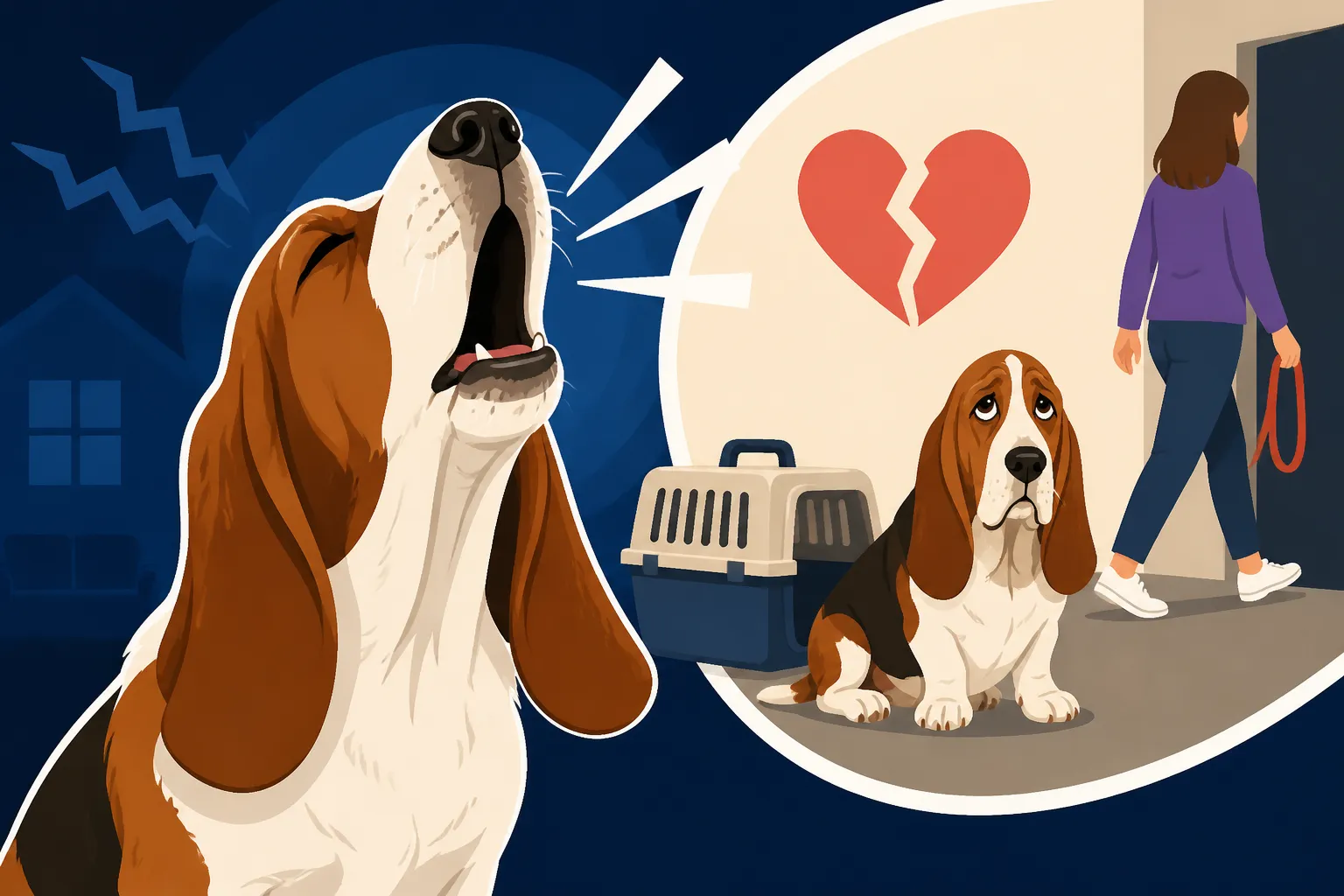
Beyond instinct, howling and baying are powerful forms of communication for Basset Hounds, often tied to their emotional state. One of the most common reasons for prolonged howling is loneliness or separation anxiety. A Basset left alone for extended periods, especially without adequate mental or physical stimulation, might howl to express distress or to try and call their "pack" (you!) back home. It's heartbreaking to hear and a clear sign your Basset is struggling. To learn more about this, consider reading Whether a Basset Hound Gets Separation Anxiety. Boredom is another huge factor; a Basset with nothing to do will often resort to vocalizing to entertain themselves or get attention. This isn't out of malice, but simply a cry for engagement. They might also howl in response to high-pitched sounds like doorbells, alarms, or musical instruments. For them, it’s a form of participation, a way to join in the perceived chorus. Understanding that these vocalizations are rarely random, but rather a manifestation of an innate drive or an emotional need, is key to addressing them effectively.
The Impact of Howling on Owners
While a Basset Hound's deep, resonant bay can be endearing at times, persistent and uncontrolled howling can quickly turn into a significant source of stress and frustration for owners, often leading to difficult decisions.
Noise Complaints and Neighborly Relations
This is where the rubber truly meets the road for many Basset Hound owners, especially those living in apartments, townhouses, or close-knit suburban neighborhoods. The Basset's bay is designed to carry, and it does so with remarkable efficiency. What might be a charming "hello" from your dog can easily become a major disturbance for your neighbors, particularly if it happens frequently or at inconvenient hours. Persistent howling can lead to official noise complaints, strained relationships with those living nearby, and even potential legal action or demands from landlords. Many owners feel immense pressure and embarrassment when their dog's vocalizations become a public issue. It’s a terrible feeling to know your beloved pet is causing distress to others, and it can make you feel isolated and overwhelmed. The reality is that Whether a Basset Hound Gets Its Owner a Noise Complaint is a very real concern, and it's a leading factor in owners seeking help or, sadly, rehoming their Basset. Likewise, if you live somewhere with shared walls, understanding Whether a Basset Hound Suits Shared Walls is absolutely paramount before bringing one home.
Owner Frustration and Misunderstanding
Beyond external pressures, the internal struggle for owners can be immense. Many people fall in love with the Basset Hound's adorable appearance and gentle nature, without fully appreciating their vocal prowess. When the constant howling begins, it can feel like a betrayal, leading to significant owner frustration. Owners might feel like they've tried everything – scolding, ignoring, crating – only to find the howling persists or even intensifies. This lack of progress can breed resentment and a sense of helplessness. It’s easy to misunderstand their vocalizations as stubbornness or naughtiness, when in reality, it's often a deep-seated instinct or a genuine expression of need. This disconnect between owner expectation and Basset reality is a major contributor to dogs being surrendered. When an owner feels they can no longer cope, and the dog's behavior is disrupting their life and home, rehoming can sadly seem like the only viable option. This is one of the reasons Why Basset Hounds Are Surrendered, as their unique vocal habits can often be more than a new owner anticipated.
Strategies for Managing Excessive Howling
If your Basset Hound's vocalizations are becoming a problem, don't despair! There are many proactive steps you can take to manage and reduce excessive howling, turning that symphony into something more harmonious.
Addressing the Root Cause
The most effective way to tackle howling is to first understand why your Basset is doing it. Is it separation anxiety? Is it boredom? Is it a response to specific outdoor stimuli? Begin by ruling out any medical issues. Sometimes, discomfort or pain can lead to increased vocalization. A visit to your veterinarian is a crucial first step to ensure there isn't an underlying health concern. For general well-being, brands like Ollie offer fresh, nutritious food that can contribute to a healthy, balanced dog, potentially reducing stress-related behaviors. Once health is cleared, observe your Basset carefully. Do they howl mostly when left alone? Do they only howl at sirens? Are they howling for attention?
If boredom is the culprit, mental stimulation is key. Basset Hounds have incredible noses, and putting that to work can be incredibly tiring and satisfying for them. Snuffle mats, puzzle feeders, or simply scattering their kibble (perhaps from a brand like Chewy, which offers a wide variety of feeders) in the yard for them to sniff out can do wonders. A Basset Hound's brain needs exercise just as much as its body, sometimes even more. For more on what truly drives them, you can check out What Actually Motivates a Basset Hound. If it's attention-seeking, be careful not to inadvertently reward the howling. Only give attention (or treats, or playtime) when they are quiet. This can be tough at first, but consistency is vital.
Training and Enrichment
Training is an ongoing journey with a Basset Hound, and managing vocalization is no exception. Teaching a "quiet" command can be incredibly effective. The process involves teaching them to bark or howl on cue, then immediately rewarding them when they stop on command. This gives you control over their voice. You might find a wealth of training aids and supplies on platforms like Chewy. Consistency and positive reinforcement are key; harsh punishments are generally ineffective and can damage your bond. For more guidance, see Teaching a Basset Hound a Quiet Cue.
Beyond direct training, providing ample enrichment is paramount. This includes regular, moderate exercise. While Bassets aren't marathon runners, they still need daily walks to sniff and explore. A good, long sniff-walk can be far more tiring for a Basset than a fast jog. Whether Exercise Quiets a Basset Hound is often a resounding "yes" for many Basset owners. Consider engaging in scent work or tracking games, which capitalize on their natural talents and provide immense mental satisfaction. These activities can help redirect their innate drive to vocalize into productive and enjoyable outlets.
Here’s a quick overview of common howling triggers and potential strategies:
| Howling Trigger | Underlying Cause (Possible) | Management Strategy |
|---|---|---|
| Left alone, separation | Loneliness, anxiety | Increase exercise before leaving, gradual desensitization to alone time, calming pheromones, enrichment toys (e.g., KONG stuffed with frozen peanut butter), secure crate, consider a dog walker. |
| Sirens, other dogs | Instinct, communication | Desensitize to sounds (play siren sounds softly, reward quiet), redirect attention with a favorite toy or treat, teach "quiet" command. |
| Boredom, lack of stimulation | Mental/physical need | Provide puzzle toys, snuffle mats, daily scent walks, short training sessions, chew toys (e.g., from Chewy). Ensure regular physical exercise tailored to their needs. |
| Attention-seeking | Learned behavior | Ignore howling (if safe), reward quiet behavior, teach "speak" and "quiet" on cue, ensure needs are met (food, potty, water) before they start howling for attention. |
| Pain or discomfort | Medical issue | Consult a veterinarian immediately to rule out any underlying health problems. Don't assume it's behavioral without a vet check. Pet insurance like Healthy Paws can be a lifesaver for unexpected vet bills. |
When Professional Help is Needed
Sometimes, despite your best efforts, the howling persists, or it escalates into more severe behavioral issues. This is when calling in a professional is not just advisable, but often essential. A certified professional dog trainer or a veterinary behaviorist can help identify the precise triggers and develop a tailored behavior modification plan. They can assess if there are deeper anxiety issues, such as severe separation anxiety, that require more intensive intervention, potentially including medication in conjunction with behavior modification. Don't view seeking professional help as a failure; it's a responsible choice that gives your Basset the best chance at a happy, quiet life with you. Many pet insurance plans, such as Healthy Paws, may even offer coverage for behavioral consultations, so it's worth checking your policy.
Living with the Basset Hound's Song: Acceptance and Adaptation
Ultimately, choosing a Basset Hound means embracing their unique characteristics, and their voice is certainly one of them. While management is key, a degree of acceptance and adaptation on the owner's part will go a long way.
Realistic Expectations
It’s easy to fall for the Basset Hound’s charmingly mournful expression and long, floppy ears. They truly are delightful companions. However, it's vital for prospective and current owners to have [Realistic Expectations]. These aren't silent dogs, and it’s simply unfair to expect them to be. Their vocal nature is a fundamental part of their heritage and their breed standard. While you can manage excessive howling, eliminating it entirely is often neither realistic nor desirable, as it's part of who they are. Whether a Basset Hound Is Loud is not a question, but a statement. Understanding and accepting this characteristic from the outset can prevent a lot of heartache and frustration down the line. It's about finding a balance where their vocalizations are part of their charm, rather than a cause for distress.
Creating a Harmonious Home
Creating an environment where both you and your Basset can thrive means proactive management of their vocal tendencies. This might involve setting up a "quiet space" where they can retreat, perhaps with comforting bedding and a puzzle toy from Chewy. Some owners find that white noise machines or quiet classical music can help mask external triggers that might prompt howling when they are alone. Establishing a consistent daily routine for feeding, exercise, and playtime can also reduce anxiety and boredom, which are common causes of howling. Using high-quality food, like that from Ollie, can support overall health and a calm demeanor, contributing to a more settled dog.
Consider also teaching your Basset to enjoy being handled, especially their ears, as regular ear cleaning can prevent discomfort that might lead to increased vocalization. If you're struggling with specific behaviors, seeking guidance from a local breed club or experienced Basset Hound owners can provide invaluable insights and support. They often have firsthand experience with managing these delightful, yet often vocal, companions. With patience, understanding, and consistent effort, you can enjoy the unique personality of your Basset Hound, including their expressive voice, without it becoming a point of contention.
Disclaimer
This article is for general informational purposes only and does not constitute professional advice. Laws, prices and regulations vary by location and change over time. Consult a qualified professional for guidance on your specific situation.