Whether a Tricolor Basset Hound Costs More
It’s a common question, and one that often comes from a good place – a desire to understand what you’re getting into when you bring a Basset Hound home. You might see a beautiful tricolor Basset puppy and wonder if its distinctive markings mean a higher price tag. This guide will dive deep into Basset Hound pricing, helping you understand the real factors that influence cost and why a specific coat color, especially tricolor, usually isn't one of them.
Understanding Basset Hound Pricing Beyond Color
When you start looking for a Basset Hound puppy, it’s natural to be curious about how prices are determined. Many people assume that unique or striking coat colors might command a premium. However, for a well-established and standardized breed like the Basset Hound, the picture is usually quite different. The reality is that a responsible breeder’s pricing structure is built on a foundation of responsible breeding practices, not on superficial traits like how many colors are on the coat.
The Core Factors Influencing Puppy Price
The price of a Basset Hound puppy from a reputable breeder is a reflection of the significant investment they make in their dogs and their litters. Think about it: a breeder isn’t just selling a puppy; they’re offering years of careful planning, health clearances, and dedicated care. This often includes things like genetic testing for conditions that can affect the breed, such as Whether a Basset Hound Breeder Tests for Thrombopathia or eye screenings. These tests alone can be quite expensive, but they’re absolutely crucial for ensuring the health of the puppies they produce.
Beyond health, there’s the cost of quality nutrition for the mother dog during pregnancy and lactation, veterinary care for both mom and pups (including vaccinations, deworming, and initial health checks), appropriate socialization, and providing a clean, safe environment. A breeder also invests time and resources into understanding the breed standard, genetics, and finding suitable mates with excellent temperaments and health. These are the true drivers of a puppy's cost, not simply the shade or pattern of its fur. If you're wondering What a Basset Hound Puppy Costs From a Real Breeder, these underlying factors are what you're paying for.
Why Coat Color Rarely Dictates Value
For Basset Hounds, tricolor (black, white, and tan) is a very common and perfectly acceptable coat pattern according to breed standards. It's not rare, exotic, or particularly difficult to achieve. In fact, many Basset Hound puppies are born with tricolor markings. Unlike some newer "designer" breeds or those with highly specific, hard-to-produce color dilutions, a tricolor Basset Hound doesn't inherently cost more. If a breeder tries to charge a significant premium solely for a tricolor coat, it might be a red flag, suggesting they are less focused on health and temperament and more on marketing a "special" color. The real value is in the health, temperament, and ethical backing of the breeder, not the paint job.
What Tricolor Actually Means for a Basset Hound
Let's demystify what "tricolor" really means for a Basset Hound and why it's not a secret ingredient for a higher price. Understanding the breed's accepted color variations can help you make an informed decision and appreciate the natural beauty of these wonderful dogs without falling for marketing ploys.
The Standard Basset Hound Colors
A Basset Hound's coat is typically short, smooth, and close-lying. While their droopy ears and distinctive low-slung body are perhaps their most defining features, their coats come in a few standard and widely accepted combinations. Tricolor, which usually consists of black, white, and tan markings, is one of the most common and classic appearances for a Basset Hound. You'll often see a saddle of black over their back, white on their chest, legs, and tail tip, and tan points on their face, legs, and under their tail. This is a beautiful and perfectly standard presentation for the breed. Other common variations include black and white, lemon and white, red and white, and sometimes even a dark brown (often called mahogany) and white. You can learn more about What the Tricolor Basset Hound Looks Like to fully appreciate its classic appearance.
It's important to understand that these are all natural genetic expressions within the breed. No particular combination is considered "better" or "rarer" than another by legitimate breeders or breed clubs, as long as it falls within the accepted standard. Therefore, expecting a price hike for a tricolor puppy simply isn't aligned with how responsible Basset Hound breeders operate.
How Color Plays into Breed Standards
Breed standards, set by organizations like the American Kennel Club (AKC), outline the ideal characteristics of a breed. This includes everything from the shape of The Twelve Inch Ears a Basset Hound Was Given on Purpose to the length of their body, and yes, their coat color. For Basset Hounds, the standard is quite inclusive when it comes to color, stating that any recognized hound color is acceptable. This means that tricolor, black and white, red and white, and lemon and white are all equally valid and desired within the breed.
Breeders strive to produce dogs that meet this standard in terms of health, temperament, and physical conformation. The goal is to produce sound, healthy, and typical Basset Hounds. Because tricolor is a standard and frequently occurring pattern, it doesn't give a breeder any reason to charge more for it. The focus is on the overall quality of the puppy and its parents, not on the specific arrangement of its colors.
The Real Cost Considerations for Your Basset Hound
When you’re planning to bring a Basset Hound into your life, thinking about the initial purchase price is just the tip of the iceberg. The most significant costs associated with owning one of these wonderful dogs often come after you’ve brought them home. Focusing too much on a perceived difference in price for a specific coat color can distract from the real, long-term financial commitments that come with responsible pet ownership.
Health Testing and Breeder Investment
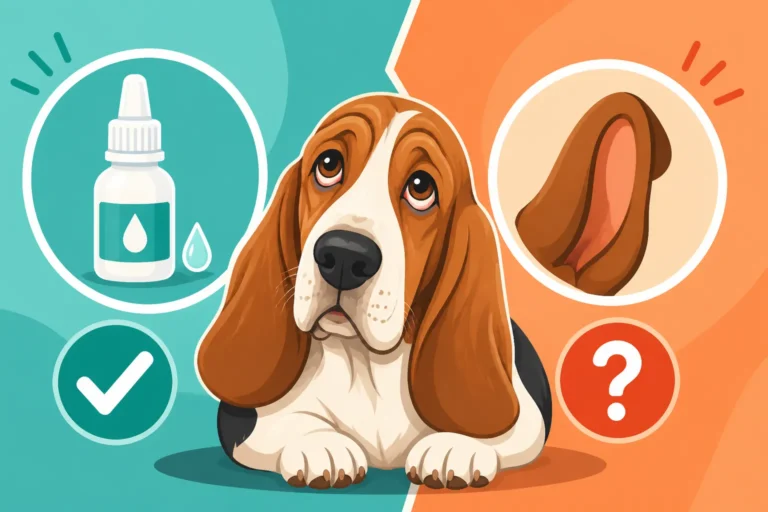
A truly ethical breeder puts significant resources into ensuring the health and well-being of their breeding stock. This isn't just a nicety; it's a necessity for a breed prone to certain genetic conditions. Reputable breeders screen their adult Bassets for conditions common to the breed, such as elbow dysplasia and certain eye conditions. This proactive approach helps to minimize the chances of passing on debilitating issues to the next generation. For example, The Health Tests a Basset Hound Breeder Should Run are extensive and can include checking for Whether a Basset Hound Breeder Screens for Glaucoma. These tests are not cheap, and they contribute directly to the overall price of a puppy, ensuring you’re getting a dog with the best possible start. This investment in health is far more valuable than any "rare" color premium a less scrupulous breeder might try to impose.
Lifelong Expenses Beyond the Initial Purchase
Once you bring your Basset home, the ongoing costs quickly add up. Food, veterinary check-ups, vaccinations, parasite prevention, and unexpected medical emergencies can be substantial. For example, What a Basset Hound Costs a Year to Keep is much more than the initial puppy price.
- Food: Basset Hounds love to eat, and feeding them a high-quality diet is crucial for their health, especially for maintaining a healthy weight to protect their joints. Brands like Ollie offer fresh, personalized meal plans, which can be an excellent option for some Bassets, but you’ll want to check their current offerings for details. Alternatively, Chewy provides a wide range of premium kibbles and wet foods, making it easy to find suitable options no matter your budget. Keeping them at their correct weight is also key to avoiding problems like What Extra Weight Does to a Basset Hound. You can explore What Feeding a Basset Hound Costs Monthly to get a better idea of this ongoing expense.
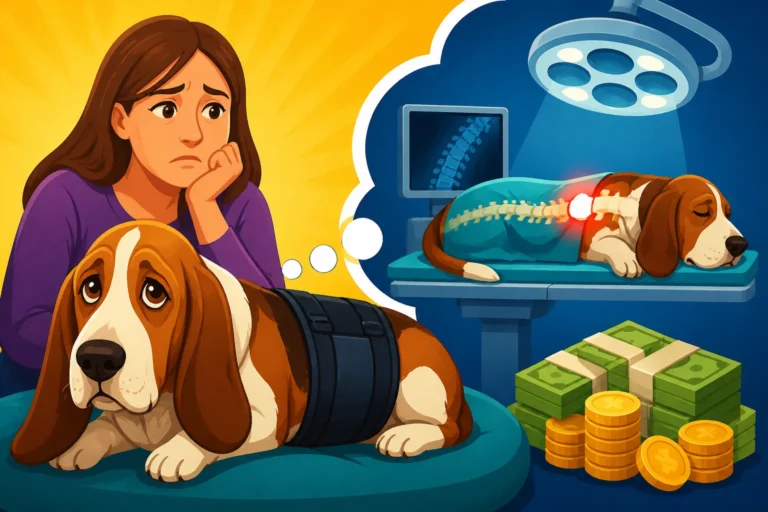
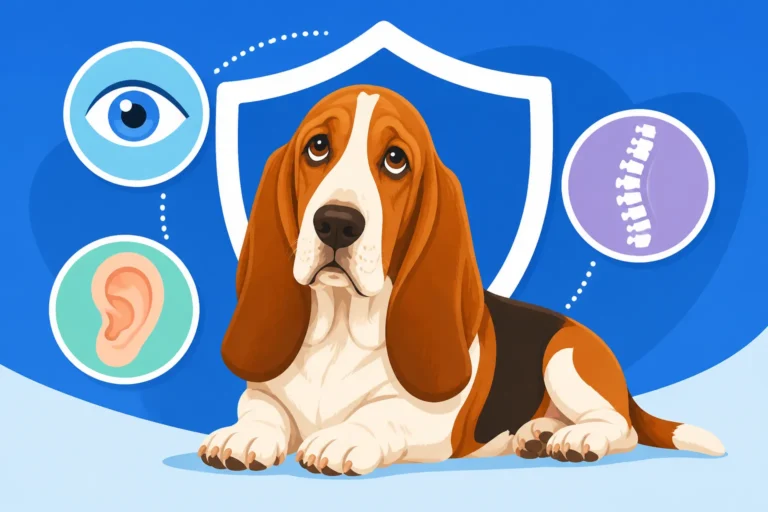
- Veterinary Care: Regular vet visits are non-negotiable, and Basset Hounds, with their long ears and specific build, can sometimes have unique health needs. This makes pet insurance a very wise investment. Companies like Healthy Paws offer comprehensive plans that can help offset unexpected costs. Considering Insuring a Basset Hound Against Eyes, Ears and Backs can save you a significant amount in the long run, especially given their predispositions to certain health issues.
- Supplies and Training: You'll need leashes, collars, beds, toys, and potentially a snood to keep those long ears out of their food and water. Training classes are also highly recommended, especially given their independent nature.
As you can see, these lifelong expenses quickly dwarf any marginal difference in initial price that might be attributed to a puppy's coat color. The smart approach is to budget for these ongoing needs rather than fixate on a color-based premium.
Debunking "Rare Color" Premium Myths
The idea that a "rare" coat color means a higher price tag is a marketing tactic often used by less reputable breeders. For Basset Hounds, especially when it comes to common, breed-standard colors like tricolor, this simply isn't the case. Understanding this distinction is vital for making a responsible choice and ensuring you bring home a healthy, well-adjusted Basset.
Avoiding Unscrupulous Breeders
Be extremely wary of any breeder who attempts to charge more for a Basset Hound specifically because it is "tricolor" or claims it's a "rare" color. As we've discussed, tricolor is a standard and common coat pattern for the breed. Such claims are usually a red flag, indicating that the breeder may be more interested in making a quick profit than in upholding breed standards and producing healthy dogs. Unscrupulous breeders might also promote non-standard or diluted colors as "rare" to justify inflated prices. These dogs may not only come from questionable breeding practices but could also be prone to associated health problems, such as skin issues linked to dilute colors. A responsible breeder will always prioritize health, temperament, and conformation over superficial traits like "rare" colors. They understand that the true value of a Basset Hound lies in its overall quality as a companion and a representative of the breed. If you're comparing a Basset Hound to a Beagle, for instance, you'll find similar common colorations and ethical breeders won't inflate prices for standard patterns for either breed.
Focusing on Health and Temperament
The true value of a Basset Hound, regardless of its coat pattern, lies in its health, stable temperament, and adherence to the breed standard. A well-bred Basset Hound is typically known for its gentle, amiable nature, its incredible nose, and its characteristic bay. These are the qualities that make them such beloved companions and are the result of careful, thoughtful breeding. A healthy Basset Hound from a reputable breeder, even a tricolor one, is an investment in a companion who will likely be with you for The Ten to Twelve Years a Basset Hound Lives, bringing joy and companionship.
When you're looking for a Basset Hound, prioritize breeders who can provide clear health clearances for the parents, who are transparent about their breeding practices, and who are eager to discuss the temperament and socialization of their puppies. Ask about their ongoing care plan, what food they recommend (such as options from Chewy or Ollie), and what support they offer after you take your puppy home. This focus on ethical practices and long-term well-being will lead you to a much better outcome than chasing a "rare" color.
Here's a quick comparison of Basset Hound colors and their general impact on price:
| Coat Color / Pattern | Description | Rarity | Typical Impact on Price |
|---|---|---|---|
| Tricolor | Black, white, and tan markings; often a black saddle with white and tan points. | Common | No significant impact |
| Black and White | Predominantly black with white markings. | Common | No significant impact |
| Red and White | Shades of red (light to dark) with white markings. | Common | No significant impact |
| Lemon and White | Pale yellow/cream markings with white. | Common | No significant impact |
| Mahogany and White | Dark brown/reddish brown with white markings. | Common | No significant impact |
| Blue (Dilute Black) | Silvery-blue or grey with white; non-standard. | Rare | Warning: May be artificially inflated price, potential health issues. |
| Solid Colors | Very rare or non-standard. | Rare | Warning: May be artificially inflated price, potential health issues. |
As the table shows, stick to the common, recognized hound colors. Your Basset Hound's vibrant personality and loving nature will be far more impactful than the specific pattern of its coat. Choosing a well-bred Basset Hound, regardless of its color, is the best way to ensure you welcome a healthy and happy addition into The Household a Basset Hound Actually Fits.
Disclaimer
This article is for general informational purposes only and does not constitute professional advice. Laws, prices and regulations vary by location and change over time. Consult a qualified professional for guidance on your specific situation.