Why Basset Hounds Are Surrendered
It’s a truly heartbreaking thing to hear that a beloved Basset Hound has ended up in a rescue or shelter. These sweet, soulful dogs, with their long, droopy ears and expressive eyes, capture our hearts so easily. Yet, despite their charm and generally docile nature, many owners find themselves overwhelmed and unable to keep their Bassets, leading to the difficult decision of surrender. This guide aims to shed light on the common, often misunderstood, reasons why Basset Hounds unfortunately find themselves without a home, and what prospective owners can do to prepare.
The Heartbreaking Reality: Why Good Dogs End Up Homeless
When you see a Basset Hound, perhaps lounging lazily or following a captivating scent trail with intense focus, it’s hard to imagine why anyone would ever give them up. They have such a distinct, endearing personality that seems to promise a life of cuddles and comical antics. However, the reality of living with a Basset Hound can sometimes be a stark contrast to the initial romanticized vision. People often fall in love with the idea of a Basset without fully understanding the nuances of their care and temperament, and this gap between expectation and reality is a significant factor in surrenders.
Misconceptions About the Breed
One of the biggest hurdles Basset Hounds face is the widespread misconception that they are lazy, low-maintenance dogs suitable for anyone seeking a quiet companion. While they certainly enjoy a good nap and aren't typically bouncing off the walls like some high-energy breeds, describing them as "lazy" can be misleading. They have a strong prey drive and an incredible nose, which means they require a specific kind of engagement and management. Owners might expect a couch potato but get a determined scent hound that can follow its nose right out of an open gate. This leads to frustration when the dog doesn't fit the predetermined mold.
Many also assume their calm demeanor means they’re universally easy to train. While intelligent, Basset Hounds are also famously independent and "stubborn," a trait that can be endearing in small doses but infuriating when trying to teach basic manners or recall. The idea that all dogs are eager to please is quickly dispelled by a Basset Hound who has decided a particular command isn't worth their effort at that moment. This independence often translates to a lack of proper training, which then manifests as behavioral issues that become too much for an unprepared owner to handle.
Lack of Preparation
Bringing any dog into your home requires research, but with a breed as unique as the Basset Hound, thorough preparation is paramount. Too often, people adopt or buy a Basset Hound without a deep dive into the breed's specific needs, health predispositions, and personality traits. They might not realize the extent of ear care required, the potential for back problems, or the sheer volume of baying a Basset can produce when left alone or hot on a scent.
This lack of foresight can lead to owners feeling overwhelmed by the daily demands. They might not have considered the financial implications of potential health issues, or the time commitment needed for consistent, patient training. When the charming puppy grows into an adult dog with all the quirks and challenges of the breed, an unprepared owner can quickly feel ill-equipped, leading to stress for both the human and the hound. Resources like "What a Basset Hound Costs a Year to Keep" can offer a clear picture of the financial commitment, helping potential owners plan ahead.
Unprepared for the Basset Hound's Unique Needs
Basset Hounds are wonderful, but they come with a very specific set of requirements that, if not met, can quickly lead to difficulties. Their distinctive physical traits and strong hound instincts are often at the root of many owner frustrations, highlighting the importance of understanding the breed beyond their adorable looks.
High-Maintenance Grooming and Health Needs
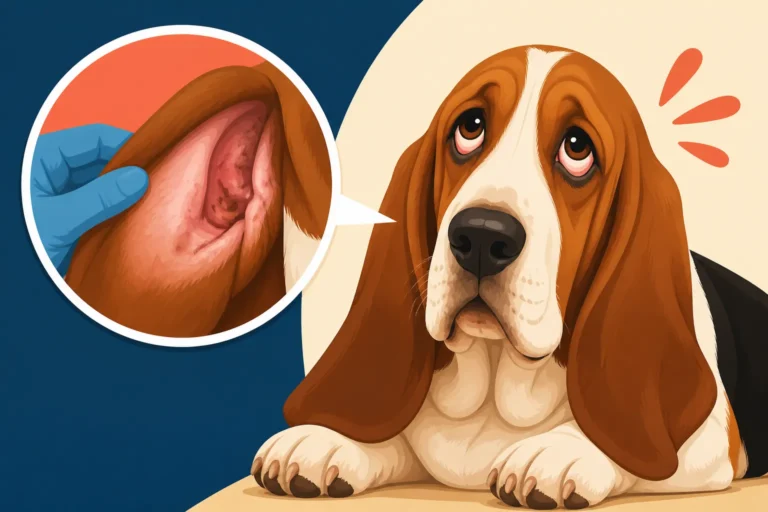
Let's face it, those iconic long, velvety ears are a Basset Hound's most charming feature, but they are also a significant source of potential health issues and require dedicated care. Their pendulous nature means very little air circulation reaches the ear canal, creating a warm, moist environment perfect for yeast and bacteria to thrive. This often leads to chronic ear infections, which can be painful for the dog and expensive and time-consuming for the owner. Many owners are simply not prepared for the "twice weekly ear ritual" a Basset Hound owner signs up for, including regular cleaning and diligent monitoring. Ignoring these needs leads to severe infections, discomfort, and potentially surgery, all of which contribute to the burden on an owner.
Beyond their ears, Basset Hounds have loose, wrinkled skin, particularly around their faces and necks. These skin folds, while giving them their mournful expression, can trap moisture and debris, leading to skin fold infections if not cleaned regularly. Imagine trying to keep up with cleaning the folds of a Basset Hound's face, especially if your dog isn't keen on the process. Their droopy eyelids can also cause issues, such as entropion or ectropion, which may require veterinary intervention. These are not minor inconveniences; they are ongoing health management tasks that demand consistency and can become costly.
The Basset Hound's Distinct Personality
While generally sweet-natured, Basset Hounds possess a personality that requires a patient and understanding owner. They are hounds, first and foremost, bred to follow a scent trail tirelessly, and this instinct is deeply ingrained. When a Basset Hound stops hearing you when it smells something, it's not being disobedient; it's simply fulfilling its genetic purpose. This strong scent drive means they can be incredibly difficult, if not impossible, to reliably recall off-leash in an unfenced area, making off-leash adventures risky unless in a secure location. Many owners become exasperated when their dog "ignores" them on walks.
Their famous "stubbornness" is another trait that can test an owner's patience. Basset Hounds aren't necessarily stubborn in the sense of being malicious, but they have a strong sense of self-preservation and a clear idea of what they want to do (usually involving sniffing something fascinating). Training often requires positive reinforcement, creativity, and a hefty dose of patience. Yelling or harsh corrections rarely work and can damage the bond. Owners expecting a highly biddable dog like a Golden Retriever might quickly feel frustrated by a Basset's independent spirit, leading to training falling by the wayside.
Physical Limitations and Health Issues
The Basset Hound's distinctive body shape, with its long back and short, sturdy legs, is undeniably charming but also predisposes them to certain health problems. One of the most common and debilitating is Intervertebral Disc Disease (IVDD), which affects their spine. A sudden jump off furniture, a clumsy landing, or even just old age can lead to a slipped disc, causing immense pain, paralysis, and requiring expensive emergency surgery. Understanding the back trouble a Basset Hound is built into is crucial for preventative care, like using ramps and discouraging jumping.
Beyond IVDD, Basset Hounds are prone to elbow dysplasia and other joint issues, often exacerbated by their heavy bone structure and potential for weight gain. An overweight Basset Hound breaks down faster, putting extra strain on already vulnerable joints. These conditions can significantly impact a dog's quality of life and necessitate ongoing veterinary care, pain management, and potentially physical therapy. Seeing your beloved companion in pain, coupled with the rising vet bills, can unfortunately push some owners to their breaking point.
The Unexpected Costs of Basset Hound Ownership
Bringing a Basset Hound into your life means opening your wallet for more than just the initial purchase price. The breed's unique conformation and health predispositions often translate into higher-than-average veterinary expenses, specialized supplies, and ongoing care that can catch even well-meaning owners off guard. Financial strain is a very real, and often underestimated, reason for surrenders.
Routine Vet Care and Preventative Measures
Even without major health crises, the routine care for a Basset Hound can add up. Their long, floppy ears, as we’ve discussed, are prone to infections, meaning regular vet visits for check-ups, ear cleanings, and prescribed medications. "What Ear Treatment Costs a Basset Hound Owner Yearly" can be a shocking revelation for new owners. Beyond ears, their eyes, skin folds, and joints all require attention. Regular dental care is also crucial, as their mouths can be crowded, leading to tartar buildup.
Preventative measures, while saving money in the long run, still require an upfront investment. High-quality food formulated for large breeds, joint supplements, and possibly prescription diets for weight management or allergies are all part of the picture. Owners might find themselves needing to purchase specialized equipment like elevated bowls (to keep those long ears out of food and water) and comfortable, orthopedic beds to support their long backs. These aren't luxuries; they are often necessities to maintain a Basset Hound's health and comfort, and the cumulative cost can be considerable.
Emergency Surgeries and Chronic Conditions
This is where the financial burden can become truly overwhelming. If a Basset Hound develops IVDD, glaucoma, or severe chronic ear infections that require surgical intervention, the costs can skyrocket into the thousands. "What Back Surgery Costs a Basset Hound Owner" is not a light read. Such unexpected and significant expenses can easily exceed an owner's budget, especially if they haven't set aside an emergency fund or invested in pet insurance.
For many, the choice between providing life-saving or pain-alleviating surgery and financial ruin is agonizing. Companies like Healthy Paws offer pet insurance plans that can help mitigate these costs, covering a significant portion of emergency vet bills and ongoing treatment for chronic conditions. However, not all owners plan for this, or they might find certain breed-specific conditions excluded if they don't get a policy early enough. The emotional and financial stress of managing a Basset Hound with a chronic condition, such as severe allergies requiring lifelong medication or a degenerative joint disease, can unfortunately lead to a difficult surrender.
Food and Specialized Supplies
Feeding a Basset Hound to the right weight is critical for their joint and back health. These dogs love to eat and can easily become overweight, compounding their health issues. While standard kibble costs might seem manageable, if a Basset Hound develops specific dietary needs—perhaps due to allergies, a sensitive stomach, or a need for a prescription weight-loss formula—the food bill can increase substantially. Services like Chewy or Ollie can be incredibly convenient for getting specialized diets delivered right to your door, but these premium foods often come with a higher price tag.
Beyond food, there's a myriad of supplies unique to the breed. Snoods, for instance, are often needed to keep those long ears out of food and water bowls, preventing them from getting dirty or wet and reducing the risk of ear infections. Orthopedic beds are not just for senior Basset Hounds; they can be beneficial for younger dogs too, providing crucial support for their spines. Ramps for cars or furniture are essential to prevent dangerous jumps that could injure their backs. All these seemingly small purchases contribute to the overall cost of ownership, and when added to vet bills and food, they can create a financial strain that some families simply cannot sustain.
Lifestyle Mismatches and Training Challenges
Many surrenders stem not from a lack of love, but from a fundamental mismatch between the Basset Hound's innate behaviors and an owner's lifestyle or expectations. What might seem charming in a puppy can become a significant challenge in an adult dog if not properly managed with understanding and consistent training.
The Scent-Driven Escape Artist
The Basset Hound's nose is legendary, second only to the Bloodhound. This incredible sense of smell means that when a compelling scent crosses their path, everything else, including your urgent calls, fades into the background. They are, quite simply, compelled to follow that scent. This isn't naughtiness; it's instinct. Consequently, Basset Hounds are notorious escape artists. A slightly ajar gate, a weak latch, or even a determined dig under a fence can lead to them disappearing on a "scent-venture."
This trait means that a secure, fenced yard is absolutely non-negotiable for a Basset Hound. Even then, they need supervision, as their determination to follow a trail can lead to surprising feats of ingenuity. Walking a Basset Hound often requires a strong leash and a secure harness, as they will pull relentlessly if a scent grabs their attention. For owners who live in areas without secure fencing or who prefer off-leash walks, a Basset Hound can be a constant source of anxiety and frustration, often leading to them being kept inside more than is healthy or, sadly, given up. "Whether a Basset Hound Should Ever Be Off Leash" is a topic that many owners quickly learn the hard way.
Vocalization and Noise Complaints
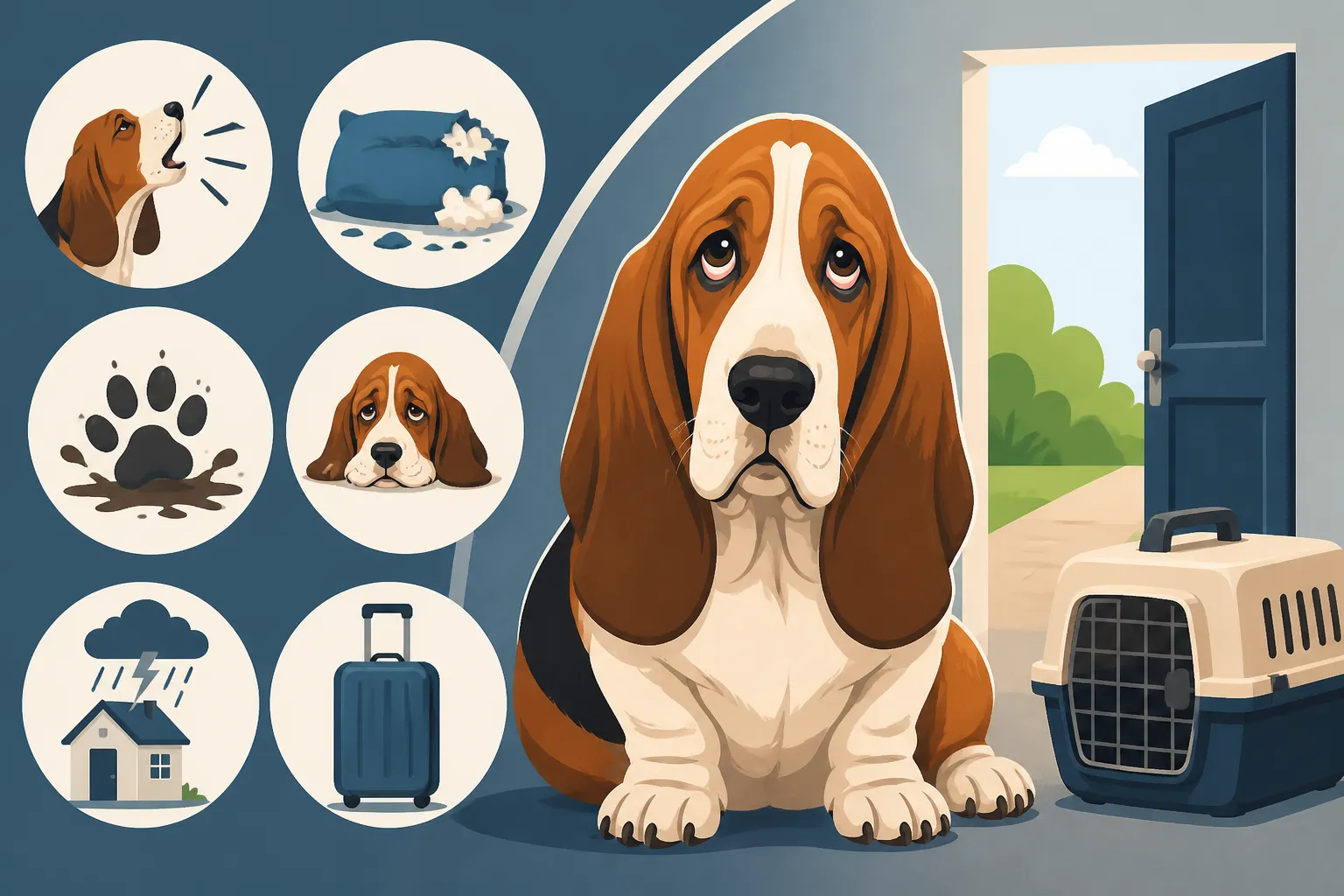
Basset Hounds are hounds, and hounds bay. It's a fundamental part of who they are, a deep, mournful, and surprisingly loud vocalization that can carry for long distances. While some owners find it charming, neighbors often do not. "The Bay a Basset Hound Uses and the Neighbors Hear" can quickly become a significant issue, particularly for owners in apartments, townhouses, or close-knit suburban neighborhoods.
They may bay when left alone, out of boredom, in response to sirens, or simply because they've caught an interesting scent in the air. For an owner living in shared walls, this can lead to noise complaints from landlords or neighbors, putting immense pressure on the family to resolve the issue. While training can help manage excessive vocalization, completely eliminating a Basset Hound's bay is often an unrealistic expectation. This inherent trait is a major reason why Basset Hounds are surrendered, especially when owners face the threat of eviction or fines.
House Training Hurdles and Destructive Chewing
House training a Basset Hound can sometimes be a test of patience. While intelligent, their independent nature can mean they don't always grasp the concept as quickly as other breeds. Consistency, routine, and positive reinforcement are key, but owners expecting a quick fix might get frustrated. "How Long a Basset Hound Puppy Takes to House Train" can vary significantly from dog to dog, and accidents in the house, particularly if the dog is left for long periods, can become a source of contention.
Furthermore, Basset Hounds, especially when bored or anxious, can turn to destructive chewing. Their strong jaws and determined nature mean they can inflict considerable damage on furniture, shoes, or personal belongings. A bored Basset is an unhappy Basset, and an unhappy Basset often finds ways to entertain itself, usually at the owner's expense. While providing appropriate chew toys and mental stimulation (like scent work games) can help, some owners simply can't cope with the damage, especially if they haven't understood the need to keep their Basset Hound mentally engaged.
Life Changes: When Owners Can No Longer Cope
Sometimes, the reasons for surrender have less to do with the Basset Hound's specific breed traits and more to do with unforeseen life circumstances that make it impossible for an owner to continue providing adequate care. These situations, while deeply painful for the owner, often mean the Basset Hound needs a new home to thrive.
Moving and Housing Restrictions
One of the most frequent external reasons for surrendering a dog is a change in living situation, particularly moving to a new home. Finding pet-friendly housing can be incredibly challenging, especially for larger breeds or those with specific characteristics like the Basset Hound's vocalizations. Many rental properties or HOAs have strict weight limits, breed restrictions, or "nuisance barking" clauses that make keeping a Basset Hound impossible.
Imagine an owner forced to choose between a roof over their head and their beloved dog. It's an agonizing decision, and sadly, for many, the dog has to be rehomed. Even if a new place allows dogs, it might not have the secure yard a Basset Hound needs, leading to the risk of escapes and further problems. The stress of relocation, coupled with new restrictions, often culminates in the heartbreaking decision to surrender. "Whether a Basset Hound Suits an Apartment" is a question many owners wish they had considered before getting their hound.
New Family Members or Health Crises
Life is unpredictable, and sometimes, joyous or challenging events can alter an owner's capacity to care for their Basset Hound. The arrival of a new baby, while a happy occasion, can sometimes lead to a dog being surrendered if the family feels they can no longer devote enough time or attention to their pet. While Basset Hounds are generally good with children, the sheer demands of a newborn, combined with the Basset's specific needs, can be overwhelming.
Similarly, a serious illness, disability, or a health crisis affecting the owner or another family member can dramatically impact their ability to provide care. An elderly owner might find they can no longer physically manage a strong-pulling Basset Hound on a leash or lift them if they become immobile. The costs associated with human medical care can also drain financial resources, making it impossible to cover a Basset Hound's ongoing veterinary needs, especially if it has chronic conditions. These are incredibly difficult circumstances where surrender often feels like the only option for the dog's well-being.
Lack of Time and Attention
Modern life is busy, and many people underestimate the sheer amount of time and attention a dog, even a seemingly laid-back Basset Hound, truly needs. While they might enjoy lounging, Basset Hounds still require daily walks for exercise and mental stimulation, regular grooming for their ears and folds, and consistent training. A Basset Hound left alone for long hours without adequate mental or physical engagement can quickly become bored, anxious, and destructive. "Whether a Basset Hound Gets Separation Anxiety" is a real concern for many owners.
Owners whose work schedules change, or who find themselves traveling more often, might suddenly realize they can no longer commit the necessary hours. This often leads to feelings of guilt and inadequacy, and rather than letting the dog suffer from neglect or developing behavioral issues, they seek to rehome it. A Basset Hound needs to be an integrated part of the family, not just a fixture in the house, and when an owner can no longer provide that level of companionship, surrender often feels like the most humane choice for the dog's future.
Here's a summary of common surrender reasons and preventative measures:
| Reason for Surrender | Description | Preventative Measures |
|---|---|---|
| High Maintenance Health Needs | Chronic ear infections, skin fold issues, eye problems, IVDD, joint issues. Painful and costly. | Thorough research on breed health; regular preventative care (ear cleaning, fold cleaning); pet insurance (e.g., Healthy Paws); emergency fund; discouraging jumping (use ramps). Check "The Back Trouble a Basset Hound Is Built Into" for more info. |
| Stubbornness/Training | Independent nature, difficulty with recall, perceived "disobedience." | Early, consistent positive reinforcement training; understanding hound instincts (scent drive); enrolling in classes; mental stimulation (e.g., "Giving a Basset Hound's Nose Something to Do"); realistic expectations. |
| Vocalization | Loud baying and howling, especially when left alone or on scent. Leads to neighbor complaints. | Training for quiet cue; ensuring adequate exercise and mental stimulation; soundproofing; considering living situation (apartments may not be ideal). |
| Escape Artists | Strong scent drive leads to wandering, digging, and escaping secure yards. | Absolutely secure fencing (dig-proof); never off-leash in unsecured areas; GPS tracker; vigilant supervision. Read "Why a Basset Hound Stops Hearing You When It Smells Something" to understand their drive. |
| Financial Burden | High vet bills (routine & emergency), specialized food, necessary equipment (ramps, orthopedic beds). | Budgeting for ongoing costs; pet insurance (e.g., Healthy Paws); emergency savings; considering if you can afford potential unexpected surgeries. Check "What a Basset Hound Costs a Year to Keep". |
| Lack of Time/Attention | Requires daily engagement, grooming, walks. Can lead to boredom, anxiety, destructive behavior. | Realistic assessment of time availability; planning for dog walkers/daycare if needed; incorporating dog into daily life; providing mental enrichment (e.g., snuffle mats, puzzle toys). |
| Life Changes | Moving, new baby, owner illness, job changes. | Forward planning for pet-friendly housing; understanding commitment for the dog's lifespan; building a support network for emergencies. |
| House Training/Chewing | Can be slower to house train; destructive chewing when bored or anxious. | Consistent house training schedule; crate training; appropriate chew toys; plenty of exercise and mental stimulation; supervision. More on "How Long a Basset Hound Puppy Takes to House Train" can be found elsewhere. |
Disclaimer
This article is for general informational purposes only and does not constitute professional advice. Laws, prices and regulations vary by location and change over time. Consult a qualified professional for guidance on your specific situation.