What a Basset Hound Rescue Charges
Bringing a rescued Basset Hound into your home is a truly heartwarming experience, but it's natural to feel a bit overwhelmed wondering about the financial side of things. Many prospective adopters are curious about the immediate costs, specifically what a Basset Hound rescue organization actually charges for adoption. This guide will walk you through the various financial aspects you should consider when opening your home and heart to one of these wonderful, long-eared companions, from the initial adoption fee to the ongoing expenses that make up the real cost of ownership.
Understanding the "Adoption Fee" for a Rescued Basset Hound
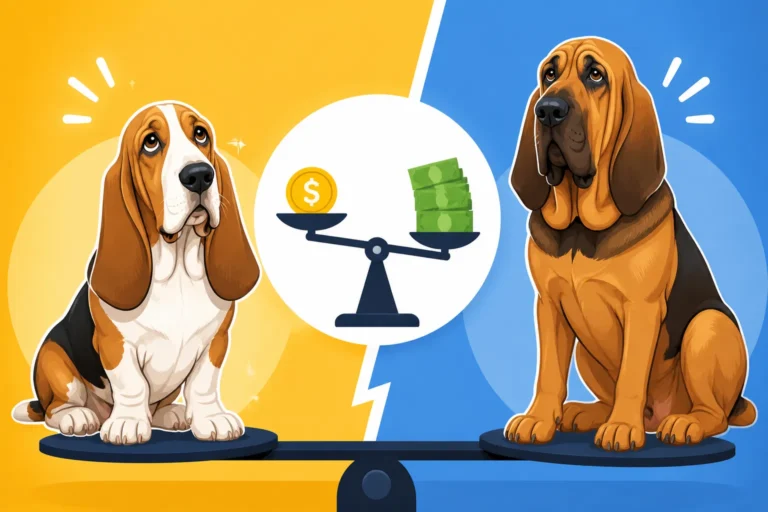
When you adopt a Basset Hound from a rescue, you'll encounter what's commonly called an "adoption fee." It's important to understand that this isn't a purchase price in the traditional sense, but rather a contribution towards the care the animal has already received and a way to help the rescue continue its vital work. Rescues operate on donations and these fees, often run by volunteers pouring their hearts and personal resources into saving these dogs.
The Purpose Behind the Rescue Fee
Think of the adoption fee as a lifeline for the rescue. It goes directly back into their operations, covering a multitude of expenses that ensure the Basset Hounds in their care are healthy, safe, and ready for their forever homes. This almost always includes a comprehensive veterinary check-up, necessary vaccinations, deworming, and often spaying or neutering. Many rescues also microchip their dogs, which is an invaluable tool for reunification if a Basset Hound ever gets lost, and provides critical peace of mind for you.
Beyond the medical care, these fees also help cover the day-to-day costs of sheltering, feeding, and rehabilitating Bassets. This might include high-quality food, treats, toys, bedding, and any specialized medical treatments or surgeries some dogs require before they're adoptable. For example, some Basset Hounds arrive at rescues with significant health issues, like chronic ear infections or dental problems, which require extensive and costly treatment. The fee helps offset these substantial bills, ensuring that the next dog that comes through their doors receives the same high standard of care.
Factors Influencing Adoption Costs
The adoption fee for a Basset Hound can vary quite a bit, and several factors play into this. One common differentiator is the dog's age. Puppies, for instance, often command a higher fee than adult or senior Basset Hounds. This is partly due to the high demand for puppies and partly because rescues know that puppies require a lot of initial vetting, including multiple rounds of vaccinations and deworming before they're old enough for spay/neuter surgery. Conversely, a senior Basset Hound might have a reduced or waived fee to encourage adoption, as older dogs often have a harder time finding homes despite being wonderful companions. You might also find varying fees if you're specifically looking for a Whether a Lemon and White Basset Hound Costs More or other specific coat colors, though this is less common with dedicated breed rescues than with private sellers.
Another significant factor is the specific rescue organization. Larger, well-established rescues might have slightly different fee structures compared to smaller, independent groups. The geographic location can also influence costs, as veterinary expenses and overhead can differ greatly from one region to another. A rescue in a high-cost-of-living area, for example, might have higher vet bills for their dogs, which is reflected in their adoption fees. It's always a good idea to inquire directly with the rescue about what their adoption fee includes, so you know exactly what your contribution supports.
Distinguishing Rescue vs. Shelter Fees
While both rescues and shelters work to find homes for dogs, there can be differences in their fee structures and what those fees cover. Local municipal or county shelters, often government-funded or partially government-funded, typically have lower adoption fees. These fees are usually designed to cover basic spay/neuter, initial vaccinations, and microchipping. They aim to make adoption accessible to as many people as possible, and their operational costs are sometimes subsidized by public funds or large grants.
Dedicated Basset Hound rescues, on the other hand, are almost exclusively non-profit organizations that rely heavily on donations, fundraising, and adoption fees to cover all their expenses. Their fees might be slightly higher than a municipal shelter's because they often invest more significantly in breed-specific veterinary care, rehabilitation, and sometimes even transport across state lines to save a dog. They also tend to have a deeper understanding of the breed's specific health and behavioral needs, ensuring the Basset Hounds are thoroughly assessed before placement. When considering What Adopting a Basset Hound Costs, remember that these fees are rarely, if ever, designed to generate profit, but rather to sustain the critical work of saving lives.
Immediate Financial Outlays After Adopting Your Basset Hound
Once you've paid the adoption fee and brought your new floppy-eared friend home, the financial considerations don't stop there. There are several immediate expenses you'll need to prepare for, ranging from basic supplies to potential unexpected vet visits. These initial outlays are crucial for setting your Basset Hound up for success and comfort in their new environment.
Stocking Up on Essential Supplies
Before your Basset Hound even steps paw inside your home, you'll want to have some essentials ready. This includes a sturdy collar or, even better, a well-fitting harness, as Basset Hounds are notorious for their strong noses and tendency to pull. A good leash is also paramount, preferably a longer one for walks, but remember a Basset Hound should rarely, if ever, be off-leash due to its strong prey drive. You'll need food and water bowls; consider a raised bowl to help with their long necks and prevent them from dragging their ears in their food. You might even consider a specially designed snood to keep those beautiful ears clean and dry, as discussed in Whether a Basset Hound Needs a Snood at Dinner.
Beyond walking gear and bowls, a comfortable bed is essential. Given a Basset Hound's propensity for joint issues like elbow and hip dysplasia, an orthopedic bed is a wise investment right from the start. Chew toys are a must-have for mental stimulation and to save your furniture. Don't forget grooming supplies like a soft brush, nail clippers or a grinder, and ear cleaning solution, as Basset Hounds require a The Twice Weekly Ear Ritual a Basset Hound Owner Signs Up For. You can find many of these items readily available from online retailers like Chewy, which offers a wide selection and convenient delivery right to your door.
The First Vet Visit and What It Might Uncover
Even if your rescued Basset Hound comes with a clean bill of health and recent vet records, scheduling an initial visit with your own veterinarian within the first week or two of adoption is a crucial step. This allows your vet to establish a baseline for your dog's health, verify vaccination status, and discuss any immediate concerns or preventative care specific to your area. It’s also an opportunity to ask about any breed-specific health predispositions, such as glaucoma or Intervertebral Disc Disease, which Basset Hounds are prone to.
Sometimes, a rescue Basset Hound might arrive with conditions that weren't fully diagnosed or treated, or that flair up due to stress from changing environments. For example, Whether a Rescue Basset Hound Has Untreated Ears is a common concern, as chronic ear infections are rampant in the breed and can be expensive and time-consuming to treat. Your vet might discover hidden dental issues that require attention, or skin fold infections that need addressing, as detailed in Skin Fold Infections on a Basset Hound. It’s wise to budget for this initial visit and potential follow-up diagnostics or treatments, as these unexpected costs can quickly add up.
Initial Training and Settling-In Support
Bringing home a rescue Basset Hound, especially an adult, can present unique behavioral and training needs. While many rescues do their best to assess temperaments, a dog's true personality often unfolds once they settle into a new home. You might find yourself needing to invest in positive reinforcement training classes to address common Basset challenges like selective hearing on walks or counter-surfing. Teaching a Basset Hound recall is famously difficult, as highlighted in The Recall a Basset Hound Will Never Reliably Give You, so training resources are often a good idea.
Furthermore, some rescue Bassets may have anxieties or fears from past experiences. This could manifest as separation anxiety, resource guarding, or difficulty adjusting to new routines. Working with a professional, positive-reinforcement trainer or a veterinary behaviorist can be invaluable. Even if your Basset Hound is well-adjusted, the first few weeks are a critical period for bonding and establishing rules, and professional guidance can make this transition smoother for everyone. Considering the cost of a crate for house-training, baby gates to manage access, and durable toys for enrichment will also factor into your initial budget as you help your Basset Hound adjust, a process that can take a good The Weeks a Basset Hound Puppy Takes to Be Clean or longer, depending on their past.
The Long-Term Commitment: Ongoing Expenses for Your Basset Hound
Adopting a Basset Hound is not just about the initial fee and setting-up costs; it's a commitment that spans years. Understanding the ongoing financial obligations is key to ensuring you can provide a high quality of life for your new family member. These expenses become part of your regular household budget, and planning for them is crucial.
Keeping Your Basset Hound Well-Fed
Food is one of the most significant ongoing expenses for any dog owner, and Basset Hounds are no exception. They are known for their love of food, which makes managing their weight a constant battle. This means investing in high-quality dog food that meets their nutritional needs without excessive calories. Whether you choose kibble, wet food, or even a fresh food delivery service like Ollie, the cost will be a recurring item in your budget. It's not just about filling their bowl; it's about providing the right fuel.
As discussed in What Feeding a Basset Hound Costs Monthly, the price of food can vary widely based on brand, ingredients, and whether you choose specialized diets. Many Basset Hounds, especially as they age, may benefit from joint support supplements or foods formulated for sensitive stomachs. Keeping a Basset Hound at their correct weight is paramount to their long-term health, especially to prevent exacerbating conditions like back trouble or arthritis. This means carefully portioned meals and healthy treats, which will all factor into your monthly food budget.
Proactive Healthcare and Preventative Maintenance
Beyond food, routine veterinary care forms the backbone of your Basset Hound's health. This includes annual check-ups, booster vaccinations, and regular parasite prevention for fleas, ticks, and heartworm. Basset Hounds, with their long, droopy ears, are particularly prone to ear infections, making regular cleaning and vet check-ups a must. If a Basset Hound has chronically inflamed ears, they may even need Whether a Basset Hound Needs Ear Drops for Life, adding to ongoing medication costs.
Dental health is another critical area; Basset Hounds can be prone to Whether a Basset Hound Gets Dental Disease, and regular professional cleanings may be necessary to prevent painful issues and systemic health problems. As your Basset ages, they might develop conditions like arthritis or require more frequent check-ups for issues like hypothyroidism, which are common in the breed. Investing in preventative care now can save you from far more expensive emergency treatments down the line, ultimately contributing to The Ten to Twelve Years a Basset Hound Lives.
Planning for the Unexpected: Insurance and Savings
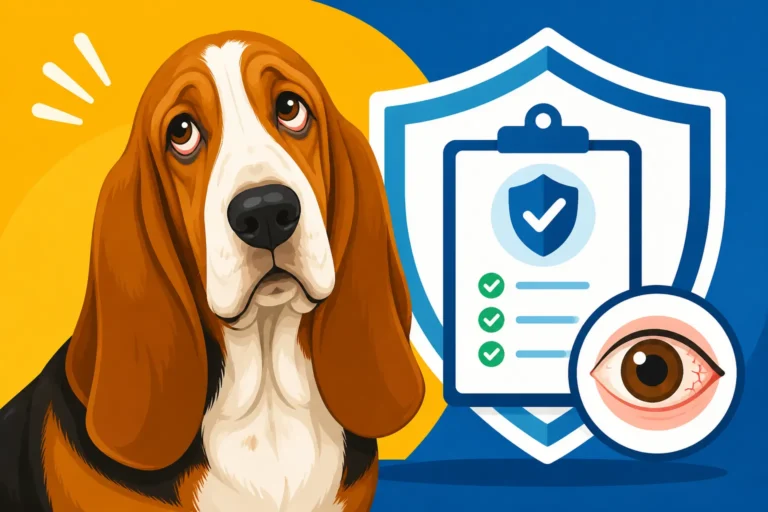
No matter how diligent you are with preventative care, unexpected health issues can arise. Basset Hounds, with their unique conformation, are susceptible to several serious conditions, including Intervertebral Disc Disease (IVDD), glaucoma, and even bloat, which can be life-threatening. The cost of emergency surgeries or specialized treatments for these conditions can be astronomical, potentially running into thousands of dollars, as highlighted in What a Basset Hound's Emergency Surgeries Cost.
This is where pet insurance can be a game-changer. Companies like Healthy Paws offer coverage that can help offset the financial burden of unexpected accidents or illnesses. While policies and coverage vary, having insurance provides peace of mind that you won't have to choose between your dog's health and your financial stability. Alternatively, if pet insurance isn't the right fit for you, establishing a dedicated savings account specifically for your Basset Hound's potential medical emergencies is a smart strategy. Many owners set aside a specific amount each month to build up an emergency fund, providing a safety net for those unforeseen circumstances.
Smart Financial Planning for Basset Hound Guardians
Understanding all the potential costs associated with a Basset Hound is the first step, but then comes the practical application: how do you actually manage these expenses? Responsible Basset Hound ownership means being proactive about financial planning, exploring all available resources, and recognizing the profound, non-monetary returns on your investment.
Crafting a Sustainable Budget
Creating a detailed budget for your Basset Hound is not just about knowing what you might spend, but what you will spend consistently. Start by listing all your known ongoing expenses: food (consider different brands or types, maybe check prices on Chewy), monthly preventative medications, grooming supplies (ear cleaner, nail trimmers, shampoo), and an allocation for routine vet visits. Then, factor in a buffer for unexpected costs, even if you have insurance. Think about potential one-off purchases like a new orthopedic bed or a sturdy car ramp if you notice The Old Basset Hound That Cannot Get Off the Floor.
A realistic budget helps you see where your money is going and allows you to make informed decisions. For instance, if you're struggling with high food costs, you might research more economical but still nutritious options, or look for sales. If vet bills are mounting, you could explore whether Insuring a Basset Hound Against Eyes, Ears and Backs makes sense for your particular situation. The goal isn't to cut corners on care, but to optimize your spending so you can provide the best possible life for your Basset Hound without financial stress.
Navigating Unexpected Costs and Support Systems
Even with the best budget, life with a Basset Hound can throw curveballs. A sudden lameness might mean X-rays for Elbow Dysplasia in a Basset Hound, or a persistent cough could lead to diagnostics. These unexpected expenses can be daunting, but there are resources to help. Many veterinary clinics offer payment plans for larger bills. Animal welfare organizations often have programs or financial aid for owners facing significant medical costs. Breed-specific rescues sometimes have emergency funds for their adopted dogs, so it's worth checking if the rescue you adopted from offers such support.
Don't hesitate to research local low-cost vaccination clinics or discounted spay/neuter programs if initial services weren't fully covered by the adoption fee. Community food banks sometimes include pet food, and local animal shelters might offer affordable grooming services. Being aware of these options beforehand can provide a crucial safety net when unforeseen circumstances arise, ensuring your Basset Hound gets the care it needs without you going into major debt.
The Priceless Return on Your Investment
While this guide focuses on the financial aspects, it's crucial to remember that the investment in a Basset Hound goes far beyond dollars and cents. The companionship, unconditional love, and endless entertainment they bring into your home are truly priceless. The joy of their silly antics, the comfort of their gentle presence, and the satisfaction of watching them explore the world with their incredible noses are rewards that cannot be quantified.
Choosing to adopt a Basset Hound means you're giving a deserving dog a second chance at happiness. Many rescue Bassets have faced difficult pasts, and providing them with a loving, stable home is an incredibly fulfilling act. While What a Basset Hound Costs a Year to Keep can be substantial, the emotional richness they add to your life is immeasurable. The wag of a tail, the soft lean against your leg, and the deep, soulful gaze from those droopy eyes are what make every penny spent worthwhile.
| Category | Typical Cost Elements | Considerations for Basset Hounds |
|---|---|---|
| Adoption Fee | Basic vet care, spay/neuter, vaccinations, microchip, temporary housing, food | Varies by rescue/shelter, age of dog. Often higher for puppies, lower/waived for seniors. |
| Initial Supplies | Collar/harness, leash, ID tags, bowls, bed, crate, toys, grooming tools | Sturdy harness for scent tracking; orthopedic bed for joint health; snood for ears; ample chew toys. |
| First Vet Visit | New patient exam, fecal test, deworming, any missed vaccinations, health screening | Establishing baseline, checking for breed-specific issues (ears, eyes, teeth, joints). Potential for unexpected diagnostics. |
| Food & Treats | High-quality kibble, wet food, fresh food (e.g., Ollie), prescription diets, treats | Portion control critical for weight management; joint support formulas; slow feeders. |
| Routine Vet Care | Annual exams, vaccinations, heartworm/flea/tick prevention, dental cleanings | Frequent ear checks and cleanings; attention to skin folds; regular dental care. |
| Training/Behavior | Puppy classes, basic obedience, specific behavioral consultations (if needed) | Can be stubborn on scent; recall training is vital; addressing separation anxiety common in rescues. |
| Pet Insurance/Savings | Monthly premiums or regular deposits into an emergency fund | Essential for covering potential high costs of IVDD, glaucoma, bloat, or other breed-predisposed conditions. Healthy Paws is one option. |
| Miscellaneous | Licenses, boarding/pet sitting, grooming (professional), unexpected repairs | Nail trims often needed more frequently; potential for noise complaints (baying); secure fencing is a must. |
Disclaimer
This article is for general informational purposes only and does not constitute professional advice. Laws, prices and regulations vary by location and change over time. Consult a qualified professional for guidance on your specific situation.