The Crooked Front a Basset Hound Is Built On
It's no secret that Basset Hounds have a distinct look, and their short, bowed front legs are definitely a signature feature. While it's part of their charm, many new and even seasoned Basset owners often worry about whether that unique 'crooked' appearance is actually healthy or a sign of impending trouble. This guide is here to walk you through everything you need to know about the Basset Hound's front anatomy, separating normal breed traits from potential health concerns, and offering practical advice on how to keep your long, low friend comfortable and happy throughout their life.
Understanding the Basset Hound's Unique Front Anatomy
When you look at a Basset Hound, the first thing that often catches your eye (after those glorious ears, of course!) is their unmistakable silhouette: long body, short legs, and that characteristic low-slung stance. This isn't an accident; it's a deliberate part of their breed standard, honed over centuries for scent work. However, this unique build, particularly in their front limbs, comes with its own set of considerations.
What Makes a Basset Hound's Front Legs Appear 'Crooked'
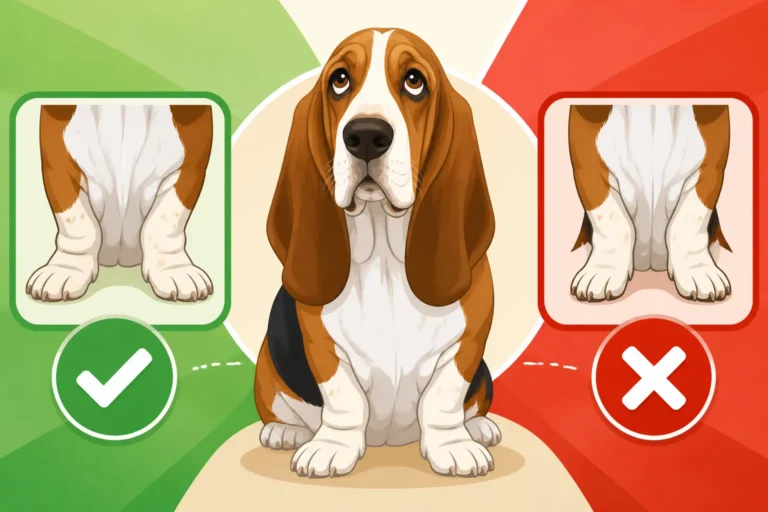
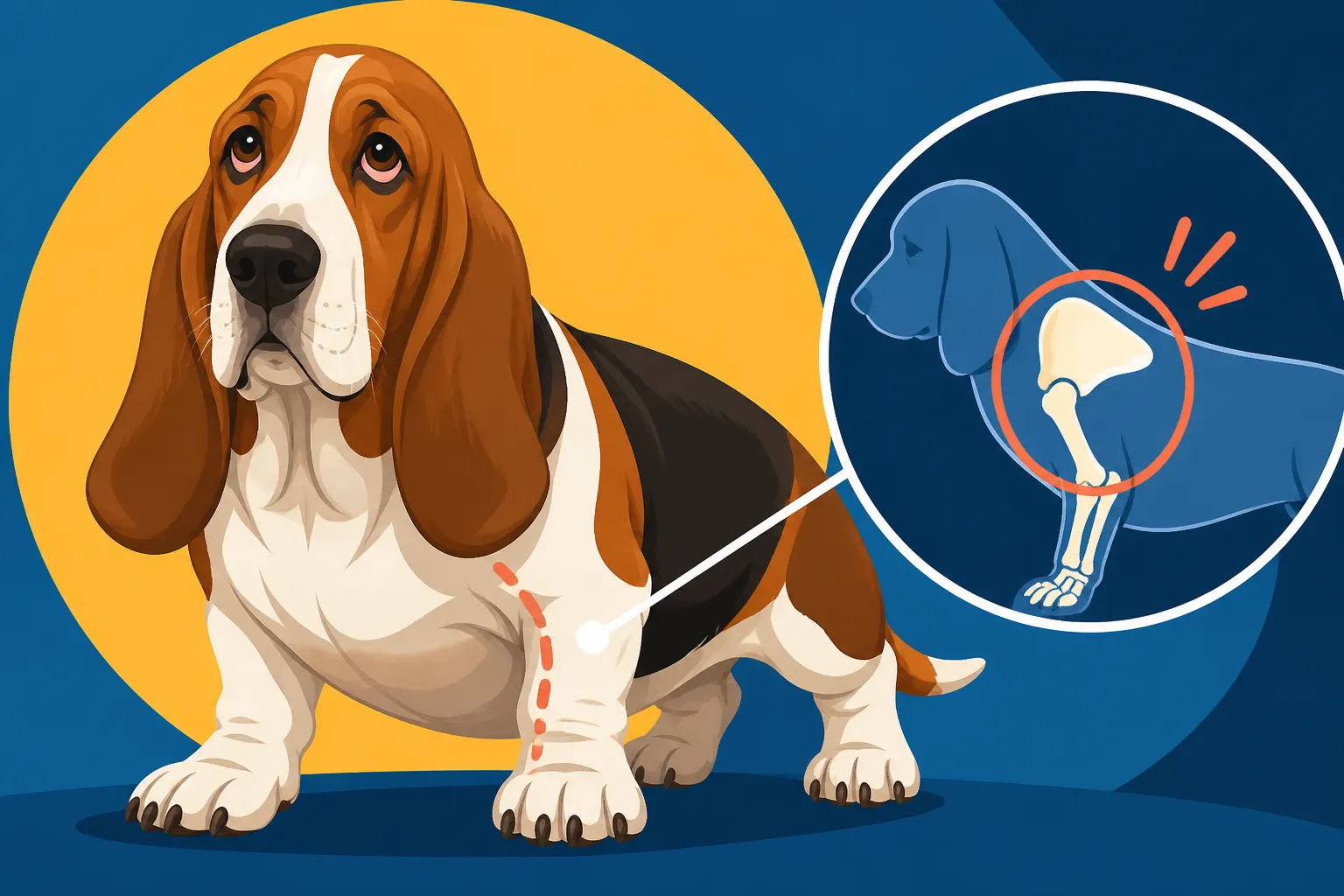
The term "crooked" often comes to mind because their front legs aren't straight columns like those of many other dog breeds. Instead, they exhibit a distinct outward turn at the forearm, with the feet often pointing slightly outward as well. This isn't a defect in a well-bred Basset; it's part of their genetic blueprint. Imagine trying to get your nose as close to the ground as possible while moving through dense underbrush – those bowed legs, coupled with their heavy bone and low chest, help them navigate and maintain balance while keeping their powerful nose locked onto a scent trail. It's an evolutionary advantage for their original purpose as a hunting hound.
This conformation helps create a stable base for their heavy, muscular bodies, distributing weight in a way that allows them to track for hours without tiring, despite their seemingly cumbersome build. The strong bone structure, while sometimes appearing disproportionate, is crucial for supporting their substantial frame. It's a marvel of selective breeding, adapting their physique to excel at a very specific task. The way their shoulder blades are laid back also contributes to this unique front assembly, giving them a rolling gait that is efficient for ground-level tracking.
However, it's a fine line. While a certain degree of "turn-out" is normal and expected, excessive bowing or deviation can put undue stress on joints and lead to pain and mobility issues. The breed standard, as set by organizations like the American Kennel Club, describes this front as heavy boned, with forelegs short, powerful, and slightly bowed, but emphasizes that the chest should be deep and full, not impeding movement. Understanding this nuance is key to differentiating between a characteristic trait and a potential structural fault that could impact their health and comfort. You might wonder, Whether a Basset Hound's Front Feet Should Turn Out, and the answer lies in this delicate balance between characteristic appearance and functional health.
The Role of Achondroplasia in Their Build
The underlying genetic factor responsible for the Basset Hound's distinctive short-legged stature is a form of dwarfism called achondroplasia. This isn't a disease in the way we typically think of it; rather, it's a genetic mutation that affects cartilage growth, specifically the long bones in their limbs. This leads to disproportionately short legs compared to their body length. Many chondrodystrophic breeds, like Dachshunds and Corgis, share this trait, but in Basset Hounds, it's combined with their substantial bone mass and loose skin to create their unique appearance.
Achondroplasia impacts how their bones develop, causing the growth plates to close prematurely. While this gives them their iconic low-rider look, it also means their bones and joints are formed differently. This predisposes them to certain orthopedic challenges that straight-legged breeds might not face. It's why their elbows and shoulders can be particularly vulnerable to issues if not managed properly. Understanding that this genetic trait is fundamental to their existence helps explain why their front structure is so unique and why certain preventative care is paramount.
It's important for owners to grasp that achondroplasia means their skeletal system, while designed to be strong for their purpose, also has inherent vulnerabilities. This genetic quirk means that while their legs are built to be short and sturdy, they are also under constant pressure due to their heavy body weight. This is why it's so critical to monitor their development, especially during puppyhood, and ensure they don't exacerbate any potential weaknesses through improper exercise or nutrition. For more on this, you might explore topics like Whether Achondroplasia Explains a Basset Hound's Shape.
The Standard's Take on Leg Structure
The breed standard is more than just a beauty contest guide; it's a blueprint for a healthy, functional Basset Hound. For the front assembly, the standard calls for a heavy-boned, powerful, and slightly bowed foreleg, with the elbows turning neither in nor out. This is where the nuance lies: "slightly bowed" is acceptable and characteristic, but extreme bowing or deviation from this ideal can be problematic. The chest should be deep and allow for free, unhindered movement of the forelegs, despite their short length.
A good Basset Hound should have a broad chest that reaches low, providing ample space for heart and lungs, vital for a scent hound. The forelegs should appear to curve around the chest, rather than originating from directly beneath it in a straight line. This curve, combined with the heavy bone, gives them their stability and unique gait. Judges in conformation shows look for this balance – a dog that embodies the traditional Basset look without compromising its ability to move soundly and without pain.
The standard also specifies that the feet should be large, round, and turn slightly outward, aiding in traction and stability. This outward turn is a part of their design to increase their surface area and grip when moving over varied terrain. Deviations from this – feet turning excessively inward or outward, or splayed toes – can indicate structural faults that could lead to lameness or discomfort over time. It’s a delicate balance, and responsible breeders strive to produce Bassets that meet these standards, prioritizing sound structure for a long, healthy life. This is also linked to the question of Whether a Basset Hound's Legs Are Too Short to Be Sound.
Common Conditions Linked to Their Front Leg Structure
While the Basset Hound's unique front structure is part of their charm, it also predisposes them to certain orthopedic issues. Understanding these conditions is vital for early detection and management, ensuring your Basset enjoys the best quality of life.
Elbow Dysplasia: A Common Concern
Elbow dysplasia is arguably one of the most significant orthopedic challenges facing Basset Hounds, and it's something many owners will encounter or worry about. It's not a single disease but rather a complex condition involving multiple developmental abnormalities of the elbow joint. Essentially, the bones that form the elbow don't fit together perfectly, leading to instability, abnormal wear, and eventually, painful arthritis. Given the Basset's heavy bone and the unique angles of their front legs, their elbows are under considerable stress, making them particularly susceptible.
There are several components to elbow dysplasia, including:
- Fragmented Coronoid Process (FCP): A small piece of bone breaks off the ulna, irritating the joint.
- Ununited Anconeal Process (UAP): Another piece of bone fails to fuse properly to the ulna.
- Osteochondrosis (OCD): Cartilage doesn't develop correctly, potentially leading to flaps or lesions within the joint.
- Elbow Incongruity: The bones forming the joint don't align perfectly.
Any of these issues can cause pain, lameness, and stiffness, often manifesting in young dogs as early as 4-12 months of age. The symptoms can range from a subtle limp that worsens after exercise to an obvious inability to bear weight. Early diagnosis through X-rays and potentially CT scans is crucial. Treatment options vary from conservative management with anti-inflammatory drugs, supplements, and physical therapy to surgical intervention to correct anatomical defects or remove bone fragments. It's a condition that often requires lifelong management to control pain and maintain mobility. You can find more specific information on Elbow Dysplasia in a Basset Hound.
Osteochondrosis Dissecans OCD and Joint Issues
Osteochondrosis (OCD) is another developmental orthopedic disease that can affect Basset Hounds, particularly in the shoulder joint, though it can occur in other joints as well, including the elbow. OCD happens when the cartilage and bone beneath it don't develop properly, leading to a thickened area of cartilage. This abnormal cartilage can then separate from the underlying bone, creating a flap or even a loose piece within the joint. This loose flap irritates the joint, causing pain, inflammation, and lameness.
In Basset Hounds, the combination of their rapid growth, heavy bone structure, and the inherent stresses on their joints due to their achondroplastic build can make them prone to OCD. The shoulder joint is particularly vulnerable because it bears a significant amount of weight, especially during movement. Symptoms often appear during puppyhood or adolescence, typically between 6-18 months of age, and include lameness that might worsen after exercise, stiffness, and pain when the affected joint is manipulated.
Diagnosis usually involves physical examination, palpation of the joint, and X-rays. Sometimes, more advanced imaging like MRI or CT scans is needed to fully assess the extent of the damage. Treatment for OCD can range from conservative management, especially in mild cases or very young puppies, which includes rest, pain relief, and joint supplements, to surgical removal of the cartilage flap and any loose bodies. Surgery is often recommended for more severe cases to prevent long-term joint damage and the progression of arthritis. Early detection and intervention can significantly improve the prognosis for these dogs.
Arthritis Development in the Front Limbs
Given the predisposition to conditions like elbow dysplasia and OCD, it's not surprising that arthritis is a common and often inevitable consequence for many Basset Hounds as they age. Arthritis, or osteoarthritis, is a degenerative joint disease characterized by the breakdown of joint cartilage, leading to pain, inflammation, and reduced mobility. For Bassets, the chronic stress on their uniquely angled and heavy-boned front joints means that even with the best care, wear and tear can take its toll.
The ongoing irritation and abnormal joint mechanics caused by developmental conditions create an environment ripe for arthritic changes. The body tries to repair the damage by laying down new bone, but this often leads to bone spurs (osteophytes) and further joint stiffness. Owners might notice their Basset becoming slower to rise, reluctant to go for walks, showing stiffness after rest, or even limping more consistently. The pain can wax and wane, often exacerbated by cold weather or increased activity. It's a progressive disease, meaning it tends to worsen over time.
Managing arthritis in a Basset Hound involves a multi-modal approach. This typically includes a combination of pain medications (NSAIDs), joint supplements (glucosamine, chondroitin, omega-3 fatty acids), weight management (critical for reducing joint stress), and controlled exercise to maintain muscle strength without over-stressing the joints. Physical therapy, hydrotherapy, and even acupuncture can also play a significant role in improving comfort and mobility. The goal is to manage pain, slow the progression of the disease, and maintain the dog's quality of life for as long as possible. Understanding the early signs of Arthritis in a Basset Hound at Seven can be particularly helpful.
| Condition | Affected Joint(s) | Common Age of Onset | Key Symptoms | Prognosis (with treatment) |
|---|---|---|---|---|
| Elbow Dysplasia | Elbow | 4-12 months | Lameness, stiffness, pain when joint moved, reluctance to exercise | Good with early intervention, often lifelong management |
| Osteochondrosis Dissecans | Shoulder, Elbow | 6-18 months | Lameness, stiffness, pain on palpation, decreased range of motion | Good with surgical removal of flap, potential for arthritis |
| Osteoarthritis (Arthritis) | Elbow, Shoulder, Carpus | Middle to Senior age | Stiffness after rest, reluctance to move, chronic lameness, pain | Progressive, manageable with multi-modal approach |
Recognizing the Signs of Trouble in the Front Legs
As dedicated Basset Hound owners, it's incredibly important to be attuned to your dog's subtle cues. Because Bassets are often stoic and their unique gait can mask early signs of discomfort, recognizing when something is amiss with their front legs requires careful observation. Don't dismiss slight changes; early detection can make a world of difference in managing potential issues.
Changes in Gait and Movement
One of the first indicators that your Basset Hound might be experiencing front leg discomfort is a change in their characteristic waddle. While Bassets naturally have a rolling, somewhat ponderous gait, any noticeable deviation from their norm should prompt concern. Look for:
- Limping or favouring a leg: This can be intermittent at first, perhaps only noticeable after a long walk or when they first get up. It might appear as a slight head bob or a reluctance to put full weight on one leg. Don't assume a short-legged dog can't limp; they absolutely can, and it's a clear sign of pain.
- Stiffness: Observe how they rise after sleeping. Do they seem stiff, taking longer than usual to get moving? This is particularly common with arthritis. They might seem hesitant to jump, or avoid stairs they once navigated with ease.
- Altered stride: Is their stride shorter or choppier than usual? Are they taking smaller steps? Perhaps they're dragging a paw or scuffing their nails on one side. This can indicate pain or a neurological issue impacting their ability to move their limbs fluidly.
- Reluctance to play or exercise: A previously enthusiastic Basset who suddenly shows less interest in their daily walk or playtime might be trying to tell you their joints are bothering them. They might sit down more frequently during a walk or be slow to follow you.
It's easy to write off these subtle changes as "just being a Basset" or "getting old," but if it's a new behavior or a worsening trend, it's definitely worth a closer look by your veterinarian. They might even struggle with simple tasks like getting into their favorite comfy bed or greeting you at the door with their usual exuberance. Paying attention to their daily routines and how they navigate their environment is key to spotting these changes.
Pain, Swelling, and Reluctance to Move
Beyond changes in how they move, direct signs of pain and physical discomfort are critical indicators. If you notice any of these, it's time for an immediate vet visit:
- Vocalization: While Bassets are known for their bays, a yelp, whimper, or grunt when touched, moved, or trying to stand up is a strong signal of pain. Listen closely when they stretch, jump, or are getting cozy on the couch.
- Swelling: Carefully examine their elbow, shoulder, and wrist joints. Any abnormal swelling, heat, or tenderness to the touch is a serious sign of inflammation or fluid buildup within the joint. Compare both sides; often, issues are unilateral initially.
- Reluctance to bear weight: If your Basset refuses to put any weight on a front leg, holds it up, or is severely limping, it's an emergency. This could indicate a severe injury, fracture, or acute flare-up of a chronic condition.
- Muscle atrophy: Over time, if a leg is consistently painful or not used properly, the muscles surrounding it can waste away. You might notice one leg looking thinner or less muscular than the other, particularly around the shoulder or forearm. This often indicates a long-standing issue.
These physical signs are often more overt than gait changes and should never be ignored. Gently palpating their legs and joints during your regular grooming routine can help you become familiar with what's normal for your dog, making it easier to spot abnormalities. Always be gentle, as painful areas can cause a dog to snap, even if they're usually the sweetest Basset.
Behavioral Indicators of Discomfort
Sometimes, a Basset Hound's pain manifests not in obvious limping, but in subtle behavioral shifts. Their stoicism can make them excellent at hiding discomfort, so you need to be a detective:
- Lethargy or increased sleeping: While Bassets love to nap, a significant increase in sleeping or a noticeable lack of enthusiasm for activities they once enjoyed can point to pain. They might just want to curl up and avoid moving.
- Changes in appetite or grooming: Pain can impact a dog's overall well-being. A sudden decrease in appetite or a change in self-grooming habits (e.g., excessive licking of a painful joint, or neglecting grooming altogether) can be a sign.
- Irritability or aggression: A normally sweet-tempered Basset who suddenly becomes irritable, snaps when touched, or avoids interaction might be in pain. Their discomfort can make them anxious or defensive. This is especially true if you accidentally touch a sore spot.
- Restlessness or difficulty finding a comfortable position: If your Basset is constantly shifting, sighing, or struggling to settle down, especially at night, it could be due to joint pain. They might seem unable to get comfortable, even in their favorite bed.
- Loss of interest in toys or usual activities: If their favorite squeaky toy or puzzle feeder no longer holds their attention, it might not be boredom; it could be that moving to play is too uncomfortable.
These behavioral clues are often the earliest signs that something isn't quite right. Combine them with any physical observations, and you have a stronger case for bringing your concerns to your vet. Remember, your Basset depends on you to notice when they're not feeling their best. Paying attention to these subtle shifts can prevent prolonged suffering and allow for earlier, more effective intervention. It's a key part of caring for The Old Basset Hound That Cannot Get Off the Floor.
Preventative Measures and Early Intervention
Proactive care is the cornerstone of keeping a Basset Hound’s unique front structure healthy throughout their life. While some genetic predispositions can't be entirely avoided, there's a great deal you can do as an owner to minimize risks and manage potential issues before they escalate.
Maintaining a Healthy Weight
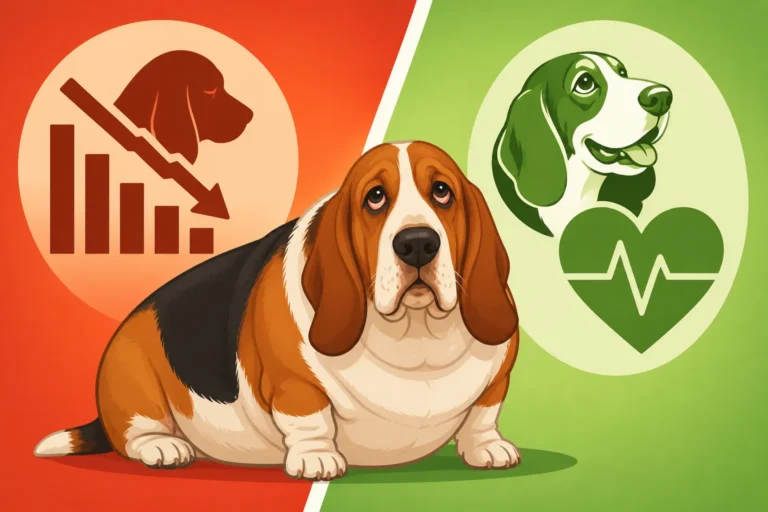
This cannot be stressed enough: weight management is paramount for a Basset Hound, especially concerning their joints. Their short, heavy-boned legs are not designed to carry excess weight, and every extra pound places immense additional strain on their elbows, shoulders, and wrists. It exacerbates existing orthopedic conditions like elbow dysplasia and significantly hastens the onset and progression of arthritis. An overweight Basset is a Basset in unnecessary pain.
Consider this: even a few extra pounds on a Basset Hound is equivalent to a much larger dog carrying significantly more weight. Their low center of gravity combined with short limbs makes them efficient at lumbering, but terribly inefficient at carrying extra bulk. Excess fat also contributes to systemic inflammation, which can worsen joint pain. Regularly weigh your Basset and work with your vet to determine their ideal body condition score. You should be able to feel their ribs easily, even if not see them, and they should have a discernible waist when viewed from above.
Achieving and maintaining a healthy weight involves carefully controlled portions of high-quality dog food, limiting treats, and consistent, appropriate exercise. Resist those soulful Basset eyes begging for another snack! It’s a tough love, but one that will profoundly impact their comfort and longevity. Think of it as investing in their future mobility. This is crucial for understanding What Extra Weight Does to a Basset Hound and how to prevent it.
Appropriate Exercise and Activity Levels
Finding the right balance of exercise for a Basset Hound is crucial. They are scent hounds, designed for endurance over speed, but their short legs and long backs mean their exercise needs are different from many other breeds. Too much high-impact activity can be detrimental, especially during their growth phases, while too little leads to muscle weakness and weight gain.
For puppies:
Avoid strenuous exercise, jumping from heights, or prolonged stair climbing. Their growth plates are still open and highly vulnerable. Short, frequent walks on soft surfaces are ideal. Supervised playtime in a secure yard is great, but don't let them overdo it. Focus on building core strength gently. A sudden burst of energy can lead to serious injury if their developing joints are stressed.
For adult Bassets:
Daily, moderate exercise is key. Two to three leisurely walks a day, allowing them plenty of time to sniff and explore, is perfect. This engages their minds and bodies without putting undue stress on their joints. Consider sniffing games, "find it" exercises, or even slow-paced tracking work. Swimming can be an excellent low-impact option, but ensure they wear a life vest as Bassets are not natural swimmers due to their body shape. Keep them off slippery floors and discourage jumping off furniture. Think about how many miles a Basset Hound can walk effectively. A brisk, short walk on a leash is often more beneficial than a long, meandering one where they're constantly stopping and starting, which can be hard on their joints.
It’s also wise to consider incorporating a ramp for the car or even for getting onto furniture to minimize impacts. Whether a Basset Hound Should Climb Stairs is a common question, and generally, minimizing stair use, especially repetitive climbing and descending, is recommended to protect their back and front joints. Consistency is more important than intensity when it comes to Basset exercise.
The Importance of Early Vet Checks
Regular veterinary check-ups are always important, but for a breed predisposed to orthopedic issues, early and consistent vet intervention is even more critical. Your vet can monitor your Basset's growth, assess their gait, and catch subtle signs of developing joint problems long before they become painfully obvious.
Puppy Exams: Ensure your vet thoroughly examines your Basset puppy's joints during their initial check-ups. Discuss their specific breed predispositions and what to watch out for. A vet experienced with chondrodystrophic breeds will know what to look for regarding healthy growth and development. This is especially important for things like elbow health, as some signs of dysplasia can appear early.
Regular Wellness Visits: As your Basset grows, continue with annual or bi-annual wellness exams. Your vet can perform physical manipulations of their joints, checking for pain, reduced range of motion, or crepitus (a grinding sensation). They can also advise on appropriate exercise, nutrition, and weight management strategies tailored to your dog’s specific needs. Don't hesitate to ask your vet about preventive measures like joint supplements, even if your Basset isn't showing signs of pain yet.
Addressing Concerns Promptly: If you ever notice any of the changes in gait or behavior discussed earlier, don't wait for your next scheduled appointment. Contact your vet immediately. Early diagnosis of conditions like elbow dysplasia can lead to more effective treatment options, including surgical correction if necessary, before irreversible arthritic changes set in. Waiting too long can limit options and increase your Basset's pain. Thinking about The Health Tests a Basset Hound Breeder Should Run can also give you insight into what issues might be inherited. Being proactive and having a good relationship with your vet is invaluable for a Basset Hound owner.
Managing and Treating Front Leg Conditions
When preventative measures aren't enough, or if your Basset Hound develops a front leg condition, understanding the available management and treatment options is crucial. The approach will depend on the specific diagnosis, severity, and your dog's overall health.
Conservative Management: Pain Relief and Physical Therapy
For many Basset Hounds with mild to moderate joint issues, especially arthritis or less severe cases of elbow dysplasia, conservative management is the first line of defense. The goal is to reduce pain, control inflammation, and maintain joint function without invasive procedures.
- Pain Relief and Anti-inflammatories: Your veterinarian will often prescribe Non-Steroidal Anti-Inflammatory Drugs (NSAIDs) like carprofen (Rimadyl), firocoxib (Previcox), or galliprant (Grapiprant). These medications reduce pain and inflammation, allowing your dog to move more comfortably. It's vital to use these exactly as prescribed and to monitor for any side effects, as long-term use can impact the liver or kidneys. Other pain relief options might include gabapentin for neuropathic pain or amantadine.
- Joint Supplements: Glucosamine, chondroitin, and MSM (methylsulfonylmethane) are popular supplements aimed at supporting cartilage health and reducing inflammation. Omega-3 fatty acids (fish oil) also have powerful anti-inflammatory properties. While not a cure, they can significantly improve comfort and slow progression when used consistently. Brands like Cosequin, Dasuquin, and GlycoFlex are often recommended by vets.
- Physical Therapy and Rehabilitation: This can be a game-changer for Bassets with joint issues. A certified canine rehabilitation therapist can develop a tailored program including:
- Therapeutic exercises: Designed to strengthen supporting muscles, improve range of motion, and increase proprioception (body awareness).
- Hydrotherapy: Swimming or underwater treadmill exercise provides low-impact resistance, building muscle without stressing joints. Given that Basset Hounds are not natural swimmers, a controlled environment is ideal.
- Massage and stretching: To improve flexibility and reduce muscle tension.
- Cold laser therapy or acupuncture: Non-invasive treatments that can help reduce pain and inflammation.
Physical therapy requires commitment but can yield significant improvements in mobility and quality of life.
Conservative management also heavily relies on continued weight control and appropriate modifications to the home environment, such as providing orthopedic beds and using ramps. Regular re-evaluations with your vet are essential to adjust the treatment plan as needed. When considering how to protect your Basset, you might also be looking into options like pet insurance, and a provider like Healthy Paws can often help cover these ongoing costs if the condition isn't pre-existing.
Surgical Options for Severe Cases
For more severe orthopedic conditions, particularly certain types of elbow dysplasia or OCD, surgery may be recommended or even necessary. While the idea of surgery can be daunting, it often provides the best long-term outcome for improving function and reducing pain.
- Elbow Dysplasia Surgery: Depending on the specific component of elbow dysplasia, various surgical procedures exist:
- Arthroscopy: A minimally invasive technique where a small camera and instruments are inserted into the joint to remove fragmented coronoid processes or OCD flaps. This allows for faster recovery and less tissue damage.
- Osteotomy procedures: In some cases of elbow incongruity, bones may be cut and realigned (e.g., Proximal Abducting Ulna Osteotomy – PAUL procedure) to improve joint mechanics.
- Total Elbow Replacement: A last resort for end-stage elbow arthritis, though less common in Bassets due to their unique anatomy and size.
- OCD Surgery: For osteochondrosis dissecans, surgery typically involves arthroscopic removal of the cartilage flap and any loose bone fragments within the joint. This eliminates the source of irritation and allows the joint surface to heal.
- Pain Management Post-Surgery: Recovery from surgery usually involves a period of strict rest, followed by a gradual reintroduction to activity and a dedicated course of physical therapy. Pain management, including medications and possibly nerve blocks, is crucial during the immediate post-operative period.
Surgical intervention is a big decision, and your vet or a board-certified veterinary orthopedic surgeon will discuss the pros and cons, success rates, and potential complications. It's often considered when conservative management fails to provide adequate relief, or when the underlying anatomical defect is severe and progressive. The cost of such procedures can be substantial, which is where having comprehensive pet insurance from a company like Healthy Paws can truly offer peace of mind, covering a significant portion of the expense.
Long-Term Care and Support
Regardless of whether your Basset Hound undergoes conservative management or surgery, long-term care and support are essential for their well-being. Many orthopedic conditions, especially arthritis, are chronic and require ongoing attention.
- Regular Veterinary Monitoring: Even after initial treatment, regular check-ups (perhaps every 3-6 months) are vital to monitor the progression of the condition, adjust medication dosages, and assess overall comfort. Your vet will look for signs of worsening pain, changes in muscle mass, and the development of new issues.
- Environmental Modifications: Continue to make your home as joint-friendly as possible. Non-slip rugs on slick floors, orthopedic beds to relieve pressure points, and ramps to avoid jumping are critical. For a Basset, avoiding stairs or using baby gates to restrict access can be hugely beneficial for their back and front legs.
- Consistent Exercise and Weight Control: This remains foundational. While activity levels may need to be adjusted based on their condition, complete inactivity is detrimental. Work with your vet or physical therapist to establish an appropriate, consistent exercise routine. Strict weight management is non-negotiable for long-term comfort.
- Nutritional Support: Continue with high-quality joint supplements as recommended by your vet. Some prescription diets are also formulated to support joint health, containing higher levels of omega-3s and other beneficial ingredients.
- Emotional Support: Living with chronic pain can be tough on dogs. Ensure your Basset still receives plenty of love, mental stimulation, and comfortable resting places. Their quality of life is not just about physical comfort, but also emotional well-being.
- Financial Planning: Long-term care for orthopedic conditions can incur significant costs for medications, supplements, vet visits, and potentially ongoing therapies. Setting aside funds or utilizing pet insurance like that offered by Healthy Paws can help alleviate the financial burden, allowing you to provide the best care without undue stress.
Caring for a Basset with front leg issues is a marathon, not a sprint. It requires dedication, patience, and a close working relationship with your veterinary team. But with consistent effort, you can help your beloved Basset Hound live a comfortable and fulfilling life, despite their structural challenges.
Living with a Basset Hound with Front Leg Challenges
Bringing a Basset Hound into your life means embracing their unique characteristics, and sometimes, that includes managing their predispositions to front leg issues. It's not about preventing them from being a dog; it's about helping them live their best, most comfortable life with their special build in mind.
Creating a Joint-Friendly Home Environment
Your home environment plays a massive role in the daily comfort and long-term health of a Basset Hound, especially one prone to or already experiencing front leg challenges. Simple modifications can make a profound difference:
- Non-Slip Flooring: Slippery floors like hardwood, tile, or laminate can be treacherous for Bassets, whose low center of gravity and sometimes splayed feet make them prone to slipping. This can lead to painful strains, sprains, or even serious injuries to their back and front legs. Lay down non-slip rugs, carpet runners, or yoga mats in high-traffic areas. This provides much-needed traction and confidence for movement.
- Ramps and Steps: Discourage jumping on and off furniture. While a Basset might look sturdy, the impact of repeatedly jumping from a sofa or bed can be very damaging to their elbows, shoulders, and especially their long, delicate spine. Invest in ramps or sturdy steps for access to favorite resting spots like couches or your bed. Similarly, a car ramp is invaluable for getting them in and out of vehicles without straining their joints or yours. This is also key for Keeping a Basset Hound Off the Furniture It Should Not Jump From.
- Orthopedic Beds: Forget flimsy dog beds; Bassets need proper support. An orthopedic dog bed with dense, supportive foam (like memory foam) helps cushion their joints and distribute weight evenly, reducing pressure points during long naps. This is particularly important for older Bassets or those with diagnosed arthritis. Look for beds with supportive bolsters that they can lean against.
- Restricting Stair Access: While a young Basset might dash up and down stairs, it's generally best to limit their use, especially repetitive climbing and descending. Stairs put significant strain on their front and back legs. Use baby gates to block access to staircases if you have multiple levels. If stairs are unavoidable, consider carrying your Basset (properly supported under their chest and hindquarters) or training them to use a ramp positioned alongside.
These adaptations aren't just for senior dogs; implementing them early in a Basset's life can help prevent issues from developing or worsening. It’s about making their world safer and more comfortable, allowing them to move with greater ease and less pain.
Dietary Support and Supplements
Nutrition is a powerful tool in supporting joint health for Basset Hounds. What you feed them, and any supplements you provide, can directly impact their comfort and mobility.
- High-Quality Diet: Start with a balanced, high-quality dog food appropriate for their age and activity level. Avoid overfeeding, as discussed, to prevent obesity. Some premium dog food brands offer specific "joint support" formulas, which often contain higher levels of omega-3 fatty acids and joint-supporting nutrients. Discuss these options with your vet.
- Joint Supplements: Even if your Basset isn't showing signs of joint pain, many vets recommend starting joint supplements preventatively, especially for breeds like Bassets. Key ingredients to look for include:
- Glucosamine and Chondroitin: These are natural components of cartilage and can help support cartilage health, reduce inflammation, and improve joint lubrication.
- MSM (Methylsulfonylmethane): An organic sulfur compound known for its anti-inflammatory and pain-relieving properties.
- Omega-3 Fatty Acids (Fish Oil): EPA and DHA, found in fish oil, are potent natural anti-inflammatories that can significantly reduce joint pain and stiffness.
- Green-Lipped Mussel: Another natural source of glucosamine, chondroitin, and omega-3s.
Always consult your veterinarian before starting any new supplements. They can advise on appropriate dosages and ensure there are no contraindications with other medications or existing health conditions. It's about finding the right balance of nutritional support tailored to your individual Basset. Investing in their diet and supplements is a preventative measure that pays dividends in their long-term comfort.
Working with Your Vet for Ongoing Care
Your veterinarian is your most important partner in managing your Basset Hound's front leg challenges. A collaborative approach ensures your dog receives the best possible care throughout their life.
- Open Communication: Don't hesitate to discuss any concerns, however small, with your vet. Keep a log of your Basset's symptoms, changes in behavior, or reactions to medications. This information is invaluable for your vet in making informed decisions. If you've just adopted a Basset, share their history if known.
- Regular Check-ups and Monitoring: Stick to the recommended schedule for veterinary visits. These check-ups allow your vet to monitor the progression of any conditions, assess the effectiveness of treatments, and make necessary adjustments to their care plan. They can also perform physical exams to detect new issues or worsening symptoms.
- Specialist Referrals: If your Basset has a complex orthopedic condition, your vet might recommend a referral to a board-certified veterinary orthopedic surgeon or a canine rehabilitation specialist. These experts have advanced training and equipment to provide specialized diagnostics and treatments that may not be available at a general practice. Don't be afraid to seek a second opinion or specialist care; it's often in your Basset's best interest.
- Medication Management: Work closely with your vet to manage any prescribed medications. Understand the dosage, frequency, potential side effects, and what to do if you miss a dose. Never administer human medications to your dog without vet approval.
- Financial Planning and Pet Insurance: The costs associated with diagnosing and treating chronic orthopedic conditions can be significant. Discuss financial planning options with your vet. This is also where pet insurance can be a lifesaver. Companies like Healthy Paws offer comprehensive coverage that can help offset the costs of diagnostics, medications, physical therapy, and even surgery for covered conditions, allowing you to focus on your Basset's health without financial stress. Many owners reflect on What a Basset Hound Costs a Year to Keep and realize vet bills are a major component.
By actively participating in your Basset Hound's care and maintaining a strong relationship with your veterinary team, you can ensure they receive consistent, compassionate, and effective support for their unique front leg structure.
Dispelling Myths and Understanding Normal Basset Hound Anatomy
It's easy to look at a Basset Hound's unique front end and assume the worst, especially if you're used to dogs with more conventional, straight legs. However, not every characteristic that looks "crooked" or "unusual" is a cause for alarm. Understanding the nuances of their breed-specific anatomy is key to distinguishing between normal traits and genuine health concerns.
When Bowed Legs Are Just 'Basset'
The most common misconception is that any degree of bowing in a Basset Hound's front legs indicates a problem. This is simply not true. As we've discussed, the breed standard explicitly calls for forelegs that are "short, powerful, and slightly bowed." This bowing is a hallmark of the breed, a direct result of their chondrodystrophic (dwarfism) genetics, and it's essential for their low-slung, scent-trailing function.
A healthy, well-bred Basset Hound will have legs that curve around their broad, deep chest. Their feet will often turn out slightly. Their massive bone structure will make their limbs appear stout and perhaps a little clumsy, but this is normal. When they walk, they will have a distinctive, rolling gait – a waddle – which is characteristic, not indicative of pain or unsoundness in itself. It's the movement of a dog built for endurance and scent, not for speed or agility in the traditional sense.
The trick is to learn what "slightly bowed" looks like and feels like for your individual dog. A responsible breeder will be able to show you their parent dogs and explain the healthy conformation. It’s when this bowing becomes excessive, or when accompanied by other symptoms like pain, lameness, or severe splaying of the feet, that you should become concerned. Just as a certain amount of loose skin and wrinkles is normal and desirable for a Basset, a degree of bowing in the legs is also an expected part of their breed identity.
Distinguishing Normal Waddle from Painful Limp
This is perhaps the most challenging aspect for many Basset Hound owners. Their natural gait, often described as a "waddle" or "roll," can easily be mistaken for a limp by an untrained eye. However, there's a world of difference between a characteristic movement and one caused by pain or orthopedic issues.
- Normal Waddle: A healthy Basset's waddle is symmetrical, fluid, and consistent. They move with purpose, their head often low to the ground, following a scent. There's no hesitation or favoring of one leg. While it may look slow or ungainly to some, it's their natural, efficient way of moving. They maintain a consistent pace and show enthusiasm for their walks.
- Painful Limp: A painful limp, on the other hand, will show several key differences. It might be subtle at first, perhaps a slight head bob or an unevenness in their stride. They might consistently favor one leg, even if only slightly. The limp often worsens after rest or strenuous activity and can improve after they "warm up." You might notice them trying to compensate by shifting weight, leading to an unnatural twist in their body. They might also be reluctant to put full weight on a particular limb, or even hold it up entirely in severe cases. This is where you might find your Basset struggling, like The Old Basset Hound That Cannot Get Off the Floor, indicating a definite painful limp rather than a typical waddle.
If you are unsure, try filming your Basset walking from different angles (side, front, rear) and show it to your veterinarian. They are experts at differentiating between a normal breed gait and a pathological limp. Observe your Basset carefully after different types of activity – a short stroll vs. a longer sniff-fest, or after playing with another dog. Any change in their usual waddle should be investigated, as consistency is key to a healthy gait.
The Importance of Responsible Breeding
When it comes to the Basset Hound's unique structure and its potential health implications, responsible breeding is paramount. A well-bred Basset is not just about looks; it's about health and longevity.
- Health Testing: Responsible breeders go to great lengths to health test their breeding stock for conditions that can impact the front legs and overall skeletal health. This includes screening for elbow dysplasia (OFA or PennHIP certifications), and sometimes shoulder OCD. They aim to select dogs with sound structure that meet the breed standard without exaggeration, reducing the likelihood of passing on genetic predispositions to severe orthopedic problems. You should ask a breeder for proof of these health clearances for both parents. Asking Whether a Basset Hound Breeder Should Show Elbow Scores is a fair and important question.
- Temperament: Beyond physical health, responsible breeders also prioritize good temperament, ensuring their Bassets are the friendly, docile companions the breed is known for.
- Genetic Diversity: While breeding for specific traits, ethical breeders also consider genetic diversity to avoid concentrating health problems within a single line. They aim to produce dogs that embody the breed's characteristics in a healthy, functional way.
- Support and Education: A good breeder will be a valuable resource throughout your Basset's life. They should be transparent about potential health concerns common to the breed, educate you on proper care, exercise, and nutrition, and be available to answer your questions. They are often the best first point of contact for understanding your specific Basset’s lineage and potential issues.
Unfortunately, backyard breeders or puppy mills often ignore health testing and breed solely for appearance or profit. This can lead to exaggerated features that compromise health, resulting in Bassets with severe structural faults and a higher likelihood of debilitating orthopedic issues from a young age. Choosing a reputable breeder is one of the most critical steps you can take to ensure your Basset Hound has the best possible start in life and the healthiest foundation for their uniquely charming front legs.
Disclaimer
The information provided in this article is for general informational purposes only and is not a substitute for professional veterinary advice. Always consult with a qualified veterinarian for any health concerns or before making any decisions related to your pet's health and treatment.